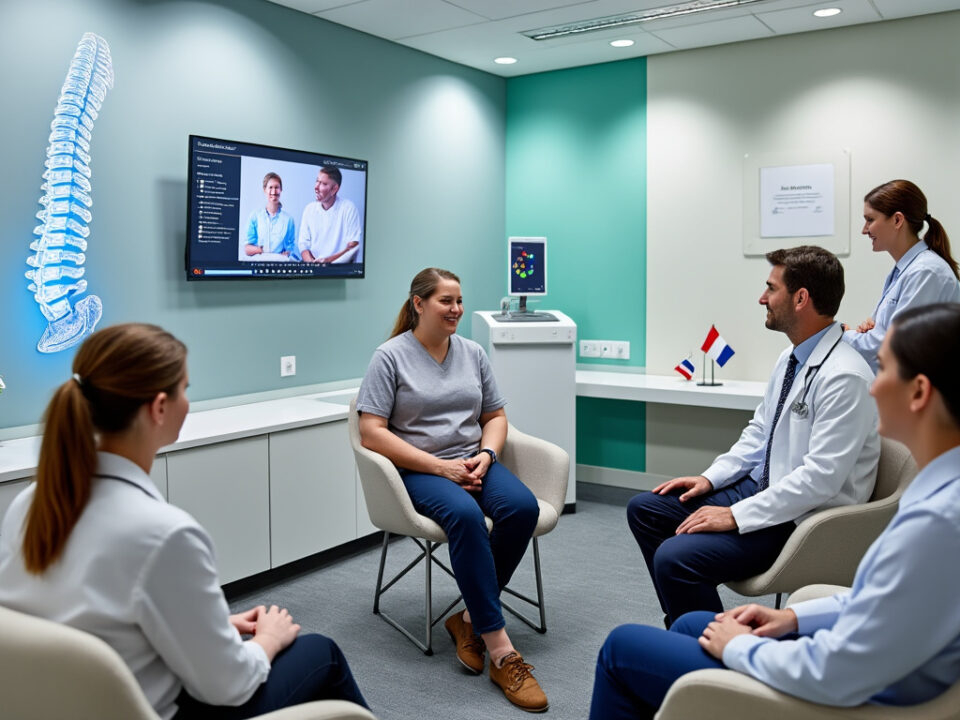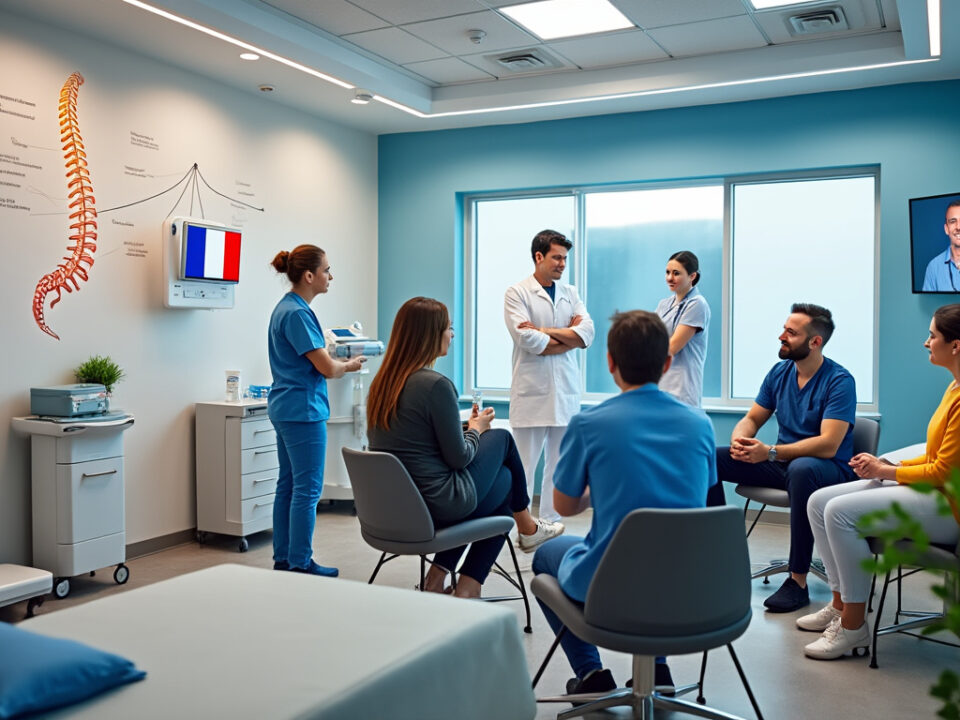
Mascouche Neck Disc Care After Accident
May 22, 2026
International Comparison: Insights into Rehabilitation and Workforce Reintegration
May 22, 2026
The occurrence of a herniated disc in Brossard constitutes a significant health concern for many residents faced with debilitating back pain that disrupts daily activities and overall quality of life. This condition, often misunderstood or underestimated, poses not only physical challenges but emotional and psychological burdens as well. For patients in Brossard, discovering effective treatments that avoid invasive surgical interventions has become a priority, propelling interest toward innovative approaches such as neurovertebral decompression therapy. This non-invasive technique leverages advanced technology to alleviate nerve compression and promote spinal healing, tailored meticulously to individual patient needs.
Preparing adequately for each neurovertebral decompression session is crucial in maximizing the therapeutic outcomes, a principle strongly advocated by renowned expert Dr. Sylvain Desforges. With over three decades of dedicated clinical experience in spinal care, Dr. Desforges emphasizes a holistic patient journey from initial evaluation to post-treatment care. In Brossard, patients benefit from a multidisciplinary approach combining osteopathy, physiotherapy, and the latest spinal treatment technologies, creating a comprehensive framework for back pain relief.
Understanding the multifaceted nature of herniated disc symptoms in Brossard, such as radiating pain, numbness, or muscular weakness, forms the foundation of an individualized treatment plan. Coupled with diagnostic imaging and rigorous clinical examination, the preparation phase addresses physical conditioning, patient education, and psychological readiness. This process ensures a smooth transition through the treatment protocol while fostering patient engagement and adherence.
Comprehensive Evaluation of Herniated Disc Symptoms and Their Management in Brossard
Addressing herniated disc issues begins with a detailed assessment of patient symptoms and their underlying causes. In Brossard, this evaluation not only conforms to scientific rigor but also reflects the empathetic clinical philosophy championed by Dr. Sylvain Desforges. Patients typically experience localized back pain, sometimes accompanied by tingling sensations or muscular weakness that can extend into the limbs, indicating nerve root involvement.
During the initial consultation, a thorough medical history is taken, focusing on symptom duration, intensity, and any factors exacerbating or alleviating the pain. This narrative is complemented by a rigorous physical examination targeting neurological deficits such as sensory loss or reflex changes. In Brossard clinics like TAGMED, diagnostic imaging tools like MRI and X-rays are utilized to visualize the extent of disc herniation and adjacent spinal structures. These insights are pivotal in formulating a tailored neurovertebral decompression regimen, meticulously adapting session parameters to the patient’s unique presentation.
Scientific evidence supports that precise diagnosis and individualized treatment paths improve recovery outcomes. For example, recent meta-analyses underline the importance of combining mechanical decompression with adjunctive physical therapy to enhance spinal stability and function. The synergy between evaluation and multimodal therapy defines the advanced standard of care in Brossard, transforming patient expectations into measurable improvements.
Through collaboration with other specialists and patient education initiatives, the care pathway in Brossard ensures that individuals understand their condition and the rationale behind selected interventions. This fosters trust and active participation, elements essential for sustained success. By contextualizing treatment within the patient’s lifestyle and personal goals, Dr. Desforges and his team create dynamic, adaptable care models that respond fluidly to patient progress. Such commitment to comprehensive evaluation underlines the importance of precision in the management of herniated discs.
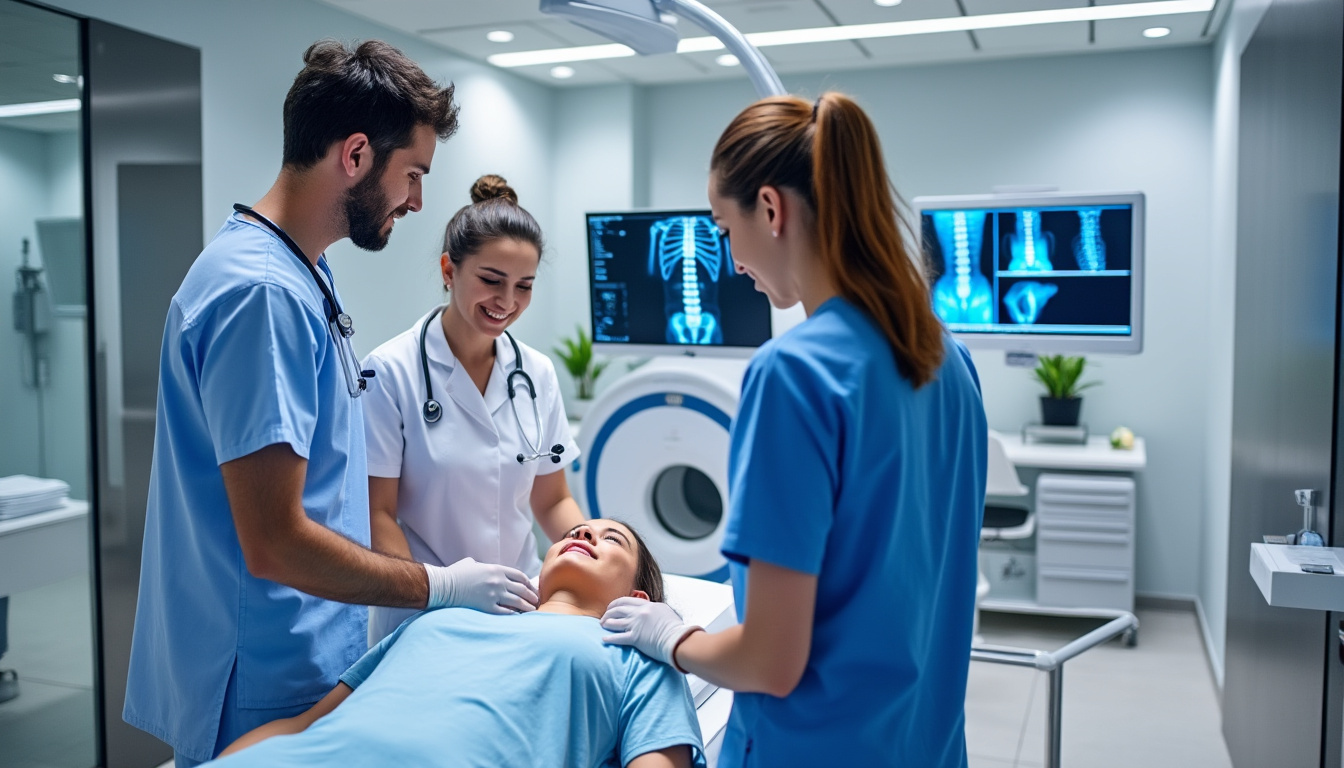
IntraSPINE® in Sherbrooke: A Long-Lasting Solution for Chronic Lower Back Pain
Chronic lower back pain remains one of the most pressing health concerns in Sherbrooke and beyond, impacting millions and often diminishing daily quality of life. Despite the prevalence of lumbar discomfort, many face limited access to cutting-edge treatments amidst lengthy…
Patient Preparation: Key Steps to Optimize Neurovertebral Decompression Outcomes in Brossard
Preparation before neurovertebral decompression sessions is paramount for enhancing treatment efficacy and patient comfort. In Brossard, patients receive detailed guidance on optimizing physical and mental readiness to ensure seamless therapy integrability. Such preparation reduces the risk of discomfort during sessions and supports the biomechanical goals of spinal traction.
Fundamental recommendations include ensuring relative rest prior to treatment to prevent muscular fatigue that could counteract decompression benefits. Patients are advised to avoid strenuous physical activity for at least 24 hours before each session. This measured approach minimizes muscle tension and enhances tissue pliability. Wearing loose, non-restrictive clothing facilitates proper positioning on decompression tables, enabling uniform pressure distribution during traction.
Another essential aspect of preparation is maintaining adequate hydration. Intervertebral discs rely on hydration to sustain their elasticity; consuming sufficient water before and after sessions supports disc health and recovery. The patient-practitioner dialogue plays a critical role, where expectations regarding sensations during the session—such as mild stretching or muscular relaxation—are communicated clearly. This transparency reduces anxiety and fosters confidence in the treatment process.
Complementary therapies, including targeted physiotherapy or gentle massage prior to decompression, may be integrated when indicated. These modalities aid in muscle relaxation and promote circulation, creating optimal conditions for spinal unloading. Brossard physiotherapy centers offer individualized pre-session protocols aligned with decompression therapy to prepare patients effectively.
Adherence to a clear set of preparatory guidelines underpins treatment success. Below is a concise list of recommended patient behaviors before each neurovertebral decompression session:
- Moderate rest to avoid muscle strain.
- Avoidance of intense physical exertion 24 hours pre-treatment.
- Wearing comfortable and loose-fitting clothes to allow appropriate positioning.
- Maintaining hydration before and after the session.
- Open communication with the practitioner about any pain or discomfort.
- Utilizing complementary therapies such as massage or physiotherapy as prescribed.
- Avoidance of alcohol or substances that impair recovery mechanisms.
By observing these steps, patients in Brossard can significantly enhance their tolerance and responsiveness to spinal decompression therapy. More detailed instructions and personalized preparatory advice are available through clinics like TAGMED and collaborative resources online, helping patients embark on their treatment armed with knowledge and reassurance.
Herniated Disc Care in Sainte-Julie: Why TAGMED’s Neurovertebral Decompression Therapy Stands Out
In the vibrant community of Sainte-Julie, back pain—particularly that stemming from herniated discs—has become a widespread concern affecting people from all walks of life. The relentless search for effective, non-invasive treatments has brought renewed attention to a pioneering therapy that…
Understanding the Neurovertebral Decompression Session: Procedures and Mechanisms in Brossard
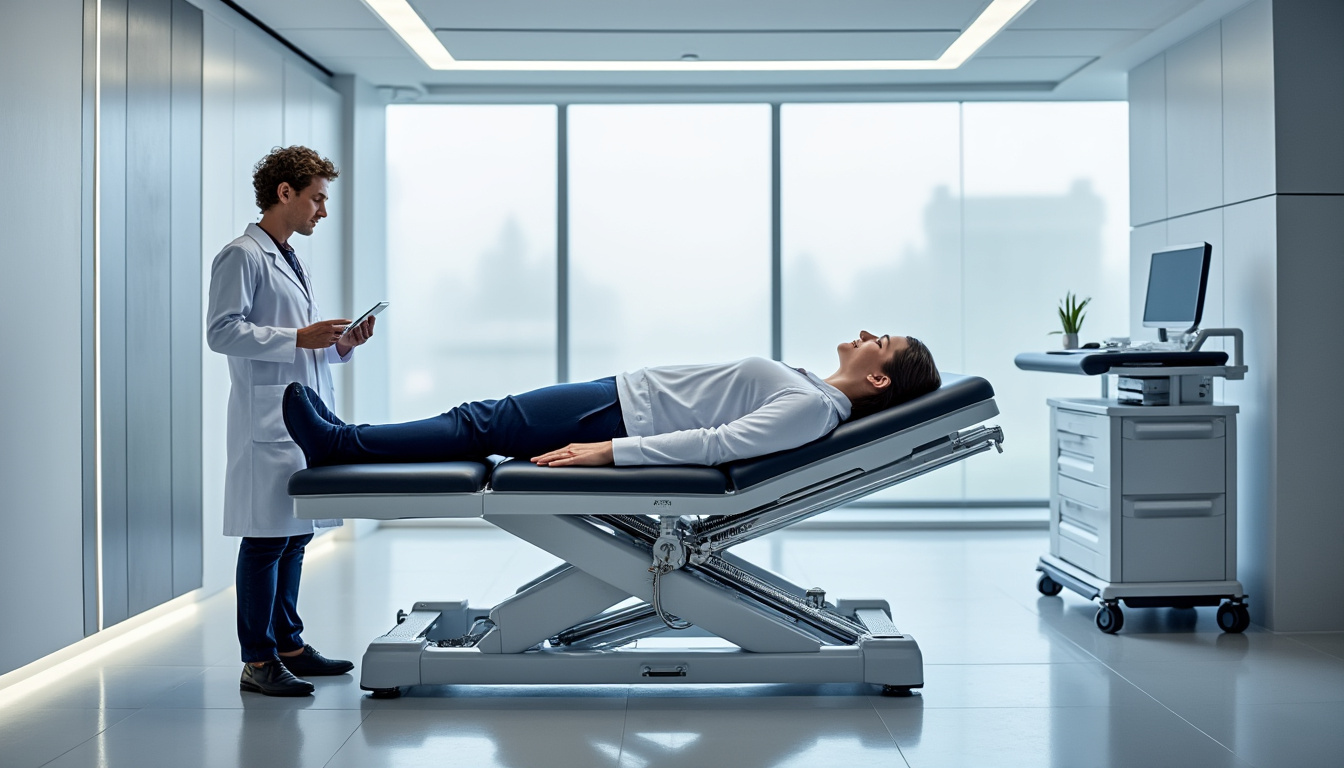
The neurovertebral decompression session in Brossard encapsulates a delicate balance of technology and clinical expertise, designed to alleviate the pressure on herniated discs and irritated nerves without invasive procedures. The patient lies comfortably on a specialized traction table that supports the body while gentle, customized mechanical forces are applied to the spine.
This technique incrementally increases the space between vertebrae, creating a negative pressure that facilitates the retraction of herniated disc material and reduces nerve compression. The session duration typically ranges from 30 to 45 minutes, during which the intensity and timing of traction are continuously adjusted based on patient feedback and therapeutic goals.
Throughout the session, patients may experience a sense of spinal elongation and muscle relaxation. These sensations are indicators of effective decompression. In some cases, initial sessions may present mild transient side effects such as light soreness or a feeling of fatigue, which generally resolve quickly.
Neurovertebral decompression in Brossard is conducted in settings equipped with cutting-edge technologies. Devices with computerized monitoring capabilities ensure precision in traction force application and patient safety at every stage. Notably, adjunctive tools like PulseAlign technology, which provides targeted vibrational stimuli, further enhance muscle relaxation and circulation, complementing the decompression effect.
The holistic care model often integrates neurovertebral decompression with rehabilitation exercises focused on posture correction, core strengthening, and flexibility improvements. This comprehensive strategy accelerates recovery and establishes a foundation for long-term spine health.
Patients interested in detailed session protocols and the underlying biomechanics can explore expert explanations of neurovertebral decompression benefits in Brossard that provide valuable insights and real-world applications.
Back Surgery in Trois-Rivières: Alleviating Pain While Preserving Mobility
In Trois-Rivières, Quebec, the persistence of back pain affects a substantial portion of the population seeking effective and personalized solutions. Back pain, often caused by spinal disorders or herniated discs, can drastically diminish quality of life, limiting mobility and causing…
Systematic Follow-up and Rehabilitation After Neurovertebral Decompression in Brossard
Completing neurovertebral decompression treatment marks the beginning of a crucial rehabilitation and monitoring phase to consolidate the positive effects. In Brossard, post-treatment care is uniquely structured to track patient progress closely and tailor ongoing interventions for sustained back pain relief.
Regular follow-up consultations assess pain intensity, functional improvements, and spinal mobility. Objective evaluations include muscle strength tests and posture assessments performed by the multidisciplinary team. Adjustments to decompression parameters or additional physiotherapy may be recommended depending on patient response.
Rehabilitation focuses on personalized physical therapy protocols emphasizing core stability, balanced muscular development, and ergonomic education. These elements reduce the risk of re-injury and foster resilience in spinal structures. Incorporating routine stretching and strengthening exercises into daily living is actively encouraged to maintain gains.
The follow-up process also addresses lifestyle factors such as sleep quality, activity modifications, and stress management—elements scientifically proven to influence spinal health outcomes. Brossard care providers emphasize patient education, equipping individuals with tools and knowledge to prevent herniated disc recurrence.
By providing ongoing support and open channels of communication, the Brossard patient journey under Dr. Sylvain Desforges’ guidance exemplifies a commitment to comprehensive, ethical, and patient-centered back pain management. This long-term partnership enhances both the effectiveness and satisfaction of non-surgical treatments.
Disc herniation remains a significant health concern in Pointe-Claire, impacting the lives of a diverse population ranging from labor-intensive workers to the aging community. The condition, characterized by the displacement or rupture of the intervertebral disc, often leads to debilitating…
Physical Therapy as an Essential Partner in Herniated Disc Recovery in Brossard
While neurovertebral decompression targets immediate mechanical decompression, physical therapy plays an indispensable role in restoring spinal function and preventing recurrence. Brossard’s integrated clinical settings embody this collaborative model, bringing together osteopathic expertise and physiotherapeutic strategies for optimal outcomes.
Physical therapists focus on strengthening deep spinal stabilizers, improving flexibility, and correcting dysfunctional movement patterns that contribute to disc stress. Therapeutic exercises are customized to each patient’s capacity and progression, ensuring safe and effective rehabilitation.
Specific techniques such as McKenzie exercises and manual therapy have proven efficacy in reducing herniated disc symptoms by realigning vertebral segments and enhancing neuromuscular control. In Brossard, patients benefit from modern treatment protocols that adjust these modalities based on real-time feedback and observed improvements.
Additionally, physical therapy often incorporates modalities like electrical stimulation and targeted massage to relieve muscle spasms and reduce inflammation around affected nerves. This multimodal approach enhances the decompression benefits and accelerates functional recovery. The emphasis on active participation and education helps patients maintain spine health long after treatment completion.
For further information on the complementary role of physical therapy in managing spinal disorders, readers are encouraged to explore resources from specialized Brossard centers such as Clinique IDN, which offer multidisciplinary care tailored to individual patient needs.

TOPS™ in Gatineau: A High-Performance Solution for Lumbar Spine Care
In a region where chronic back pain increasingly affects quality of life, the quest for advanced and effective lumbar spine treatments is paramount. Lumbar spinal stenosis, a prevalent condition among Quebec’s aging population, often imposes persistent discomfort and mobility limitations.…
Advanced Technologies Shaping Neurovertebral Decompression Therapy in Brossard
Brossard’s spine care scene benefits from continual integration of state-of-the-art technologies that enhance the precision and efficacy of neurovertebral decompression treatments. The use of computer-controlled traction tables allows for finely-tuned spinal elongation, adapting instantaneously to patient feedback and anatomical variations.
PulseAlign technology represents a noteworthy advancement; by delivering precise vibrational impulses, it alleviates muscular tension and promotes optimal blood flow, thereby enhancing decompression effects. Such innovations, combined with real-time monitoring systems, minimize discomfort and improve safety profiles.
These cutting-edge systems work synergistically with emerging surgical implants and laser therapy tools available through Brossard clinics, providing an unparalleled spectrum of options for spine health management. Patients have access to individualized, evidence-based treatments designed to address complex herniated disc pathology comprehensively.
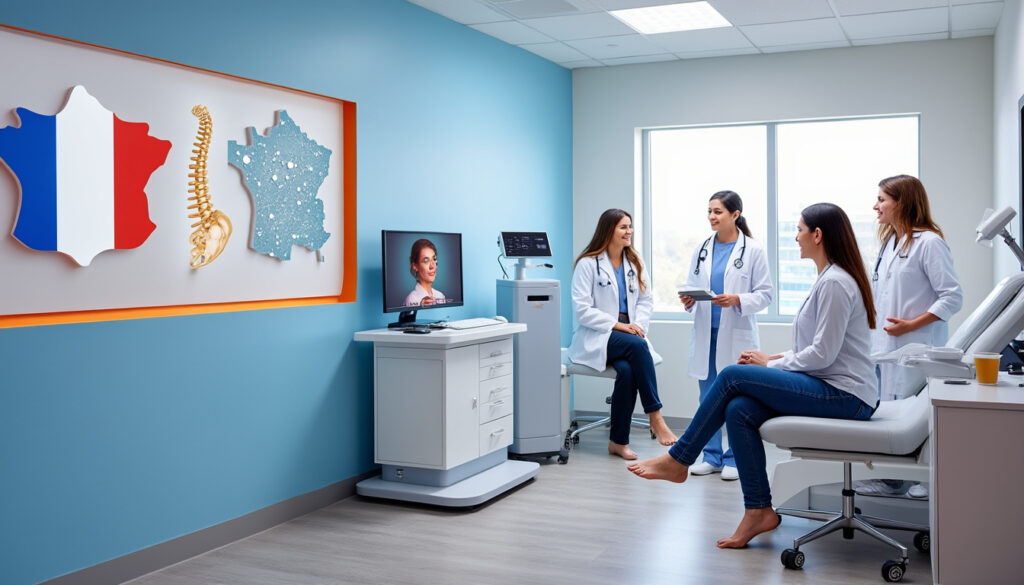
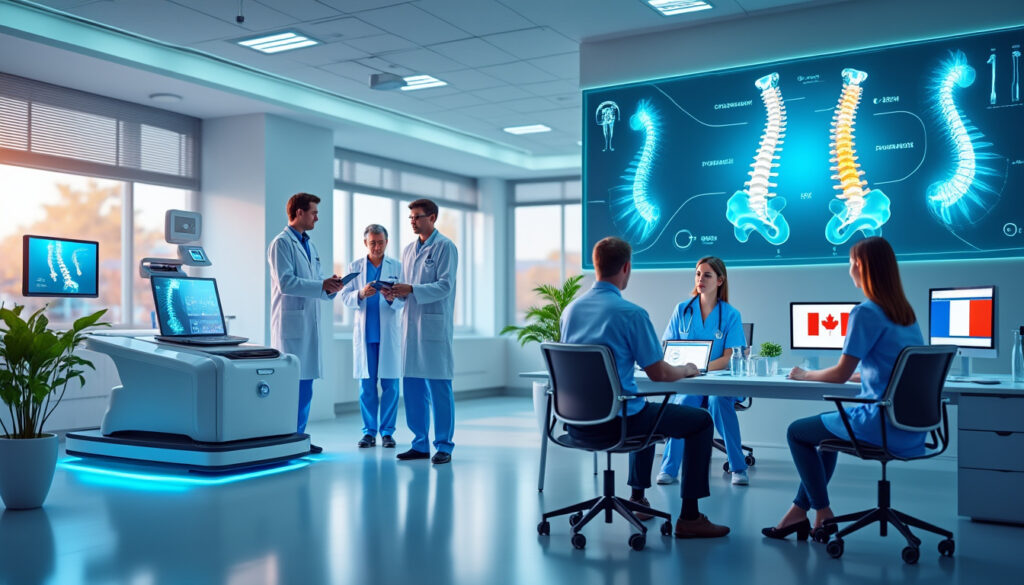
Interdisciplinary collaboration and international coordination, particularly bridging expertise between Québec and France, further enrich the therapeutic landscape. These partnerships facilitate access to novel surgical techniques and personalized patient pathways optimized by platforms such as SOS Tourisme Médical.
Continuous investment in innovation underscores Brossard’s positioning as a leading hub for neurovertebral decompression and advanced spinal care. The seamless integration of technology and clinical skill ensures patients receive unparalleled treatment standards fostering sustained back pain relief.

At Gouin Clinic, the landscape of herniated disc therapy has entered a transformative era marked by the integration of Personalized Treatment Plans and breakthrough Neurovertebral Decompression Therapy. This non-surgical approach is revolutionizing how spinal disorders are managed, offering patients an…
Factors Influencing Treatment Duration and Effectiveness of Neurovertebral Decompression in Brossard
The length and success of neurovertebral decompression therapy for herniated discs in Brossard depend on multiple patient-specific and clinical factors. Understanding these variables helps in setting realistic expectations and tailoring personalized care strategies.
The severity and size of the herniated disc are primary determinants. Patients with minor protrusions might witness symptom relief within a few weeks, while those with extensive disc involvement may require prolonged treatment courses supplemented by adjunct therapies. The overall health status, including comorbidities and fitness levels, also influences recovery speed.
Adherence to prescribed session schedules and preparatory guidelines dramatically affects treatment outcomes. Skipping appointments or neglecting recommended post-session exercises can reduce efficacy and prolong pain persistence. Similarly, lifestyle habits such as physical activity levels, nutrition, and sleep quality play a crucial role in spinal tissue healing.
Quality of follow-up care, including timely adjustments of decompression parameters and ongoing physiotherapeutic support, helps optimize improvements and minimize relapse risks. Psychological factors such as motivation, stress management, and patient education further shape responsiveness to treatment.
| Factor | Description | Impact on Treatment |
|---|---|---|
| Severity of Herniation | Extent of disc protrusion or extrusion | Longer and more intensive therapy needed for severe cases |
| General Health Status | Presence of other medical conditions and physical fitness | Affects recovery pace and treatment tolerance |
| Patient Compliance | Adherence to therapy sessions and lifestyle recommendations | Essential for maximizing therapeutic outcomes |
| Follow-up Quality | Regular reassessment and adjustment of treatment plan | Prevents relapse and enhances long-term results |
| Lifestyle Factors | Nutrition, physical activity, sleep, and stress levels | Supports tissue healing and overall spinal health |

Cervical Disc Prosthesis in Quebec: Preventing Post-Operative Stiffness
Neck pain is one of the most common musculoskeletal complaints in Quebec, affecting a significant portion of the population annually. Often rooted in degenerative cervical disc diseases or herniated discs, this persistent discomfort severely impacts daily life and mobility. Fortunately,…
Emerging Perspectives and Innovations in Herniated Disc Treatment Available in Brossard
The future of herniated disc management in Brossard is marked by ongoing advancements in both technology and therapeutic approaches. The integration of osteopathic techniques with neurovertebral decompression, combined with innovations like targeted vibration therapy and dynamic spinal implants, paves the way for increasingly personalized, minimally invasive treatments.
Current research explores the influence of genetic and biomechanical factors on disc healing, suggesting that individualized protocols could soon incorporate patient-specific biomarkers and adaptive training modules. Such progress promises to fine-tune patient preparation, session customization, and rehabilitation strategies.
Additionally, telemedicine platforms have gained traction in bridging transatlantic care, allowing patients in Brossard to maintain continuous contact with spine care teams in France. This international coordination accelerates knowledge sharing and access to cutting-edge interventions, enhancing patient outcomes globally.
This multidimensional progress is supported by the expertise of Dr. Sylvain Desforges, whose leadership in spine care innovation has positioned Brossard as a pioneering center for neurovertebral decompression and spinal health. Patients can thus anticipate continuously evolving options that balance safety, effectiveness, and individualized care.
What signs indicate that neurovertebral decompression is necessary for a herniated disc?
Typical signs include localized back pain, numbness or tingling radiating to limbs, and muscle weakness. A clinical evaluation confirms if neurovertebral decompression is appropriate.
Is neurovertebral decompression treatment painful?
No. This treatment uses gentle mechanical traction that is usually painless and often described as relaxing by patients.
How many sessions are typically required before symptom relief is felt?
The number varies according to herniation severity and individual response, but most patients observe improvement after several weeks with 2-3 sessions per week.
Can physiotherapy enhance the effects of neurovertebral decompression?
Yes. Physiotherapy strengthens supportive muscles, improves posture, and helps prevent recurrence, complementing the decompression treatment effectively.
Can neurovertebral decompression prevent the need for surgery?
For many patients, this non-invasive approach successfully reduces symptoms and delays or eliminates the necessity for surgical intervention.
The prevalence of herniated disc conditions in Blainville has sparked considerable discussion and misconceptions about their causes, symptoms, and treatments. While the pain and disability associated with this spinal disorder are well documented, the emergence of non-surgical options such as…