Herniated Disc in Brossard: How to Prepare for Your Session and Neurovertebral Decompression Treatment
May 22, 2026
The Ultimate Guide to Preparing for Surgery in France
May 22, 2026
The landscape of rehabilitation and workforce reintegration continues to evolve globally, revealing complex interactions between healthcare systems, patient recovery trajectories, and socio-economic factors. In 2026, international comparison provides compelling insights into how rehabilitation services are structured, delivered, and optimized to meet rising demands driven by an aging population and increased chronic health conditions. Understanding the multifaceted process of disability recovery and labor market integration highlights the crucial role of tailored vocational rehabilitation and policy frameworks aimed at promoting sustainable social inclusion.
Across different countries, the integration of rehabilitation into healthcare systems reflects distinct strategies shaped by cultural attitudes and policy priorities. The workforce reintegration of patients following major interventions, such as spinal surgery, exemplifies the necessity of coherent coordination between medical follow-up, psychosocial support, and employer engagement. This cross-cultural analysis underscores the importance of assessing employment outcomes beyond mere return to work metrics, incorporating quality of work life, prevention of relapse, and the fostering of meaningful workplace participation. The global dialogue on these themes informs best practices that reconcile medical innovation with workforce policies for enhanced rehabilitation success.
International Comparison of Rehabilitation Approaches: Structures and Strategies
Examining rehabilitation services internationally reveals diverse models that reflect national health system designs, workforce capacities, and resource availability. Some countries have embraced comprehensive, system-wide integration of rehabilitation, incorporating planning, financing, workforce development, and data analytics, while others face challenges in scaling these components effectively.
For instance, the adoption of multidisciplinary rehabilitation teams is prominent in Scandinavian nations where centralized healthcare governance supports systematic delivery models. These teams typically include physicians, physiotherapists, occupational therapists, psychologists, and social workers who collaborate to tailor individualized rehabilitation plans. In contrast, countries with decentralized systems may experience variability in service coordination, affecting overall outcomes.
Policies encouraging early vocational rehabilitation intervention have gained momentum internationally. Early intervention aligns with findings that timely support reduces the risks of long-term disability and dependency on social security benefits. The International Social Security Association’s guidelines have influenced several jurisdictions to prioritize reintegration programs that engage patients shortly after injury or onset of illness. Employment outcomes in such contexts have shown improvements in both return to work rates and sustained employment.
The workforce reintegration process varies in complexity depending on the nature of disability and labor market dynamics. Countries with adaptive labor laws that mandate workplace accommodations and protect returning patients experience lower rates of workforce dropout. In contrast, environments lacking such frameworks often grapple with increased unemployment and social exclusion among disabled populations.
This international comparison highlights the need for standardized metrics and descriptors to assess rehabilitation workforce capacity uniformly. Such metrics would enable cross-national benchmarking that informs policy evaluation and resource allocation. A scoping review recently underscored the gap in standardized indicators, which, if addressed, could help in harmonizing rehabilitation services globally and improving workforce reintegration outcomes uniformly.

Why Experts Advocate for Structured Imaging Exam Protocols
In the intricate realm of medical imaging, the pursuit of precision and consistency has become paramount for enhancing patient care and clinical outcomes. Structured protocols for imaging exams are increasingly seen as indispensable frameworks that guide healthcare professionals in standardizing…
Personalized Rehabilitation Following Major Spinal Surgery: A Multifactorial Framework
Post-surgical rehabilitation, especially for patients recovering from spinal interventions like back or neck surgeries, exemplifies the complexity of disability recovery and subsequent labor market reintegration. The process demands a personalized and multidisciplinary approach that takes into account the specific surgical procedure, patient psychosocial context, and occupational demands.
Research from leading rehabilitation centers demonstrates that postoperative recovery trajectories significantly depend on surgery type. Simple decompressions allow earlier mobilization and hastened return to sedentary work compared to motion-preserving interventions with dynamic implants or fusion surgeries, which require extended recovery periods.
The integration of innovative neuromodulation techniques such as repetitive transcranial magnetic stimulation (rTMS) has revolutionized chronic pain management in post-surgical rehabilitation. This method facilitates neural reorganization to mitigate neuropathic pain while concurrently supporting improvements in motor functions and psychological well-being. When combined with targeted physical therapies, rTMS enhances rehabilitation outcomes and expedites workforce reintegration.
Psychological support is also a critical pillar, addressing anxiety, depression, and motivational challenges that can compromise recovery and return to work. Programs offering counseling alongside physical rehabilitation foster holistic recovery, improving adherence and functional capacity.
Effective communication among patients, healthcare providers, and employers remains a cornerstone in managing the complex transition from hospital to workplace. Coordinated planning ensures timely adaptations in job duties, ergonomic modifications, and workload adjustments aligned with the patient’s evolving functional capacity.
Institutions like Neurothérapie Montréal exemplify this integrated model by coordinating continuous follow-ups that blend medical, psychological, and vocational support for patients operated on abroad. Their patient-centered strategy significantly enhances employment outcomes, easing the social reintegration of individuals with spinal injuries or surgeries.

International Comparison: An In-Depth Look at Stepwise Functional Recovery
In the evolving field of spinal surgery and rehabilitative medicine, the concept of stepwise functional recovery has emerged as a pivotal framework fostering personalized and progressive patient care. This methodology, grounded in systematic stages tailored to the patient’s unique clinical…
Cross-Cultural Analysis of Vocational Rehabilitation: Best Practices and Policy Implications
Vocational rehabilitation (VR) programs reflect a key intersection where health services meet labor market integration policy. Analyzing VR practices across nations reveals notable innovations and challenges relevant to enhancing social inclusion for disabled individuals.
Countries with robust VR frameworks emphasize early engagement, multidisciplinary team involvement, and personalized reintegration plans. Scandinavian models prioritize coordinated care pathways that encompass workplace adjustments and continuous support, resulting in reduced disability claims and improved employment retention. Meanwhile, in North America, VR programs increasingly incorporate technological aids and tele-rehabilitation, expanding reach to rural or underserved populations.
In contrast, some regions face systemic barriers, including fragmented health and employment services, social stigma, and insufficient policy frameworks. These issues underline the necessity for policy evaluation focused on inclusive economic participation and standardized reintegration protocols. International guidelines, such as those developed by the ISSA, provide a valuable blueprint to harmonize VR approaches, emphasizing early return to work and sustainable employment.
The cross-cultural analysis also underscores the relevance of workforce education and training. Skilled rehabilitation workforce capable of addressing complex biopsychosocial needs is paramount. Countries investing in structured rehabilitation education, capacity building, and research infrastructure report enhanced service quality and patient outcomes.
The economic rationale also supports such investments, as facilitating timely return to work diminishes long-term disability costs and enhances productivity. Social security organizations in many nations have identified a favorable return on investment in reintegration measures, viewing them as essential components of welfare reform and labor market policies.
This comprehensive perspective on vocational rehabilitation and workforce reintegration demonstrates the intricate balance between healthcare innovation, employment law, and social policy necessary to achieve meaningful social inclusion for individuals undergoing disability recovery.


Conservative Treatments Versus Surgery: Understanding Their Impact on Surgical Decision-Making
In the evolving landscape of spinal care, patients and clinicians alike face the critical choice between conservative treatments and surgical intervention. This decision is far from straightforward, as it involves a complex interplay of patient preferences, clinical guidelines, risk assessment,…
Policy Evaluation and the Role of International Guidelines in Shaping Rehabilitation Services
The development and refinement of rehabilitation policies at national and international levels rely heavily on evidence-based frameworks and continuous policy evaluation. International bodies like the World Health Organization and the International Social Security Association provide essential guidance that informs such policies and promotes standardization of rehabilitation services globally.
Policy evaluation focuses on several pillars: leadership and governance, workforce development, financing mechanisms, service delivery models, information systems, and research. Improvement in these areas supports the quality and accessibility of rehabilitation services, directly impacting patient outcomes and workforce reintegration.
The 2023 World Health Assembly’s landmark resolution on strengthening rehabilitation within health systems emphasizes leadership and systematic investment in multidisciplinary rehabilitation workforces. This shift highlights a global consensus towards sustainable and integrated rehabilitation as part of universal health coverage.
International guidelines advocate for early intervention, individualized rehabilitation plans, and involvement of employers in the reintegration process. These recommendations have influenced how many countries structure national programs, particularly in addressing barriers to labor market integration for disabled individuals. Cross-national studies reveal that adherence to these principles correlates with improved employment rates and reduced social exclusion.
Moreover, policy evaluation encourages the adoption of standardized workforce descriptors and metrics to facilitate international comparison and inform strategic planning. This is critical for regions where rehabilitation services are emerging and require benchmarking to align with global standards.
Advances in digital health and data analytics also foster realtime monitoring and quality assurance in rehabilitation programs, enabling policymakers to make informed decisions and adjust strategies responsively. Such innovations have been pivotal in supporting complex post-operative recovery pathways, including those involving neuromodulation and tailored vocational rehabilitation.
Key elements of rehabilitation policy evaluation:
- Governance and Leadership: Ensuring clear responsibility and accountability frameworks.
- Workforce Capacity Building: Training and retaining interdisciplinary rehabilitation professionals.
- Integrated Financing: Sustainable funding streams for comprehensive services.
- Data and Research: Leveraging evidence to enhance service quality.
- Stakeholder Engagement: Collaboration between health care providers, employers, and social services.

Unveiling the Hidden Benefits of Partnering with Hospitals and Surgeons
In the evolving landscape of healthcare, the synergy between hospitals and surgeons emerges as a powerful force driving medical excellence. The integration of advanced surgical techniques with well-established hospital infrastructures not only enhances patient outcomes but also contributes significantly to…
Challenges in Rehabilitation Workforce Development and Cross-Sector Collaboration
The escalating demand for rehabilitation services globally has exposed gaps in workforce availability and competency. Building an effective rehabilitation workforce requires addressing educational curricula, professional recognition, and multidisciplinary collaboration.
In many countries, rehabilitation professions remain underrepresented in healthcare planning despite their proven contribution to reducing disability and promoting workforce reintegration. The disparity in workforce density between high-income and low-middle-income countries also signifies a critical challenge in global health equity.
Successful workforce development strategies include the creation of standardized descriptors and indicators that capture workforce composition, skills, and deployment—tools necessary for strategic workforce planning and international comparison.
Furthermore, interdisciplinary collaboration across health, social services, and labor sectors is vital to address the multifactorial nature of disability recovery. Integrating occupational rehabilitation with social protection programs and employer support leads to more effective return-to-work trajectories, improved job retention, and reduced secondary health complications.
Innovative models now emphasize team-based care, where professionals from diverse backgrounds work synchronously with patients to design and implement rehabilitation and reintegration plans. These models favor a biopsychosocial approach that addresses medical, psychological, and social factors in tandem.
Addressing these workforce challenges is also essential for expanding access to emerging therapeutic modalities such as neuromodulation and tele-rehabilitation, ensuring equity in the availability of cutting-edge interventions worldwide.
Core challenges in workforce development:
- Shortage of qualified rehabilitation professionals.
- Uneven geographic distribution of services.
- Lack of standardized workforce data.
- Insufficient cross-sector coordination mechanisms.
- Limited continuing education and training opportunities.
Can Stepwise Functional Recovery Help Us Sidestep Surgery?
The advancement of medical science continuously challenges traditional approaches to spine surgery, especially concerning patients seeking alternatives to invasive procedures. In the evolving landscape of rehabilitation, stepwise functional recovery has emerged as a tailored, progressive treatment strategy that offers promising…
Innovations in Technology and Rehabilitation: Enhancing Disability Recovery and Labor Market Integration
Technological advances have transformed rehabilitation practices, directly influencing the quality of disability recovery and facilitating smoother labor market integration. These innovations range from robotics-assisted surgery to virtual reality therapies and digital monitoring tools.
Robotic navigation platforms enhance precision in spine surgeries, reducing operative time and postoperative complications. In 2026, the widespread FDA approval for advanced robotic assistive devices underlines their growing acceptance in clinical practice. Such technological progress shortens hospital stays and accelerates initiation of rehabilitation protocols.
Virtual reality and augmented reality applications are increasingly utilized in neurorehabilitation, enabling patients to engage in interactive therapeutic exercises tailored to their functional deficits. These immersive environments promote neuroplasticity and motivate sustained participation, translating into better functional outcomes and quicker workforce reintegration.
Moreover, tele-rehabilitation platforms offer remote delivery of rehabilitation services, expanding access to specialized care in rural or underserved regions. This capability complements traditional therapy and promotes continuity of care, particularly essential in managing chronic pain and supporting psychosocial well-being during recovery.
The integration of wearable sensors and mobile health apps allows continuous monitoring of patient progress and real-time adjustment of rehabilitation plans. This data-driven approach supports personalized rehabilitation and early identification of setbacks, enhancing overall recovery trajectory.
These technological advancements exemplify how innovation can bridge gaps in rehabilitation services, reduce disparities, and contribute to inclusive workforce reintegration strategies.
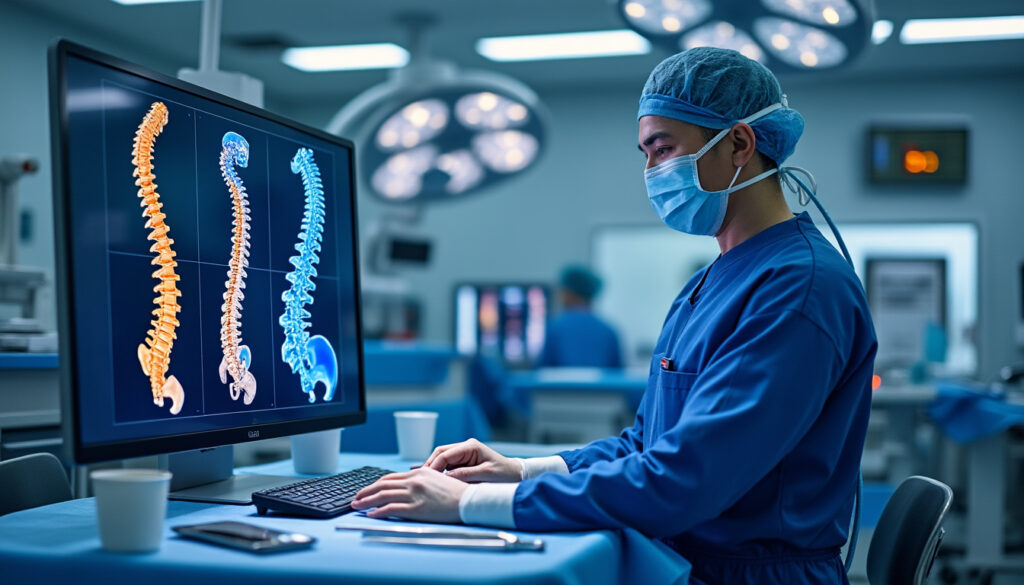
Why Specialists Advocate for Spine Surgery in France: Key Insights and Recommendations
Spine surgery in France presents an advanced frontier of medical expertise, combining cutting-edge technologies with a patient-centered approach that appeals widely to both local and international patients. Specialists consistently advocate for France as a prime destination for spinal interventions due…
Comparative Table of Rehabilitation Timelines and Functional Outcomes by Surgery Type
| Type of Surgery | Walking Resumption | Return to Sedentary Work | Light Sports Activity | Intense Sports Activity |
|---|---|---|---|---|
| Simple Decompression Surgery | 1–7 days | 2–4 weeks | 6 weeks | 3 months and beyond |
| Motion-Preserving Surgery with Dynamic Implants | 1–3 days | 3 weeks | 4–6 weeks | 3 months and beyond |
| Spinal Fusion Surgery | 1–3 days | 8–12 weeks | 4–6 months | 6–9 months |

Medical Logistics and Accommodation: Insights from an Industry Expert
The intricate world of medical logistics and patient accommodation stands at the forefront of enhancing healthcare delivery worldwide, with particular nuances in specialized fields such as spinal surgery. Patient journeys, especially those crossing international borders like between Canada and France,…
Case Studies and Practical Advice for Successful Return to Work Programs
Manifestations of successful rehabilitation and workforce reintegration emerge through patient stories illustrating how personalized care and cross-sector collaboration produce tangible benefits.
Consider the case of Martin, a 45-year-old project manager who underwent motion-preserving spinal surgery with stabilization implants. Supported by neuromodulation therapy and occupational rehabilitation, he resumed his professional activities within five weeks post-surgery. Martin highlights how rTMS not only alleviated neuropathic pain but also significantly reduced anxiety, allowing him to minimize reliance on analgesics.
Similarly, Sophie, a young professional recovering from a cervical trauma, benefited from a combined approach involving innovative brain-computer interface therapies and comprehensive psychological support. Her gradual workplace reintegration, facilitated by careful ergonomic adjustments and risk prevention strategies, reflects the impact of multidisciplinary collaboration and modern rehabilitation technologies.
Practical recommendations for patients and clinicians planning return to work programs include:
- Early, individualized functional assessments to inform rehabilitation pathways.
- Integration of modern neuromodulation and physical rehabilitation techniques.
- Consistent communication with employers and healthcare teams to ensure appropriate workplace adaptations.
- Emphasis on biopsychosocial models that combine physical, psychological, and social interventions.
- Gradual, patient-centered progression respecting individual recovery pace.
Exploring further local experiences in rehabilitation, especially in specialized contexts such as Quebec, reveals resources like repentigny lumbar disc rehabilitation after accident and rehabilitation success stories in Brossard, highlighting the diversity and efficacy of tailored rehabilitation programs supporting workforce reintegration.
International Comparison: Insights into Rehabilitation and Workforce Reintegration
What are the main stages of returning to work after spinal surgery?
The return to work process encompasses initial recovery, regular communication with employers, functional capacity evaluations, personalized return plans with workplace accommodations, followed by ongoing support to ensure long-term sustainability.
How does repetitive transcranial magnetic stimulation (rTMS) support post-surgical rehabilitation?
rTMS modulates cerebral cortex activity to alleviate chronic neuropathic pain, improve motor function, and stabilize mood, thereby expediting balanced and effective rehabilitation.
What is the role of coordinated international care in rehabilitation after surgery?
International coordination ensures continuity of care by combining surgical expertise from one country with specialized follow-up services in another, providing safer convalescence and optimized workforce reintegration outcomes.
Why is personalized return to work planning essential?
Individualized planning accommodates specific patient needs and job demands, facilitating gradual workload reintroduction that minimizes relapse risk and promotes sustained employment.
What benefits arise from early intervention in vocational rehabilitation?
Early vocational rehabilitation reduces long-term disability costs, supports quicker labor market reintegration, and improves social inclusion by addressing barriers promptly.

The Ultimate Guide to Preparing for Surgery in France
With the global spotlight increasingly on France’s healthcare excellence, international patients are embracing this destination for surgical treatments. France combines advanced surgical procedures and patient-focused care with streamlined hospital stays, inviting a diverse demographic from medical tourists to expatriates to…