Herniated Disc in L’Assomption: Targeted Therapy Zones and Neurovertebral Decompression Treatment
June 14, 2026
Disc Prosthesis in Lévis: Achieving Fast and Effective Results
June 15, 2026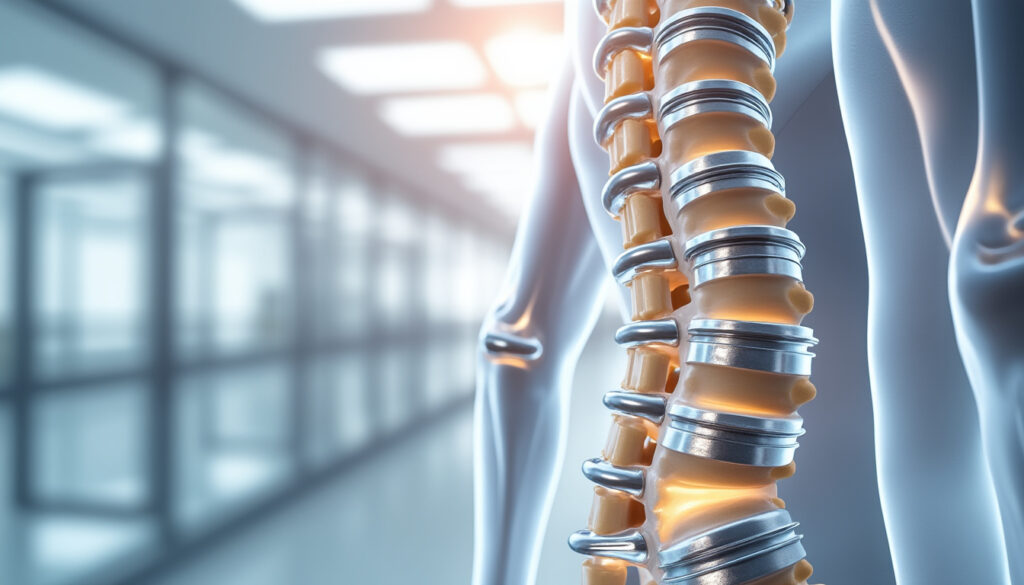
Chronic back and neck pain remain a ubiquitous challenge, notably affecting millions of individuals in Quebec who often face extensive wait times for treatment. In response to these hurdles, innovative advancements in spinal surgery present promising alternatives that prioritize both functional preservation and patient quality of life. Notably, the emergence of cutting-edge implants like the TOPS System, Intraspine, and ESP Implant revolutionizes orthopedic solutions by embracing motion preservation over traditional fusion techniques. These implants, designed with state-of-the-art materials and biomechanical principles, are transforming how spine disorders are addressed, offering Quebec patients expanded access to minimally invasive procedures, reduced postoperative discomfort, and enhanced recovery trajectories through collaborative transatlantic healthcare partnerships.
The evolving medical landscape in 2026 underscores a paradigm shift towards personalized care pathways, with prominent figures such as Érik Boulard facilitating streamlined access to superior surgical expertise in France. By integrating robotics, 3D imaging, and certified implant technology, patients can optimize outcomes while mitigating the risks historically associated with spinal fusion surgeries. This guide delves deeply into the principles, benefits, and logistical frameworks surrounding the TOPS System, Intraspine, and ESP Implant – essential knowledge for those navigating spine health decisions within Quebec’s unique healthcare environment.
Understanding the Biomechanical Innovation Behind TOPS, Intraspine, and ESP Implant
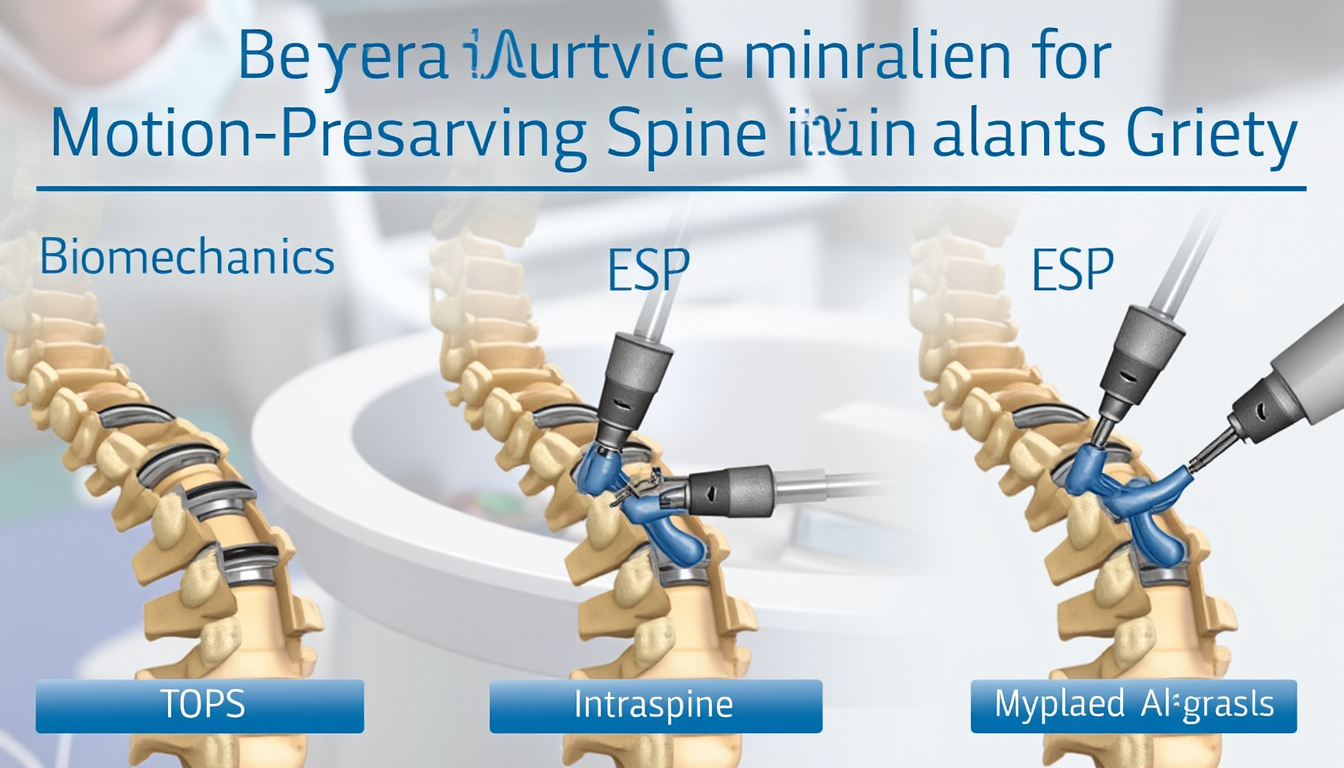
The foundation of innovative spinal implants lies in their ability to preserve the spine’s natural biomechanics while providing segmental stabilization. Traditional spinal fusion, though effective in controlling vertebral instability, restricts segment motion and often accelerates degeneration in adjacent spinal segments. In contrast, the TOPS System, Intraspine, and ESP Implant embody dynamic stabilization philosophies, carefully engineered to mimic physiological movement and reduce long-term complications.
The TOPS System integrates a multi-directional articulating dorsal stabilization mechanism, employing pedicle screws to anchor an articulated implant that facilitates natural flexion, extension, lateral bending, and rotational movements. This complex design promotes biomechanical harmony, allowing patients to retain functional segmental mobility. Clinical observations report measurable reductions in post-surgical pain and adjacent segment disease, positioning TOPS as a pioneering alternative to rigid fusion for cases such as moderate spondylolisthesis and segmental instability.
Intraspine, by contrast, utilizes a minimally invasive interspinous spacer placed between adjacent spinous processes. This design eases mechanical lumbar pain and decompresses neural elements, particularly in moderate spinal stenosis scenarios where preservation of lordosis and minimal disruption to soft tissues are critical. Its implantation technique significantly reduces surgical trauma, fostering more rapid recoveries and enhanced patient tolerance.
The ESP Implant embraces a semi-rigid stabilization model, integrating an internal spring mechanism to balance rigidity and flexibility within the spinal segment. This hybrid configuration distributes mechanical stresses adeptly, diminishing excessive load transfer to adjacent segments, mitigating post-operative pain, and enhancing implant longevity. Its clinical applications span degenerative pathologies and mild instability, offering tailored solutions in complex surgical decision-making.
Thanks to the expertise of specialists like Érik Boulard and the technological collaborations with manufacturers such as Cousin Spine and Premia Spine, these devices meet stringent European CE and American FDA certification standards, assuring biocompatibility, durability, and high clinical performance.
The Role of Franchir in Patient Management and Its Influence on Surgical Decision-Making
The evolving landscape of spinal surgery demands not only surgical expertise but also a well-coordinated and patient-centric management framework. At the forefront of this transformation is Franchir, a pivotal entity that bridges geographical and clinical gaps to enhance patient management…
Minimally Invasive Spine Surgery: Reducing Trauma and Enhancing Recovery for Quebec Patients
One of the most significant advancements associated with these innovative implants is the ability to perform spinal procedures via minimally invasive techniques, a boon for Quebec patients seeking effective solutions without the burden of extensive recovery periods. Minimally invasive spine surgery (MISS) employs refined approaches that minimize soft tissue damage, blood loss, and operative trauma, essential factors in modern spine health management.
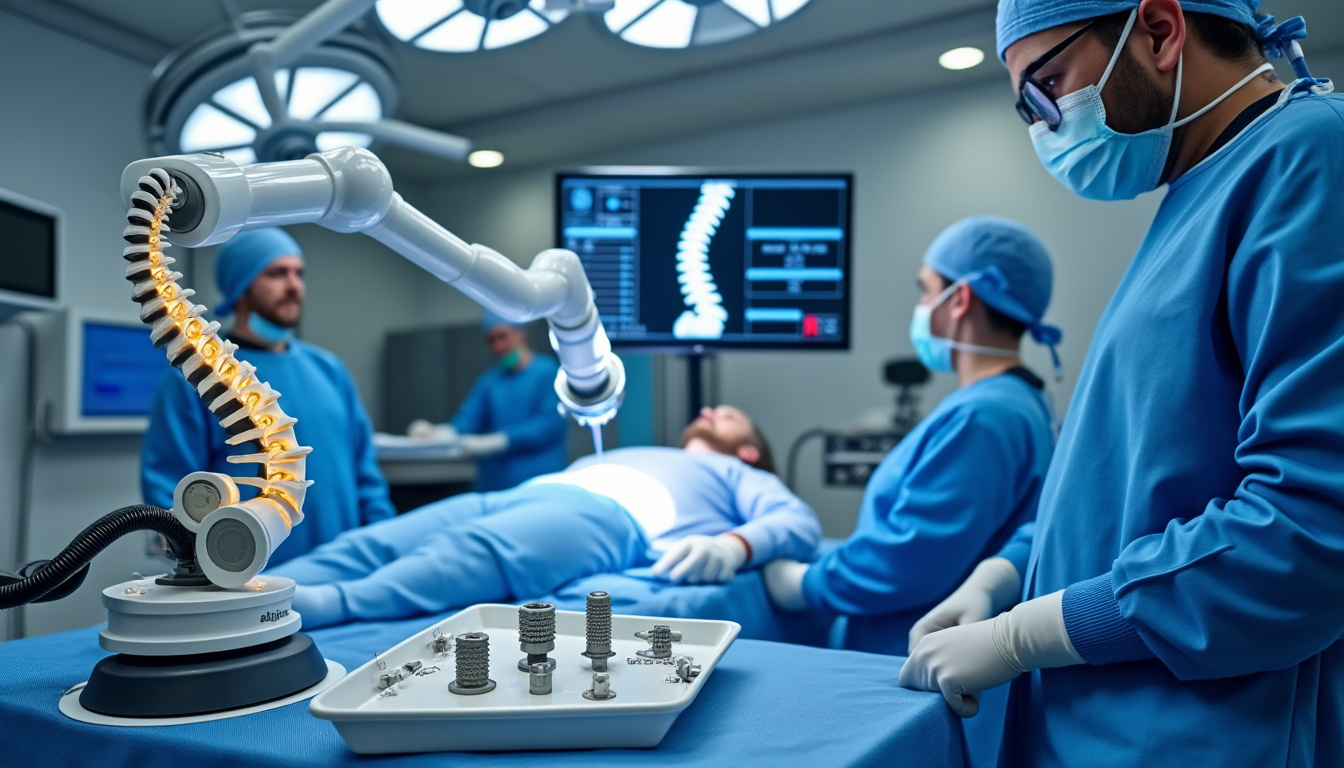
The TOPS System, for example, is implanted through surgical corridors that respect muscular and ligamentous structures, aided by robotic assistance and 3D imaging navigation, such as the Mazor system. These technologies provide surgeons with unparalleled precision, enhancing implant placement accuracy, reducing complications, and shortening hospital stays. MISS with TOPS typically results in less postoperative pain and quicker return to activities, invaluable benefits in a region where healthcare waiting lists and physical demands often compound patient challenges.
Similarly, the Intraspine interspinous implant’s minimally invasive implantation allows for a targeted decompression of neural tissues, with limited exposure necessary. This surgical finesse translates to preserved anatomical integrity, reducing postoperative rehabilitation duration and improving functional outcomes. Patients with chronic lower back pain in Quebec, including those in Laval and Gatineau, are increasingly turning to such options, recognizing the superior balance of efficacy and comfort.
The ESP Implant’s semi-rigid concept complements MISS by providing robust stabilization with flexible biomechanical responsiveness, effectively reducing the need for extensive fusion procedures. The implant’s compatibility with soft tissue preservation techniques supports enhanced mobility and symptomatic relief, crucial in managing degenerative spine conditions.
This sphere of minimally invasive surgical innovation is steadily expanding in Quebec, benefiting from the integrated patient pathways involving French expert centers. By marrying advanced implant technology with state-of-the-art surgical protocols, these approaches affirm their leadership in maximizing patient-centered care.
The Future of Surgery Lies in Comprehensive Preoperative Assessment
In the rapidly evolving landscape of surgical practices, the integration of comprehensive preoperative assessment signifies a paradigm shift towards maximizing patient safety, optimizing surgical outcomes, and embracing groundbreaking innovations in perioperative care. As medical technology advances at an unprecedented pace,…
Personalized Transatlantic Care Pathways: Quebec to France Treatment Model for Advanced Spine Surgery
Faced with the complexity of spine cases and often prolonged wait times within the Canadian healthcare system, many Quebec patients explore international opportunities to access advanced surgical options swiftly. Collaborative programs, pioneered by professionals such as Érik Boulard, establish personalized and secure care pathways connecting Quebec patients directly with renowned spine centers in France.
The process begins with a comprehensive evaluation at Quebec sites like TAGMED in Montreal and Terrebonne, where conservative treatment histories are reviewed. The inclusion of specialized therapies, such as robotic-assisted neuro-vertebral decompression, optimizes patient status prior to potential surgery. This careful preoperative management reduces unnecessary invasive procedures, ensuring targeted candidacy for implants like TOPS, Intraspine, or ESP.
Once surgical indication is confirmed, agencies like Franchir coordinate all logistical requirements for the patient’s stay in France, from surgeon selection and facility placement to travel and accommodation. This seamless support mitigates administrative and interpersonal barriers, allowing Quebec patients to focus on recovery and outcomes.
Postoperative follow-up is meticulously managed by services such as Neurothérapie Montreal, providing personalized neurofunctional therapies, biofeedback, and psychological support. This integrated approach enhances rehabilitation and reduces complication risks, blending physical and emotional wellness components essential to comprehensive spine surgery recovery.
Such a transatlantic model exemplifies modern healthcare’s future, fostering cross-border cooperation and fortifying Quebec patients’ pathways toward innovative orthopedic implant solutions.


Comprehensive Insights into Patient Recovery Stories
Patient recovery narratives offer an invaluable perspective on the intersection of medical intervention and human resilience, unfolding a complex tapestry of hope, challenges, and wellness progress. In contemporary healthcare, the richness of these stories provides insights beyond clinical data, revealing…
Comprehensive Clinical Benefits of Dynamic Implants: Patient Outcomes and Real-World Studies
Clinical data and patient testimonials increasingly validate the efficacy of dynamic implants in spinal surgery, underscoring improvements that extend beyond immediate surgical success to long-term quality of life enhancements. Patients receiving the TOPS System, Intraspine, and ESP Implant consistently report reduced chronic pain, preservation of spinal mobility, and faster resumption of normal living activities.
Studies conducted in reputable institutions highlight that these implants substantially decrease the incidence of adjacent segment degeneration—a common sequela associated with traditional fusion surgeries. For example, Quebec-based patients treated with these devices often experience significant pain relief within weeks post-procedure, regaining the capacity to engage in demanding occupational and recreational endeavors.
One illustrative case involves a patient from Gatineau undergoing TOPS implantation for lumbar stenosis, whose postoperative course included minimal discomfort and return to work within a month. Similarly, chronic low back pain sufferers in Laval treated with Intraspine report marked improvements in mechanical pain and functional capacity.
Operational efficiencies afforded by minimally invasive dynamic implants contribute to reduced hospitalization durations and streamlined rehabilitation regimens. These factors translate to both healthcare cost savings and enhanced patient satisfaction, aligning with broader public health goals.
Moreover, the expertise of surgeons trained in dedicated spine surgery diplomas and certifications, such as the Diplôme Inter-Universitaire de Chirurgie du Rachis, ensures patient safety and optimal outcomes. These elements collectively render innovative implants a vital component in the future landscape of spinal healthcare.
Simple Surgery, Fusion, and Motion: Exploring Their Impact on Surgical Decision-Making
The management of spinal disorders in 2026 involves a complex interplay between different surgical options, each tailored to address specific biomechanical challenges and patient needs. The landscape has been significantly influenced by advances in technology and a growing understanding of…
Advanced Medical Technologies Empowering Spine Surgery Excellence in France and Quebec
The integration of robotics, 3D preoperative planning, and navigation systems has firmly established France as a global leader in spine surgery technology. Instruments like the Medtronic Mazor system enhance surgical precision through detailed 3D imaging, enabling surgeons to reduce intraoperative trauma and enhance implant alignment.
Orthopedic implants supplied by trustworthy manufacturers maintain rigorous certification processes, including CE marking and FDA clearance. The materials utilized—the latest metal alloys and composite structures—are selected for durability, biocompatibility, and optimal mechanical support, ensuring clinical reliability for Quebec patients.
Training programs such as the FICV Spinal Solution Course and SFCR’s specialized diplomas contribute to the high competency standard among French spine surgeons, complemented by continuous education focusing on evolving techniques and implant innovations.
These technological and educational advancements fortify Quebec patients’ trust in cross-border treatment opportunities, linking them to exemplary clinical environments that marry innovation with compassionate care.

Common Pitfalls to Avoid When Collaborating with Partner Hospitals and Surgeons
Collaborating with partner hospitals and surgeons in complex surgical fields such as spinal surgery requires meticulous coordination and a clear understanding of potential pitfalls. The transatlantic patient journey between Canada and France exemplifies the challenges and intricacies in managing cross-border…
Key Considerations in Selecting TOPS, Intraspine, or ESP Implants for Quebec Patients
Choosing the appropriate implant involves careful evaluation of the patient’s unique anatomical, pathological, and lifestyle factors. Medical consultations emphasize personalized treatment planning to ensure optimal implant fit and function. Protocols prioritize motion preservation, pain reduction, and prevention of adjacent segment degeneration.
In general, the TOPS System is indicated for moderate spondylolisthesis and segmental instability, where multi-directional mobility preservation is crucial. Intraspine suits cases demanding neural decompression with minimal invasiveness, particularly for mechanical low back pain and moderate stenosis. The ESP Implant finds application in managing mild spinal instability and degenerative conditions where balanced semi-rigid stabilization is advantageous.
Table 1 offers a comparative overview of implant stabilization modes, clinical benefits, and primary indications, serving as an essential reference for patients and healthcare professionals alike.
| Implant | Mode of Stabilization | Clinical Advantages | Primary Indications |
|---|---|---|---|
| TOPS System | Multi-directional dorsal articulation | Preserves mobility, reduces pain, limits adjacent segment degeneration | Moderate spondylolisthesis, segmental instability |
| Intraspine | Minimally invasive interspinous spacer | Neural decompression, lordosis preservation, rapid recovery | Mechanical lumbar pain, moderate spinal stenosis |
| ESP Implant | Semi-rigid stabilization with integrated spring | Balances rigidity and flexibility, reduces bony sequelae | Degenerative pathology, mild instability |
Understanding these distinctions equips Quebec patients with the knowledge to engage in informed discussions regarding their spine health options via resources such as expert insights on innovative implants and patient-focused implantation explanations.
Insights from Research on Surgical Preparation Practices in France
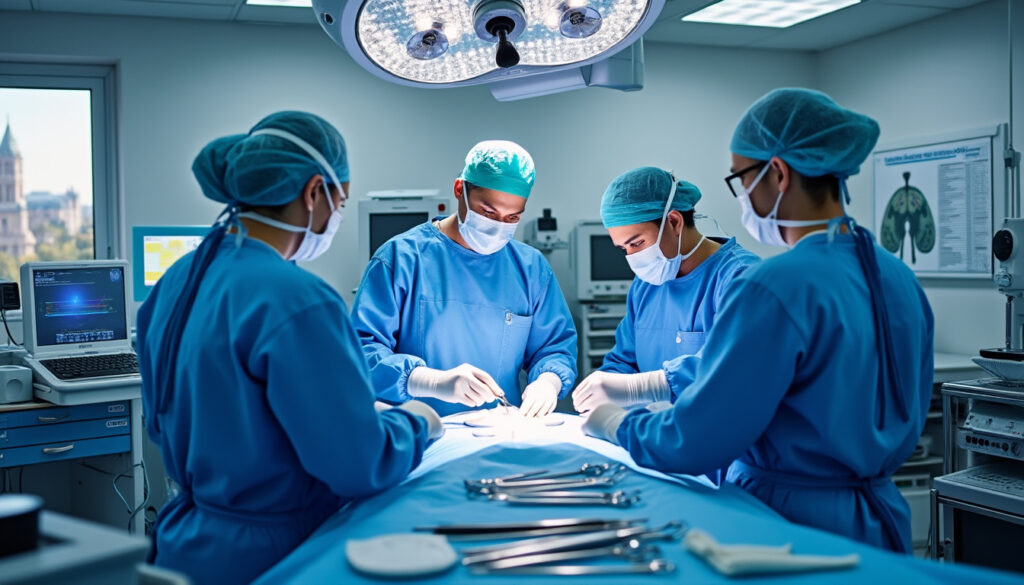
In the evolving landscape of healthcare in France, surgical preparation stands as a critical determinant of patient safety and favorable surgical outcomes. With surgical site infections ranking as one of the most frequent healthcare-associated complications, a meticulous approach to preoperative…
Regulatory Standards and Safety Protocols Ensuring High-Quality Spine Surgery Care
The safety and efficacy of modern spinal implants deployed internationally depend heavily on adherence to stringent regulatory frameworks. Both European CE marking and U.S. FDA approval serve as benchmarks for implant quality, biocompatibility, and clinical performance.
Surgeons operating within these frameworks implement rigorous preoperative assessments, intraoperative monitoring, and postoperative care protocols to mitigate risks such as neurological complications. Collaborative follow-up programs, like those coordinated between Quebec and French centers, reinforce patient surveillance, addressing potential adverse events early.
Evidence from recent publications illustrates a downward trend in post-surgical complications attributable to advanced implant designs and enhanced surgical techniques. Additionally, comprehensive training ensures that medical professionals are adept in both implant selection and handling, promoting patient safety and therapeutic success.

What Research Reveals About Patient Testimonials During Recovery
In the evolving landscape of healthcare, patient testimonials during recovery have emerged as a pivotal resource, offering invaluable insights into the intricate journey of healing. These authentic accounts span beyond mere anecdotal evidence, becoming a rich source for understanding treatment…
Supporting Quebec Patients Through Education and Collaborative Resources
Empowering patients through education remains vital to optimizing outcomes with innovative spinal implants. Initiatives such as SOS Tourisme Médical provide Quebec patients with accessible, detailed information about TOPS, Intraspine, and ESP implants. The organized presentation of procedural steps, eligibility criteria, and recovery expectations fosters confidence and active participation in care decisions.
Moreover, multidisciplinary support teams offer counseling and guidance throughout the surgical journey, addressing both medical and logistical concerns. This holistic support paradigm respects the diverse needs of Quebec patients, integrating technological innovation with personal wellness priorities.
As interest in personalized orthopedic implant solutions grows, available resources expand correspondingly, incorporating video materials, patient testimonials, and interactive assessments. The growing body of knowledge collectively advances the standard of spinal health management across geographical boundaries.
Innovative Implants Comparison
Explore the key features of TOPS, Intraspine, and ESP implants to help Quebec patients make informed decisions.
What are the main benefits of dynamic implants like TOPS and Intraspine?
Dynamic implants offer effective stabilization while maintaining the spine’s natural mobility, resulting in better recovery and less degeneration in adjacent segments.
When is spine surgery recommended for a patient?
Surgery is typically recommended after 3 to 6 months of specialized conservative treatments, such as neuro-vertebral decompression, if pain persists and quality of life is significantly affected.
What advantages does undergoing spine surgery in France offer Quebec patients?
Patients benefit from rapid access to innovative techniques, leading surgeons and centers of excellence, personalized postoperative follow-up, and comprehensive logistical support.
Is vertebral fusion still performed in spine surgery?
Yes, fusion remains standard in severe deformity cases, like progressive scoliosis, where dynamic implants are not suitable.
How can patients ensure safety and quality in their spinal care?
Choosing recognized centers and surgeons using CE- and FDA-certified implants, alongside strict adherence to surgical protocols, ensures the highest safety and quality standards.
Spine Surgery in France: Essential Insights Every Patient Must Know
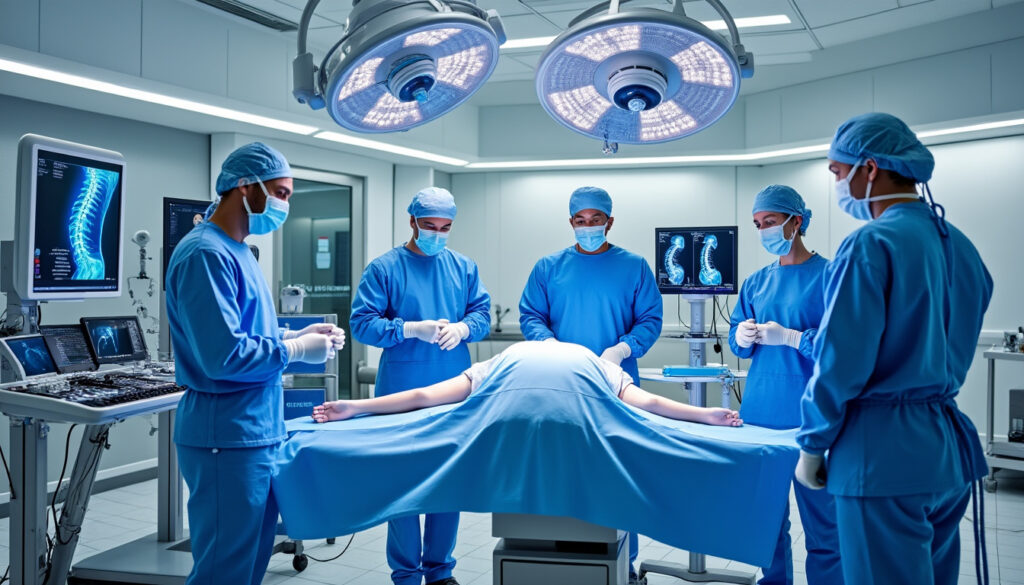
Spinal health is a critical aspect of overall well-being, particularly for individuals suffering from chronic back pain or debilitating spinal conditions. The landscape of spine surgery in France presents a remarkable opportunity for patients seeking advanced surgical procedures coupled with…