Vaudreuil-Dorion Chronic Back Pain Managed with TAGMED Protocol
May 26, 2026
Neck Surgery in Montreal: Ensuring Mobility Preservation After Procedure
May 27, 2026
In the heart of Ville-Marie, herniated discs have become a pressing health concern, significantly impacting the quality of life for many urban dwellers. The intricacies of spinal health, particularly the challenges posed by herniated discs, call for timely recognition and advanced therapeutic interventions. As sedentary lifestyles and repetitive postural stressors increase in this bustling borough, understanding the key symptoms that signal a herniated disc is crucial. Early identification not only prevents the progression of debilitating nerve compression but also opens the door to effective, non-invasive treatment options.
Among the arsenal of treatments, neurovertebral decompression therapy stands out as a scientifically-grounded, innovative approach that is gaining traction in Ville-Marie’s healthcare landscape. This therapy, combined with comprehensive physical therapy regimes and patient-specific care plans, represents a significant leap in pain management and functional recovery. With over 30 years of expertise, Dr. Sylvain Desforges champions this method, integrating it seamlessly into multidisciplinary approaches that respect both the anatomical and psychological dimensions of spinal disorders. Patients in Ville-Marie now have unprecedented access to treatments that prioritize safety, comfort, and lasting relief, anchored by evidence-based practices and a patient-centered philosophy.
Recognizing Herniated Disc Symptoms in Ville-Marie: Five Key Signs You Should Know
Identifying a herniated disc early is paramount to effective management and improved outcomes. In an urban setting like Ville-Marie, where daily routines often involve prolonged sitting, high stress, and sudden physical strains, awareness of symptoms becomes even more critical.
1. Intense Lower Back Pain: Often the most noticeable symptom, this pain may fluctuate from a dull ache to sharp, stabbing sensations, predominantly localized in the lumbar region. It tends to worsen during long periods of sitting or abrupt movements such as bending or twisting. The varying intensity can sometimes mislead individuals into ignoring the symptom, yet persistent back pain is a hallmark sign of possible disc herniation.
2. Radiating Leg Pain (Sciatica): A herniated disc can compress the sciatic nerve, leading to pain that shoots from the lower back down through the buttocks and into the legs. This radiating discomfort often intensifies with activities like coughing, sneezing, or walking, significantly limiting mobility and daily functioning.
3. Numbness and Tingling Sensations: Patients may report feelings of “pins and needles” or numbness in the legs or feet, suggesting nerve root irritation or compression. These sensory changes indicate that the disc protrusion is impacting nerve pathways, a critical signal demanding professional attention.
4. Muscle Weakness: Progressive weakness in the lower extremities can manifest, affecting a patient’s ability to perform routine movements such as climbing stairs or lifting objects. This symptom not only compromises mobility but highlights advancing nerve involvement.
5. Restricted Mobility and Stiffness: Difficulty in bending or twisting the trunk can emerge as discomfort spreads, often due to pain and muscle spasms associated with the herniated disc. This limitation can reduce independence and affect work and leisure activities.
These symptoms, when observed collectively or individually, serve as critical indicators warranting thorough evaluation. Ville-Marie residents experiencing these warning signs are encouraged to seek early consultation to explore diagnostic and treatment options suited to their specific conditions. Resources such as guides on symptom recognition provide valuable insights to enhance public awareness and promote timely action.

Neck Surgery in Montreal: Ensuring Mobility Preservation After Procedure
Neck surgery has become a critical focal point for many patients in Montreal who suffer from chronic cervical spine issues, including pain and degenerative disorders. As the demand for advanced and effective cervical treatments gradually increases, so does the innovation…
Understanding the Complex Causes of Herniated Discs in Urban Environments Like Ville-Marie
Herniated discs arise when the gelatinous core within a spinal disc, known as the nucleus pulposus, protrudes through its surrounding fibrous ring, the annulus fibrosus. This displacement can impinge on spinal nerves, triggering pain and neurological disturbances. The urban lifestyle in Ville-Marie contributes to several exaggerated risk factors that facilitate disc herniation.
Impact of Sedentariness and Poor Posture
Many jobs in Ville-Marie require prolonged sitting, often in non-ergonomic settings. This leads to sustained spinal compression, decreased disc hydration, and weakened supporting musculature. Without adequate breaks or corrective posture, discs become vulnerable to micro-injuries and degenerative changes. Ergonomic assessments and workplace modifications are essential preventive strategies in such a context.
Sudden Physical Strains and Overexertion
Unexpected heavy lifting or twisting motions, common during moving tasks or recreational activities, can cause acute disc damage. In Ville-Marie’s dynamic environment, these incidents frequently lead to annulus tears and disc protrusions.
Aging and Genetic Predisposition
Natural aging results in disc desiccation and loss of elasticity, increasing susceptibility. Additionally, genetic factors may predispose certain individuals to early degenerative disc disease. Understanding these intrinsic risks allows for personalized preventive and therapeutic approaches.
Modifiable Lifestyle Factors
Smoking, obesity, and physical inactivity exacerbate inflammation, reduce nutrient delivery to discs, and contribute to mechanical stress on vertebrae. Targeted interventions addressing these elements have proven effective in slowing progression and enhancing spinal health.
| Cause | Effect on Spine | Recommended Preventive Actions |
|---|---|---|
| Poor Posture / Sedentary Work | Increased disc compression and degeneration | Ergonomic seating, regular posture breaks |
| Acute Physical Strain | Annulus fibrosus tears, disc protrusion | Proper lifting techniques, strength training |
| Aging / Genetic Factors | Disc dehydration, decreased resilience | Regular check-ups, early interventions |
| Unhealthy Habits (Smoking, Obesity) | Inflammation, mechanical overload | Smoking cessation, weight management, physical activity |
The synthesis of these factors underscores the need for comprehensive, individualized assessment in Ville-Marie clinics. Dr. Sylvain Desforges and his team excel in dissecting these causes during evaluations, ensuring treatment plans precisely target each patient’s unique condition.

Disc Prosthesis in Lévis: A Solution Endorsed by France
The burden of chronic back pain rooted in intervertebral disc disorders remains a formidable challenge for many individuals, deeply affecting their daily quality of life. For those unable to achieve relief through conservative treatments, disc prosthesis has emerged as a…
How Neurovertebral Decompression Provides a Non-Invasive Solution for Herniated Discs in Ville-Marie
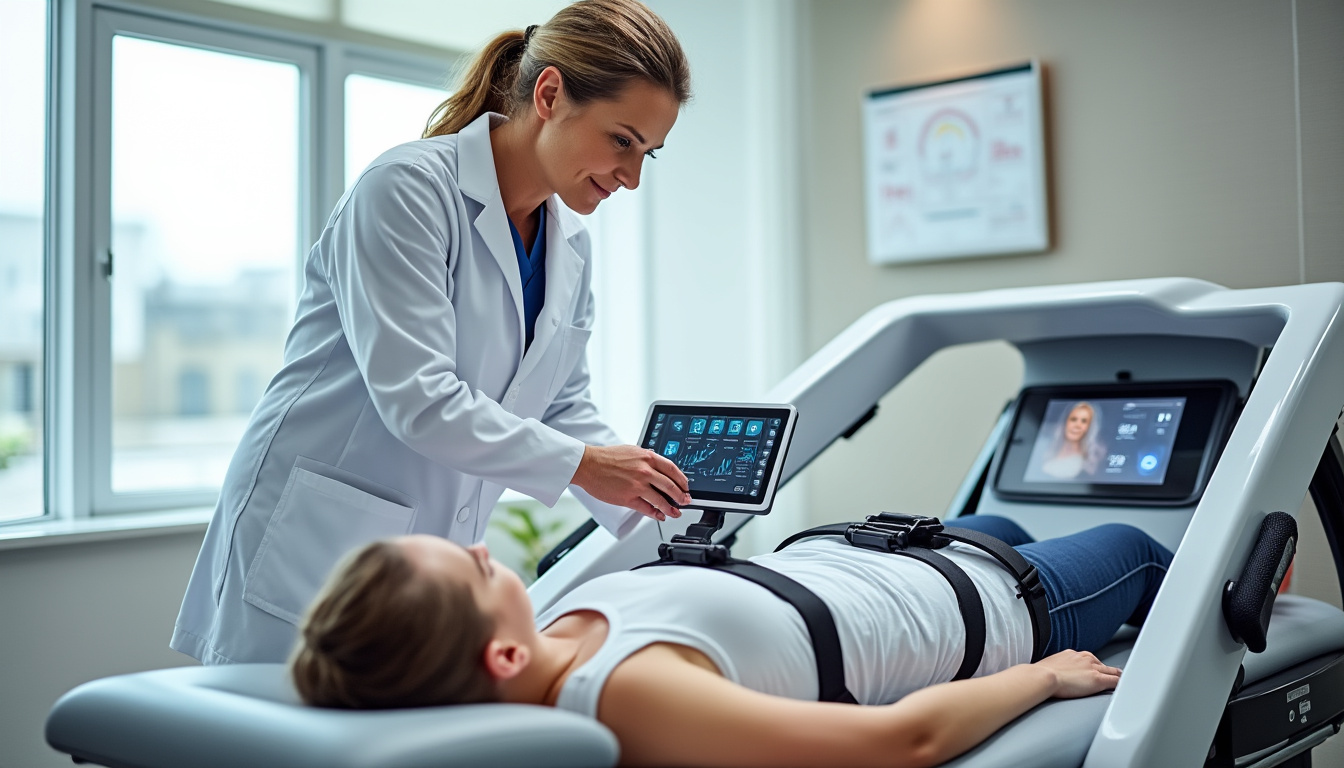
Among contemporary treatments for herniated discs in Ville-Marie, neurovertebral decompression therapy has established itself as a leading non-surgical intervention. This technique utilizes controlled mechanical traction applied to the spine, aiming to alleviate pressure on the affected discs and decompress irritated nerve roots.
The therapy is executed using specialized high-tech tables that gently stretch the spine while monitoring patient comfort and spinal alignment. Notably, this method minimizes pain and eliminates common risks associated with surgery, such as infection and extended recovery times.
Clinical outcomes indicate significant reductions in back pain, decreased numbness, and restoration of mobility after a series of sessions tailored to individual severity. Patients often report perceiving a sensation of spinal relaxation and gradual symptom relief from early treatments, reinforcing motivation to continue therapy.
Importantly, neurovertebral decompression aligns with evidence-based practices advocated in Quebec, emphasizing patient safety and compliance with regional healthcare standards. For those interested in understanding the treatment pathway and its practical benefits, detailed explanations are available in dedicated guides like an overview of decompression therapy in Montréal, which also reflect the high degree of expertise at Clinique TAGMED led by Dr. Desforges.
In the dynamic and bustling district of Rosemont–La Petite-Patrie, back pain stemming from herniated discs is a pervasive health issue that touches a broad spectrum of residents—from busy professionals to active seniors. The intersection of modern urban lifestyles—with their long…
Integrating Physical Therapy and Pain Management for Optimal Herniated Disc Recovery
Treatment for herniated discs is most effective when neurovertebral decompression is complemented by interdisciplinary physical therapy and pain management strategies. In Ville-Marie, patients benefit from innovative programs designed to restore spinal function, reduce inflammation, and enhance muscular support.
Physical therapy focuses on targeted exercises that strengthen the core, improve flexibility, and correct biomechanics. These movements counterbalance the stress on spinal discs and promote long-term recovery. Additionally, manual therapies including specific osteopathic adjustments are often utilized to alleviate musculoskeletal tension and improve circulation.
Complementing physical methods, pain management employs modalities such as laser therapy and shockwave treatments. These technologies stimulate tissue healing, reduce nerve irritation, and modulate pain perception without the adverse effects associated with prolonged medication use.
Patients in Ville-Marie often describe these multidisciplinary interventions as pivotal in regaining independence and preventing future episodes of back pain. Dr. Desforges ensures a personalized treatment pathway where each patient’s feedback guides adjustments in therapy intensity and duration, fostering an empathetic and motivational healthcare environment.
Such comprehensive care exemplifies modern spinal health management, emphasizing recovery beyond symptom alleviation and paving the way for enhanced quality of life.

Motion Surgery in Terrebonne: Pioneering Innovation for Patient Care
The landscape of spinal care is undergoing a remarkable transformation, especially for patients in Québec dealing with chronic back pain and spinal disorders. Motion Surgery, a groundbreaking approach that preserves natural spinal movement while alleviating pain, is at the forefront…
Educational Empowerment: Making Spinal Health Accessible and Understandable
Effective management of herniated discs requires patients to be well-informed about their condition, treatment options, and preventive strategies. Dr. Sylvain Desforges prioritizes clear communication by translating complex spinal health concepts into accessible language tailored to patients and healthcare professionals alike.
For example, understanding the anatomy of spinal discs and nerve pathways clarifies why certain symptoms occur and why decompression therapies are beneficial. Patients learn the importance of adhering to treatment schedules, the pace of symptom resolution, and realistic expectations for recovery timelines.
Accessible educational materials, including articles, podcasts, and video content, empower Ville-Marie residents to take an active role in their spinal care journey. This approach fosters trust, reduces anxiety, and encourages proactive behaviors that complement clinical interventions.
Therefore, knowledge plays a key role in patient motivation and long-term spinal health, particularly in an environment where information overload can sometimes obfuscate practical guidance. Dr. Desforges’ commitment to education ensures that spinal care is both scientifically sound and compassionately delivered.
Lumbar Disc Prosthesis in Saguenay: Maintaining Function and Mobility
The growing prevalence of chronic back pain and lumbar spinal disorders in regions like Saguenay has led to a surge in interest around innovative orthopedic surgeries designed to preserve spinal function and patient mobility. Among these advancements, the lumbar disc…
Coordinating Transatlantic Patient Care for Innovative Spinal Treatments
Dr. Sylvain Desforges extends his expertise beyond Canada’s borders, coordinating care for patients traveling between Quebec and France in pursuit of advanced spinal treatments unavailable or delayed domestically. This international cooperation optimizes patient outcomes by accelerating access to innovative procedures and multidisciplinary consultations.
This coordination includes thorough pre-treatment evaluations, remote communication platforms, and partnerships with leading spine surgeons and medical tourism facilitators such as SOS Tourisme Médical. These collaborations ensure continuity of care, personalize patient journeys, and uphold the highest standards of clinical rigor and ethical practice.
Patients benefit from a tailored itinerary that integrates assessments, treatments, and postoperative support across continents, embodying a truly holistic approach to spinal health management. Dr. Desforges’ leadership in this emerging field reflects his unwavering commitment to patient-centric innovation and care excellence.
Ville-Marie patients contemplating transatlantic treatment options receive comprehensive guidance to navigate logistical challenges and expectations, supported by transparent communication and empathetic clinical support.

IntraSPINE® in Sherbrooke: Enhancing Posture and Stability for Better Health
Chronic back pain remains a prevalent concern for individuals across Canada, and Sherbrooke is no exception. Daily challenges posed by lumbar discomfort and instability often limit personal and professional activities, diminishing quality of life. Fortunately, advances in spinal care have…
Unique Advantages of Dr. Sylvain Desforges’ Approach in Herniated Disc Care
Operating from Clinique TAGMED in Ville-Marie, Dr. Sylvain Desforges brings a distinctive blend of scientific innovation, ethical rigor, and compassionate care to the treatment of herniated discs. His qualifications (B.Sc., D.O., N.D.) and 35 years of clinical experience underpin a practice that stands apart in quality and patient outcomes.
Key characteristics include:
- Personalized Evaluation: Each patient undergoes detailed spinal assessment to identify the multifactorial causes of their condition.
- Integration of Advanced Techniques: The clinic employs neurovertebral decompression, laser therapy, and dynamic spinal implant technologies not widely available in Canada.
- Comprehensive Patient Support: From initial consultation to post-treatment rehabilitation, the expert team ensures continuous monitoring and adaptive care plans.
- Adherence to Regulatory Standards: Strict compliance with guidelines from the Collège des médecins du Québec ensures patient safety and ethical practice.
- International Patient Coordination: Facilitating transatlantic care pathways enhances treatment options and accelerates recovery timelines.
This holistic paradigm exemplifies a new standard in spinal health, elevating patient confidence and fostering lasting functional improvement in Ville-Marie and beyond.
The occurrence of a herniated disc in Brossard constitutes a significant health concern for many residents faced with debilitating back pain that disrupts daily activities and overall quality of life. This condition, often misunderstood or underestimated, poses not only physical…
Practical Recommendations to Prevent Herniated Disc in Ville-Marie’s Urban Lifestyle
Preventing herniated discs hinges on adopting lifestyle habits and ergonomic strategies tailored for urban environments like Ville-Marie:
- Maintain Proper Posture: Use ergonomic furniture, and keep the spine aligned during seated and standing activities.
- Take Active Breaks: Interrupt prolonged sitting with short walks and stretching exercises to relieve disc pressure.
- Engage in Core Strengthening: Targeted exercises build muscular support that reduces spinal load.
- Stay Hydrated and Nourished: Adequate hydration preserves disc elasticity, while a balanced diet rich in calcium and vitamin D supports bone and disc health.
- Avoid Sudden Movements: Learn safe lifting techniques and avoid abrupt spinal twists.
- Maintain a Healthy Weight: Minimize mechanical stress on the spine through optimal body weight management.
- Seek Early Assessment: Regular check-ups can detect early signs of disc degeneration and enable preventive interventions.
Ville-Marie residents implementing these strategies improve spinal resilience and reduce the chance of painful nerve compression, thus enhancing overall wellbeing.
What are the initial diagnostic steps for a suspected herniated disc?
A comprehensive evaluation including medical imaging such as MRI or X-rays is essential to confirm the diagnosis and precisely locate the herniation.
Is neurovertebral decompression therapy painful?
The treatment is typically painless and produces a relaxing spinal stretch, making it comfortable for most patients throughout the therapy sessions.
How many sessions of neurovertebral decompression are generally needed?
Treatment protocols usually involve 15 to 25 sessions, depending on the severity of the herniation and the patient’s response.
Can this treatment replace the need for surgery?
Neurovertebral decompression offers a viable non-invasive option that can prevent or delay surgery, providing effective symptom relief for many individuals.
When is urgent medical intervention necessary for a herniated disc?
Immediate consultation is required if symptoms like loss of bladder or bowel control, severe muscle weakness, or persistent intense pain occur.
Back Surgery in Trois-Rivières: Safeguarding Intervertebral Mobility for a Healthier Spine
In Trois-Rivières, the challenge of chronic back pain and spinal disorders affects countless individuals striving for a return to everyday comfort and mobility. Amid the complexities of the Quebec healthcare system, where prolonged wait times often delay necessary interventions, many…