Herniated Disc in Ville-Marie: 5 Key Symptoms to Identify and Neurovertebral Decompression Treatment Explained
May 26, 2026
Post-Operative Back Surgery Care: A Clear Guide for Quebec Patients
May 27, 2026
Neck surgery has become a critical focal point for many patients in Montreal who suffer from chronic cervical spine issues, including pain and degenerative disorders. As the demand for advanced and effective cervical treatments gradually increases, so does the innovation in surgical methods aimed not only at alleviating pain but also at preserving natural neck mobility. This dynamic emphasis on motion-preserving techniques is reshaping the landscape of spinal care in Quebec, providing hope to patients eager to maintain quality of life without sacrificing range of motion. With the emergence of new materials, dynamic implants, and minimally invasive procedures, Montreal is progressively becoming a hub for cutting-edge neck surgery options designed to optimize patient outcomes.
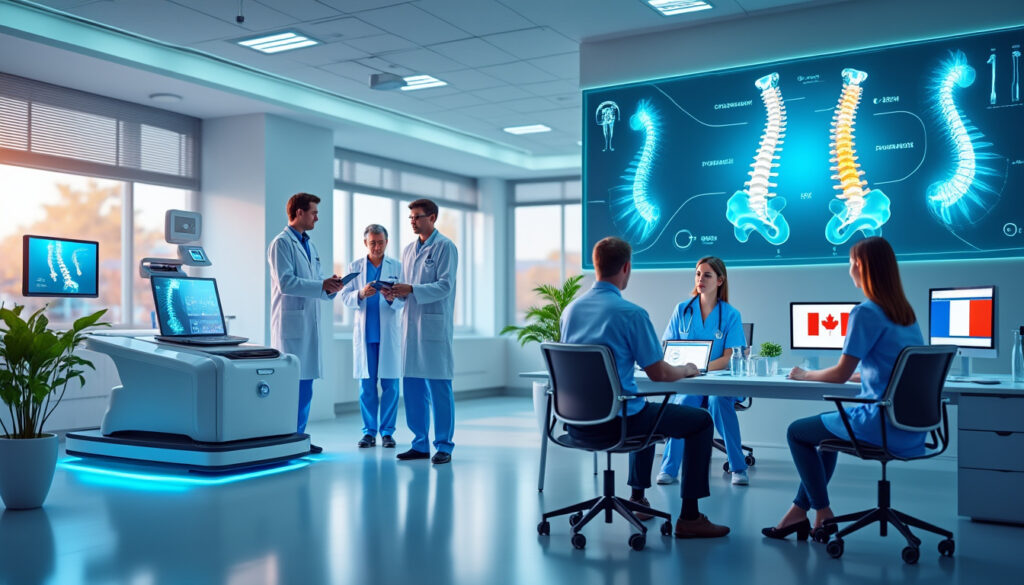
Amidst challenges such as lengthy waitlists and the high costs associated with private care, an innovative transatlantic patient care pathway linking Canada and France has surfaced as a promising alternative. This comprehensive system allows Quebec residents to access world-class expertise and state-of-the-art surgical innovations from Europe, while benefiting from integrated support within Canada for pre- and postoperative phases. This convergence of international expertise not only contributes to reducing the burden on local health systems but also fosters a patient-centered approach where individual needs, safety, and rehabilitation are prioritized. Understanding the full spectrum of surgical options, from traditional vertebral fusion to motion-preserving cervical prostheses, alongside the critical importance of postoperative care, offers patients an informed perspective to participate actively in their treatment journey.
Advancements in Surgical Techniques for Neck Surgery in Montreal
The realm of neck surgery has undergone significant transformations over the past few years. Montreal, benefiting from a network of highly skilled practitioners and innovative clinics, is now offering a range of advanced surgical techniques tailored to address specific cervical spine pathologies. Among these, the most commonly employed methods include cervical disc prostheses, neurovertebral decompression, and spinal fusion—each featuring distinctive advantages and limitations that practitioners evaluate meticulously to provide optimal patient care.
Cervical Disc Prostheses: Preserving Natural Neck Mobility
Cervical disc prostheses represent one of the most sophisticated methods currently available. Devices such as the TOPS (Total Posterior Spine) system and the IntraSPINE implant are designed to substitute damaged intervertebral discs while enabling the spine to maintain its natural movement. Unlike traditional fusion surgery, which fixes two or more vertebrae in place, prosthetic discs allow for dynamic articulation, thereby reducing the risk of adjacent segment degeneration and postoperative stiffness.
For example, a 52-year-old patient suffering from cervical radiculopathy was successfully treated with a cervical prosthesis at a Montreal clinic. Post-surgery, she reported not only a significant reduction in pain but also a retention of full neck mobility, allowing her to return to activities such as yoga and swimming much earlier than expected. This illustrates how cervical disc replacement can improve both functional outcomes and patient satisfaction.
Neurovertebral Decompression: Targeted Nerve Relief
The clinical practice of neurovertebral decompression has become a cornerstone of non-invasive and minimally invasive treatment strategies. It focuses on relieving nerve and spinal cord compression, which is typically responsible for symptoms like radiating pain, numbness, or weakness. In Montreal, institutions such as Clinique TAGMED specialize in providing this therapy, leveraging state-of-the-art decompression tables and osteopathic expertise.
Patients usually undergo a conservative trial of treatment lasting between three to six months before surgery is considered. This cautious approach ensures that only those who fail to respond to less aggressive management are forwarded for surgical evaluation. The importance of a detailed initial assessment cannot be overstated; it enables practitioners to align interventions precisely with the pathology, potentially avoiding unnecessary surgeries.
Spinal Fusion: Stabilizing Severe Cervical Degeneration
Spinal fusion remains a vital surgical choice in cases of severe vertebral degeneration or instability where other treatments prove inadequate. The procedure consists of joining two or more vertebrae to immobilize the problematic segments, thereby stabilizing the spine but often at the expense of natural movement. While effective in some scenarios, fusion surgery is associated with downsides, including an increased risk of adjacent segment disease and reduced neck flexibility.
Experts like Dr. Sylvain Desforges emphasize the importance of individualized evaluation before opting for this procedure. With over 35 years of clinical experience and leadership roles in Canadian osteopathic and alternative medicine associations, Dr. Desforges advocates for surgical techniques that prioritize motion and patient safety. His approach involves thorough evidence-based assessments to determine whether fusion is warranted or if alternative therapies can preserve function and reduce postoperative complications.
| Surgical Technique | Advantages | Disadvantages |
|---|---|---|
| Cervical Disc Prostheses | Preserves natural cervical mobility, reduces pain | Not suitable for all pathologies |
| Neurovertebral Decompression | Effective nerve pressure relief, minimally invasive | Requires close follow-up, potential recurrence |
| Spinal Fusion | Stabilizes affected segments | Limits mobility, risk of adjacent segment problems |
IntraSPINE® in Sherbrooke: A Long-Lasting Solution for Chronic Lower Back Pain
Chronic lower back pain remains one of the most pressing health concerns in Sherbrooke and beyond, impacting millions and often diminishing daily quality of life. Despite the prevalence of lumbar discomfort, many face limited access to cutting-edge treatments amidst lengthy…
Comprehensive Patient Pathway Before and After Neck Surgery
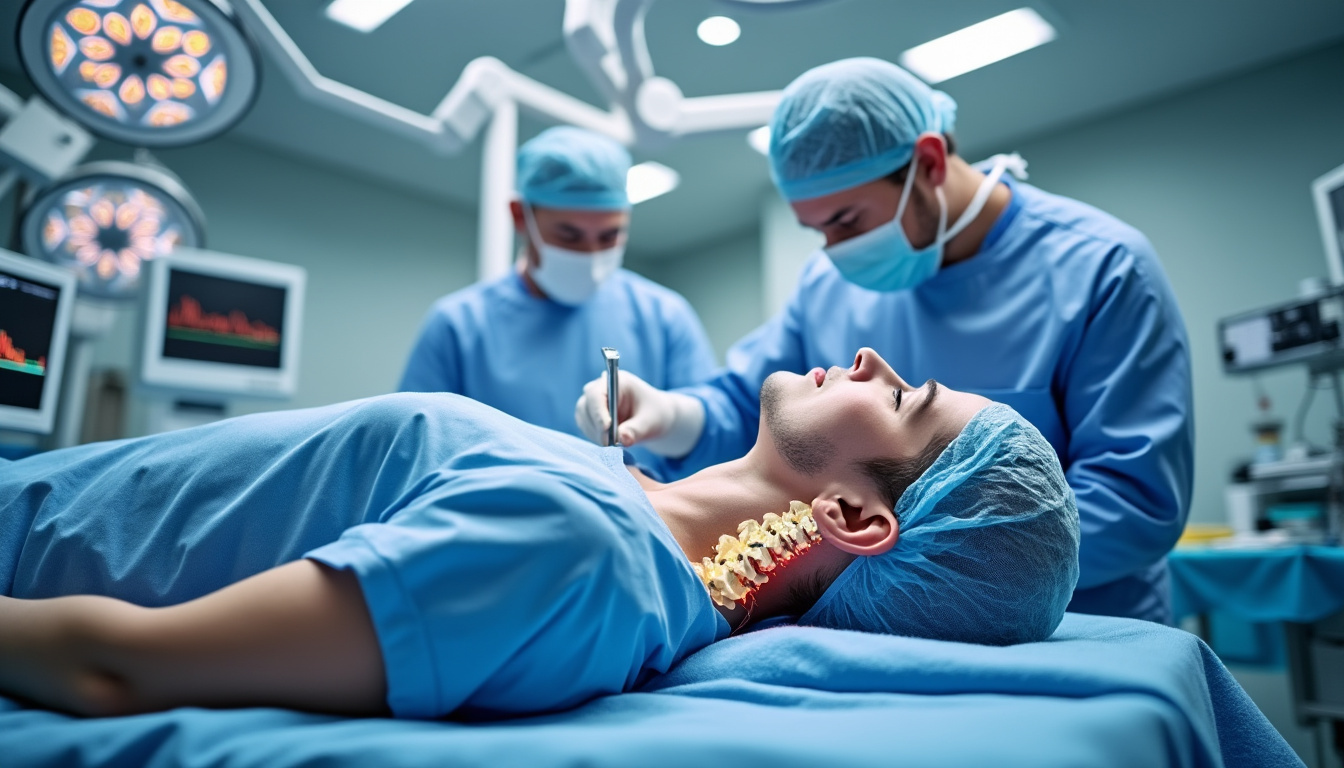
Understanding the full patient journey—from initial consultation to postoperative rehabilitation—is crucial for ensuring successful neck surgery outcomes in Montreal. At the forefront of this comprehensive approach is Dr. Sylvain Desforges, whose expertise in spinal disorder evaluation underlines the importance of a personalized and scientifically rigorous treatment plan.
Initial Evaluation and Conservative Management
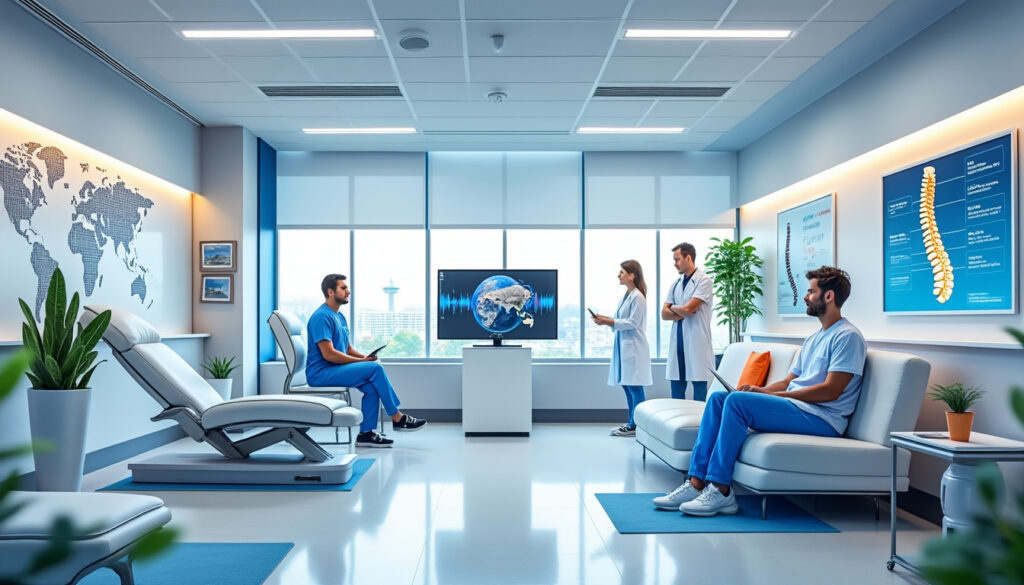
The patient’s journey typically begins with a detailed clinical evaluation coupled with advanced imaging studies, including MRI scans tailored to reveal the intricacies of the cervical spine condition. Tele-expertise consultations have become increasingly beneficial, especially for patients located remotely or seeking second opinions within Quebec. These virtual assessments help determine whether conservative care options have been exhausted before surgery is recommended.
Conservative treatments may include physical therapy, corticosteroid injections, and foremost, neurovertebral decompression therapy. This stepwise approach aligns with recommendations from the Collège des médecins du Québec, which emphasize patient safety, evidence-based practices, and minimizing unnecessary surgical interventions.
Preoperative Preparation and Coordination
Once surgery is considered necessary, the preparation phase involves detailed patient education and coordination of care. This includes explaining surgical options transparently—highlighting benefits and potential risks—and arranging for preoperative optimization such as nutritional guidance and physical conditioning. For those opting for the transatlantic pathway, coordination with European surgical teams ensures continuity and adherence to the highest standards of care.
Postoperative Care and Rehabilitation Strategies
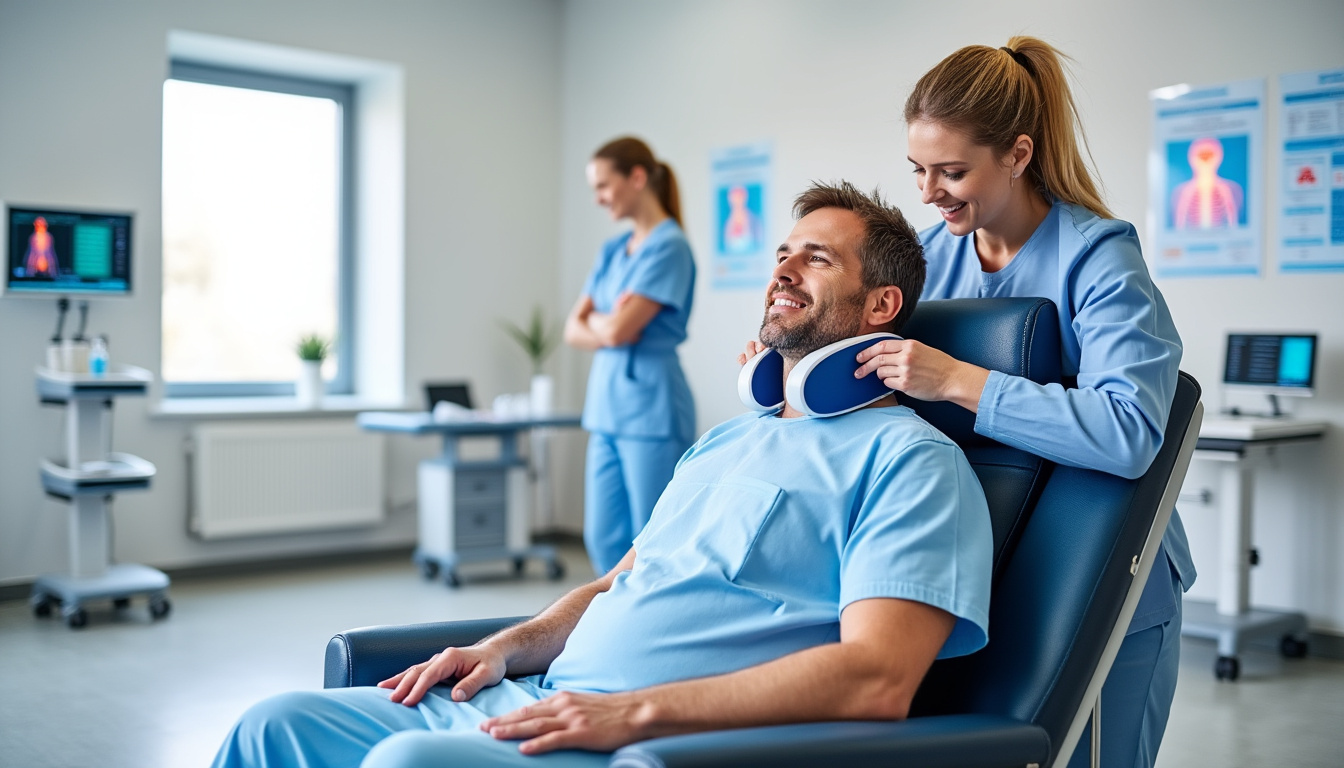
Post-surgery, the focus shifts to rehabilitation, a vital component to restore and preserve neck function. A tailored physiotherapy program is essential to reduce inflammation, regain strength, and maintain neck range of motion. Rehabilitation specialists trained in cervical spine care employ gradual mobilization, muscle strengthening exercises, and education on posture and ergonomics.
Patients who diligently follow structured physical therapy regimens tend to experience improved long-term outcomes, reduced discomfort, and enhanced quality of life. The enhanced recovery after surgery (ERAS) initiatives recently introduced in Montreal hospitals further support this rehabilitation-focused model by integrating multidisciplinary care and patient education to expedite recovery times and promote safety.
Herniated Disc Care in Sainte-Julie: Why TAGMED’s Neurovertebral Decompression Therapy Stands Out
In the vibrant community of Sainte-Julie, back pain—particularly that stemming from herniated discs—has become a widespread concern affecting people from all walks of life. The relentless search for effective, non-invasive treatments has brought renewed attention to a pioneering therapy that…
International Surgical Pathways: Advantages for Quebec Residents Seeking Neck Surgery
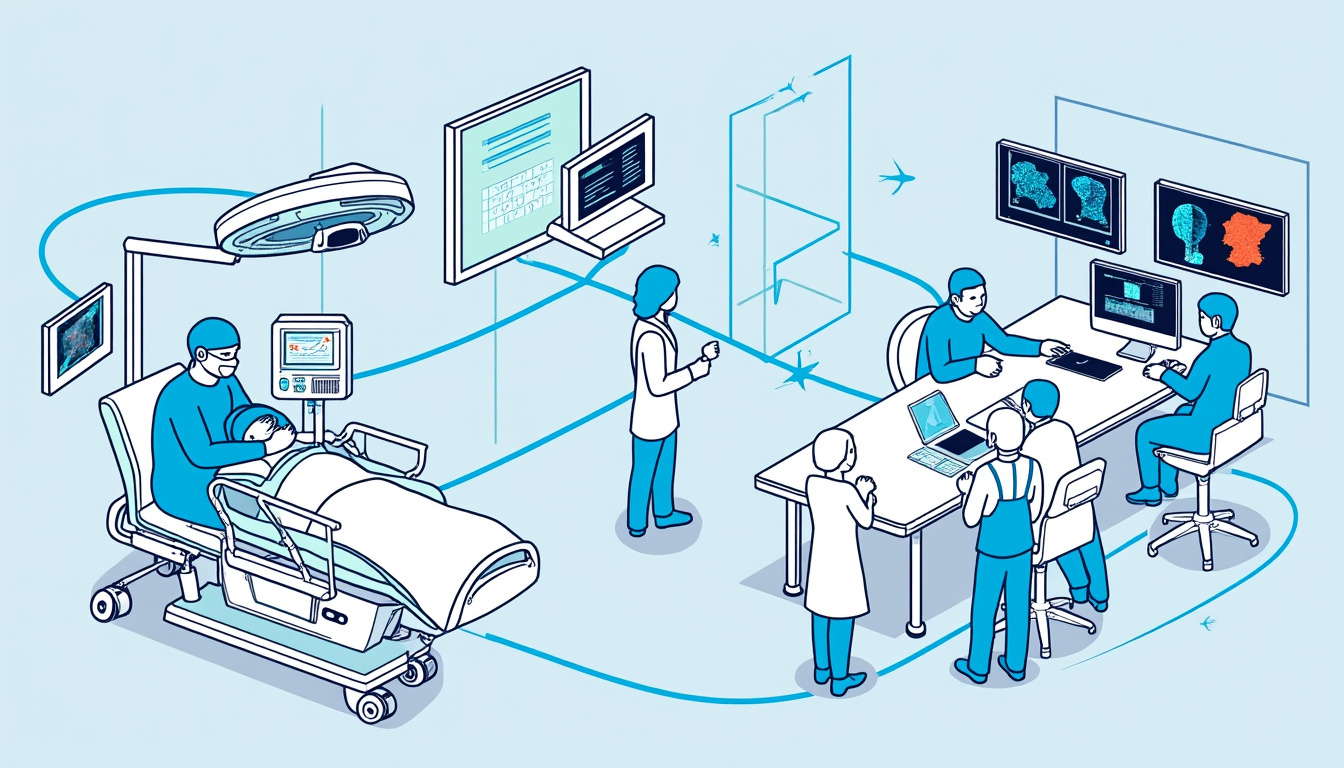
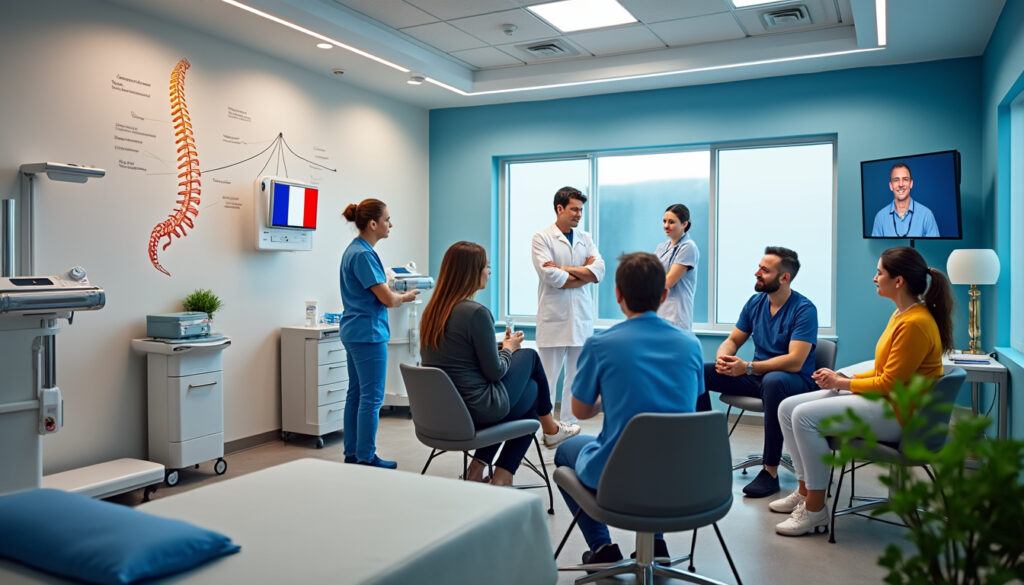
The emergence of international care coordination, particularly between Canada and France, has significantly expanded treatment opportunities for Quebec residents requiring neck surgery. This transatlantic collaboration brings access to renowned French surgical expertise and cutting-edge technologies not yet widespread in Canada, such as advanced cervical prostheses and refined minimally invasive techniques.
One of the primary benefits of pursuing surgery abroad is the notable reduction in wait times. Patients often face extended backlogs when seeking surgical care through Canadian public health systems. The French health system’s efficiency combined with carefully coordinated logistics allows patients to experience timely interventions without compromising quality or safety.
Furthermore, these pathways emphasize personalized attention. Quebec patients benefit from multidisciplinary teams on both continents managing every aspect of care—from initial assessments through surgery to postoperative follow-up—ensuring seamless transitions and enhanced patient comfort. This integrated model exemplifies innovative healthcare delivery aligned with patient-centered values and scientific rigor.
Economic and Time Savings
Choosing an international surgical pathway can be financially favorable, especially considering the exorbitant costs of private spine surgery in Canada coupled with prolonged wait periods. The competitive pricing structures abroad combined with streamlined scheduling make this option appealing, especially when factoring in the comprehensive care packages that include preoperative evaluation, surgery, and rehabilitation support.
Patient Support and Multidisciplinary Care Teams
Throughout the international journey, Quebec patients receive continuous support from teams led by experts such as Dr. Sylvain Desforges, who ensures that both the local and overseas health providers communicate seamlessly. This level of coordination minimizes disruptions and promotes adherence to postoperative protocols, which are essential for optimal recovery and mobility preservation.
Back Surgery in Trois-Rivières: Alleviating Pain While Preserving Mobility
In Trois-Rivières, Quebec, the persistence of back pain affects a substantial portion of the population seeking effective and personalized solutions. Back pain, often caused by spinal disorders or herniated discs, can drastically diminish quality of life, limiting mobility and causing…
The Critical Role of Postoperative Rehabilitation in Maintaining Neck Mobility After Surgery
Rehabilitation after neck surgery is not merely ancillary but forms the cornerstone of preserving cervical spine function. Recognized authorities in spinal care stress how a structured postoperative rehabilitation program significantly influences recovery speed and the sustainability of surgical benefits.
Goals of Postoperative Rehabilitation
Rehabilitation programs are carefully designed to address several key objectives: managing pain and inflammation, restoring cervical mobility, rebuilding muscular strength, and educating patients on preventive practices to avoid recurring issues. For instance, early gentle mobilization exercises promote blood flow and prevent scar tissue stiffness, a common cause of postoperative discomfort.
Techniques and Monitoring in Rehabilitation
Physical therapists specializing in spine care use a variety of methods tailored to individual patient needs. These include manual therapy, guided exercises, and increasingly, digital tracking technologies that monitor progress remotely, allowing adjustments to therapy intensity and duration in real time.
Studies reveal that patients engaging actively in physical therapy post-surgery experience superior improvement in neck flexibility and pain reduction compared to those who forego such programs. Hence, rehabilitation represents a crucial bridge from surgical intervention to long-term well-being.
- Effective pain management through pharmacological and non-pharmacological approaches
- Early and progressive mobilization to enhance circulation and prevent stiffness
- Targeted muscle strengthening to support cervical stability
- Patient education on posture and safe movement patterns to prevent injury
- Use of modern technologies for therapy monitoring and patient engagement
Disc herniation remains a significant health concern in Pointe-Claire, impacting the lives of a diverse population ranging from labor-intensive workers to the aging community. The condition, characterized by the displacement or rupture of the intervertebral disc, often leads to debilitating…
Ensuring Patient Safety and Ethical Practices in Spine Surgery
In Montreal, patient safety is paramount in the field of neck surgery. Esteemed experts, including Dr. Sylvain Desforges, combine their extensive clinical experience with adherence to the strict ethical guidelines established by the Collège des médecins du Québec and Canadian healthcare authorities. Such compliance guarantees that surgical interventions are conducted under rigorous scientific scrutiny to minimize risks and enhance positive outcomes.
Ethical practice involves transparent patient communication, thorough informed consent processes, and a commitment to evidence-based methods. Patients are apprised comprehensively of possible benefits and potential complications before any procedure is scheduled.
Furthermore, pioneering technologies such as laser therapy and dynamic spinal implants are integrated thoughtfully, ensuring that innovation does not compromise patient safety but instead offers superior, less invasive options aimed at preserving mobility and reducing recovery times.
TOPS™ in Gatineau: A High-Performance Solution for Lumbar Spine Care
In a region where chronic back pain increasingly affects quality of life, the quest for advanced and effective lumbar spine treatments is paramount. Lumbar spinal stenosis, a prevalent condition among Quebec’s aging population, often imposes persistent discomfort and mobility limitations.…
Bridging Knowledge Gaps: Clear Patient Education on Neck Surgery
Clear and accessible education plays a critical role in empowering patients to make informed decisions about their neck surgery options. Dr. Desforges emphasizes de-mystifying complex medical jargon for individuals by simplifying explanations of surgical indications, techniques, and rehabilitation processes. This patient-centered approach fosters confidence, reduces anxiety, and encourages active participation in care.
For instance, patients often misunderstand the differences between fusion and prosthetic implants. Explaining these concepts using visual aids and relatable analogies helps patients grasp why preserving cervical mobility is a priority. Additionally, available resources such as the expert articles on surgical techniques and recovery provide valuable information regarding treatment pathways and expected outcomes in clear language.
At Gouin Clinic, the landscape of herniated disc therapy has entered a transformative era marked by the integration of Personalized Treatment Plans and breakthrough Neurovertebral Decompression Therapy. This non-surgical approach is revolutionizing how spinal disorders are managed, offering patients an…
Exploring the Recovery Process in Neck Surgery: What Patients Should Expect
Recovery time after neck surgery varies based on individual health, type of procedure, and rehabilitation adherence. Generally, patients embark on a multi-stage journey involving initial wound healing, gradual return of neck function, and long-term strategies to maintain spinal health.
In Montreal, programs aligned with the Enhanced Recovery After Surgery (ERAS) principles, like those at the Montreal General Hospital, introduce a multidisciplinary and patient-tailored approach to hasten recovery. These protocols promote early mobilization, optimized pain control, and proactive rehabilitation interventions, minimizing hospitalization duration while maximizing functional outcomes.
Patients frequently receive detailed guidance on activity restrictions, pain management techniques, and exercises that support cervical flexibility and strength. Post-surgical stiffness and discomfort can be mitigated effectively through specialized physical therapy routines, as detailed in resources such as neck surgery recovery guides, ensuring an informed and confident recovery path.
Cervical Disc Prosthesis in Quebec: Preventing Post-Operative Stiffness
Neck pain is one of the most common musculoskeletal complaints in Quebec, affecting a significant portion of the population annually. Often rooted in degenerative cervical disc diseases or herniated discs, this persistent discomfort severely impacts daily life and mobility. Fortunately,…
Technological Innovations Impacting Spine Surgery and Mobility Preservation
The field of spine surgery in Montreal continually embraces new technologies that enhance precision, safety, and patient outcomes. These innovations include dynamic spinal implants designed to mirror natural vertebral motion, advanced laser therapies targeting inflammation and pain, and non-invasive decompression devices that reduce surgical necessity.
Dr. Sylvain Desforges’ extensive clinical experience places him at the forefront of integrating these technologies within a multidisciplinary care framework. His role as the founder of the Canadian College of Osteopaths and ACMA reinforces his commitment to promoting evidence-based, ethical, and innovative spinal care practices. Patients benefit from comprehensive evaluation protocols that ensure the most appropriate technologies are applied to their unique conditions, fostering optimal mobility preservation and minimizing recoveries.
The prevalence of herniated disc conditions in Blainville has sparked considerable discussion and misconceptions about their causes, symptoms, and treatments. While the pain and disability associated with this spinal disorder are well documented, the emergence of non-surgical options such as…
Collaborative Networks Enhancing Patient Care in Neck Surgery
Finally, the power of collaboration across multiple healthcare entities greatly enhances patient journeys in neck surgery. Montreal’s medical community, led by experts like Dr. Desforges, actively engages in partnerships extending to European centers of excellence. These alliances enable seamless patient referrals, knowledge exchange, and joint development of innovative protocols.
Participating in medical tourism platforms such as SOS Tourisme Médical also allows Quebec residents to explore options that combine affordability with excellence. This synergy between local and international health systems exemplifies a new era of spine surgery care—one that values personalized treatment, safety, scientific rigor, and dynamic rehabilitation.
What types of neck surgery techniques prioritize mobility preservation?
Cervical disc prostheses such as the TOPS system and neurovertebral decompression are designed to maintain neck mobility, unlike traditional spinal fusion which often restricts movement.
How important is postoperative physical therapy after neck surgery?
Physical therapy is essential for managing pain, restoring range of motion, strengthening muscles, and preventing complications like stiffness, thereby improving long-term outcomes.
Why might Quebec patients choose to undergo neck surgery in France?
Patients benefit from reduced wait times, advanced surgical techniques, and comprehensive postoperative care through coordinated international pathways between Quebec and France.
What role does Dr. Sylvain Desforges play in ensuring patient safety during neck surgery?
With over 30 years of experience, Dr. Desforges conducts thorough cervical disorder evaluations, advocates for evidence-based and ethical practices, and coordinates comprehensive care to optimize patient safety and outcomes.
How does Enhanced Recovery After Surgery (ERAS) improve neck surgery recovery?
ERAS protocols focus on early mobilization, optimized pain management, and multidisciplinary rehabilitation, which reduce hospital stay duration and accelerate functional recovery.