Comprehensive Insights into the Role of Spinal Decompression Therapy
June 27, 2026
Can Medical Guidance from Quebec Help You Avoid Surgery?
June 27, 2026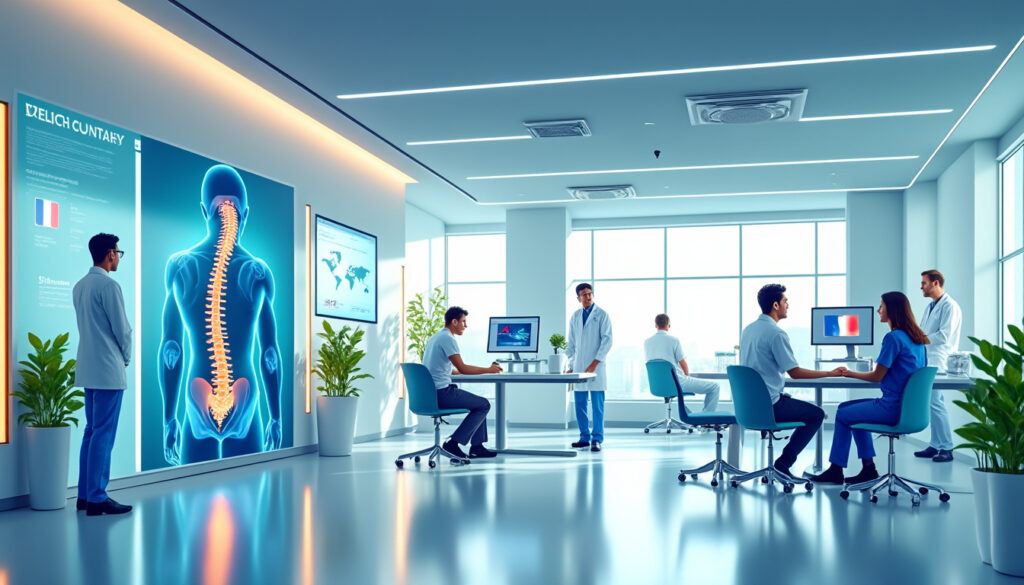
Chronic lower back pain remains one of the most pervasive health challenges faced by active individuals in Québec today. For many, the pursuit of effective relief without compromising spinal mobility has been fraught with difficult choices, often balancing invasive surgical procedures against prolonged conservative treatment timelines. Recent developments with the IntraSPINE implant now available in Laval offer a promising alternative that melds the benefits of minimally invasive surgery with a dynamic approach to spine stabilization. Under the expert guidance of Dr. Sylvain Desforges, a distinguished figure in spinal health evaluation with over 30 years of clinical experience, this treatment pathway exemplifies innovation, patient-centered care, and international expertise sharing between Canada and France.
IntraSPINE represents a leap forward in spinal therapy, specifically designed for active patients who require rapid back pain relief and an accelerated return to their daily physical activities. Unlike traditional spinal fusion surgeries that often restrict mobility, this unique implant preserves the natural dynamics of the spine while providing necessary stabilization. Coupled with a comprehensive rehabilitation program and careful patient selection, the solution fosters meaningful improvements in quality of life and long-term spine health. This article explores the multifaceted landscape surrounding IntraSPINE in Laval, detailing the surgical advancements, the personalized care journey coordinated transatlantically, and the ethical and scientific standards upheld by Dr. Desforges.
Minimally Invasive Spinal Care: The Promise of IntraSPINE for Active Patients
Active individuals suffering from persistent lower back pain often hesitate to commit to spinal surgery, concerned about postoperative stiffness and extended recovery periods. The IntraSPINE implant provides a tailored solution focused on maintaining an active lifestyle with minimal downtime. This device is strategically placed between the spinous processes and supports dynamic motion, making it fundamentally different from traditional fusion implants that rigidly lock vertebrae together.
Such a minimally invasive surgical intervention notably reduces tissue damage and blood loss, which translates to less postoperative discomfort and shorter hospital stays. Patients benefit from an expedited recovery roadmap that targets not only pain relief but also functional preservation, allowing a swift resumption of work, sports, and daily activities.
Dr. Sylvain Desforges’ extensive expertise is instrumental in selecting candidates suitable for the IntraSPINE procedure. His rigorous evaluation process assesses medical history and previous responses to conservative treatments like neurovertebral decompression and physical therapy, ensuring each patient’s treatment plan is optimally personalized. The emphasis on a dynamic, modulable spine support device harmonizes with a philosophy of spine care that champions both scientific evidence and patient quality of life.
- Preserves natural spinal mobility unlike fusion surgeries
- Minimally invasive technique minimizes surgical risks
- Supports accelerated rehabilitation and return to activity
- Reduces chronic back pain related to disc degeneration
- Incorporates a patient-centric approach through comprehensive preoperative assessments
Those considering this solution can consult detailed surgical information and technical specifications through specialized resources, expanding their understanding of the procedure’s benefits and methodologies.
IntraSPINE® in Sherbrooke: A Long-Lasting Solution for Chronic Lower Back Pain
Chronic lower back pain remains one of the most pressing health concerns in Sherbrooke and beyond, impacting millions and often diminishing daily quality of life. Despite the prevalence of lumbar discomfort, many face limited access to cutting-edge treatments amidst lengthy…
Dr. Sylvain Desforges: Pioneering Spine Health Through Rigorous Assessment and Innovation
Over three decades, Dr. Sylvain Desforges has established himself as a leading expert in spinal evaluation and therapeutic innovation. Holding distinguished degrees including a Bachelor of Science (B.Sc.), Doctor of Osteopathy (D.O.), and Doctor of Naturopathy (N.D.), Dr. Desforges applies a multidisciplinary approach that transcends traditional models of care. As the founder and president of both the Alliance Canadienne de Médecine Alternative (ACMA) and the Canadian College of Osteopaths, alongside his leadership at TAGMED Clinics, his influence reaches across clinical practice, education, and scientific dialogue.
Dr. Desforges emphasizes adherence to evidence-based protocols while integrating cutting-edge technologies such as neurovertebral decompression, laser therapy, and dynamic spinal implants like IntraSPINE. His work rigorously complies with medical standards mandated by the Collège des médecins du Québec and broader Canadian health regulations, ensuring patient safety and ethical practice are paramount.
What uniquely characterizes Dr. Desforges’ method is his dedication to patient education. Complex spinal disorders are articulated in a clear, accessible language that empowers patients and healthcare professionals alike. This transparency facilitates informed decision-making and reinforces a partnership model of care. His clinics provide a comprehensive spectrum of services from initial evaluation through rehabilitation, tailoring each treatment plan with a holistic awareness of the individual’s lifestyle and recovery goals.
Furthermore, Dr. Desforges coordinates seamless care pathways that bridge the geographical expanse between Québec and France, engaging with expert spine surgeons and medical tourism facilitators. This cross-continental collaboration elevates patient care quality by providing access to advanced surgical teams and technologies, notably enhancing treatment timelines and outcomes.
Herniated Disc Care in Sainte-Julie: Why TAGMED’s Neurovertebral Decompression Therapy Stands Out
In the vibrant community of Sainte-Julie, back pain—particularly that stemming from herniated discs—has become a widespread concern affecting people from all walks of life. The relentless search for effective, non-invasive treatments has brought renewed attention to a pioneering therapy that…
Evaluation and Preparation: Crucial Steps Before IntraSPINE Surgery
Before any surgical intervention, precision assessment is vital. Dr. Desforges leads a meticulous evaluation process at the Québec clinic focusing on comprehensive history taking, symptom analysis, and reviewing the efficacy of non-surgical treatments previously employed by the patient. This preparatory phase spans several months—generally between three to six—to guarantee that conservative therapies such as physical therapy, neurovertebral decompression, and laser treatments have been thoroughly explored.
This conservative groundwork is essential because it ensures that surgery with IntraSPINE is not a first-line option but rather the best next step for selected patients. The evaluation criteria include:
- Detailed medical and surgical background review
- Persistent pain despite adequate conservative management
- Physical ability and motivation to engage in postoperative rehabilitation
- Psychosocial factors affecting recovery and compliance
Such a rigorous approach helps maximize surgical success while reducing risks. The collaboration with transatlantic partners means patients receive interdisciplinary consultations and preoperative guidance reflective of the most current international standards. This evaluation culminates in a clear, individualized treatment roadmap, easily comprehensible to the patient.
Table: Typical Evaluation Timeline Before IntraSPINE Surgery
| Step | Duration | Purpose |
|---|---|---|
| Initial Consultation and History Review | 1-2 weeks | Gather detailed spinal health data and previous treatment outcomes |
| Imaging and Diagnostic Tests | 2-3 weeks | Identify anatomical and functional spinal abnormalities |
| Conservative Treatment Trial | 3-6 months | Assess response to non-surgical modalities such as neurovertebral decompression |
| Final Evaluation and Surgical Candidacy Determination | 1 week | Decision-making based on comprehensive data analysis |
…More detailed data and clinical insights can be found in resources discussing the surgical technique and patient selection here.
Back Surgery in Trois-Rivières: Alleviating Pain While Preserving Mobility
In Trois-Rivières, Quebec, the persistence of back pain affects a substantial portion of the population seeking effective and personalized solutions. Back pain, often caused by spinal disorders or herniated discs, can drastically diminish quality of life, limiting mobility and causing…
Transatlantic Patient Journey: Coordinated Care Between Québec and France
IntraSPINE surgery involves a uniquely coordinated pathway that integrates the medical expertise of Québec with specialist surgical teams in France. This transatlantic collaboration ensures patients benefit from both advanced international surgical practices and supportive local follow-up care. The partnership with medical tourism services like SOS Tourisme Médical facilitates logistical elements such as travel, accommodation, and administrative assistance, alleviating much of the patient’s potential stress.
The journey typically follows three main stages:
- Preoperative Stage in Québec: Comprehensive evaluation and preparation guided by Dr. Desforges and his clinic team.
- Surgical Intervention in France: Performed by neurosurgeons trained specifically in the IntraSPINE implantation technique, employing state-of-the-art operative methods.
- Postoperative Rehabilitation in Québec: Tailored physical therapy and regular clinical monitoring to ensure safe rehabilitation and functional recovery.
This integrated approach empowers patients with reassurance and continuity of care, addressing concerns about traveling abroad for treatment while maintaining close ties with their local health providers.
Disc herniation remains a significant health concern in Pointe-Claire, impacting the lives of a diverse population ranging from labor-intensive workers to the aging community. The condition, characterized by the displacement or rupture of the intervertebral disc, often leads to debilitating…
Biomechanical and Human Benefits of Dynamic Spinal Stabilization
The IntraSPINE implant’s design offers more than clinical relief; it importantly addresses the biomechanical integrity of the lumbar spine. Unlike conventional fusion surgeries that permanently immobilize spinal segments, IntraSPINE provides dynamic stabilization, essentially supporting the spine while permitting physiological motion.
The benefits are twofold:
- Biomechanical Preservation: By maintaining natural spinal movements, the implant reduces stress on adjacent segments, lowering the risk of secondary degeneration commonly associated with rigid fusion procedures.
- Enhanced Patient Experience: The preservation of mobility fosters psychological well-being, encouraging active participation in rehabilitation and decreasing postoperative pain perception.
Patients treated with IntraSPINE often report resuming their professional and recreational activities notably sooner than after traditional surgeries. This outcome aligns perfectly with the expert philosophy of Dr. Sylvain Desforges, who insists on treating the patient holistically rather than solely focusing on anatomical correction.
Illustration of Biomechanical Effect
| Factor | Traditional Fusion | IntraSPINE Implant |
|---|---|---|
| Range of Motion | Significantly reduced | Preserved natural mobility |
| Postoperative Pain | Higher likelihood of chronic discomfort | Effective pain relief with less stiffness |
| Recovery Time | Extended due to invasive surgery | Accelerated recovery and return to daily activity |
| Risk of Adjacent Segment Degeneration | Increased due to rigid fixation | Reduced because of dynamic stabilization |
At Gouin Clinic, the landscape of herniated disc therapy has entered a transformative era marked by the integration of Personalized Treatment Plans and breakthrough Neurovertebral Decompression Therapy. This non-surgical approach is revolutionizing how spinal disorders are managed, offering patients an…
Clear, Transparent Patient Education and Informed Decision-Making
Patients faced with the decision of spinal surgery benefit greatly from clear, accessible explanations of the benefits, limitations, and potential risks inherent to any procedure. Dr. Desforges prioritizes transparent communication to ensure individuals understand all aspects of the IntraSPINE intervention, empowering them to actively participate in their health journey.
This educational process encompasses:
- Understanding the purpose of IntraSPINE: stabilizing the spine while preserving mobility to alleviate pain.
- Exploring the advantages of minimally invasive surgery: reduced pain, shorter hospital stay, and faster rehabilitation.
- Emphasizing the importance of exhausting conservative treatments beforehand to optimize outcomes.
- Clarifying postoperative expectations including rehabilitation commitments and follow-up appointments.
The approach counters typical patient anxieties by promoting a partnership based on trust and mutual knowledge. Such clarity significantly contributes to the psychological readiness and adherence essential for successful recovery.
Cervical Disc Prosthesis in Quebec: Preventing Post-Operative Stiffness
Neck pain is one of the most common musculoskeletal complaints in Quebec, affecting a significant portion of the population annually. Often rooted in degenerative cervical disc diseases or herniated discs, this persistent discomfort severely impacts daily life and mobility. Fortunately,…
Innovative Technologies Enhancing Spinal Support and Rehabilitation
The integration of the IntraSPINE implant in spine care exemplifies the synergy between innovation and personalized medicine. Alongside advanced implant technology, Dr. Desforges employs complementary therapeutic modalities such as neurovertebral decompression and laser therapy, which have shown efficacy in pain reduction and tissue healing. These methods minimize invasive procedures while optimizing patient outcomes.
Rehabilitation following IntraSPINE implantation incorporates specialized physical therapy protocols focusing on restoring strength, flexibility, and balance. The clinic’s approach monitors each patient’s progress closely, adjusting therapy to individual needs, thereby facilitating a safer and swifter return to physical independence.
Patients and professionals interested in understanding the scope and efficacy of such innovative approaches may consult detailed case reports and expert reviews showcasing outcomes and methodology.
The prevalence of herniated disc conditions in Blainville has sparked considerable discussion and misconceptions about their causes, symptoms, and treatments. While the pain and disability associated with this spinal disorder are well documented, the emergence of non-surgical options such as…
Unique Services and Added Value Under Dr. Desforges’ Expert Guidance
The hallmark of Dr. Sylvain Desforges’ practice lies in its comprehensive, multidisciplinary approach unified under expert leadership. His clinics in Montréal and Terrebonne provide patients cutting-edge access to technologies and surgical techniques not widely available within Canada, especially those requiring international collaboration.
Patients receive:
- Personalized evaluation and treatment planning from a recognized spine expert.
- Access to advanced minimally invasive interventions like IntraSPINE.
- Support through international surgery coordination with leading European specialists.
- Rigorous postoperative care including tailored rehabilitation and continuous monitoring.
- Continuous education promoting patient empowerment and long-term spine health.
This level of care secures reassurance for active patients seeking durable solutions to debilitating back pain, distinguishing the practice as a benchmark in spinal health excellence.
Minimally Invasive Surgery in Longueuil: Reducing Hospital Stays for Faster Recovery
In recent years, a transformative wave has swept through spinal healthcare in Longueuil, aiming to revolutionize treatment experiences for patients suffering from back disorders. This shift stems from a growing demand for procedures that minimize hospital stays without compromising efficacy.…
Taking the First Step: Encouragement Toward Personalized Spinal Care
Every spine care journey is unique, and the first step often begins with a clear evaluation by a seasoned expert who approaches each case with empathy and precision. Dr. Sylvain Desforges’ extensive experience enables him to guide patients through their options, assess their conditions with unrivaled thoroughness, and develop pathways that align with individual lifestyles and recovery ambitions.
Those experiencing persistent back pain or spinal disorders are encouraged to initiate an evaluation to explore whether IntraSPINE or other innovative therapies might be suitable. Open lines of communication and clear educational resources ensure patients feel supported at every stage.
To start the process or learn more about advanced solutions for spine health, prospective patients may contact the expert team at TAGMED Clinics or consult specialized platforms for medical assistance and international coordination.
What is the primary purpose of the IntraSPINE implant?
The IntraSPINE implant aims to stabilize the lumbar spine while preserving its natural mobility, effectively reducing pain for patients with chronic lower back conditions.
How does the postoperative rehabilitation plan work after IntraSPINE surgery?
A personalized rehabilitation program is implemented, including regular monitoring and tailored physical therapy, to support gradual return to daily activities and maintain spinal health.
How long is the complete care journey involving IntraSPINE treatment?
The full care pathway spans several months, encompassing initial evaluation in Québec, surgical intervention in France, and postoperative follow-up rehabilitation locally, adapted to individual recovery pace.
What advantages do minimally invasive surgical techniques offer?
Minimally invasive surgery reduces postoperative pain, shortens hospital stays, and facilitates a quicker return to normal life compared to traditional open surgeries.
Why is it important to try conservative treatments before surgery?
Exhausting conservative treatments ensures that surgery is only recommended when truly necessary, maximizing the likelihood of a successful surgical outcome.