Cervical Disc Prosthesis in Quebec: Restoring Lasting Mobility
July 29, 2026
Mascouche Sciatica Relief Without Invasive Procedures
July 29, 2026
Chronic low back pain remains a pressing challenge, impacting countless individuals who strive to find lasting relief without resorting immediately to invasive surgery. In Laval, a city rapidly embracing advanced medical innovations, the IntraSPINE implant has emerged as a scientifically validated and approved intervention for those enduring persistent lumbar degenerative disc disease. This orthopedic device represents a breakthrough in back pain treatment by combining minimally invasive principles with a focus on restoring natural spinal biomechanics. Patients in Quebec have begun to access this progressive surgery, which promises pain relief, faster recovery times, and preservation of spinal motion – an approach long championed by experts such as Dr. Sylvain Desforges, a pioneer with over 30 years of experience in spine health evaluation and care coordination.
The demand for effective spine interventions is growing, driven by demographic shifts and lifestyles that predispose many to disc degeneration and radicular symptoms. While traditional fusion surgeries have been gold standards, their limitations—chiefly loss of segmental motion and risk of adjacent segment disease—have spurred innovation toward dynamic solutions like IntraSPINE. Laval’s availability of this technology offers new hope for patients seeking an alternative to prolonged wait times and high costs often associated with private healthcare in Quebec. By coupling IntraSPINE implantation with advanced non-surgical therapies like neurovertebral decompression at clinics such as TAGMED, the treatment paradigm shifts toward safer, patient-friendly, and more effective pathways.
Understanding the Biomechanical Innovation Behind IntraSPINE in Laval
The IntraSPINE device exemplifies a distinct approach to spine surgery, prioritizing motion preservation rather than rigid stabilization. Unlike conventional fusion, which immobilizes the affected vertebral segment, IntraSPINE is strategically positioned within the interlaminar space near the physiological center of rotation of the lumbar joint. Such precise placement allows for dynamic stabilization that supports the vertebrae during natural flexion and extension, reducing undue stress on facet joints and intervertebral discs.
This implant’s design utilizes a core made of medical-grade silicone encased in a biocompatible shell, providing cushioning and flexibility while maintaining structural integrity. This configuration effectively redistributes spinal loads, offloading degenerated discs and adjacent segments, which can potentially slow progression of degeneration—a pivotal advantage over static devices or fusion surgery. Clinical data emerging from prospective studies demonstrate how IntraSPINE allows partial restoration of range of motion (ROM) within the treated segment, preserves posterior disc height (PDH), and sustains foraminal height (FH), key factors in maintaining nerve space and preventing adjacent segment disease (ASD).
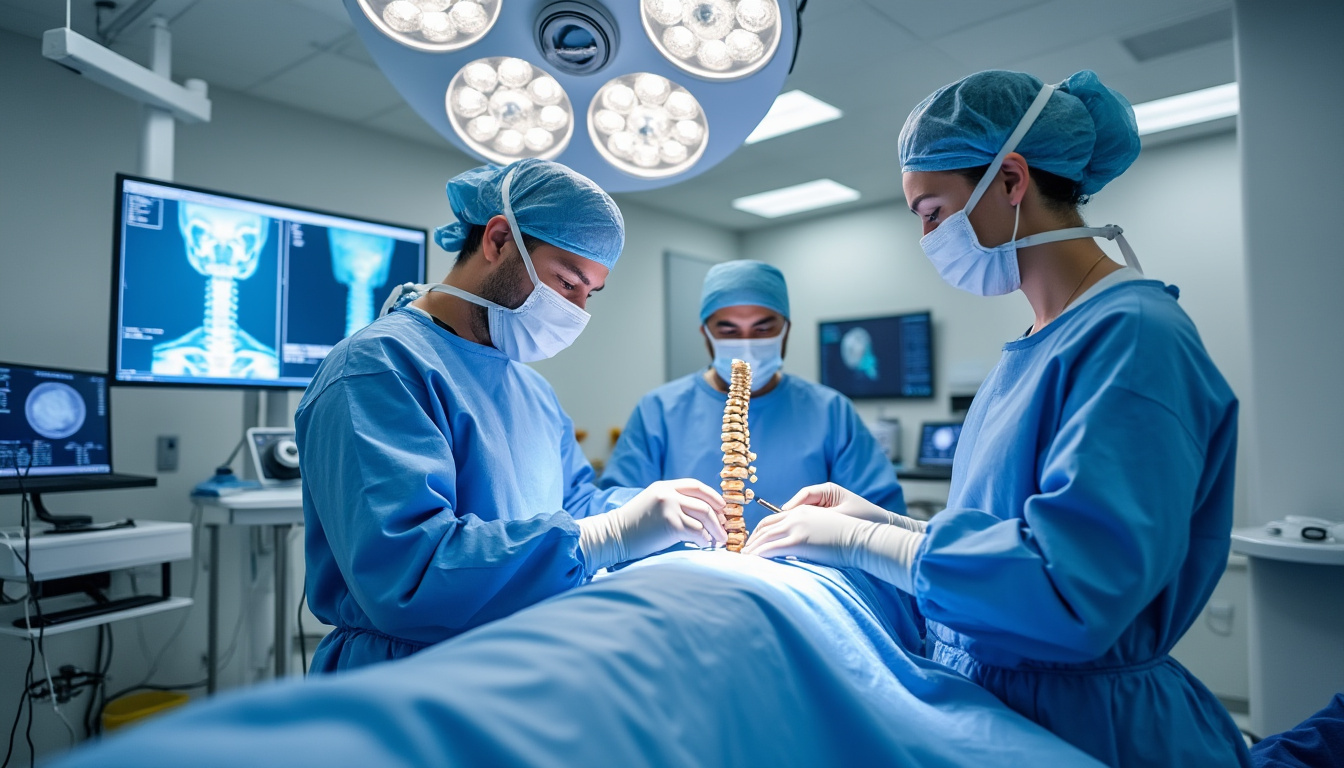
Additionally, as a minimally invasive orthopedic device, the surgical procedure for IntraSPINE implantation typically results in shorter operation times, less intraoperative bleeding, and reduced hospital stays compared to traditional fusion. These benefits translate into quicker recovery and improved early postoperative comfort.
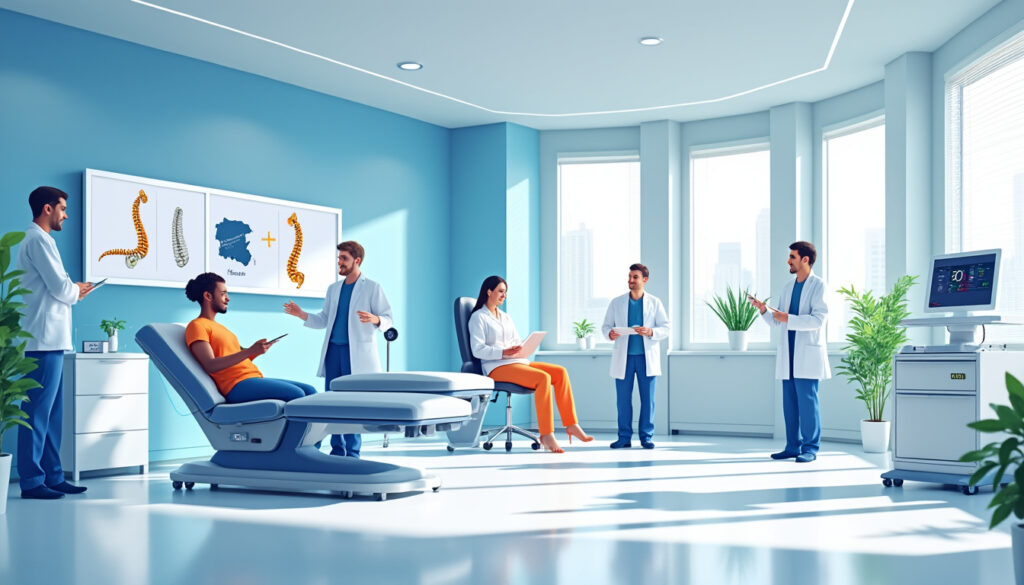
IntraSPINE® in Sherbrooke: Durable Solution for Chronic Low Back Pain
The management of chronic low back pain, a widespread condition affecting millions across Quebec and beyond, has reached a pivotal moment thanks to innovative medical technologies and coordinated care pathways. At the heart of this evolution lies the IntraSPINE implant,…
The Surgical Options for Lumbar Degenerative Disease in France Through Transatlantic Collaboration
Patients seeking advanced spine care often find that France offers a comprehensive spectrum of surgical techniques, accessible through transatlantic partnerships coordinated by Dr. Desforges. Leveraging his extensive experience and leadership in osteopathic and spinal organizations, he facilitates personalized care pathways from evaluation to surgery and rehabilitation across Canada and France.
The principal surgical interventions available comprise:
- Simple Decompression Surgery: Primarily aimed at relieving pressure from nerve roots by removing herniated disc material or bony stenosis without additional fixation. Ideal for patients with localized nerve compression but stable spine segments.
- Fusion Surgery: Involves fusing vertebrae at the problematic segment, restricting movement to provide mechanical stability. Fusion remains highly effective for conditions like instability or spondylolisthesis but carries the risk of limiting spinal motion and triggering adjacent segment degeneration.
- Motion-Preserving Surgery: Innovative techniques preserving segmental mobility, including disc prosthesis and dynamic stabilization devices like IntraSPINE. This category offers advantages in maintaining natural spine kinematics and reducing long-term complications.
| Surgical Type | Indications | Benefits | Limitations |
|---|---|---|---|
| Simple Decompression | Spinal stenosis, localized nerve compression | Minimally invasive, immediate symptom relief | Does not address instability, potential for recurrence |
| Fusion | Instability, spondylolisthesis, chronic degenerative changes | Provides segmental stability, prevents further movement | Loss of motion, risk of adjacent segment disease |
| Motion-Preserving | Early instability, chronic low back pain with degenerative disc disease | Preserves spinal mobility, reduces adjacent segment stress | Implant longevity concerns, requires careful candidate selection |
This diversity empowers patients to engage in informed decision-making. Under Dr. Desforges’ guidance, assessments are conducted with an emphasis on evidence-based protocols, ensuring that surgery is considered only after thoroughly exhausting conservative treatments.
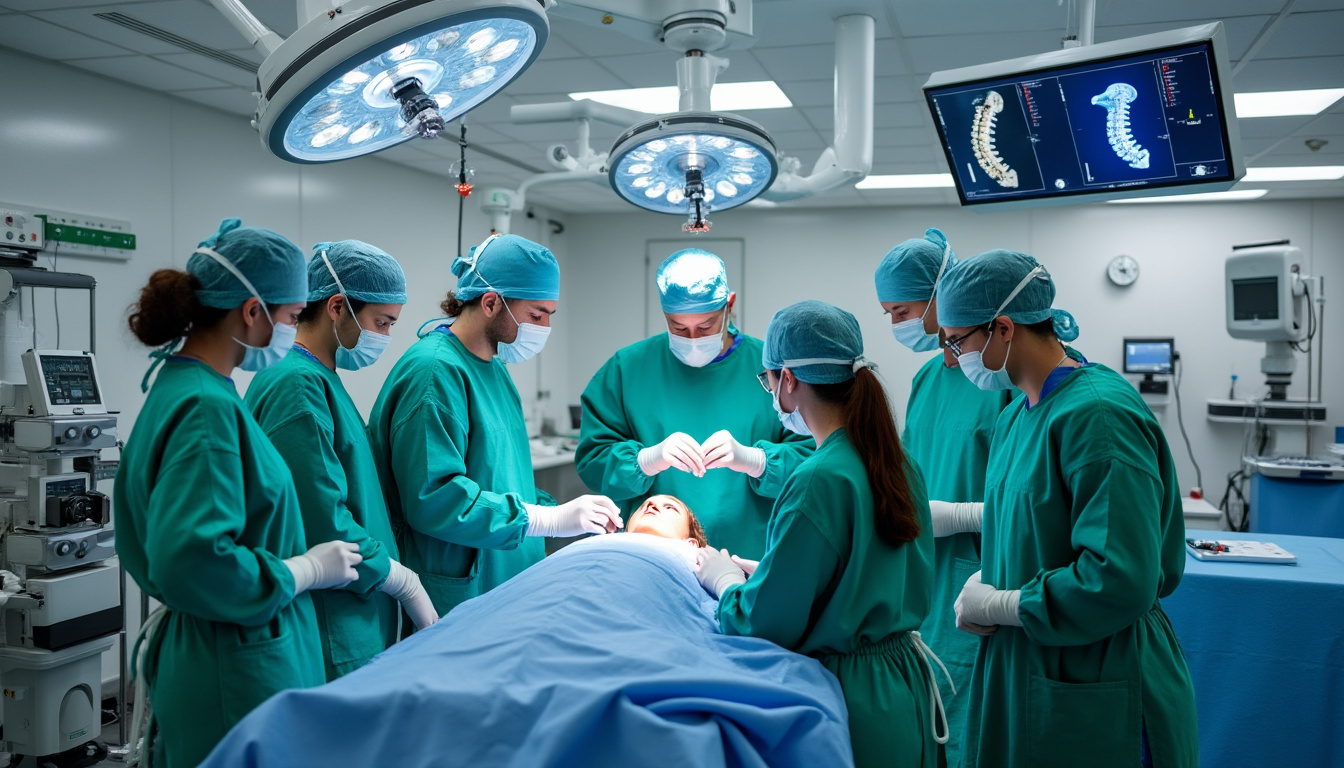
Spine Surgery in Trois-Rivières: Reduce Pain and Preserve Mobility
In recent years, spine surgery in Trois-Rivières has evolved notably, combining advanced medical expertise with innovative technologies to deliver patient-centered care. This growing field addresses the increasing demand among Quebec residents seeking effective solutions for chronic back pain and mobility…
Stages of the Patient Journey: From Evaluation to Postoperative Recovery with IntraSPINE
The pathway to receiving IntraSPINE surgery involves a comprehensive multi-stage process to optimize outcomes and patient safety. Patients first undergo an expert clinical evaluation led by Dr. Desforges, who meticulously analyzes medical history, imaging studies, and prior therapies to confirm surgical indications aligned with Canadian and Quebec medical regulations.
Before surgery is contemplated, patients are strongly encouraged to complete 3 to 6 months of advanced conservative care. This includes physical therapy, osteopathic manual techniques, pharmacological management, and importantly, neurovertebral decompression therapy available at facilities such as the Clinique TAGMED. Scientific rigor underpins these recommendations, ensuring surgery is reserved for persistent cases unresponsive to non-invasive measures.
Once surgical candidacy is established, collaboration with experienced French spine surgeons offers personalized operative planning, including precise implant sizing and surgical techniques tailored to the individual’s biomechanical needs. The surgical procedure itself is typically minimally invasive, reducing soft tissue trauma and facilitating accelerated recovery.
Postoperative care emphasizes early mobilization, guided rehabilitation, and periodic follow-up assessments coordinated by Dr. Desforges to monitor healing and address any complications proactively. Patients return to Quebec to complete rehabilitation with local providers supported by international clinical teams, ensuring continuity and comprehensive care.
Typical Timeline and Key Activities During the Patient Journey
| Stage | Duration | Main Activities |
|---|---|---|
| Clinical Evaluation & Conservative Treatment | 3-6 months | Detailed assessments, physical therapy, neurovertebral decompression, pain management |
| Surgical Planning | 2-4 weeks | Imaging review, multidisciplinary consultation, implant selection |
| Surgery & Hospital Stay | 1-3 days | Minimally invasive implantation, postoperative monitoring |
| Rehabilitation & Follow-up | 6 weeks to 6 months | Tailored physiotherapy, pain control, outcome monitoring |
This orchestrated journey balances scientific precision with empathetic patient support, allowing patients to recover safely and regain quality of life swiftly.

TOPS™ in Gatineau: High-Performance Option for the Lumbar Spine
The landscape of spinal surgery has witnessed profound evolution, particularly for patients grappling with lumbar spine disorders such as spinal stenosis and spondylolisthesis. These conditions, increasingly prevalent among Quebec’s population, impose substantial limitations on mobility and quality of life. The…
Combining Conservative Care and Advanced Surgery: Why the Waiting Period Matters
One core principle strongly advocated by Dr. Sylvain Desforges is that surgery should not be the immediate response to chronic low back pain. Rather, a committed course of conservative care lasting between three and six months is necessary before considering surgical intervention. This interval enables healing where feasible, reduces symptoms, and clarifies the necessity of surgery for persistent cases.
A key element is the use of advanced neurovertebral decompression therapy available at Clinique TAGMED, which utilizes cutting-edge technology to alleviate nerve root compression non-invasively. Patients often experience significant symptomatic improvement during this phase, which can obviate the need for surgery or optimize surgical outcomes if ultimately indicated.
Typical conservative treatments within this period include:
- Physical therapy focused on core stabilization and posture correction
- Manual osteopathic treatments targeting musculoskeletal alignment
- Pharmacologic management tailored to symptom severity, emphasizing non-opioid options
- Behavioral and pain coping strategies like mindfulness and acceptance-based therapy
- Non-surgical spinal decompression to reduce intradiscal pressure and nerve irritation
This approach underscores Dr. Desforges’ commitment to ethical, evidence-based, and patient-centered care. By providing a thorough non-operative trial phase, patients make informed decisions grounded on comprehensive clinical information.

Cervical Disc Prosthesis in Quebec City: Avoid Post-Surgery Stiffness
Chronic neck pain remains a significant challenge for thousands of residents in Quebec City every year, often leading them to seek effective spinal surgery options that minimize downtime and maximize long-term mobility. Among the recent advancements revolutionizing cervical spine care,…
Practical Benefits of the Transatlantic Surgical Care Model for Quebec Patients
Quebec residents exploring spine surgery often confront long public healthcare waitlists and high private care costs. The transatlantic partnership—helmed by Dr. Desforges—bridges these challenges by connecting patients to esteemed French surgical centers offering advanced implant technologies like IntraSPINE. This model enhances access while maintaining surveillance and coordination from Canadian providers.
Key advantages of this collaborative approach include:
- Reduced wait times: Timely scheduling of surgeries accelerates pain relief and functional recovery.
- Cost efficiency: More competitive pricing in Europe combined with transparent insurance facilitation reduces financial burdens.
- Access to innovation: Cutting-edge implants and surgical techniques are more readily available.
- Integrated multidisciplinary teams: Comprehensive preoperative to postoperative support blends expertise from multiple health domains.
- Continuity of care: Structured follow-up protocols ensure seamless care transition back to Quebec, monitored by Dr. Desforges and affiliated clinicians.
This international synergy exemplifies patient-centered innovation and rigorous scientific grounding, enhancing outcomes while delivering humanistic care and reassurance throughout the complex spine treatment journey.
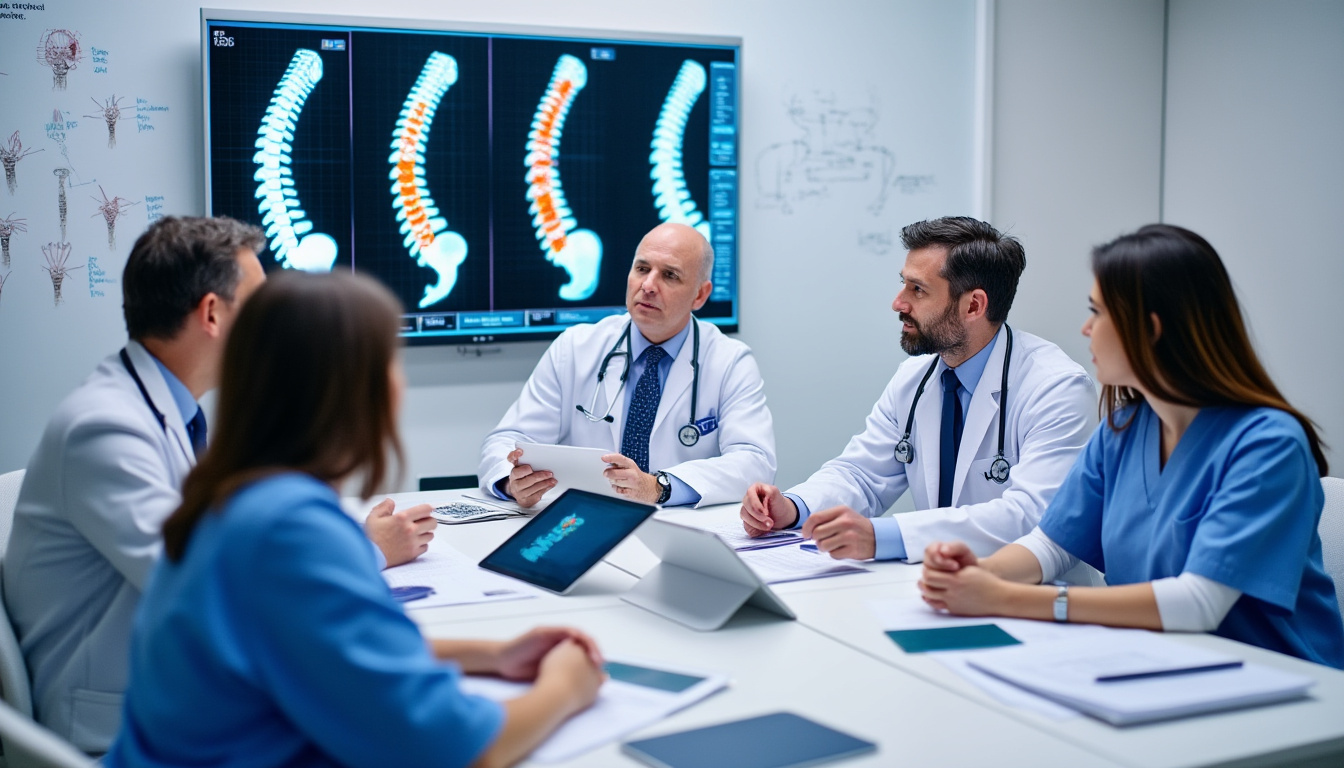
Minimally Invasive Surgery in Longueuil: Reduce Hospital Stay Duration
In recent years, advances in spinal care have dramatically reshaped the treatment landscape for patients suffering from debilitating spinal conditions. Particularly in Longueuil, the emergence of minimally invasive surgery (MIS) techniques offers a transformative alternative to conventional open surgeries. These…
The Distinctive Value of IntraSPINE Technology Compared to Traditional Fusion
Traditional lumbar fusion surgeries have been effective in stabilizing degenerated spinal segments but are accompanied by inherent drawbacks, chiefly the loss of mobility at the treated level and augmented mechanical stress on adjacent segments, often leading to adjacent segment disease.
In contrast, the IntraSPINE device offers dynamic stabilization that preserves segmental motion, a critical factor for spinal health. Clinical studies highlight several advantages of IntraSPINE over fusion:
- Preserved Range of Motion: Partial retention of flexion and extension motion mitigates compensatory hypermobility at adjacent segments.
- Stable Posterior Disc and Foraminal Heights: Maintenance of PDH and FH reduces nerve compression risks and helps prevent secondary degeneration.
- Reduced Surgical Trauma: Shorter procedural time, lower blood loss, and quicker hospital discharge support improved recovery timelines.
- Lower Adjacent Segment Disease Occurrence: Dynamic stabilization diminishes excessive forces transferred to neighboring levels, reducing the incidence of secondary degeneration requiring revision surgery.
| Parameter | IntraSPINE (Non-fusion) | Traditional Fusion |
|---|---|---|
| Operative Time (minutes) | ~72 | ~82 |
| Intraoperative Blood Loss (ml) | ~65.5 | ~82 |
| Hospital Stay (days) | ~9.2 | ~11.1 |
| Pain Relief (VAS Score at 12 months) | Superior | Good |
| Range of Motion at Operative Segment (12 months) | Partial Preservation | Near Zero |
| Adjacent Segment Mobility | Stable | Increased (Risk of ASD) |
These benefits collectively endorse IntraSPINE as a viable and innovative alternative to fusion surgery, particularly for younger patients and those desiring to preserve spine biomechanics.
IntraSPINE® in Laval: Modern Solution for Lumbar Stabilization
In the evolving landscape of orthopedic treatments, the city of Laval has become a hub for innovations addressing chronic lower back pain. Among the groundbreaking solutions gaining attention is the IntraSPINE device—a modern spinal implant designed to offer dynamic lumbar…
Empowering Patients Through Clear Education and Personalized Support
At the heart of Dr. Desforges’ approach is a commitment to transparency and pedagogy. Patients facing chronic low back pain are often overwhelmed by complex medical jargon and the daunting prospect of surgery. By simplifying biomechanical concepts and clearly explaining advantages, limitations, and realistic outcomes of each treatment option, patients become active participants in their care decisions.
Practical strategies include:
- Using plain language analogies to explain spine mechanics and device function
- Discussing indications for different surgical types based on individual pathology and lifestyle
- Highlighting the importance of the conservative treatment phase and its role in avoiding or preparing for surgery
- Providing detailed rehabilitation milestones and timelines to set patient expectations
- Maintaining open communication channels for ongoing queries and support throughout the care pathway
This educational focus builds reassurance, reduces anxiety, and promotes adherence to treatment plans, fostering more favorable long-term results.
Neck Surgery in Montreal: Maintain Cervical Flexibility and Function
Neck conditions causing persistent pain or functional loss place a substantial burden on individuals and healthcare systems, especially in urban centers like Montreal. Surgical interventions targeting the cervical spine have evolved tremendously, aiming not only to relieve symptoms but to…
Encouraging Action: Connect with Expert Assessment for Your Back Pain
If you are a resident of Quebec struggling with chronic low back pain and seeking a scientifically validated, minimally invasive surgical option with proven biomechanical benefits, consider reaching out to Dr. Sylvain Desforges and his collaborative teams. Engaging in a comprehensive evaluation supported by rigorous clinical standards can help identify whether IntraSPINE or alternative therapies provide the best path forward for your spine health.
You are invited to contact the clinic to arrange an assessment or discuss your specific situation. Personalized recommendations and coordinated transatlantic surgical care plans are available to optimize your outcomes and quality of life.
Who is an ideal candidate for IntraSPINE surgery in Laval?
Patients with lumbar degenerative disc disease who have not sufficiently improved after 3 to 6 months of comprehensive conservative care including physical therapy and neurovertebral decompression are typically candidates for IntraSPINE, subject to detailed clinical evaluation.
How does IntraSPINE differ from traditional spinal fusion?
IntraSPINE preserves motion by dynamically stabilizing the vertebral segment, unlike fusion which immobilizes it. This helps maintain spinal biomechanics and reduces the risk of adjacent segment disease.
What should patients expect during recovery after IntraSPINE implantation?
Most patients experience significant improvement in pain and function within weeks. Rehabilitation involves tailored physiotherapy and regular follow-ups coordinated by spine specialists.
Is the IntraSPINE device approved for use in Canada?
Yes, IntraSPINE holds CE marking and is approved for use in Canada, with availability facilitated through specialized partnerships ensuring regulatory compliance and patient safety.
Are there non-surgical alternatives before considering IntraSPINE surgery?
Absolutely. State-of-the-art conservative treatments like neurovertebral decompression at Clinique TAGMED and specialized physical therapy aim to alleviate symptoms and facilitate healing before surgery is considered.

Disc Prosthesis in Lévis: Quick and Long-Lasting Results
Chronic back pain caused by degenerative disc disease continues to profoundly impact the quality of life for many residents in Lévis and the broader Quebec area. For decades, traditional spinal fusion surgery has been the primary solution for alleviating severe…