
Neck Surgery in Montreal: Maintain Cervical Flexibility After Treatment
May 16, 2026
Pointe-Claire Lumbar Disc Bulge Solutions Without Surgery
May 16, 2026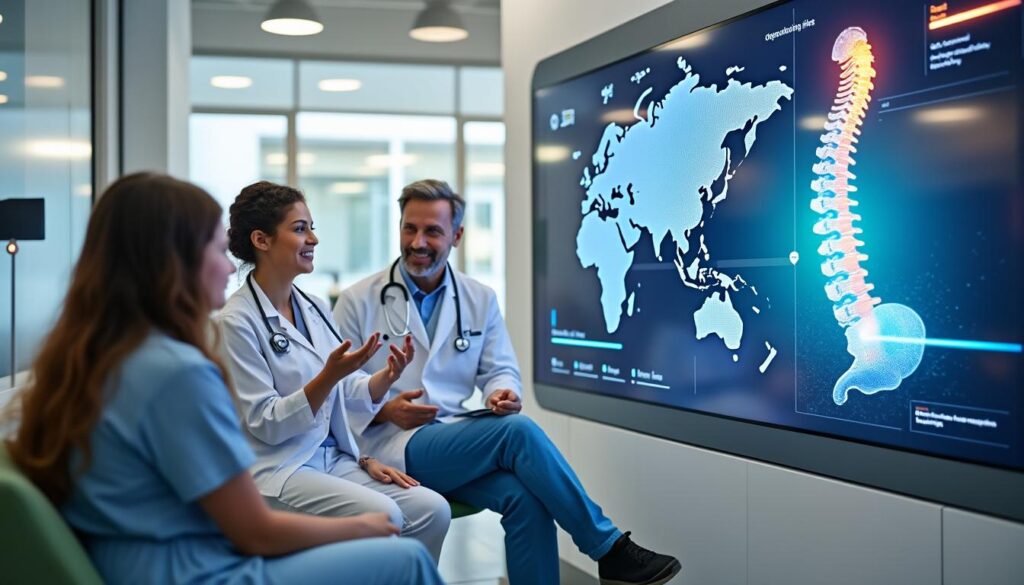
Back pain remains one of the most pervasive health challenges worldwide, affecting millions and limiting quality of life. Recent innovations in spine care offer renewed hope for patients seeking effective relief without compromising mobility. Among these advances, the IntraSPINE device introduced in Laval represents a groundbreaking, minimally invasive approach to spinal intervention, promising accelerated recovery and sustained comfort. Rooted in a careful understanding of spinal biomechanics, IntraSPINE provides an approved surgical solution that aligns with cutting-edge medical innovation, aimed at transforming back pain treatment paradigms.
In Quebec, increasing demands on health services have prolonged wait times for spine surgery, compelling patients to explore optimized pathways that blend scientific rigor with compassionate care. The collaboration between Canadian experts like Dr. Sylvain Desforges, a pioneer in spinal evaluation with over 30 years of experience, and surgical teams in France facilitates access to advanced minimally invasive procedures such as IntraSPINE. This international coordination ensures that patients benefit from state-of-the-art interventions while receiving personalized guidance throughout their recovery journey.
Exploring the Types of Spine Surgery Available in France: Options for Quebec Patients
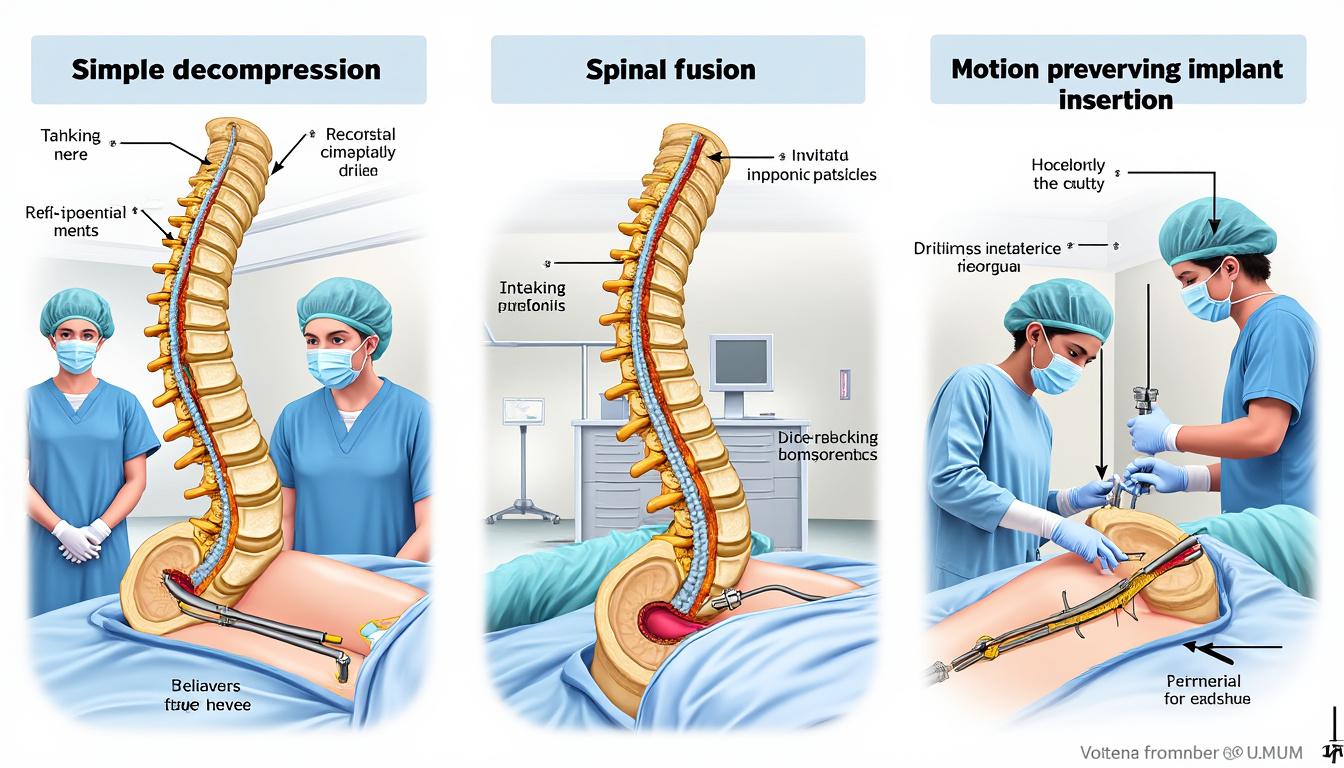
France offers a comprehensive spectrum of spine surgeries tailored to address various lumbar pathologies, making it an attractive destination for Quebec patients facing long domestic wait times. The three primary categories include simple decompression, fusion surgeries, and motion-preserving techniques, each with distinct applications, benefits, and considerations.
Simple decompression surgeries aim to alleviate nerve root compression caused by herniated discs or spinal stenosis. Procedures such as laminotomy or microdiscectomy are less invasive and provide relatively quick symptom relief without significantly altering spinal stability. However, these interventions primarily target symptomatic relief and may not address underlying segmental instability, which can lead to recurrent problems.
Fusion surgeries, including posterior lumbar interbody fusion (PLIF), have long been a standard for stabilizing severely unstable or deformed spinal segments. By permanently joining two or more vertebrae using hardware like screws and cages, fusion offers robust structural support. While fusion effectively eliminates painful motion at the affected level, it does so at the expense of spinal mobility, potentially increasing biomechanical stress on adjacent segments and raising the risk of adjacent segment disease (ASD).
Emerging from the need to preserve spinal function, motion-preserving surgeries utilize dynamic implants such as IntraSPINE, designed to maintain the natural movement of the spine while stabilizing affected segments. These devices cushion spinal segments and enable flexion and extension, mimicking physiological biomechanics. Such innovative approaches reduce the likelihood of complications associated with traditional fusion procedures and are well-suited for patients with early to moderate degenerative conditions.
The choice of surgical approach is deeply individualized, integrating clinical examination findings, imaging studies, patient lifestyle, and prior treatment response. Dr. Desforges emphasizes the necessity of thorough evaluation to determine the most appropriate procedure, ensuring that patients are well informed about the advantages and limitations of each surgical option.
Summary Table of Common Spine Surgery Types in France
| Type of Surgery | Main Benefits | Limitations | Suitable Candidates |
|---|---|---|---|
| Simple Decompression | Minimally invasive, rapid symptom relief | Does not stabilize unstable segments, risk of symptom recurrence | Patients with localized nerve compression but stable vertebrae |
| Spinal Fusion (e.g., PLIF) | Strong stabilization, established clinical track record | Loss of segmental mobility, higher risk of adjacent segment disease | Severe spinal instability or deformity cases |
| Motion-Preserving Surgery (IntraSPINE) | Preserves natural spinal motion, minimally invasive, reduced adjacent segment degeneration | Limited long-term data compared to fusion, new technology | Early to moderate degenerative disc disease, foraminal stenosis, facet syndrome |
Understanding these surgery types empowers patients to engage actively in their treatment decisions. Quebec residents considering surgery in France are supported by Dr. Desforges’ expertise to navigate these options within an evidence-based, patient-centered framework.
IntraSPINE® in Sherbrooke: Durable Solution for Chronic Low Back Pain
The management of chronic low back pain, a widespread condition affecting millions across Quebec and beyond, has reached a pivotal moment thanks to innovative medical technologies and coordinated care pathways. At the heart of this evolution lies the IntraSPINE implant,…
Spine Surgery in Trois-Rivières: Reduce Pain and Preserve Mobility
In recent years, spine surgery in Trois-Rivières has evolved notably, combining advanced medical expertise with innovative technologies to deliver patient-centered care. This growing field addresses the increasing demand among Quebec residents seeking effective solutions for chronic back pain and mobility…
The Patient Journey from Quebec to France: Coordinated Care for IntraSPINE Surgery
Embarking on spine surgery abroad can be overwhelming without proper coordination, but the transatlantic pathway for IntraSPINE implantation has been meticulously designed to ease patient experience and optimize clinical outcomes.
The journey begins with a comprehensive evaluation in Quebec, led by Dr. Desforges and his team. This includes detailed clinical assessments and diagnostic imaging to accurately characterize spinal pathology. Importantly, this stage confirms that the patient has undergone an adequate trial of conservative treatments, typically lasting from three to six months.
If conservative management—including manual osteopathy, physical therapy, and advanced neurovertebral decompression as offered at the reputable Clinique TAGMED—fails to provide satisfactory relief, a surgical referral becomes appropriate. This step underscores the ethical commitment to minimize unnecessary surgeries and prioritize patient safety.
Subsequently, through strong partnerships, the patient is connected with specialized surgical teams in France. Logistics, including travel and accommodation, are planned by entities like Franchir, which tailors arrangements to individual needs, facilitating seamless transitions between countries while maintaining comfort and support.
The surgical intervention itself involves a minimally invasive implantation of the IntraSPINE device, typically performed under a monolateral approach that reduces tissue trauma. Post-operative care initiates in France with early mobilization and rehabilitation guidance, often extending into Quebec where Neurothérapie Montréal coordinates ongoing recovery and functional restoration.
This coordinated international approach enriches patient confidence, accelerates healing, and maintains continuity of care, markedly improving the overall treatment experience.


TOPS™ in Gatineau: High-Performance Option for the Lumbar Spine
The landscape of spinal surgery has witnessed profound evolution, particularly for patients grappling with lumbar spine disorders such as spinal stenosis and spondylolisthesis. These conditions, increasingly prevalent among Quebec’s population, impose substantial limitations on mobility and quality of life. The…
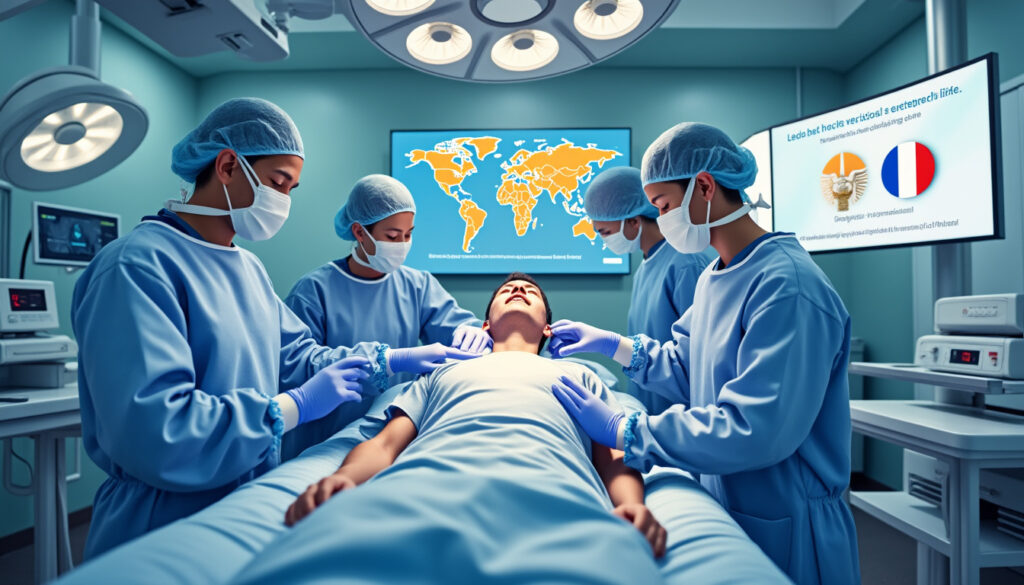
Cervical Disc Prosthesis in Quebec City: Avoid Post-Surgery Stiffness
Chronic neck pain remains a significant challenge for thousands of residents in Quebec City every year, often leading them to seek effective spinal surgery options that minimize downtime and maximize long-term mobility. Among the recent advancements revolutionizing cervical spine care,…
Conservative Treatments: A Crucial First Step Before Considering Surgery
Despite the advanced options available, Dr. Desforges continually stresses that surgery should remain a final resort after thorough conservative measures have been tried.
Conservative care spans multiple modalities designed to alleviate symptoms, improve spinal mechanics, and promote healing without surgical risks. Central to this phase are manual osteopathy and tailored physical therapy, which restore balance and mobility by addressing musculoskeletal dysfunctions.
Additionally, advanced neurovertebral decompression at Clinique TAGMED employs robotic technology to gently relieve pressure on nerve roots by increasing intervertebral space. This treatment showcases how cutting-edge technology complements traditional therapies in maximizing patient outcomes.
Pharmacologic management with analgesics and anti-inflammatories supports symptom control during rehabilitation, while educational interventions empower patients with knowledge on ergonomics, activity modifications, and lifestyle changes to support spinal health.
Only after a persistent failure of these conservative protocols—especially if neurovertebral decompression has not yet been attempted—should patients consider surgical evaluation. This approach aligns with Quebec and Canadian healthcare guidelines, reinforcing safety and respect for individual patient trajectories.
Key Components of Conservative Therapy Before Surgery Consideration
- Manual Osteopathy and Physical Therapy: Enhances spinal alignment and mobility to reduce pain.
- Neurovertebral Decompression: Non-invasive technique relaxing nerve compression.
- Medicinal Management: Controls symptoms during recovery and supports function.
- Patient Education and Lifestyle Adjustments: Encourages self-care and prevents recurrence.
This foundation ensures patients make informed, safe decisions and arrive at surgery, if necessary, in the best possible condition.
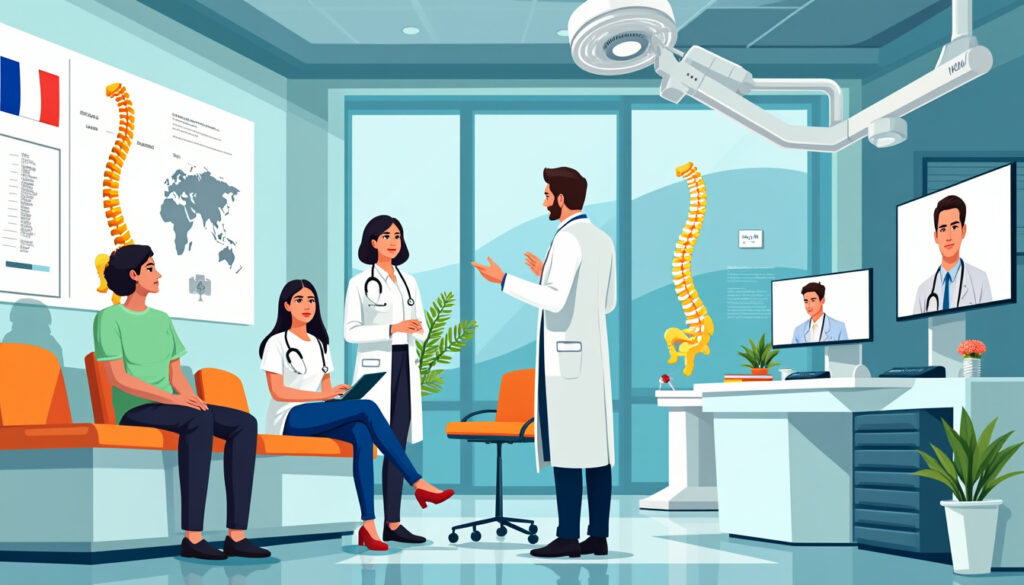
Minimally Invasive Surgery in Longueuil: Reduce Hospital Stay Duration
In recent years, advances in spinal care have dramatically reshaped the treatment landscape for patients suffering from debilitating spinal conditions. Particularly in Longueuil, the emergence of minimally invasive surgery (MIS) techniques offers a transformative alternative to conventional open surgeries. These…
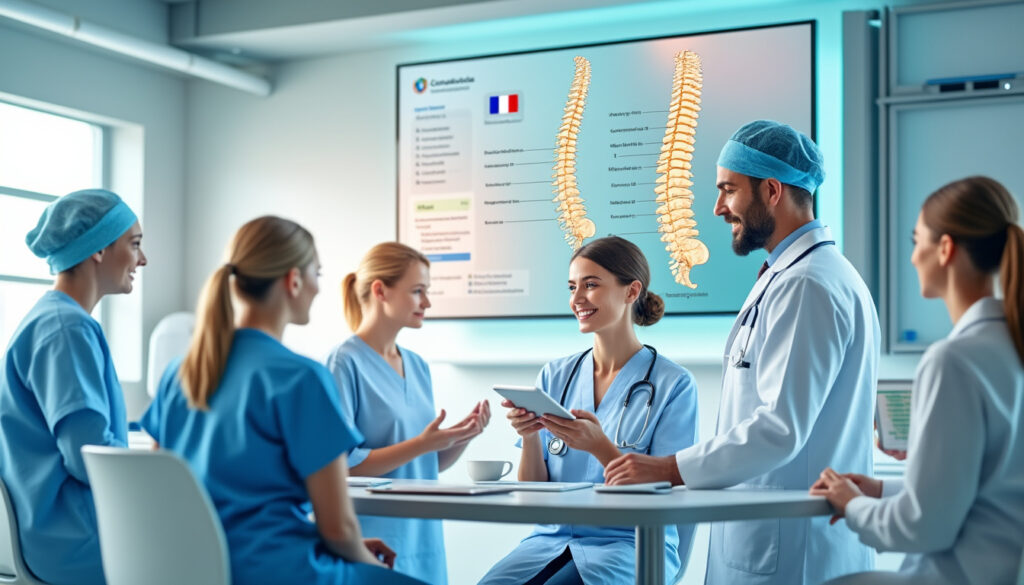
IntraSPINE® in Laval: Modern Solution for Lumbar Stabilization
In the evolving landscape of orthopedic treatments, the city of Laval has become a hub for innovations addressing chronic lower back pain. Among the groundbreaking solutions gaining attention is the IntraSPINE device—a modern spinal implant designed to offer dynamic lumbar…
Biomechanical Benefits of the IntraSPINE Device Compared to Traditional Fusion
IntraSPINE stands out by aligning closely with the spine’s natural mechanics, distinguishing itself from conventional fusion surgeries that immobilize segments.
Unlike fusion, which rigidly fixes vertebrae, IntraSPINE is placed in the interlaminar space and preserves the dynamic motion of the lumbar spine. Positioned near the instantaneous axis of rotation, it permits physiological flexion and extension, thereby maintaining sagittal balance and preventing excessive stiffness.
Additionally, the device unloads stressed facet joints and enlarges neuroforaminal spaces, providing relief from radiculopathy symptoms by decompressing nerve roots. By preserving segmental movement, IntraSPINE also reduces the risk of adjacent segment degeneration (ASD), a common complication following fusion surgery due to increased biomechanical stress transferred to neighboring vertebral levels.
Clinical outcomes demonstrate that patients benefit from shorter operative time, less intraoperative blood loss, and faster hospital discharge compared to traditional fusion, fostering quicker return to daily activities. More than 40,000 IntraSPINE devices have been implanted globally since its introduction, reinforcing its safety and efficacy profile within the spine care community.
Comparison of IntraSPINE vs. Traditional Fusion
| Feature | IntraSPINE | Traditional Lumbar Fusion |
|---|---|---|
| Motion Preservation | Yes, maintains natural spinal mobility | No, fuses vertebrae, eliminating motion |
| Invasiveness | Minimally invasive, monolateral approach | More invasive, extensive tissue disruption |
| Blood Loss | Minimal | Significant |
| Recovery Time | Faster mobilization, earlier hospital discharge | Longer hospitalization and rehabilitation |
| Risk of Adjacent Segment Disease | Reduced due to preserved motion | Elevated due to increased biomechanical stress |
The biomechanical advantages translate into improved patient outcomes and satisfaction, particularly for individuals wishing to maintain an active lifestyle.
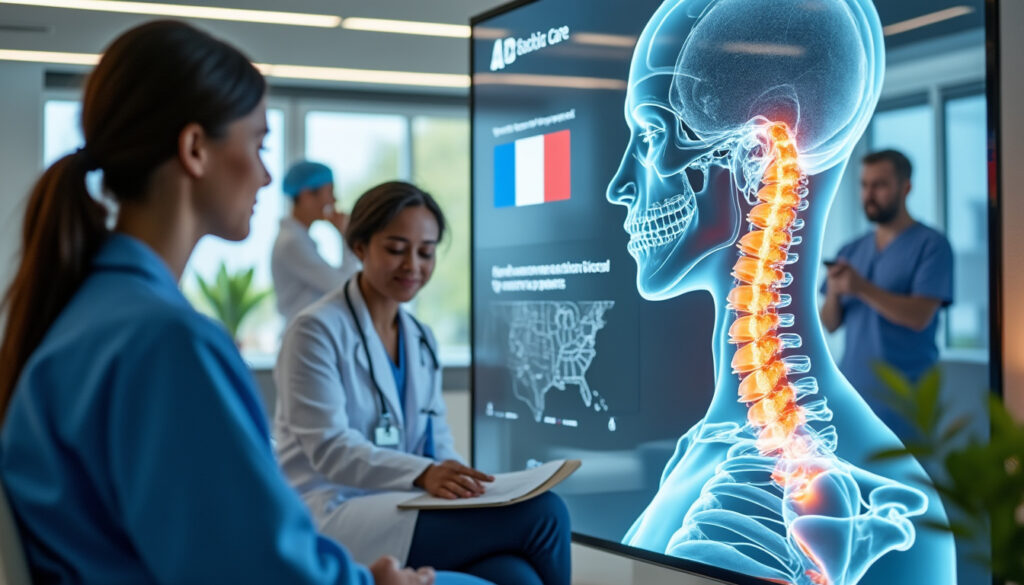
Neck Surgery in Montreal: Maintain Cervical Flexibility and Function
Neck conditions causing persistent pain or functional loss place a substantial burden on individuals and healthcare systems, especially in urban centers like Montreal. Surgical interventions targeting the cervical spine have evolved tremendously, aiming not only to relieve symptoms but to…

Disc Prosthesis in Lévis: Quick and Long-Lasting Results
Chronic back pain caused by degenerative disc disease continues to profoundly impact the quality of life for many residents in Lévis and the broader Quebec area. For decades, traditional spinal fusion surgery has been the primary solution for alleviating severe…
Innovative Technologies Complementing IntraSPINE Surgery in Laval
The successful implantation of IntraSPINE benefits from a range of advanced technologies that further optimize surgical precision and recovery.
Laser-assisted techniques aid in meticulous soft tissue management, minimizing collateral damage and enhancing healing speed. Image-guided minimally invasive procedures utilize intraoperative navigation for precise implant placement, drastically reducing surgical trauma and risk of implant mispositioning.
Dynamic implants, including IntraSPINE, embody a new generation of spinal devices tailored to patient biomechanics for adaptive stabilization and comfort. Postoperative digital monitoring platforms allow continuous tracking of patient recovery remotely, enabling timely follow-up interventions and personalized rehabilitation plans.
Dr. Desforges’ collaboration with French surgical teams and technology providers reflects a commitment to integrating these innovations within a multidisciplinary, evidence-based care model ensuring safety and patient-centered outcomes.
Advantages of the Transatlantic Patient Journey: Faster Access and Comprehensive Care
Patients opting for the international care pathway coordinated by Dr. Desforges experience substantial benefits that are often unattainable within local healthcare frameworks.
Key advantages include significantly reduced wait times for surgical evaluation and intervention, critical for patients enduring chronic disabling pain. This expedited care is paired with access to innovative technologies like IntraSPINE, which might not yet be widely available across all Canadian centers.
The transatlantic model is characterized by multidisciplinary collaboration, involving osteopaths, surgeons, physiotherapists, and rehabilitation specialists working in unison across borders to deliver integrated treatment plans tailored to individual patient needs.
The seamless continuity of care—with preoperative assessment and postoperative rehabilitation coordinated between Quebec and France—ensures comprehensive support and monitoring, improving recovery experiences and reducing postoperative complications.
Summary of Transatlantic Care Benefits
- Reduced Wait Times: Faster access to evaluation and surgery.
- Advanced Technologies: Availability of minimally invasive devices like IntraSPINE.
- Multidisciplinary Expertise: Collaborative clinical decision-making.
- Continuity of Care: Coordinated follow-up across international teams.

Personalized Services at Laval Spine Clinic and TAGMED: Comprehensive Spine Care for Quebec Patients
The partnership between Laval Spine Clinic and Clinique TAGMED exemplifies a holistic approach combining conservative and surgical treatments to optimize spine health. Under the expert guidance of Dr. Sylvain Desforges, patients receive thorough evaluations and appropriate prescriptions for advanced conservative therapies like robot-assisted neurovertebral decompression.
When surgery is warranted, the clinic offers access to expert surgical teams utilizing the most innovative implants such as IntraSPINE. Following surgery, specialized rehabilitation programs coordinated by Neurothérapie Montréal ensure functional recovery and long-term spine wellness.
This integrated care model stands as a unique value proposition for Quebec patients, bridging rigorous scientific standards, technological innovation, and warm, personalized patient support throughout the care continuum.
For more detailed information or to discuss your case, do not hesitate to visit this contact page to initiate your personalized evaluation and explore the best treatment options available.
What conditions are best treated with the IntraSPINE device?
IntraSPINE is most effective for patients with early to moderate lumbar disc degeneration, arthropathic facet syndrome, foraminal stenosis, and intervertebral ligament insufficiency. It provides dynamic stabilization without eliminating spinal motion, making it suitable for those avoiding fusion surgery.
Why should surgery only be considered after 3 to 6 months of conservative treatment?
This period allows time for natural healing through therapies like manual osteopathy, physical therapy, and neurovertebral decompression. Surgery is reserved for patients who do not achieve sufficient relief from comprehensive conservative care, aligning with best practice guidelines for patient safety.
How does IntraSPINE differ from traditional lumbar fusion?
Unlike fusion, which rigidly immobilizes spinal segments, IntraSPINE preserves physiological motion by cushioning spinal movements. This reduces the risk of adjacent segment degeneration and promotes a quicker, less painful recovery.
Can Quebec patients easily access IntraSPINE surgery in France?
Yes, through the transatlantic coordinated care pathways managed by Dr. Desforges and his partners, patients can undergo IntraSPINE implantation in France with comprehensive support, including preoperative evaluations and postoperative rehabilitation assistance upon return to Quebec.
What should patients expect during recovery after IntraSPINE implantation?
Recovery typically involves shorter hospital stays, less postoperative pain, and earlier mobilization compared to traditional fusion. Rehabilitation continues in Quebec with specialized follow-up to ensure long-term spine health and function.