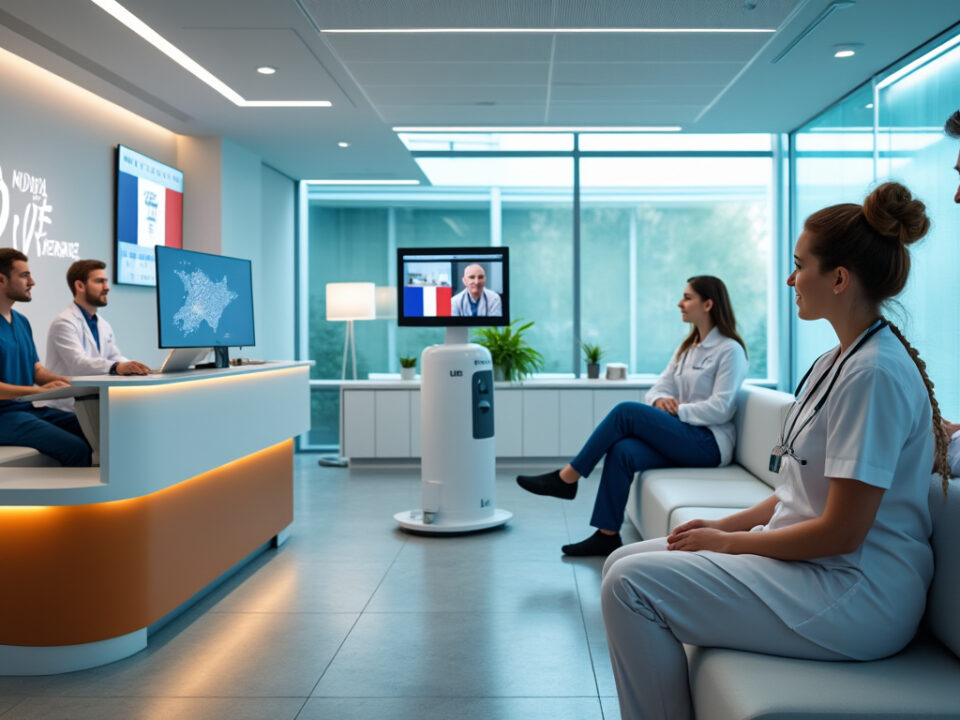
Mascouche Lower Back Disc Recovery in Weeks
May 16, 2026
IntraSPINE® in Laval: Approved Minimally Invasive Intervention
May 16, 2026
For many individuals in Montreal coping with chronic neck pain and cervical spine issues, the prospect of surgical intervention can provoke both hope and uncertainty. The evolution of neck surgery over recent years has introduced techniques that do not merely aim to alleviate pain but prioritize preserving the natural mobility of the cervical spine. At the forefront of this advancement is Dr. Sylvain Desforges, an expert in spinal evaluation with over 30 years of experience, guiding patients through a carefully coordinated journey that spans from rigorous assessment in Montreal to cutting-edge surgical treatment in France. This path leverages innovative motion-preserving technologies and international collaboration to offer relief from debilitating neck conditions while maintaining the essential function of cervical flexibility. This article delves into the types of neck surgeries available, the comprehensive patient pathway, the preeminence of conservative therapies such as neurovertebral decompression at clinics like TAGMED, and the unique benefits of transatlantic coordination.
As healthcare systems face growing demand, and patients seek timely access to advanced care, the integration of evidence-based practice, ethical considerations, and technological innovation becomes critical. Patients in Quebec now have strategic alternatives to prolonged waits or costly private options domestically. Understanding the nuances of cervical surgical approaches, their biomechanical implications, and the postoperative care essential for maintaining neck mobility empowers readers to make informed decisions with confidence and clarity.
Understanding Neck Surgery Options in Montreal: Fusion vs. Motion-Preserving Techniques
When neck surgery is indicated after conservative treatments have failed, choosing the appropriate surgical method is essential to balance pain relief with preserving neck mobility and function. In Montreal and Quebec, patients can access a range of procedures tailored to specific cervical pathologies, primarily falling into two categories: spinal fusion and motion-preserving surgery.
Traditional cervical fusion involves joining two or more vertebrae to stabilize the spine, eliminating painful movement in the affected segments. While highly effective at reducing pain and mechanical instability, fusion restricts movement at the operated levels and may transfer biomechanical stress to adjacent vertebrae, increasing the risk of degeneration elsewhere. Consequently, patients may experience stiffness and a reduced range of motion postoperatively.
Conversely, cervical disc prosthesis or arthroplasty represents a modern approach designed to maintain the natural motion of the neck. This technique replaces the damaged intervertebral disc with an artificial implant, preserving segmental mobility while decompressing nerve roots and alleviating pain. Motion-preserving surgery helps minimize adjacent segment degeneration, a common complication seen after fusion, and supports a more natural restoration of function.
Advantages and Patient Profiles for Each Technique
| Technique | Primary Goal | Effect on Mobility | Ideal Candidate Characteristics |
|---|---|---|---|
| Spinal Fusion | Stabilize spinal segments | Reduced motion at fused levels | Older adults, multi-level disc disease, spinal instability |
| Cervical Disc Prosthesis | Preserve segmental motion | Maintained natural movement | Younger adults, single-level localized disc disease |
Patient selection is critical for optimizing outcomes. Motion-preserving surgery is often preferred for younger individuals who still require cervical flexibility for occupational or lifestyle reasons, while fusion may be necessary for complex or multi-level degenerative pathology where spinal stability is compromised. Leading global manufacturers such as Medtronic, Zimmer Biomet, and NuVasive provide the advanced implants integrated into these procedures, ensuring precise biomechanical restoration and safety standards.
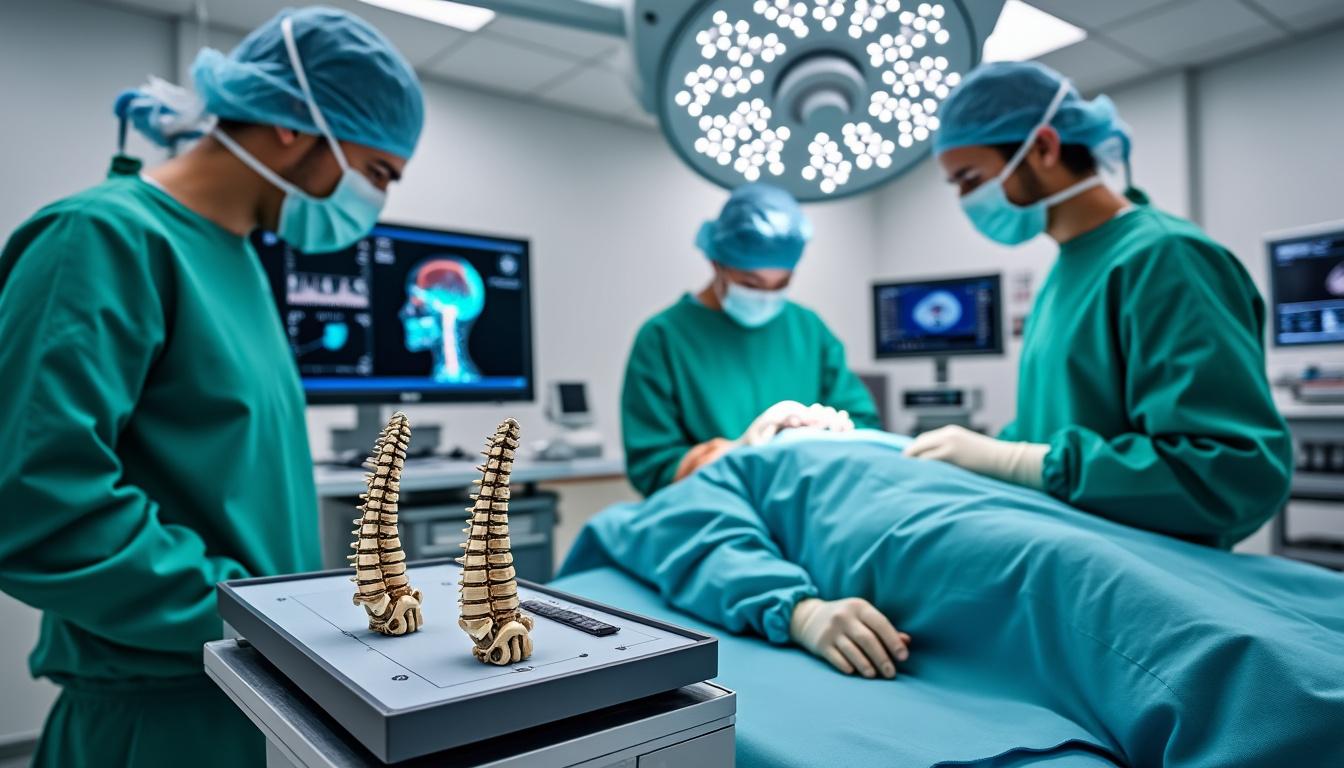

IntraSPINE® in Sherbrooke: Durable Solution for Chronic Low Back Pain
The management of chronic low back pain, a widespread condition affecting millions across Quebec and beyond, has reached a pivotal moment thanks to innovative medical technologies and coordinated care pathways. At the heart of this evolution lies the IntraSPINE implant,…
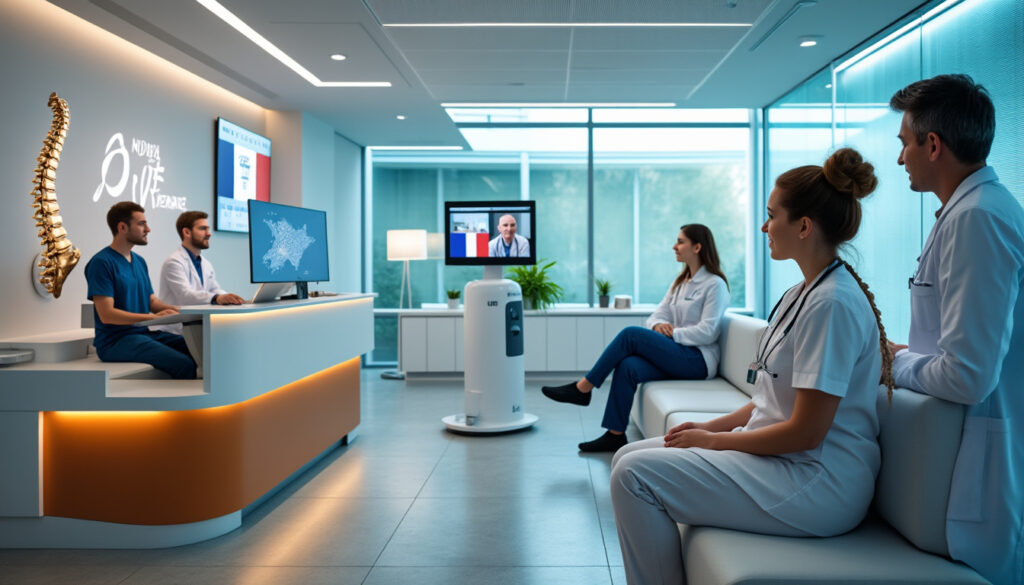
Spine Surgery in Trois-Rivières: Reduce Pain and Preserve Mobility
In recent years, spine surgery in Trois-Rivières has evolved notably, combining advanced medical expertise with innovative technologies to deliver patient-centered care. This growing field addresses the increasing demand among Quebec residents seeking effective solutions for chronic back pain and mobility…
The Patient’s Pathway to Neck Surgery: From Evaluation in Montreal to Surgical Care in France
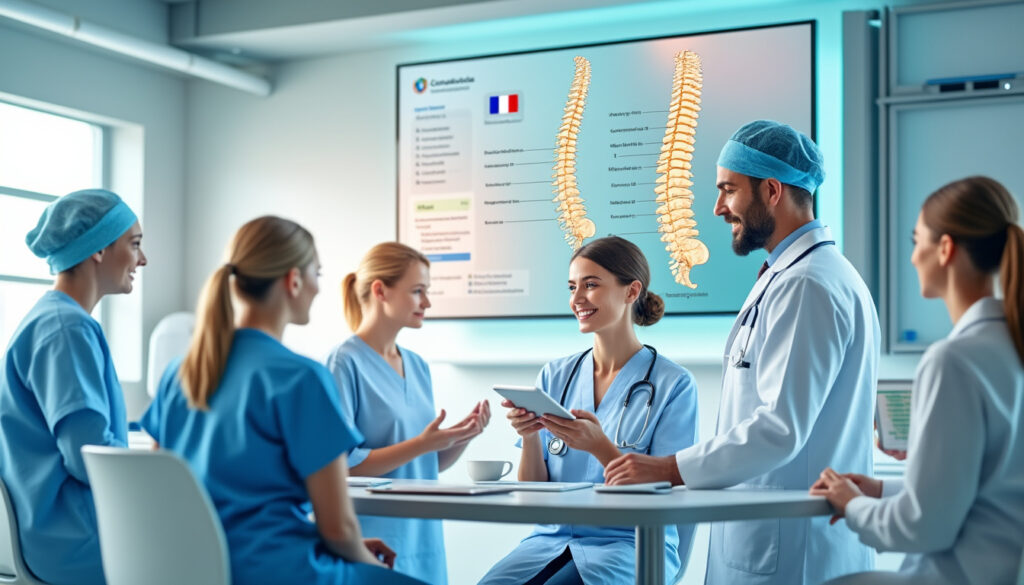
The journey toward neck surgery for many Quebec patients involves a well-orchestrated sequence of steps that balances thorough clinical assessment, conservative management, surgical intervention, and comprehensive rehabilitation. Under the expert guidance of Dr. Sylvain Desforges, this transatlantic care model maximizes patient access to premier surgical options, circumventing lengthy wait times and high domestic costs.
Step 1 begins with a detailed clinical and neurological evaluation in Montreal. This includes an extensive medical history, physical examination focusing on neurological status and spinal motion, and advanced imaging such as MRI or CT scans. Dr. Desforges applies stringent criteria to confirm surgical eligibility, ensuring that at least 3 to 6 months of effective conservative care—including neurovertebral decompression therapy at specialized centers like Clinic TAGMED—has been exhausted before surgery is considered.
Step 2 involves smooth coordination with surgical teams in France using an established network of renowned spine specialists. This phase encompasses scheduling, travel arrangements, patient education, and alignment of therapeutic goals. The surgical plan is customized with leading-edge minimally invasive or motion-sparing techniques tailored to individual patient profiles.
Step 3 is the surgical procedure itself, often performed in state-of-the-art French facilities utilizing advanced equipment from manufacturers such as Smith & Nephew and Globus Medical. These centers emphasize motion preservation when feasible to optimize postoperative cervical flexibility.
Step 4 encompasses postoperative care back in Montreal, where patients receive close monitoring to identify early complications and ongoing rehabilitation supervised by multidisciplinary teams. Rehabilitation focuses on regaining strength, reducing pain, and maintaining or improving neck mobility through targeted physical therapy and pain management protocols.
| Stage | Action | Duration | Patient Support |
|---|---|---|---|
| Evaluation Montreal | Clinical and imaging assessment, conservative therapy review | 1–2 weeks | Detailed patient education and counseling |
| Coordination France | Scheduling, travel preparation, surgical planning | 2–4 weeks | Personalized logistical and emotional support |
| Surgery | Advanced motion-preserving or fusion procedure | 3–6 hours | Care by expert multidisciplinary surgical team |
| Post-op Montreal | Rehabilitation and follow-up care | Several months | Rehabilitation, close monitoring, patient guidance |
Advantages of This Coordinated Approach
- Reduced waiting times for both consultation and surgery, accelerating recovery.
- Access to advanced technology and implants unavailable or limited in Canada.
- Comprehensive care coordination providing transparent communication and support.
- Personalized treatment and rehabilitation plans adapted to lifestyle and expectations.
- Multilingual care and cultural ease for French-speaking Quebec patients.

TOPS™ in Gatineau: High-Performance Option for the Lumbar Spine
The landscape of spinal surgery has witnessed profound evolution, particularly for patients grappling with lumbar spine disorders such as spinal stenosis and spondylolisthesis. These conditions, increasingly prevalent among Quebec’s population, impose substantial limitations on mobility and quality of life. The…

Cervical Disc Prosthesis in Quebec City: Avoid Post-Surgery Stiffness
Chronic neck pain remains a significant challenge for thousands of residents in Quebec City every year, often leading them to seek effective spinal surgery options that minimize downtime and maximize long-term mobility. Among the recent advancements revolutionizing cervical spine care,…
The Essential Role of Conservative Treatments Before Considering Surgery
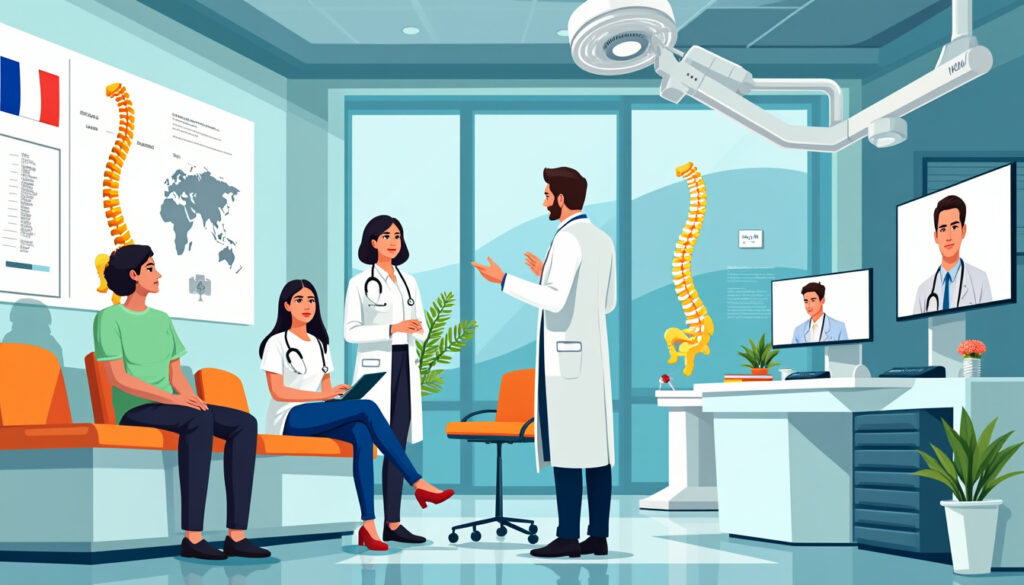
Before moving toward any surgical intervention for neck disorders, it is paramount that patients complete a thorough trial of conservative management lasting at least three to six months. This approach is grounded in scientific rigor and ethical responsibility, ensuring surgery is reserved only for those who do not achieve sufficient relief otherwise.
The cornerstone of conservative management includes neurovertebral decompression therapy, which is notably available at the Clinic TAGMED. This non-invasive therapy gently enlarges intervertebral spaces to relieve nerve root compression, reduce inflammation, and promote healing—often mitigating symptoms substantially.
Other conservative modalities encompass:
- Targeted physical therapy addressing cervical stabilization and improving flexibility.
- Pain management using pharmacological and non-pharmacological strategies.
- Educational interventions focusing on posture correction and ergonomic practices.
- Structured exercise programs designed to improve neck muscle strength and endurance.
Dr. Desforges carefully evaluates these prior treatments to confirm adequate adherence and response before recommending surgery. This strategy promotes more predictable surgical outcomes and aligns with the highest patient safety standards enforced by Quebec’s medical regulatory bodies.
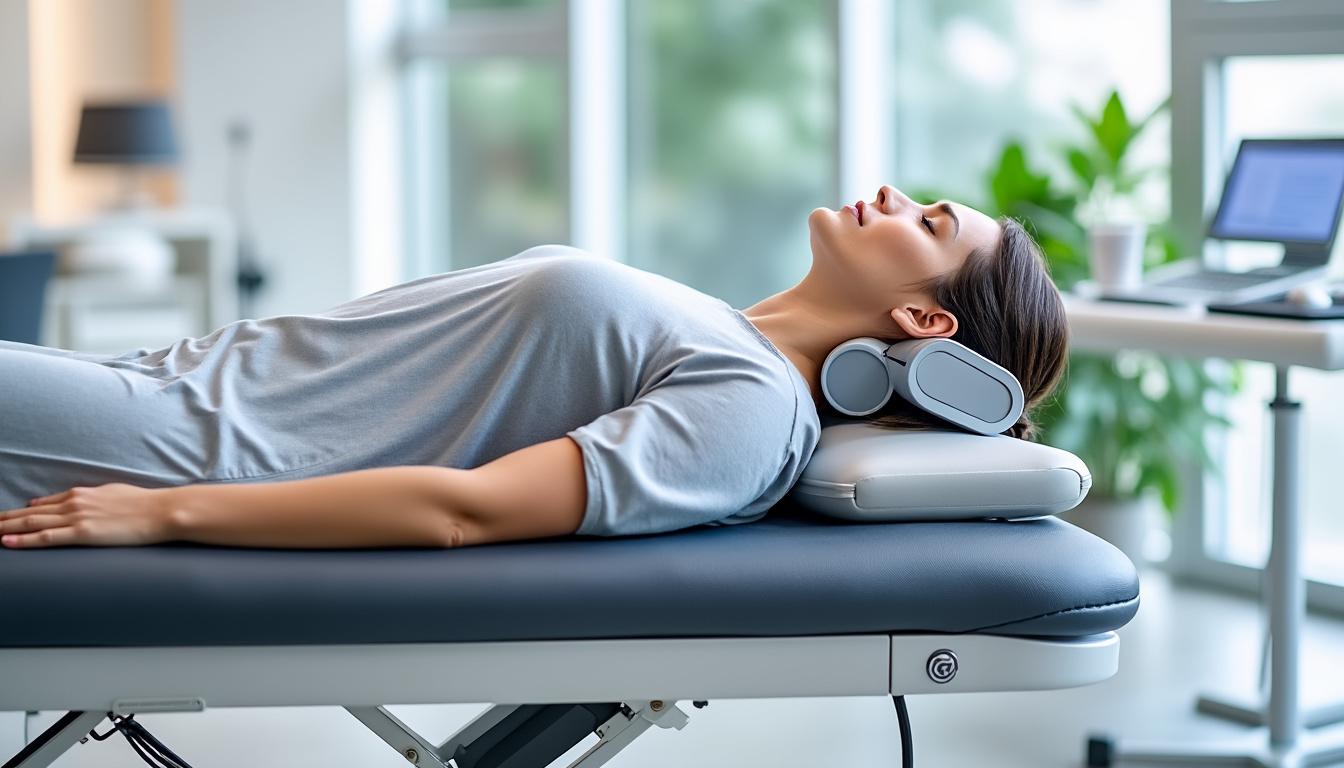
Minimally Invasive Surgery in Longueuil: Reduce Hospital Stay Duration
In recent years, advances in spinal care have dramatically reshaped the treatment landscape for patients suffering from debilitating spinal conditions. Particularly in Longueuil, the emergence of minimally invasive surgery (MIS) techniques offers a transformative alternative to conventional open surgeries. These…
IntraSPINE® in Laval: Modern Solution for Lumbar Stabilization
In the evolving landscape of orthopedic treatments, the city of Laval has become a hub for innovations addressing chronic lower back pain. Among the groundbreaking solutions gaining attention is the IntraSPINE device—a modern spinal implant designed to offer dynamic lumbar…
Biomechanical and Functional Benefits of Motion-Preserving Neck Surgery
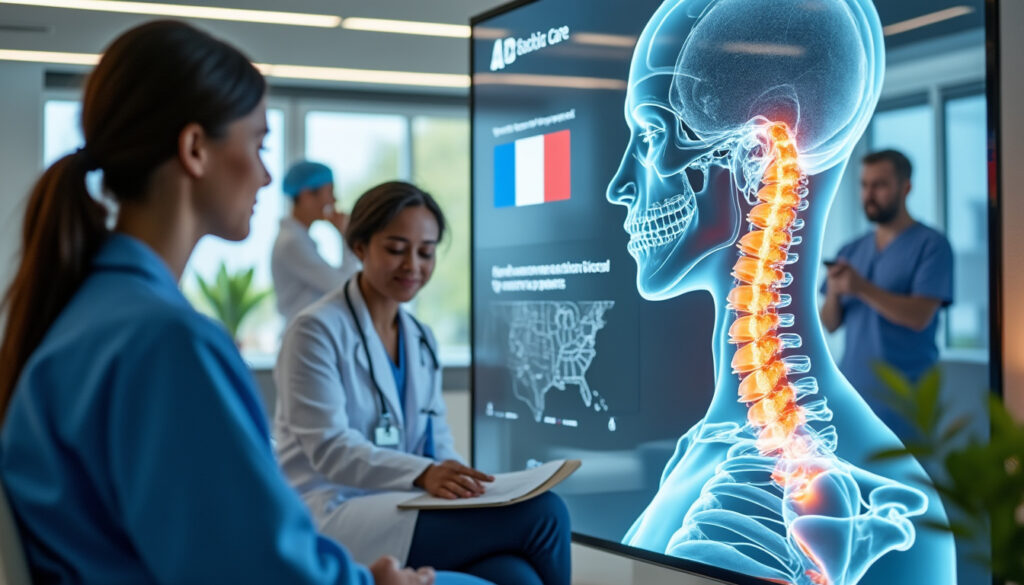
Maintaining the natural biomechanics of the cervical spine is vital for sustained neck function and overall quality of life. Motion-preserving neck surgeries have transformed patient outcomes by providing a means to alleviate pain while preserving critical ranges of motion.
Fusion surgery, while stabilizing harmful motion, inherently restricts movement and redistributes mechanical forces to unoperated segments, sometimes precipitating further degeneration. Motion-preserving surgeries, such as cervical disc replacement, help maintain physiological spinal kinematics, offering multiple benefits:
- Preserved neck mobility: Patients retain near-normal range of motion enabling routine activities without stiffness.
- Reduced adjacent segment stress: By avoiding fusion stiffness, stress on neighboring discs is minimized, lowering future surgical risks.
- Enhanced neural decompression: Improved nerve root freedom facilitates symptom relief and functional recovery in the upper limbs.
Clinical data supports superior patient-reported outcomes and a decreased incidence of adjacent segment disease when motion-preserving devices are used. Manufacturers like DePuy Synthes and Orthofix continue to innovate implants that mimic natural disc biomechanics precisely.
| Benefit | Impact on Patient | Long-Term Clinical Effect |
|---|---|---|
| Preservation of Mobility | Improved daily activities and comfort | Better quality of life, fewer movement restrictions |
| Protection of Adjacent Segments | Lower risk of degeneration in other spinal levels | Reduced need for additional surgeries |
| Symptomatic Relief | Reduced pain and neurological deficits | Improved arm and hand function |
Neck Surgery in Montreal: Maintain Cervical Flexibility and Function
Neck conditions causing persistent pain or functional loss place a substantial burden on individuals and healthcare systems, especially in urban centers like Montreal. Surgical interventions targeting the cervical spine have evolved tremendously, aiming not only to relieve symptoms but to…

Disc Prosthesis in Lévis: Quick and Long-Lasting Results
Chronic back pain caused by degenerative disc disease continues to profoundly impact the quality of life for many residents in Lévis and the broader Quebec area. For decades, traditional spinal fusion surgery has been the primary solution for alleviating severe…
Innovative Minimally Invasive Techniques Enhancing Surgical Recovery
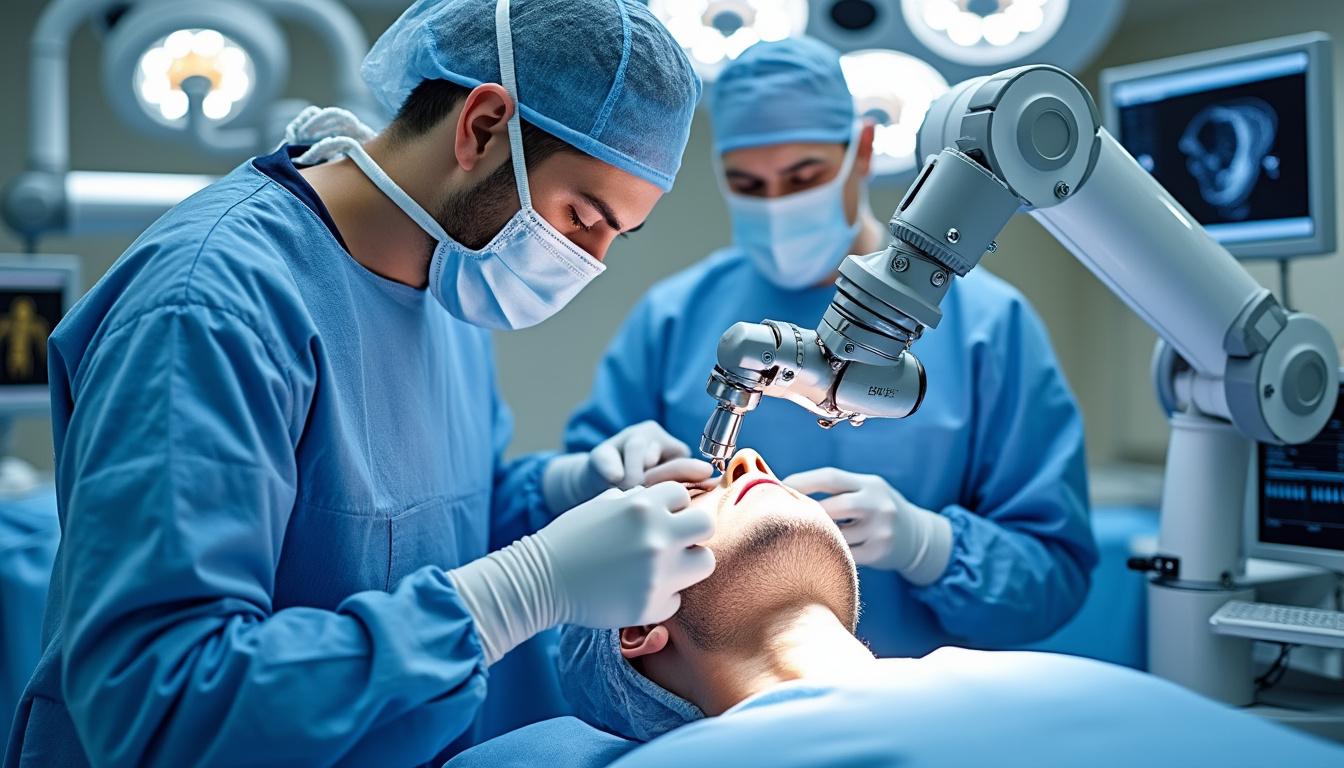
Minimally invasive and endoscopic approaches to spine surgery have revolutionized postoperative care by minimizing tissue disruption, reducing blood loss, and accelerating recovery times. Montreal patients benefit from access to these sophisticated techniques integrated with leading equipment from brands such as Stryker and Aesculap.
Minimally invasive surgeries typically utilize small incisions with camera-guided instruments, preserving muscle integrity and lowering infection risks. Patients often experience less postoperative pain, shorter hospital stays often less than 24 hours, and rapid returns to functional independence.
Examples of such procedures include:
- Endoscopic cervical discectomy for targeted removal of herniated disc material.
- Minimally invasive fusion using muscle-sparing approaches to stabilize vertebral segments.
- Dynamic implant placement preserving motion while correcting structural deformities.
These advancements significantly improve surgical outcomes and patient satisfaction, making neck surgery less daunting and more accessible for those in need.
Distinctive Services at Clinic TAGMED and the Value of International Partnership
The Clinic TAGMED under the direction of Dr. Sylvain Desforges exemplifies excellence in advanced conservative spinal care in Montreal. Not only is it a hub for innovative treatments like neurovertebral decompression, but it also serves as a gateway for transatlantic cooperation with top French surgical centers. This continuum of care enhances patient access to surgical techniques and implant technologies not widely available in Canada.
Key features of this model include:
- Individualized evaluations integrating clinical, imaging, and biomechanical data.
- Access to international best-in-class implants from manufacturers such as Smith & Nephew and Zimmer Biomet.
- Comprehensive pre- and postoperative programs focusing on maintaining cervical flexibility and preventing stiffness.
- Coordination of logistical support for travel, appointments, and follow-up between Canadian and French teams.
This international collaboration optimizes outcomes by bridging expertise and technologies across continents, ensuring patients receive state-of-the-art care personalized to their needs.
Empowering Patients with Clear Education and Supportive Guidance
Understanding the complex landscape of neck surgery options is essential for informed decision-making. Dr. Desforges prioritizes transparent communication—breaking down surgical procedures, expected benefits, potential limitations, and rehabilitation protocols in straightforward language accessible to both patients and healthcare professionals.
This patient-centered approach encourages candid questions, actively involves patients in planning their care, and adheres to all Quebec and Canadian regulations to ensure ethical and safe practice.
Common patient concerns addressed in the educational process include:
- What surgical techniques are available, and which fit my condition?
- Will surgery affect my cervical flexibility or cause long-term stiffness?
- What is the anticipated recovery timeline and how will rehabilitation support my surgical success?
- Are minimally invasive options accessible locally?
- How does the transatlantic pathway work, and what advantages does it offer?
Through this nurturing dialogue, patients gain confidence that their treatment aligns with best evidence and ethical standards upheld by Dr. Desforges’ leadership roles in the ACMA and the Canadian College of Osteopaths.
For further information or to initiate a personalized evaluation, patients are encouraged to visit SOS Tourism Medical contact page.
What types of neck surgery are available in Montreal?
Montreal offers both traditional spinal fusion and advanced motion-preserving neck surgeries like cervical disc arthroplasty. The choice depends on the patient’s specific spinal condition and goals for neck mobility preservation.
How important is maintaining cervical flexibility after neck surgery?
Preserving cervical flexibility is crucial as it allows patients to retain a natural range of motion, reduces stress on adjacent discs, and improves overall quality of life post-surgery.
Should surgery be considered immediately for neck pain?
No, surgery should only be considered after 3 to 6 months of conservative treatments, including therapies like neurovertebral decompression. Surgery is reserved when these approaches fail to alleviate symptoms adequately.
What benefits does the transatlantic surgical pathway offer Quebec patients?
This pathway offers reduced waiting times, cost savings, access to innovative surgical techniques, and personalized support, making advanced neck surgery more accessible and effective.
What role does physical therapy play after neck surgery?
Physical therapy is essential for restoring neck strength, flexibility, and function during the postoperative period, helping to optimize surgical outcomes and maintain cervical mobility.