The Pivotal Role of Spinal Surgery in Achieving Successful Treatment Pathways in France
June 4, 2026
Montreal Chronic Sciatica Solutions That Work
June 4, 2026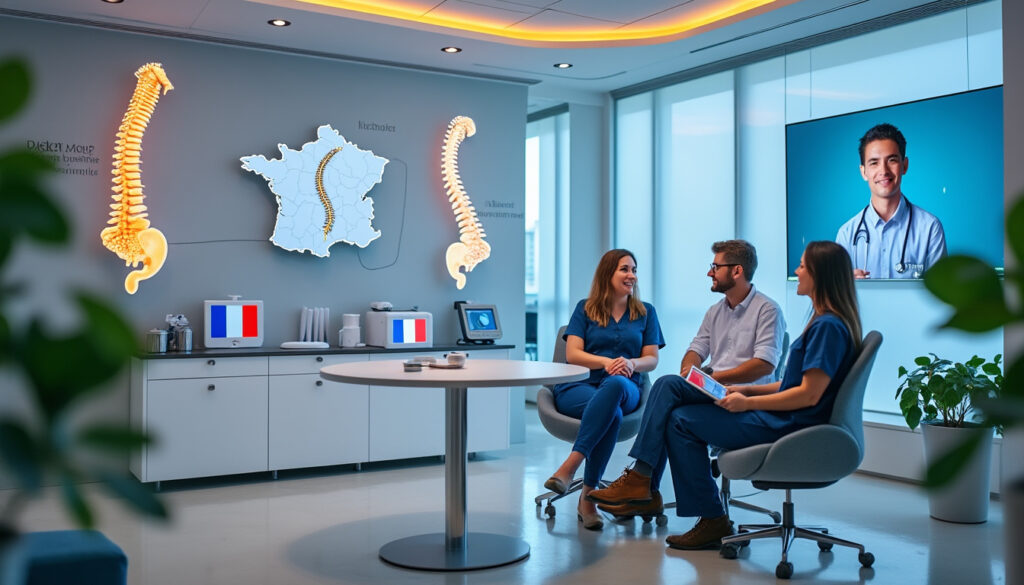
Low back pain continues to affect millions worldwide, often diminishing quality of life and restricting daily activities, particularly for those leading active lifestyles. In Laval, a breakthrough in spinal health management is gaining attention: the IntraSPINE device, a minimally invasive orthopedic solution designed to relieve discomfort while preserving spinal mobility. This dynamic interlaminar stabilization system targets patients whose chronic low back pain has resisted conservative measures, offering an innovative path to pain management without sacrificing natural biomechanics.
Patients and healthcare providers alike are increasingly drawn to treatments that meld technological precision with patient-centered care. Innovations like IntraSPINE highlight the ongoing evolution in spine treatment modalities, where preserving function and reducing recovery times are paramount. With an increasing number of individuals seeking alternatives to traditional surgeries, especially those involving rigid spinal fusion, the advanced technology available in Laval represents a beacon of hope.
The essence of this approach lies in understanding the balance between stabilizing the spine and maintaining its intrinsic flexibility. This breakthrough aligns perfectly with the demands of contemporary patients: effective relief paired with minimal intervention that respects the integrity of spinal motion segments. As we explore the landscape of spinal care available in 2026, IntraSPINE emerges as a leader in shaping a future where innovation meets empathy, precision, and scientific rigor.
Comprehensive Overview of IntraSPINE Technology and Its Role in Low Back Pain Relief in Laval
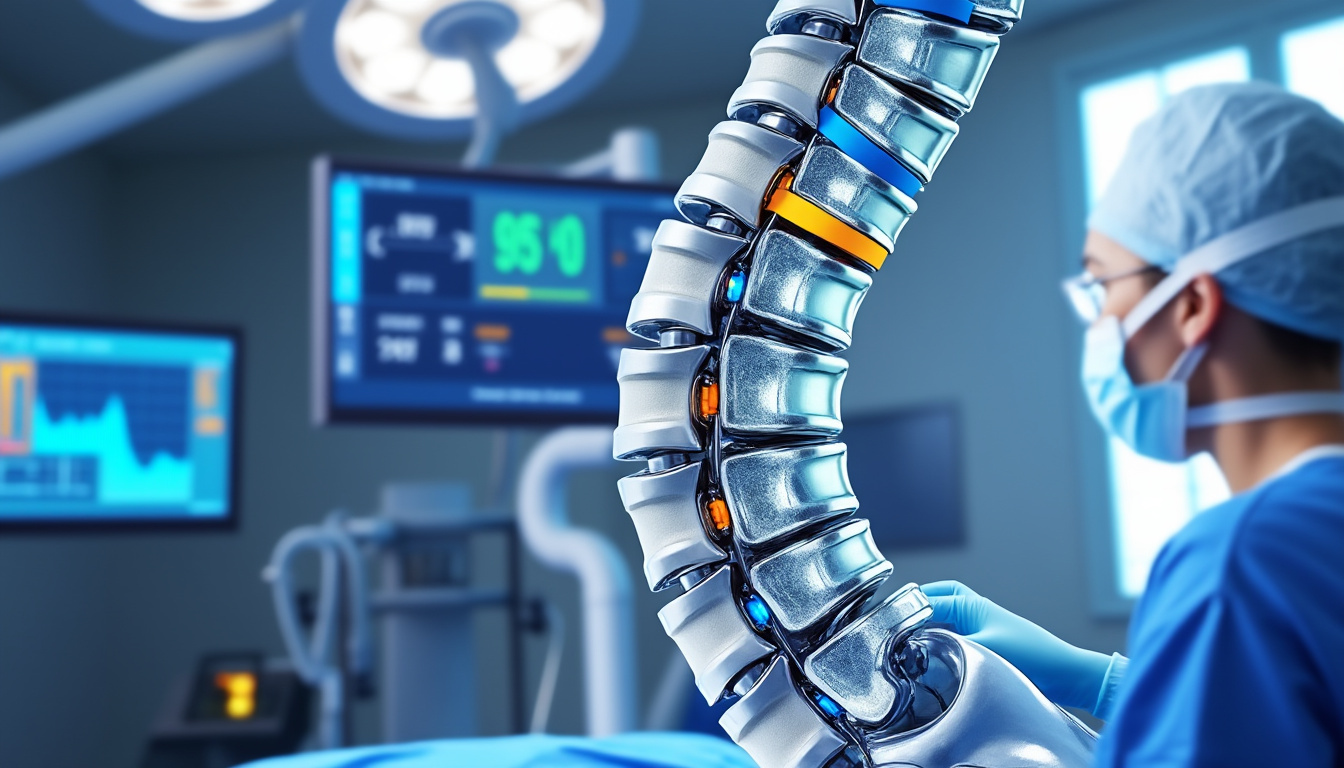
The IntraSPINE system represents a pioneering advancement in spinal health, specifically tailored to address chronic low back pain through dynamic interlaminar stabilization. Developed with expertise in spinal biomechanics, the device is uniquely designed to fit within the interspinous and interlaminar spaces, providing targeted support that alleviates nerve compression while preserving natural movement.
Its core materials include medical-grade dimethyl siloxane and a durable polyester fiber covering, creating an elastic yet robust implant that cushions spinal segments. This cushioning effect plays a critical role in mitigating the stress placed on facet joints and intervertebral discs—essential elements in the genesis of back pain. By focusing support closer to the spine’s center of rotation, IntraSPINE ensures motion preservation that conventional fusion surgery fails to provide.
Clinically, the device has been approved and successfully employed in France, with its introduction to Laval marking an important milestone in expanding access to cutting-edge orthopedic solutions in Canada. Evaluated using rigorous scientific protocols, IntraSPINE has demonstrated significant reductions in pain and improved functional outcomes. These benefits stem from its minimally invasive implantation, which entails limited soft tissue disruption, reduced intraoperative blood loss, and notably faster rehabilitation periods.
Moreover, this system incorporates a dynamic stabilization principle—contrasting sharply with rigid fusion implants—thereby addressing long-term complications such as adjacent segment disease, which often follow traditional fusion surgeries.
Given these features, the IntraSPINE device has become an integral component in managing degenerative lumbar disc disease and related pathologies in patients whose conservative treatments have not yielded sufficient relief. Its capacity to promote swift recovery and preserve mobility underlines its value for those wishing to maintain an active lifestyle post-intervention.
To learn more about this innovative spinal health solution, patients are encouraged to explore resources such as IntraSPINE in Laval for severe low back pain which detail personalized treatment approaches and patient experiences.
Lumbar Disc Prosthesis in Saguenay: Maintain Mobility Over the Long Term
Low back pain affects millions of people worldwide, often limiting daily activities and reducing quality of life. In the Saguenay region, where active lifestyles are cherished, preserving spinal function is vital. For those facing chronic back conditions, particularly degenerative disc…
Exploring Available Types of Spine Surgery Options in France in 2026: Focus on Motion Preservation
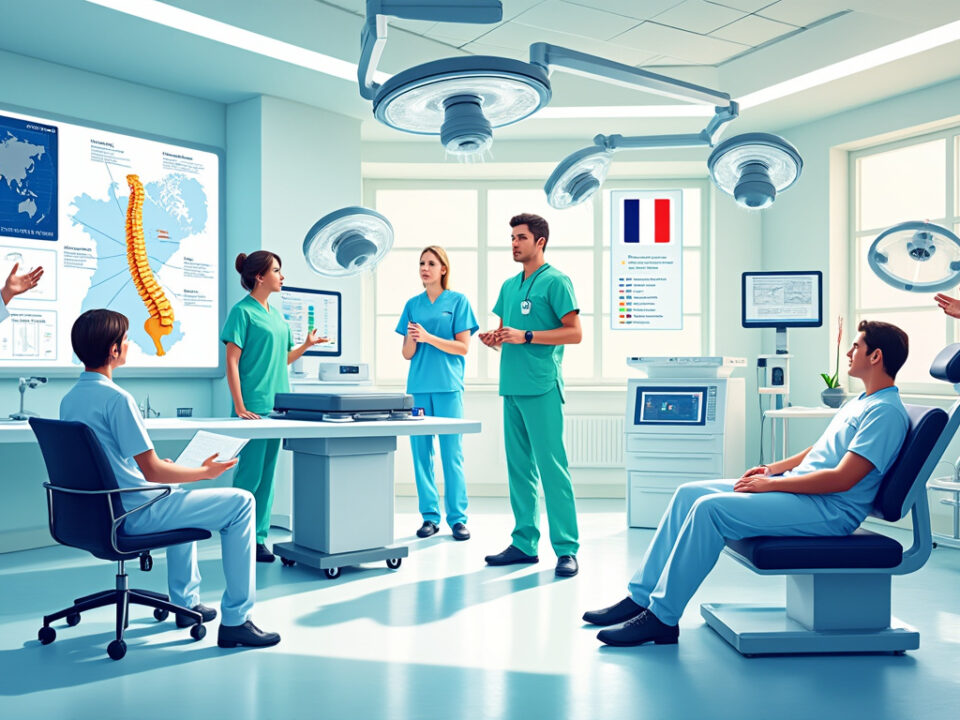
France continues to be at the forefront of spinal surgery advancements, providing Quebec patients with innovative options tailored to diverse clinical scenarios. Among these, three primary categories of surgical interventions stand out: simple decompression surgeries, fusion surgeries, and motion preservation techniques such as those utilizing the IntraSPINE device.
Simple decompression procedures aim to relieve nerve pressure caused by herniated discs or spinal stenosis. Techniques like laminectomy and discectomy remove offending tissue but retain overall spinal integrity, leading to shorter postoperative recovery times. Though effective in symptom relief, these do not always address underlying spinal instability, which may require further intervention.
Fusion surgeries, on the other hand, focus on stabilizing the spine by rigidly joining vertebrae. Though beneficial in preventing abnormal motion and severe instability, fusion often restricts natural movement and can predispose adjacent segments to accelerated degeneration. The lengthier rehabilitation and increased complication risks present significant considerations, especially for active patients.
Motion preservation techniques, exemplified by IntraSPINE, combine the benefits of decompression and stabilization without sacrificing spinal biomechanics. These interventions deploy flexible implants that maintain segmental motion, reduce facet joint overload, and prevent accelerated wear on adjacent segments.
Below is a comparative overview of these spine surgery types relevant for patients considering transatlantic treatment pathways:
| Type of Surgery | Main Goals | Impact on Spinal Motion | Typical Recovery Duration | Common Implant Manufacturers |
|---|---|---|---|---|
| Simple Decompression | Relieve nerve pressure | Preserves natural motion | Several weeks | Medtronic, DePuy Synthes |
| Fusion Surgery | Stabilize unstable segments | Restricts motion | Several months | Zimmer Biomet, NuVasive |
| Motion Preservation (e.g., IntraSPINE) | Pain relief + maintain mobility | Preserves motion | Weeks to a few months | Stryker, Cousin Biotech |
For patients from Quebec weighing surgery in France, understanding these distinctions is crucial, as they influence outcomes, rehabilitation speed, and long-term spinal health. The expertise of professionals like Dr. Sylvain Desforges supports informed decisions grounded in scientific evidence and personalized evaluation.
IntraSPINE® in Sherbrooke: Approved Procedure for Dynamic Stabilization
In the evolving landscape of spinal health, patients facing chronic back pain and degenerative spine conditions often find themselves seeking solutions that balance effectiveness with safety and mobility preservation. Sherbrooke has recently become a focal point for advanced spinal procedures,…
Step-by-Step Patient Journey from Initial Evaluation to Post-Surgical Care in the Transatlantic Context
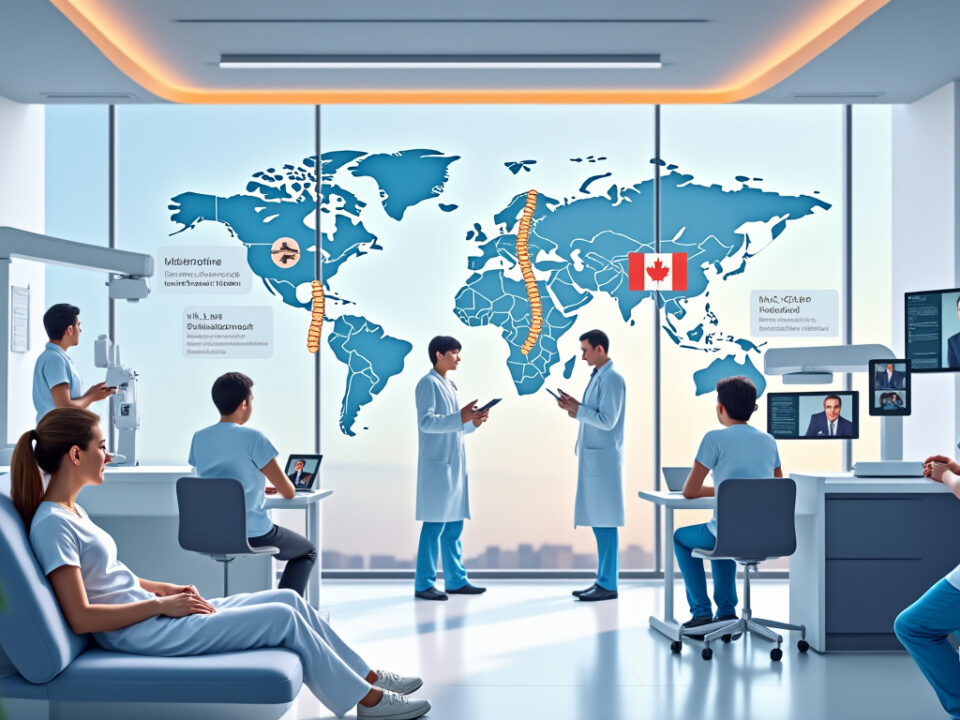
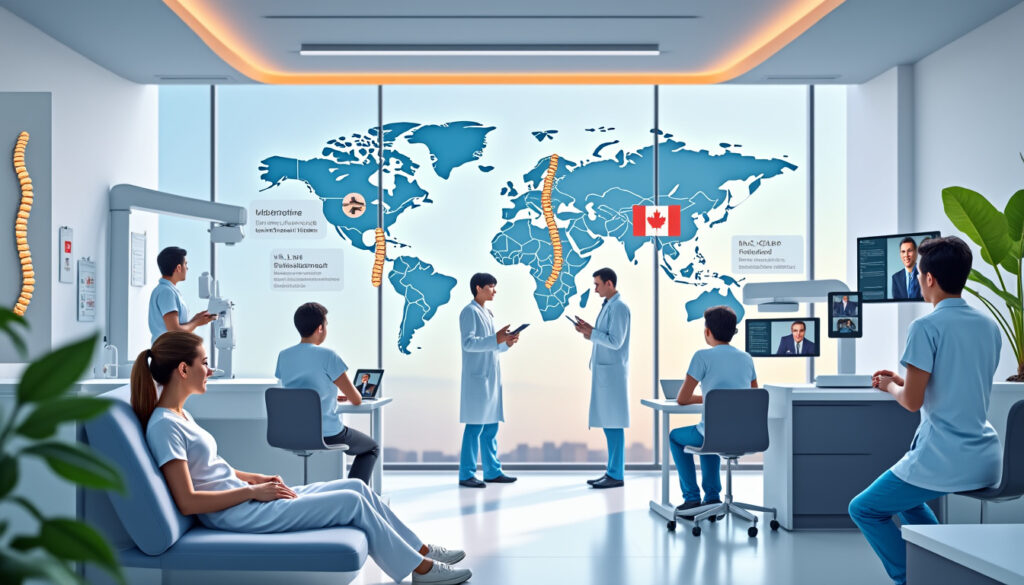
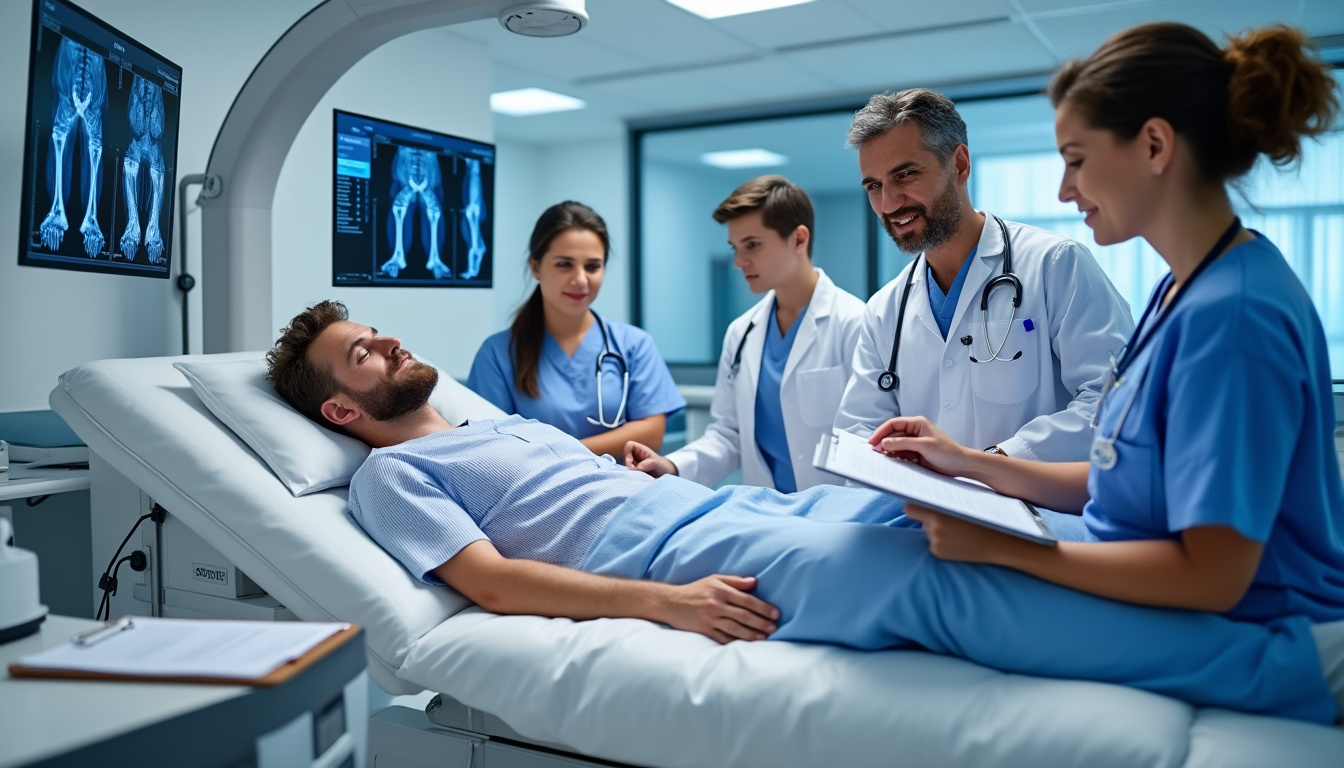
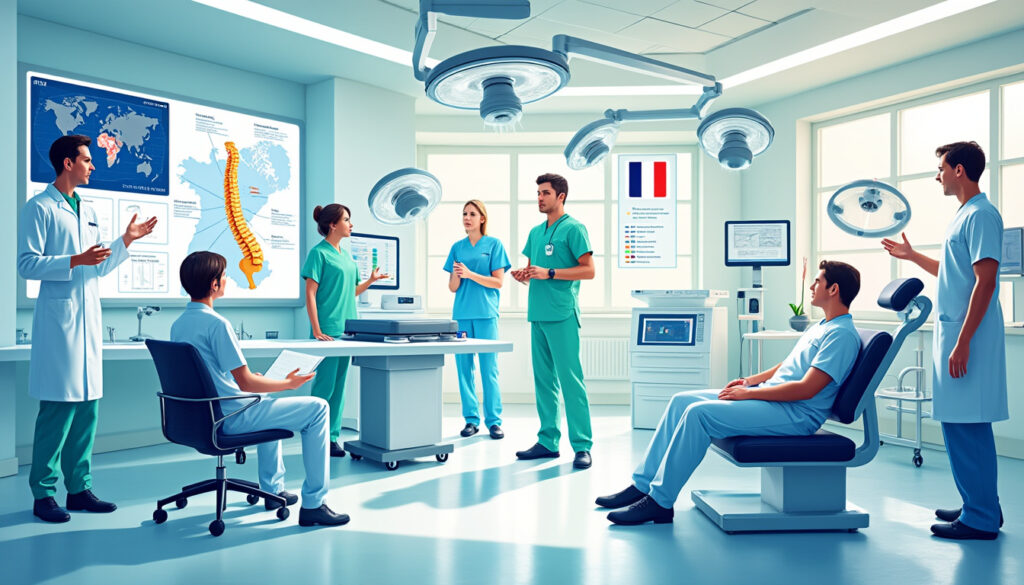
Embarking on a spinal care journey across international borders involves careful coordination to optimize patient outcomes, comfort, and safety. Dr. Sylvain Desforges, a renowned expert in spinal evaluations with over 30 years of experience, plays a pivotal role in orchestrating this complex pathway between Quebec and France.
The patient journey typically unfolds in several clearly defined stages:
- Initial Evaluation and Conservative Care: Rigorous clinical assessment and imaging review to characterize spinal pathology, accompanied by at least 3 to 6 months of conservative treatment (physiotherapy, medications, and advanced neurovertebral decompression therapies at Clinique TAGMED).
- Decision-Making and Surgical Planning: When conservative measures prove insufficient, expert-guided selection of the appropriate surgical procedure and surgeon in France occurs, prioritizing minimally invasive and motion-preserving techniques when suitable.
- Travel and Surgical Intervention Coordination: Logistics for transatlantic travel, clinic appointments, and preoperative evaluations are meticulously managed to minimize delays and stress.
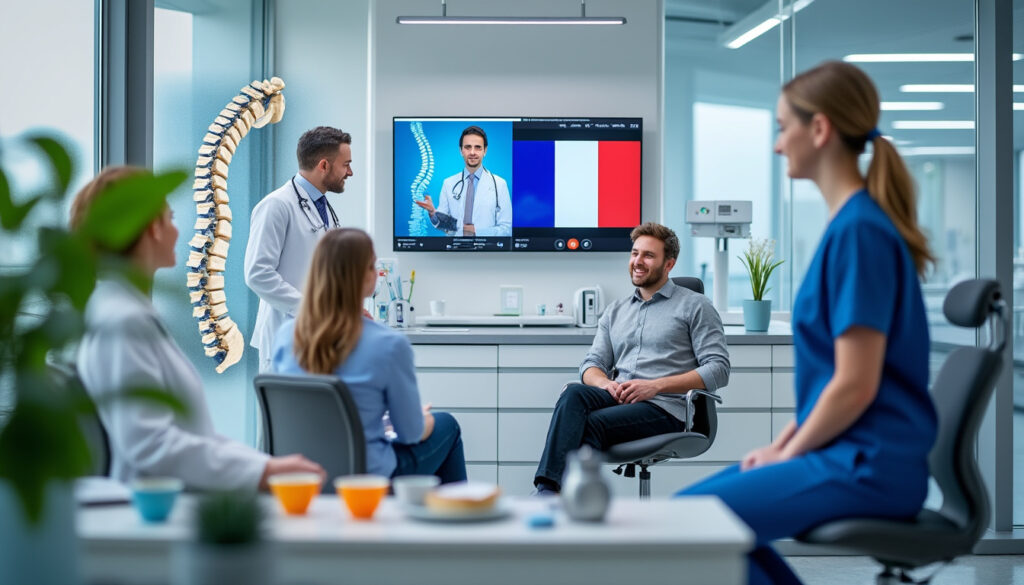
- Postoperative Rehabilitation and Return: Careful follow-up in cooperation with Quebec rehab teams supports recovery and reintegration, with telemedicine consultations supplementing onsite visits when needed.
Throughout each phase, Dr. Desforges assures compliance with Canadian and Quebec medical regulations, emphasizing patient safety and transparent communication. His role includes educating patients about their options, managing expectations, and empowering informed participation in decisions affecting their spinal health.
This comprehensive approach yields a patient-centered framework that substantially reduces anxiety and improves treatment adherence across continents.
Spine Surgery in Trois-Rivières: Innovation in Motion Surgery
In Trois-Rivières, patients living with persistent back pain and spinal disorders find themselves at a crossroads where traditional surgical options blend with groundbreaking innovations that aim to preserve natural spinal function. As demand grows for treatments that offer relief without…
The Crucial Role of Conservative Treatment Prior to Considering Spinal Surgery
While surgical innovation like IntraSPINE offers promising solutions, surgery must remain a considered last resort after diligent conservative management. Surgery without adequate prior conservative care risks unnecessary intervention, increased complications, and diminished long-term benefit.
Key components of conservative care include:
- Physiotherapy: Tailored exercises and mobilization techniques to improve spinal flexibility, reduce pain, and strengthen supportive musculature.
- Medication Management: Use of analgesics and anti-inflammatory drugs to alleviate symptoms during active rehabilitation.
- Advanced Neurovertebral Decompression: Specialized non-invasive therapies such as those offered at Clinique TAGMED, which promote disc health and neural element decompression.
- Patient Education: Guidance on posture, ergonomics, and lifestyle modifications to prevent exacerbation of symptoms.
Evidence consistently supports a minimum of three to six months of such conservative modalities before evaluating surgical candidacy. Specifically, if neurovertebral decompression was not previously integrated, patients are advised to undergo this treatment phase, optimizing outcomes either as standalone therapy or preoperative preparation.
This structured conservative approach intersects with evidence-based practice and ethical patient care principles championed by experts like Dr. Desforges, ensuring surgery is proposed only when truly necessary.
TOPS™ in Gatineau: Preserve Natural Lumbar Biomechanics
The intricate structure of the human spine plays a pivotal role in maintaining our mobility, protecting vital neural pathways, and supporting the skeletal framework. For individuals grappling with chronic lower back pain or degenerative lumbar conditions, the quest for solutions…
Biomechanical and Functional Benefits of IntraSPINE: A Modern Approach to Spinal Stabilization
Preserving the biomechanical integrity of the spine during intervention is fundamental to achieving lasting pain relief and functional restoration. The IntraSPINE device uniquely addresses this goal by combining elastic support with dynamic stabilization principles.
Unlike traditional rigid fusion implants, the IntraSPINE system adapts to flexion and extension movements, thereby maintaining the spine’s natural lordosis and segmental mobility. Its anterior segment, filled with medical silica gel, expands the interlaminar space and decompresses neural structures, while the posterior hollow segment provides flexible tension that stabilizes without immobilizing.
Clinical studies have demonstrated that patients implanted with IntraSPINE report significant improvements in leg and back pain as measured by the Visual Analog Scale (VAS), as well as enhanced functional scores on the Oswestry Disability Index (ODI). Importantly, longitudinal imaging confirms preservation of posterior disc height and absence of accelerated disc degeneration, highlighting the device’s protective role.
Such biomechanical advantages translate into tangible patient benefits:
- Maintained spinal mobility enabling quicker return to everyday activities
- Reduced risk of adjacent segment disease commonly associated with fusion surgeries
- Lower perioperative morbidity thanks to minimally invasive implantation techniques
- Enhanced neuroforaminal decompression alleviating radiculopathy and improving function
Professionals seeking a scientifically validated, patient-friendly spinal health intervention will find IntraSPINE increasingly essential within their orthopedic solution repertoire.
Cervical Disc Prosthesis in Quebec City: Approved and Durable Solution
In Quebec City, the landscape of spinal health care is evolving rapidly to meet the growing demand for effective, durable, and patient-centered treatments for cervical spine disorders. Cervical Disc Prosthesis stands at the forefront of this transformation, representing a breakthrough…
Advantages of Coordinated Transatlantic Spine Treatment Pathways for Patients from Quebec
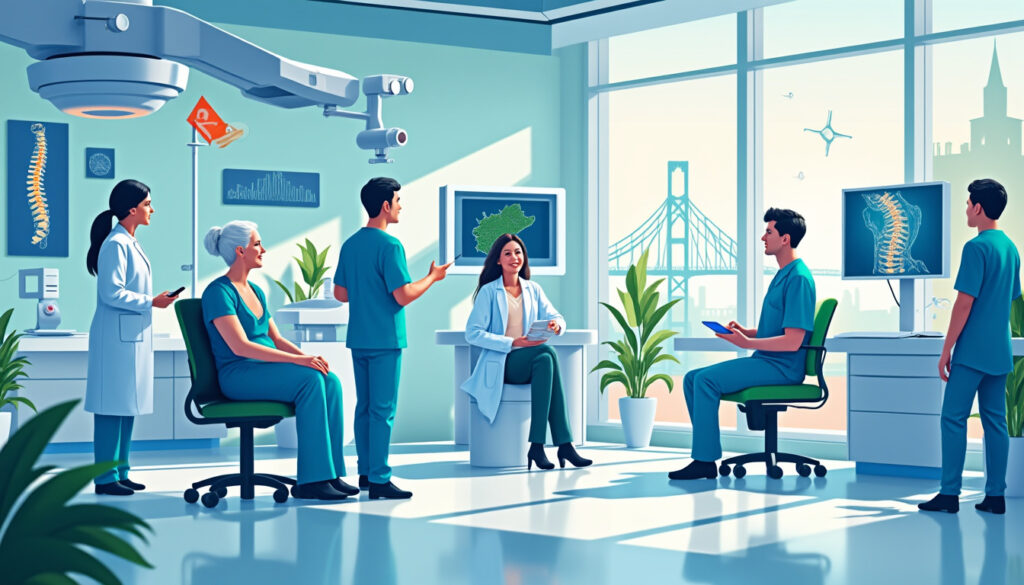
Choosing spine surgery through a transatlantic partnership between Quebec and France offers a distinct blend of economic, technological, and human-centered advantages that significantly impact patient experience and clinical results.
Economic benefits include transparent, competitive procedure costs and bundled care packages, which often represent savings compared to private Canadian options without compromising quality or safety. Additionally, patients gain expedited access to treatment, bypassing long public system waitlists.
Technological advantages encompass access to advanced implants such as IntraSPINE—approved and refined in French surgical centers—and cutting-edge minimally invasive techniques supported by expert surgeons.
Human-centered care rests on expert guidance by Dr. Desforges, who personally coordinates the patient’s evaluation, treatment planning, and follow-up across borders. This personalized approach addresses anxieties regarding international surgery, ensures comprehension of care steps, and validates that each intervention aligns with the patient’s unique health status and lifestyle.
Summarizing these elements:
- Reduced surgical wait times and associated health risks
- Affordable treatment maintaining high clinical standards
- Access to pioneering spinal devices and techniques
- Supportive, empathetic care fostering informed patient choices
Such pathways enhance not only clinical outcomes but also emotional wellbeing, patient autonomy, and satisfaction, marking a paradigm shift in chronic back pain management for Quebec residents.
Minimally Invasive Surgery in Longueuil: Quick and Lasting Intervention
In the evolving landscape of surgical care, Minimally Invasive Surgery (MIS) in Longueuil stands as a beacon of innovation, offering patients quicker recovery times and lasting results. Coupled with advanced technologies and a patient-centered approach, this modern surgical intervention addresses…
Personalized Care and Communication: Dr. Sylvain Desforges’ Commitment to Patient Empowerment in Spinal Health
At the core of optimal spinal care stands informed, engaged patients. Dr. Sylvain Desforges brings over three decades of expertise to bear in his dedication to demystifying complex spinal conditions and treatment options. His roles as founder and president of leading Canadian osteopathic bodies and as an advocate for safe, evidence-based practices speak to his unparalleled authority and commitment.
Dr. Desforges’ approach revolves around:
- Clear, jargon-free explanations of spinal anatomy, pathologies, and the impact of interventions like IntraSPINE
- Detailed discussions of indications, potential risks, benefits, and realistic expectations associated with various surgical and conservative treatments
- Ongoing support through every step of the treatment continuum, emphasizing ethical standards and patient safety in line with Quebec and Canadian medical regulations
- Encouragement of patient questions and shared decision-making that respects individual circumstances and health goals
This human-centered communication fosters trust and confidence, enabling patients to navigate their care pathways proactively and with reassurance, knowing their treatment plans reflect both scientific rigor and individual needs.
For those considering spinal interventions, this personalized educational dimension is invaluable, shaping a health journey that aligns with well-being, empowerment, and long-term success.
Neck Surgery in Montreal: Modern Techniques for Cervical Spine
Neck surgery in Montreal has experienced significant advancements in recent years, offering patients access to a wide range of cutting-edge techniques for treating cervical spine disorders. With evolving knowledge and technology, surgical solutions now emphasize preserving mobility and function, reducing…
Encouragement to Engage for Personalized Spinal Health Evaluation and Treatment Planning
Patients suffering from chronic low back pain in Quebec seeking innovative, effective care solutions are invited to initiate expert evaluation with Dr. Sylvain Desforges. His authoritative, patient-focused assessments provide a clear understanding of spinal pathology and guidance on available conservative and surgical pathways—including access to the IntraSPINE procedure in Laval.
Personalized treatment planning ensures each patient receives recommendations tailored to their clinical profile, lifestyle, and goals. By bridging Canadian and French expertise, Dr. Desforges facilitates safe, timely, and integrated care journeys optimized for success.
To start a conversation and explore customized options for spinal health and pain relief, visit the dedicated contact page of SOS Tourisme Médical—a trusted resource for transatlantic medical coordination and support.
What makes IntraSPINE different from traditional spinal fusion surgery?
IntraSPINE is a dynamic stabilization device that preserves the natural motion of spinal segments, unlike fusion surgeries that rigidly immobilize vertebrae. This motion preservation leads to quicker rehabilitation and reduces complications such as adjacent segment disease.
Who is a suitable candidate for IntraSPINE treatment?
Patients with chronic low back pain due to degenerative disc disease who have not improved after 3 to 6 months of conservative treatment, including neurovertebral decompression, may be considered. A thorough evaluation by an expert like Dr. Desforges helps determine suitability.
How does the transatlantic care pathway between Quebec and France work?
Dr. Desforges coordinates the entire care journey, from initial assessment in Quebec, selection of certified surgeons and surgical techniques in France, to postoperative follow-up adapted to the patient’s home environment. This ensures continuity, safety, and personalized care.
Why is conservative treatment recommended before surgery?
Conservative management including physiotherapy, medication, and advanced decompression therapy aims to alleviate symptoms non-invasively. Surgery is only considered after these treatments for 3 to 6 months fail to provide adequate relief, ensuring surgery is appropriate and necessary.
What should patients expect regarding recovery after IntraSPINE implantation?
Recovery after IntraSPINE surgery tends to be faster compared to fusion surgeries due to its minimally invasive technique and motion preservation. Patients typically experience reduced pain, earlier mobilization, and a quicker return to daily activities, supported by coordinated rehabilitation programs.
Disc Prosthesis in Lévis: Full Restoration of Lumbar Function
Chronic back pain and degenerative disc disease represent significant challenges for many individuals in Lévis and surrounding Quebec regions. Patients seeking durable relief that not only reduces symptoms but simultaneously preserves natural spinal motion find themselves navigating a complex landscape…