How Quality and Certification of Medical Devices Enhance Clinical Outcomes
November 21, 2025
Mirabel Lumbar Disc Bulge Recovery for Active Adults
November 21, 2025
Chronic low back pain affects millions of individuals in Quebec, disrupting their daily lives and limiting their activities significantly. As the search for effective treatments continues, the medical field has witnessed remarkable innovations aimed at alleviating spinal disorders. Among these advancements is the IntraSPINE device, a groundbreaking orthopedic implant designed to address lumbar challenges through a minimally invasive and biomechanically intelligent approach. Available now in Laval, this solution not only represents cutting-edge technology but also embodies a collaborative transatlantic effort between Canadian and French expertise, offering patients a unique trajectory toward back pain relief and improved spinal function.
This innovative spine treatment is distinguished by its dynamic stabilization capabilities, which prioritize preserving natural spinal motion over traditional rigid fusion surgeries. Patients in Quebec facing prolonged waits or high costs for spinal surgery can find in IntraSPINE an alternative that integrates scientific rigor, advanced technology, and personalized care. The leadership of Dr. Sylvain Desforges, a pioneer in spinal evaluation and care, ensures that every patient journey is grounded in evidence-based practice, ethical standards, and meticulous coordination between international centers.
Combining medical precision with patient-focused communication, the IntraSPINE intervention available in Laval offers a clear pathway from initial comprehensive assessments to minimally invasive surgical placement, culminating in tailored rehabilitation protocols. This multifaceted approach facilitates lasting relief while minimizing patient risk, leveraging the latest developments in orthopedic devices and supporting long-term spinal health.
Comprehensive Overview of Types of Spine Surgeries Available in France: From Traditional to Motion-Preserving Techniques
When considering surgical options for lumbar spine disorders, it is essential to understand the varied techniques available, especially those accessible in France that are part of the transatlantic pathway coordinated for Quebec patients. France offers a range of surgeries, tailored to the severity of spinal pathology and patient-specific biomechanical needs. Broadly, these interventions can be categorized into three groups: simple decompressive surgeries, fusion-based stabilization, and motion-preserving implants.
Simple Decompression Surgeries: Minimalist Approach to Nerve Relief
These procedures focus on relieving pressure from nerve roots caused by conditions such as herniated discs or spinal stenosis. Techniques like unilateral biportal endoscopy (UBE) provide a minimally invasive route to remove herniated disc material, reduce inflammation, and decompress neural structures effectively. The advantage lies in reduced tissue trauma, quicker recovery times, and decreased postoperative pain, making it a preferred initial surgical step when conservative therapies have failed.
- Removal of herniated disc fragments through endoscopic visualization
- Partial laminectomy to widen spinal canal space
- Preservation of spinal structures for future surgical options
This method is often combined with advanced stabilization devices, such as the IntraSPINE implant, to optimize outcomes.
Fusion Surgeries: Traditional Rigid Stabilization
For patients exhibiting spinal instability, severe degenerative changes, or deformities such as scoliosis, fusion surgeries provide a rigid fixation of vertebral segments. Though effective in stabilizing the spine and alleviating pain, this approach eliminates movement between fused segments, potentially leading to adjacent segment degeneration over time.
- Posterior lumbar interbody fusion (PLIF) and transforaminal lumbar interbody fusion (TLIF)
- Use of titanium rods, screws, and bone grafts
- Recommended for cases requiring significant mechanical support
While fusion remains a cornerstone in spine surgery, technological progress has introduced alternatives that preserve mobility while offering stability.
Motion-Preserving Techniques: Emphasizing Spinal Functionality
The evolution of implant technology in France has brought forth dynamic stabilization devices like IntraSPINE and TOPS (Total Posterior Solution). These innovative orthopedic devices are designed to support the spine while maintaining natural vertebral motion, reducing complications associated with fusion.
- IntraSPINE is positioned in the interlaminar space, close to the spine’s normal center of rotation, allowing controlled physiological movements
- TOPS implants maintain segmental flexibility and offer alternatives for degenerative conditions that compromise spinal integrity
- Disc prostheses provide replacement of damaged discs without restricting motion
The benefits of motion-preserving implants include faster recovery, less adjacent segment degeneration, and improved quality of life.
| Surgical Option | Main Indications | Key Advantages | Patient Benefits |
|---|---|---|---|
| Simple Decompression | Herniated discs, spinal stenosis | Minimally invasive, faster return to activity | Reduced pain, shorter hospital stay |
| Fusion Surgery | Severe instability, scoliosis | Strong stabilization, pain relief | Improved stability, risk of adjacent segment disease |
| Motion-Preserving Implants (IntraSPINE, TOPS) | Degenerative disc disease, moderate instability | Preserves mobility, reduces secondary degeneration | Enhanced recovery, maintains spinal function |
IntraSPINE® in Sherbrooke: Durable Solution for Chronic Low Back Pain
The management of chronic low back pain, a widespread condition affecting millions across Quebec and beyond, has reached a pivotal moment thanks to innovative medical technologies and coordinated care pathways. At the heart of this evolution lies the IntraSPINE implant,…
Step-by-Step Patient Journey for IntraSPINE Surgery: From Evaluation in Quebec to Recovery
Successfully navigating the path to spinal surgery demands comprehensive coordination, particularly across international borders. The journey for patients opting for IntraSPINE implantation through the France-Quebec transatlantic pathway exemplifies meticulous planning and expertise integration led by Dr. Sylvain Desforges and his team at the Clinique TAGMED.
Initial Comprehensive Evaluation and Conservative Treatment Phase
Every surgical candidate begins with a thorough evaluation performed by Dr. Desforges, specializing in spinal assessment and conservative therapy guidance. This phase, lasting between three to six months, is crucial to determine candidacy for surgery and to exhaust non-invasive interventions.
- Detailed clinical assessment, imaging, and functional evaluations
- Supervised treatments including physiotherapy, targeted medication, and notably, neurovertebral decompression at Clinique TAGMED
- Monitoring patient response to ensure maximum possible symptom relief without surgery
Only patients who remain symptomatic despite this regimen are considered for surgical referral, emphasizing a safety-first, evidence-based approach.
Coordinated Surgical Planning and Transatlantic Logistics
Upon surgical indication, the patient’s case is transitioned to Franchir, a specialized coordination service that arranges seamless international care. Their responsibilities include:
- Selecting the best surgical center and surgeon in France suited to the patient’s condition
- Organizing travel, accommodation, and clinical schedules
- Providing continuous support and communication to reduce patient anxiety
This orchestration culminates in a well-prepared, stress-minimized intervention experience, optimizing clinical outcomes.
Surgical Intervention and Postoperative Rehabilitation
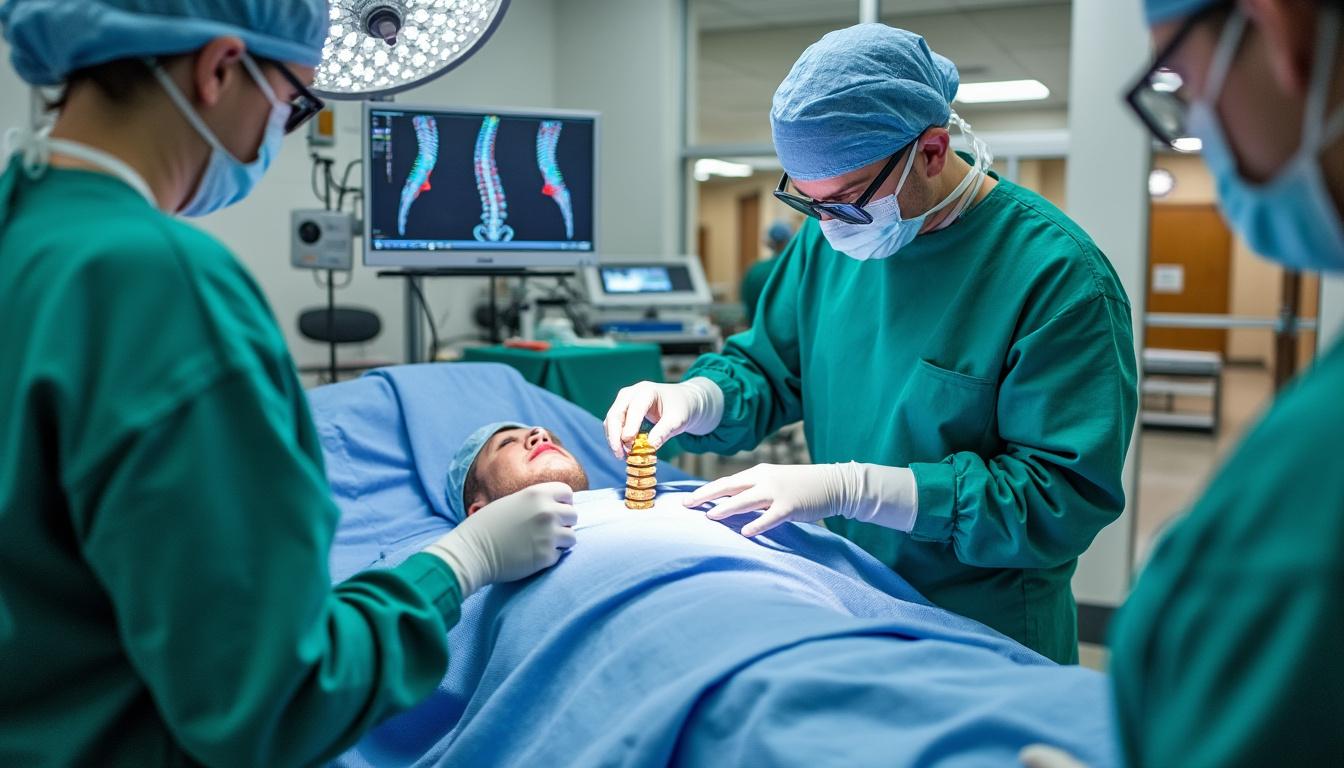
The surgery performed in accredited French centers employs advanced techniques such as unilateral biportal endoscopy combined with IntraSPINE implant placement. The minimally invasive nature ensures reduced trauma and preservation of spinal kinetics.
- Removal of problematic disc material
- Insertion of the dynamic IntraSPINE device to stabilize yet maintain motion
- Postoperative protocols emphasizing early mobilization and functional recovery
Once the patient returns to Quebec, ongoing rehabilitation and follow-up monitoring is coordinated by Neurothérapie Montréal, ensuring a continuum of care that supports full functional restoration and lasting back pain relief.
| Journey Stage | Lead Entity | Key Patient Support |
|---|---|---|
| Evaluation and Conservative Care | Dr. Sylvain Desforges & Clinique TAGMED | Comprehensive assessment and non-invasive treatments |
| International Surgical Planning | Franchir Coordination | Logistics and surgical alignment in France |
| Surgical Procedure | French Surgical Center | Minimally invasive spine surgery with IntraSPINE |
| Rehabilitation and Follow-up | Neurothérapie Montréal | Personalized postoperative care and monitoring |
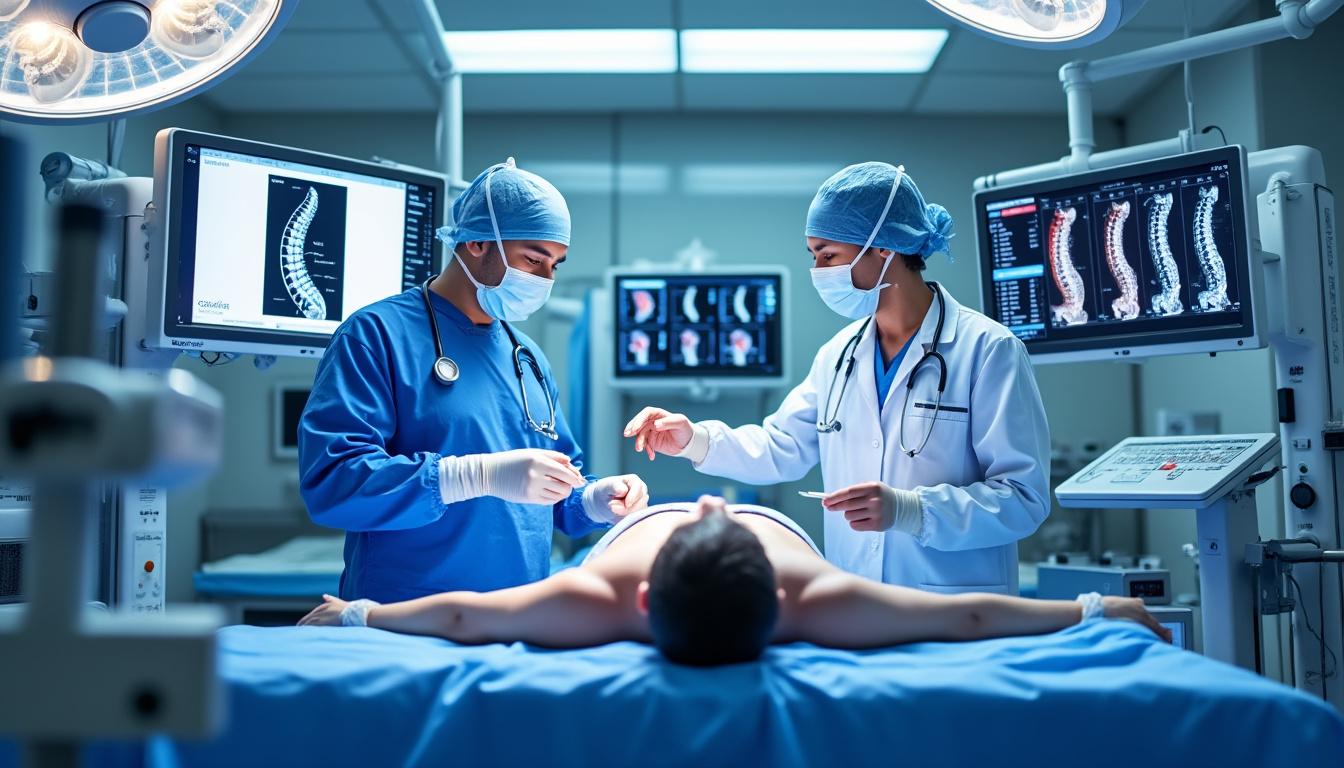
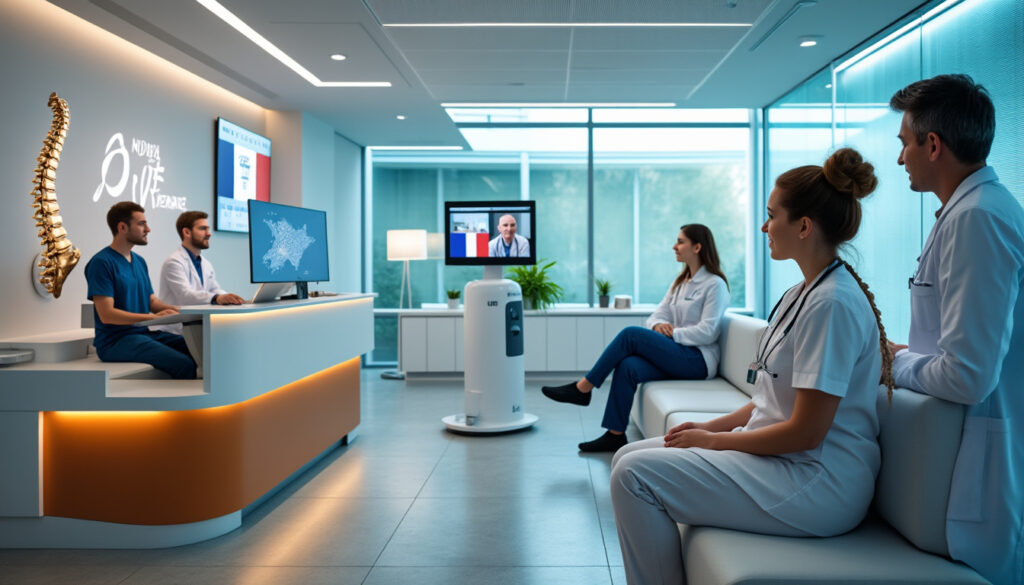
Spine Surgery in Trois-Rivières: Reduce Pain and Preserve Mobility
In recent years, spine surgery in Trois-Rivières has evolved notably, combining advanced medical expertise with innovative technologies to deliver patient-centered care. This growing field addresses the increasing demand among Quebec residents seeking effective solutions for chronic back pain and mobility…
Biomechanical and Clinical Advantages of IntraSPINE Compared to Traditional Fusion Surgery
The IntraSPINE device available in Laval represents a notable advancement in spinal implants, blending biomechanical innovation with clinical practicality. Unlike rigid fusion techniques that immobilize vertebral segments, IntraSPINE stabilizes the spine dynamically, fostering more natural spinal kinematics.
Enhanced Spinal Mobility and Reduced Adjacent Segment Stress
With its unique interlaminar positioning closer to the physiological center of rotation, IntraSPINE permits controlled flexion and extension, effectively preserving normal spinal motion. This reduces undue loading on adjacent vertebral segments, a common downside of fusion surgeries which often accelerate degeneration in adjacent discs or joints.
- Controlled ‘rocking’ motions maintain flexibility
- Decompression of facet joints reduces inflammatory pain sources
- Preservation of disc height prevents biomechanical imbalances
Durable and Minimally Invasive Intervention
The device is composed of medical-grade dimethyl siloxane enclosed within a polyester cover, ensuring biocompatibility and durability. The mini-invasive implantation technique minimizes surgical trauma, facilitating quicker inpatient recovery and reducing postoperative complications.
- Shorter hospital stays
- Lower rates of infection and implant rejection
- Accelerated return to daily activities and work
Clinical Evidence Supporting IntraSPINE
An important multicentric study (registered under clinical trial NCT03752671) has confirmed significant improvements in disability and pain scores following combined unilateral biportal endoscopic discectomy and IntraSPINE dynamic stabilization, with benefits sustained for over two years. Similar reports highlight the device’s role in preventing progressive disc degeneration and sustaining segmental motion, making it a validated choice for chronic lumbar conditions.
| Advantage Parameter | IntraSPINE Impact | Fusion Surgery Impact |
|---|---|---|
| Segment Mobility | Preserves natural motion | Rigid immobilization |
| Adjacent Segment Degeneration | Reduced risk | Increased risk |
| Postoperative Pain | Lower incidence | Higher incidence |
| Recovery Time | Faster return to function | Longer convalescence |
More information about this innovative orthopedic device and its approved indication is accessible through Cousin Surgery’s official IntraSPINE overview and specialized patient experiences in Laval.
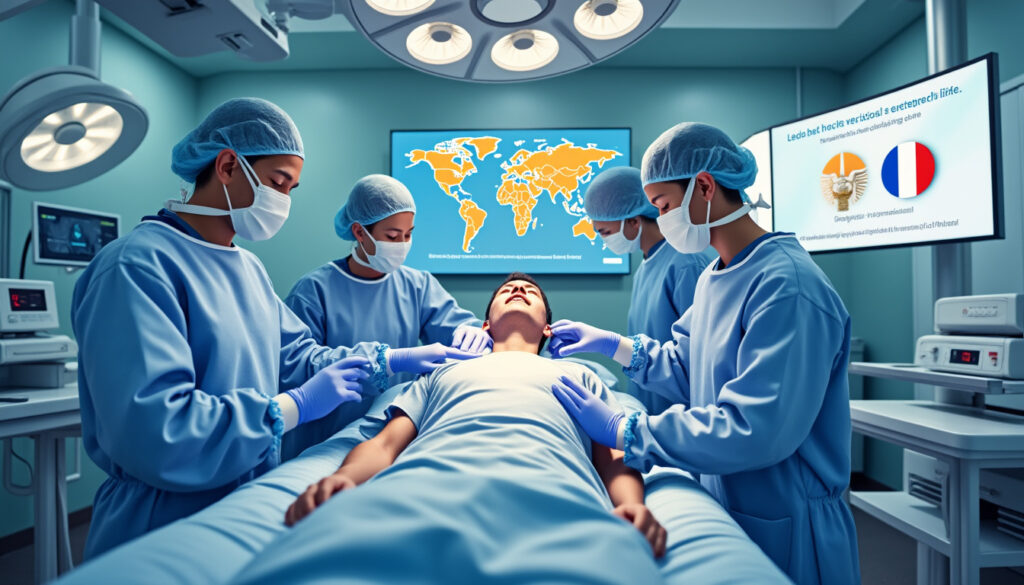
Cervical Disc Prosthesis in Quebec City: Avoid Post-Surgery Stiffness
Chronic neck pain remains a significant challenge for thousands of residents in Quebec City every year, often leading them to seek effective spinal surgery options that minimize downtime and maximize long-term mobility. Among the recent advancements revolutionizing cervical spine care,…
Ensuring Surgical Candidacy: The Essential Role of Conservative Treatment Including Neurovertebral Decompression
Prior to considering spinal surgery, including the IntraSPINE procedure, it is critical to undertake at least three to six months of conservative care. This approach aligns with the scientific and ethical stance advocated by Dr. Sylvain Desforges and his 30+ years of expertise, embodying a principle of safety and proper indication.
Components of Conservative Treatment
The non-surgical regimen emphasizes neurovertebral decompression, particularly the advanced, robot-assisted protocols implemented at the Clinique TAGMED located in Montreal and Terrebonne. This modality gently and precisely unloads pressure from nerve roots and discs, enhancing tissue hydration and potentially reducing the mechanical irritants causing pain.
- Controlled spinal traction robotics
- Complementary therapies including acupuncture, therapeutic massage, and targeted exercises
- Patient education and lifestyle modifications for spine health
Clinical evidence and detailed patient monitoring during this phase serve to identify those who will benefit sufficiently without surgery. It also ensures that when the surgical decision is necessary, all other avenues have been responsibly exhausted.
Why This Approach Is Critical
Skipping thorough conservative care can lead to premature surgical interventions, which often carry unnecessary risks and costs without guaranteed improvement. The dedicated multidisciplinary teams at TAGMED, guided by Dr. Desforges, offer not only treatment but also clear, comprehensive explanations about the benefits and realistic expectations tied to each step, making the patient an active decision-maker in their care.
| Treatment Modality | Purpose | Outcome Goals |
|---|---|---|
| Neurovertebral Decompression | Reduce neural compression | Pain relief, improved disc health |
| Acupuncture & Massage | Enhance circulation and relax musculature | Reduced muscle tension, better mobility |
| Targeted Exercises | Strengthen spinal support | Improved stability and function |
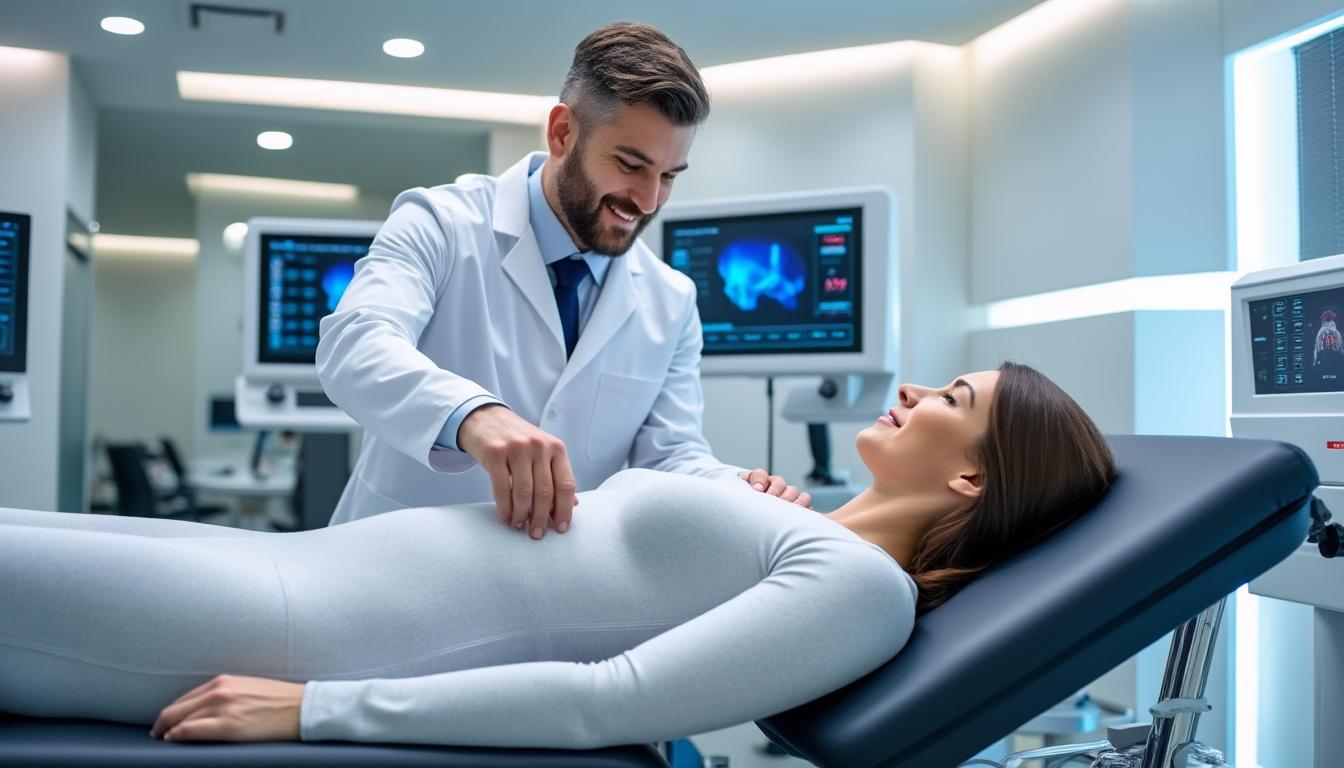
Minimally Invasive Surgery in Longueuil: Reduce Hospital Stay Duration
In recent years, advances in spinal care have dramatically reshaped the treatment landscape for patients suffering from debilitating spinal conditions. Particularly in Longueuil, the emergence of minimally invasive surgery (MIS) techniques offers a transformative alternative to conventional open surgeries. These…
Economic and Human-Centered Advantages of the France-Quebec Transatlantic Spine Surgery Model
Opting for spine surgery across the France-Quebec corridor introduces a compelling blend of cost-effectiveness, advanced medical options, and personalized care rarely found within local systems constrained by long wait times and high expenses.
Economic Benefits
Patients often face prohibitive costs or lengthy waiting periods for spinal surgery within Quebec’s healthcare framework. By engaging in this international model:
- Surgical wait times are significantly shortened, enabling quicker symptom relief and return to productivity
- Overall costs, including travel and accommodation, remain competitive compared to private surgery fees locally
- Access to cutting-edge implants such as IntraSPINE and TOPS unavailable or limited in Canada
Human and Quality-of-Life Benefits
This model also puts the patient’s experience front and center through:
- Coordinated multi-disciplinary teams providing consistent communication and support
- Pediatric safeguards ensuring surgeries align precisely with international safety standards and Quebec medical orders
- Enhanced postoperative monitoring and rehabilitation through trusted partners like Neurothérapie Montréal
| Benefit Category | Features | Patient Impact |
|---|---|---|
| Cost & Timing | Reduced waiting periods, competitive pricing | Early return to work and daily activities |
| Medical Quality & Innovation | Access to latest implants and surgical techniques | Enhanced treatment efficacy and lower risks |
| Support & Rehabilitation | Ongoing interdisciplinary care | Improved recovery and sustained health outcomes |
The involvement of experts like Dr. Sylvain Desforges ensures that the patient journey rests on scientific rigor, ethics, and an empathetic approach, fostering confidence in this alternative surgical pathway.
IntraSPINE® in Laval: Modern Solution for Lumbar Stabilization
In the evolving landscape of orthopedic treatments, the city of Laval has become a hub for innovations addressing chronic lower back pain. Among the groundbreaking solutions gaining attention is the IntraSPINE device—a modern spinal implant designed to offer dynamic lumbar…
Innovative Surgical Techniques in France: Unilateral Biportal Endoscopy (UBE) and Dynamic Stabilization with IntraSPINE
France is at the forefront of minimally invasive spine surgery, combining innovative techniques to maximize outcomes while minimizing patient trauma. A leading example is the integration of unilateral biportal endoscopic (UBE) discectomy with the insertion of the dynamic IntraSPINE stabilization device.
Benefits of UBE Technique
The UBE approach utilizes two small incisions to facilitate a clear endoscopic view and simultaneous tool operation, reducing muscle and tissue damage commonly associated with open spine surgery.
- Expanded visualization of neural and bony structures
- Minimal soft tissue dissection
- Lower blood loss and complications
Dynamic Stabilization Synergy
Following decompression via UBE, the IntraSPINE device is implanted interlaminarily to maintain spinal height and stability without sacrificing motion. This procedure has shown promising results in supporting the disc and reducing symptoms over extended follow-up periods.
- Preserves intervertebral disc health
- Maintains segmental range of motion
- Reduces postoperative pain and disability scores
| Technique | Features | Patient Advantages |
|---|---|---|
| Unilateral Biportal Endoscopy (UBE) | Two-incision, minimally invasive | Less pain, quicker recovery, improved visualization |
| IntraSPINE Device Insertion | Dynamic stabilization, biocompatible material | Motion preservation, sustained spinal function |
This combination reflects a shift towards preserving the biomechanics of the lumbar spine while providing effective relief from chronic lumbar disc herniation.
Neck Surgery in Montreal: Maintain Cervical Flexibility and Function
Neck conditions causing persistent pain or functional loss place a substantial burden on individuals and healthcare systems, especially in urban centers like Montreal. Surgical interventions targeting the cervical spine have evolved tremendously, aiming not only to relieve symptoms but to…
The Role of Dr. Sylvain Desforges in Advancing Spinal Care Through Rigorous Evaluation and International Collaboration
With more than three decades dedicated to the care of spinal disorders, Dr. Sylvain Desforges stands out as a pioneer and expert in spine evaluation and complex patient management. Holding impressive credentials including B.Sc., D.O., and N.D., he has founded and presides over prestigious Canadian osteopathic organizations and contributed to TAGMED’s advancement in neurovertebral decompression therapies.
- Leverages clinical experience to ensure precise assessment of spinal pathology
- Guides patients through evidence-based, ethically grounded treatment pathways
- Coordinates international care ensuring seamless communication and safety
Dr. Desforges’ approach is deeply patient-centered, emphasizing clear communication, realistic treatment expectations, and personalized rehabilitation plans. His collaborative network bridges Quebec and France, making innovative surgeries like IntraSPINE accessible while maintaining the highest standards of quality and compliance.
Patients benefit not only from his clinical expertise but also from his commitment to education and transparency, empowering them to make informed decisions in their recovery journey.

Disc Prosthesis in Lévis: Quick and Long-Lasting Results
Chronic back pain caused by degenerative disc disease continues to profoundly impact the quality of life for many residents in Lévis and the broader Quebec area. For decades, traditional spinal fusion surgery has been the primary solution for alleviating severe…
Supporting Lasting Outcomes: Postoperative Rehabilitation and Follow-Up in Quebec
The success of spine surgeries such as IntraSPINE implantation depends heavily on structured postoperative care. Back in Quebec, Neurothérapie Montréal plays a vital role in providing personalized rehabilitation and monitoring aimed at restoring function and preventing recurrence.
Individualized Rehabilitation Programs
Patients receive tailored physical therapy that focuses on:
- Strengthening core and paraspinal muscles
- Enhancing spinal flexibility and endurance
- Addressing ergonomic and lifestyle modifications to prevent reinjury
Continuous Monitoring and Patient Support
Clinicians conduct regular follow-ups to:
- Assess pain levels and functional improvement
- Detect early signs of complications or adjacent segment issues
- Adjust therapy plans based on evolving patient needs
This thorough approach aims to secure lasting improvements in quality of life while reinforcing patient autonomy through education and proactive management.
| Rehabilitation Aspect | Focus Area | Long-Term Goal |
|---|---|---|
| Physical Therapy | Muscle strengthening and flexibility | Spinal stability and pain reduction |
| Patient Education | Postural and activity guidance | Prevent recurrence and enhance function |
| Follow-Up Assessments | Symptom tracking, imaging as needed | Early intervention for complications |
What conditions are best suited for IntraSPINE implantation?
IntraSPINE is primarily indicated for patients with chronic low back pain caused by lumbar disc herniation or degenerative disc disease who have not found sufficient relief from conservative treatments including neurovertebral decompression.
How does the IntraSPINE implant differ from traditional fusion surgery?
Unlike fusion surgeries which immobilize vertebral segments, IntraSPINE preserves natural spinal motion by providing dynamic stabilization, resulting in less adjacent segment degeneration and faster recovery.
Is surgery immediately recommended for lumbar disc problems?
No, surgery is only considered after a thorough conservative treatment phase of three to six months, including advanced decompression therapies. This approach ensures safety and optimal treatment results.
How does the transatlantic surgery coordination benefit patients?
The France-Quebec collaborative model reduces waiting times, provides access to advanced surgical options, and offers comprehensive logistical and medical support throughout the patient’s journey.
Who should I contact to initiate evaluation or learn more about IntraSPINE surgery?
To discuss your specific case or arrange an evaluation, you can reach out via SOS Tourisme Médical contact page for personalized guidance.

Motion Surgery in Terrebonne: Maintain Intervertebral Mobility
Back pain remains a widespread concern for many in Quebec, with traditional treatment pathways often imposing lengthy waiting periods and financial constraints. Recently, Motion Surgery in Terrebonne has emerged as a transformative option, attracting patients seeking spinal solutions that prioritize…