Mascouche Neck Disc Bulge Solutions That Work
May 15, 2026
Châteauguay Lower Back Herniation Recovery for Office Workers
May 15, 2026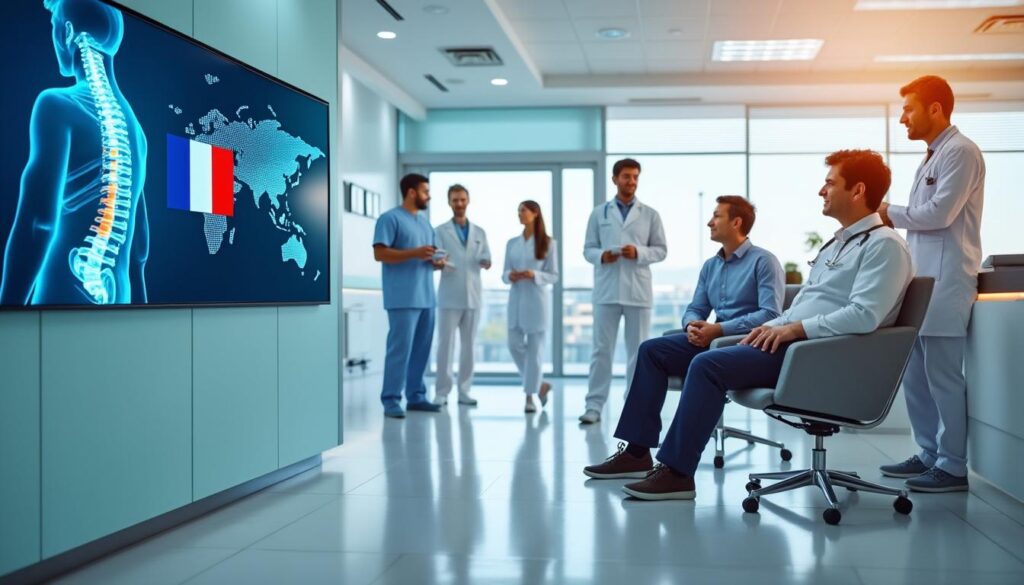
Low back pain continues to be a leading cause of disability that affects millions globally, challenging both patients and healthcare providers to find effective and lasting solutions. In Laval, a significant advancement in spinal health treatment has emerged with the introduction of the IntraSPINE device—an innovative orthopedic device designed for minimally invasive spine therapy that combines pain management with preservation of natural spinal mobility. This approach is gaining attention especially among active patients seeking relief without compromising their lifestyle or enduring extensive recovery periods.
The importance of this breakthrough lies in its ability to provide back pain relief by addressing the biomechanical causes of spinal dysfunction while safeguarding the spine’s natural curvature and movement. The IntraSPINE device, strategically implanted within the interlaminar space, represents a paradigm shift from traditional fusion surgeries that often restrict motion and can cause adjacent segment disease. For patients encountering prolonged wait times or the financial constraints associated with private care in Quebec, innovative treatments available in Laval present a welcome alternative that aligns with contemporary scientific standards and patient-centered care philosophies.
This comprehensive discussion will explore the technical and clinical aspects of the IntraSPINE system, detail the stepwise patient journey coordinated by recognized experts in spine evaluation and care, and highlight the benefits of such innovative treatments. It supports an informed decision-making process encouraging patients to engage actively in their care pathway. With over 30 years of experience, Dr. Sylvain Desforges plays a pivotal role in guiding patients through this evolving landscape where evidence-based innovation meets compassionate support.
Understanding the IntraSPINE Device: A Revolutionary Solution for Low Back Pain in Laval
The IntraSPINE is a modern orthopedic implant specifically designed to provide dynamic stabilization for lumbar spine pathologies without resorting to rigid fusion. Its unique placement within the interlaminar space—close to the spine’s instantaneous axis of rotation—sets it apart from interspinous devices, allowing it to preserve natural spinal biomechanics effectively.
Constructed from medical-grade dimethyl siloxane covered with a durable polyethylene terephthalate, the device offers elastic deformation zones that absorb shock and enable controlled movement. This design helps in maintaining spinal lordosis, preventing accelerated degeneration of discs and facet joints often associated with conventional fusion surgeries. Patients experience symptom relief as the device reopens neuroforaminal spaces, alleviating nerve root compression responsible for pain and numbness.
The implantation procedure is minimally invasive, generally accomplished via a monolateral surgical approach that results in less trauma to surrounding muscles and tissues. The surgical technique translates into shorter hospitalization times and expedited recovery, supporting patients eager to return to their daily routines. Indications for the IntraSPINE include arthropathic facet syndrome, foraminal stenosis, degenerative discopathies, and intervertebral ligament insufficiency, with particular suitability for younger or more active patients seeking to avoid the limitations of spinal fusion.
This innovative approach has gained recognition internationally, supported by extensive clinical data demonstrating improved function and patient satisfaction. For individuals in Laval experiencing persistent low back pain, the IntraSPINE device offers a promising alternative that aligns with modern orthopedic and spine surgery standards.
IntraSPINE® in Sherbrooke: Durable Solution for Chronic Low Back Pain
The management of chronic low back pain, a widespread condition affecting millions across Quebec and beyond, has reached a pivotal moment thanks to innovative medical technologies and coordinated care pathways. At the heart of this evolution lies the IntraSPINE implant,…
Biomechanical Advantages and Design Features of IntraSPINE for Spinal Health
A core advantage of the IntraSPINE device lies in its biomechanical compatibility with the natural movement of the lumbar spine. Unlike traditional fusion techniques that limit motion and may lead to adjacent segment degeneration, IntraSPINE maintains both interspinous spacing and physiological lordosis. This preservation is critical to maintain spinal balance and avoid compensatory postural changes that exacerbate pain and disability.
The device’s elastic zones provide controlled mobility, which unloads the facet joints and reduces shear and compressive forces exerted on degenerative discs. This controlled dynamic stabilization promotes neural decompression by reopening narrowed foraminal channels, thereby reducing nerve root irritation. The precise placement in the interlaminar space leverages the strength of the lamina, which is particularly important in patients with reduced bone density, safeguarding against implant-related complications.
Clinically, these biomechanical benefits translate into improved pain management outcomes, better mobility, and a lowered risk of secondary degenerative changes. Rehabilitation after surgery is often faster, with patients reporting enhanced quality of life and return to functional independence. The minimally invasive surgical approach complements these advantages by reducing muscle trauma and the risk of infection.
Here is a summary table illustrating the key design benefits and their clinical impact:
| Feature | Biomechanical Benefit | Clinical Impact |
|---|---|---|
| Interlaminar placement near Instantaneous Axis of Rotation | Preserves flexion and extension movement | Improves functional outcomes and patient satisfaction |
| Elastic deformation zones | Dissipates mechanical forces dynamically | Reduces adjacent segment degeneration and joint stress |
| Minimally invasive monolateral approach | Limits muscle and tissue trauma | Shorter hospitalization and accelerated rehabilitation |
For patients struggling with chronic low back pain, especially those with biomechanical instability coupled with neurological symptoms, IntraSPINE provides an innovative {treatment option in Laval} that balances pain relief with preservation of natural spine function.
Spine Surgery in Trois-Rivières: Reduce Pain and Preserve Mobility
In recent years, spine surgery in Trois-Rivières has evolved notably, combining advanced medical expertise with innovative technologies to deliver patient-centered care. This growing field addresses the increasing demand among Quebec residents seeking effective solutions for chronic back pain and mobility…
The Spectrum of Lumbar Spine Surgeries Available in France: From Simple Decompression to Motion-Preserving Implants
For Quebec patients like those in Laval seeking alternatives to extended waits or costly private care, France offers a variety of advanced lumbar spine surgical procedures. Navigating these options requires understanding their indications, benefits, and limitations:
- Simple decompression surgeries: Procedures aimed at relieving nerve root compression by removing hypertrophic ligaments or bone spurs. They preserve spinal motion but may not address underlying instability or complex degenerative changes.
- Fusion surgeries: Involve stabilizing spinal segments by promoting bone growth between vertebrae. While effective for severe instability or deformities, fusion often leads to loss of segmental mobility and carries risks such as adjacent segment disease or implant failure.
- Dynamic stabilization implants (e.g., IntraSPINE): Offer motion preservation, unloading of degenerated segments, and reduced risk of secondary degeneration. While long-term data is still evolving, these implants appeal to patients seeking innovative, less invasive solutions.
Expert evaluators such as Dr. Sylvain Desforges oversee comprehensive assessments to recommend the best surgical approach tailored to each patient’s condition and lifestyle. This multidisciplinary cooperation extends to French surgical centers renowned for pioneering motion-preserving techniques, ensuring that patients receive individualized care aligned with the latest evidence-based standards.
Such rich surgical options combined with expert guidance empower patients to make informed choices that fit their medical needs and personal goals, forging a path that blends innovation with clinical prudence.
TOPS™ in Gatineau: High-Performance Option for the Lumbar Spine
The landscape of spinal surgery has witnessed profound evolution, particularly for patients grappling with lumbar spine disorders such as spinal stenosis and spondylolisthesis. These conditions, increasingly prevalent among Quebec’s population, impose substantial limitations on mobility and quality of life. The…
Patient Journey: Coordinated Transatlantic Care from Laval to France and Back
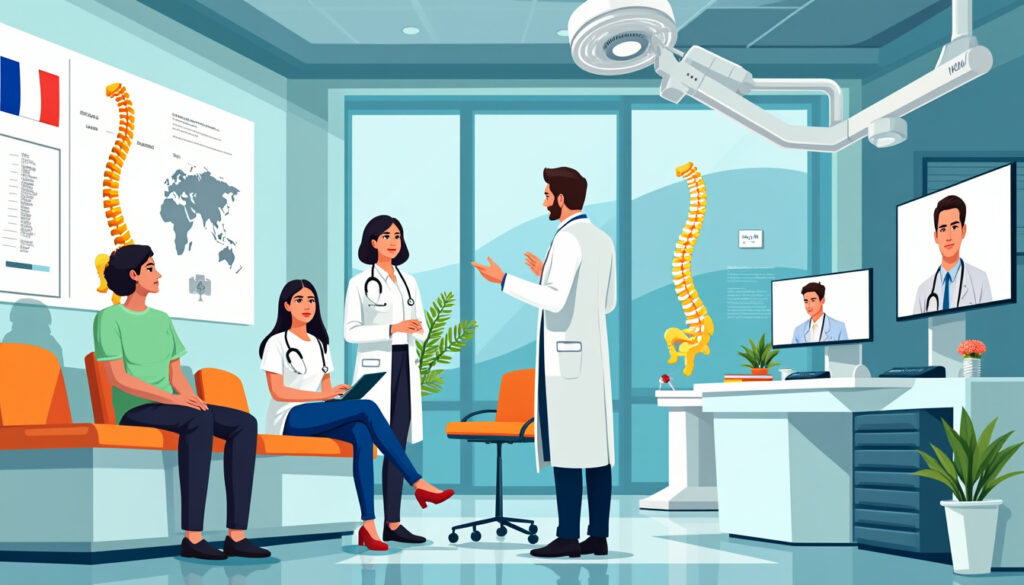
The transatlantic patient pathway brings an unprecedented level of coordination and personalization to spine care, specifically for Quebec residents exploring advanced surgery options like IntraSPINE. Spearheaded by experts including Dr. Sylvain Desforges, this journey encompasses detailed evaluation, personalized treatment planning, and seamless integration of care between Quebec and France.
The journey begins with an exhaustive evaluation led by Dr. Desforges, leveraging over 30 years of clinical expertise in spine assessment and treatment planning. His qualifications (B.Sc., D.O., N.D.) provide a broad, interdisciplinary perspective ensuring that each patient’s unique pathology is thoroughly understood. This initial step is critical to identify candidates best suited for dynamic stabilization or alternative interventions.
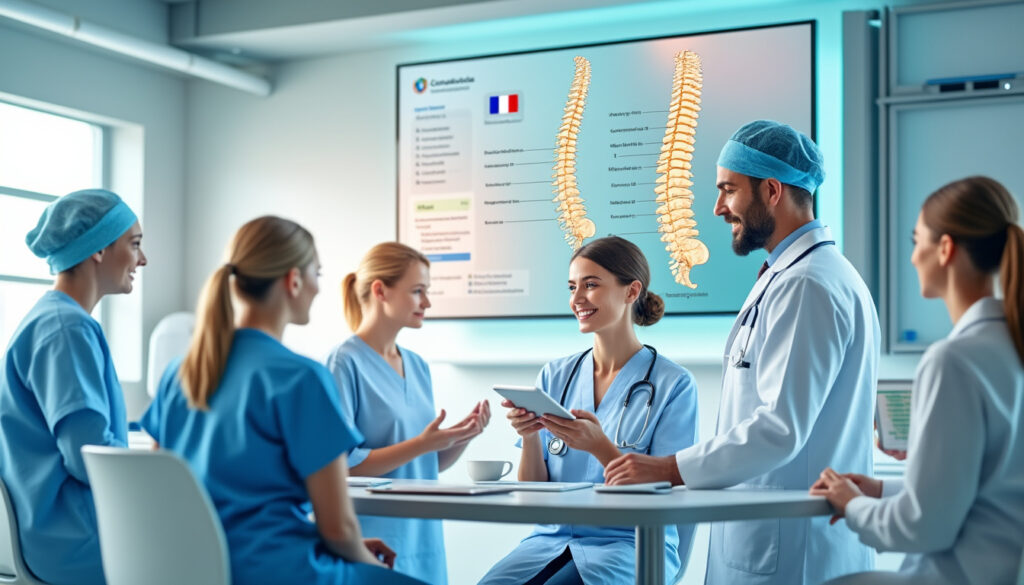
Following evaluation, comprehensive medical records and imaging are transmitted securely to French surgical teams known for utilizing cutting-edge technologies like the IntraSPINE implant. Pre-surgical preparation emphasizes maximizing spinal health through advanced conservative management such as neurovertebral decompression, notably at the Clinique TAGMED, recognized for innovative, evidence-based therapies.
Once the surgical date is set, logistics are optimized with support from collaborative platforms such as SOS Tourisme Médical. Coordination covers everything from travel to accommodation, procedural briefings, and emotional support reflecting the humanistic care philosophy championed throughout.
After a successful procedure, post-operative rehabilitation is coordinated in Quebec to ensure continuity of care and sustained recovery. Patients benefit from multidisciplinary follow-up engaging physiotherapists, osteopaths, and spine specialists under Dr. Desforges’ supervision, facilitating early mobilization and functional rehabilitation.
This comprehensive, culturally adapted pathway not only shortens wait times but also guarantees access to the latest biomechanical implants and a personalized approach that reassures and empowers the patient at every step.
Key Components of the Transatlantic Patient Pathway
- Rigorous initial spinal evaluation and candidacy assessment by Dr. Desforges
- Collaborative transfer of detailed medical imagery and records to French surgical teams
- Pre-surgical conservative treatment optimization, including advanced neurovertebral decompression
- Arranged travel and surgery scheduling supported by medical tourism platforms
- Postoperative rehabilitation coordination and multidisciplinary follow-up in Quebec
Cervical Disc Prosthesis in Quebec City: Avoid Post-Surgery Stiffness
Chronic neck pain remains a significant challenge for thousands of residents in Quebec City every year, often leading them to seek effective spinal surgery options that minimize downtime and maximize long-term mobility. Among the recent advancements revolutionizing cervical spine care,…
Conservative Treatments: Essential Prerequisite Before Considering Surgical Intervention
Before contemplating surgical options like the IntraSPINE implant, adherence to a structured conservative treatment plan of 3 to 6 months is critical. This approach reflects deep respect for non-invasive care and aligns with directives from the Collège des médecins du Québec and Canadian medical authorities prioritizing patient safety and evidence-based medicine.
Conservative treatment modalities span:
- Physiotherapy: Tailored programs focusing on core strengthening, spinal stabilization, and flexibility enhancement to reduce pain triggers.
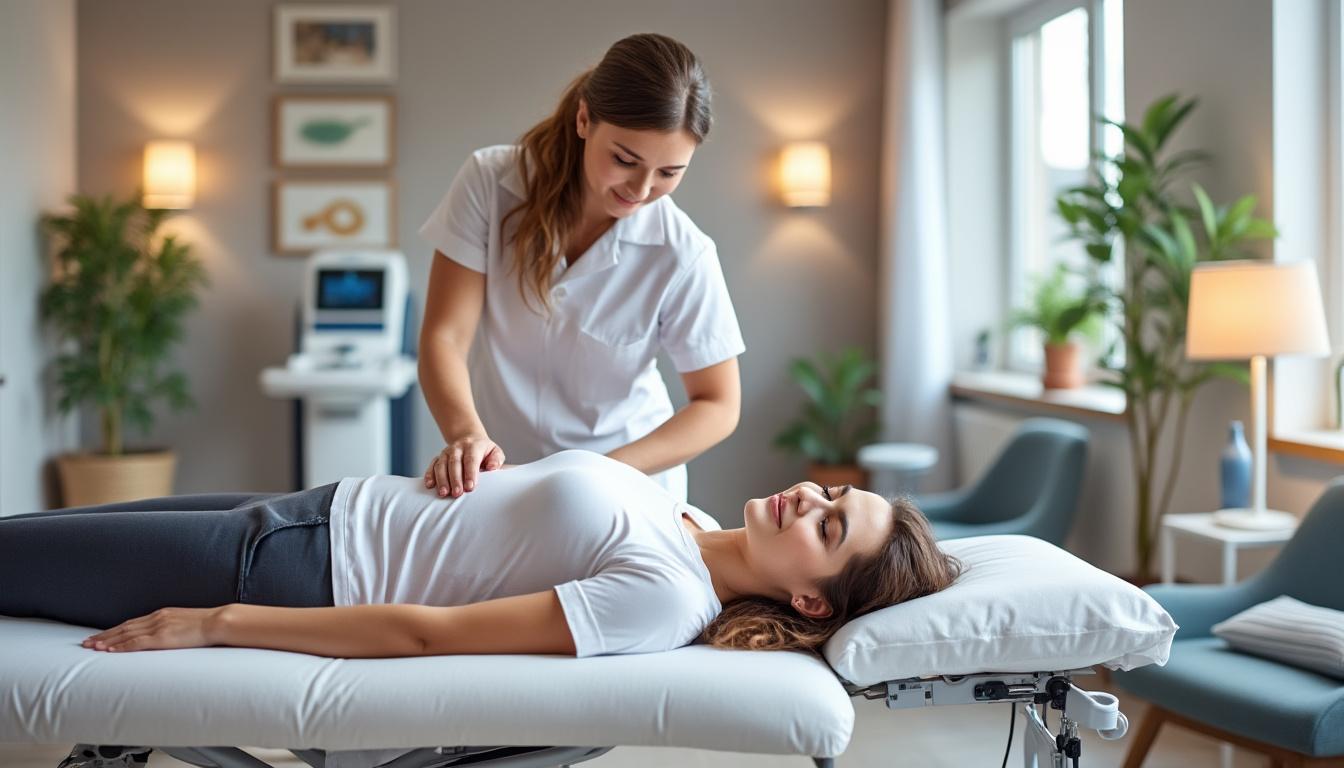
- Osteopathic care: Manual therapy aimed at restoring joint mobility, improving biomechanical function, and alleviating muscular tension.
- Advanced neurovertebral decompression: Specialized non-invasive mechanical spinal decompression therapy available at the Clinique TAGMED, which has demonstrated efficacy in relieving nerve root pressure and improving functional outcomes.
- Pharmacological management: Judicious use of anti-inflammatory and neuropathic pain medications to control symptoms.
Should patients find insufficient relief after this period, and conservative therapies have excluded neurovertebral decompression, an extended trial of this specialized decompression is strongly advised before re-evaluation for surgical candidacy.
Engaging fully with conservative treatment not only optimizes spinal condition but also ensures surgery is reserved strictly for cases where clearly indicated, improving surgical success and patient satisfaction.
Minimally Invasive Surgery in Longueuil: Reduce Hospital Stay Duration
In recent years, advances in spinal care have dramatically reshaped the treatment landscape for patients suffering from debilitating spinal conditions. Particularly in Longueuil, the emergence of minimally invasive surgery (MIS) techniques offers a transformative alternative to conventional open surgeries. These…
Technological Innovations in Spine Surgery: Enhancing Outcomes with Dynamic Stabilization
The landscape of spine surgery has been transformed by technological advancements incorporating dynamic implants, precision laser surgeries, and implant coatings that elevate patient outcomes and safety. The IntraSPINE device embodies this evolution by offering nonfusion stabilization that respects physiological movement and reduces secondary complications common in rigid fusion.
Companies such as Cousin Biotech and Morulaa Healthtech have contributed significantly to implant development, offering devices designed for optimal biomechanical integration. Surgeons benefit from enhanced-guidance technologies and minimally invasive techniques supported by industry leaders including Spinemarket Group, ensuring procedures are performed with high accuracy and minimal trauma.
Furthermore, advanced imaging modalities and intraoperative navigation systems ensure precise implant positioning, crucial for preserving spinal kinematics and preventing complications. These innovations collectively reduce hospital stays, speed recovery, and enhance long-term spine health.
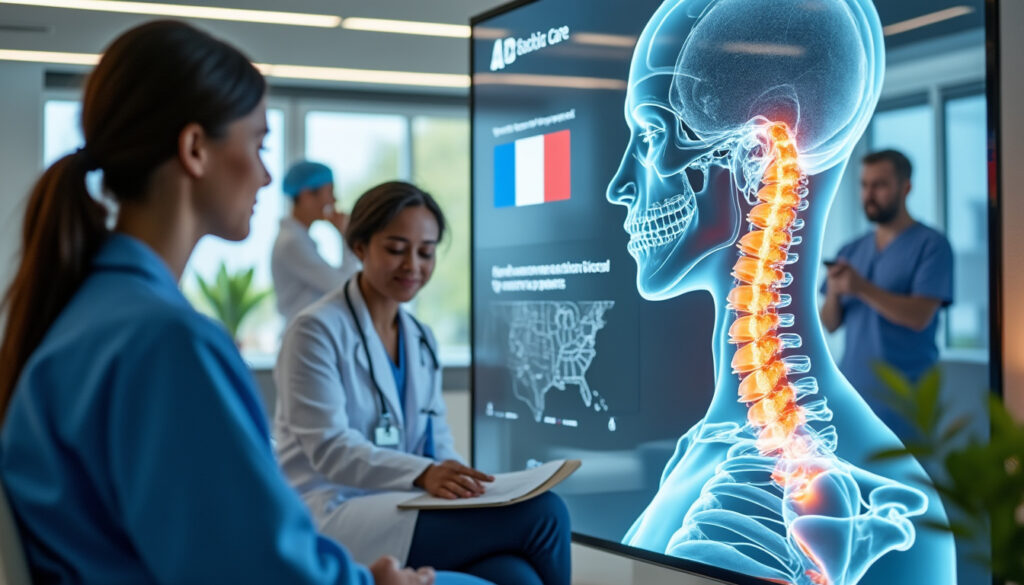
Patients in Quebec accessing these state-of-the-art surgeries via a transatlantic care model benefit considerably from technologies not yet widespread in Canada, justifying the emerging preference for these international care pathways.
IntraSPINE® in Laval: Modern Solution for Lumbar Stabilization
In the evolving landscape of orthopedic treatments, the city of Laval has become a hub for innovations addressing chronic lower back pain. Among the groundbreaking solutions gaining attention is the IntraSPINE device—a modern spinal implant designed to offer dynamic lumbar…
Economic and Human Benefits of Pursuing Transatlantic Spine Surgery for Laval Patients
Choosing spine surgery abroad, notably in France, offers Quebec patients tangible economic benefits alongside high-quality medical care. Shorter wait times diminish chronic pain progression and related disabilities, while cost efficiencies arise from comprehensive care packages often more affordable than fragmented private care at home.
Additionally, dedicated care coordination ensures patients feel supported culturally and emotionally throughout the journey, bridging any linguistic or system differences with professional assistance. This personalized human touch was carefully cultivated by Dr. Sylvain Desforges and collaborators to foster trust and encourage active patient participation.
| Aspect | France Surgical Pathway | Typical Quebec Private Care |
|---|---|---|
| Wait Time | Less than 3 months | 6-12 months or longer |
| Cost | Moderate, all-inclusive care packages | High, often fragmented billing |
| Technology Access | Advanced dynamic implants like IntraSPINE | Limited access to newest devices |
| Follow-up Support | Coordinated multidisciplinary care | Variable, sometimes inconsistent |
This blend of innovation, cost-effectiveness, and compassionate support enhances both clinical outcomes and patient confidence, ultimately fostering superior long-term spinal health and quality of life.
Neck Surgery in Montreal: Maintain Cervical Flexibility and Function
Neck conditions causing persistent pain or functional loss place a substantial burden on individuals and healthcare systems, especially in urban centers like Montreal. Surgical interventions targeting the cervical spine have evolved tremendously, aiming not only to relieve symptoms but to…
Educating Patients: Transparent Communication for Informed Spine Care Decisions
At the heart of Dr. Desforges’ practice lies a commitment to patient education and clarity. Complex spinal conditions and advanced therapies like IntraSPINE are explained without jargon, ensuring that patients fully comprehend their diagnosis, potential treatment paths, and expected outcomes. This transparent dialogue facilitates shared decision-making, helping patients align treatments with their personal values and lifestyles.
Patients are encouraged to ask questions and engage in ongoing conversations about the indications, risks, and benefits of both surgical and conservative options. Such empowerment has been shown to enhance treatment adherence, reduce anxiety, and improve overall health results. This teaching philosophy integrates empathy with scientific rigor—a hallmark of 30+ years of expertise guiding patients toward better spinal health.
For many, understanding the distinction between dynamic stabilization and fusion or the role of preoperative conservative therapies makes choosing the appropriate care path less daunting and more manageable.
What types of spinal conditions are most suited for IntraSPINE implantation?
IntraSPINE is primarily indicated for conditions such as arthropathic facet syndrome, foraminal stenosis, degenerative disc disease, and intervertebral ligament insufficiency, especially in patients aiming to preserve natural spine motion.
How long is the recovery period after IntraSPINE surgery?
Recovery times are generally shorter due to the minimally invasive approach, with many patients resuming daily activities within weeks. Rehabilitation protocols tailored by a multidisciplinary team support safe and effective recovery.
Why are conservative treatments necessary before considering surgery?
Conservative care including physiotherapy, osteopathy, and neurovertebral decompression over 3 to 6 months ensures surgery is reserved for cases where it is clearly necessary, optimizing patient outcomes and minimizing unnecessary risks.
How does the Quebec-to-France care pathway benefit patients?
This coordinated approach reduces wait times, provides access to advanced surgical technologies not widely available in Canada, and ensures personalized, continuous care throughout the patient journey.
Are there any risks associated with the IntraSPINE device surgery?
As with any surgical procedure, risks exist but are minimized through rigorous patient selection, expert surgical technique, and adherence to evidence-based protocols under regulatory oversight.
Disc Prosthesis in Lévis: Quick and Long-Lasting Results
Chronic back pain caused by degenerative disc disease continues to profoundly impact the quality of life for many residents in Lévis and the broader Quebec area. For decades, traditional spinal fusion surgery has been the primary solution for alleviating severe…