Cervical Disc Prosthesis in Quebec: Maintaining Intervertebral Mobility for Better Spine Health
June 9, 2026
Châteauguay Chronic Back Pain Managed Non-Surgically
June 9, 2026
The persistent challenge of chronic low back pain continues to affect millions worldwide, impacting daily activities, work productivity, and overall quality of life. In Laval, a groundbreaking approach has emerged with the introduction of the IntraSPINE device—an innovative spinal implant designed to address this condition through minimally invasive orthopedic treatment. This advanced technology offers significant promise by restoring spinal health while preserving natural mobility, thereby transforming traditional pain management strategies.
With over 30 years of experience in spine health evaluation and patient-centered care, Dr. Sylvain Desforges stands at the forefront of integrating scientific rigor, ethical medical practices, and cutting-edge innovation to optimize outcomes for those suffering from chronic low back pain. His role as founder and president of several Canadian osteopathic organizations, including the College of Canadian Osteopaths and the ACMA, reflects his dedication to advancing transferable knowledge and fostering collaborative patient care across borders.
As healthcare systems face increasing demands and resource constraints, the IntraSPINE treatment pathway in Laval offers an alternative solution that combines evidence-based medical evaluation, the latest minimally invasive surgical techniques, and personalized rehabilitation. This transatlantic collaboration notably enhances patient access to high-quality orthopedic treatments, reducing wait times and costs commonly experienced in Quebec’s healthcare sector. This article delves into the multifaceted aspects of the IntraSPINE implant—its biomechanical advantages, clinical outcomes, and the coordinated patient journey, all framed by an empathetic approach that respects each individual’s unique health status.
Understanding the IntraSPINE Device: A Novel Spinal Implant for Chronic Low Back Pain
The IntraSPINE device represents a pioneering advancement in the treatment of degenerative lumbar spine conditions, specifically targeting chronic low back pain unresponsive to conventional conservative therapies. Unlike traditional spinal fusion surgeries that immobilize vertebral segments, the IntraSPINE implant provides dynamic stabilization, preserving the natural physiological movements of the lumbar spine. This feature is particularly valuable for patients seeking to maintain mobility while managing pain effectively.
Medically crafted from biocompatible materials including medical-grade dimethyl siloxane covered with polyethylene terephthalate, the implant sits strategically in the interlaminar space between vertebral bodies, near the spine’s center of rotation. This anterior placement affords more natural ‘rocking-type’ movements during flexion and extension, reducing mechanical stress on facet joints and intervertebral discs.
By enabling restoration of sagittal balance and alleviating nerve root compression, IntraSPINE offers pain relief without compromising spine biomechanics. Furthermore, its minimally invasive insertion requires shorter operative times and less soft tissue disruption compared with more invasive orthopedic procedures. The reversibility of the implant also adds a layer of safety, allowing removal if needed without damaging surrounding anatomical structures.
This innovative approach aligns closely with Dr. Sylvain Desforges’ philosophy grounded in evidence-based practice and patient education. It also highlights the importance of early evaluation and comprehensive care pathways tailored to individual needs. In the context of Quebec’s healthcare challenges, having access to such an advanced treatment in Laval, supported by a robust scientific framework, brings renewed hope to patients living with chronic low back discomfort.
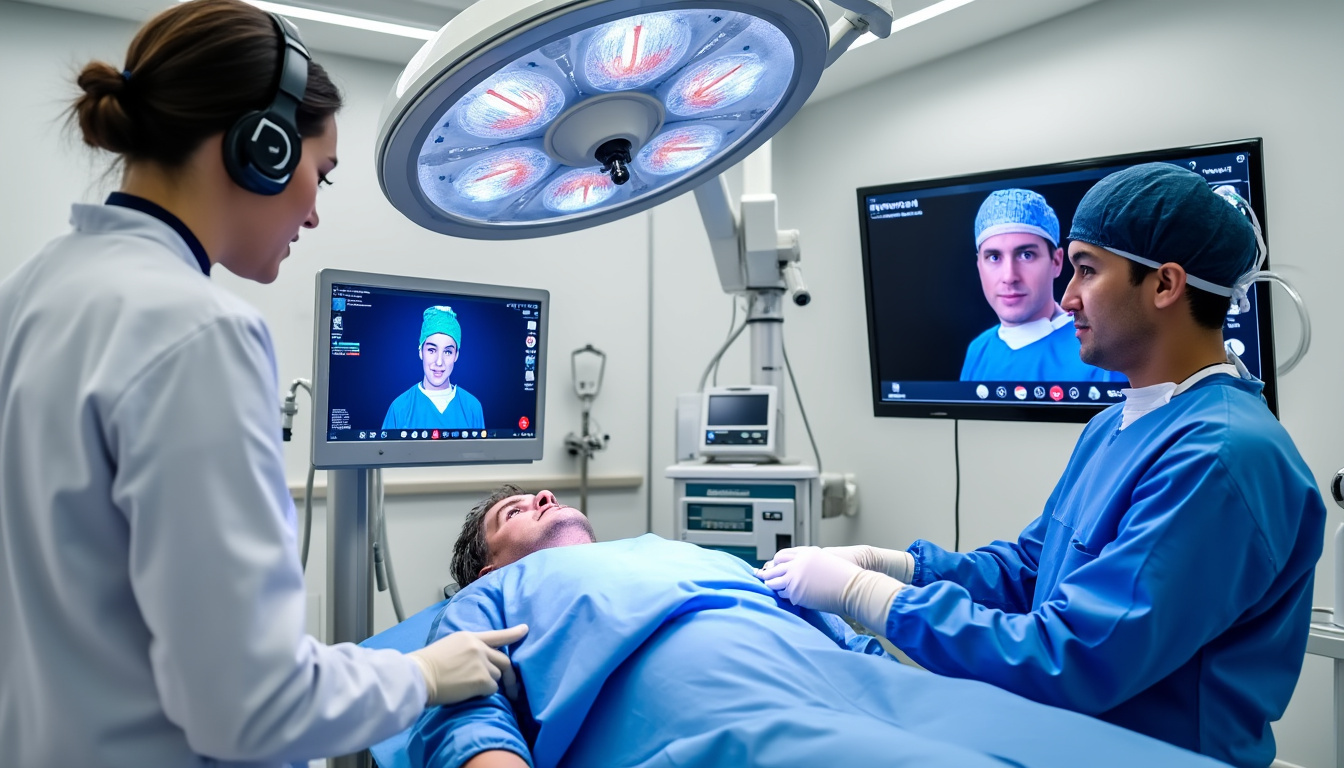
The Clinical Evidence Supporting IntraSPINE
A landmark three-year prospective study conducted across prominent French spine clinics demonstrated the efficacy and safety of IntraSPINE in patients suffering from lumbar degenerative disc disease. The study monitored 231 patients, with 180 completing long-term follow-up, revealing a significant reduction in disability and pain sustained up to 36 months post-implantation.
Using validated measures such as the Oswestry Disability Index (ODI) and Visual Analogue Scale (VAS) scores for back and leg pain, researchers reported an average decrease of approximately 64.5% in ODI and pain relief of up to 66.2% for radicular symptoms. Remarkably, 73% of patients considered the surgery a success, with 89% of employed patients returning to work within months. These results resonate well with ongoing clinical trials and real-world outcomes, supporting the device’s capability to provide lasting pain management and functional restoration.
This data, while emphasizing patient safety with minimal intraoperative complications, also underscores the technological innovation embedded in IntraSPINE, which realigns and supports spinal motion without inducing rigidity. This translates into fewer postoperative limitations and a more natural rehabilitation experience for patients, consistent with Dr. Desforges’ prioritization of patient well-being and functional longevity.
IntraSPINE® in Sherbrooke: Durable Solution for Chronic Low Back Pain
The management of chronic low back pain, a widespread condition affecting millions across Quebec and beyond, has reached a pivotal moment thanks to innovative medical technologies and coordinated care pathways. At the heart of this evolution lies the IntraSPINE implant,…
Biomechanical Advantages of IntraSPINE for Effective Orthopedic Treatment
Chronic low back pain often results from complex biomechanical disruptions within the lumbar spine—where intervertebral discs degenerate, facet joints bear excessive loads, and neural foramina narrow, producing debilitating symptoms. The IntraSPINE device addresses these challenges by restoring structural balance and enhancing the physiological dynamics of spinal segments.
Key biomechanical benefits include:
- Unloading of facet joints: By off-loading pressure during spinal extension, the implant reduces arthritic pain without halting motion.
- Preservation of natural lordosis: Maintaining lumbar curvature supports proper posture and prevents compensatory stresses on adjacent spinal levels.
- Dynamic neural decompression: The enlargement of intervertebral foraminal spaces alleviates nerve compression, mitigating radicular pain.
- Motion preservation: Unlike fusion, the device supports segmental mobility, which lowers the risk of adjacent segment degeneration, a common problem in rigid stabilization.
These advantages form the biomechanical foundation that allows for effective pain relief concurrent with enhanced spinal health. The dynamic nature of IntraSPINE contrasts with older static devices, making it a breakthrough in achieving a balance between stability and flexibility, a principle well embraced by leading spine experts such as Dr. Desforges. This careful attention to spinal mechanics ultimately benefits patient functionality and long-term outcomes.
Spine Surgery in Trois-Rivières: Reduce Pain and Preserve Mobility
In recent years, spine surgery in Trois-Rivières has evolved notably, combining advanced medical expertise with innovative technologies to deliver patient-centered care. This growing field addresses the increasing demand among Quebec residents seeking effective solutions for chronic back pain and mobility…
Key Surgical Phases and Patient Journey for IntraSPINE Treatment in Laval
The road to successful IntraSPINE treatment involves a coordinated, well-structured approach emphasizing patient safety, personalized care, and seamless transatlantic collaboration. The journey begins in Quebec with a thorough clinical evaluation conducted by Dr. Desforges, specializing in advanced spine assessments and patient education.
This evaluation includes:
- Comprehensive history-taking and functional assessments focused on spinal conditions and pain severity.
- Review of prior conservative treatments like physical therapy or pharmacologic interventions.
- Advanced imaging studies to confirm degenerative changes and suitability for IntraSPINE implantation.
- A mandate that all patients undergo a minimum of 3 to 6 months of conservative management, including neurovertebral decompression therapy available at specialized centers such as the Clinique TAGMED, before considering surgery.
Once surgery is warranted, Dr. Desforges’ established transatlantic partnership with surgical teams in France ensures that the patient accesses expert care promptly without lengthy delays or excessive costs. This patient pathway involves logistical coordination for medical travel, scheduling, and comprehensive preoperative preparation. The minimally invasive implantation procedure utilizes refined surgical techniques to maximize clinical benefit while minimizing harm.
Postoperative care continues in Quebec with rehabilitation support tailored to restore muscular coordination, spinal alignment, and patient confidence. The integrated management framework assures patients that their journey is comprehensively managed from evaluation to recovery, reflecting Dr. Desforges’ commitment to ethical, patient-centered, and scientifically grounded orthopedic treatment.
TOPS™ in Gatineau: High-Performance Option for the Lumbar Spine
The landscape of spinal surgery has witnessed profound evolution, particularly for patients grappling with lumbar spine disorders such as spinal stenosis and spondylolisthesis. These conditions, increasingly prevalent among Quebec’s population, impose substantial limitations on mobility and quality of life. The…
Conservative Care: The Essential Pre-Surgical Step in Managing Chronic Low Back Pain
Before exploring surgical options like IntraSPINE implantation, patients must exhaust a comprehensive course of non-invasive treatments. This approach adheres to the highest standards of evidence-based medicine and avoids unnecessary surgical risks. Dr. Desforges advocates that all candidates undergo 3 to 6 months of advanced conservative care emphasizing:
- Neurovertebral decompression: Utilizing state-of-the-art robotic-assisted techniques, this therapy targets nerve root compression and inflammation while facilitating tissue healing without surgery.
- Osteopathic manual therapy: Skilled manipulation enhances spinal joint mobility, reduces mechanical dysfunction, and improves overall biomechanical balance.
- Functional rehabilitation: Customized exercise programs strengthen deep spinal musculature to support affected vertebral segments and prevent recurrence.
- Patient education: Transparent communication about pain mechanisms and self-management strategies empowers patients to make informed choices.
These measures, particularly when delivered at leading institutions like the Clinique TAGMED, frequently alleviate symptoms sufficiently to obviate surgery. For patients still struggling with severe pain and disability after optimized conservative care, IntraSPINE presents a validated next step embedded in a continuum of care founded on scientific rigor and safety.
Cervical Disc Prosthesis in Quebec City: Avoid Post-Surgery Stiffness
Chronic neck pain remains a significant challenge for thousands of residents in Quebec City every year, often leading them to seek effective spinal surgery options that minimize downtime and maximize long-term mobility. Among the recent advancements revolutionizing cervical spine care,…
International Coordination: The Transatlantic Patient Care Model Enhancing Quebecer Access
Managing chronic low back pain effectively requires not only advanced technology but also seamless coordination across healthcare systems. The transatlantic care model, championed by Dr. Desforges, exemplifies this principle by bridging Quebec and France to expand patient options.
This innovative collaboration features:
- Expert evaluation and case review: Dr. Desforges provides focused assessments ensuring patients receive personalized recommendations.
- Access to expert surgeons and specialized centers in France: Facilitating timely, minimally invasive surgeries using cutting-edge implants like IntraSPINE.
- Comprehensive logistical assistance: Through partnerships with organizations such as SOS Tourisme Médical and Franchir, patients receive coordinated travel, accommodation, and appointment scheduling.
- Postoperative rehabilitation continuity: Returning to Quebec, patients benefit from localized, individualized rehabilitative care, fostering optimal recovery.
By aligning international expertise and resources, this model mitigates the limitations of local healthcare wait times and cost constraints. Patients gain enhanced confidence through a fully supported, multidisciplinary care network underscored by Dr. Desforges’ more than three decades of experience and ethical commitment.

Minimally Invasive Surgery in Longueuil: Reduce Hospital Stay Duration
In recent years, advances in spinal care have dramatically reshaped the treatment landscape for patients suffering from debilitating spinal conditions. Particularly in Longueuil, the emergence of minimally invasive surgery (MIS) techniques offers a transformative alternative to conventional open surgeries. These…
Specialized Services and Advanced Technologies Enhancing Patient Outcomes
The value added by the IntraSPINE treatment pathway extends beyond the surgical intervention alone. The integration of pioneering technologies and expert-led services distinguishes this approach, delivering comprehensive care that addresses the multifactorial nature of chronic low back pain.
These include:
- Advanced diagnostics: Use of high-resolution MRI and dynamic imaging to guide individualized surgical planning.
- Minimally invasive surgical techniques: Reducing tissue trauma, operative time, and hospitalization length.
- Dynamic spinal implants: IntraSPINE offers a motion-preserving alternative to fusion, minimizing complications like adjacent segment degeneration.
- Robotic-assisted neurovertebral decompression: As practiced at the renowned Clinique TAGMED, this serves as a crucial conservative therapy adjunct.
- Multidisciplinary follow-up: Coordinated care involving osteopaths, physiotherapists, and pain management specialists ensures holistic recovery.
This comprehensive ecosystem exemplifies a patient-centered philosophy, elevating care quality through innovation, clinical excellence, and ethical responsibility aligned with Quebec and Canadian healthcare regulations.
IntraSPINE® in Laval: Modern Solution for Lumbar Stabilization
In the evolving landscape of orthopedic treatments, the city of Laval has become a hub for innovations addressing chronic lower back pain. Among the groundbreaking solutions gaining attention is the IntraSPINE device—a modern spinal implant designed to offer dynamic lumbar…
Patient Empowerment through Clear Communication and Education
Effective management of complex spinal conditions necessitates not only technical intervention but also patients’ active involvement. Dr. Desforges prioritizes clear, jargon-free communication that demystifies medical procedures and treatment pathways.
This pedagogical approach encourages:
- Understanding indications and limitations: Transparent discussions help patients grasp when surgery is appropriate, and the potential benefits and risks involved.
- Setting realistic expectations: Emphasizing the need for completion of conservative care and outlining recovery timelines fosters patient confidence.
- Promoting questions and shared decision-making: Building a trusting relationship facilitates informed choices tailored to individual values and goals.
By fostering an empathetic and motivating environment, patients experience holistic support that transcends the technicality of spinal surgery and creates a reassuring space for their recovery journey.
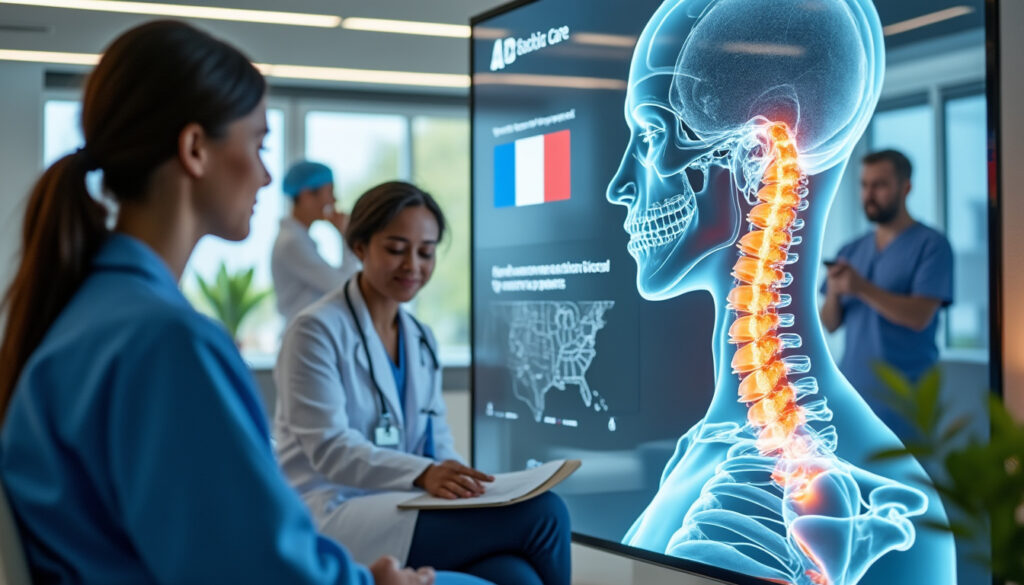
Neck Surgery in Montreal: Maintain Cervical Flexibility and Function
Neck conditions causing persistent pain or functional loss place a substantial burden on individuals and healthcare systems, especially in urban centers like Montreal. Surgical interventions targeting the cervical spine have evolved tremendously, aiming not only to relieve symptoms but to…
The Economic and Human Benefits of the IntraSPINE Transatlantic Pathway
In the context of healthcare system constraints, particularly in Quebec where wait times and private care costs can be prohibitive, the IntraSPINE option in Laval offers tangible economic and human advantages. Patients access early intervention without sacrificing quality or safety, avoiding the prolonged disability and indirect costs often associated with delayed treatment.
| Aspect | Traditional Local Pathway | IntraSPINE Transatlantic Pathway |
|---|---|---|
| Wait Time | Often over 12 months | Reduced to weeks/months via coordinated scheduling |
| Cost to Patient | High private fees or prolonged loss of income | Optimized with bundled travel and care packages |
| Quality of Care | Variable, potential delays affect outcomes | Consistent, advanced surgical and rehabilitation protocols |
| Functional Outcome | Often delayed recovery | Faster return to work and daily activities |
| Patient Experience | Fragmented, limited education | Personalized, comprehensive support with clear communication |
This streamlined model not only improves patient satisfaction but also reduces the societal and economic burden of chronic low back pain, embodying Dr. Desforges’ vision of innovative, ethical, and accessible orthopedic treatment.

Disc Prosthesis in Lévis: Quick and Long-Lasting Results
Chronic back pain caused by degenerative disc disease continues to profoundly impact the quality of life for many residents in Lévis and the broader Quebec area. For decades, traditional spinal fusion surgery has been the primary solution for alleviating severe…
Your Next Step Toward Back Pain Relief and Spinal Health
If you are suffering from chronic low back pain that has not responded to conservative therapies, exploring the IntraSPINE treatment option in Laval could represent a transformative milestone. Supported by the clinical expertise and compassionate guidance of Dr. Sylvain Desforges—whose extensive qualifications (B.Sc., D.O., N.D.) and leadership roles ensure rigorous evaluation and personalized care—this pathway offers hope through advanced minimally invasive orthopedic treatment.
To learn more or discuss your specific case and the suitability of the IntraSPINE device, consider reaching out to the team at SOS Tourisme Médical, who provide dedicated coordination and patient-centered support throughout your treatment journey.
What conditions qualify a patient for IntraSPINE implantation?
Patients with chronic low back pain due to moderate lumbar degenerative disc disease, facet joint syndrome, or foraminal stenosis who have undergone 3 to 6 months of conservative treatment without sufficient relief may be candidates.
How does the IntraSPINE implant differ from traditional spinal fusion?
Unlike fusion which immobilizes spinal segments, IntraSPINE preserves natural spinal movement by dynamically stabilizing the affected segment, reducing pain while maintaining mobility.
Is surgery the first option for managing chronic low back pain?
No. Surgery is considered only after several months of evidence-based conservative treatments, including neurovertebral decompression, manual therapy, and rehabilitation, have proven insufficient.
What are the benefits of the transatlantic patient care model?
This model reduces waiting times, provides access to specialized surgical expertise and technology unavailable locally, and offers comprehensive support including postoperative care in Quebec.
How long is the recovery process after IntraSPINE surgery?
Recovery varies but typically includes a structured rehabilitation program focusing on restoring strength and mobility, with many patients returning to work within a few months.