Saint-Jérôme Non-Surgical Neck Herniation Solutions
May 16, 2026
Mascouche Lower Back Pain Prevention for Disc Patients
May 16, 2026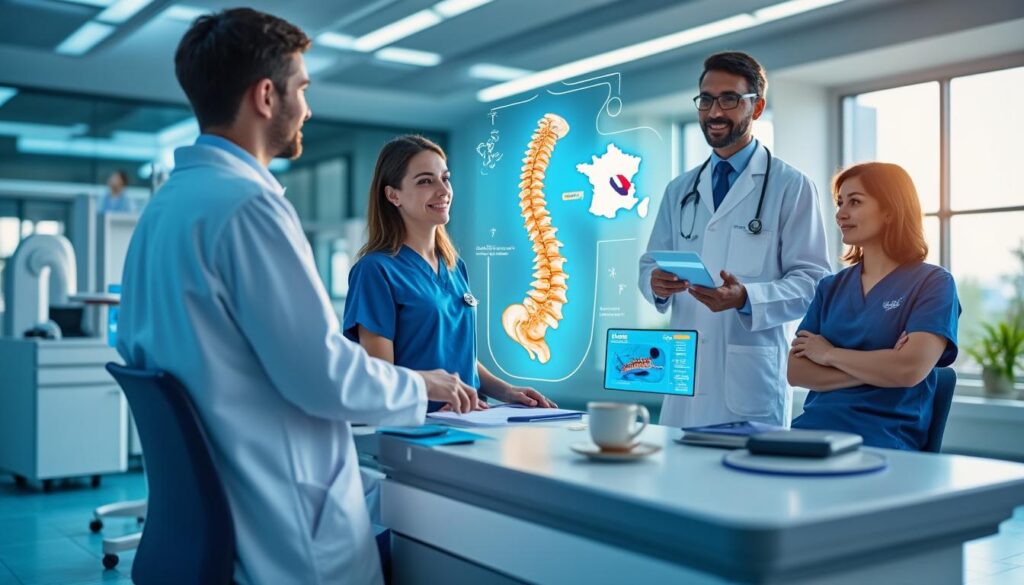
The advancement of spinal care in Laval introduces the IntraSPINE device, a revolutionary approach designed to maintain natural spinal biomechanics and support lumbar function effectively. In the face of aging populations and the increasing demands for better back pain relief and spinal health solutions, the integration of IntraSPINE represents a new era of treatment options that prioritize minimally invasive techniques and preserve the spine’s physiological movement.
Back pain is a leading cause of disability worldwide, especially among seniors who often suffer from degenerative spinal conditions. Traditional spinal fusion surgeries, while effective for stabilizing damaged segments, can impair natural spinal mobility and lead to complications such as adjacent segment disease. In contrast, dynamic stabilization devices like the IntraSPINE offer a tailored alternative that maintains lumbar stability and enhances patient recovery experiences.
Innovative Biomechanical Approach of the IntraSPINE Device in Laval
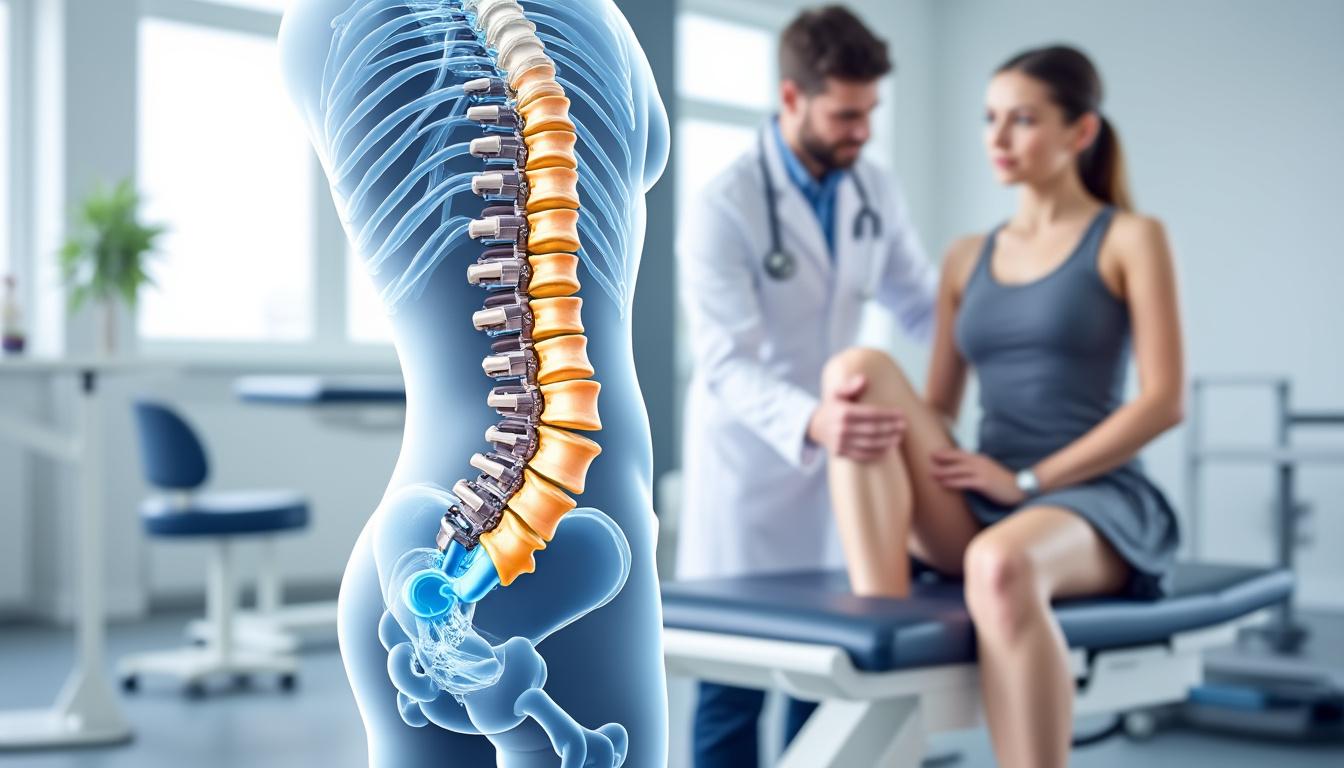
Understanding the biomechanical design of the IntraSPINE device is essential for appreciating its role in preserving spinal function. Unlike traditional interspinous devices that are placed between spinous processes, the IntraSPINE uniquely occupies the interlaminar space, closer to the spine’s instantaneous axis of rotation. This position allows it to support the lumbar spine dynamically, stabilizing the vertebral segments while enabling physiological flexion and extension movements.
The placement of the IntraSPINE device enables it to serve as an orthopedic device that maintains lumbar stability without the rigidity associated with fusion surgeries. Research has shown that maintaining natural spinal biomechanics helps reduce stress on adjacent spinal segments and may prevent the onset of secondary degeneration. This feature is particularly significant for patients with lumbar spinal stenosis or degenerative disc disease who seek back pain relief without sacrificing mobility.
Biomechanically, the device acts by decompressing neural elements and restoring disc height. This is achieved through minimally invasive techniques, reducing intraoperative trauma and preserving soft tissue integrity, which facilitates a quicker and less painful recovery process for patients. The careful engineering of the IntraSPINE also respects the sagittal balance and lordosis of the lumbar spine, key factors in maintaining overall spinal function and preventing future complications.
The innovative design is supported by clinical outcomes, such as those documented in the prospective studies and clinical trials listed on clinicaltrials.gov, which highlight the efficacy and safety of the IntraSPINE in real-world practice. Moreover, its adoption in medical centers across Laval is a testament to its growing recognition in the orthopedic community as an effective solution for lumbar function preservation.
IntraSPINE® in Sherbrooke: Durable Solution for Chronic Low Back Pain
The management of chronic low back pain, a widespread condition affecting millions across Quebec and beyond, has reached a pivotal moment thanks to innovative medical technologies and coordinated care pathways. At the heart of this evolution lies the IntraSPINE implant,…
Clinical Advantages and Patient Outcomes with IntraSPINE
The clinical advantages of IntraSPINE extend beyond mechanical support to encompass improved patient experiences and outcomes. Patients treated with IntraSPINE typically report significant back pain relief, which is a primary goal in spine health management. This improvement is linked to the device’s ability to decompress nerve roots and restore spinal stability without eliminating segmental motion.
For example, older patients suffering from lumbar spinal stenosis or degenerative lumbar disc disease often face limitations in treatment options due to osteoporosis or other comorbidities. Traditional spinal fusion surgeries present risks like implant failure and adjacent segment disease. IntraSPINE offers a minimally invasive alternative that minimizes these risks while delivering comparable, if not superior, longevity in symptom relief.
One documented case involved two elderly osteoporotic women who underwent decompression plus IntraSPINE placement. Their postoperative recovery included pain score reductions from 8 to between 2 and 3 on the visual analog scale, and complete resolution of numbness and discomfort within three months, without implant failures at 12 months follow-up. These results showcase the device’s suitability even in high-risk populations.
Additionally, the rehabilitation following IntraSPINE surgery emphasizes restoring low back muscle function and lumbar stability through tailored exercises, enhancing the durability of surgical benefits. Patients are often fitted with lumbar braces during initial months post-surgery for added protection. This comprehensive post-operative care contributes to sustained improvements in spinal biomechanics.
In the context of spine health for patients in Quebec considering alternatives to lengthy private care wait times, the availability of IntraSPINE treatments highlights the benefits of innovative orthopedic solutions. For further understanding of these surgical alternatives, the detailed technical documents on IntraSPINE surgical techniques provide valuable insights for clinicians and patients alike.
Spine Surgery in Trois-Rivières: Reduce Pain and Preserve Mobility
In recent years, spine surgery in Trois-Rivières has evolved notably, combining advanced medical expertise with innovative technologies to deliver patient-centered care. This growing field addresses the increasing demand among Quebec residents seeking effective solutions for chronic back pain and mobility…
Minimally Invasive Surgery: Reducing Risks and Enhancing Recovery
The growing trend towards minimally invasive surgery (MIS) in spinal care embodies a shift in patient-centered treatment philosophies. The IntraSPINE device exemplifies this trend, as its implantation is performed through a smaller incision compared to traditional fusion approaches, resulting in less bleeding, reduced tissue damage, and diminished postoperative pain.
In clinical practice, MIS with IntraSPINE means that patients experience shorter hospital stays and faster returns to daily activities. This is particularly impactful for individuals in the aging demographic who face higher surgical risks. Maintaining lumbar function and spinal biomechanics through MIS approaches aligns with the commitments of expert clinicians such as Dr. Sylvain Desforges, who emphasizes evidence-based, ethical, and safe treatment protocols.
By preserving the natural motion of the spine and avoiding rigid fixation, MIS with IntraSPINE reduces the likelihood of adjacent segment disease, a common post-fusion complication contributing to further surgeries. The dynamic nature of the device allows controlled motion, which lessens excessive strain on neighboring vertebrae – crucial for long-term spine health.
The meticulous surgical approach includes preoperative planning guided by advanced imaging, intraoperative neuromonitoring for patient safety, and postoperative rehabilitation, reflecting a comprehensive care pathway. These protocols comply with Quebec and Canadian healthcare regulations and prioritize patient well-being.
Anyone interested in learning about minimally invasive spinal surgery options available to residents near Longueuil and Laval can explore resources such as Minimally invasive surgery in Longueuil to maintain spinal biomechanics, which presents practical information alongside patient stories.
TOPS™ in Gatineau: High-Performance Option for the Lumbar Spine
The landscape of spinal surgery has witnessed profound evolution, particularly for patients grappling with lumbar spine disorders such as spinal stenosis and spondylolisthesis. These conditions, increasingly prevalent among Quebec’s population, impose substantial limitations on mobility and quality of life. The…
Comparison between Nonfusion Surgery and Fusion Techniques for Lumbar Disorders
As spinal surgery evolves, the choice between fusion and nonfusion techniques remains critical. Fusion surgery, while providing biomechanical stability by promoting vertebral bone growth to create a solid mass, often compromises spinal mobility. This can lead to secondary conditions such as adjacent segment degeneration, where neighboring vertebral levels undergo accelerated wear due to altered biomechanics.
Nonfusion surgery, involving devices such as the IntraSPINE, prioritizes maintaining motion at the diseased segment. This approach aims to balance spinal support with natural function, mitigating the complications frequently observed after fusion.
The following table outlines key comparative aspects to assist patients and professionals in understanding the trade-offs between these surgical options:
| Aspect | Fusion Surgery | Nonfusion Surgery (IntraSPINE) |
|---|---|---|
| Spinal Motion | Eliminated at treated segment | Maintained or restored |
| Risk of Adjacent Segment Disease | High, due to increased biomechanical stress | Lower, dynamic stabilization preserves biomechanics |
| Invasiveness | More invasive with longer recovery | Minimally invasive with faster recovery |
| Suitability for Osteoporosis | Higher risk of implant complications | Viable option, with promising outcomes |
| Postoperative Pain | Often higher, due to extensive tissue disruption | Lower, due to targeted decompression and device design |
| Longevity of Outcome | Good, but with potential subsequent interventions | Compatible with sustained spinal health |
This nuanced understanding forms the basis for personalized treatment planning under expert guidance, where factors such as patient’s bone density, spinal stability, and lifestyle needs inform the choice of surgical technique. The nonfusion approach like IntraSPINE is especially promising for those seeking to preserve lumbar function with minimal downtime.
Cervical Disc Prosthesis in Quebec City: Avoid Post-Surgery Stiffness
Chronic neck pain remains a significant challenge for thousands of residents in Quebec City every year, often leading them to seek effective spinal surgery options that minimize downtime and maximize long-term mobility. Among the recent advancements revolutionizing cervical spine care,…
Essential Preoperative and Postoperative Protocols for Safe Interventions
Ensuring high-quality outcomes with IntraSPINE requires a structured clinical pathway guided by rigorous scientific and ethical standards. As an expert with more than 30 years of experience, Dr. Sylvain Desforges underscores the importance of comprehensive evaluations before surgical decisions are made. This approach aligns with best practices advocated by Canadian and Quebec medical authorities.
Patients undergo meticulous assessments including advanced imaging such as lumbar MRI and bone density testing to confirm candidacy. The preoperative phase also involves conservative treatment trials lasting between 3 to 6 months. This period is critical for attempting non-surgical interventions, including physical therapy, medications, and neurovertebral decompression techniques available at specialized centers like the Clinique TAGMED in Quebec.
Only when conservative measures have not achieved sufficient relief does surgery become a viable option. This stepwise pathway ensures patient safety and respects the principle that surgery should be a last resort.
Postoperative care emphasizes early mobilization while protecting the structural integrity of the lumbar spine. Tailored rehabilitation protocols, including strength and flexibility exercises, support spinal biomechanics restoration and help optimize surgical benefits. Close monitoring for complications, such as implant stability and signs of adjacent segment issues, is standard practice.
Incorporating education and patient engagement throughout the process not only increases adherence but also empowers patients to actively participate in their spine health journey.

Minimally Invasive Surgery in Longueuil: Reduce Hospital Stay Duration
In recent years, advances in spinal care have dramatically reshaped the treatment landscape for patients suffering from debilitating spinal conditions. Particularly in Longueuil, the emergence of minimally invasive surgery (MIS) techniques offers a transformative alternative to conventional open surgeries. These…
Collaborative International Care Pathways: Connecting Quebec and France
One of the distinctive features of state-of-the-art spinal care is the ability to coordinate seamless patient pathways across borders. Leveraging expertise from both Quebec and French medical systems, patients can benefit from optimized scheduling, cutting-edge surgical innovations, and comprehensive follow-up care tailored to their unique clinical profiles.
Dr. Sylvain Desforges, founder and president of several osteopathic and medical associations, plays a pivotal role in orchestrating this transatlantic collaboration. His leadership ensures that patients have access to technologies, such as dynamic spinal implants not widely available in Canada, while enjoying personalized evaluations and continuity of care across both continents.
This collaboration integrates multiple partners including surgeons, rehabilitation clinics, and platforms such as SOS Tourisme Médical, that specialize in medical tourism facilitation. By streamlining these processes, patients experience reduced waiting times and enhanced quality of treatment amidst regulatory and ethical standards compliance.
An integrated international approach also means patients can return promptly to Quebec for ongoing monitoring and conservative care, supported by local clinicians familiar with their surgical course. This enriched network fosters confidence, transparency, and continuity, which are crucial for successful spinal health management.
IntraSPINE® in Laval: Modern Solution for Lumbar Stabilization
In the evolving landscape of orthopedic treatments, the city of Laval has become a hub for innovations addressing chronic lower back pain. Among the groundbreaking solutions gaining attention is the IntraSPINE device—a modern spinal implant designed to offer dynamic lumbar…
Comprehensive Services and Unique Value Offered to Patients Seeking Spinal Solutions
Patients exploring options for spinal surgeries in 2026 often face challenges related to cost, wait times, and access to innovative technologies. The IntraSPINE procedure within this integrated program offers distinctive services that set it apart from conventional care models.
Key features include:
- Selection of advanced implants: Tailored to patient anatomy and biomechanical needs, maximizing clinical outcomes.
- Expert multidisciplinary team: Led by Dr. Sylvain Desforges, the team provides thorough evaluations, ensuring ethical and evidence-based care.
- Access to exclusive technologies: Including neurovertebral decompression and dynamic implants often not available in Canadian public healthcare settings.
- Complete surgical pathway management: Encompassing preoperative assessment, surgery, and long-term rehabilitation coordination.
- Dedicated patient education: Clear communication about indications, expectations, risks, and recovery milestones.
These structured services ensure patients receive a personalized, safe, and effective treatment journey, fostering trust and engagement.
Neck Surgery in Montreal: Maintain Cervical Flexibility and Function
Neck conditions causing persistent pain or functional loss place a substantial burden on individuals and healthcare systems, especially in urban centers like Montreal. Surgical interventions targeting the cervical spine have evolved tremendously, aiming not only to relieve symptoms but to…
Practical Guidance for Patients: Steps Toward Personalized Spinal Care in Quebec and France
Engaging with spinal care pathways that integrate innovative devices like IntraSPINE requires understanding the key steps involved. Patients in Quebec considering this option can expect an initial expert evaluation by Dr. Sylvain Desforges, whose 30+ years of experience assure a thorough and individualized assessment.
Following this:
- Comprehensive clinical and imaging assessment to establish the exact nature of spinal pathology and bone quality.
- Completion of conservative management including advanced care such as neurovertebral decompression at facilities like Clinique TAGMED, when relevant.
- Discussion of surgical options emphasizing risks, benefits, and realistic outcomes of nonfusion devices such as the IntraSPINE.
- Scheduling of surgery at partnering centers in France with subsequent postoperative follow-up coordinated in Quebec.
- Implementation of personalized rehabilitation programs focused on lumbar stability and spine health maintenance.
Patients are strongly encouraged to ask questions and remain engaged throughout the process, recognizing that each case is unique and requires tailored care strategies.
To explore personalized recommendations and initiate your evaluation, please contact the team.
Disc Prosthesis in Lévis: Quick and Long-Lasting Results
Chronic back pain caused by degenerative disc disease continues to profoundly impact the quality of life for many residents in Lévis and the broader Quebec area. For decades, traditional spinal fusion surgery has been the primary solution for alleviating severe…
Addressing Common Questions About IntraSPINE and Spinal Care Solutions
What makes IntraSPINE different from traditional fusion surgeries?
IntraSPINE preserves natural spinal motion by dynamically stabilizing the lumbar segments rather than rigidly fusing them, reducing complications like adjacent segment disease and enabling quicker recovery.
Is IntraSPINE suitable for elderly patients with osteoporosis?
Clinical reports demonstrate that IntraSPINE can be safely used in patients with osteoporosis, offering pain relief without the high risks associated with fusion hardware failures, but careful evaluation is essential.
How soon can patients expect to resume normal activities after IntraSPINE surgery?
Most patients experience significant pain reduction within weeks post-surgery and gradually resume daily activities with the support of rehabilitation, typically within a few months.
What conservative treatments should be completed before considering surgery?
Patients should undergo at least 3 to 6 months of conservative care, including physical therapy and neurovertebral decompression available at specialized clinics like Clinique TAGMED, before surgical options are explored.
How does the transatlantic care coordination improve patient outcomes?
By integrating expert assessments and innovative surgical options across Quebec and France, the coordinated pathway optimizes treatment timing, quality, and personalized follow-up, enhancing overall spine health management.