Cousin Spine and Franchir Technology: Applications, Benefits, and Limitations Explored
November 12, 2025
Repentigny Lower Back Pain Solutions with Spinal Decompression
November 12, 2025
Minimally invasive spine surgery in Longueuil, Québec, has become a beacon of hope for patients facing chronic back pain, mobility challenges, and spine disorders where traditional treatments have fallen short. This innovative medical approach combines sophisticated surgical techniques with cutting-edge technology, promising quicker recovery, reduced postoperative pain, and the preservation of natural spinal function. As health systems in Quebec grapple with increasing wait times and affordability issues, especially for specialized spinal care, many are turning towards alternatives that offer high-quality results without compromising safety. Spearheading this movement is Dr. Sylvain Desforges, whose over 30 years of experience and leadership in spinal evaluation and treatment ensure patients receive expert, personalized care throughout their journey.
The evolution of minimally invasive spinal surgery reflects a profound scientific and ethical commitment. It integrates groundbreaking technologies like dynamic implants, laser-assisted procedures, and advanced neurovertebral decompression to maintain the delicate biomechanics of the spine. Through coordinated international partnerships, notably between Canada and France, patients benefit from access to surgical techniques and implants unavailable domestically, all while receiving holistic, multidisciplinary support from initial evaluation through rehabilitation. This international collaboration not only shortens wait times but also personalizes care pathways, optimizing both economic and functional outcomes. Understanding the breadth of surgical options, the patient pathway, and the fundamental importance of conservative treatment prior to surgery are crucial elements for anyone considering spinal surgery in this dynamic healthcare landscape.
Understanding Minimally Invasive Spine Surgery in Longueuil: Techniques and Benefits
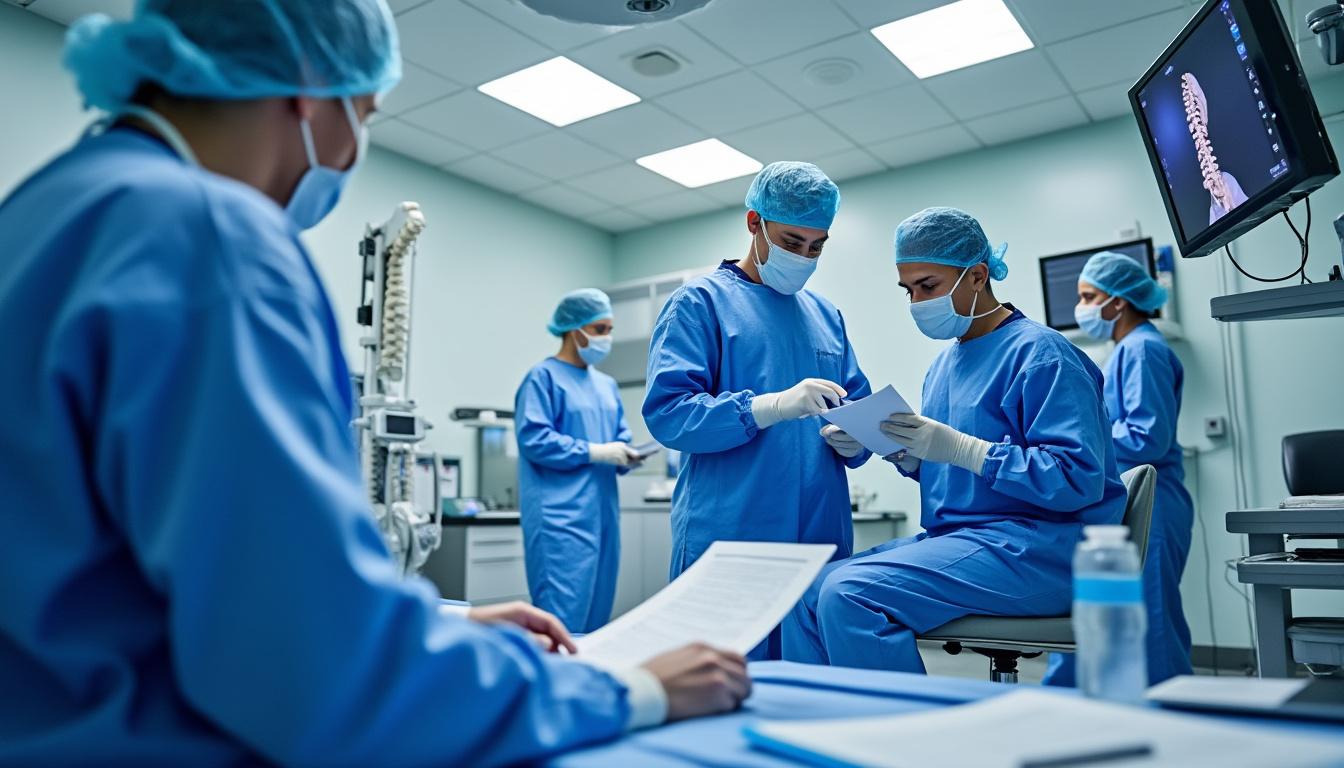
Minimally invasive spine surgery (MISS) fundamentally differs from traditional open surgery by prioritizing the preservation of surrounding tissues, musculature, and spinal biomechanics. Rather than extensive incisions and muscle disruption, MISS utilizes small incisions, often between 1 to 2 cm, supplemented with specialized surgical instruments and high-definition imaging tools to target spinal pathologies precisely. This refined approach results in a significant reduction in intraoperative trauma, less postoperative pain, and accelerated recovery periods.
Facilities such as the Longueuil MIS Clinic exemplify the forefront of these surgical advances. The collaboration between expert surgeons and multidisciplinary teams led by authorities like Dr. Sylvain Desforges ensures that patient care is both scientifically rigorous and empathetic.
Key Minimally Invasive Procedures and Their Advantages
- Decompression Surgeries: Procedures like laminectomies and discectomies relieve nerve compression causing pain or neurological symptoms. Using endoscopic and laser-assisted tools, these surgeries minimize collateral tissue damage.
- Spinal Fusion: Intended for stabilizing unstable or deformed spinal segments by promoting vertebral fusion with advanced implants, fusion surgeries restore structural integrity while using minimally invasive methods wherever possible.
- Motion-Preserving Surgeries: Incorporating dynamic implants such as those offered by Spinal Dynamics Corp and BioSpine Innovations, these procedures maintain segmental mobility while providing necessary spinal support, thus reducing adjacent segment degeneration.
Comparison of Minimally Invasive versus Traditional Open Spinal Surgery
| Characteristic | Minimally Invasive Surgery | Traditional Open Surgery |
|---|---|---|
| Incision Size | 1-2 cm | 5-10+ cm |
| Muscle Disruption | Minimal | Extensive |
| Hospital Stay | Hours to 1-2 days | Several days to weeks |
| Postoperative Pain | Lower | Higher |
| Recovery Time | Weeks | Months |
Such data underscore the transformative impact of minimally invasive approaches on patient experience and outcomes, making them particularly attractive for those seeking to maintain spinal biomechanics while addressing debilitating symptoms. Expert insights detailing these techniques can be found on the Cleveland Clinic’s comprehensive resource.
Minimally Invasive Surgery in Longueuil: Reduce Post-Surgical Risks
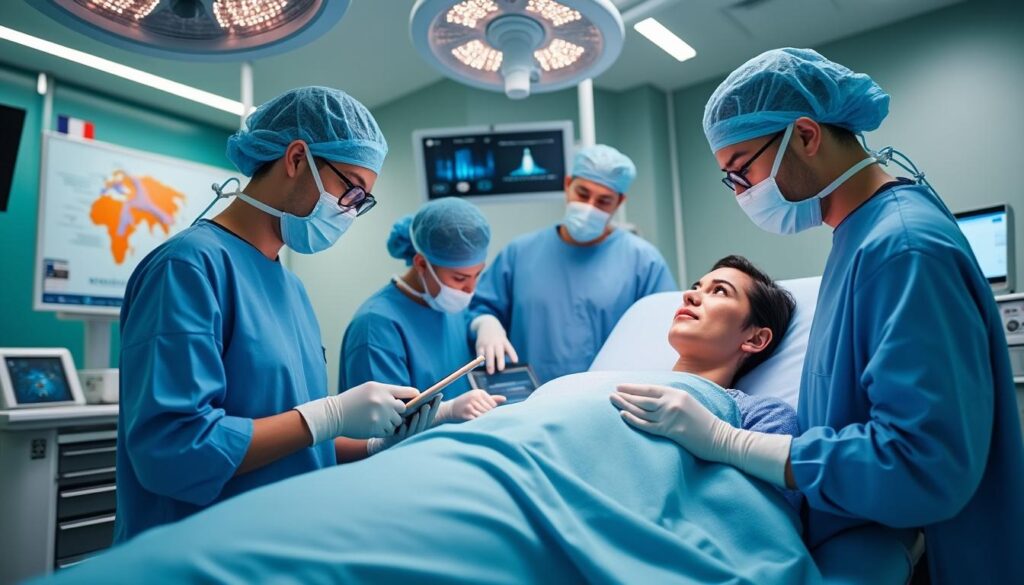
Minimally invasive surgery is redefining the landscape of patient care in Longueuil and beyond, offering transformative advantages in reducing post-surgical risks and enhancing recovery outcomes. Thanks to advances in healthcare technology, including laparoscopic and robotic-assisted techniques, patients now experience smaller…
Comprehensive Types of Spine Surgery Available in France: Enhancing Options for Quebec Patients
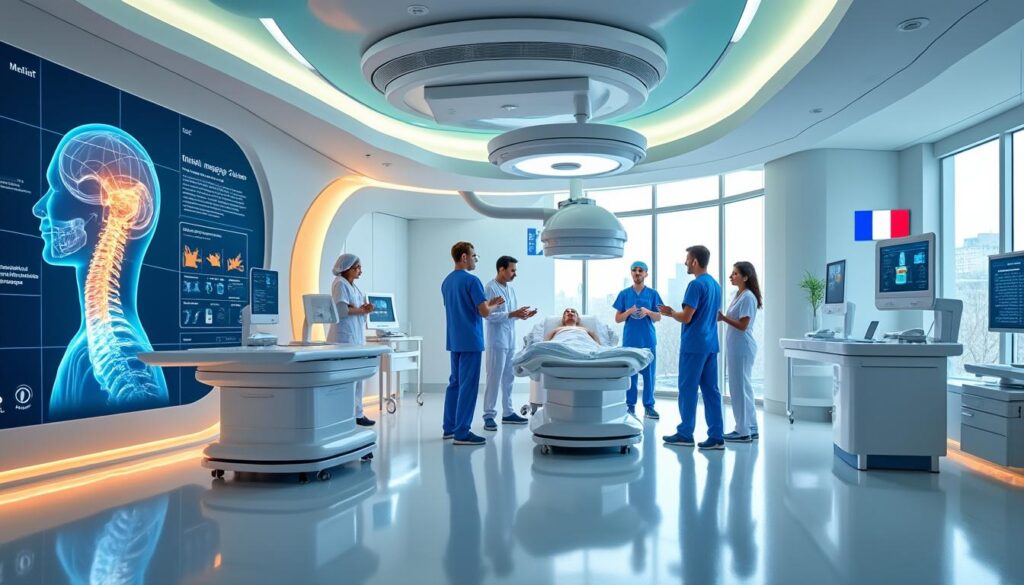
Quebec patients confronted with spinal disorders often find enhanced treatment opportunities by integrating surgical options available in France. The French healthcare system is known for pioneering state-of-the-art spinal surgeries, frequently ahead of Canadian availability, especially relating to advanced dynamic implants and motion-preserving technologies.
Dr. Sylvain Desforges plays a pivotal role in managing these transatlantic patient journeys, offering expert evaluations to determine the best-suited surgical method aligned with each patient’s spinal biomechanics and recovery goals.
Main Surgical Categories in France
- Simple Procedures: These include laminectomies and discectomies focused on nerve decompression with minimal structural alteration, ideal for patients without significant instability or deformity.
- Vertebral Fusion Surgeries: Aimed at stabilizing the spine through the fusion of vertebrae. These are often selected for conditions involving mechanical instability, severe deformities, or fractures.
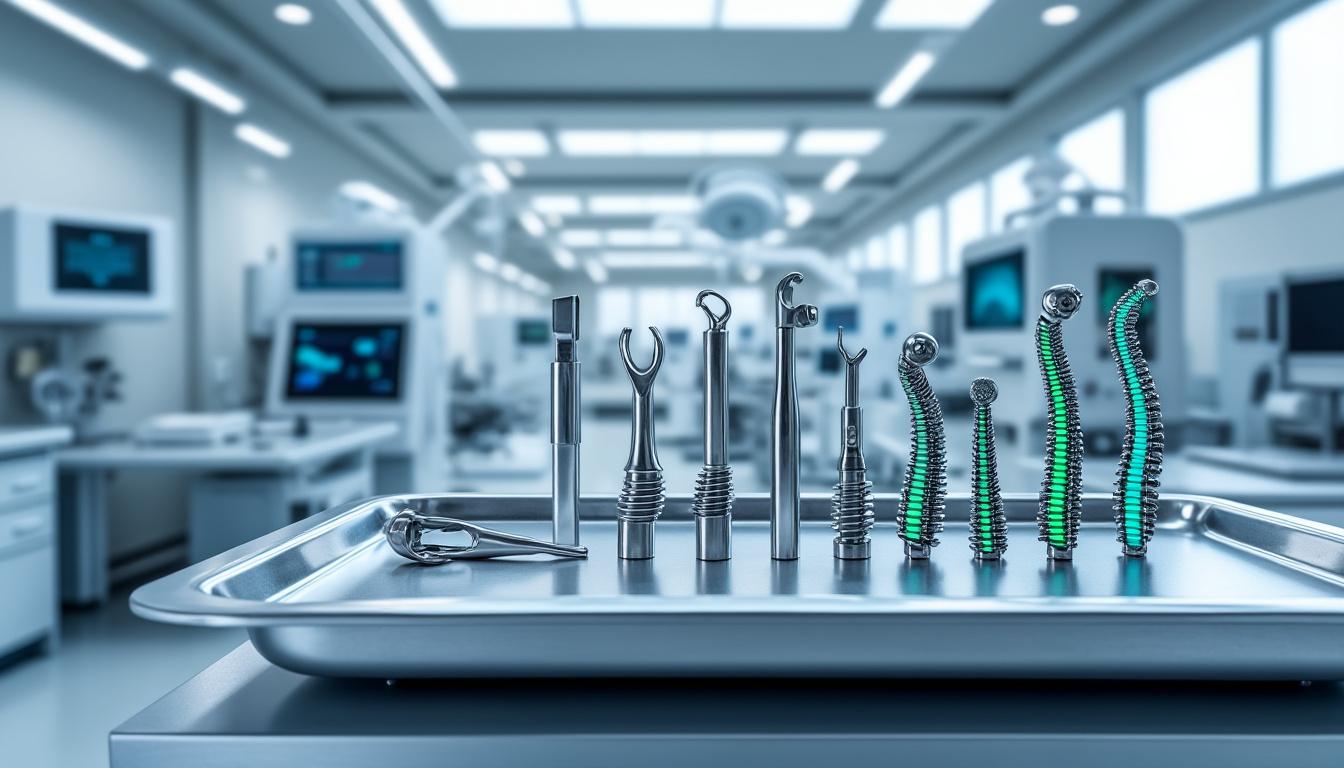
- Dynamic Implant and Motion Surgery: These innovative interventions utilize implants like the TOPS System or IntraSPINE, which support spinal segments while preserving natural mobility and biomechanics, reducing risks of adjacent segment degeneration typically seen following fusion surgeries.
Technological Innovations Supporting French Spine Surgery
| Technology | Description | Patient Benefit |
|---|---|---|
| Dynamic Implants (e.g., TOPS, IntraSPINE) | Devices allowing controlled motion post-surgery for segmental spinal support | Preserve mobility, reduce long-term degeneration |
| Laser-Assisted Procedures | Non-invasive tissue dissection and inflammation control | Reduced operative trauma, faster healing |
| Robotic-Assisted Navigation | Precision guidance during surgery to minimize risks | Improved accuracy, lower complication rates |
| High-Definition Visualization Systems | Enhanced imaging for minimally invasive corridors | Safer surgical performance, reduced errors |
For a thorough examination of these procedures and their applicability, resources such as the expert guide to French spine surgery offer invaluable perspectives.
IntraSPINE® in Laval: Quick and Effective Recovery
Chronic lower back pain remains a pressing challenge for many active individuals across Quebec, impacting their mobility and overall quality of life. With healthcare access hurdles and lengthy wait times for spinal surgeries domestically, a pioneering collaboration has emerged linking…
Essential Patient Pathway: From Evaluation to Recovery with Minimally Invasive Surgery
Successful spinal surgery transcends the operating room. Under the expert coordination of Dr. Sylvain Desforges, a structured, evidence-based care pathway ensures each patient receives personalized attention, rigorous evaluation, and seamless support throughout the surgical journey.
Stages of the Patient Care Continuum
- Initial Evaluation: Comprehensive clinical exam, imaging diagnostics, and patient history that emphasize confirming the necessity and timing of surgery while ensuring conservative treatments are exhausted.
- Conservative Treatment Verification: Confirmation that patients have undergone 3 to 6 months of conservative care, including neurovertebral decompression treatment at Clinique TAGMED, alongside physiotherapy and other non-invasive modalities.
- Multidisciplinary Consultations: Collaborative discussions involving surgeons, osteopaths, physiotherapists, and pain specialists to develop a tailored surgical and rehabilitation plan.
- Operation Planning and Scheduling: Selection of appropriate surgical center (often in France), scheduling, and logistical arrangements to optimize patient convenience and safety.
- Surgical Intervention: Minimally invasive procedure employing advanced technologies under expert supervision.
- Postoperative Recovery and Rehabilitation: Close, multidisciplinary follow-up to manage pain, restore function, and facilitate return to daily activities.
- Long-Term Monitoring: Ongoing assessment to ensure biomechanical preservation, implant success, and early detection of any complications.
This journey aims to empower patients through education and shared decision-making, emphasizing a balance between caution and innovation. Insights into such pathways are discussed in detail on platforms like the postoperative care hub.
Neck Surgery in Montreal: Preserve Cervical Mobility After Surgery
The management of cervical spine disorders presents unique challenges that often require innovative surgical techniques aimed not only at alleviating pain but also at preserving the natural mobility of the neck. In Montreal, patients seeking relief from cervical spine issues…
The Crucial Role of Conservative Treatment Before Considering Surgery
Prioritizing non-surgical approaches is a foundational tenet at the core of protocols established by Dr. Desforges and his team. Patients are encouraged to undergo a rigorous 3 to 6 month period of conservative treatment before surgery is contemplated, with a strong recommendation to include advanced neurovertebral decompression therapies available at Clinique TAGMED.
Conservative care often includes:
- Physical therapy: Tailored programs focusing on strengthening paraspinal muscles and enhancing flexibility, thus reducing mechanical stress on spinal structures.
- Medication management: Utilizing safe, evidence-based pain control methods minimizing opioid exposure.
- Neurovertebral decompression: Non-surgical relief targeting disc and nerve root pressures to mitigate symptoms.
- Laser and shockwave therapies: Innovative adjunct treatments that promote tissue regeneration.
- Osteopathic care: Manual techniques improving spinal alignment and function.
Benefits of Adequate Conservative Treatment
- May prevent or delay the need for surgery.
- Enhances patient understanding of spine health and self-management.
- Reduces surgical risks and improves postoperative outcomes.
Extensive clinical research, including systematic reviews available via PubMed archives, illustrates that this approach yields better patient satisfaction and functional results. This positions the Clinique TAGMED as a benchmark for effective conservative care.
Disc Prosthesis in Lévis: Approved Surgical Innovation
In the evolving landscape of spine health, the advent of the Disc Prosthesis in Lévis marks a significant stride in surgical innovation. This breakthrough approved medical device offers patients an advanced option for conditions previously limited to traditional fusion surgery.…
Biomechanical and Human Advantages of Minimally Invasive Procedures in Longueuil
The preservation of natural spinal biomechanics during surgical treatment is not merely a technical detail but a vital determinant of long-term patient welfare. Minimally invasive procedures ensure that muscle integrity is maintained, reducing compensatory postural strains and promoting structural stability.
- Reduced postoperative pain due to minimized tissue trauma.
- Maintained spinal mobility, particularly with the use of motion-preserving implants from innovators like Spinal Dynamics Corp.
- Lower incidence of muscle atrophy and faster rehabilitation timelines.
- Decreased risk of secondary complications such as infection and adjacent segment degeneration.
| Benefit | Impact on Patient |
|---|---|
| Lower Postoperative Pain | Improved comfort and reduced need for opioids |
| Preserved Motion | Enhanced quality of life and physical function |
| Faster Recovery | Earlier return to work and activities |
| Lower Complication Risk | Safer surgery with better long-term outcomes |
The expertise and continuous innovation cultivated by institutions like Longueuil Spine Care, alongside the leadership of Dr. Desforges, provide patients with confidence and reassurance throughout their healing journey. More detailed information regarding patient benefits can be explored on the Longueuil Spine Care resource page.
Motion Surgery in Terrebonne: Maintain Intervertebral Mobility
In recent years, the landscape of spine surgery has witnessed transformative advancements, with Motion Surgery emerging as a pivotal innovation, particularly in Terrebonne. Unlike traditional spine operations that often focus on immobilizing affected segments, Motion Surgery prioritizes preserving natural intervertebral…
Advantages of the Transatlantic Care Coordination Between Quebec and France
The integration of Canadian conservative excellence and French surgical innovation exemplifies the groundbreaking transatlantic care model championed by Dr. Sylvain Desforges. This coordination offers Quebec patients unprecedented access to dynamic, efficient, and ethical spinal care pathways unavailable locally.
- Reduced waiting periods by leveraging surgical capacity in leading French centers.
- Access to advanced surgical technologies, including motion-preserving implants and laser-assisted instrumentation.
- Personalized multidisciplinary support throughout all phases, from initial assessment through rehabilitation.
- Cost-effective, all-inclusive care packages minimizing financial and logistical burdens.
- Continuous follow-up ensuring long-term function and quality of life.
Such integration embodies the ethical, scientific, and human-centered care principles foundational to Dr. Desforges’ work. Detailed patient stories and clinical insights illustrating this journey can be found on SOS Tourisme Médical’s platform.

Lumbar Disc Prosthesis in Saguenay: Approved and Safe Solution
Chronic lower back pain has long been a pervasive health challenge in the Saguenay region, significantly impacting the daily lives of many residents. In recent years, advances in spinal care have introduced promising alternatives to traditional spinal fusion surgery, offering…
Specific Services and Unique Offerings that Differentiate Longueuil’s Approach
Longueuil’s spinal surgery framework distinguishes itself through its integrated offerings combining advanced technologies, seasoned expertise, and patient-centered teamwork. Under Dr. Desforges’ leadership and in partnership with innovative groups like SpineTech Solutions and NeuroSpine Experts, several unique services stand out:
- Advanced neurovertebral decompression treatments at Clinique TAGMED, reducing surgical necessity.
- Access to cutting-edge dynamic implants seldom available in Canada.
- Multidisciplinary team-based rehabilitation ensuring comprehensive recovery.
- Biocompatible and durable implant selection focused on long-term biomechanical preservation.
- Personalized patient education and continuous psychological support pre and post-surgery.
These elements collectively contribute to a holistic experience designed to restore well-being and function sustainably. Further details on these services are accessible through the Longueuil Spine Care expert overview.
IntraSPINE® in Sherbrooke: Improve Posture and Reduce Pain
Chronic low back pain is a pervasive challenge that affects countless individuals in Sherbrooke and beyond, limiting daily activities and reducing overall quality of life. Amidst the growing demand for effective and durable solutions, the IntraSPINE implant has emerged as…
Patient Education and the Journey to Informed Decision-Making
Demystifying spinal surgery starts with transparent, jargon-free communication. Dr. Desforges prioritizes a pedagogical approach, ensuring each patient understands the indications for surgery, its potential benefits, limitations, and the critical steps in the care continuum. This fosters patient empowerment and cooperation, essential for optimal outcomes.
- Detailed explanation of diagnosis and prognosis – what the condition means and how it affects function.
- Clear description of surgical and conservative options including expected outcomes and risks.
- Transparent discussion about postoperative recovery, rehabilitation, and lifestyle adaptations.
- Encouragement of questions and active patient participation to tailor decisions to individual needs.
- Availability for ongoing support throughout the healing process.
Such an approach assures that patients in Quebec and beyond can navigate spinal health decisions with confidence and clarity, supported by the expertise of leaders like Dr. Desforges. For additional information on this educational philosophy, visit the resource outlining eligibility and pathway guidance.
TOPS™ in Gatineau: Preserve Function and Reduce Lumbar Pain
In the evolving landscape of spine surgery, patients suffering from degenerative lumbar conditions are seeking solutions that not only alleviate pain but also preserve the natural function of the spine. The introduction of the TOPS (Total Posterior Spine) system in…
Cost and Quality Balance: Economic Advantages of Surgical Treatment Abroad
Beyond clinical benefits, the transatlantic care model offers significant economic advantages for patients in Quebec. Waiting list delays and higher costs in private Canadian care often limit timely intervention. By contrast, through carefully selected French centers and coordinated logistics, patients experience:
- Affordable comprehensive care packages including surgery, hospitalization, and rehabilitation.
- Reduced indirect costs such as loss of income due to shorter recovery times.
- Minimized travel stress with dedicated support teams managing appointments, accommodations, and follow-ups.
- Access to superior innovation that may prevent future costly revision surgeries.
This pragmatic yet advanced approach reflects leadership in patient-centered care, combining expertise from multiple disciplines to optimize economic and health outcomes alike.
What types of minimally invasive spinal surgeries can patients in Longueuil access?
Patients can access decompression surgeries, spinal fusion, and motion-preserving procedures using advanced tools and implants to minimize tissue damage and optimize recovery.
Why is a conservative treatment period recommended before surgery?
Completing a 3 to 6 month trial of conservative care, including neurovertebral decompression at Clinique TAGMED, helps reduce unnecessary surgeries and prepares patients for optimal surgical outcomes if needed.
How does the transatlantic care coordination between Quebec and France benefit patients?
This model offers faster surgical access, advanced technology, comprehensive multidisciplinary support, and cost-effective care, improving patient outcomes and satisfaction.
What are dynamic spinal implants and how do they help maintain biomechanics?
Dynamic implants provide stability while preserving natural spinal motion, reducing the risk of adjacent segment degeneration and enhancing long-term spine health.
How does patient education impact spinal surgery outcomes?
Clear, jargon-free explanations empower patients to make informed decisions, improve adherence to treatment plans, and foster proactive participation in recovery, ultimately enhancing outcomes.