How Conservative Treatments Compare to Surgery in Enhancing Clinical Outcomes
June 29, 2026
Vaudreuil-Dorion Neck Herniation Recovery for Professionals
June 29, 2026
Chronic low back pain is an affliction that disproportionately impacts active individuals who strive to maintain their dynamic lifestyles amidst physical discomfort. For many in Quebec, the conventional pathways to spinal surgery involve long waiting periods and substantial financial barriers, particularly in private health care settings. This scenario has led to an increased interest in innovative and minimally invasive spinal interventions abroad, with France emerging as a leading destination thanks to its advanced surgical technologies and expertise.
Among the most promising advancements available in 2026 is the IntraSPINE implant procedure now accessible in Laval. This dynamic interlaminar stabilization system offers a tailored surgical option that emphasizes quick recovery, spinal mobility preservation, and sustainable pain relief. Spearheaded in its evaluation and coordination by Dr. Sylvain Desforges, a seasoned expert with over 30 years of experience and founder of major osteopathic organizations, this pathway embodies a scientifically rigorous and ethically sound approach to spinal care.
The IntraSPINE approach capitalizes on minimally invasive techniques that reduce tissue trauma and expedite functional rehabilitation, making it particularly suitable for active patients who cannot afford extended downtime. Coupled with a transatlantic network that integrates conservative preoperative management and postoperative rehabilitation, this solution presents a comprehensive, patient-centric model bridging Quebec and France.
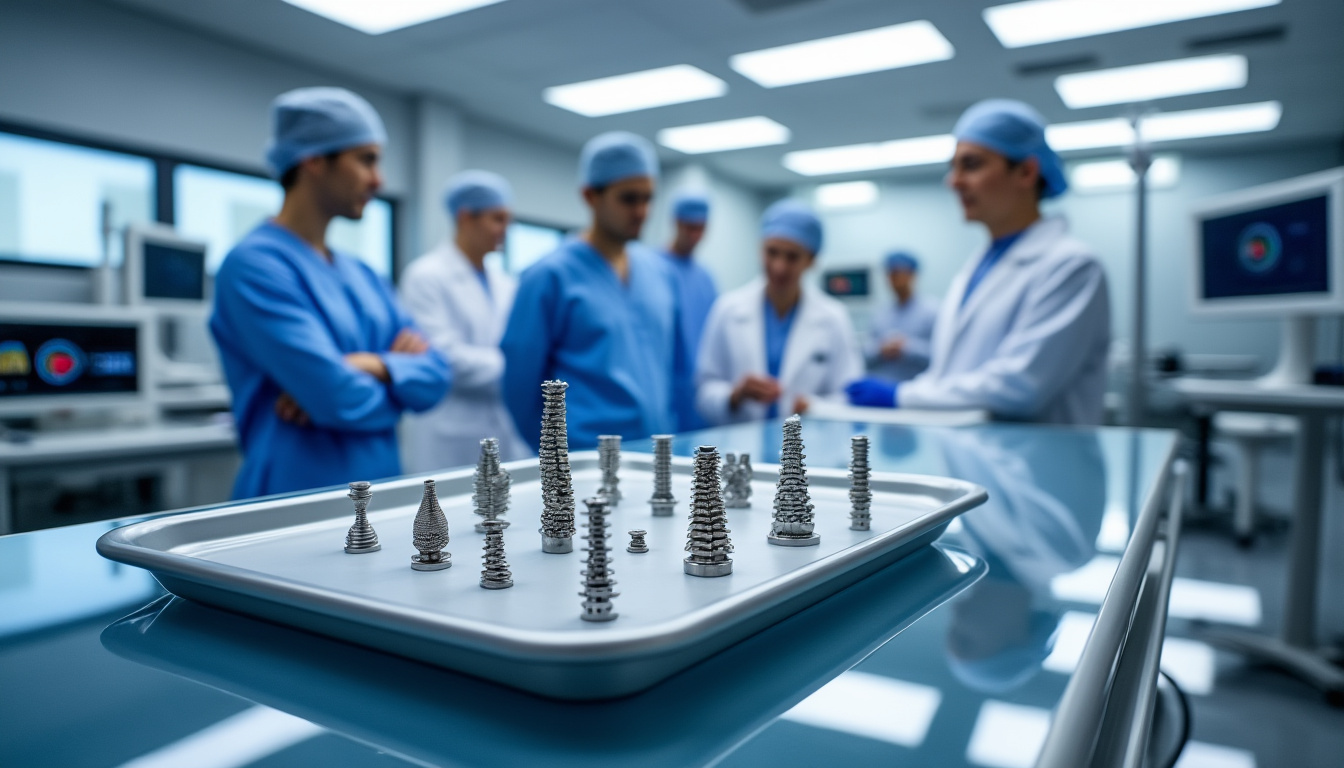
Varieties of Spinal Surgery in France: Options Tailored for Active Quebec Patients
France is renowned for its cutting-edge spinal surgery landscape, providing a spectrum of interventions tailored to diverse spinal conditions and patient activity levels. Understanding these distinct surgical modalities is crucial for Quebec patients considering the transatlantic care pathway facilitated by experts such as Dr. Desforges.
Simple Decompression Procedures
Simple decompression surgeries, like discectomy or laminectomy, target neural element relief by removing offending disc material or bone spurs that compress nerve roots. These procedures preserve overall spinal stability and are often indicated for localized radicular pain or moderate spinal stenosis.
- Typically involve removal of herniated disc fragments or bony structures.
- Short operative times and accelerated healing compared to fusion surgeries.
- Preserve most spinal segment mobility, suitable for patients seeking quick functional recovery.
While effective in pain alleviation, simple decompression may not address underlying instability for more degenerative cases, necessitating alternative approaches.
Fusion Surgeries: Stability at a Cost
Spinal fusion involves mechanically joining vertebrae to eliminate pathological motion, effectively stabilizing the segment. This method is indicated for severe degenerative disc disease, spondylolisthesis, or spinal deformities where stabilization outweighs motion preservation concerns.
- Provides durable segmental immobilization, reducing motion-induced pain.
- Typical recovery spans several months due to the extent of bone graft fusion and soft tissue healing.
- Drawbacks include loss of natural spinal motion and increased risk of adjacent segment degeneration as biomechanical stress shifts.
Despite its effectiveness, fusion’s impact on mobility makes it less ideal for patients prioritizing activity continuity.
Motion Preservation Techniques Incorporating Dynamic Implants
Emerging as superior alternatives for certain patient profiles, motion-preserving techniques like the IntraSPINE implant offer a dynamic stabilization without sacrifcing physiological movement. These implants, made from biocompatible materials such as medical-grade dimethyl siloxane, are placed interlaminarly to support and decompress the spine while enabling motion.
- Preserve lumbar lordosis and spinal segmental mobility
- Reduce the biomechanical stress on adjacent segments, diminishing secondary degeneration
- Allow minimal invasiveness, with a faster functional recovery timeline
| Type of Surgery | Primary Goal | Impact on Mobility | Average Recovery | Key Device Manufacturers |
|---|---|---|---|---|
| Simple Decompression | Relieve nerve pressure | Preserves motion | Several weeks | Medtronic, DePuy Synthes |
| Fusion Surgery | Stabilize spinal segments | Restricts motion | Several months | Zimmer Biomet, NuVasive |
| Motion Preservation (e.g. IntraSPINE) | Pain relief while maintaining motion | Preserves motion | Weeks to few months | Stryker, Globus Medical, Cousin Surgery |
With this landscape, Dr. Desforges champions a multi-disciplinary, patient-centered decision process, leveraging France’s advancements like IntraSPINE, to better align surgical options with Quebec patients’ lifestyle priorities.
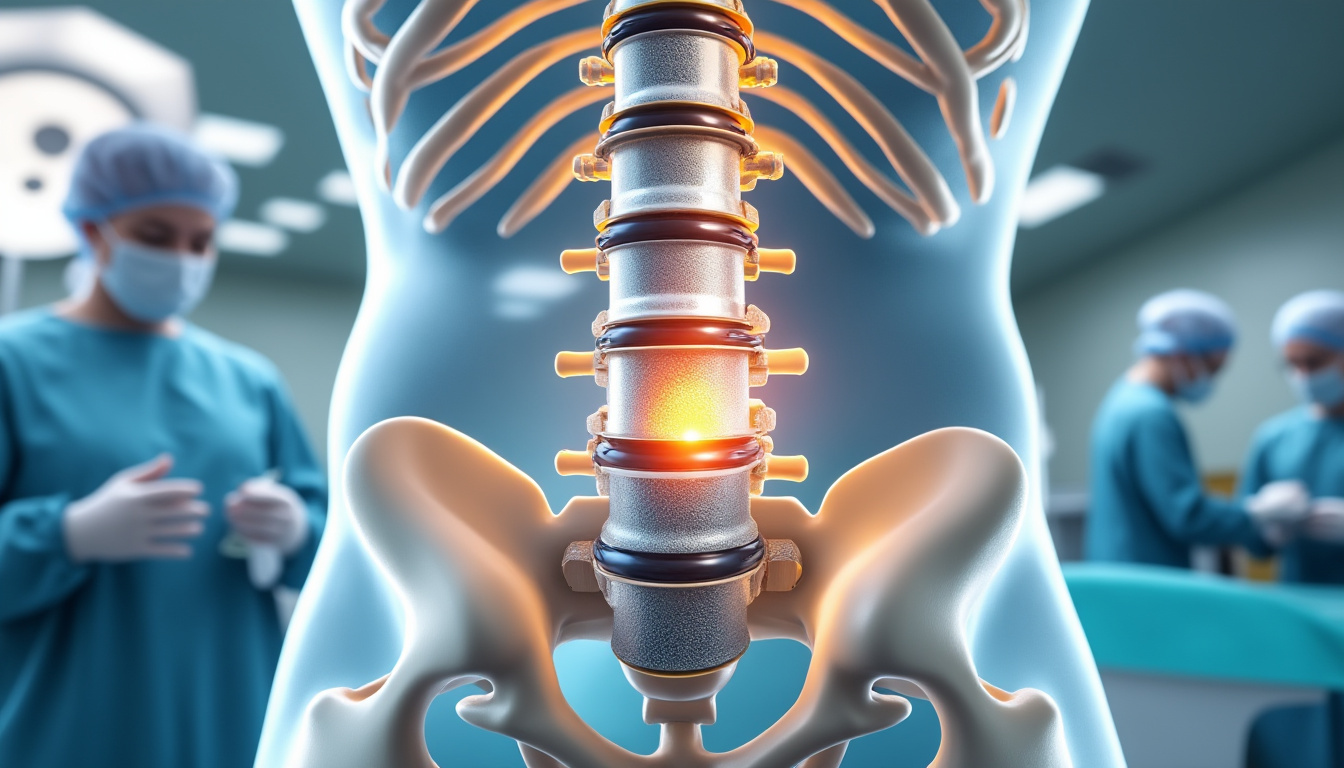
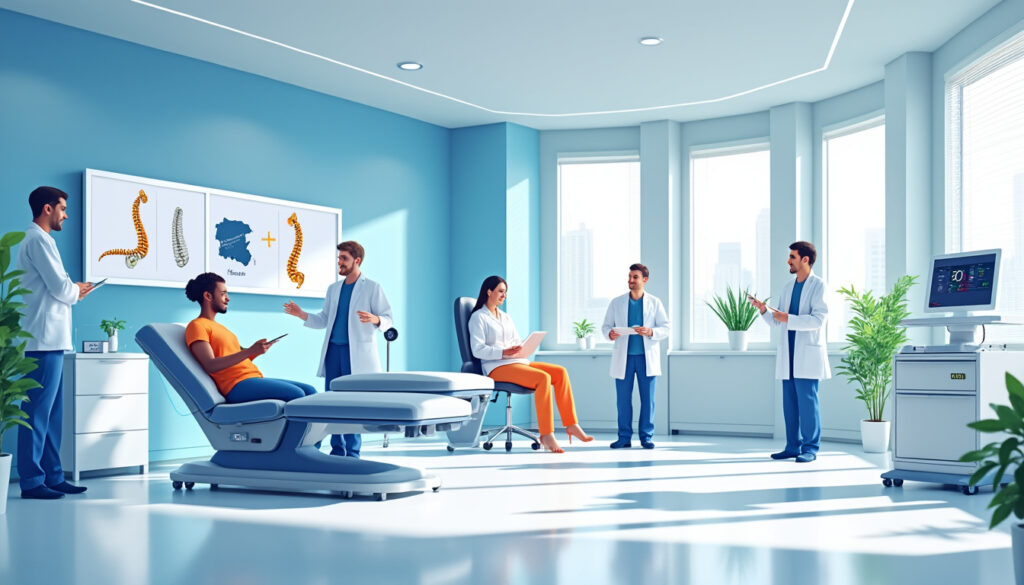
IntraSPINE® in Sherbrooke: Durable Solution for Chronic Low Back Pain
The management of chronic low back pain, a widespread condition affecting millions across Quebec and beyond, has reached a pivotal moment thanks to innovative medical technologies and coordinated care pathways. At the heart of this evolution lies the IntraSPINE implant,…
Patient Pathway: From Meticulous Evaluation to Coordinated Transatlantic Surgery and Recovery
The journey towards an IntraSPINE procedure undertaken in France begins with an expert spinal evaluation, followed by a combination of conservative management and detailed transatlantic coordination—a process masterfully navigated by Dr. Sylvain Desforges.
Rigorous Initial Assessment and Conservative Care
The first step involves an in-depth clinical and imaging evaluation at the Clinique TAGMED, where the focus remains on exhausting conservative treatment modalities such as advanced neurovertebral decompression—a therapy minimizing disc pressure and enhancing spinal function. Dr. Desforges ensures that patients undergo a minimum of three to six months of such care, potentially avoiding unnecessary surgery and optimizing surgical candidates’ condition.
- Comprehensive clinical examination and diagnostic imaging review
- Robot-assisted lumbar traction and decompression therapies
- Monitoring symptom progression and functional improvement
Organizing Surgery in France: Ensuring Efficiency and Safety
If surgery becomes necessary, the transatlantic network orchestrated by Dr. Desforges and partners like Franchir arranges a seamless referral to a facility in France specializing in IntraSPINE implantation. All logistics, from travel to accommodation, are structured to reduce waiting times and maintain strict adherence to Canadian and Quebec medical regulations, ensuring patient safety and care continuity.
Postoperative Rehabilitation Back in Quebec
After the minimally invasive IntraSPINE surgery, patients return to Quebec for personalized rehabilitation support primarily provided by Neurothérapie Montréal. This stage focuses on restoring functional mobility, strengthening spinal musculature, and gradually resuming daily activities with guidance tailored to individual progress.
| Stage | Key Activities | Responsible Providers |
|---|---|---|
| Initial Evaluation | Comprehensive functional assessment and conservative treatment | Dr. Sylvain Desforges, TAGMED Clinique |
| Surgical Planning | Selection of surgeon, logistical coordination, and patient education | Franchir, French Surgical Centers |
| Postoperative Care | Rehabilitation and functional recovery monitoring | Neurothérapie Montréal, Local Rehabilitation Clinics |
This tripartite framework reflects a patient-centered approach blending innovation, expertise, and human support, mitigating the challenges of international surgery pathways.
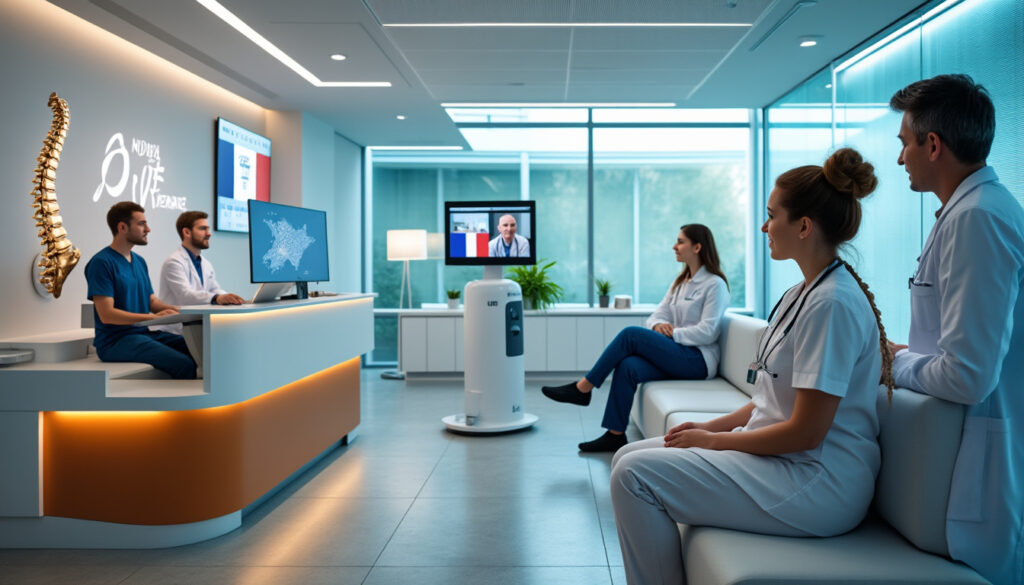
Spine Surgery in Trois-Rivières: Reduce Pain and Preserve Mobility
In recent years, spine surgery in Trois-Rivières has evolved notably, combining advanced medical expertise with innovative technologies to deliver patient-centered care. This growing field addresses the increasing demand among Quebec residents seeking effective solutions for chronic back pain and mobility…
Biomécanical Benefits of the IntraSPINE Implant: A New Paradigm in Spinal Mobility Preservation
The hallmark of the IntraSPINE device lies in its unique dynamic stabilization designed to maintain spinal flexibility while alleviating pain through targeted decompression. Unlike traditional fusion, this implant is interlaminar and interspinous.
Preserving Natural Spinal Motion
The IntraSPINE occupies the interspinous space, providing laminar support through a medical-grade, biocompatible dimethyl siloxane material covered with polyethylene terephthalate. It decompresses nerve roots, reopens narrowed neuroforamina, and preserves sagittal balance. This facilitates sustained functional mobility—an outcome especially valuable for active patients.
Biomechanical Force Redistribution
Biomechanical studies, including finite element analyses, demonstrate that IntraSPINE redistributes forces across intervertebral discs and facet joints, lessening uneven loading that leads to degeneration. This equilibrium reduces inflammation and pain, enabling a quicker functional recovery with less risk of adjacent segment disease compared to fusion techniques.
- Maintenance of lumbar lordosis and intersegmental motion
- Reversibility and adjustability of the implant position
- Reduction of facet joint stress and degeneration
- Decompression of nerve roots minimizing radicular symptoms
The dynamic properties enable early postoperative mobilization, improving rehabilitation outcomes and facilitating earlier returns to work and sport.

TOPS™ in Gatineau: High-Performance Option for the Lumbar Spine
The landscape of spinal surgery has witnessed profound evolution, particularly for patients grappling with lumbar spine disorders such as spinal stenosis and spondylolisthesis. These conditions, increasingly prevalent among Quebec’s population, impose substantial limitations on mobility and quality of life. The…
Advantages of the IntraSPINE Minimally Invasive Surgery for Quick Recovery in Active Patients
Designed with the active patient in mind, the IntraSPINE implantation procedure in Laval involves a mini-invasive surgical technique that significantly reduces hospital stay and accelerates recovery timelines.
Fast and Safe Procedure
Typically completed in under one hour, the surgical approach avoids extensive soft tissue dissection, reducing postoperative pain and scarring. Early mobilization is encouraged immediately post-surgery, supported by comprehensive pain management protocols coordinated by Dr. Desforges.
Preservation of Functional Performance
By maintaining spinal mobility, patients experience less stiffness and retain better posture and spine mechanics compared to fusion surgery. This facet is critical for those whose daily activities involve physical labor, sports, or demanding occupational tasks.
Clinical Evidence Supporting Benefits
Contemporary clinical studies document significant improvement in back pain relief, functional scores, and patient satisfaction among IntraSPINE recipients. Notably, its minimally invasive nature correlates with shorter rehabilitation periods and lower complication rates.
The implant’s design allows for future adjustments or explantation without the need for extensive surgical revisions, supporting a progressive care model aligned with individualized patient needs. These benefits collectively ensure that active patients in Laval can look forward to a durable spine treatment option optimized for their lifestyle demands.
For further clinical insights and patient experiences detailing the advantages of IntraSPINE, visit IntraSPINE in Laval: Quick Recovery for Active Patients.
Cervical Disc Prosthesis in Quebec City: Avoid Post-Surgery Stiffness
Chronic neck pain remains a significant challenge for thousands of residents in Quebec City every year, often leading them to seek effective spinal surgery options that minimize downtime and maximize long-term mobility. Among the recent advancements revolutionizing cervical spine care,…
Economic and Human Considerations in Choosing a Transatlantic IntraSPINE Pathway
For Quebec patients confronting the delays and costs of private spine surgery, opting for a transatlantic surgical plan in France provides compelling financial and human benefits. Through strategic partnerships and expert facilitation by Dr. Desforges, patients can access advanced devices like IntraSPINE at transparent, competitive prices without sacrificing quality.
Cost-Effectiveness
French surgical centers offer bundled pricing that typically includes preoperative consultations, surgery, inpatient care, and postoperative rehabilitation. This contrasts with fragmented or prohibitive costs often encountered in local private practices.
Enhanced Patient Experience
Alongside economic advantages, the pathway emphasizes empathetic support, patient education, and seamless transitions between countries. Dr. Desforges’s coordination reduces uncertainties and streamlines surgical timelines, ultimately improving satisfaction and clinical outcomes.
| Benefit Type | Advantages for Quebec Patients | Comparison with Local Options |
|---|---|---|
| Cost | Transparent, bundled care pricing | Often more affordable than Quebec private surgeries |
| Access to Innovation | State-of-the-art implants and minimally invasive techniques | Availability limited locally |
| Continuity of Care | Personalized coordinated follow-up on both sides of the Atlantic | Rarely matched by local services |
| Patient Satisfaction | Empathetic, transparent, and holistic approach | Fewer support resources in local settings |
It is crucial that patients are fully informed and actively involved throughout their care journey, empowering them to make decisions that align with their values and lifestyles.
Minimally Invasive Surgery in Longueuil: Reduce Hospital Stay Duration
In recent years, advances in spinal care have dramatically reshaped the treatment landscape for patients suffering from debilitating spinal conditions. Particularly in Longueuil, the emergence of minimally invasive surgery (MIS) techniques offers a transformative alternative to conventional open surgeries. These…
The Essential Role of Conservative Treatment Before Considering IntraSPINE Surgery
While surgical innovation offers hope to many, Dr. Desforges emphasizes that IntraSPINE surgery must only be considered after thoroughly exploring conservative care methods for at least three to six months.
Conservative Treatment Modalities at Clinique TAGMED
Under Dr. Desforges’s supervision, patients undergo state-of-the-art neurovertebral decompression therapies, robotic lumbar traction, and targeted physiotherapy designed to alleviate pain and improve function without surgery. These interventions frequently yield significant symptom relief, reducing or delaying surgical needs.
Optimization of Surgical Outcomes
Should surgery become necessary, preoperative conservative treatment optimizes tissue health, muscle function, and overall patient readiness, increasing the likelihood of successful surgical and rehabilitative outcomes.
Patient Empowerment and Safety
This evidence-based approach reflects Dr. Desforges’s commitment to ethical care and patient safety, aligning with Quebec and Canadian regulatory standards that discourage premature surgical interventions and prioritize non-invasive solutions.
- At least 3–6 months of documented conservative therapy
- Inclusion of decompression neurovertébrale if not previously tried
- Continuous monitoring of symptom evolution and functional status
- Reassessment and informed decision-making support
The Clinique TAGMED remains a benchmark for such advanced conservative care, offering Quebec patients access to expertly delivered, cutting-edge non-surgical options before considering transatlantic spinal interventions.
IntraSPINE® in Laval: Modern Solution for Lumbar Stabilization
In the evolving landscape of orthopedic treatments, the city of Laval has become a hub for innovations addressing chronic lower back pain. Among the groundbreaking solutions gaining attention is the IntraSPINE device—a modern spinal implant designed to offer dynamic lumbar…
Postoperative Rehabilitation and Long-Term Follow-Up Coordinated Across Quebec and France
Successful spinal surgery extends beyond the operating room, relying heavily on personalized postoperative rehabilitation. Neurothérapie Montréal, in coordination with French surgical teams, provides a structured, phased rehabilitation program tailored to each patient’s condition and recovery progress.
Phased Rehabilitation Approach
- Initial phase focuses on pain control and gentle mobilization
- Intermediate phase emphasizes lumbar and cervical muscular strengthening
- Advanced phase supports gradual return to occupational and sporting activities
- Ongoing follow-up evaluates functional gains and adjusts therapy accordingly
Continuity of Care and Patient Education
Through regular consultations and innovative telemedicine options, patients maintain close contact with multidisciplinary teams ensuring coherent recovery strategies and timely interventions if complications arise.
This integrated care design reaffirms the patient’s central role and supports sustained spinal health and quality of life.
Neck Surgery in Montreal: Maintain Cervical Flexibility and Function
Neck conditions causing persistent pain or functional loss place a substantial burden on individuals and healthcare systems, especially in urban centers like Montreal. Surgical interventions targeting the cervical spine have evolved tremendously, aiming not only to relieve symptoms but to…
Modern Alternatives: Comparing IntraSPINE to Other Dynamic Implants and Surgical Techniques
The field of spinal surgery in France offers a variety of dynamic implants and minimally invasive approaches beyond IntraSPINE, including the TOPS system and endoscopic procedures. Dr. Desforges guides patients through these options based on clinical indications.
| Technique | Principle | Advantages | Limitations |
|---|---|---|---|
| IntraSPINE | Interspinous dynamic stabilization preserving motion | Minimally invasive, quick recovery, preserves mobility | Best suited for moderate stenosis, less effective for severe deformities |
| TOPS System | Posterior dynamic stabilization with pedicle attachment | Superior segmental stability while maintaining motion | Longer surgery, higher complication risk |
| Spinal Fusion | Rigid immobilization of vertebral segments | High reliability for severe instability | Loss of motion, increased adjacent segment disease risk |
| Endoscopic Surgery | Minimally invasive nerve decompression via micro-camera | Least invasive, quick recovery, minimal pain | Limited to specific cases, expertise necessary |
By evaluating these alternatives through a lens of scientific rigor and personalized patient care, Dr. Desforges ensures that each individual’s spinal health plan is optimally matched to their specific pathology and lifestyle.
What is the IntraSPINE implant and how does it differ from spinal fusion?
The IntraSPINE implant is a dynamic stabilization device inserted between the vertebral spinous processes to preserve natural spinal motion and provide nerve decompression. Unlike spinal fusion, which immobilizes sections of the spine, IntraSPINE maintains segmental mobility, facilitating quicker recovery and reducing risks of degeneration in adjacent segments.
Why is conservative treatment important before considering IntraSPINE surgery?
Conservative treatment including neurovertebral decompression and physical therapy for at least three to six months is essential to optimize patient condition, often alleviating symptoms without surgery. This approach reduces unnecessary surgical interventions and improves outcomes if surgery becomes needed.
How is postoperative rehabilitation coordinated after IntraSPINE surgery?
Postoperative care is coordinated between French surgical teams and Quebec rehabilitation centers like Neurothérapie Montréal. A phased rehabilitation program emphasizes pain control, mobility restoration, muscle strengthening, and gradual return to activities, with telemedicine options for ongoing follow-up.
Who manages the transatlantic surgical care pathway?
Dr. Sylvain Desforges, a highly qualified spinal care expert, oversees the comprehensive transatlantic pathway including initial assessment, coordination with French surgical centers, patient education, and follow-up to ensure safety and quality.
Is the IntraSPINE procedure appropriate for active patients?
Yes, IntraSPINE is specifically designed for active individuals seeking to maintain spinal mobility and return to physically demanding lifestyles with reduced postoperative downtime and sustained pain relief.

Disc Prosthesis in Lévis: Quick and Long-Lasting Results
Chronic back pain caused by degenerative disc disease continues to profoundly impact the quality of life for many residents in Lévis and the broader Quebec area. For decades, traditional spinal fusion surgery has been the primary solution for alleviating severe…