
Hospitals and Partner Surgeons: Essential Insights Every Patient Must Know
June 29, 2026
IntraSPINE® in Laval: Quick Recovery for Active Patients
June 29, 2026
In the evolving landscape of spinal care, patients and practitioners alike confront a pivotal dilemma: the choice between conservative treatments and surgical intervention. Decisions hinge not only on symptom severity but also on long-term clinical outcomes, patient safety, and recovery trajectories. With burgeoning advancements in non-surgical therapy techniques paralleled by refinements in surgical procedures, comprehending the comparative effectiveness of these paths becomes indispensable. From cost considerations to personalized treatment plans, the latest insights unfold a nuanced narrative that extends beyond the binary of surgery versus conservative care, underscoring the importance of individualized approaches and interdisciplinary collaboration.
Recent developments reveal that while surgery often promises rapid symptom relief, conservative treatments may offer sustainable improvements with reduced complications and healthcare costs. Spinal pathologies, known for their complexity, demand a resilient strategy that balances immediate and long-term needs of patients. The emergence of innovative modalities such as neurovertebral decompression and dynamic stabilizing implants indicates that non-surgical options are gaining robust efficacy and bear critical value in averting premature surgical interventions. Moreover, the rise of integrated transatlantic care frameworks facilitates access to cutting-edge surgical expertise allied with comprehensive conservative management, transforming patient journeys and outcomes in 2026.
Comparing Effectiveness of Conservative Treatments and Surgery in Spinal Disorders
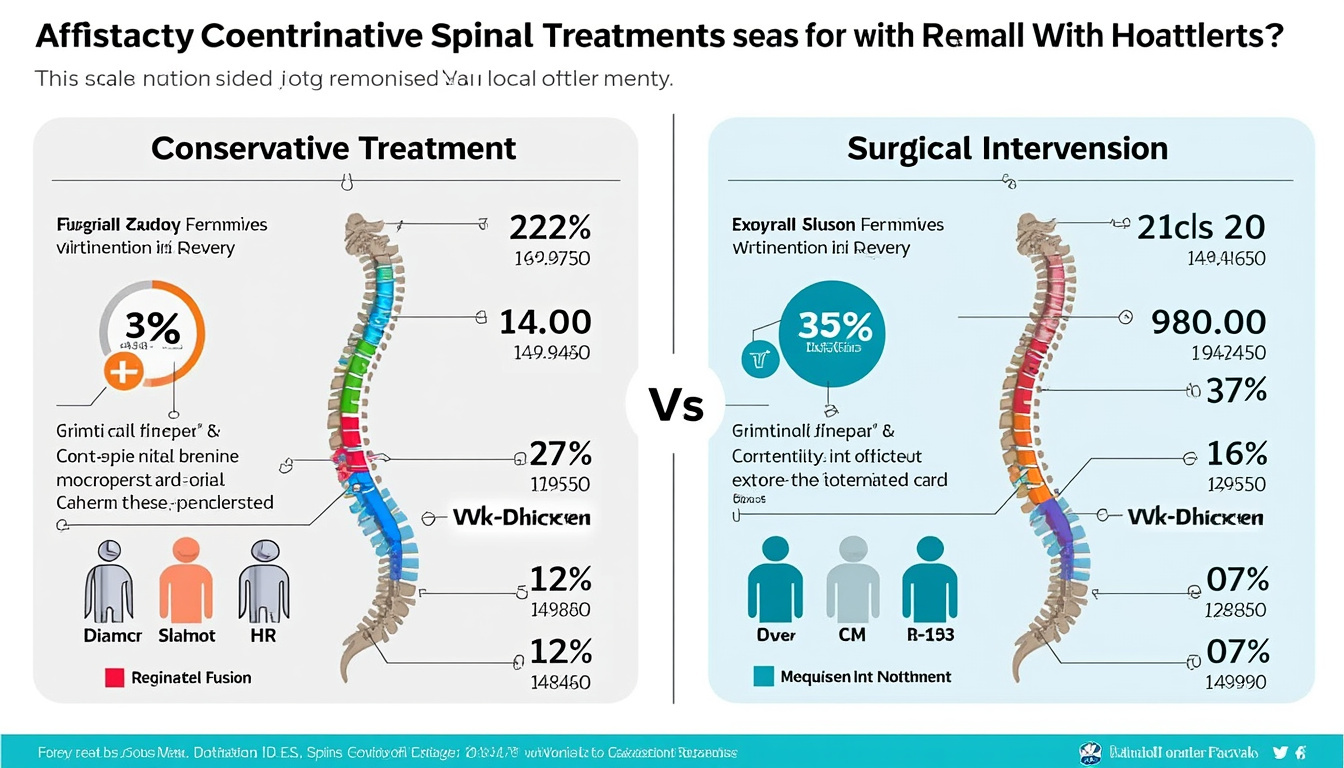
Evaluating the clinical outcomes of conservative treatments versus surgery reveals a landscape rich with complexity and nuance. Conservative treatments, including physiotherapy, pharmacologic management, and advanced neurovertebral decompression, are designed to alleviate pain, improve functional capacity, and minimize intervention risks. For many patients, especially those with moderate spinal degeneration or radiculopathy, non-surgical therapy provides gradual but sustained improvement. The utilization of computer-controlled cervical and lumbar traction has emerged as a key innovation offering targeted nerve decompression without incisions, fostering tissue repair and function restoration.
Conversely, surgery is considered a last-resort option reserved for individuals with severe structural abnormalities, neurological deficits, or those unresponsive to prolonged conservative care. Modern spinal surgical techniques involve advanced fusion procedures and motion preservation strategies using dynamic implants, enabling stabilization with maintained spinal mobility. These procedures often afford rapid pain relief and functional gains but accompanied by risks such as surgical complications and longer recovery periods.
Large-scale analyses and meta-analyses confirm that conservative treatments demonstrate comparable effectiveness to surgery in improving patient-reported outcomes such as pain reduction and functional status, particularly in degenerative disc disease and lumbar disc prolapse. A systematic review highlights that conservative pathways result in fewer adverse events, reinforcing the prioritization of non-surgical therapy in initial management protocols. However, surgery maintains an edge in patients requiring mechanical stabilization or decompression beyond the capacity of conservative modalities.
Clinical decision-making now embraces this evidence base to promote individualized treatment algorithms rather than default surgical pathways. This shift improves patient safety by avoiding unnecessary surgical risks and optimizes healthcare costs. The integration of detailed patient history, imaging, and functional assessments enables tailoring the conservative versus surgical approach in accordance with specific anatomical and physiological factors.

Understanding Sciatic Pain: Key Symptoms and When to Seek Medical Advice
Sciatic pain is a prevalent condition impacting a wide demographic, manifesting primarily as intense pain radiating from the lower back down the leg. This pain stems from irritation or compression of the sciatic nerve, a major nerve extending through the…
Advancements in Non-Surgical Therapy: Revolutionizing Pain Management and Functional Recovery
Non-surgical therapy has seen remarkable advancements that elevate its role in managing spinal conditions. Among these innovations, neurovertebral decompression stands out as a transformative technique executed through computer-guided traction systems. This approach focuses on relieving nerve root compression by precisely controlling spinal segment distraction, promoting nerve gliding and reducing inflammation with minimal discomfort. Clinics specializing in this modality report substantial improvements in pain management and functional outcomes, often forestalling the need for surgery.
Physiotherapy remains a cornerstone of conservative treatment. Modern protocols emphasize not only pain alleviation but also muscle strengthening, postural correction, and flexibility enhancement. Personalized exercise regimens tailored to the patient’s spinal pathology enhance recovery time and limit recurrence risk. Pharmacotherapy complements this by using non-opioid analgesics and anti-inflammatory agents to control symptoms while avoiding the complications linked to systemic steroid or opioid use.
These combined modalities leverage patient education and active participation, which are critical for long-lasting benefits. The interdisciplinary approach encompassing physical therapists, pain specialists, and spinal surgeons ensures optimized non-surgical therapy protocols that adapt over time to patient progress and responses.
Emerging evidence underscores that conservative treatments offer a safer, cost-effective alternative especially valuable in early and moderate stages of spinal disorders. Emphasizing such approaches reflects a commitment to patient safety while fostering sustainable clinical outcomes, strengthening their position as first-line interventions in contemporary spinal care models (learn more about conservative treatment modalities).

The Stepwise Role of Functional Recovery in Achieving Successful Outcomes
The journey to full recovery following spinal surgery is often complex and multifaceted, demanding a meticulously structured approach to ensure optimal functional outcomes. In recent years, the concept of functional recovery through a stepwise approach has garnered significant attention in…
Innovations in Surgical Techniques: Enhancing Clinical Outcomes and Reducing Recovery Time
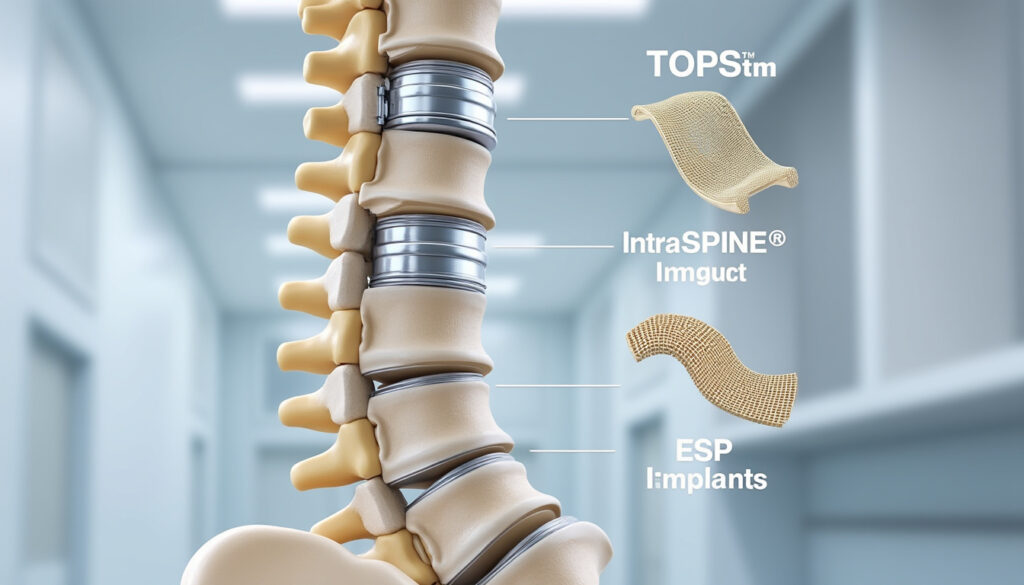
Surgical interventions for spinal conditions have evolved significantly with the introduction of minimally invasive and motion preservation techniques. Fusion surgeries now often utilize dynamic implants designed to stabilize pathological segments while preserving adjacent spinal motion. This evolution addresses historic concerns over post-fusion segmental stiffness and adjacent segment degeneration. Advanced biomaterials and implant designs optimized through biomechanical research have improved osseointegration and load distribution, resulting in durable pain relief and improved function.
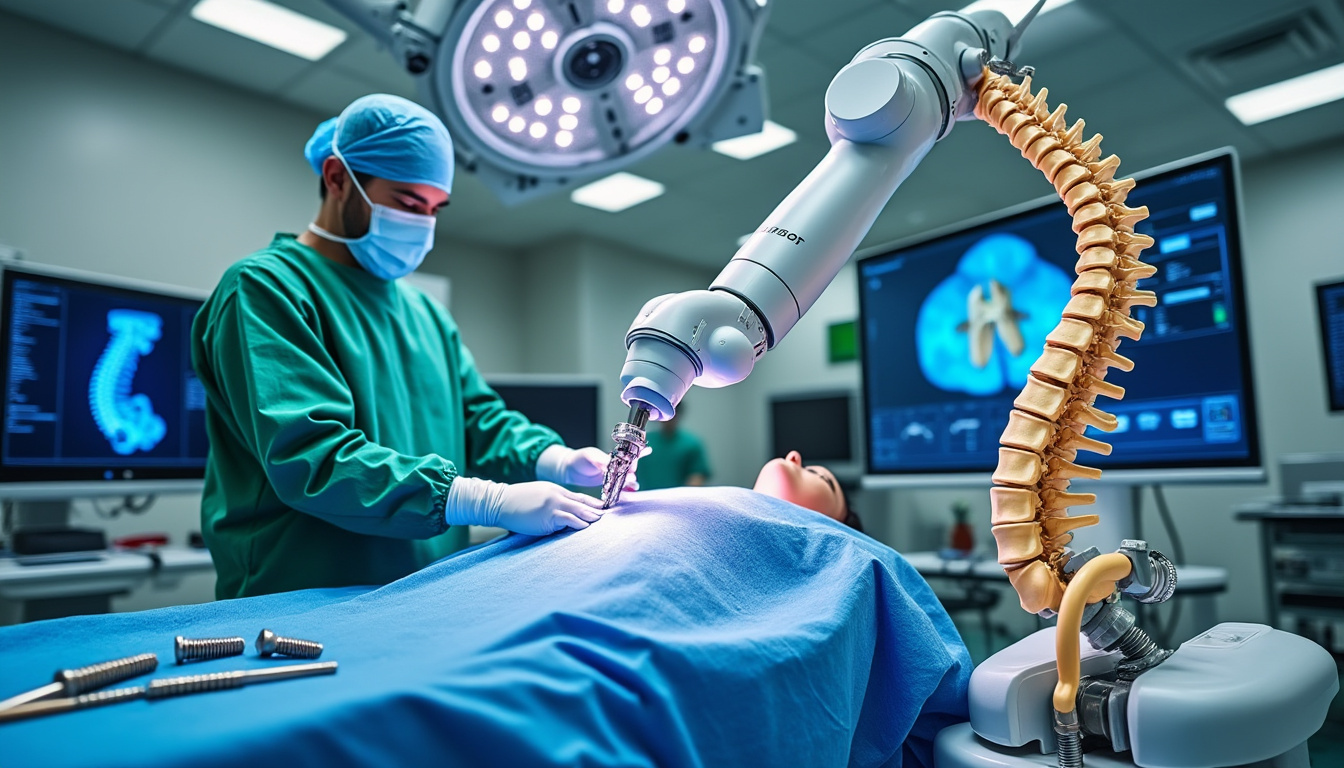
Minimally invasive surgeries, including endoscopic decompressions and robotic-assisted navigation, have minimized soft tissue trauma, substantially reducing hospital stays and accelerating recovery time. The integration of 3D imaging combined with robotic platforms supports precise placement of implants and reduces complication rates. These technological breakthroughs align with the priority of enhancing patient safety and achieving superior clinical outcomes.
Despite their advantages, surgical approaches carry inherent risks such as infections and neurological complications. Yet, ongoing research in France and globally influences practice patterns favoring surgery for patients with pronounced nerve compression, instability, or deformities after failure of conservative treatments. Coordinated transatlantic patient pathways increasingly leverage these innovations, ensuring timely access to cutting-edge spinal surgery with comprehensive pre- and post-operative care (explore surgical innovations in spinal care).

Transatlantic Patient Journey: Insights into Indications, Benefits, and Challenges
The emergence of the Transatlantic Patient Journey as a strategic model within healthcare continues to capture attention for its innovative potential, especially in specialized fields such as spinal surgery. This cross-border care pathway integrates rigorous medical evaluation from Quebec with…
Integrative Patient Pathways: Coordination Between Conservative Treatment and Surgical Intervention
Optimizing clinical outcomes necessitates a structured and integrative approach between conservative therapies and surgery. Best practice protocols recommend exhausting specialized non-surgical treatments over a period of approximately three to six months, contingent on patient response, before contemplating surgery. This stepwise management hinges on rigorous evaluation encompassing medical history, imaging, and functional assessments geared towards individualized care plans.
In practice, many patients begin treatment in dedicated clinics offering advanced neurovertebral decompression alongside physiotherapy, monitored by multidisciplinary teams. Only after persistent symptoms or neurological decline do practitioners consider surgical referral, supported by detailed coordination that ensures rapid and safe surgical access when indicated. Organizations specializing in patient orientation and logistical support streamline transatlantic treatment routes, facilitating seamless transitions from conservative care in Canada to advanced spinal surgery centers in France.
This continuum enhances patient safety by minimizing unnecessary exposure to surgical risks and maximizes healthcare resource utilization. Post-operative rehabilitation is equally critical and relies on personalized protocols administered by specialized centers to ensure functional restoration and complication management. This comprehensive strategy embodies an ethically sound, patient-centered model that elevates clinical outcomes by convergence of non-surgical and surgical best practices.
How Conservative Treatments Compare to Surgery in Enhancing Clinical Outcomes
Use the filters and sort options to interactively explore the comparative clinical outcomes.
Filter the criteria by typing keywords
Comparison data based on typical clinical treatment outcomes, values may vary per case.
The evolving field of spinal surgery is witnessing a transformative shift, fueled by cutting-edge implant technologies such as TOPS, Intraspine, and ESP. These innovative implants redefine treatment possibilities by emphasizing preservation of natural spinal mechanics, while ensuring durable stabilization and…
Economic Impact and Healthcare Cost Comparison Between Conservative Care and Surgical Procedures
Cost analysis remains a critical parameter influencing treatment decisions in spine care. Conservative treatments generally require longer durations involving multiple therapy sessions, medication management, and periodic reassessment. However, their cumulative healthcare costs often remain considerably lower than surgical alternatives. Surgical interventions involve significant upfront expenditures for hospital stays, implants, anesthesia, and perioperative monitoring. Additionally, there are indirect costs related to extended recovery time, potential complications, and follow-up surgeries.
The emphasis on early adoption of conservative treatments aligns with healthcare sustainability goals by reducing unnecessary surgical caseloads and associated expenses. Economic models demonstrate that appropriate patient selection for surgery after a full course of non-surgical therapy optimizes resource allocation while delivering superior clinical outcomes. Patient education on the financial dimensions of treatment plans enhances shared decision-making and contributes to satisfaction and adherence.
In nations like France and Canada, where transatlantic collaboration supports surgical management, the integration of conservative care upstream alleviates systemic burdens. This holistic approach contributes to reducing healthcare costs while maintaining quality and accessibility, with many centers pioneering protocols that balance economic and clinical benefits efficiently.

Preparing for Surgery in France: Key Indications, Benefits, and Limitations
In an evolving global healthcare landscape, France emerges as a beacon of advanced surgical expertise, particularly attracting international patients seeking expedited and innovative medical interventions. Patients from regions experiencing long wait times, such as Quebec, increasingly view France as an…
Patient Safety Considerations: Minimizing Risks Through Treatment Selection and Timing
Patient safety constitutes a prime concern when comparing conservative and surgical treatments. Conservative methods carry minimal risks, predominantly restricted to medication side effects or temporary discomfort from physical therapies. Their non-invasive nature reduces the likelihood of severe adverse events, making them preferable for patients with comorbidities or at higher surgical risk.
Surgery inherently involves more substantial risks, including infections, neurological deficits, and anesthesia-related complications. Nonetheless, advances in minimally invasive surgical technologies and robotic assistance have significantly reduced these risks in recent years. Pre-operative preparation, including rigorous assessment and optimization of patient health, along with post-operative monitoring protocols, contribute to enhanced safety profiles for surgical candidates.
Notably, premature surgical intervention without an adequate trial of conservative management correlates with increased complication rates and poorer long-term outcomes. Therefore, ensuring meticulous treatment timing and appropriate patient selection is vital for maximizing safety. Interdisciplinary consultation bridges knowledge gaps and facilitates balanced clinical decisions aligned with patient safety imperatives.

Unveiling the Hidden Benefits of Quality and Certification in Devices
The landscape of device manufacturing and clinical application in 2026 has been fundamentally shaped by the rigorous interplay between quality management and certification processes. Within this complex framework, the hidden benefits of adhering to international standards and obtaining relevant certifications…
Case Studies Highlighting the Impact of Treatment Choice on Clinical Outcomes
Consider a patient with lumbar disc herniation who initially pursues a six-month regimen of neurovertebral decompression and supervised physiotherapy. The patient experiences marked pain reduction and improved mobility, ultimately avoiding surgery. This example demonstrates the efficacy of conservative treatments in managing non-critical spinal pathology and underscores the importance of patient commitment to therapy adherence.
In contrast, another patient presenting with severe spinal instability and progressive neurological deficits underwent dynamically stabilized fusion surgery using advanced implants. Post-surgical follow-up revealed rapid improvements in pain and function, with minimal complications thanks to robotic-assisted operative precision. This case highlights the critical role of modern surgery when conservative options are insufficient or contraindicated.
Across multiple clinical reports, the integration of treatment modalities tailored to patient-specific variables consistently correlates with optimized clinical outcomes. These examples reinforce that neither conservative care nor surgery should be dismissed; rather, their thoughtful combination within a patient-centered framework defines modern spinal treatment excellence.

Why Experts Advocate for Comprehensive Preoperative Evaluations
In the complex and demanding field of spinal surgery, the emphasis on comprehensive preoperative evaluations has become a fundamental pillar supporting successful surgical outcomes. These evaluations, far beyond mere routine checks, integrate detailed analyses of patient health, surgical risk assessments,…
Holistic Pain Management Strategies in Conservative and Surgical Pathways
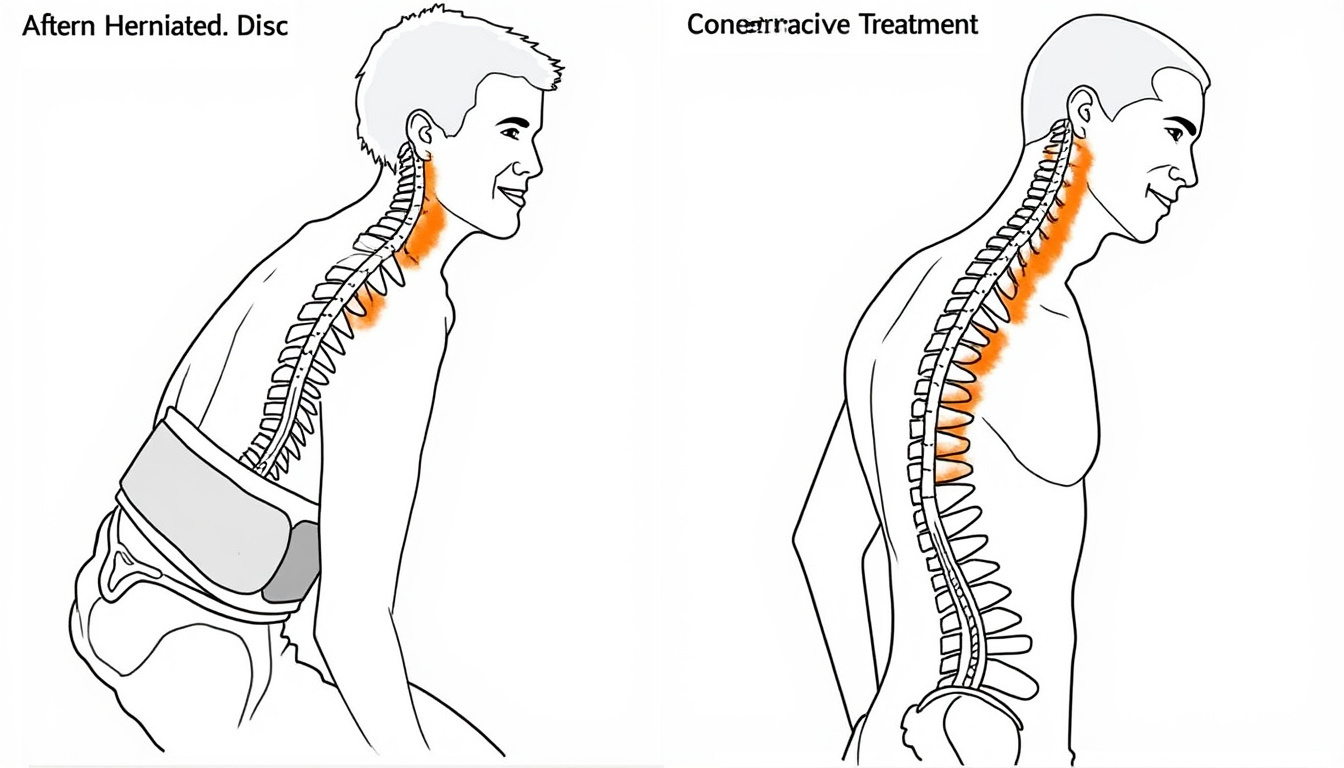
Effective pain control remains at the heart of both conservative and surgical treatment paradigms. Conservative strategies utilize multimodal approaches that combine physical therapy, pharmacological agents, and psychological support to address pain with minimal adverse effects. Techniques such as targeted nerve decompression reduce mechanical irritation, diminishing chronic pain drivers.
Post-surgical pain management emphasizes rapid control to facilitate early mobilization and rehabilitation. Employing minimally invasive procedures reduces tissue trauma and inflammatory responses, thereby lessening pain intensity and dependency on analgesics. Advanced post-operative protocols integrate physical therapy and cognitive behavioral therapies to sustain pain relief and functional restoration.
Patient-centered pain management plans tailored to individual responses improve overall treatment satisfaction and compliance. This holistic approach, whether in conservative or surgical settings, fosters enhanced clinical outcomes and quality of life, underscoring its centrality in spinal care treatment comparison.
{“@context”:”https://schema.org”,”@type”:”FAQPage”,”mainEntity”:[{“@type”:”Question”,”name”:”When should surgery be considered over conservative treatments for spinal conditions?”,”acceptedAnswer”:{“@type”:”Answer”,”text”:”Surgery is typically recommended when patients exhibit severe structural abnormalities, neurological deficits, or when symptoms persist despite a rigorous course of conservative treatments lasting three to six months.”}},{“@type”:”Question”,”name”:”Are conservative treatments effective in managing chronic back pain?”,”acceptedAnswer”:{“@type”:”Answer”,”text”:”Yes, many patients experience significant pain relief and functional improvement through conservative methods, such as physiotherapy and targeted neurovertebral decompression, particularly in early or moderate stages of spinal disorders.”}},{“@type”:”Question”,”name”:”What are the risks associated with spinal surgery?”,”acceptedAnswer”:{“@type”:”Answer”,”text”:”Risks include infection, neurological complications, anesthesia-related events, and potential for longer recovery times; however, minimally invasive and robot-assisted techniques have improved safety profiles.”}},{“@type”:”Question”,”name”:”How does recovery time differ between conservative treatments and surgery?”,”acceptedAnswer”:{“@type”:”Answer”,”text”:”Conservative treatments offer gradual improvement over weeks or months, whereas surgery often provides rapid symptom relief but requires a longer recovery period including post-operative rehabilitation.”}},{“@type”:”Question”,”name”:”Can conservative treatments reduce healthcare costs compared to surgery?”,”acceptedAnswer”:{“@type”:”Answer”,”text”:”Conservative care generally incurs lower direct and indirect healthcare costs due to reduced hospital stays and fewer complications, making it a cost-effective initial treatment strategy.”}}]}When should surgery be considered over conservative treatments for spinal conditions?
Surgery is typically recommended when patients exhibit severe structural abnormalities, neurological deficits, or when symptoms persist despite a rigorous course of conservative treatments lasting three to six months.
Are conservative treatments effective in managing chronic back pain?
Yes, many patients experience significant pain relief and functional improvement through conservative methods, such as physiotherapy and targeted neurovertebral decompression, particularly in early or moderate stages of spinal disorders.
What are the risks associated with spinal surgery?
Risks include infection, neurological complications, anesthesia-related events, and potential for longer recovery times; however, minimally invasive and robot-assisted techniques have improved safety profiles.
How does recovery time differ between conservative treatments and surgery?
Conservative treatments offer gradual improvement over weeks or months, whereas surgery often provides rapid symptom relief but requires a longer recovery period including post-operative rehabilitation.
Can conservative treatments reduce healthcare costs compared to surgery?
Conservative care generally incurs lower direct and indirect healthcare costs due to reduced hospital stays and fewer complications, making it a cost-effective initial treatment strategy.

The Future of Surgery Lies in Stepwise Functional Recovery
The evolution of surgical care in 2026 reveals a compelling shift toward approaches that prioritize the holistic recovery of patients, moving beyond traditional metrics like length of hospital stay or mortality rates. This modern paradigm highlights the principle that the…