How Cousin Spine and Franchir Technology Are Transforming Care for Quebec Patients
June 12, 2026
Effective Strategies to Excel in Initial Quizzes and Exams
June 12, 2026
Chronic lower back pain stands as one of the most common and debilitating conditions affecting adults worldwide. In Sherbrooke and surrounding areas, the search for effective, lasting relief has intensified amid growing concerns over invasive surgical procedures and prolonged recovery times. Enter the IntraSPINE spinal implant—a revolutionary advancement in orthopedic innovation designed to offer targeted back pain relief while preserving natural spine health. This minimally invasive device has opened new doors for patients who face chronic discomfort, enabling them to retain mobility without compromising safety.
At the heart of this innovation is Dr. Sylvain Desforges, a highly respected expert with over 30 years of experience in spine care. Renowned for his evidence-based approach and patient-first philosophy, Dr. Desforges has consistently championed treatments that prioritize less invasive options before considering surgery. With formal qualifications including a B.Sc., D.O., and N.D., he has founded and led institutions such as the Canadian College of Osteopaths, ACMA, and TAGMED Clinics, positioning him uniquely to guide patients through complex spinal evaluation and management.
The coordinated patient journey that Dr. Desforges manages between Canada and France exemplifies this advanced, compassionate care model. By integrating cutting-edge technology with international medical collaboration, he ensures patients can access high-quality interventions like IntraSPINE efficiently and safely. This article delves into the multifaceted aspects of the IntraSPINE implant in Sherbrooke, exploring its clinical significance, patient pathways, and why it represents a transformative step forward in chronic lower back pain management.
Understanding Chronic Lower Back Pain and the Need for Innovative Solutions in Sherbrooke
Chronic lower back pain often arises from degenerative spinal conditions, herniated discs, or instability that impacts daily life significantly. Traditional treatments typically include conservative measures such as physical therapy and medication but can fall short when the pain persists. For many patients in Sherbrooke, long waitlists for advanced surgical interventions and concerns about post-surgical complications have fueled demand for alternative approaches.
Innovative orthopedic technologies like the IntraSPINE spinal implant have emerged as game-changers by offering solutions that bridge the gap between conservative treatments and invasive surgery. Unlike spinal fusion—which restricts spinal mobility by joining vertebrae together—IntraSPINE provides dynamic stabilization. This allows for support and pain relief while maintaining the natural flexibility essential for an active life.
Dr. Sylvain Desforges emphasizes the importance of understanding the precise nature of individual spinal disorders before determining the best course of action. His expertise in spinal evaluations ensures that each patient receives tailored recommendations highlighting state-of-the-art options like IntraSPINE, balanced with non-surgical interventions to optimize outcomes.
As chronic lower back pain continues to challenge healthcare providers and patients alike in Sherbrooke, the integration of dynamic implants represents a promising path. This technology not only addresses pain but also enhances overall spine health, allowing patients to regain their usual mobility and improve quality of life.
The rise in back pain complaints in Boucherville reflects a broader trend linked to sedentary lifestyles and prolonged sitting, affecting individuals across all age groups. Herniated discs, a predominant source of such discomfort, represent complex spinal conditions that disrupt mobility…
IntraSPINE Implant: Mechanism, Design, and Clinical Benefits
The IntraSPINE device is a meticulously engineered spinal implant designed to provide dynamic stabilization to the lumbar vertebrae. Its unique design allows it to be implanted between the spinous processes, supporting the spinal segments while allowing natural motion. This contrasts with the rigidity imposed by traditional fusion surgeries, which can lead to adjacent segment degeneration and restricted movement.
Clinically, the implant is aimed at patients suffering from chronic lower back pain associated with degenerative disc disease, lumbar facet syndrome, or mild to moderate spinal instability. It functions by redistributing spinal loads, reducing pressure on painful disc spaces, and maintaining alignment. This mechanism supports both pain relief and functional recovery.
Minimally invasive in nature, the procedure to implant IntraSPINE involves only small incisions and reduced tissue disruption. Patients typically benefit from shorter hospital stays and faster rehabilitation compared to conventional surgeries. This feature is especially advantageous for Sherbrooke patients seeking effective solutions without extended time away from daily activities.
The dynamic nature of IntraSPINE has been validated by various studies, including clinical trials demonstrating its safety and efficacy in enhancing postural stability and reducing pain scores. Importantly, preserving spinal flexibility helps patients recover faster and reduces the risk of complications linked to rigid fusion procedures.
- Dynamic stabilization: Maintains natural spine movement while providing support.
- Minimally invasive procedure: Limits tissue damage and accelerates recovery.
- Pain reduction: Alleviates pressure on degenerative discs and facet joints.
- Improved posture: Enhances lumbar alignment and overall spine health.
Thanks to these clinical benefits, IntraSPINE has become a preferred option for patients whose conditions do not yet warrant fusion surgery but require more than conservative therapy. To explore detailed medical perspectives on the implant’s function, readers may visit comprehensive resources on IntraSPINE advantages.
Back Surgery in Trois-Rivières: Strategies to Minimize Post-Operative Complications
Back pain management in Trois-Rivières has evolved into a critical healthcare priority, demanding solutions that address the unique needs of patients facing long wait times in Quebec’s medical system. Many individuals are exploring alternative routes, including transatlantic medical corridors connecting…
Comparing Surgical Options for Chronic Lower Back Pain: Where Does IntraSPINE Fit?
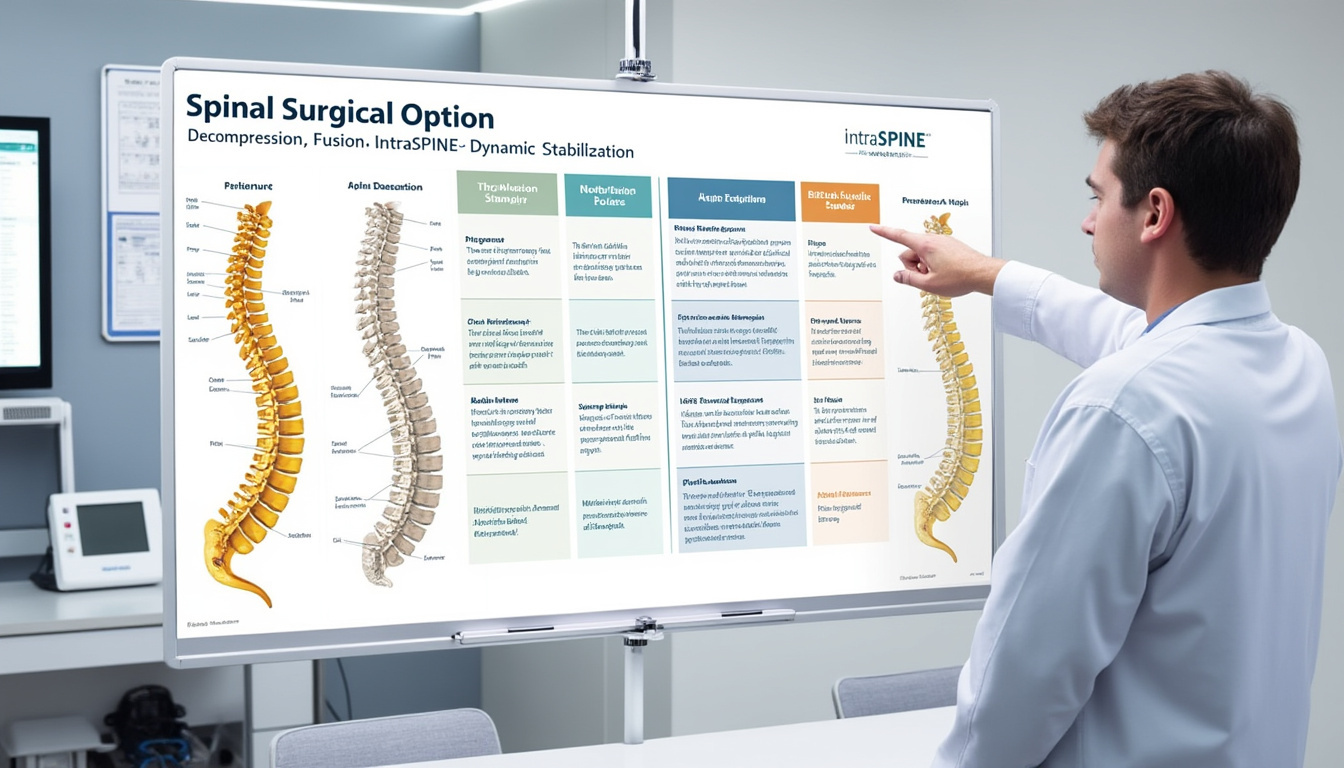
When patients reach the point of considering surgery for persistent back pain, they face several options, each with distinct indications, benefits, and trade-offs. The primary surgical interventions include simple decompression, spinal fusion, and motion-preserving implants such as IntraSPINE.
Simple decompression surgery focuses on relieving nerve impingement—typically by removing herniated disc material. While effective in many cases, it sometimes fails to address underlying spinal instability, which can perpetuate discomfort. Recovery times tend to be moderate, with many patients achieving good functional outcomes.
Spinal fusion surgery is more invasive, aiming to stabilize the spine by permanently joining two or more vertebrae. Although fusion can successfully eliminate pain sources linked to instability, it considerably restricts spinal mobility and often requires longer rehabilitation periods. Fusion may contribute to stress on neighboring spinal segments, leading to subsequent problems.
In contrast, IntraSPINE preserves spinal movement while providing necessary stabilization. It is particularly suitable for patients who are active or keen to maintain flexibility without enduring the prolonged recovery and limitations of fusion. This cutting-edge solution addresses pain points dynamically, allowing patients to regain spinal function with less invasive intervention.
The decision matrix for surgical choice always involves a detailed evaluation of patient history, imaging diagnostic results, and prior treatment responses. Dr. Sylvain Desforges plays a vital role in guiding patients through this complex process, ensuring that no prematurely invasive options are pursued. His methodology involves:
- Comprehensive clinical assessment
- Careful review of imaging and diagnostic data
- Discussion of conservative care results and patient goals
- Patient-centered presentation of surgical possibilities
- Integration of patient preferences and clinical indications
Such an approach guarantees personalized care pathways optimized for safety, efficacy, and quality of life enhancements. More details on surgical option comparisons are available at dedicated surgical analysis portals.
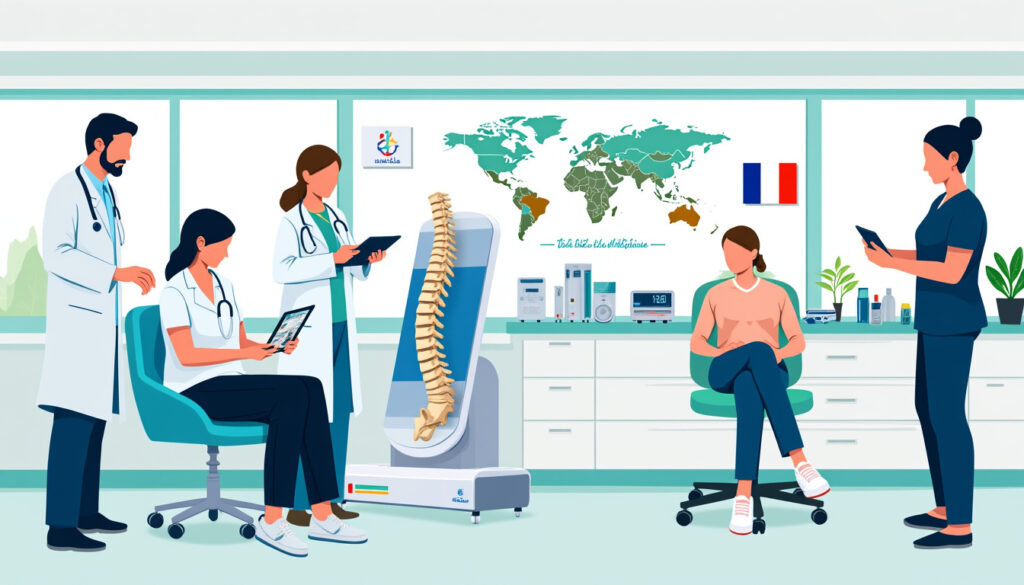
The prevalence of disc herniation in Saint-Bruno-de-Montarville has been rising steadily, paralleling modern sedentary lifestyles and increased biomechanical stress on the spine. This condition, characterized by the displacement of intervertebral disc material, can severely disrupt daily activities due to back…
Patient Journey for IntraSPINE Surgery: Evaluation, Preparation, and Recovery
The path to receiving an IntraSPINE implant is guided by thorough patient evaluation and multidisciplinary care coordination. Dr. Sylvain Desforges emphasizes that conservative therapies—such as neurovertebral decompression and osteopathic treatments—should be pursued for at least three to six months before considering surgical intervention. This protocol ensures that surgery is reserved for patients who truly need advanced solutions after exhausting non-invasive methods.
The evaluation typically begins with detailed medical history review and clinical examination focusing on symptomatology and functional impact. Imaging studies, including lumbar X-rays, CT scans, and MRI, provide a precise diagnosis of degenerative changes and instability. Based on this information, Dr. Desforges assesses candidacy for IntraSPINE insertion and discusses expected outcomes clearly with the patient.
Once surgery is indicated, patients undergo preoperative planning including health optimization and education on the procedure. The minimally invasive nature of the implant insertion usually results in brief hospital stays and controlled postoperative pain management. Mobilization often begins within days, supported by tailored rehabilitation to maximize recovery and spinal function restoration.
| Intervention Type | Description | Recovery Time |
|---|---|---|
| Simple Decompression | Removal of nerve compression to relieve acute pain | Few days to 1 week |
| Spinal Fusion | Permanent joining of vertebrae for stabilization | 4 to 6 weeks or longer |
| IntraSPINE Dynamic Stabilization | Minimally invasive implant supporting movement | Often less than 4 weeks |
Throughout the recovery process, the multidisciplinary team, coordinated by Dr. Desforges, monitors progress attentively. This includes managing pain, guiding physiotherapy, and providing psychological support where needed to foster holistic well-being.
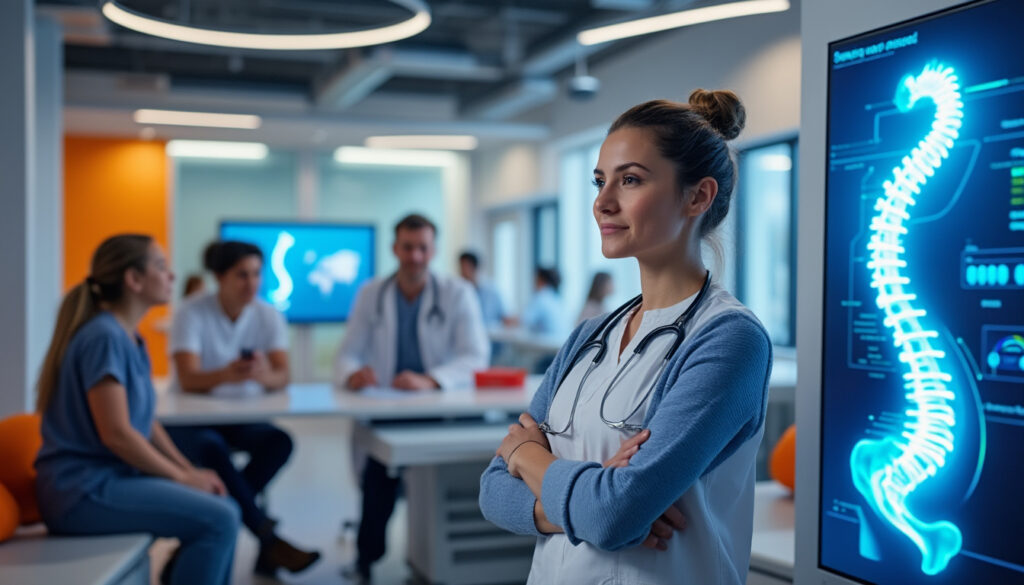
TOPS™ in Gatineau: Lasting Relief and Preserved Mobility
The challenge of managing chronic spinal pain continues to grow in Québec, where patients search for effective and less invasive options beyond traditional treatments. Among emerging solutions, the Total Posterior Spine System (TOPS) available in Gatineau stands out as a…
International Collaboration and Transatlantic Patient Care Management by Dr. Sylvain Desforges
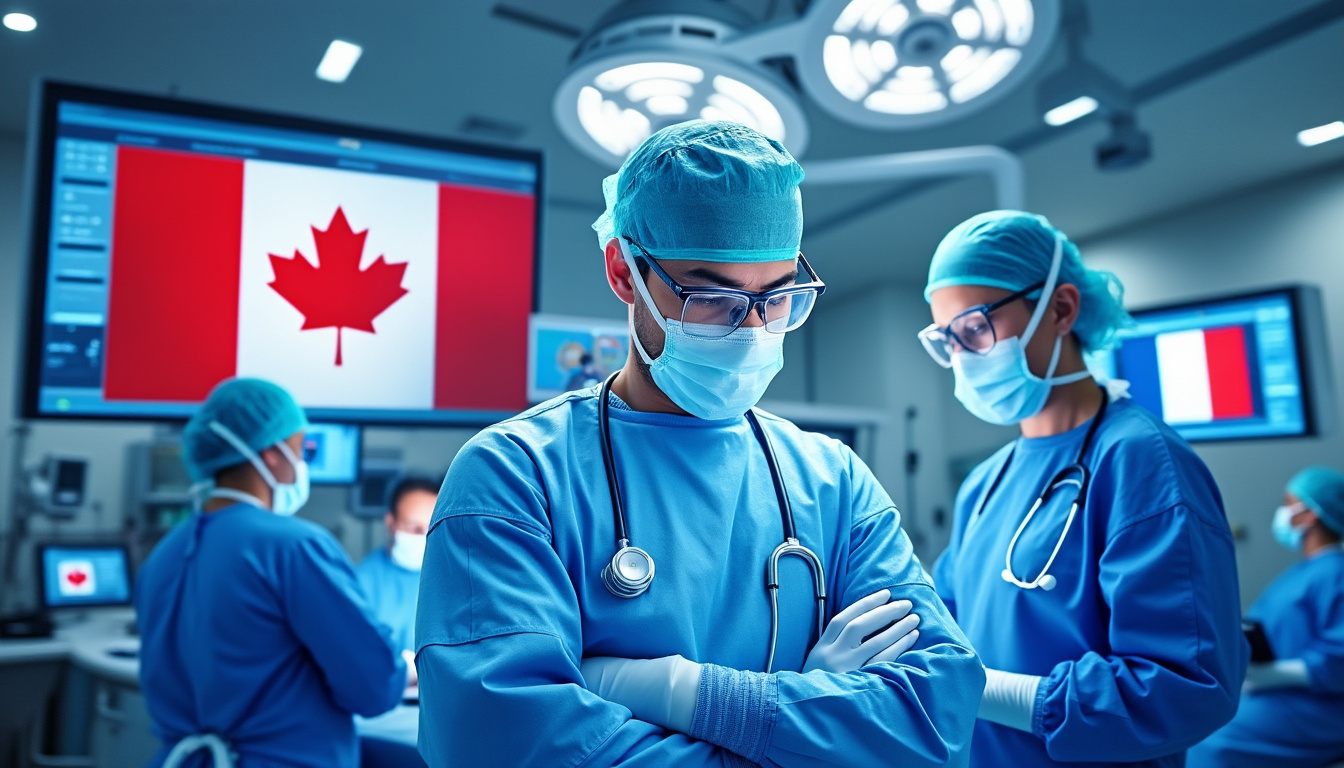
One distinctive feature of Dr. Desforges’ practice is his leadership in transatlantic patient management, bridging Canadian and French healthcare expertise. Many patients from Quebec seeking innovative procedures like IntraSPINE benefit from coordinated surgical interventions performed in France with state-of-the-art technologies unavailable locally.
This international approach provides several advantages: accelerated access to dynamic spinal implants, advanced robotic assistance during surgery, and reduced financial burdens compared to private care in Canada. Partnerships with renowned French clinics and organizations like SOS Tourisme Médical ensure logistical support, including travel facilitation and post-operative follow-up.
Dr. Desforges directs this seamless care network with a commitment to clinical rigor, ethical practice, and patient-centered communication. His involvement guarantees consistent quality and continuous support before, during, and after international treatment phases.
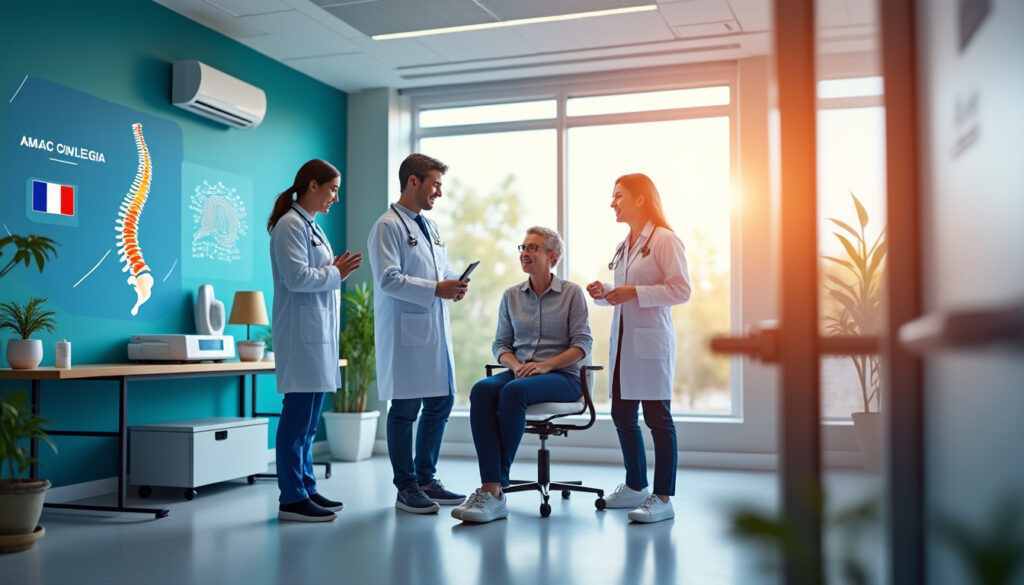
Herniated Disc in Sainte-Julie: Top 3 Warning Signs and Neurovertebral Decompression Treatment
In the vibrant community of Sainte-Julie, the prevalence of herniated discs poses a significant challenge, particularly among the working population frequently subjected to prolonged postural stress and repetitive physical strain. This condition often begins subtly, with early warning signs that…
The Essential Role of Conservative Care Prior to Surgical Intervention
Dr. Sylvain Desforges advocates strongly for exhausting conservative care options before advancing to surgical solutions like IntraSPINE. These treatments focus on neurovertebral decompression, laser therapy, osteopathic manipulation, and shockwave therapy, all designed to relieve pain and improve spinal function non-invasively.
Such conservative management results in symptom reduction for many patients, potentially delaying or avoiding surgery altogether. In cases where chronic lower back pain persists despite these efforts, surgical intervention then becomes a carefully considered escalation rather than a first-line choice.
This clinical philosophy aligns tightly with scientific evidence and regulatory guidelines enforced by the Collège des médecins du Québec, emphasizing patient safety and quality. The rigorous evaluation undertaken by Dr. Desforges ensures that every intervention is justified, optimal, and personalized.
More information on conservative therapies offered at TAGMED Clinics by Dr. Desforges can be found at TAGMED’s comprehensive treatment options.
Cervical Disc Prosthesis in Quebec: Maintaining Intervertebral Mobility for Better Spine Health
Neck pain is a growing concern among the population of Quebec, profoundly affecting daily life and work productivity. With advances in medical science, innovative solutions such as the cervical disc prosthesis have emerged as promising options, aiming not just to…
Unique Features and Added Value of Dr. Sylvain Desforges’ Expertise in IntraSPINE Treatment
Beyond offering cutting-edge IntraSPINE implantation, Dr. Sylvain Desforges provides patients with unparalleled expertise and holistic care. His 30+ years of clinical experience underpin a deep understanding of spinal disorders and patient needs. Rather than simply performing procedures, Dr. Desforges emphasizes education, empowerment, and transparent communication throughout the treatment journey.
Noteworthy aspects of his approach include:
- Comprehensive spinal evaluations to identify root causes and effective treatment paths.
- Access to advanced technologies—including neurovertebral decompression, laser therapies, and dynamic implants—within multidisciplinary teams.
- Strict adherence to scientific evidence and medical ethics aligned with provincial and national standards.
- Patient-specific care plans developed collaboratively to match medical indications and personal goals.
- International coordination ensuring seamless integration of surgical care when performed abroad.
This blend of clinical skill, innovation, and empathy distinguishes Dr. Desforges as a trusted leader in spine care. Patients are encouraged to discuss their individual conditions directly with Dr. Desforges to receive tailored advice at TAGMED and ACMA patient services.
Disc herniation remains a pervasive issue affecting countless individuals in Pointe-Claire and beyond, profoundly impacting spinal health and daily comfort. As urban lifestyles trend towards sedentary professions, the incidence of back pain and nerve compression tends to rise, presenting demands…
Addressing Back Pain Concerns: FAQs About IntraSPINE and Chronic Lower Back Pain
What is the IntraSPINE implant and how does it work?
IntraSPINE is a minimally invasive spinal implant designed to provide dynamic stabilization to the lumbar spine. It maintains natural spinal movement while relieving pressure on painful discs and joints to reduce chronic lower back pain.
How long does recovery take after IntraSPINE surgery?
Recovery varies but patients generally experience faster rehabilitation than with spinal fusion, often resuming normal activities within 4 weeks under guided care.
What is the first step before considering IntraSPINE surgery?
Patients should engage in conservative care, including neurovertebral decompression and other non-surgical treatments, for at least 3 to 6 months before surgery is considered.
How does international coordination enhance patient care?
The collaboration between Canadian and French medical teams facilitates access to advanced technologies, optimizes surgery scheduling, and provides continuous support throughout the patient journey.
Is IntraSPINE surgery painful?
Like any surgical procedure, some discomfort may occur, but modern pain management strategies and minimally invasive techniques ensure effective control and patient comfort.
Minimally Invasive Surgery in Longueuil: Easing Post-Operative Pain for a Faster Recovery
In the ever-evolving landscape of modern healthcare, minimally invasive surgery has emerged as a transformative approach, blending advanced technology with refined surgical techniques to significantly improve patient outcomes. In Longueuil, this innovation is impacting spinal care profoundly, particularly in reducing…