Post-Surgical rTMS Integration: Exploring Indications, Benefits, and Limitations
June 11, 2026
IntraSPINE® in Sherbrooke: A Cutting-Edge Solution for Chronic Lower Back Pain
June 12, 2026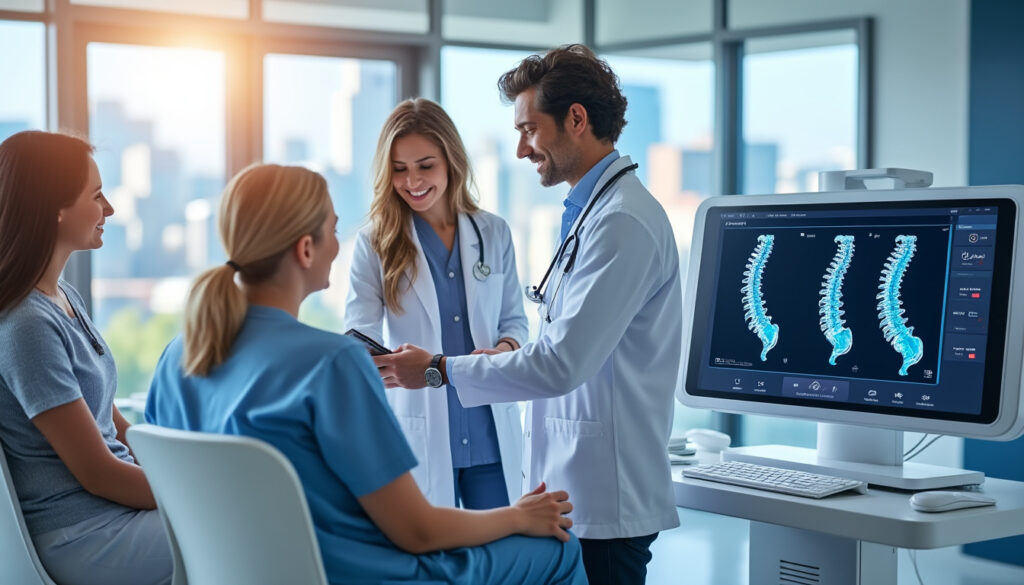
Quebec’s healthcare system faces persistent challenges in managing spinal conditions, a concern heightened by the rising incidence of cervical and lumbar pain among its population. These ailments not only impede daily functioning but also contribute to significant socio-economic burdens due to work absenteeism and long-term disability. Traditionally, patients frequently encounter extended wait times for specialized spinal surgeries, limiting timely access to state-of-the-art treatments. Against this backdrop, an innovative alliance between Cousin Spine and Franchir Technology is reshaping the landscape of spinal treatment by providing Quebec patients expedited access to advanced surgical interventions in France. With cutting-edge medical devices like dynamic implants and comprehensive patient care pathways, this collaboration bridges geographical barriers and delivers personalized, high-quality healthcare solutions.
The essence of this transformation lies in seamlessly integrating medical innovation with refined logistical orchestration. Cousin Spine advances implants designed to preserve spinal mobility, diverging from conventional fusion surgeries that potentially hinder natural movement and provoke secondary complications. Meanwhile, Franchir Technology offers robust coordination of the transatlantic patient journey, ensuring that assessment, surgery, and postoperative care occur smoothly between Quebec and French medical centers. This holistic approach not only expedites surgical interventions, typically reducing waits to just 4-6 weeks, but also enhances patient outcomes through state-of-the-art procedures and meticulous follow-up strategies. It situates Canadian patients at the intersection of international healthcare excellence and compassionate support, marking a promising development in global medical collaboration.
Advanced Dynamic Implants by Cousin Spine Revolutionizing Spinal Treatment in Quebec
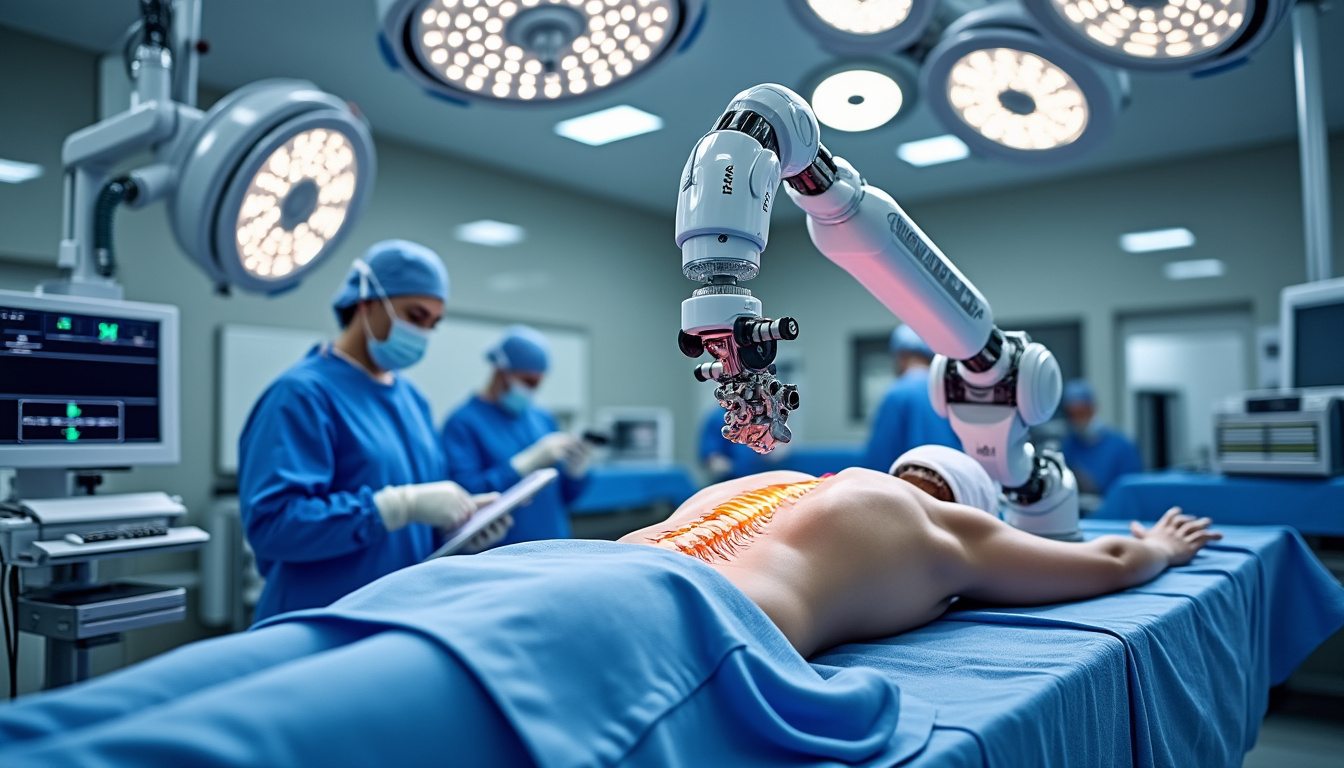
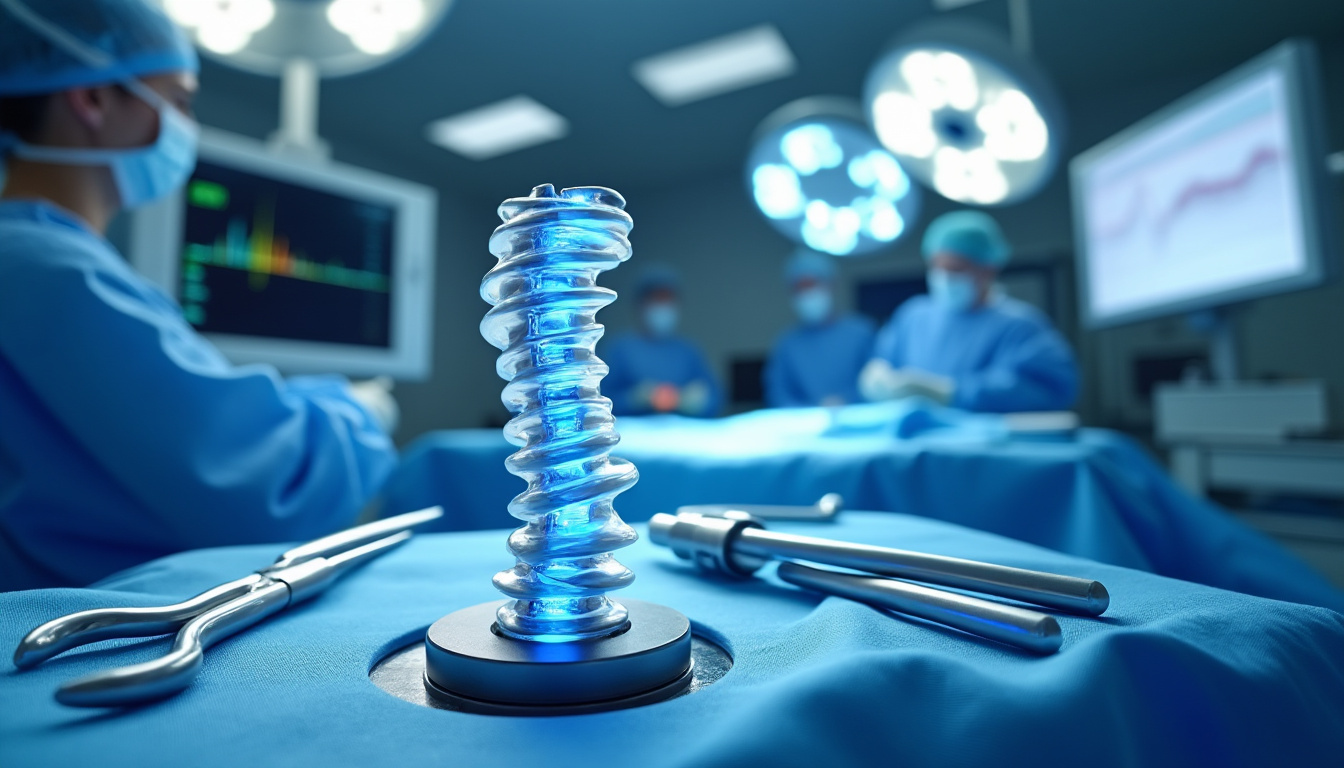
Cousin Spine has pioneered a new generation of dynamic spinal implants that offer remarkable clinical advantages over traditional fusion techniques. The core innovation is the preservation of vertebral segment mobility while providing necessary stabilization—a vital element in maintaining an active lifestyle and reducing the incidence of adjacent segment degeneration. This paradigm shift is central to improving long-term patient outcomes by minimizing rigidity and promoting physiological spinal biomechanics.
The most prominent devices include the TOPS system, Intraspine implant, and B-DYN stabilization technology. TOPS (Total Posterior Spine) facilitates segmental movement primarily in lumbar instability cases by replacing rigid arthrodesis methods, delivering stability while preserving functional motion. Intraspine, on the other hand, is designed for minimally invasive interlaminar decompression, reducing soft tissue trauma and accelerating recovery times—a significant benefit for patients aiming to return quickly to daily activities. B-DYN further augments the landscape with an adaptive stabilization mechanism capable of dynamically modulating segment stiffness in response to biomechanical demands.
Each implant undergoes rigorous certification processes, including CE marking and FDA clearance for select models, underscoring their safety and clinical efficacy. These approvals are backed by sophisticated biomechanical modeling conducted by CousinTech Santé, ensuring optimal balance between flexibility and support based on anatomical and pathological specifics. This bespoke device selection process is particularly valued by Quebec patients, who often face limitations in local healthcare infrastructure and seek advanced alternatives that prioritize quality of life and functional preservation.
Leading French medical centers such as those in Toulouse, Bordeaux, and Le Mans are integral partners deploying these technologies. Their multidisciplinary teams incorporate personalized assessment protocols focusing on detailed imaging and biomechanical diagnostics to determine the suitability of dynamic implants versus classical fusion. This careful matching of technology to patient needs not only alleviates chronic pain but also diminishes risks of neurological sequelae and secondary complications, fostering a return to active, pain-free living. Understanding the nuanced application of these devices is crucial for appreciating their transformative potential in Quebec’s spinal surgery realm.
Understanding Sciatic Pain: Key Symptoms and When to Seek Medical Advice
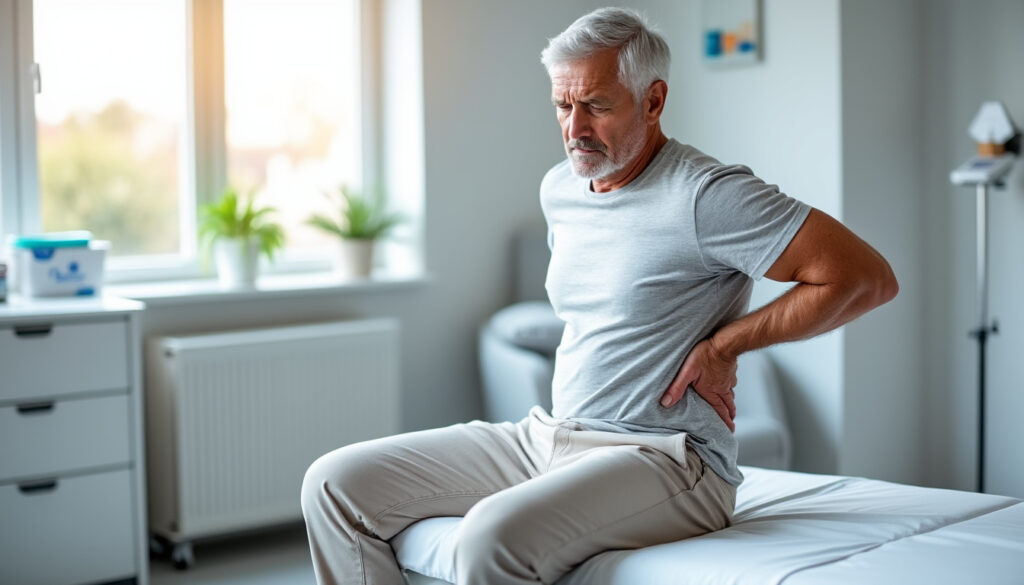
Sciatic pain is a prevalent condition impacting a wide demographic, manifesting primarily as intense pain radiating from the lower back down the leg. This pain stems from irritation or compression of the sciatic nerve, a major nerve extending through the…

The Stepwise Role of Functional Recovery in Achieving Successful Outcomes
The journey to full recovery following spinal surgery is often complex and multifaceted, demanding a meticulously structured approach to ensure optimal functional outcomes. In recent years, the concept of functional recovery through a stepwise approach has garnered significant attention in…
How Franchir Technology is Elevating Patient Care and Healthcare Transformation
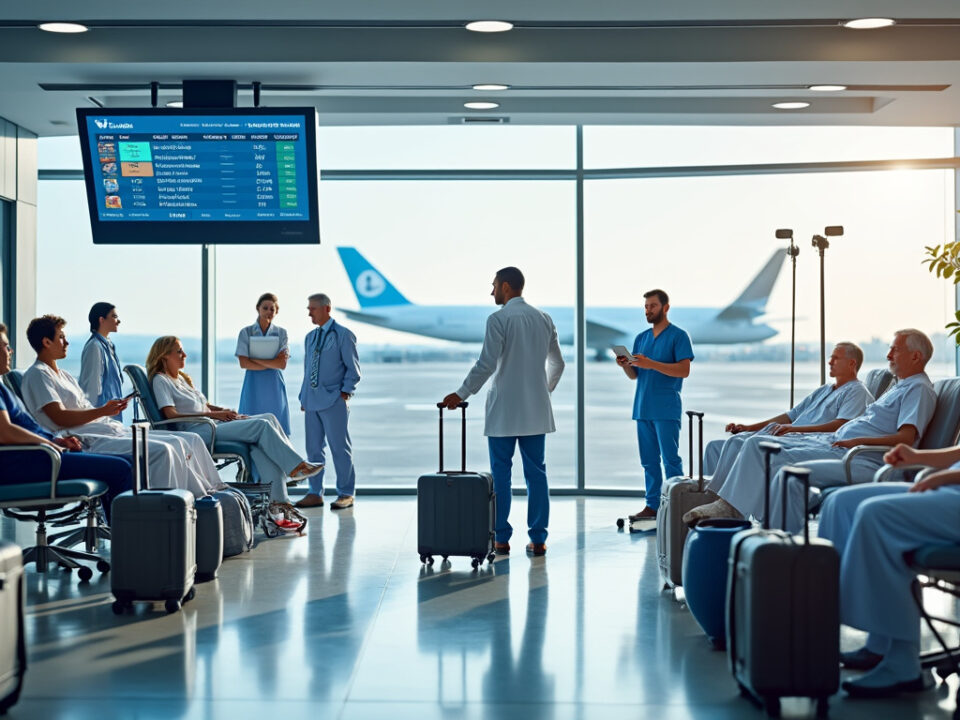
Franchir Technology constitutes the logistical and organizational backbone enabling Quebec patients to access specialized spinal surgery in France efficiently and securely. Handling the complexities of an international healthcare journey, Franchir orchestrates every phase from initial evaluation in Quebec to surgical treatment and prolonged postoperative rehabilitation in coordination with expert French medical teams.
The process begins with a thorough assessment led by the specialized team at TAGMED, under the supervision of Dr. Sylvain Desforges in Montreal and Terrebonne. This stage incorporates an evaluation of conservative treatments, including advanced neuro-robotic decompression therapies, to confirm the necessity of surgery. Only when non-surgical methods are exhausted does Franchir advance the surgical pathway, demonstrating a patient-centric ethos prioritizing minimally invasive and personalized care.
Following assessment, Franchir’s coordinators arrange travel logistics—securing optimal flight routes with minimal stopovers to reduce patient fatigue, reserving accommodation close to treatment centers, organizing local transportation with personalized support, and managing administrative tasks such as insurance documentation. The synchronization between Quebec’s clinical team and French surgical experts ensures that patient records, imaging, and personalized surgical plans are seamlessly communicated, fostering a cohesive continuum of care across continents.
Beyond the procedure itself, Franchir maintains active engagement with post-operative follow-up facilitated by Neurothérapie Montréal, an institution specializing in neurofeedback, rehabilitative education, and psychosocial support. This ensures that the recovery trajectory remains uninterrupted upon a patient’s return to Quebec, minimizing complications and promoting functional rehabilitation. This comprehensive model mitigates the fragmented nature of typical cross-border healthcare and embodies an evolution in patient care quality and reliability.
Transatlantic Patient Journey: Insights into Indications, Benefits, and Challenges
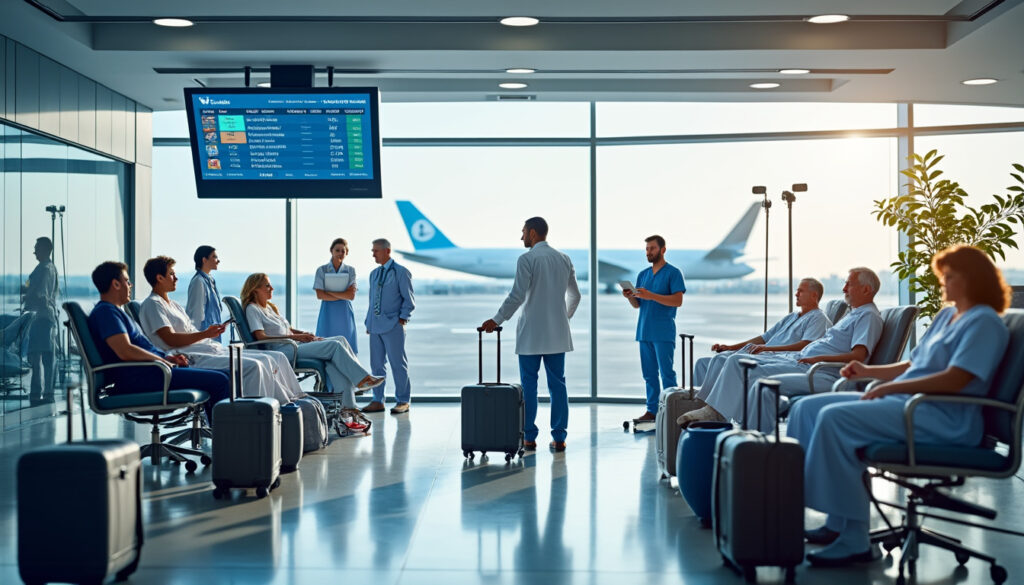
The emergence of the Transatlantic Patient Journey as a strategic model within healthcare continues to capture attention for its innovative potential, especially in specialized fields such as spinal surgery. This cross-border care pathway integrates rigorous medical evaluation from Quebec with…
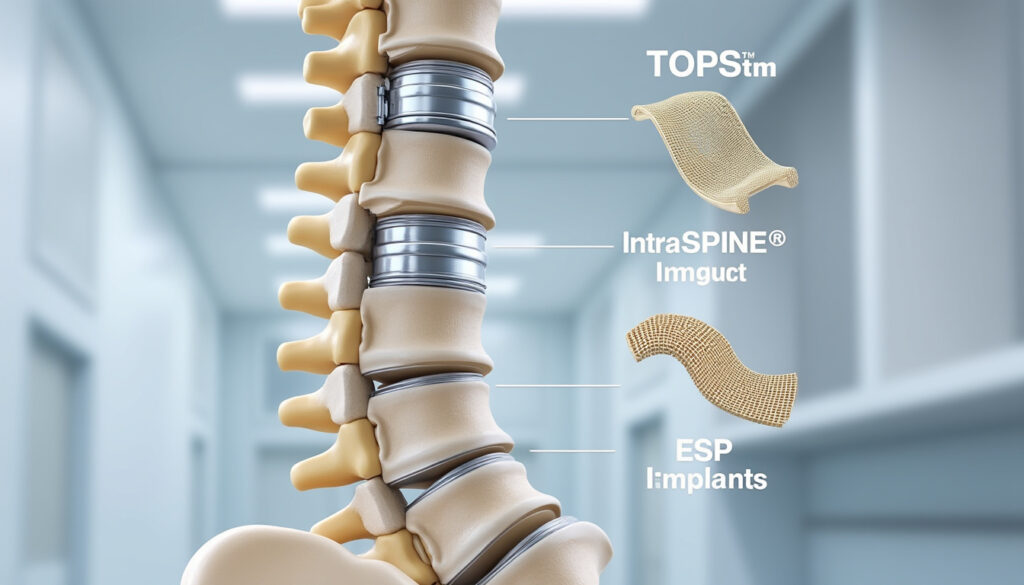
The evolving field of spinal surgery is witnessing a transformative shift, fueled by cutting-edge implant technologies such as TOPS, Intraspine, and ESP. These innovative implants redefine treatment possibilities by emphasizing preservation of natural spinal mechanics, while ensuring durable stabilization and…
Addressing Quebec Healthcare Challenges through Medical Innovation and Patient-Centric Pathways
Quebec’s healthcare ecosystem has been challenged by lengthy wait times and constrained access to advanced spinal surgeries. By integrating Cousin Spine’s cutting-edge medical devices with Franchir Technology’s expert coordination, a new care paradigm emerges, designed to overcome systemic bottlenecks while enhancing patient outcomes. This approach directly responds to the escalating demand for dynamic spinal stabilization techniques that enable mobility preservation and individualized care plans.
The traditional model, heavily reliant on spinal fusion, presents drawbacks including immobilization, increased adjacent segment degeneration, and prolonged functional recovery. Dynamic implants signify a substantial improvement by offering stabilization aligned with natural spinal motions, notably reducing post-operative complications and sustaining active lifestyles in working-age patients. This innovation aligns with Quebec’s need for efficient, high-standard healthcare solutions that mitigate economic and social impacts of chronic spinal disorders.
Within this context, Franchir’s facilitation reduces the surgical wait period to an average of 4-6 weeks—the stark contrast to local delays that can span months or even years. The expedited timeline is not merely convenience, but a critical factor in improving surgical success rates and preventing deterioration of spinal conditions. Furthermore, the comprehensive nature of the care pathway assures personalized, humanized support, addressing patients’ anxiety surrounding international medical travel and post-surgical adaptation.
The following points encapsulate key strengths of this collaborative approach:
- Innovative surgical alternatives not widely accessible in Quebec provide patients with expanded options.
- Preservation of spinal mobility through dynamic implants enhances post-operative functional recovery.
- Streamlined transatlantic coordination from initial assessment to rehabilitation fosters seamless care integration.
- Significant reduction in surgical wait times expedites access to life-enhancing procedures.
- Holistic patient care with emphasis on individualized support during the entire treatment journey.
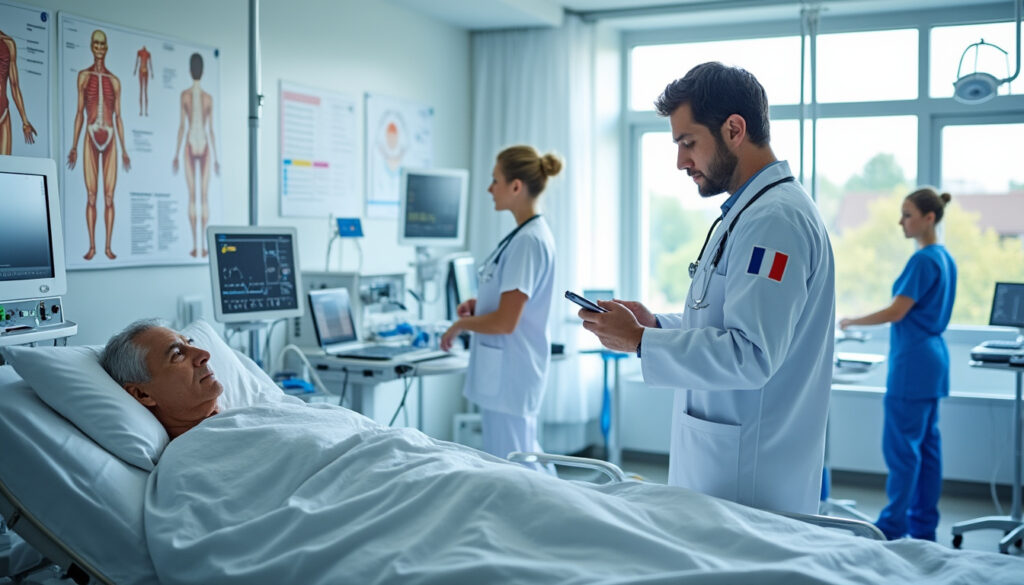
Preparing for Surgery in France: Key Indications, Benefits, and Limitations
In an evolving global healthcare landscape, France emerges as a beacon of advanced surgical expertise, particularly attracting international patients seeking expedited and innovative medical interventions. Patients from regions experiencing long wait times, such as Quebec, increasingly view France as an…

Unveiling the Hidden Benefits of Quality and Certification in Devices
The landscape of device manufacturing and clinical application in 2026 has been fundamentally shaped by the rigorous interplay between quality management and certification processes. Within this complex framework, the hidden benefits of adhering to international standards and obtaining relevant certifications…
Real-Life Applications and Patient Outcomes: Dynamic Implants in Action
The efficacy of Cousin Spine’s dynamic implants has been demonstrated across a range of clinical indications commonly affecting Quebec patients. These include moderate to severe spinal stenosis with neurological compromise, mild to moderate segmental instability, and persistent mechanical back or neck pain resistant to conservative management. Patients inclined to avoid multilevel fusion procedures particularly benefit from mobility-preserving implant options.
The following table summarizes implant indications, key benefits, and contributing French healthcare centers providing care to Quebec patients:
| Implant | Main Indications | Advantages | French Centers |
|---|---|---|---|
| TOPS | Lumbar instability, spinal stenosis | Preserves mobility, protects nerves, accelerates recovery | Toulouse, Bordeaux |
| Intraspine | Decompression of spinal canals, lumbar stenosis | Minimally invasive, reduced scarring, rapid recovery | Clinique TAGMED (Montreal), Le Mans |
| B-DYN | Adaptive stabilization of mild instabilities | Maintains biomechanics, reduces adjacent segment stress | Bordeaux, Le Mans |
These implants are complemented by careful surgical planning tailored to individual spinal anatomy and pathology, ensuring precision in implant choice and placement. The result is effective pain mitigation and preservation of spinal function, enabling patients to resume professional and recreational activities with renewed confidence. This patient-centric methodology accentuates the importance of integrating innovative medical devices with expert care for optimal recovery trajectories.
Why Experts Advocate for Comprehensive Preoperative Evaluations
In the complex and demanding field of spinal surgery, the emphasis on comprehensive preoperative evaluations has become a fundamental pillar supporting successful surgical outcomes. These evaluations, far beyond mere routine checks, integrate detailed analyses of patient health, surgical risk assessments,…
The Future of Surgery Lies in Stepwise Functional Recovery
The evolution of surgical care in 2026 reveals a compelling shift toward approaches that prioritize the holistic recovery of patients, moving beyond traditional metrics like length of hospital stay or mortality rates. This modern paradigm highlights the principle that the…
Cutting-Edge Surgical Techniques Accessible to Quebec Patients through Franco-Quebec Partnership
Beyond implant technology, patients also benefit from France’s leadership in sophisticated surgical procedures that enhance outcomes and reduce recovery times. Techniques such as endoscopic minimally invasive spine surgery are performed at prominent centers including IRCAD Strasbourg, delivering targeted intervention with smaller incisions and reduced tissue trauma. These procedures are especially well-suited for conditions like herniated discs and lumbar canal stenosis, allowing quicker convalescence and diminished postoperative discomfort.
The principle of dynamic stabilization further extends to cervical spine care, where disc prosthesis solutions available in France restore neck flexibility while addressing neuropathic pain effectively. These alternatives present significant improvements over conventional cervical fusion, reinforcing patient quality of life through maintained range of motion and reduced complication rates.
State-of-the-art imaging and robotic-assisted navigation tools increasingly permeate surgical workflows in these centers, magnifying precision and safety. Platforms such as eCential Robotics’ 3D imaging systems are pivotal in enhancing surgical planning and execution, marking a decisive leap forward in spinal surgery. Quebec patients benefit indirectly through the Franchir network, which facilitates access to these advanced techniques typically inaccessible domestically.
Comprehensive Support and Patient Experience Enhancement via Franchir Coordination
Recognizing that medical innovation alone does not guarantee patient success, Franchir’s role extends deeply into humanizing the entire care journey. The company leverages over three decades of expert experience, led by pioneers like Érik Boulard with extensive surgical and industrial expertise, to fine-tune organizational processes focusing on patient comfort and safety.
Detailed planning addresses all logistical aspects—flights, lodging, local transportation, and appointment scheduling—allowing patients and their families to concentrate fully on health recovery without administrative burdens. The partnership also manages communication streams between Canadian referring physicians and French specialists, fostering a transparent flow of information and trust.
Additionally, the post-operative phase benefits from Neurothérapie Montréal’s integrated rehabilitation strategies tailored to spinal surgery outcomes, including neurofeedback and psycho-social assistance. This ongoing support plays a critical role in minimizing complications and reinforcing functional gains.
By melding technological advancement, personalized surgery, and compassionate care logistics, this Franco-Quebec alliance exemplifies healthcare transformation that transcends borders and sets a new standard for spinal patient care. Interested individuals can gain detailed insights on care pathways at technological collaboration between Cousin Spine and Franchir or explore the reasons why this partnership is reshaping outcomes for Quebec patients here.
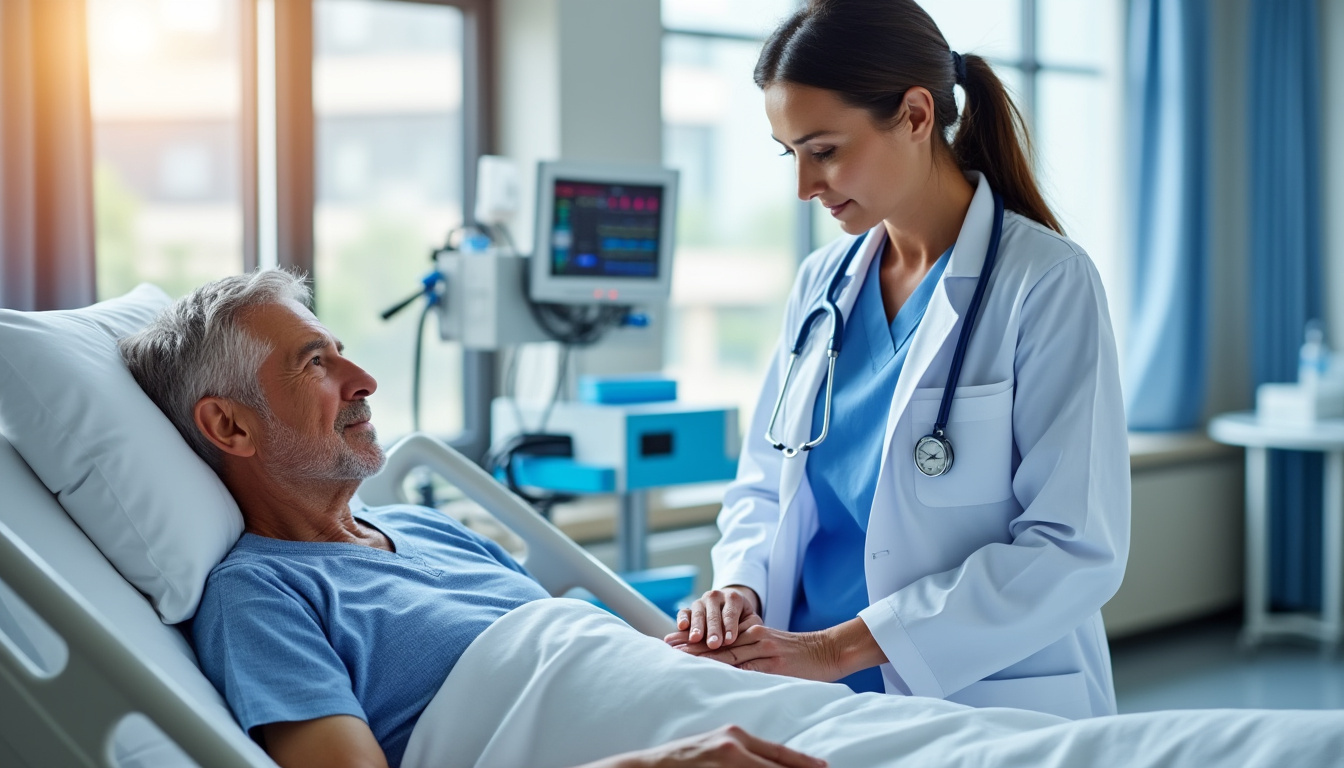
How Cousin Spine and Franchir Technology Are Transforming Care for Quebec Patients
Dynamic Spinal Implants Overview
Dynamic spinal implants adjust to patient movement, providing stability while promoting natural spine flexibility.
- Adapt to spinal motion
- Reduce adjacent segment degeneration
- Designed for minimally invasive insertion
Surgical Techniques Comparison
Patient Journey Timeline: Quebec to France
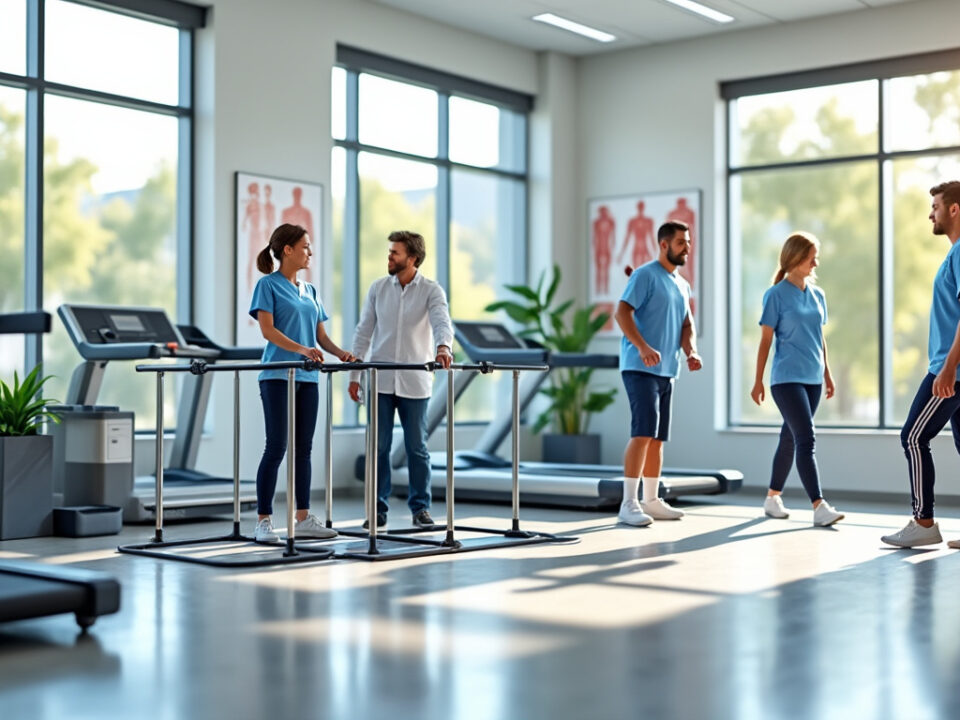
Rehabilitation Process and Outcomes
- Week 1-2: Pain management and gentle mobility exercises
- Week 3-6: Strength training and postural correction
- After Week 6: Return to daily activities progressively
- Improved spinal flexibility
- Reduced pain and enhanced quality of life
- Lower risk of revision surgeries
Failed to load patient journey timeline. Please try again later.
‘; });// Rehab buttons toggle const buttons = document.querySelectorAll(‘.rehab-btn’); buttons.forEach(btn => { btn.addEventListener(‘click’, () => { const targetId = btn.getAttribute(‘aria-controls’); const target = document.getElementById(targetId); const expanded = btn.getAttribute(‘aria-expanded’) === ‘true’;btn.setAttribute(‘aria-expanded’, String(!expanded)); if (target) { if (expanded) { target.hidden = true; } else { target.hidden = false; target.focus(); } } }); }); })();{“@context”:”https://schema.org”,”@type”:”FAQPage”,”mainEntity”:[{“@type”:”Question”,”name”:”What types of dynamic implants are offered by Cousin Spine for Quebec patients?”,”acceptedAnswer”:{“@type”:”Answer”,”text”:”The main implants include TOPS for lumbar mobility preservation, the minimally invasive Intraspine for spinal canal decompression, and B-DYN for adaptive spinal stabilization. All devices meet stringent safety and clinical performance standards.”}},{“@type”:”Question”,”name”:”How is the surgical pathway coordinated between Quebec and France?”,”acceptedAnswer”:{“@type”:”Answer”,”text”:”Initial patient evaluations occur at TAGMED in Quebec, led by Dr. Sylvain Desforges. Franchir then organizes the surgical stay in France, liaises with medical teams and facilities, and coordinates post-operative care with Neurothu00e9rapie Montru00e9al.”}},{“@type”:”Question”,”name”:”What are the primary benefits of dynamic implants compared to traditional fusion?”,”acceptedAnswer”:{“@type”:”Answer”,”text”:”Dynamic implants preserve natural spinal mobility, reduce risks of adjacent segment pain, and limit postoperative rigidity, enabling quicker and more functional recovery.”}},{“@type”:”Question”,”name”:”What is the typical wait time for surgery in France via this program?”,”acceptedAnswer”:{“@type”:”Answer”,”text”:”Thanks to Franchiru2019s efficient logistics, patients generally wait 4-6 weeks, which is substantially shorter than Quebecu2019s usual wait times, thus gaining rapid access to advanced care.”}},{“@type”:”Question”,”name”:”How can patients begin their surgical journey with this Franco-Quebec network?”,”acceptedAnswer”:{“@type”:”Answer”,”text”:”Patients can initiate the process by contacting TAGMED for evaluation, after which Franchir manages orientation towards surgical centers and handles all logistics, with administrative support available via SOS Tourisme Mu00e9dical.”}}]}What types of dynamic implants are offered by Cousin Spine for Quebec patients?
The main implants include TOPS for lumbar mobility preservation, the minimally invasive Intraspine for spinal canal decompression, and B-DYN for adaptive spinal stabilization. All devices meet stringent safety and clinical performance standards.
How is the surgical pathway coordinated between Quebec and France?
Initial patient evaluations occur at TAGMED in Quebec, led by Dr. Sylvain Desforges. Franchir then organizes the surgical stay in France, liaises with medical teams and facilities, and coordinates post-operative care with Neurothérapie Montréal.
What are the primary benefits of dynamic implants compared to traditional fusion?
Dynamic implants preserve natural spinal mobility, reduce risks of adjacent segment pain, and limit postoperative rigidity, enabling quicker and more functional recovery.
What is the typical wait time for surgery in France via this program?
Thanks to Franchir’s efficient logistics, patients generally wait 4-6 weeks, which is substantially shorter than Quebec’s usual wait times, thus gaining rapid access to advanced care.
How can patients begin their surgical journey with this Franco-Quebec network?
Patients can initiate the process by contacting TAGMED for evaluation, after which Franchir manages orientation towards surgical centers and handles all logistics, with administrative support available via SOS Tourisme Médical.