Repentigny Sciatica Recovery Without Invasive Treatments
May 16, 2026
Blainville Lumbar Disc Pain Managed Non-Surgically
May 16, 2026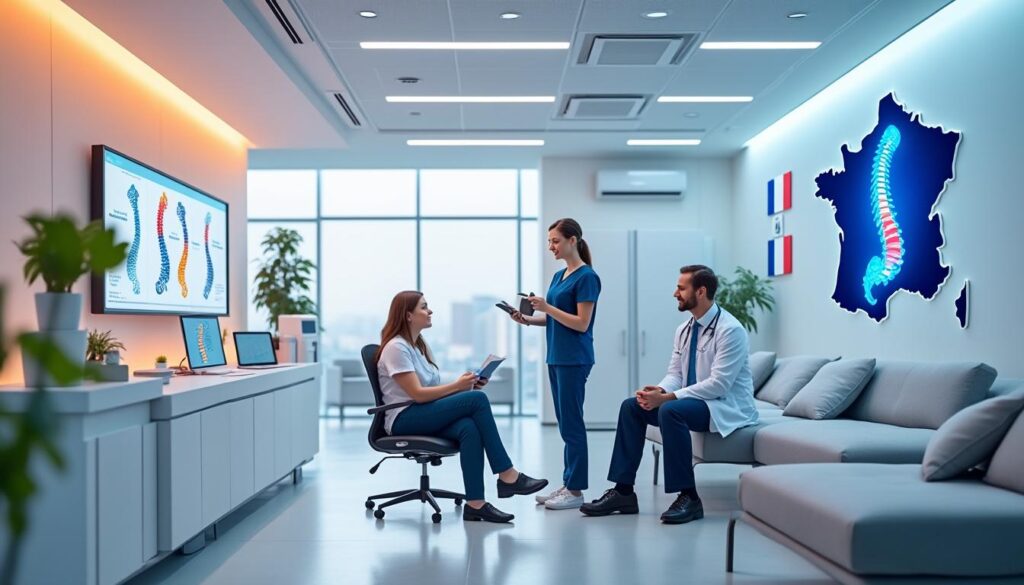
In an era where effective management of lumbar spine conditions faces increasing challenges due to rising demand and limitations within public health systems, innovative solutions like the IntraSPINE device are reshaping patient care in Sherbrooke and beyond. This cutting-edge orthopedic device offers a minimally invasive, dynamic approach aimed at improving lumbar stability while preserving natural spinal motion. With growing evidence supporting its biomechanical benefits and clinical outcomes, patients experiencing chronic lower back pain have access to new pathways for spinal health that prioritize posture improvement and lasting back pain relief. The integration of advanced technology, expert evaluation, and transatlantic collaboration highlights a modern landscape in spine treatment that values safety, ethics, and individualized care—hallmarks of Dr. Sylvain Desforges’ pioneering work in this field.
The IntraSPINE implant, uniquely designed to provide dynamic spine support through a sophisticated interlaminar positioning, represents a promising alternative to traditional fusion surgeries that often compromise spinal mobility. As patients and professionals seek solutions that combine efficacy with ergonomic preservation, understanding the comprehensive patient journey, surgical options, and rehabilitation strategies becomes essential. This article delves into the nuanced realm of lumbar spine interventions available in Sherbrooke, emphasizing how the IntraSPINE device stands at the forefront of innovation and evidence-based care, while also spotlighting the vital role of continuing conservative therapies.
Exploring Lumbar Spine Surgery Options: From Traditional Fusion to Motion-Preserving Devices
When confronted with degenerative lumbar diseases manifesting as persistent lower back pain or neurological symptoms, patients are informed of several surgical approaches, each with distinct biomechanical implications. Traditionally, spinal fusion surgeries, such as Posterior Lumbar Interbody Fusion (PLIF) or Transforaminal Lumbar Interbody Fusion (TLIF), have been employed to stabilize vertebral segments rigidly by fusing two or more vertebrae. While effective in controlling instability, fusion often results in reduced segmental motion and may increase stress on adjacent vertebral segments, potentially accelerating degeneration—a phenomenon known as adjacent segment disease (ASD).
In contrast, motion-preserving techniques have gained remarkable traction by maintaining the spine’s natural kinematics. The IntraSPINE device, developed in France and introduced clinically in 2007, exemplifies this evolution. Made of medical-grade dimethylsiloxane and polyester fiber, this orthopedic device is positioned in the interlaminar space between vertebrae, close to the instantaneous axis of rotation, delivering cushioning and dynamic support without sacrificing mobility. By preserving lumbar lordosis and accommodating spinal flexion and extension, IntraSPINE offers biomechanical advantages that reduce the risk of secondary degeneration and post-surgical stiffness.
Meanwhile, simpler interventions such as decompression surgeries focus on relieving nerve pressure by removing herniated discs or bone spurs but without stabilizing implants. Though less invasive, decompression alone may not suffice when instability or multi-level degeneration exists. Patients eligible for motion-preserving devices typically present with mild to moderate degenerative changes coupled with persistent pain unresponsive to conservative therapy.
Below is a comparative overview of these options to better understand their respective impacts.
| Surgical Approach | Biomechanical Impact | Recovery Considerations | Risks and Benefits |
|---|---|---|---|
| Simple Decompression | Relief of nerve compression without altering stability | Shorter hospital stay, quicker initial recovery | Effective for mild stenosis; limited if instability present |
| Spinal Fusion (PLIF, TLIF) | Rigid stabilization; loss of segmental motion | Longer rehabilitation; risk of adjacent segment disease | Strong stabilization; potential long-term stiffness |
| Motion-Preserving Devices (IntraSPINE) | Dynamic stabilization; preserved mobility | Minimally invasive; shorter recovery periods | Reduced adjacent degeneration; improved function |
For patients in Sherbrooke, the choice among these procedures demands a nuanced understanding of individual pathology, expectations, and lifestyle. Dr. Sylvain Desforges emphasizes this by providing meticulous evaluations and ensuring that patients receive clear guidance about the indications, limitations, and anticipated outcomes of each surgical option, fostering informed decision-making rooted in scientific rigor and patient-centered ethics.
IntraSPINE® in Sherbrooke: Durable Solution for Chronic Low Back Pain
The management of chronic low back pain, a widespread condition affecting millions across Quebec and beyond, has reached a pivotal moment thanks to innovative medical technologies and coordinated care pathways. At the heart of this evolution lies the IntraSPINE implant,…
Stepwise Patient Care Pathway for IntraSPINE Surgery: Expert Evaluation to Postoperative Recovery
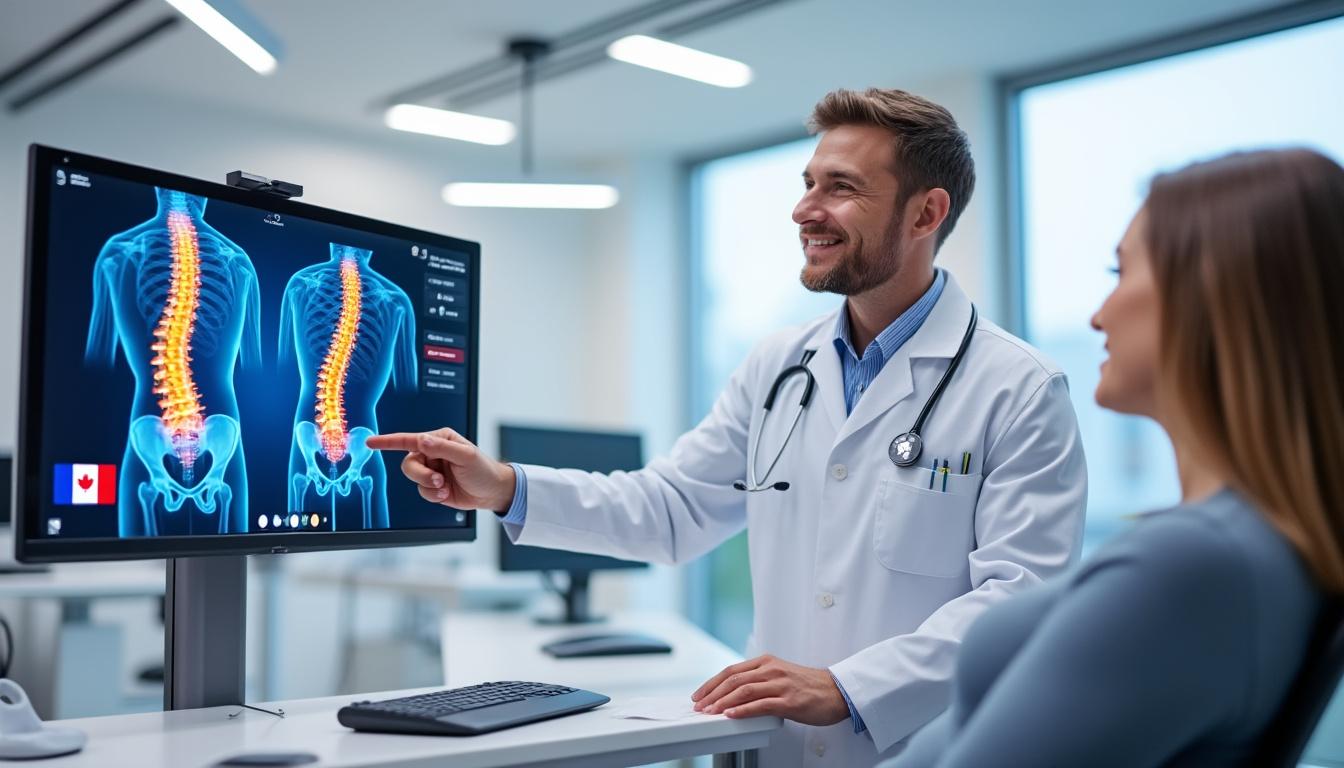
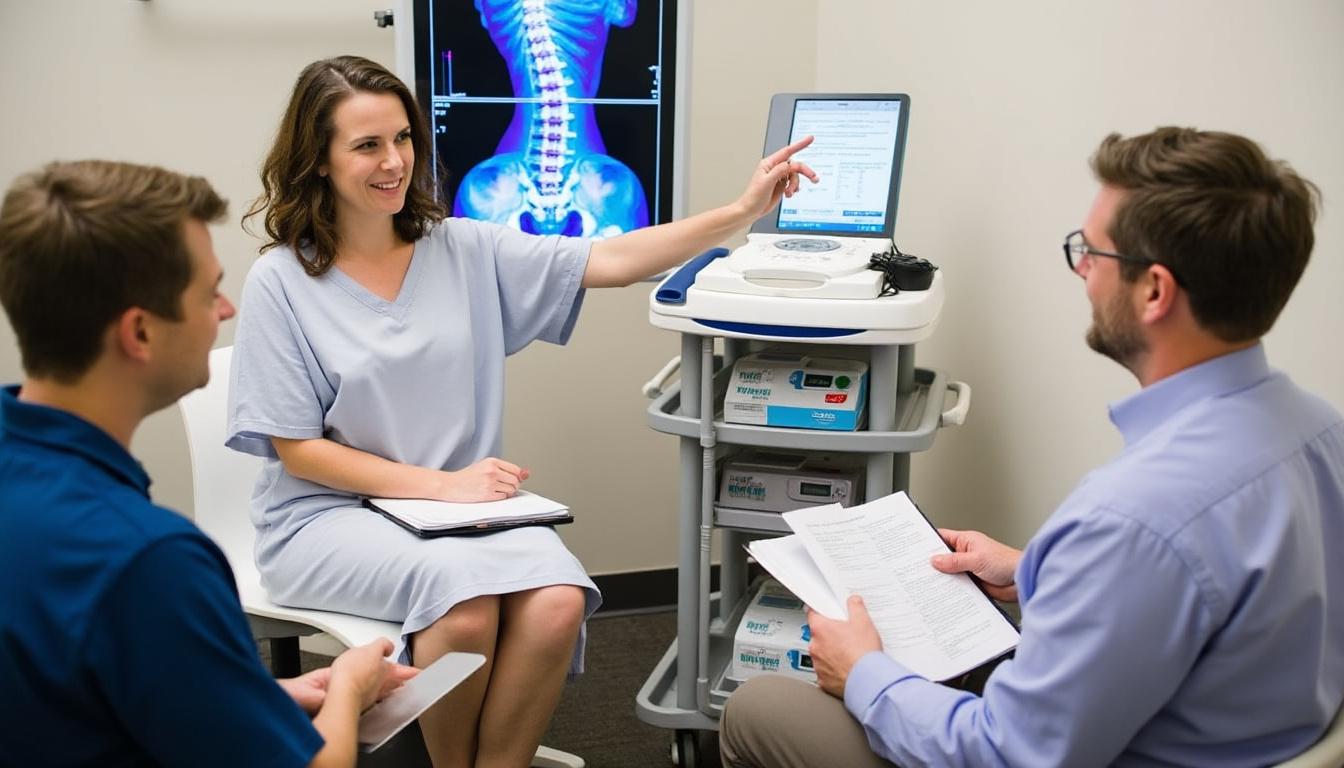
The journey towards spinal stabilization with the IntraSPINE implant involves a thorough and carefully coordinated process centered on patient safety and personalized care. Under the leadership of Dr. Desforges, the care pathway begins with an extensive assessment incorporating clinical evaluation, advanced imaging, and functional measurements. This is critical to identify precise lumbar levels requiring intervention and to rule out contraindications.
Importantly, surgery is only contemplated after a robust trial of conservative therapies lasting three to six months. Among these treatments, neurovertebral decompression at Clinique TAGMED stands out as a particularly innovative and effective modality. Using specialized techniques, this therapy alleviates nerve root compression non-invasively, potentially eliminating or delaying the need for surgery. This evidence-based approach aligns with Dr. Desforges’ commitment to ethical practice and patient well-being, ensuring that surgery is a last resort after exhausting all reasonable alternatives.
Once surgical indication is established, patient education plays a central role. Individuals are informed about the IntraSPINE device’s design, its minimally invasive implantation technique, and the realistic expectations regarding pain relief and functional improvements. The surgical procedure itself is performed through small incisions with minimal disruption to musculature, which translates into reduced blood loss and accelerated healing.
In some cases where lumbar instability coexists with stenosis, combined procedures such as limited fusion segments may be performed alongside IntraSPINE placement for comprehensive management. Postoperatively, patients engage in tailored rehabilitation emphasizing early mobilization, core strengthening, and gradual return to normal activities, often supported by ergonomic bracing.
The benefits of this structured care pathway are reflected in shorter hospital stays and faster return to function compared to traditional lumbar fusion surgeries, affirming the value of expert-led, multidisciplinary coordination. To learn more about the clinical protocols and patient experiences, consult resources detailing IntraSPINE in Sherbrooke for lumbar stability improvement.
Spine Surgery in Trois-Rivières: Reduce Pain and Preserve Mobility
In recent years, spine surgery in Trois-Rivières has evolved notably, combining advanced medical expertise with innovative technologies to deliver patient-centered care. This growing field addresses the increasing demand among Quebec residents seeking effective solutions for chronic back pain and mobility…
Biomechanical Superiority of the IntraSPINE Device in Preserving Natural Lumbar Motion
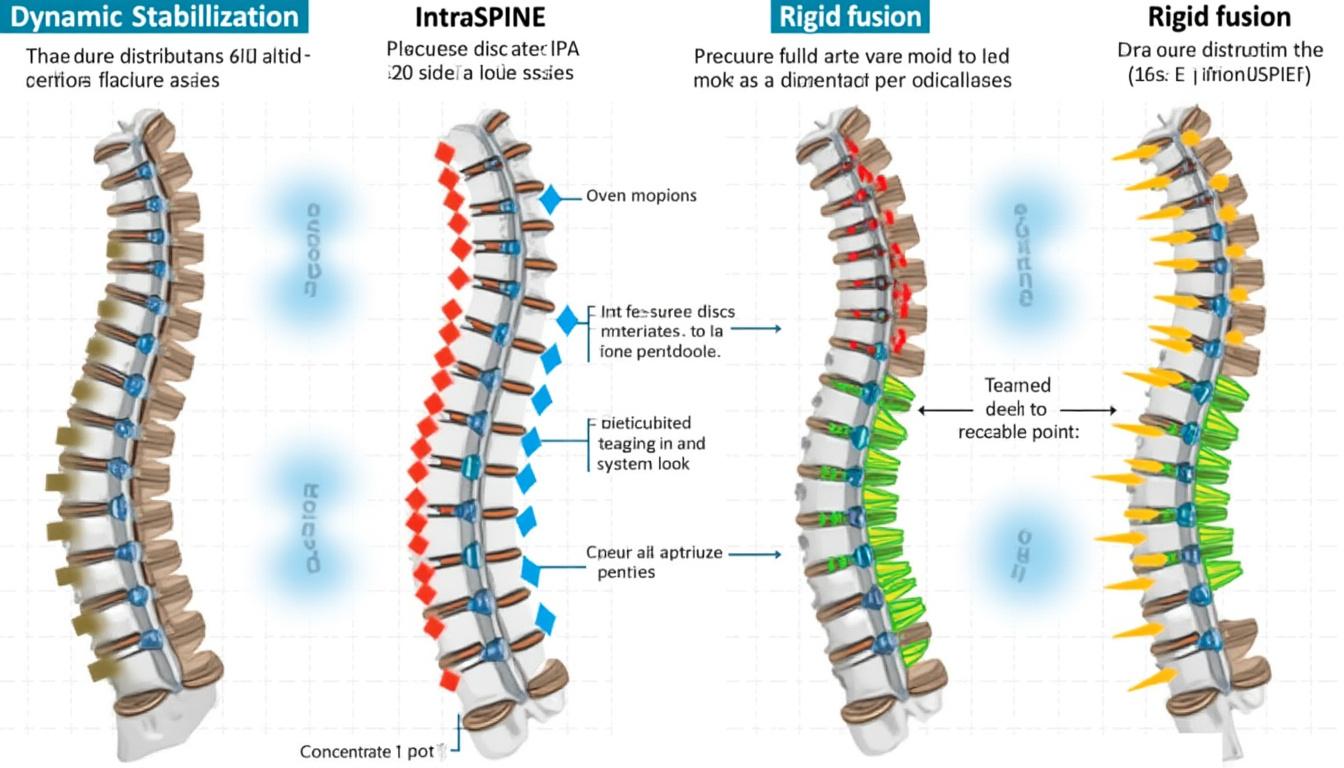
The IntraSPINE implant’s distinguishing biomechanical property is its positioning within the interlaminar space adjacent to the instantaneous axis of rotation of the lumbar vertebrae. This strategic location enables several therapeutic benefits that set it apart from rigid fusion techniques.
- Preservation of lumbar lordosis: Supporting the natural curvature sustains physiological load distribution and reduces abnormal mechanical strain that contributes to pain and degeneration.
- Foraminal enlargement: By expanding the interlaminar and foraminal spaces, the device alleviates nerve root compression, yielding significant relief from lower back pain and associated radiculopathy.
- Facet joint offloading: By reducing mechanical stress on the posterior facet joints, it helps mitigate the progression of osteoarthritis and facet-related pain.
- Prevention of adjacent segment degeneration: The dynamic properties of the IntraSPINE device lower abnormal forces on spinal levels adjacent to the implantation site, decreasing the risk of degeneration common after fusion.
Clinical studies in Sherbrooke have documented how patients report substantial pain reduction and improved functional capacity while maintaining lumbar mobility post-implantation. This contrasts sharply with spinal fusion procedures that commonly result in stiffness, muscle atrophy, and secondary complications.
Below is a comparative table highlighting key biomechanical and clinical aspects of the IntraSPINE device relative to traditional fusion implants.
| Feature | IntraSPINE Device | Traditional Spinal Fusion |
|---|---|---|
| Motion Preservation | Maintains segmental lumbar mobility | Immobilizes fused spinal segments |
| Impact on Adjacent Segments | Reduces risk of adjacent segment disease | Increases incidence of degeneration at adjacent levels |
| Surgical Approach | Minimally invasive with small incisions | Open surgery requiring extensive tissue dissection |
| Recovery Time | Shortened hospitalization and rehabilitation | Longer recovery with extensive rehabilitation |
| Patient Comfort | Less postoperative stiffness and pain | Higher rates of lumbar stiffness and persistent pain |
Further scientific detail and clinical outcomes can be explored via comprehensive reports on the IntraSPINE device’s application in Sherbrooke’s clinical context, such as those found on primary medical publications and regulated manufacturer instructions.
TOPS™ in Gatineau: High-Performance Option for the Lumbar Spine
The landscape of spinal surgery has witnessed profound evolution, particularly for patients grappling with lumbar spine disorders such as spinal stenosis and spondylolisthesis. These conditions, increasingly prevalent among Quebec’s population, impose substantial limitations on mobility and quality of life. The…
Critical Role of Conservative Care Prior to Surgical Consideration
It is essential to underline that surgery, including IntraSPINE implantation, should not be an immediate option but rather an avenue explored only after completing a diligent course of conservative therapy. Evidence-based guidelines and Dr. Desforges’ expert assessments emphasize the necessity of at least three to six months of targeted non-surgical treatments to manage lumbar disorders effectively.
The Clinique TAGMED in Quebec is recognized for its advanced conservative interventions, notably neurovertebral decompression technology. This non-invasive therapy facilitates the reduction of nerve root compression, inflammation, and pain by applying mechanical and manual decompressive maneuvers to restore physiological neural pathways.
Typical components of conservative care include:
- Neurovertebral decompression techniques: Utilizing specialized equipment to decompress affected spinal segments and alleviate nerve pressure.
- Physical rehabilitation: Customized exercises focused on strengthening core stabilizers and improving posture.
- Patient education: Instruction on ergonomics, lifestyle modifications, and self-care strategies to maintain spinal health.
- Pharmacological management: Judicious use of analgesics or anti-inflammatories complementing physical modalities.
Patients who have not previously undergone such comprehensive conservative management, especially as offered at TAGMED, are strongly encouraged to consider these therapies before electing for surgical intervention. This approach aligns with moral imperatives in spine care by minimizing unnecessary procedures and promoting symptom resolution through less invasive means.
Cervical Disc Prosthesis in Quebec City: Avoid Post-Surgery Stiffness
Chronic neck pain remains a significant challenge for thousands of residents in Quebec City every year, often leading them to seek effective spinal surgery options that minimize downtime and maximize long-term mobility. Among the recent advancements revolutionizing cervical spine care,…
Distinctive Features and Added Value of the Sherbrooke IntraSPINE Program
The program delivering IntraSPINE treatments in Sherbrooke stands out for combining technical innovation, clinical expertise, and personalized patient pathways coordinated by Dr. Desforges and his team. This comprehensive approach ensures that patients benefit from:
- Access to premium-grade orthopedic implants: Carefully selected IntraSPINE devices tailored to individual spinal pathology.
- Minimally invasive surgical techniques: Procedures designed to limit tissue trauma, promote rapid recovery, and reduce postoperative complications.
- Integrated continuity of care: Seamless management from initial osteopathic evaluation through surgery and postoperative rehabilitation.
- International collaboration: Close coordination with experienced surgical centers in France to access state-of-the-art technologies and expertise unavailable in Canada.
- Compliance with stringent Quebec and Canadian health regulations: Upholding ethical standards, patient safety, and best practices at all stages.
This model fosters trustful patient engagement and supports informed consent, providing a reassuring environment in which individuals can navigate their spine health journey confidently. More about this innovative program is available through dedicated clinical insights shared on the Sherbrooke IntraSPINE treatment platform.
Minimally Invasive Surgery in Longueuil: Reduce Hospital Stay Duration
In recent years, advances in spinal care have dramatically reshaped the treatment landscape for patients suffering from debilitating spinal conditions. Particularly in Longueuil, the emergence of minimally invasive surgery (MIS) techniques offers a transformative alternative to conventional open surgeries. These…
Transatlantic Connectivity: Coordinating Quebec-France Collaboration for Optimized Spine Care
A key differentiator of the IntraSPINE Sherbrooke program is its exceptional transatlantic coordination, orchestrated by Dr. Desforges with his extensive experience bridging Canadian and French spine care ecosystems. This international collaboration enables:
- Comprehensive preoperative assessments in Quebec: Expert evaluations guiding appropriate patient selection and care planning.
- Remote surgical consultation and planning with French specialists: Leveraging the skillset of surgeons who have pioneered dynamic spine stabilization techniques, ensuring precision and efficacy.
- Access to accredited surgical centers in France: Reducing wait times commonly encountered in Canadian public healthcare and facilitating timely intervention.
- Postoperative follow-up coordinated between multidisciplinary teams: Seamlessly integrating rehabilitation and recovery support across continents.
This continuum of care is notable for its ability to combine technical excellence with patient-centered ethics and regulatory compliance on both sides of the Atlantic. Patients benefit from reduced delays, personalized treatment plans, and superior clinical outcomes, hallmarking a modern approach to lumbar spine health management in the 2020s.
IntraSPINE® in Laval: Modern Solution for Lumbar Stabilization
In the evolving landscape of orthopedic treatments, the city of Laval has become a hub for innovations addressing chronic lower back pain. Among the groundbreaking solutions gaining attention is the IntraSPINE device—a modern spinal implant designed to offer dynamic lumbar…
Patient Education and Support: Promoting Informed Decision-Making and Humanized Care
Understanding spinal surgery can be overwhelming, especially when it involves advanced technologies like the IntraSPINE device. Dr. Desforges prioritizes empathetic communication, breaking down complex concepts into accessible language that empowers patients. By clearly outlining the surgical journey’s stages, potential risks, advantages, and realistic expectations, patients can make well-informed decisions alongside their care team.
The process involves structured information sessions, opportunity for questions, and ongoing support designed to alleviate anxiety and foster trust. This personalized, human-centered approach encourages patients to actively engage in rehabilitation protocols and self-care practices critical to sustained recovery and lumbar stability.
This open dialogue model reflects the ethical and scientific rigor championed by Dr. Desforges, ensuring that each case receives individualized attention and respect.
Neck Surgery in Montreal: Maintain Cervical Flexibility and Function
Neck conditions causing persistent pain or functional loss place a substantial burden on individuals and healthcare systems, especially in urban centers like Montreal. Surgical interventions targeting the cervical spine have evolved tremendously, aiming not only to relieve symptoms but to…
Advantages of IntraSPINE over Traditional Spine Surgery: Patient-Centered Outcomes in Quebec
As the health landscape continues to evolve in Quebec, patients seeking relief from chronic lumbar pain increasingly consider innovative options that optimize both biomechanical function and quality of life. The IntraSPINE device offers several tangible benefits:
- Preserved lumbar mobility: Allowing patients to maintain active lifestyles post-treatment.
- Reduced postoperative pain and stiffness: Enhancing patient comfort and satisfaction.
- Lower occurrence of adjacent segment disease: Supporting long-term spinal health.
- Minimally invasive procedure with shorter recovery time: Facilitating earlier return to work and daily activities.
- Access through international collaboration: Allowing timely surgery alongside expert teams in specialized French clinics.
These advantages underscore the importance of selecting treatment pathways that go beyond symptom management to prioritize lasting spine support. For an in-depth discussion on benefits and practical experiences, visit resources like those presented on IntraSPINE in Sherbrooke improving lumbar stability.

Disc Prosthesis in Lévis: Quick and Long-Lasting Results
Chronic back pain caused by degenerative disc disease continues to profoundly impact the quality of life for many residents in Lévis and the broader Quebec area. For decades, traditional spinal fusion surgery has been the primary solution for alleviating severe…
Accessing Your Personalized Spine Health Pathway with Dr. Sylvain Desforges
For individuals in Quebec experiencing persistent lower back pain who seek innovative, evidence-based solutions, the IntraSPINE program coordinated by Dr. Sylvain Desforges offers a carefully tailored path. Emphasizing scientific integrity, patient education, and an ethical framework, this initiative serves as a beacon for those requiring advanced spine treatment options not always readily accessible within Canadian borders.
Patients are invited to begin with a thorough evaluation, including a comprehensive osteopathic assessment and review of previous treatments. This process ensures that conservative care has been optimized before surgical considerations. Should surgery be indicated, the transatlantic collaboration ensures access to state-of-the-art surgical expertise and technologies, expediting care without compromising quality or safety.
Embarking on this journey is a collaborative effort, combining the patient’s motivation with expert support. To initiate a personalized consultation or obtain further information about the IntraSPINE treatment opportunity, please visit https://www.sostourismemedical.com/contact and take your first step towards improved spinal health and function.
What makes the IntraSPINE device different from traditional spinal fusion?
The IntraSPINE device provides dynamic stabilization within the interlaminar space, preserving the natural motion of lumbar segments, unlike traditional fusion which immobilizes the spine and can lead to adjacent segment degeneration.
Is surgery the first option for treating lumbar spine conditions?
No, surgery with IntraSPINE implantation is considered only after patients undergo 3 to 6 months of conservative care, such as neurovertebral decompression and physical rehabilitation, as recommended by experts like Dr. Desforges.
How does the Quebec-France collaboration benefit patients undergoing spine surgery?
This partnership reduces wait times common in Canadian public healthcare, grants access to advanced minimally invasive surgeries in France, and ensures continuous postoperative care coordinated between multidisciplinary teams on both continents.
What role does conservative treatment play before surgery?
Conservative care, including therapies available at Clinique TAGMED, focuses on relieving nerve compression and strengthening spinal support, potentially avoiding or postponing the need for surgery through effective non-invasive methods.
Where can I start my evaluation for IntraSPINE surgery?
You can begin by contacting Dr. Sylvain Desforges’ team through the consultation page at https://www.sostourismemedical.com/contact for expert evaluation and personalized recommendations.