Spine Surgery in Trois-Rivières: Preserve Quality of Life
October 26, 2025
Lumbar Disc Prosthesis in Saguenay: Safe and Modern Solution
October 26, 2025
The management of lumbar spine conditions continues to evolve, combining innovation and patient-centered care to improve outcomes. Patients in Quebec facing lumbar instability or degenerative changes now have access to advanced surgical options, including dynamic stabilization techniques like the IntraSPINE device employed in Sherbrooke. This approach offers a promising alternative, particularly for those seeking solutions beyond traditional fusion surgeries. Its ability to maintain lumbar mobility while addressing pain and neurological symptoms shines new light on spinal treatments in both the local and international medical communities.
As an expert in spinal care with over 30 years of experience, including extensive involvement in osteopathic and multidisciplinary management, I emphasize rigor and innovation in patient evaluation and guidance. My approach is built on a foundation of scientific evidence, ethical considerations, and emerging technologies—key to ensuring the highest safety and efficacy standards. This article delves into the crucial aspects of the IntraSPINE system and how it fits within modern lumbar spine care, especially for patients with complex needs such as osteoporosis or spinal stenosis.
Understanding the IntraSPINE Device: A Leap Forward in Lumbar Stability
The IntraSPINE is a dynamic interlaminar stabilization device designed to preserve physiological motion in the lumbar vertebral segments while providing necessary support. Unlike traditional fusion techniques, which immobilize segments and may lead to adjacent segment disease (ASD), the IntraSPINE allows for natural movement and reduces the stress transferred to adjacent spinal levels.
Placed between the laminae of lumbar vertebrae, the device is constructed from biocompatible materials like medical-grade dimethyl siloxane and polyethylene terephthalate. This composition ensures durability and cushioning, which absorbs impacts and reduces mechanical stress during movements such as extension and flexion.
- Interlaminar Placement: Located closer to the spine’s axis of rotation compared to interspinous devices, allowing more natural biomechanics.
- Indications: Primarily used for arthropathic facet syndromes, foraminal stenosis, degenerative disc disease, and intervertebral ligament insufficiency.
- Biomechanical Benefits: Restores disc height, reduces spinal nerve pressure, and helps regain lumbar lordosis.
- Compatibility: Suitable for older adults including those with osteoporosis, given its placement on the stronger laminar bone rather than the more fragile spinous processes.
In clinical practice, patients benefit from reduced pain scores and improved functionality post-implantation, with fewer complications than seen in some fusion surgeries. This device is supported by evolving evidence from case studies and multicenter trials, underscoring its potential as a minimally invasive but highly effective solution.
| Feature | Description | Clinical Impact |
|---|---|---|
| Material | Dimethyl siloxane with polyester covering | Elastic support mimicking disc cushioning |
| Placement | Interlaminar space between lumbar vertebrae | Maintains natural range of motion, less implant failure risk |
| Target Conditions | Facet joint pain, foraminal stenosis, osteoporosis | Effective pain relief, neurological symptom improvement |
| Postoperative Outcomes | Reduced pain scores, improved mobility | Lower incidence of adjacent segment degeneration |
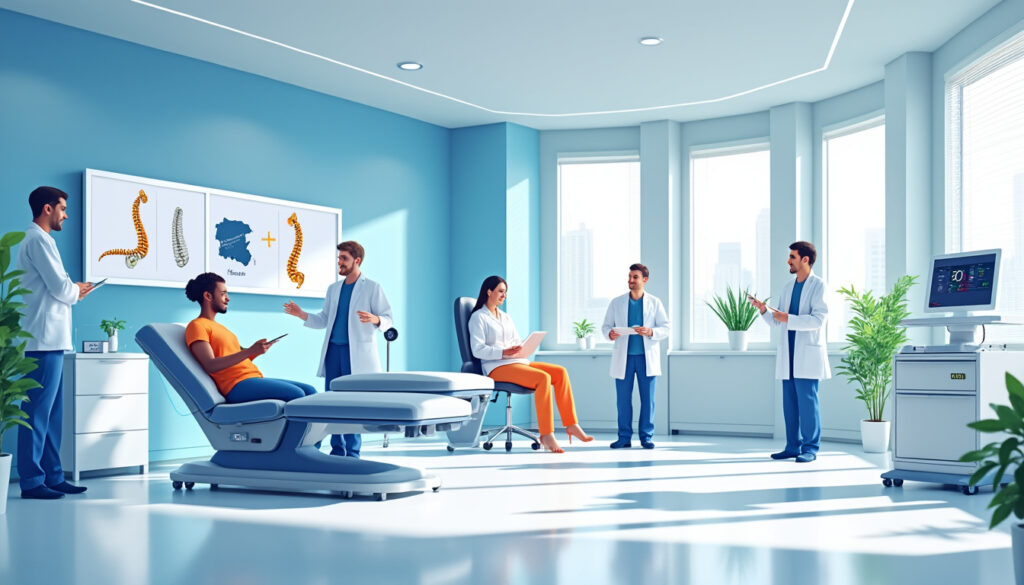
IntraSPINE® in Sherbrooke: Durable Solution for Chronic Low Back Pain
The management of chronic low back pain, a widespread condition affecting millions across Quebec and beyond, has reached a pivotal moment thanks to innovative medical technologies and coordinated care pathways. At the heart of this evolution lies the IntraSPINE implant,…
Lumbar Surgery Options in France: Fusion vs. Motion-Preserving Techniques
For patients considering lumbar surgery, understanding the spectrum of surgical options is paramount. In France, renowned for its advanced healthcare system, a range of procedures is available and increasingly used by patients seeking balanced solutions that honor both pain relief and mobility preservation.
The main categories include:
- Simple Decompression Surgery: This involves surgical removal of bone or ligament that compresses spinal nerves, providing symptomatic relief without implant insertion. Ideal for mild-to-moderate stenosis but risks postoperative instability in some cases.
- Spinal Fusion Surgery: Historically the gold standard for more severe instability or degenerative disease, fusion immobilizes two or more vertebrae to stabilize the spine. While highly effective in some contexts, it carries risks such as ASD and longer recovery times.
- Motion-Preserving Surgery: An evolving approach incorporating devices like the IntraSPINE, TOPS, and ESP implants. These options stabilize the spine while maintaining segmental motion, reducing secondary complications and enhancing postoperative dynamics.
France’s advanced use of implants from leading manufacturers such as Medtronic, Zimmer Biomet, and NuVasive reflects the commitment to combining proven strategies with cutting-edge innovation. Many interventions incorporate dynamic spinal implants that are shaping the future of patient-specific care pathways.
| Surgical Type | Procedure Aim | Benefits | Considerations |
|---|---|---|---|
| Simple Decompression | Relieve nerve compression | Minimally invasive, faster recovery | Risk of instability |
| Fusion Surgery | Stabilize segments | Strong mechanical support | Possible adjacent segment disease, longer healing |
| Motion Preservation | Stabilize yet maintain movement | Reduced secondary degeneration | Requires precise evaluation and selection |
Patients should discuss with their multidisciplinary teams to assess which technique aligns best with their anatomy, lifestyle, and treatment goals. Dynamic devices like the IntraSPINE bring hope for those wishing to maintain lumbar flexibility and reduce long-term complications.

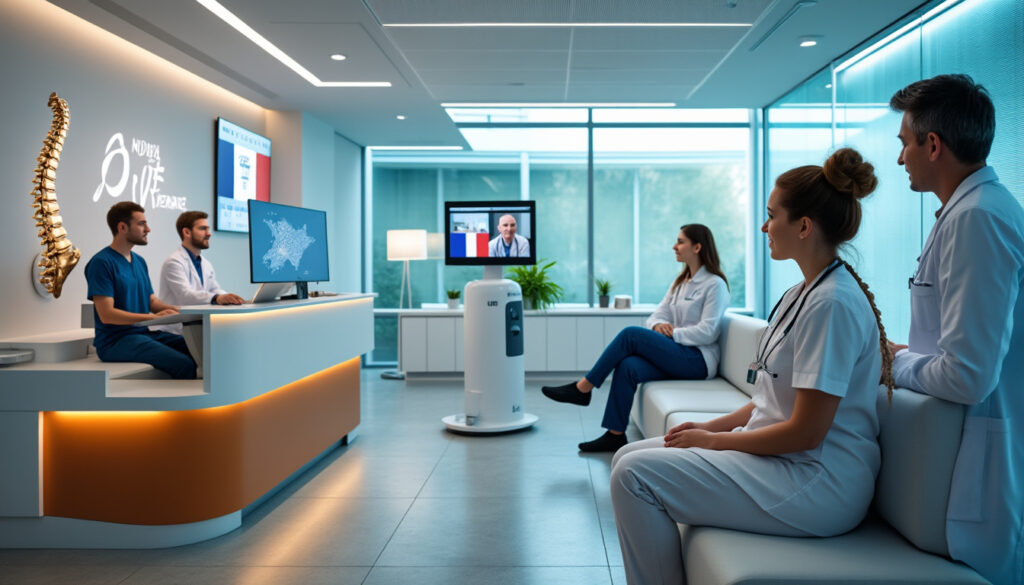
Spine Surgery in Trois-Rivières: Reduce Pain and Preserve Mobility
In recent years, spine surgery in Trois-Rivières has evolved notably, combining advanced medical expertise with innovative technologies to deliver patient-centered care. This growing field addresses the increasing demand among Quebec residents seeking effective solutions for chronic back pain and mobility…
Key Steps in the Transatlantic Patient Journey for Lumbar Surgery
Embarking on a lumbar surgical journey across continents involves a coordinated, patient-centered framework that maximizes both outcomes and patient experience.
Specifically for patients traveling from Quebec to France, the process typically involves:
- Comprehensive Evaluation in Quebec: Initial assessment by an expert in spinal disorders—evaluating clinical history, imaging, and previous treatments. This step leverages scientific rigor and personalized consultation.
- Collaborative Case Review: Coordination with partner surgical teams in France to determine candidacy for procedures like those involving the IntraSPINE device or other advanced implants. Discussions focus on biomechanical benefits and risks.
- Surgical Intervention in France: Surgery is performed using state-of-the-art technologies and protocols conforming to European and international standards, enhancing patient safety and comfort.
- Postoperative Rehabilitation and Monitoring: Integrated rehab programs and follow-up care optimize recovery, using innovations such as neurovertébral decompression and low-impact physical therapy.
- Return and Long-Term Follow-Up in Quebec: Continuity of care is ensured through interdisciplinary teams, supporting physical restoration and lifestyle adjustment.
This international pathway demonstrates the advantages of leveraging global healthcare expertise while minimizing wait times and costs often encountered in Quebec’s private sector.
| Stage | Activities | Benefits |
|---|---|---|
| Preoperative Evaluation | Expert assessments, imaging review, conservative treatment verification | Personalized recommendations, avoidance of unnecessary surgery |
| Surgical Planning | Multidisciplinary review, implant selection, individualized strategy | Optimized outcomes, minimized complications |
| Operation | Minimally invasive surgery with dynamic implants | Reduced hospital stay, quicker recovery |
| Rehabilitation | Targeted exercises, innovative decompression therapies | Enhanced mobility and strength restoration |
| Follow-up | Cross-border communications and monitoring | Seamless care continuity |
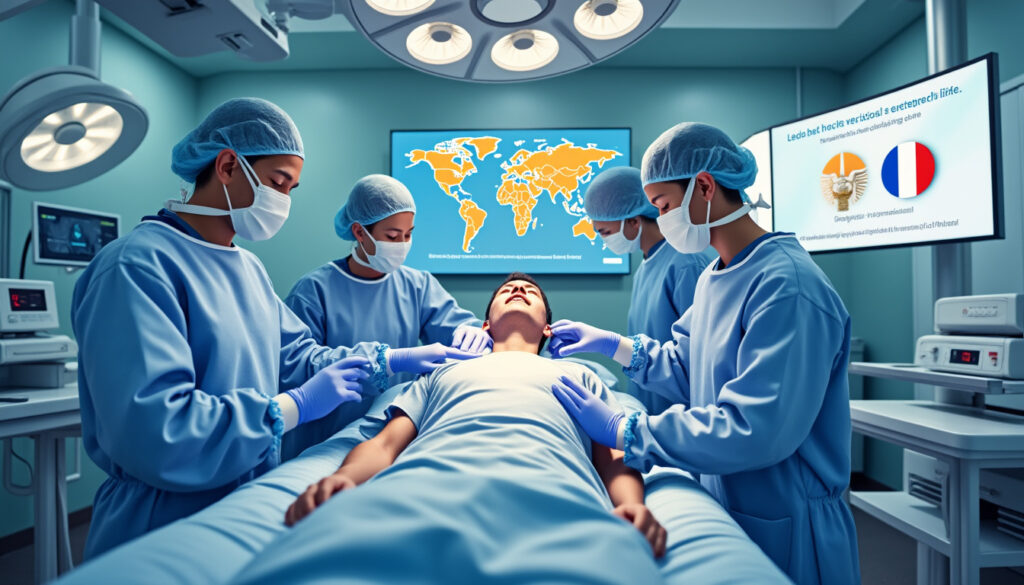
Cervical Disc Prosthesis in Quebec City: Avoid Post-Surgery Stiffness
Chronic neck pain remains a significant challenge for thousands of residents in Quebec City every year, often leading them to seek effective spinal surgery options that minimize downtime and maximize long-term mobility. Among the recent advancements revolutionizing cervical spine care,…
Why Conservative Treatment is Essential Before Surgery: The Role of Advanced Therapies
Before considering surgical options for lumbar spine disorders, it is crucial to complete a comprehensive trial of conservative treatments, typically lasting between three to six months. This approach respects patient safety and aligns with ethical, evidence-based standards.
Effective conservative therapies include:
- Neurovertebral Decompression: Offered at specialized centers such as the Clinique TAGMED in Laval, this non-invasive technology alleviates nerve pressure and restores spinal segment dynamics.
- Physical Therapy and Rehabilitation: Tailored exercises that improve musculature, posture, and lumbar stability.
- Pharmacological Management: Using anti-inflammatories and analgesics to control symptoms while pursuing other therapies.
- Local Injections: Corticosteroid or anesthetic injections to reduce inflammation and provide temporary relief.
If conservative care fails to produce adequate relief, the surgical evaluation can proceed with a personalized plan emphasizing dynamic implants or motion-preserving techniques. The selection of surgery only after well-documented conservative treatment mitigates risks and improves surgical outcomes.
| Conservative Treatment | Purpose | Expected Benefit | Examples |
|---|---|---|---|
| Neurovertebral Decompression | Reduce nerve compression | Symptom relief, enhanced nerve function | Noninvasive spinal traction and distraction techniques |
| Physical Therapy | Strengthen spinal support | Improved stability, reduced pain | Exercise regimens, postural correction |
| Medications | Symptom management | Inflammation control and analgesia | NSAIDs, muscle relaxants |
| Local Injections | Targeted pain relief | Temporary symptom control | Steroid injections near nerve roots |
Minimally Invasive Surgery in Longueuil: Reduce Hospital Stay Duration
In recent years, advances in spinal care have dramatically reshaped the treatment landscape for patients suffering from debilitating spinal conditions. Particularly in Longueuil, the emergence of minimally invasive surgery (MIS) techniques offers a transformative alternative to conventional open surgeries. These…
Exploring Biomechanical Advantages of Nonfusion Lumbar Surgery
Nonfusion lumbar surgery, such as that achieved with the IntraSPINE device, stands out due to its biomechanical preservation of the spine’s natural functions. Unlike fusion, which irreversibly locks vertebral segments, dynamic stabilization respects the spine’s mobility and load distribution.
The key biomechanical benefits include:
- Maintenance of Segmental Motion: The IntraSPINE device is placed in the interlaminar space, near the spine’s axis of rotation, preserving physiological movement during flexion and extension.
- Restoration of Disc Height and Lordosis: By supporting the vertebral laminae, the device helps restore lumbar curvature and disc space, reducing nerve impingement and pain.
- Reduced Risk of Adjacent Segment Degeneration (ASD): Preserving motion decreases undue stress on segments adjacent to the surgical site, a common issue with fusion surgery.
- Improved Load Sharing: Dynamic implants distribute mechanical loads more evenly, reducing the chance of implant failure or spinal structure damage.
A clear biomechanical understanding helps surgeons tailor interventions to patient needs, especially for those with osteoporosis or pre-existing vertebral fragility. The IntraSPINE device’s placement capitalizes on lamina’s stronger bone density, supporting implant longevity and safety.
| Biomechanical Aspect | Effect | Clinical Significance |
|---|---|---|
| Segmental Mobility | Preserved | Better function, less stiffness post-op |
| Disc Height | Restored | Reduced nerve compression symptoms |
| Adjacent Segment Stress | Reduced | Lower risk of secondary degeneration |
| Load Distribution | Optimized | Enhanced implant durability |
IntraSPINE® in Laval: Modern Solution for Lumbar Stabilization
In the evolving landscape of orthopedic treatments, the city of Laval has become a hub for innovations addressing chronic lower back pain. Among the groundbreaking solutions gaining attention is the IntraSPINE device—a modern spinal implant designed to offer dynamic lumbar…
The Value-Added Services of TAGMED and Personalized Care Coordination
In the continuum of spinal care, patients benefit greatly from comprehensive, multidisciplinary approaches that encompass precise evaluation, conservative care, surgical options, and follow-up. The Clinique TAGMED in Laval exemplifies this integrative approach, specializing in advanced conservative treatments including neurovertebral decompression and rehabilitation therapies.
Key aspects of TAGMED’s services include:
- Cutting-Edge Non-Surgical Techniques: Such as laser treatments and mechanical decompression aimed at symptom relief and function restoration.
- Patient-Centered Education: Clear explanations help patients understand their pathology, treatment options, and recovery phases.
- International Coordination: TAGMED collaborates with surgical partners across France and Quebec to streamline care pathways for transatlantic patients.
- Long-Term Follow-Up: Continuous monitoring of recovery progress and timely interventions when necessary.
This synergy between conservative and surgical frameworks ensures patients receive optimized, safe, and personalized spine management, affirming the importance of holistic care models.
| Service Component | Features | Patient Impact |
|---|---|---|
| Non-Surgical Treatments | Neurovertébral decompression, laser therapies | Symptom relief without surgery |
| Patient Education | Accessible information, decision support | Empowered, informed patients |
| International Care Coordination | Collaboration with French surgical centers | Streamlined care, reduced delays |
| Follow-Up | Monitoring and early intervention | Improved long-term outcomes |
Neck Surgery in Montreal: Maintain Cervical Flexibility and Function
Neck conditions causing persistent pain or functional loss place a substantial burden on individuals and healthcare systems, especially in urban centers like Montreal. Surgical interventions targeting the cervical spine have evolved tremendously, aiming not only to relieve symptoms but to…
Economic and Human Advantages of Transatlantic Lumbar Surgery Choices
Opting for lumbar spinal surgery abroad, particularly between Quebec and France, offers both economic and human benefits that enhance the overall patient experience.
Key economic advantages include:
- Lower Surgery Costs: France’s health system and medical technology access often deliver advanced treatments at more accessible costs than some private options in Quebec.
- Reduced Wait Times: Many patients experience significantly shorter delays before surgery, critical for avoiding prolonged pain and disability.
- Access to Modern Implants and Technologies: Partnerships with manufacturers such as DePuy Synthes, Stryker, and Alphatec Spine ensure availability of cutting-edge devices.
From a human perspective:
- Customized Treatment Plans: Coordinated care across continents leverages diverse expertise tailored to individual patient profiles.
- Enhanced Patient Support: Multidisciplinary teams provide education, psychosocial support, and continuous engagement throughout the surgical journey.
- Improved Postoperative Rehabilitation: Integration with reference centers like Clinique TAGMED ensures effective recovery monitoring and therapy.
| Aspect | Economic Benefit | Human Benefit |
|---|---|---|
| Cost | Lower surgery and hospitalization expenses | Less financial stress |
| Timing | Shorter wait times | Faster symptom relief |
| Technology Access | Latest implants and surgical innovations | Higher surgical success rates |
| Patient Experience | Streamlined processes | Supportive multidisciplinary environment |

Disc Prosthesis in Lévis: Quick and Long-Lasting Results
Chronic back pain caused by degenerative disc disease continues to profoundly impact the quality of life for many residents in Lévis and the broader Quebec area. For decades, traditional spinal fusion surgery has been the primary solution for alleviating severe…
Who Should Consider the IntraSPINE Implants? Patient Profiles and Osteoporosis Considerations
The IntraSPINE system presents a transformative alternative especially suitable for patients with lumbar instability complicated by osteoporosis, a condition commonly complicating spinal surgery outcomes. Osteoporosis raises the risk of spinal fractures and complicates implant stability; however, recent evidence suggests that with correct patient selection, IntraSPINE implantation is safe and effective even in this population.
Typical candidates include patients who:
- Experience chronic low back pain with accompanying neurological symptoms like numbness or cramping.
- Have radiological evidence of degenerative disc disease, spinal stenosis, or ligament insufficiency.
- Do not respond adequately to at least 3 to 6 months of conservative treatments, including neurovertebral decompression.
- May not be ideal candidates for fusion surgeries due to osteoporosis or poor bone quality.
Two case studies of elderly women with severe osteoporosis showed successful outcomes with IntraSPINE placement combined with decompression, highlighting pain reduction and functional improvement without implant failure or secondary complications after one year.
| Patient Profile | Condition | Treatment Outcome |
|---|---|---|
| 87-year-old with spondylolisthesis | Severe osteoporosis, lumbar stenosis | Pain score reduction from 8 to 3, regained mobility |
| 81-year-old with spinal stenosis | Severe osteoporosis, compression fractures | Pain score reduction from 8 to 2, symptom resolution |
This emerging approach challenges previous contraindications related to bone fragility by utilizing the laminar placement of the device, which anchors on robust bone rather than less stable areas like spinous processes.
Motion Surgery in Terrebonne: Maintain Intervertebral Mobility
Back pain remains a widespread concern for many in Quebec, with traditional treatment pathways often imposing lengthy waiting periods and financial constraints. Recently, Motion Surgery in Terrebonne has emerged as a transformative option, attracting patients seeking spinal solutions that prioritize…
Encouragement for Informed Patient Engagement and Contact Information
Every lumbar spine condition is unique, warranting individualized assessment and a treatment plan adapted to patient needs and preferences. It is critical to stay informed and engage with your healthcare providers with questions and openness to all available options, including advanced conservative therapies and modern surgical implants such as IntraSPINE.
If you or a loved one are experiencing chronic lumbar pain or neurological symptoms despite conservative care, consider seeking an evaluation that includes the possibility of international treatment pathways tailored for optimal outcomes and safety.
For further information or to discuss your case with a multidisciplinary team dedicated to lumbar spine health, you are encouraged to visit SOS Tourism Medical contact page. Our expert team is ready to support you in making an informed, confident decision towards improved lumbar health.
What are the main benefits of the IntraSPINE device over traditional lumbar fusion?
The IntraSPINE device preserves natural spinal movement, reduces adjacent segment disease risk, and offers a less invasive alternative, leading to quicker recovery and better long-term function.
Is osteoporosis a contraindication for receiving the IntraSPINE implant?
Recent cases indicate that osteoporosis, when properly evaluated, is not an absolute contraindication to IntraSPINE implantation, as the device anchors onto the stronger laminar bone.
Why is conservative treatment important before considering surgery?
Conservative care such as neurovertebral decompression and targeted rehabilitation can alleviate symptoms without surgery, reduce risks, and ensure surgery is truly necessary only after failed non-surgical management.
What advantages does the transatlantic surgery pathway offer Quebec patients?
Quebec patients benefit from reduced wait times, access to cutting-edge implants, cost savings, and comprehensive care coordination between Canadian and French medical teams.
How does the IntraSPINE device restore lumbar biomechanics?
By placing the device in the interlaminar space, IntraSPINE maintains spinal motion, restores disc height and lordosis, and balances load to protect adjacent spinal segments from degeneration.