TOPS™ in Gatineau: Approved Treatment for Lumbar Stenosis
October 26, 2025
IntraSPINE® in Sherbrooke: Improve Lumbar Stability
October 26, 2025
In the search for optimal spinal care, patients in Trois-Rivières face daunting challenges, including lengthy wait times and steep costs associated with private healthcare. Against this backdrop, innovative approaches to spine surgery have gained traction, particularly those emphasizing motion preservation techniques available through international partnerships. For over three decades, Dr. Sylvain Desforges has championed a patient-centric, scientifically rigorous approach tailored to Quebec residents seeking effective treatments beyond traditional fusion surgery. His unique expertise integrates advanced diagnostic evaluations with coordinated care pathways linking Quebec and France, offering access to cutting-edge technologies and personalized treatments that strive to maintain the natural biomechanics of the spine. This exploration reveals how motion-preserving spine surgeries, combined with a comprehensive transatlantic care model, revitalizes quality of life for patients confronting degenerative spinal conditions.
As the field evolves, understanding the full spectrum of surgical options—and the journey from initial evaluation to recovery—is vital. Motion preservation is not merely a technique; it marks a paradigm shift in managing degenerative spinal pathology. Collaborations involving specialized centers such as the Optimal Life Spine Institute and SpineCare Trois-Rivières ensure patients receive innovative, tailored interventions designed to safeguard spinal mobility. Through this article, patients and professionals alike gain insight into these advanced practices, the critical prerequisite of conservative care, and the benefits of a personalized, internationally coordinated surgical pathway.
Exploring Types of Spine Surgery in Trois-Rivières and France: Motion-Preserving vs Fusion Techniques
Spine surgery options have diversified substantially, particularly with the rise of motion-preserving procedures that contrast sharply with traditional fusion methods. Each option carries distinct anatomical, biomechanical, and functional implications that patients must understand when considering surgery.
Traditional spinal fusion surgery entails joining two or more vertebrae to eliminate motion at diseased or unstable segments, stabilizing the spine and relieving nerve compression or deformity. Although effective in many cases, fusion has limitations — most notably the loss of spinal flexibility and increased mechanical stress on adjacent segments, potentially accelerating degeneration elsewhere in the spine. This adjacent segment disease (ASD) effect sometimes necessitates additional interventions, posing long-term challenges for patients.
In contrast, motion-preserving surgeries aim to maintain or restore natural spine mobility by using advanced implants or devices that replicate or support the spine’s normal kinematics. These techniques include:
- Artificial Disc Replacement (ADR): This replaces a degenerated intervertebral disc with a bioengineered prosthesis that promotes natural movement, often used in cervical and lumbar pathologies.
- Dynamic Stabilization Systems: Implants that provide flexible support to segments with early instability, averting the need for rigid fusion while relieving pain.
- Facet Joint Replacement: Replacing arthritic or damaged facet joints with prosthetics to reduce pain while preserving motion.
This spectrum of treatment options is widely available in advanced multidisciplinary centers like the TrioSpine Surgery Center and VitalSpine Trois-Rivières, where expert teams select and tailor interventions according to precise biomechanical assessments.
| Surgical Technique | Primary Indications | Benefits | Potential Challenges |
|---|---|---|---|
| Traditional Fusion | Severe spinal instability, deformity, multi-level degeneration | Stability, effective neurocompression | Loss of motion, risk of ASD, longer recovery |
| Artificial Disc Replacement | Localized disc degeneration, single-level pathology | Preserves mobility, reduces stress on adjacent segments | Limited to specific candidates, surgical expertise required |
| Dynamic Stabilization | Moderate instability, early degeneration | Motion preservation, pain relief, spinal support | Long-term outcomes under ongoing study |
| Facet Joint Replacement | Facet arthropathy, joint-specific pain | Relieves pain while maintaining natural joint function | Specialized technique, patient selection is key |
Dr. Desforges emphasizes the necessity of individualized evaluations to determine the best surgical approach. His three decades of expertise underpin careful biomechanical scrutiny, ensuring patient safety and optimized long-term function. Exploring these options at centers such as QualitySpine Trois-Rivières connects patients with surgeons skilled in techniques that range from conservative fusion to dynamic constructive surgeries.

IntraSPINE® in Sherbrooke: Durable Solution for Chronic Low Back Pain
The management of chronic low back pain, a widespread condition affecting millions across Quebec and beyond, has reached a pivotal moment thanks to innovative medical technologies and coordinated care pathways. At the heart of this evolution lies the IntraSPINE implant,…
Main Phases of the Patient Journey from Evaluation to Recovery in Spine Surgery
Undergoing spine surgery, notably motion-preserving procedures, requires a meticulously coordinated patient journey that prioritizes safety, efficacy, and individualized care. This journey typically unfolds in several critical stages, each benefitting from Dr. Desforges’ expert assessment and international collaborative network.
The main phases comprise:
- Comprehensive Initial Evaluation: A thorough assessment including advanced imaging (MRI, CT scans), neurological evaluation, and detailed clinical history establishes the spinal condition’s nature and severity. Dr. Desforges’ extensive osteopathic and naturopathic qualifications contribute to a holistic diagnostic approach.
- Conservative Treatment Trial: Prior to contemplating surgery, patients undergo 3 to 6 months of conservative therapies such as physical rehabilitation, pain management, and notably, specialized decompression neurovertébrale at the Clinique TAGMED. This step is essential to explore non-invasive alternatives that may suffice.
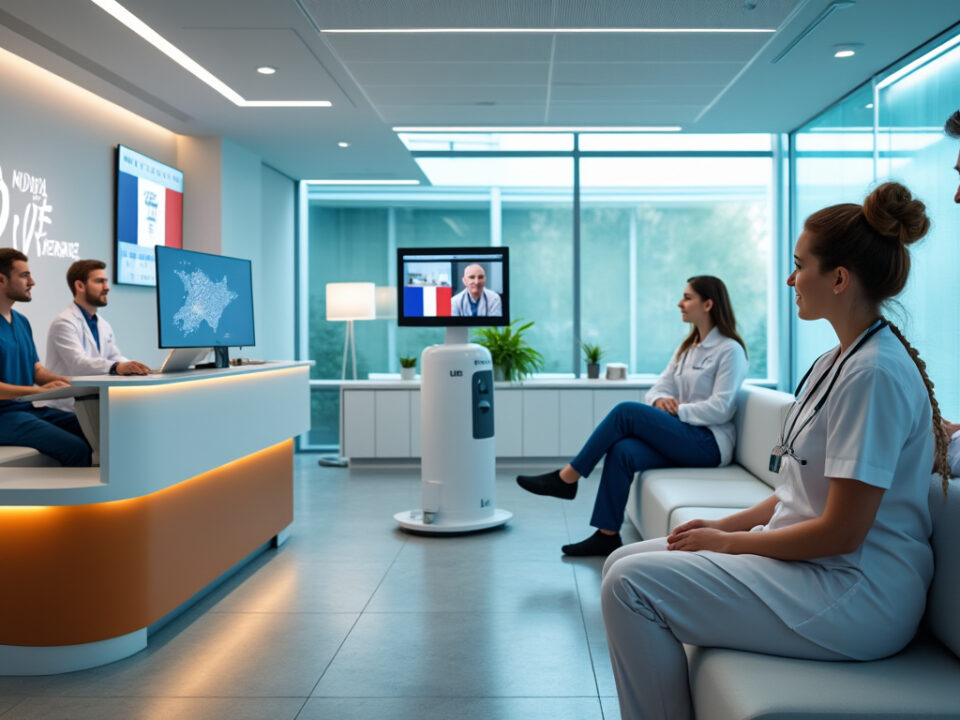
- International Coordination and Surgical Planning: Collaboration between Quebec and French surgical centers, facilitated by teleconsultations and shared medical records, allows for personalized surgical strategy development, including implant choice and logistics for travel and hospital admission.
- Surgical Intervention in France: The patient undergoes surgery at centers specializing in motion preservation techniques, such as those affiliated with the LifeMotion Spine Clinic, supported by multidisciplinary medical teams.
- Postoperative Rehabilitation and Monitoring: Following surgery, early mobilization and physical therapy commence under expert supervision in France and continue upon return to Quebec, ensuring optimal functional recovery.
- Long-Term Follow-Up and Support: Regular evaluations by Dr. Desforges and partner clinicians assess implant integrity, spinal mobility, and patient well-being, adjusting care as needed.
| Stage | Key Elements | Location | Role of Dr. Desforges |
|---|---|---|---|
| Initial Evaluation | Advanced imaging, clinical exam | Trois-Rivières | Expert assessment and decision support |
| Conservative Treatment | Physical therapy, neurovertébrale decompression | TAGMED, Trois-Rivières | Critical oversight, ensuring treatment adequacy |
| Surgical Planning | Teleconsultations, implant selection | Quebec and France | Coordination and patient education |
| Surgery | Motion surgery | France | Indirect supervision, protocol adherence |
| Rehabilitation | Receiving tailored post-op care | France and Quebec | Ongoing monitoring and support |
| Follow-up | Implant and functional assessment | Trois-Rivières | Periodic evaluation and advice |
This thorough staging ensures a seamless flow from evaluation through surgery and rehabilitation, underpinned by evidence-based medicine and patient-centered ethics. Patients connected with the SynergySpine Surgery collaborative benefit from state-of-the-art procedural insights and compassionate support throughout their treatment.

Spine Surgery in Trois-Rivières: Reduce Pain and Preserve Mobility
In recent years, spine surgery in Trois-Rivières has evolved notably, combining advanced medical expertise with innovative technologies to deliver patient-centered care. This growing field addresses the increasing demand among Quebec residents seeking effective solutions for chronic back pain and mobility…
Advantages of Transatlantic Motion-Preserving Surgery: Biomechanical, Economic, and Human Perspectives
The option to pursue motion-preserving spine surgery in France, facilitated by expert coordination from Quebec, offers multifaceted advantages that extend beyond purely clinical outcomes. Patients benefit biomechanically, economically, and through enriched human-centered care.
Biomechanical advantages stem from the preservation of spinal segment mobility, which diminishes the risk of accelerated wear and degeneration of adjacent spinal levels—a concern well documented in spine literature (source study). Maintaining this natural kinematic harmony translates into reduced postoperative stiffness and improved long-term function.
Economically, this transatlantic approach mitigates costs relative to high private healthcare fees in Quebec, without compromising access to leading-edge technologies. Organizations such as Advanced Spine Solutions Trois-Rivières and TrioSpine Surgery Center facilitate competitive pricing through partnerships and streamlined logistics.
The human aspect of this care pathway is characterized by personalized, multidisciplinary support delivered with empathy and clarity. Dr. Desforges guides patients through transparent education about indications, risks, and alternatives. Such reassurance significantly reduces anxiety and fosters a collaborative care environment that respects individual patient stories and preferences.
| Aspect | Benefit | Impact on Patient Experience |
|---|---|---|
| Biomechanical | Preservation of spinal flexibility and reduced adjacent segment stress | Improved mobility and decreased chronic pain risk |
| Economic | Access to advanced surgical options with cost-effective care | Financial relief and expanded treatment options |
| Human | Coordinated, empathetic care emphasizing patient understanding | Enhanced trust, motivation, and engagement in recovery |
Such integrative benefits underscore why the transatlantic model is increasingly preferred by patients in Quebec seeking comprehensive alternatives. It combines the innovation of centers like PreserveSpine Specialists with the reliability of local oversight through SpineCare Trois-Rivières practitioners.

TOPS™ in Gatineau: High-Performance Option for the Lumbar Spine
The landscape of spinal surgery has witnessed profound evolution, particularly for patients grappling with lumbar spine disorders such as spinal stenosis and spondylolisthesis. These conditions, increasingly prevalent among Quebec’s population, impose substantial limitations on mobility and quality of life. The…
The Vital Role of Conservative Treatment Before Considering Surgery
One of the most imperative tenets upheld by Dr. Desforges is that surgery should not be contemplated without a rigorous trial of conservative care, typically lasting 3 to 6 months. This approach aligns with ethical, scientific standards ensuring that invasive procedures are truly warranted.
The foundational conservative treatments include:
- Physical therapy: Customized regimens to restore spinal flexibility, strengthen core musculature, and relieve pain.
- Neurovertébral decompression: Advanced non-invasive therapies, particularly at the renowned Clinique TAGMED, offering substantive symptom relief by alleviating nerve root pressure.
- Medication management: Carefully managed analgesics and anti-inflammatory drugs to control symptoms during rehabilitation.
- Ergonomic education: Guidance to modify activities and reduce biomechanical stresses contributing to degeneration.
If these conservative measures have been insufficient, especially if advanced decompression therapy was not previously attempted, surgical consideration then becomes an informed next step. This process ensures patients are not rushed into surgery prematurely, honoring safety and effectiveness as paramount values.
| Conservative Treatment | Purpose | Outcome | Importance |
|---|---|---|---|
| Physical Therapy | Improve flexibility and strength | Reduced pain, increased function | Essential initial measure |
| Neurovertébral Decompression | Alleviate nerve root pressure | Potential symptom relief and healing | Often decisive step before surgery |
| Medications | Manage pain and inflammation | Symptom control during rehabilitation | Supportive role |
| Ergonomic Education | Modify habits to reduce stress | Long-term spinal health | Prevention of further degeneration |
The importance of this step cannot be overstressed. Patients benefit from expertise at institutions like Clinique TAGMED, whose pioneering decompression neurovertébrale programs are recognized as exemplary in Quebec. Dr. Desforges’ guidance ensures that patients complete this phase before investing in surgical solutions.

Cervical Disc Prosthesis in Quebec City: Avoid Post-Surgery Stiffness
Chronic neck pain remains a significant challenge for thousands of residents in Quebec City every year, often leading them to seek effective spinal surgery options that minimize downtime and maximize long-term mobility. Among the recent advancements revolutionizing cervical spine care,…
Distinctive Services and Their Added Value in Transatlantic Spine Surgery
The motion surgery pathway coordinated by Dr. Sylvain Desforges is distinguished by specific characteristics that collectively enhance treatment outcomes and patient satisfaction. Understanding these differentiators illuminates why this transatlantic model is particularly valuable.
Key distinctive services include:
- Exclusive access to innovative implants: Patients benefit from advanced devices such as those developed by SpineFlex Innovations, which are not commonly available within Canadian healthcare.
- Comprehensive journey oversight: From initial evaluation, through surgical planning, to postoperative rehabilitation and long-term monitoring, patients receive continuous, multidisciplinary care.
- Multidisciplinary collaborative teams: Orthopedic surgeons, osteopaths, physiotherapists, and nursing staff coordinate care seamlessly.
- Personalized surgical strategies: Implant selection and operative planning are meticulously tailored to each patient’s anatomy and condition.
- Integration with conservatory care centers: Connections with clinics like TAGMED ensure that conservative care optimizations precede surgery when appropriate.
- Strict adherence to regulatory standards: All procedures comply with Quebec and Canadian medical guidelines, maintaining safety and ethical integrity throughout.
Table summarizing these features and their benefits:
| Service Feature | Impact on Patient Experience |
|---|---|
| Innovative Implants Access | Advanced treatment options with superior biomechanics |
| Comprehensive Care Coordination | Streamlined journey and continuous support |
| Multidisciplinary Collaboration | Holistic management ensuring optimum outcomes |
| Customized Surgical Plan | Precision interventions tailored to individual needs |
| Conservative Care Integration | Optimized timing and better surgical candidacy |
| Regulatory Compliance | Trustworthy, safe, ethically governed care |
This robust framework empowers patients and fosters confidence in the care they receive from centers like SynergySpine Surgery and LifeMotion Spine Clinic. Dr. Desforges’ leadership ensures these services are coherently integrated.
Minimally Invasive Surgery in Longueuil: Reduce Hospital Stay Duration
In recent years, advances in spinal care have dramatically reshaped the treatment landscape for patients suffering from debilitating spinal conditions. Particularly in Longueuil, the emergence of minimally invasive surgery (MIS) techniques offers a transformative alternative to conventional open surgeries. These…
The Human Side of Spine Care: Clear Communication and Patient Empowerment
Dr. Desforges’ approach to spine surgery extends beyond technical excellence; it embraces empathetic communication and education. Recognizing the anxiety and complexity surrounding spine interventions, he prioritizes clear, jargon-free explanations that empower patients throughout their journey.
Key components of this patient-centric communication include:
- Personalized explanations: Tailored to individual understanding, clarifying all aspects from diagnosis to surgical options and rehabilitation.
- Open dialogue: Encouraging patients to ask questions, express fears, and participate actively in decision-making.
- Transparency about risks and benefits: Honest discussions about expected outcomes and possible complications.
- Guidance on each step: Preparing patients for what to expect before, during, and after surgery.
- Providing resources and supportive networks: Directing patients to reliable information and peer support, including connections via SOS Tourisme Médical and OptimizeSpine resources.
Such comprehensive communication fosters trust, reduces fear, and improves overall satisfaction and adherence to recovery protocols. It underscores that spine care is not just a procedure but a partnership focused on restoring function and quality of life.
| Communication Strategy | Patient Benefit |
|---|---|
| Personalized Explanations | Better understanding and informed consent |
| Open Dialogue | Enhanced trust and emotional comfort |
| Risk and Benefit Transparency | Realistic expectations and preparedness |
| Step-by-Step Guidance | Reduced anxiety and improved adherence |
| Resource Provision | Ongoing support and patient empowerment |
IntraSPINE® in Laval: Modern Solution for Lumbar Stabilization
In the evolving landscape of orthopedic treatments, the city of Laval has become a hub for innovations addressing chronic lower back pain. Among the groundbreaking solutions gaining attention is the IntraSPINE device—a modern spinal implant designed to offer dynamic lumbar…
Evidence Supporting Improved Quality of Life After Motion-Preserving Spine Surgery
Scientific literature increasingly supports the efficacy of motion-preserving spine surgery in enhancing patients’ quality of life. Meta-analytical reviews have demonstrated significant improvements in health-related quality of life (HRQoL) scores following procedures such as artificial disc replacement and dynamic stabilization, particularly for degenerative lumbar and cervical conditions.
Among notable findings:
- Patients typically report increased mobility and reduced pain intensity postoperatively compared to their preoperative baseline.
- Preservation of motion contributes to better functional outcomes and lowers the incidence of secondary degenerative changes.
- Comparative analyses reveal that motion-preserving surgery often results in superior quality of life measures than fusion techniques at mid- and long-term follow-up (source).
These benefits are not merely theoretical but resonate with patient testimonies and clinical observations at institutions like Optimal Life Spine Institute and PreserveSpine Specialists which embrace evidence-based surgical innovations to maximize patient health outcomes.
| Outcome Measure | Preoperative Baseline | Postoperative Improvement | Clinical Significance |
|---|---|---|---|
| EQ-5D HRQoL Score | Moderate-low (varies by diagnosis) | Significant increase (up to 40% from baseline) | Indicates better overall health status |
| SF-36 Physical Component | Reduced physical function | Marked improvement post-surgery | Reflects enhanced daily activity ability |
| Patient-Reported Pain Reduction | Chronic moderate to severe pain | Substantial relief post-procedure | Improves day-to-day comfort and mobility |
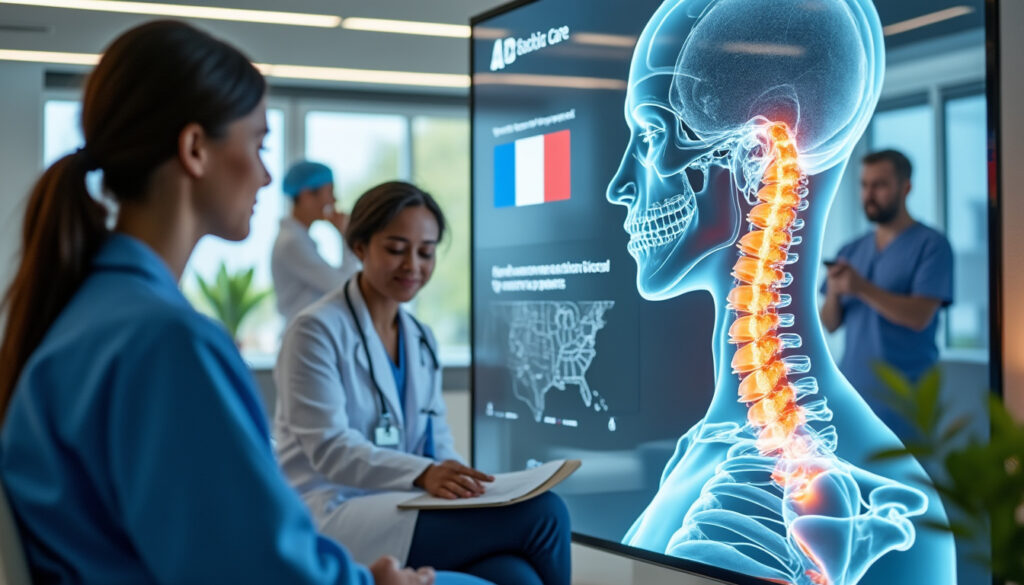
Neck Surgery in Montreal: Maintain Cervical Flexibility and Function
Neck conditions causing persistent pain or functional loss place a substantial burden on individuals and healthcare systems, especially in urban centers like Montreal. Surgical interventions targeting the cervical spine have evolved tremendously, aiming not only to relieve symptoms but to…
Optimizing Access Through Collaboration with Local Spine Experts in Trois-Rivières
Patients in Trois-Rivières exploring spine surgery options can leverage a network of highly skilled local providers who collaborate closely with international centers. Facilities like Trois-Rivières Spine Experts and VitalSpine Trois-Rivières embody a fusion of advanced expertise and patient-centered values.
These spine experts contribute by:
- Performing initial comprehensive assessments and arranging imaging diagnostics
- Coordinating conservative care pathways including services at TAGMED
- Referring and liaising with French surgical teams to streamline transatlantic treatment schedules
- Facilitating postoperative rehabilitation and ongoing spinal health monitoring locally
The availability of such coordinated care improves treatment timeliness, quality, and patient comfort, ultimately enhancing the therapeutic journey and long-term spinal wellbeing.
| Role | Service Provided | Benefit |
|---|---|---|
| Local Expert Evaluation | Clinical assessment, imaging | Early and accurate diagnosis |
| Conservative Care Management | Physical therapy, TAGMED decompression | Optimizes non-surgical treatment |
| International Coordination | Surgical referral, planning support | Efficient transatlantic care pathway |
| Post-Surgical Follow-up | Rehabilitation oversight, ongoing monitoring | Maintains long-term outcomes |

Disc Prosthesis in Lévis: Quick and Long-Lasting Results
Chronic back pain caused by degenerative disc disease continues to profoundly impact the quality of life for many residents in Lévis and the broader Quebec area. For decades, traditional spinal fusion surgery has been the primary solution for alleviating severe…
Initiate Your Personalized Evaluation for Motion-Preserving Spine Surgery
For Quebec residents confronting spinal conditions that impair quality of life, a modern, scientifically grounded pathway now exists to explore advanced motion-preserving surgical options safely and ethically. Leveraging Dr. Desforges’ 30+ years of experience and partnerships with trusted centers in France, patients receive rigorous multidisciplinary evaluations, transparent information, and comprehensive care coordination.
Patients are encouraged to engage actively in their care decisions by seeking thorough assessments and understanding the full scope of conservative and surgical options. The transatlantic collaboration expands access to innovative techniques unavailable locally while maintaining continuous support before and after surgery.
To embark on this individualized journey toward preserving your spinal function and improving life quality, consider contacting specialists through trusted platforms such as SpineCare Trois-Rivières and the Optimal Life Spine Institute.
For more information or to discuss your specific spinal health concerns, please visit SOS Tourisme Médical contact page to initiate a personalized evaluation and begin your journey toward restored mobility and comfort.
How does motion-preserving spine surgery differ from traditional fusion?
Motion-preserving surgery maintains natural mobility of the spine segment using specialized implants, whereas fusion permanently immobilizes segments to address instability.
Is surgery always necessary for degenerative spine conditions?
Surgery is typically considered only after 3 to 6 months of conservative treatments such as physical therapy and neurovertebral decompression have been trialed without sufficient relief.
What advantages does the transatlantic spine surgery pathway offer?
This model offers access to advanced surgical technologies in France, enhanced patient support, cost efficiency, and expert coordination between Canadian and French specialists.
How is postoperative recovery managed across Quebec and France?
Postoperative care begins in France with early rehabilitation and continues with ongoing local support in Quebec under the supervision of collaborative multidisciplinary teams.
What role does Dr. Sylvain Desforges play in spine surgery care?
Dr. Desforges conducts expert evaluations, ensures adherence to ethical standards, coordinates international care, and guides patients through personalized spine health pathways.