Initial Questionnaires and Examinations: Their Influence on Surgical Decision-Making
June 14, 2026
La Prairie Lumbar Disc Care for Sports Injuries
June 14, 2026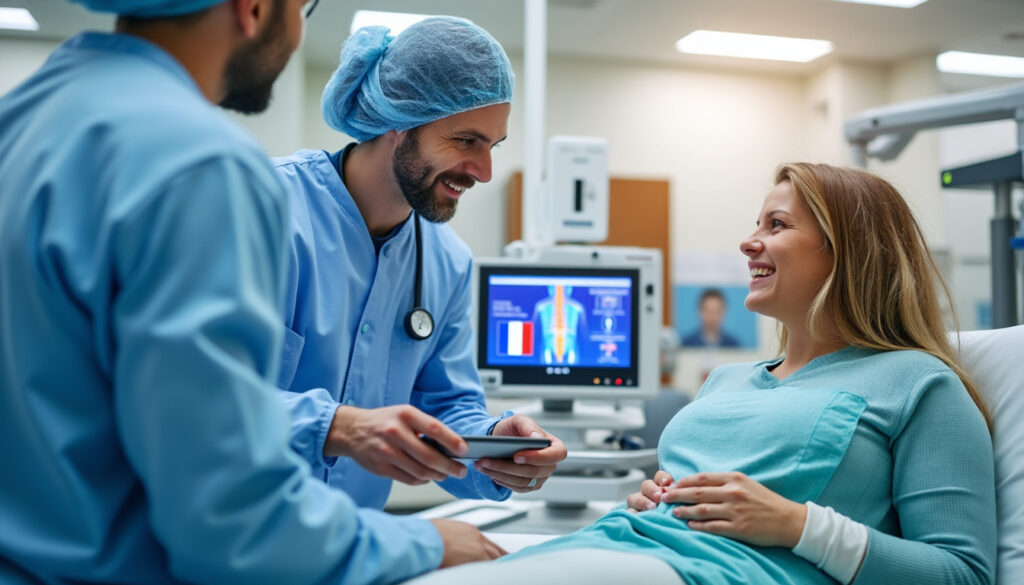
At the crossroads of innovation and patient-centered care, the IntraSPINE implant introduced in Sherbrooke is transforming the landscape of spinal surgery recovery and posture improvement. For many Canadians, particularly those in Quebec facing long delays or high costs for spinal treatments, this dynamic stabilization device offers a renewed hope for functional back support without sacrificing mobility. Back pain, especially in the lumbar region, remains a pervasive challenge impacted by degenerative changes, nerve compression, and age-related wear. Yet, the emergence of minimally invasive techniques combined with transatlantic clinical collaboration has opened doors to accessible, advanced options.
Through the expertise of Dr. Sylvain Desforges, a recognized pioneer in spinal care with over three decades of experience, and the coordinated efforts between TAGMED Clinic in Sherbrooke and French surgical centers, patients have access to tailored evaluations, progressive therapies, and postoperative rehabilitation designed to optimize spinal alignment and alleviate pain. This innovative approach underscores a philosophy that prioritizes evidence-based treatments, ethical patient engagement, and technological excellence—providing a balanced path between conservative care and surgical intervention. The journey from initial assessment to post-surgical recovery is harmonized with a focus on safety, transparency, and mobility preservation.
Understanding IntraSPINE: A Breakthrough in Dynamic Spinal Stabilization to Enhance Posture
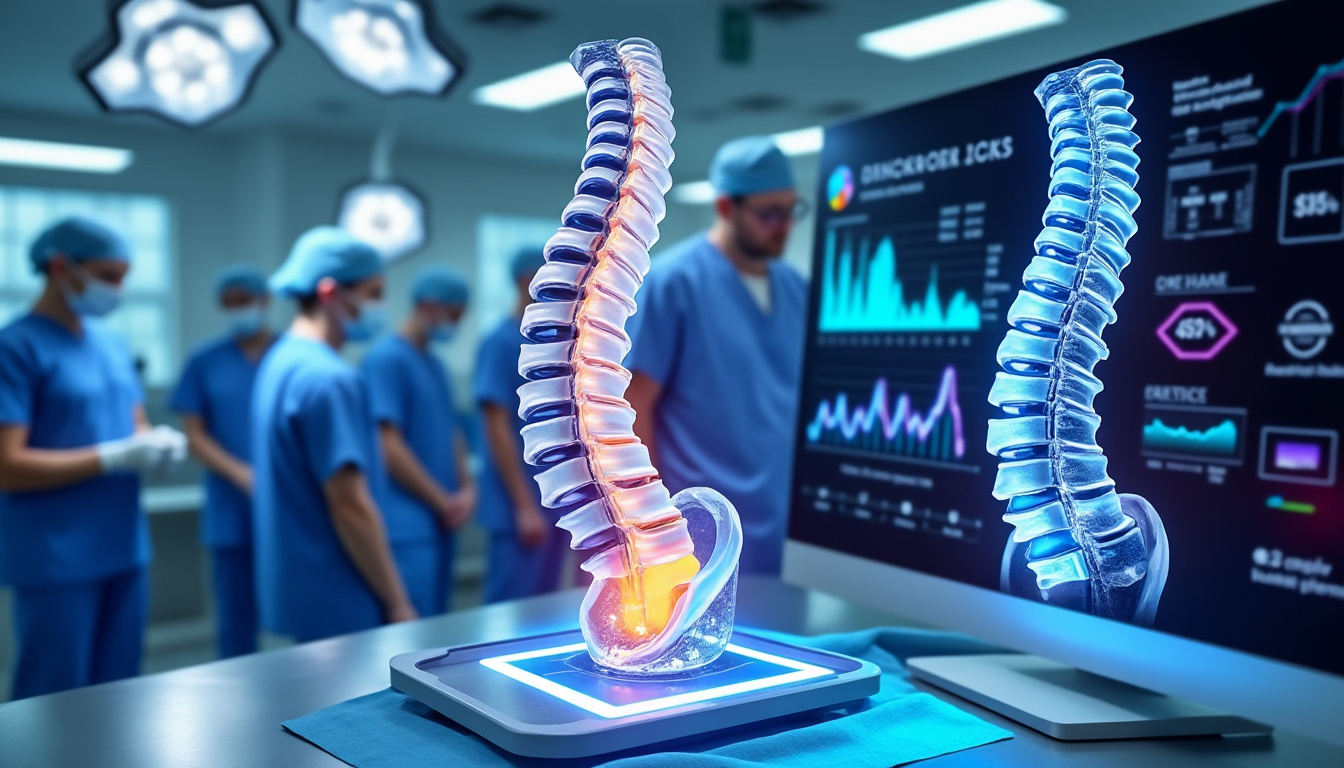
The IntraSPINE device is a novel orthopedic implant designed to occupy the interspinous space with laminar support, gently stabilizing lumbar vertebrae while preserving their natural range of motion. Unlike traditional fusion surgeries that immobilize spinal segments, IntraSPINE acts as a biomechanical spacer and dynamic shock absorber, reducing undue pressure on intervertebral discs and nerve roots. This careful balance aids in maintaining spinal alignment and posture, enhancing functional recovery after surgery.
Crafted from medical-grade dimethyl siloxane and surrounded by a biocompatible textile cover, the device prioritizes patient safety and durability. By distributing load in a controlled fashion, it protects adjacent spinal segments from accelerated degeneration commonly observed after rigid fixation. This innovation represents a middle ground between conservative therapies and invasive fusion, offering patients improved outcomes and shorter hospital stays.
The expertise behind this advancement is rooted in a deep understanding of lumbar biomechanics, as exemplified by Dr. Desforges, who leads the evaluation and individualized planning at the TAGMED Clinic. His team meticulously assesses candidacy for IntraSPINE through comprehensive clinical and radiological methods, ensuring that the implant is suited to the patient’s specific pathology—such as degenerative disc disease or foraminal stenosis—and lifestyle demands.
Patients undergoing this treatment benefit not only from pain relief but also from preserved spinal mobility, which supports better posture and an earlier return to daily activities. The approach aligns with international quality standards (ISO 13485, CE marking) and integrates cutting-edge rehabilitation techniques to maximize long-term function.
IntraSPINE® in Sherbrooke: Durable Solution for Chronic Low Back Pain
The management of chronic low back pain, a widespread condition affecting millions across Quebec and beyond, has reached a pivotal moment thanks to innovative medical technologies and coordinated care pathways. At the heart of this evolution lies the IntraSPINE implant,…
A Comprehensive Surgical Landscape in France: Options Complementing IntraSPINE for Quebec Patients
For many Quebec residents seeking alternatives to long wait times or costly private care, France offers a broad spectrum of spinal surgical techniques tailored to various pathologies. These approaches range from minimally invasive decompression procedures to advanced dynamic stabilization and fusion surgeries—each with unique indications and postoperative expectations.
Simple decompression surgery aims to relieve nerve pressure caused by herniated discs or mild spinal stenosis without altering segmental stability. Patients benefit from less invasive intervention, with shorter recovery and fewer complications, but the mobility of the spinal segment remains unchanged.
Fusion surgery (arthrodesis) serves patients with significant instability or deformity by rigidly fixing one or more vertebrae. This technique effectively disables painful motion but can lead to accelerated wear of adjacent segments and limits natural spinal movement. The trade-off between pain relief and preserved mobility is a critical consideration for active patients.
Motion preservation surgery – including IntraSPINE and other innovative implants—strives to maintain segmental motion while providing sufficient stabilization. Technologies such as TOPS or disc prostheses complement this category, offering therapeutic alternatives that align with modern concepts of spine health and biomechanics.
The choice among these options depends on several factors including symptom severity, anatomical changes, and responses to prior conservative treatments, which often include advanced therapies such as neurovertebral decompression available at TAGMED.
This multiplicity of surgical techniques available in France, alongside a thorough evaluation by experts like Dr. Desforges, expands the therapeutic arsenal accessible to Quebec patients. The synergy between Canadian assessment and French surgical innovation fosters personalized care pathways that bridge geographical and clinical boundaries.
Spine Surgery in Trois-Rivières: Reduce Pain and Preserve Mobility
In recent years, spine surgery in Trois-Rivières has evolved notably, combining advanced medical expertise with innovative technologies to deliver patient-centered care. This growing field addresses the increasing demand among Quebec residents seeking effective solutions for chronic back pain and mobility…
Key Phases of the Patient Journey for IntraSPINE Surgery: From Evaluation to Postoperative Rehabilitation
Embarking on the IntraSPINE surgical pathway involves a carefully structured sequence coordinated by the multidisciplinary teams led by Dr. Desforges and facilitated by partners specializing in international medical travel. The journey emphasizes patient safety, education, and individualized care at every stage.
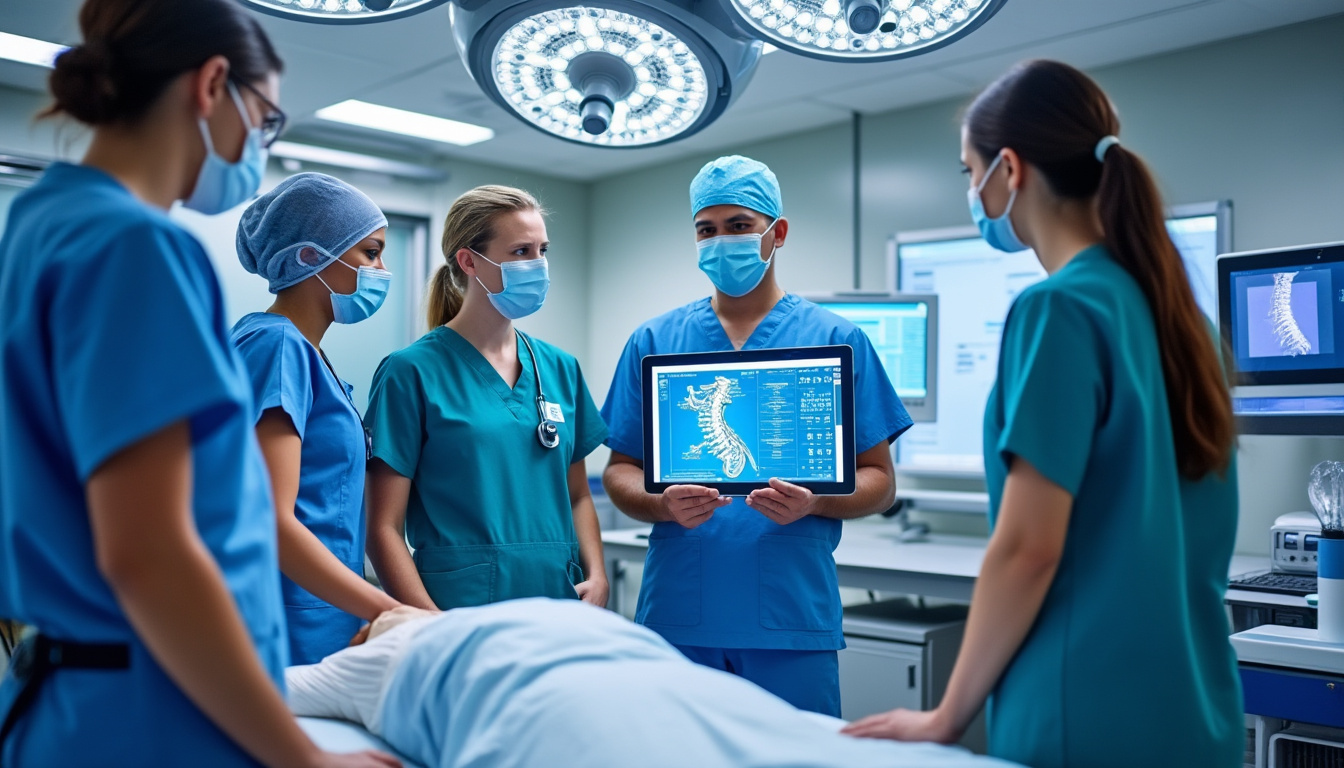
Initial comprehensive evaluation: The process begins in Sherbrooke with a detailed clinical assessment, including history taking, physical examination, and imaging studies. This assessment identifies the precise mechanical cause of pain and sets realistic expectations for treatment outcomes.
Conservative treatment phase: A crucial step lasting 3 to 6 months, this period focuses on non-invasive therapies such as physiotherapy, advanced spinal decompression therapies like robotic neurovertebral decompression at TAGMED, and lifestyle modifications. Patients are closely monitored to determine the evolution of symptoms and potential avoidance of surgery.
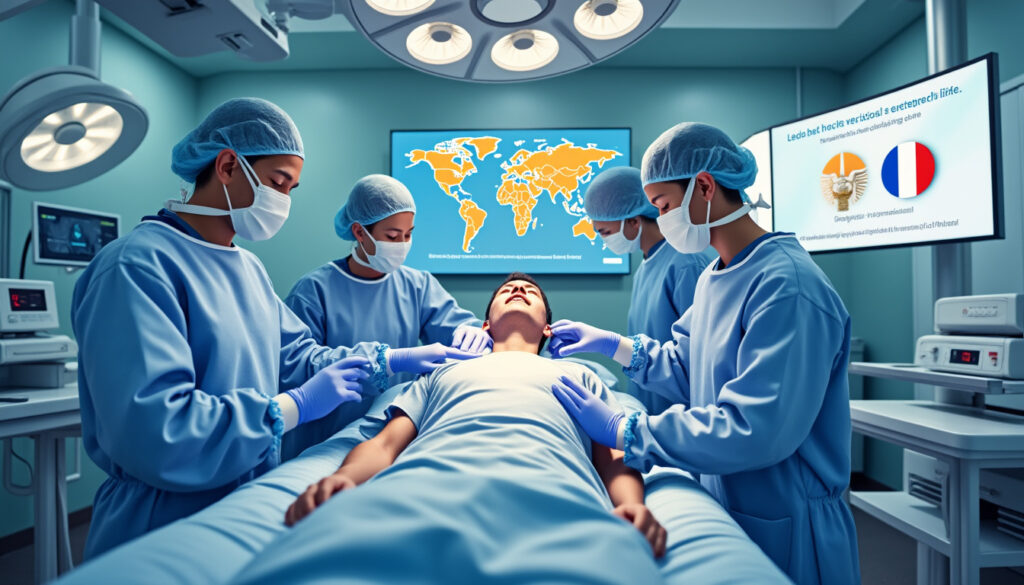
Multinational surgical planning: If surgery is indicated, coordination through services such as Franchir and SOS Tourisme Médical ensures seamless organization of appointments, travel, and hospitalization in specialized centers in France. Surgical options, including the use of IntraSPINE, are discussed transparently with the patient, aligned with their preferences and professional demands.
Postoperative care and rehabilitation: Following surgery, patients return to Quebec where Neurothérapie Montréal provides tailored rehabilitation programs focusing on strengthening back support muscles, optimizing spinal alignment, and improving posture. Continuous monitoring and education are central to preventing recurrence and promoting lasting benefits.
This stepwise approach exemplifies the rigour and ethical commitment accompanying the integration of international expertise, enabling patients to benefit from innovative treatments while maintaining continuity of care close to home.
TOPS™ in Gatineau: High-Performance Option for the Lumbar Spine
The landscape of spinal surgery has witnessed profound evolution, particularly for patients grappling with lumbar spine disorders such as spinal stenosis and spondylolisthesis. These conditions, increasingly prevalent among Quebec’s population, impose substantial limitations on mobility and quality of life. The…
The Critical Role of Conservative Therapies: Preparing for Surgery and Avoiding Unnecessary Interventions
Before considering surgical interventions like IntraSPINE, patients are encouraged to complete a robust course of conservative care. This aligns with evidence-based protocols underscoring that surgery should be reserved for cases unresponsive to well-managed non-invasive therapies.
Conservative management integrates a spectrum of options including tailored exercise regimens, manual therapies, pain management, and particularly the highly specialized neurovertebral decompression available at TAGMED. This approach safely reduces pressure on affected spinal structures and facilitates natural healing mechanisms.
Many patients have reported significant reductions in pain and improvement in mobility through these advanced modalities, often precluding the need for surgery. For those requiring further intervention, this preparatory phase enhances surgical outcomes and shortens convalescence.
Ensuring patients undergo conservative treatment at competent centers forefronts patient safety, ethical clinical practice, and long-term spine health. Dr. Desforges emphasizes clear communication during this phase, helping individuals recognize their progress, limitations, and options with clarity and confidence.
This commitment to expert evaluation and conservative care ensures that surgery remains a considered option, enhancing patient autonomy and optimizing the efficiency of healthcare resources.
Cervical Disc Prosthesis in Quebec City: Avoid Post-Surgery Stiffness
Chronic neck pain remains a significant challenge for thousands of residents in Quebec City every year, often leading them to seek effective spinal surgery options that minimize downtime and maximize long-term mobility. Among the recent advancements revolutionizing cervical spine care,…
Biomchanical and Clinical Advantages of IntraSPINE: Preserving Mobility While Relieving Pain
The unique biomechanical design of IntraSPINE offers a strategic advantage for patients requiring spinal stabilization without compromising segmental motion. Compared to traditional fusion techniques, IntraSPINE preserves physiological lumbar curvature and motion, which is crucial to maintaining optimal spinal function and posture.
Here is a summary table illustrating the key differences between IntraSPINE stabilization and vertebral fusion:
| Aspect | IntraSPINE (Dynamic Stabilization) | Vertebral Fusion (Arthrodesis) |
|---|---|---|
| Motion Preservation | Partial mobility retained at treated spinal segment | Complete immobilization of fused vertebrae |
| Impact on Adjacent Segments | Reduced degeneration risk | Increased degeneration of adjacent vertebrae possible |
| Recovery Time | Shorter hospital stay with quicker functional recovery | Longer hospitalization and recovery period |
| Postoperative Activity | Faster return to daily and professional activities | Delayed and more restrictive resumption of activities |
Clinically, patients treated with IntraSPINE have documented improved posture and back support during both recovery and long-term follow-up. This dynamic implant functions as a biomechanical shock absorber allowing for a more natural spine alignment without sacrificing pain relief.
The balance of preserving function while reducing discomfort is paramount to enhancing quality of life, particularly for active individuals striving to maintain their lifestyle in Quebec’s demanding social and work environments.
Minimally Invasive Surgery in Longueuil: Reduce Hospital Stay Duration
In recent years, advances in spinal care have dramatically reshaped the treatment landscape for patients suffering from debilitating spinal conditions. Particularly in Longueuil, the emergence of minimally invasive surgery (MIS) techniques offers a transformative alternative to conventional open surgeries. These…
Coordination of Transatlantic Care: Ensuring Quality and Safety Throughout the Patient Experience
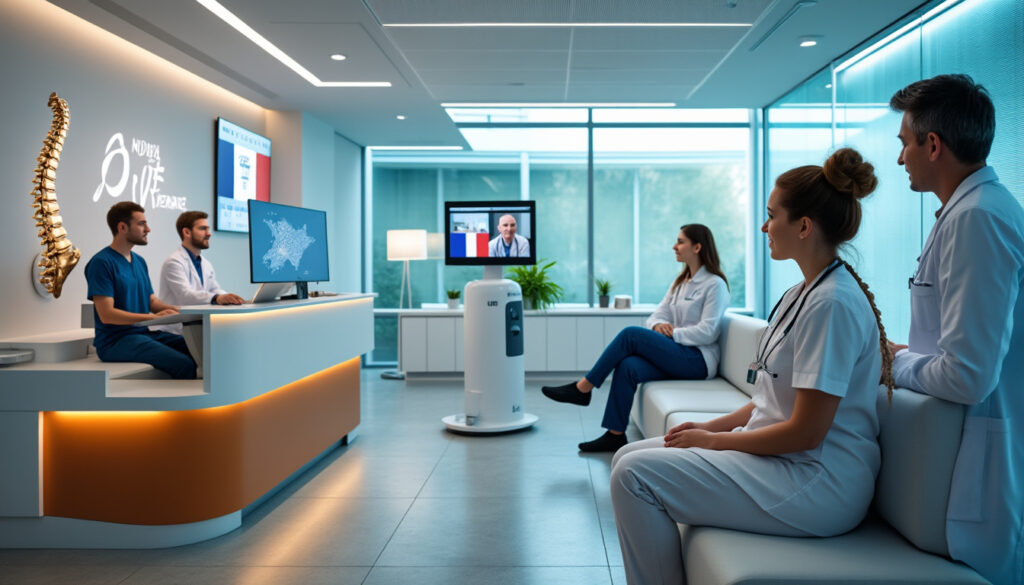
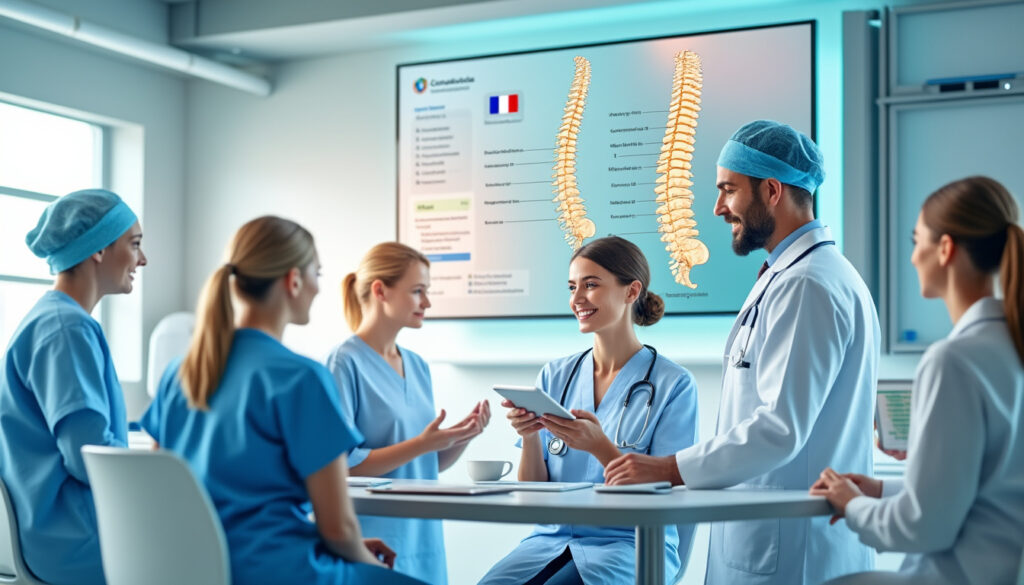
The pathway for IntraSPINE surgery is characterized by an intricate coordination between Quebec specialists and leading French surgical centers. This transatlantic collaboration is supported by entities such as Franchir and SOS Tourisme Médical, who organize logistical, administrative, and clinical processes seamlessly.
Such cooperation enables patients to access innovative implants and surgical protocols otherwise unavailable or delayed locally. Meanwhile, the coordination ensures compliance with Canadian and Quebec regulatory standards, maintaining safety and ethical practice throughout.
The involvement of the multidisciplinary team in Sherbrooke led by Dr. Desforges guarantees consistent longitudinal care. Preoperative evaluations, surgical planning, postoperative monitoring, and rehabilitation are all integrated to prioritize patient comfort and outcomes.
From travel arrangements and medical consultations to post-return rehabilitation at Neurothérapie Montréal, this organized framework reduces patient stress and promotes confidence in the therapeutic journey. It reflects a well-established model of international medical cooperation designed for personalized treatment and optimal spine health restoration.
IntraSPINE® in Laval: Modern Solution for Lumbar Stabilization
In the evolving landscape of orthopedic treatments, the city of Laval has become a hub for innovations addressing chronic lower back pain. Among the groundbreaking solutions gaining attention is the IntraSPINE device—a modern spinal implant designed to offer dynamic lumbar…
Patient-Centered Education and Empowerment: Clear Communication About IntraSPINE and Recovery Expectations
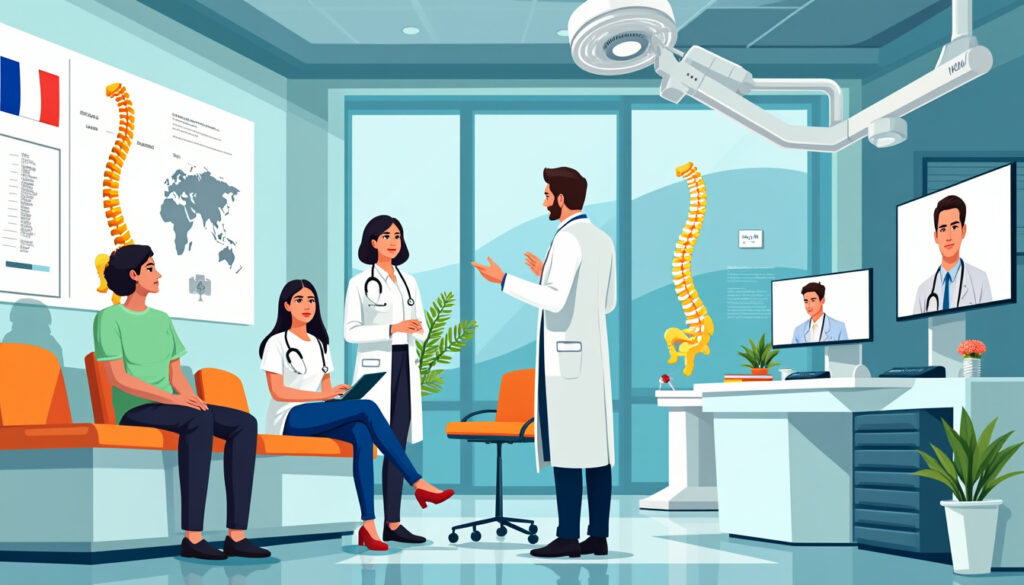
One of the pillars of this advanced care model is the commitment to patient education. Dr. Desforges and his team rigorously engage patients through clear, jargon-free explanations to demystify the complexities of spinal conditions, their treatments, and prognosis.
This educational approach clarifies:
- What IntraSPINE is and how it functions to improve posture and relieve pain
- The importance of completing conservative treatments before considering surgery
- The surgical process including risks, benefits, and postoperative steps
- The necessity of postoperative rehabilitation and lifestyle adjustments
- How the transatlantic care pathway supports continuity and holistic recovery
Patients are encouraged to actively participate in decisions and to ask questions, ensuring awareness and personalized goal-setting. Such empowerment is vital for motivation, adherence to rehabilitation, and ultimately successful post-surgery outcomes.
This pedagogical dimension fosters trust, reassures patients facing difficult choices, and respects each individual’s unique circumstances, reinforcing a humanistic, ethical practice.
Neck Surgery in Montreal: Maintain Cervical Flexibility and Function
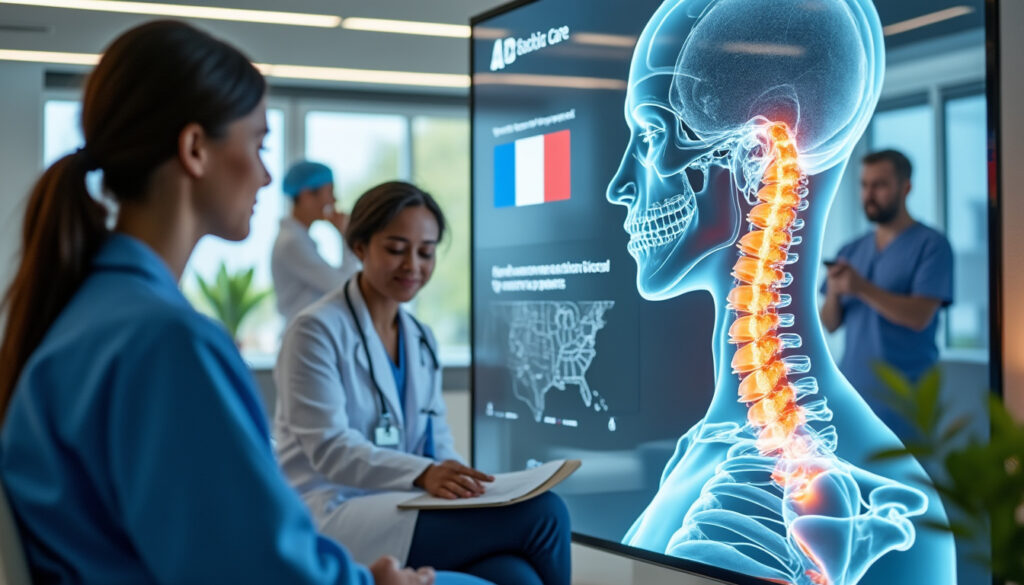
Neck conditions causing persistent pain or functional loss place a substantial burden on individuals and healthcare systems, especially in urban centers like Montreal. Surgical interventions targeting the cervical spine have evolved tremendously, aiming not only to relieve symptoms but to…
Optimizing Rehabilitation and Post-Surgical Care to Maximize Outcomes
Recovery after IntraSPINE implantation is optimized through comprehensive rehabilitation protocols designed to restore spine health, posture, and physical function. Professional teams at Neurothérapie Montréal engage patients in progressive exercise programs targeting back support muscles, spinal alignment, and pain management.
These programs adapt to each patient’s condition and pace, incorporating ergonomic education and strategies to prevent recurrence. Rehabilitation starts with gentle mobilization, gradually advancing to strength training and functional movements tailored to the patient’s daily life and professional activities.
Close monitoring allows early detection of challenges and adjustment of therapeutic interventions. The partnership between Canadian rehabilitation practitioners and surgical teams in France ensures multidimensional support, reflecting the commitment of Dr. Desforges and his associates to maintain standards of excellence throughout follow up.
Engaging in this dedicated recovery phase significantly enhances the benefits of surgical stabilization, supports sustained pain relief, and promotes better spinal alignment and posture over time.

Disc Prosthesis in Lévis: Quick and Long-Lasting Results
Chronic back pain caused by degenerative disc disease continues to profoundly impact the quality of life for many residents in Lévis and the broader Quebec area. For decades, traditional spinal fusion surgery has been the primary solution for alleviating severe…
Frequently Asked Questions About IntraSPINE and Transatlantic Spine Surgery
What is the main advantage of IntraSPINE over traditional spinal fusion?
IntraSPINE preserves partial mobility of the lumbar segment while providing pain relief, reducing the risk of adjacent segment degeneration and allowing faster recovery compared to complete spinal fusion.
How long does the treatment process take from initial evaluation to surgery?
The comprehensive process includes a 3 to 6 month conservative treatment phase to assess response, followed by surgical planning and intervention in France, ensuring personalized care over several months.
Who is not a candidate for IntraSPINE implantation?
Patients with recent fractures, active infections, spinal tumors, severe clotting disorders, pregnancy, or major spinal deformities are generally excluded. A detailed evaluation confirms eligibility.
What does postoperative rehabilitation involve?
Rehabilitation includes strengthening core muscles, correcting posture, gradual reintroduction of activities, and ergonomic advice, all tailored to individual needs and overseen by experienced rehabilitation specialists.
For more information or to discuss your personal case, please visit SOS Tourisme Médical contact.