
Effective Preparation Strategies for rTMS Integration Following Surgery
June 14, 2026
IntraSPINE® in Sherbrooke: Improve Posture After Surgery
June 14, 2026
In modern spinal surgery, the integration of initial questionnaires and preliminary examinations has become a cornerstone of effective surgical decision-making. As patients increasingly seek specialized procedures abroad, particularly from Quebec to France, the demand for comprehensive preoperative assessments reflects a broader trend towards personalized medicine. Early data collection through targeted questionnaires offers surgeons detailed insight into patient symptoms, functional limitations, and quality of life, while objective diagnostic tools such as MRIs and CT scans provide anatomical precision critical for surgical planning. These initial evaluations do not merely serve as administrative hurdles but fundamentally shape the course of treatment by illuminating risks, tailoring operative techniques, and optimizing recovery pathways. By blending clinical evaluation with patient history and sophisticated imaging, healthcare professionals can anticipate surgical challenges and improve patient outcomes in a multidisciplinary context.
The complexity of spinal pathology—ranging from degenerative disc disease to scoliosis and neurological compression—necessitates a nuanced approach to preoperative assessment. No longer static or unilateral, the decision-making process now hinges on dynamic patient data and cross-cutting analyses that integrate risk stratification and functional status. This trend reflects advances in both technology and methodology, including the use of robot-assisted surgeries and biometrically guided implants. Importantly, the accuracy and depth of initial questionnaires can directly influence the surgical trajectory, underscoring their vital role in collaborative care models involving surgeons, neurotherapists, and international coordination teams. The transformation visible in 2026 anticipates an era where the preoperative phase becomes a decisive contributor to surgical success rather than a mere procedural formality.
Role of Initial Questionnaires in Informing Surgical Decision-Making in Spinal Surgery
Initial questionnaires capture multifaceted dimensions of a patient’s health status, gauging aspects such as pain intensity, functional disability, mental well-being, and daily activity limitations. In spinal surgery, instruments like the Oswestry Disability Index (ODI) and Neck Disability Index (NDI) have shown robust validity in quantifying the impact of lumbar and cervical pathologies respectively. These tools enable surgeons to identify symptom severity patterns that might not be immediately apparent during clinical visits alone, thus providing a richer foundation for surgical planning. Importantly, questionnaires help detect contraindications such as underlying infections or systemic diseases by allowing for patient self-reporting, which is critical in refining surgical candidacy.
This methodical collection of patient history and symptomatology through standardized questionnaires aligns with the modern criteria for evidence-based surgical decision-making. It ensures the selection of appropriate candidates while balancing surgical risks and benefits. The integration of this data with physical examination results forms a comprehensive clinical profile that underlies subsequent diagnostic imaging requests. Additionally, these questionnaires imbue the patient experience with transparency and engagement, answering concerns early in the pathway and fostering trust. According to recent qualitative studies, surgeons believe this preparation significantly improves the clarity of decision-making and patient satisfaction.
The distributed nature of care coordination, such as the collaboration between Neurothérapie Montréal, TAGMED, and French surgical institutions, demonstrates how initial questionnaires act as a communication bridge. This ensures that preoperative assessments are contextualized and that surgical teams abroad receive thorough profiles ahead of patient arrival, accelerating operative readiness. Thus, the initial questionnaires are not mere formalities but foundational for tailored surgery approaches including arthrodesis, prosthetic application, and minimally invasive techniques.


Understanding Sciatic Pain: Key Symptoms and When to Seek Medical Advice
Sciatic pain is a prevalent condition impacting a wide demographic, manifesting primarily as intense pain radiating from the lower back down the leg. This pain stems from irritation or compression of the sciatic nerve, a major nerve extending through the…
Significance of Initial Examinations and Imaging in Surgical Planning for Spinal Procedures
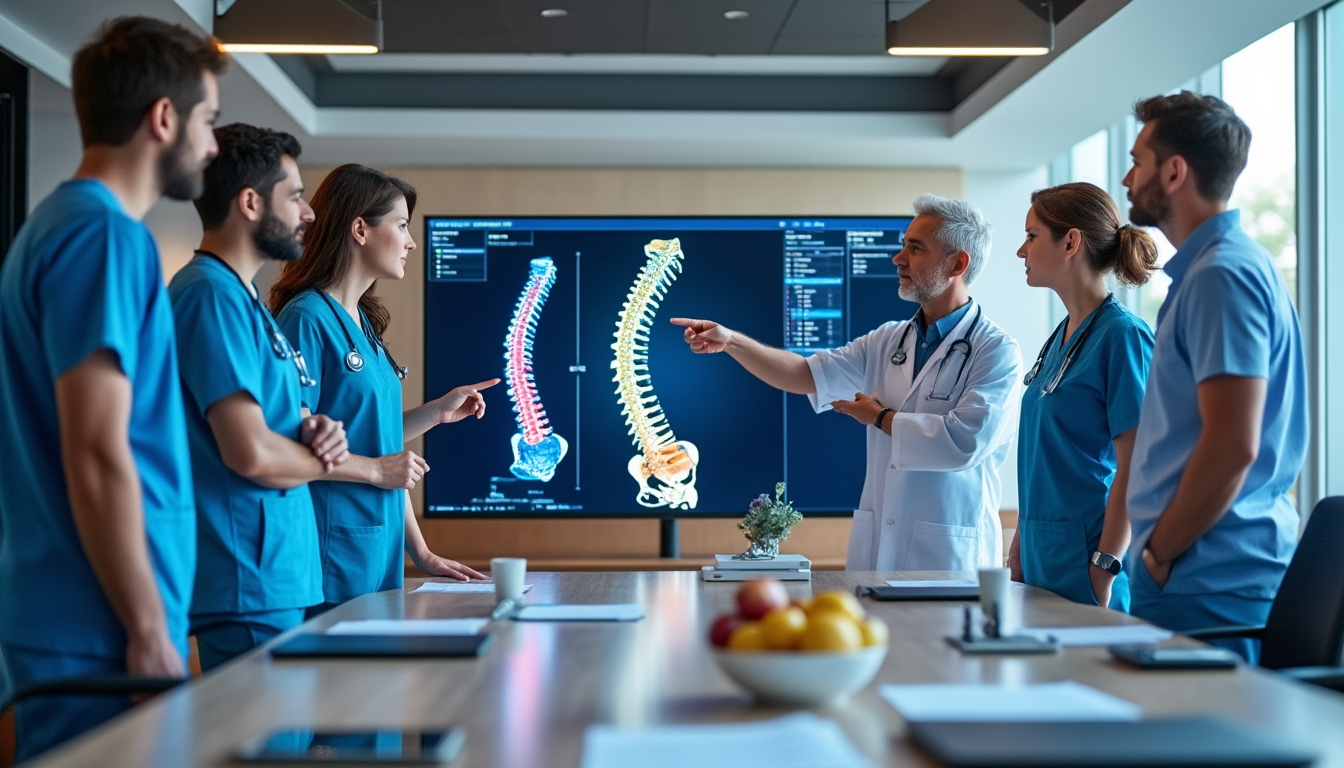
While questionnaires address subjective patient experience and symptom quantification, initial diagnostic examinations add an indispensable anatomical and physiological dimension to the surgical decision-making framework. Radiological methods like MRI, CT scans, and conventional X-rays enable visualization of the vertebral column, soft tissue, neurological encroachment, and pathological deformities. This imaging precision informs the choice of surgical techniques and implant selection, with innovations in interlaminar prostheses and dynamic stabilization devices such as IntraSPINE now reliant on high-resolution data.
Close collaboration with radiology experts during the initial examination phase is essential for integrating this information into comprehensive surgical plans. The complexity of spinal disorders—such as spondylolisthesis or myelopathy—often requires cross-sectional imaging to gauge severity and anticipate intraoperative challenges. Imaging thus acts as a risk assessment tool, helping minimize complications such as nerve damage or infection, and guiding surgeons towards approaches that preserve neurological function and mobility post-surgery.
Advancements in robotic surgical assistance and 3D imaging in recent years have also revolutionized preoperative examinations. Platforms that offer real-time navigation minimize human error and enable precise implant placement, which translates into better treatment outcomes and faster patient recovery. Emphasizing the centrality of such diagnostic tools underpins why meticulous initial examinations remain a prerequisite for any contemporary spinal surgery.

The Stepwise Role of Functional Recovery in Achieving Successful Outcomes
The journey to full recovery following spinal surgery is often complex and multifaceted, demanding a meticulously structured approach to ensure optimal functional outcomes. In recent years, the concept of functional recovery through a stepwise approach has garnered significant attention in…
Integration of Patient History and Clinical Evaluation in Surgical Risk Assessment
The consolidation of patient history with clinical examination provides a fundamental layer of risk evaluation essential for surgical planning. Detailed anamnesis coupled with physical exam investigates comorbidities, medication regimes, coagulation profiles, and systemic conditions that could contraindicate surgery or demand special perioperative management. This preliminary assessment assists surgeons in identifying potential complications related to anesthesia, wound healing, or postoperative neurological deficits.
In the context of spinal surgery, where interventions involve intricate manipulation of neural and vascular structures, these interdisciplinary evaluations become critical. The risk stratification process, enriched by data from validated questionnaires and diagnostic imaging, allows for a personalized strategy that prioritizes patient safety without compromising operative efficacy. Such comprehensive assessments have been demonstrated to reduce surgical delays and improve preoperative optimization, particularly in cross-border care where logistic complexities and differing patient health standards exist.
Furthermore, the preoperative period becomes an opportunity to engage patients in shared decision-making, heightened by thorough clinical evaluation. This patient-centered approach clarifies expectations, illuminates risks and benefits, and tailors treatment plans to individual physiological and psychological profiles. The dynamic interaction between clinician and patient at this stage incorporates not only technical surgical considerations but also addresses lifestyle factors and rehabilitation potential.

Transatlantic Patient Journey: Insights into Indications, Benefits, and Challenges
The emergence of the Transatlantic Patient Journey as a strategic model within healthcare continues to capture attention for its innovative potential, especially in specialized fields such as spinal surgery. This cross-border care pathway integrates rigorous medical evaluation from Quebec with…
Collaboration Across Multidisciplinary Teams and International Boundaries in Preoperative Assessments
The complexity of modern spinal surgical care demands multifaceted collaboration among specialists including neurotherapists, radiologists, anesthesiologists, surgeons, and case coordinators. In scenarios involving international referrals, such as Quebec patients seeking surgery in France, close interdisciplinary and cross-geographical coordination ensures that initial questionnaires and examinations translate into effective surgical decision-making.
Teams like those at Neurothérapie Montréal work intimately with French surgical centers and agencies like TAGMED and Franchir to streamline patient pathways. This seamless integration addresses not only clinical evaluation but also logistical issues including travel, accommodation, and postoperative support. Importantly, multidisciplinary teamwork enhances precision in diagnosis, optimizes surgical planning, and enhances patient comfort and safety throughout the healthcare journey.
Such collaborations underpin the growing trend of transnational patient care models in spinal surgery, representing the forefront of personalized surgical preparation and follow-up.
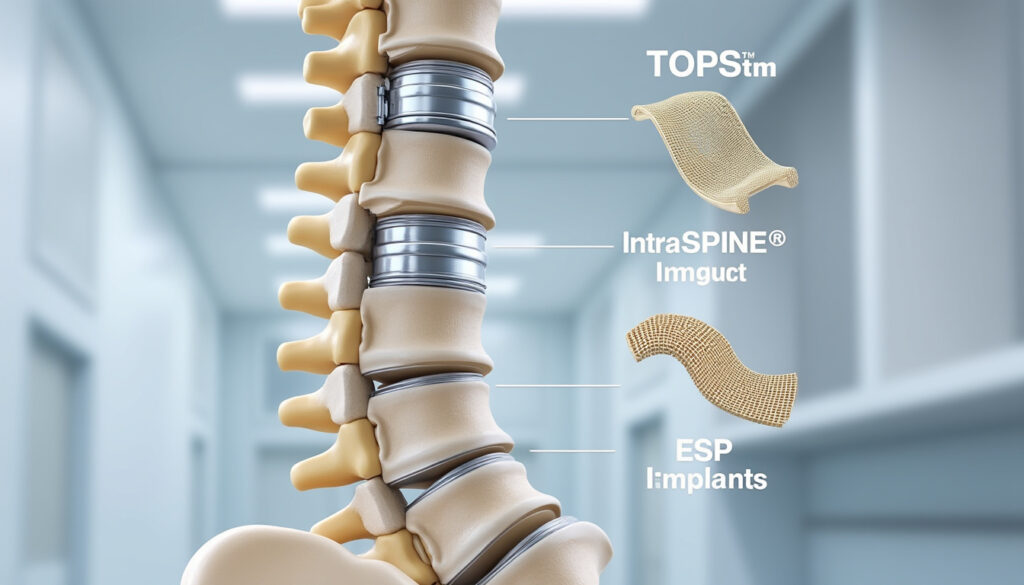
The evolving field of spinal surgery is witnessing a transformative shift, fueled by cutting-edge implant technologies such as TOPS, Intraspine, and ESP. These innovative implants redefine treatment possibilities by emphasizing preservation of natural spinal mechanics, while ensuring durable stabilization and…
Impact of Comprehensive Preoperative Assessments on Treatment Outcomes and Patient Recovery
Robust preoperative assessments employing both initial questionnaires and extensive examinations correlate strongly with improved treatment outcomes in spinal surgery. Early identification of patient risk factors combined with detailed symptom and functional analysis enables customized surgical techniques that reduce complications and foster quicker restoration of mobility and daily function.
Empirical evidence supports the notion that structured preoperative evaluation shortens hospital stays and reduces readmission rates. This effect is magnified in systems where integrated care pathways and postoperative rehabilitation, including neurofeedback and biofeedback therapies, are implemented. The continuum from initial assessment through postoperative recovery thus exemplifies an evolving model focusing on holistic patient care.
Moreover, detailed initial evaluations sometimes reveal that conservative treatment could suffice or should precede surgery, highlighting the value of these assessments in preventing unnecessary operations and mitigating patient risk. This conclusion aligns with recent research emphasizing the ethical and clinical responsibility of minimizing invasive interventions whenever appropriate.

Preparing for Surgery in France: Key Indications, Benefits, and Limitations
In an evolving global healthcare landscape, France emerges as a beacon of advanced surgical expertise, particularly attracting international patients seeking expedited and innovative medical interventions. Patients from regions experiencing long wait times, such as Quebec, increasingly view France as an…
Strategies for Optimizing Patient Preparation Through Initial Questionnaires and Examinations
Optimal patient preparation involves ensuring that questionnaires are accurately completed and that diagnostic examinations are high quality and complete. Preoperative teams emphasize patient education regarding the purpose and nature of these tools to elicit honest and precise responses, which directly enhance clinical evaluation accuracy. Patients are encouraged to gather relevant medical documents like imaging results, medication lists, and prior treatment reports to enrich the assessment process.
Proactive measures also include coaching patients to articulate clear symptoms and expectations, allowing surgical teams to make informed decisions aligned with patient goals. Transparent communication helps minimize subjective biases introduced by stress or impaired understanding. Structured guidance further supports compliance with preoperative optimization protocols such as smoking cessation, weight management, and comorbidity control.
Such strategy not only refines risk assessment but also helps patients engage actively in their care journey, promoting better treatment adherence and satisfaction. The combination of comprehensive questionnaires and examinations thus paves the way for tailored, psychologically informed surgical approaches.
Stages of Spinal Surgery Preoperative Assessment
Initial Questionnaires and Examinations: Their Influence on Surgical Decision-Making
Select a Stage to See Details
${stage.title}
${stage.description}
`; // Click handler to show details below btn.addEventListener(“click”, () => { // Update details panel stageTitle.textContent = stage.title; stageDesc.textContent = stage.description;// Update aria-expanded attributes container.querySelectorAll(“button”).forEach(b => { b.setAttribute(“aria-expanded”, “false”); b.classList.remove(“border-indigo-600”, “bg-indigo-100”); }); btn.setAttribute(“aria-expanded”, “true”); btn.classList.add(“border-indigo-600”, “bg-indigo-100”);// Scroll detail section into view on mobile stageTitle.scrollIntoView({behavior: “smooth”, block: “center”}); }); return btn; }// Populate the infographic with cards stages.forEach(stage => { container.appendChild(createStageCard(stage)); });/*** * OPTIONAL ENHANCEMENT: retrieve a health-related tip from a free public API to enrich patient preparation stage * * API: Advice Slip JSON API – https://api.adviceslip.com/advice * Example response: * { “slip”: { “id”: 45, “advice”: “Take the time to organize your paperwork.” } } * * Note: This is a fun, totally free API that returns random advice – suited for light enrichment ***/ async function loadRandomAdvice() { try { const resp = await fetch(“https://api.adviceslip.com/advice”, {cache: “no-cache”}); if (!resp.ok) throw new Error(“Network error”); const data = await resp.json(); // Append advice to patientPreparation description with subtle styling const prepStage = stages.find(s => s.id === “patientPreparation”); if (prepStage && data.slip && data.slip.advice) { // Append advice (only once) prepStage.description += “nn Tip: ” + data.slip.advice; } } catch(err) { // Fail silently – no advice loaded console.warn(“Failed to fetch advice slip:”, err); } }loadRandomAdvice();Key Elements in Enhancing Preoperative Evaluation Accuracy
- Clearly explain questionnaire objectives to patients to ensure understanding and accurate reporting.
- Collect comprehensive medical histories and prior diagnostic imaging for integration with new assessments.
- Use validated and standardized tools such as ODI and NDI to quantify functional impairment.
- Encourage patient engagement in documenting symptoms, medication, and lifestyle factors.
- Ensure multidisciplinary communication to correlate clinical, imaging, and questionnaire data seamlessly.

Unveiling the Hidden Benefits of Quality and Certification in Devices
The landscape of device manufacturing and clinical application in 2026 has been fundamentally shaped by the rigorous interplay between quality management and certification processes. Within this complex framework, the hidden benefits of adhering to international standards and obtaining relevant certifications…
Evolution of Surgical Decision-Making in the Era of Advanced Diagnostic Tools and Patient Data Analytics
Technological innovation continues to transform surgical decision-making beyond traditional clinical evaluations. The advent of machine learning and advanced data analytics enables deeper interpretation of questionnaire and examination data, identifying patterns predictive of surgical outcomes and complications. These analytical approaches support both intuitive and evidence-based decision strategies used by surgeons.
Robot-assisted surgery, powered by 3D imaging data and navigational platforms, exemplifies how initial diagnostic precision directly translates into operative success. This technology allows for minimally invasive approaches that reduce trauma and accelerate functional recovery. The broader implication is a paradigm shift towards personalized surgery, where patient-specific data guides every facet of care delivery.
As health informatics advances, preoperative assessments will increasingly incorporate real-time risk calculators and scenario simulators, empowering surgical teams to refine plans dynamically. Training programs, such as those offered by the Diplôme Inter-Universitaire de Chirurgie du Rachis, are evolving to include these tools, underscoring their growing relevance in surgical education.

Why Experts Advocate for Comprehensive Preoperative Evaluations
In the complex and demanding field of spinal surgery, the emphasis on comprehensive preoperative evaluations has become a fundamental pillar supporting successful surgical outcomes. These evaluations, far beyond mere routine checks, integrate detailed analyses of patient health, surgical risk assessments,…
Practical Considerations and Best Practices for Utilizing Initial Questionnaires and Examinations in Clinical Settings
Successful integration of initial questionnaires and examinations requires standardized workflows and skilled personnel to interpret complex data. Clinical teams must establish protocols ensuring timely data collection, patient confidentiality, and seamless sharing between referring centers and surgical teams. Regular audits of assessment quality help maintain reliability and improve tool selection.
Best practices also include tailoring the preoperative assessment to individual patient contexts, recognizing that no single questionnaire or imaging technique suits all cases. Combining qualitative patient narratives with quantitative metrics offers a more nuanced understanding of disease impact. Encouraging patient-centered preoperative assessment, as seen in recent literature, promotes shared decision-making and respects patient autonomy.
Healthcare providers benefit from adopting electronic assessment platforms that integrate with hospital information systems, streamlining data synthesis and improving communication efficiency. Such digital transformations enable real-time updates and multidisciplinary input, critical for complex cases. Ongoing education for clinical teams on questionnaire relevance, interpretation, and biases ensures that these tools remain complementary rather than substitutive to surgical expertise.

The Future of Surgery Lies in Stepwise Functional Recovery
The evolution of surgical care in 2026 reveals a compelling shift toward approaches that prioritize the holistic recovery of patients, moving beyond traditional metrics like length of hospital stay or mortality rates. This modern paradigm highlights the principle that the…
Enhancing Patient Experience and Reducing Surgical Delays Through Comprehensive Preoperative Coordination
For patients navigating complex spinal surgeries, particularly those traveling internationally, the thoroughness of initial questionnaires and examinations significantly influences their overall experience. Clear explanations, empathetic support, and consistent communication alleviate anxiety and build trust. Coordinated preoperative pathways minimize redundant testing and reduce waiting times, addressing one of the common frustrations in surgical care.
International collaborations, such as those involving Neurothérapie Montréal and French surgical centers, exemplify how coordinated preoperative programs can shorten delays by pre-sorting candidates and optimizing logistical arrangements. This streamlined approach not only benefits patient outcomes but also enhances healthcare system efficiency, managing resources more effectively while maintaining high standards.
Ultimately, comprehensive preoperative coordination fosters a patient-centered environment that respects individuality and clinical complexities. Such benefits are amplified when multidisciplinary teams, patient advocates, and travel coordinators work in concert, ensuring patients are fully supported before, during, and after surgery.

| Preoperative Assessment Component | Description | Impact on Surgical Decision |
|---|---|---|
| Initial Questionnaires | Validated tools measuring pain, disability, and quality of life | Refines candidate selection and personalizes treatment plans |
| Diagnostic Imaging | Detailed evaluation of spinal anatomy and pathology (MRI, CT) | Guides surgical technique choice and implant selection |
| Clinical Evaluation | Physical exam and medical history to assess comorbidities and risks | Enhances risk management and operative safety |
| Multidisciplinary Coordination | Collaborative approach involving neurotherapists, surgeons, and support teams | Ensures comprehensive planning and smooth patient experience |
| Postoperative Follow-Up | Rehabilitation and psychological support utilizing advanced biofeedback | Optimizes functional recovery and reduces complications |
What are the key criteria for accepting a patient for spinal surgery abroad?
Patient acceptance depends on comprehensive evaluation including validated questionnaires, imaging studies, and ruling out contraindications while ensuring the patient is fit for specific surgical techniques.
Can questionnaires replace a medical consultation?
No, questionnaires complement but do not replace thorough clinical examination and discussions with specialists to ensure accurate diagnosis and treatment planning.
How does Neurothérapie Montréal support patients post-surgery?
They provide personalized multidisciplinary follow-up incorporating rehabilitation, functional assessments, and psychological support using advanced technologies like biofeedback and neurofeedback.
Can initial evaluation avoid unnecessary surgery?
Yes, detailed preoperative assessments may reveal adequate response to conservative treatments, thereby preventing unneeded surgical risks.
What documents should be provided for initial assessment?
A complete set of recent medical imaging, clinical reports, medication list, and past treatment results are essential to inform thorough evaluation.