Spine Surgery in Trois-Rivières: Superior Clinical Results
October 26, 2025
Lumbar Disc Prosthesis in Saguenay: Safe and Approved Alternative
October 26, 2025
The quest for preserving natural spinal biomechanics while effectively addressing lumbar degenerative disease is reshaping spinal surgery in 2025. Among innovative advances, the IntraSPINE dynamic stabilization system stands out as a cutting-edge solution blending therapeutic efficacy with motion preservation. With growing adoption in both Europe and North America, particularly in centers like Sherbrooke, this device offers viable alternatives to traditional fusion surgeries, providing patients from Quebec a path toward improved quality of life without sacrificing spinal mobility. This article explores the sophisticated biomechanics of IntraSPINE, its clinical implications, patient pathways from Canada to France, and the critical role of conservative treatments prior to surgical consideration.
As patients increasingly seek options to avoid the rigidity and long-term complications of spinal fusion, dynamic implants like IntraSPINE gain prominence for their ability to maintain range of motion (ROM) at both operated and adjacent levels. This approach addresses concerns about adjacent segment degeneration (ASD), a known drawback of fusion. The evolving technological landscape, bolstered by collaborations among leading manufacturers such as Medtronic, Zimmer Biomet, and NuVasive, supports the expanding indications and surgical expertise necessary for implantation. Moreover, the coordinated transatlantic medical care model facilitates seamless evaluation, surgery, and rehabilitation for Canadian patients desiring access to these innovative treatments.
Understanding the Biomechanics of IntraSPINE: How It Preserves Spinal Function
Maintaining spinal biomechanics is essential to reducing postoperative complications and promoting long-term spinal health. The IntraSPINE device, designed for implantation between the laminae and spinous processes, strategically preserves the instantaneous axis of rotation (IAR) by positioning itself anteriorly relative to traditional interspinous spacers. This unique placement minimizes segmental stiffness and reproduces physiological spinal motion, which is a significant divergence from fusion procedures that eliminate movement at operated segments.
The device is constructed from medical dimethyl siloxane and encased in polyethylene terephthalate, materials approved for biocompatibility and flexibility. Its elastic deformation zones allow controlled flexion and extension, maintaining sagittal balance, unloading facet joints, reopening neuroforamen, and reducing disc loading—all of which promote natural spinal mechanics and patient comfort.
- Preservation of range of motion (ROM): The IntraSPINE retains partial motion at the treated segment, shown to reduce the compensatory hypermobility often seen in adjacent discs post-fusion.
- Restoration of posterior disc height (PDH) and foraminal height (FH): This supports nerve root decompression without the structural rigidity imposed by fusion.
- Reduction in adjacent segment degeneration (ASD): By preserving motion, the biomechanical stress that accelerates degenerative changes in adjacent segments is minimized.
Clinical studies demonstrate that patients treated with IntraSPINE experience comparable pain relief and functional improvement to fusion candidates, but with faster recovery times and less intraoperative trauma. These findings reinforce the biomechanical advantages of non-fusion dynamic stabilization systems, with preservation of segmental mobility translating to better postoperative outcomes and patient satisfaction.
| Biomechanical Feature | Impact on Spinal Function | Clinical Benefit |
|---|---|---|
| Anterior interlaminar position | Aligns with instantaneous axis of rotation | Maintains natural spinal motion and balance |
| Elastic deformation zones | Allows controlled flexion-extension | Reduces facet joint loading, prevents stiffness |
| Material composition (silicone and PET) | Flexible and biocompatible support | Minimizes risk of implant-related complications |
IntraSPINE® in Sherbrooke: Durable Solution for Chronic Low Back Pain
The management of chronic low back pain, a widespread condition affecting millions across Quebec and beyond, has reached a pivotal moment thanks to innovative medical technologies and coordinated care pathways. At the heart of this evolution lies the IntraSPINE implant,…
Comparing IntraSPINE to Traditional Lumbar Fusion Surgery
Traditional lumbar fusion surgery remains the gold standard for severe lumbar degenerative disease but is increasingly scrutinized due to inherent drawbacks. Fusion immobilizes the diseased segment through hardware insertion and bone grafting techniques such as posterior lumbar interbody fusion (PLIF) or transforaminal lumbar interbody fusion (TLIF). While effective in alleviating pain by stabilizing unstable segments, fusion significantly alters biomechanics with documented increases in adjacent segment stress, leading to degeneration and often necessitating revision surgeries.
In contrast, the IntraSPINE dynamic stabilization system offers a less invasive alternative aimed at preserving biomechanical integrity. Key differentiators include:
- Operative time and blood loss: Reports indicate shorter surgical durations and reduced intraoperative bleeding with IntraSPINE implantation compared to fusion due to the device’s minimal exposure and simpler insertion technique.
- Postoperative mobility: Fusion patients typically lose motion at the operated segment, with compensatory hypermobility developing at adjacent segments. IntraSPINE patients retain partial segmental motion, reducing abnormal stresses.
- Hospital stay and recovery: Faster rehabilitation and shorter hospitalization are noted with IntraSPINE due to the less extensive surgical trauma.
- Risk of adjacent segment degeneration (ASD): Dynamic stabilization significantly mitigates ASD compared to fusion, based on both clinical and radiographic evidence.
A detailed comparison from clinical studies underscores these points:
| Parameter | IntraSPINE Group | Fusion Group | Statistical Significance |
|---|---|---|---|
| Operative time (mins) | ~72 | ~82 | p < 0.01 |
| Intraoperative blood loss (ml) | ~65 | ~82 | p < 0.01 |
| Hospital stay (days) | ~9 | ~11 | p < 0.05 |
| Postoperative ROM at operative segment (%) | Partial preservation (~50%) | Almost none | p < 0.001 |
| Incidence of ASD at 12 months | Lower | Higher | Clinically significant |
These comparative advantages emphasize the potential of IntraSPINE for patients seeking effective decompression and stabilization without losing segmental motion. Such evidence supports the growing trend toward dynamic implant use in appropriately selected patients.
For readers interested in further technical details and clinical outcomes associated with the device, resources such as the IntraSPINE clinical evaluation offer comprehensive insights from multidisciplinary studies.
Spine Surgery in Trois-Rivières: Reduce Pain and Preserve Mobility
In recent years, spine surgery in Trois-Rivières has evolved notably, combining advanced medical expertise with innovative technologies to deliver patient-centered care. This growing field addresses the increasing demand among Quebec residents seeking effective solutions for chronic back pain and mobility…
The Role of Conservative Treatment Before Considering Surgery with IntraSPINE
A responsible approach to lumbar degenerative disease care—and one rigorously advocated by experts like Dr. Sylvain Desforges—involves comprehensive conservative management prior to deliberating surgical options. It is recommended that patients undergo 3 to 6 months of tailored, evidence-based non-surgical interventions before surgery is contemplated, especially dynamic implant placement like IntraSPINE.
Conservative modalities may include:
- Neurovertebral decompression therapy: Advanced protocols offered at clinics like Clinique TAGMED provide non-invasive interventions aiming to relieve nerve root pressure and improve disc health.
- Physical therapy and rehabilitation: Exercises and manual therapies focused on strengthening supportive musculature and improving spinal flexibility.
- Pharmacological management: Use of anti-inflammatory medications and pain modulators.
- Complementary treatments: Acupuncture, massage, and other adjunctive therapies to promote circulatory and neurological function.
Entering surgery without adequate prior conservative care may result in suboptimal outcomes and unnecessary exposure to surgical risks. Contemporary protocols integrate these therapeutic steps, customizing them based on patient-specific clinical features and response patterns.
Patients lacking prior exposure to neurovertebral decompression techniques—particularly innovative approaches available through specialized centers—are strongly advised to initiate these therapies. The goal is to maximize symptom control and assess the necessity of invasive interventions.
Dr. Desforges’s multidisciplinary team at Clinique TAGMED in Sherbrooke specializes in this preparatory phase, ensuring comprehensive evaluation and optimizing patient readiness for potential surgical pathways. This method aligns perfectly with evidence-based spine care principles and regulatory requirements in Quebec and Canada.
| Conservative Treatment Modalities | Purpose | Clinical Significance |
|---|---|---|
| Neurovertebral decompression | Reduce nerve root compression non-invasively | Prepares spine for potential surgery, delays need |
| Physical therapy | Strengthen core and spinal stabilizers | Improves function, reduces pain |
| Pharmacological therapy | Manage inflammation and pain | Symptom relief, improved quality of life |
| Complementary methods | Enhance circulation and nerve function | Supports holistic recovery |
Appropriate use of conservative therapies, particularly those unavailable or under-utilized in public Canadian systems, can notably influence decision-making by delaying or potentially obviating surgery.

TOPS™ in Gatineau: High-Performance Option for the Lumbar Spine
The landscape of spinal surgery has witnessed profound evolution, particularly for patients grappling with lumbar spine disorders such as spinal stenosis and spondylolisthesis. These conditions, increasingly prevalent among Quebec’s population, impose substantial limitations on mobility and quality of life. The…
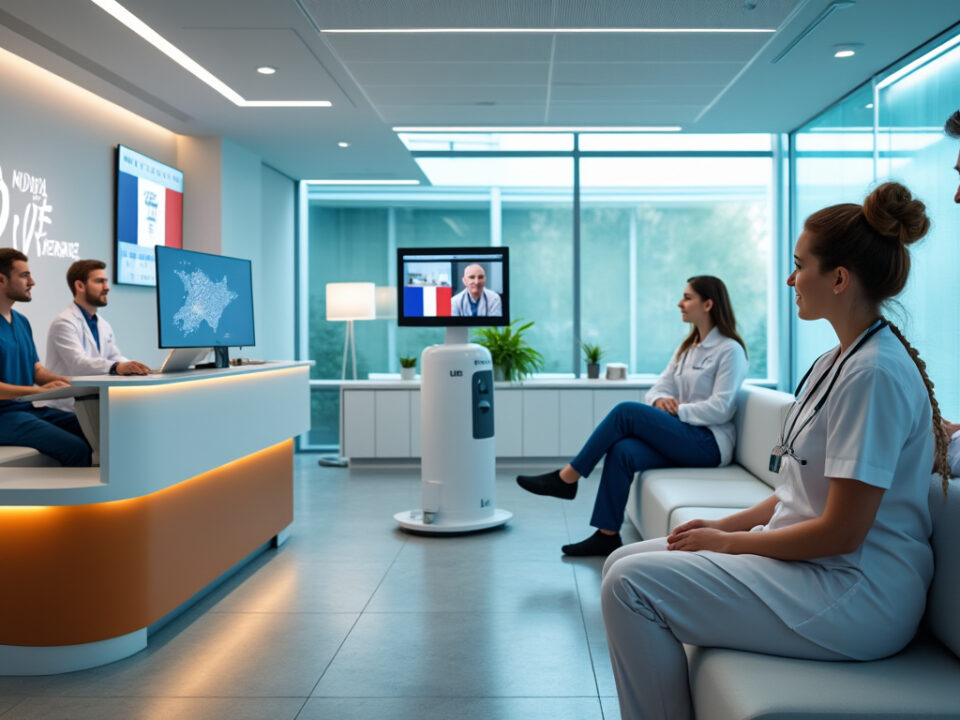
Coordinating the Transatlantic Patient Pathway: From Quebec Evaluation to Surgery in France
One of the most impactful advances in managing lumbar degenerative disease is the establishment of a transatlantic healthcare pathway. This innovative model enables Canadian patients, especially those from Quebec, to access expert surgical care in France, where specialized dynamic spinal implants like IntraSPINE are performed routinely with excellent outcomes.
Key components of this pathway include:
- Expert evaluation in Quebec: Dr. Sylvain Desforges and his team conduct rigorous assessments, including detailed history, imaging review, and conservative treatment supervision, to identify appropriate surgical candidates.
- Seamless logistics and coordination: Organizations like SOS Tourisme Médical and Franchir orchestrate travel arrangements, hospital admissions, and bilingual patient communication, reducing stress and uncertainty.
- Highly specialized hospital centers in France: Facilities in Le Mans, Bordeaux, Toulouse, and Pessac utilize advanced robotic-assisted technologies by Medtronic and have surgical teams adept in implanting devices such as IntraSPINE, TOPS, and ESP.
- Postoperative rehabilitation support: Back in Quebec, multidisciplinary follow-ups including Neurothérapie Montréal provide structured physical therapy, psychological support, and monitoring to ensure optimal recovery.
This coordinated international approach maximizes surgical precision, reduces wait times, and offers personalized care otherwise challenging to obtain locally due to resource constraints. Patients benefit from expert surgical innovation combined with culturally and linguistically adapted care continuity.
| Pathway Stage | Key Stakeholders | Patient Benefit |
|---|---|---|
| Preoperative Assessment | Dr. Sylvain Desforges, Clinique TAGMED | Accurate evaluation, personalized treatment plan |
| International Coordination | SOS Tourisme Médical, Franchir | Streamlined travel and hospital logistics |
| Surgery | French surgical centers with expertise in dynamic implants | Access to advanced techniques and implants |
| Postoperative Care | Neurothérapie Montréal and local rehab specialists | Comprehensive rehabilitation and follow-up |
Through this transatlantic collaboration, Quebec patients gain access to superior treatment modalities, backed by stringent regulatory compliance and clinical governance. This model exemplifies the future of international spine care, balancing innovation with patient-centric values.
Cervical Disc Prosthesis in Quebec City: Avoid Post-Surgery Stiffness
Chronic neck pain remains a significant challenge for thousands of residents in Quebec City every year, often leading them to seek effective spinal surgery options that minimize downtime and maximize long-term mobility. Among the recent advancements revolutionizing cervical spine care,…
Selection Criteria and Surgical Indications for IntraSPINE Implantation
Determining the appropriateness of IntraSPINE treatment involves a careful patient selection process that weighs clinical presentation, imaging findings, and prior treatment history. Dr. Desforges emphasizes a rigorous multi-expert review, ensuring that patient safety and optimal outcomes guide surgical decisions. Key indicators include:
- Age and general health: Generally suitable for relatively younger patients without advanced osteoporosis.
- Diagnosis: Single-level lumbar degenerative disc disease with localized stenosis, particularly at L4-L5.
- Symptoms: Persistent low back pain and radicular symptoms refractory to conservative management.
- Spinal stability: Absence of severe instability or spondylolisthesis higher than grade I.
- Imaging: Evidence of disc height loss but no gross bony foraminal stenosis or large disc herniations.
Contraindications include advanced osteoporosis, lumbar instability requiring fusion, large disc prolapse, and severe bony foraminal stenosis. The goal is to match implant benefits with surgical objectives, ensuring the device’s biomechanical advantages are fully utilized without compromising safety.
By adhering to these criteria, surgeons can optimize patient outcomes and reduce complications such as implant loosening, subsidence, or the need for revision surgery. Ongoing advances in imaging and surgical planning technologies facilitated by manufacturers like Medtronic enhance operative precision and implant integration.
| Inclusion Criteria | Exclusion Criteria |
|---|---|
| Age typically under 65 | Severe osteoporosis |
| Single-level lumbar degenerative disease | Grade II or higher spondylolisthesis |
| Failure of conservative management (3-6 months) | Large disc herniations or prolapse |
| Stable spine without gross instability | Severe bony foraminal stenosis |
Minimally Invasive Surgery in Longueuil: Reduce Hospital Stay Duration
In recent years, advances in spinal care have dramatically reshaped the treatment landscape for patients suffering from debilitating spinal conditions. Particularly in Longueuil, the emergence of minimally invasive surgery (MIS) techniques offers a transformative alternative to conventional open surgeries. These…
Advantages of Dynamic Implants Over Fusion: A Closer Look at Patient Impact
Dynamic spinal implants like IntraSPINE, TOPS, and ESP are revolutionizing patient care by offering tailored solutions that bridge the gap between conservative care and rigid fusion surgery. Unlike fusion, these devices enable preservation of the spine’s natural mechanics which translates into tangible benefits for patients.
- Maintaining motion: Patients retain more natural spinal movement at the operated segment, which aids in a smoother transition back to daily activities.
- Reduced postoperative pain: Less invasive procedures and preservation of biomechanics result in lower pain scores long-term.
- Lower complication rates: Dynamic stabilization reduces risks of ASD and decreases revision surgeries.
- Improved psychological outcomes: Patients express higher satisfaction rates, likely linked to preservation of function and quicker recovery.
Collaborations among leading manufacturers such as Medtronic, Zimmer Biomet, NuVasive, Stryker, DePuy Synthes, and Globus Medical, ensure these implants are manufactured with cutting-edge materials and optimized designs. This industrial innovation supports clinical safety and efficacy through rigorous testing and certification.
| Benefit | Dynamic Implants | Traditional Fusion |
|---|---|---|
| Segmental mobility | Preserved | Eliminated |
| Adjacent segment stress | Reduced | Increased |
| Postoperative pain | Lower | Higher |
| Recovery time | Shorter | Longer |
| Risk of revision surgery | Reduced | Higher |
Such evidence underscores dynamic stabilization as a patient-centric advancement that preserves quality of life while addressing painful lumbar pathologies effectively.
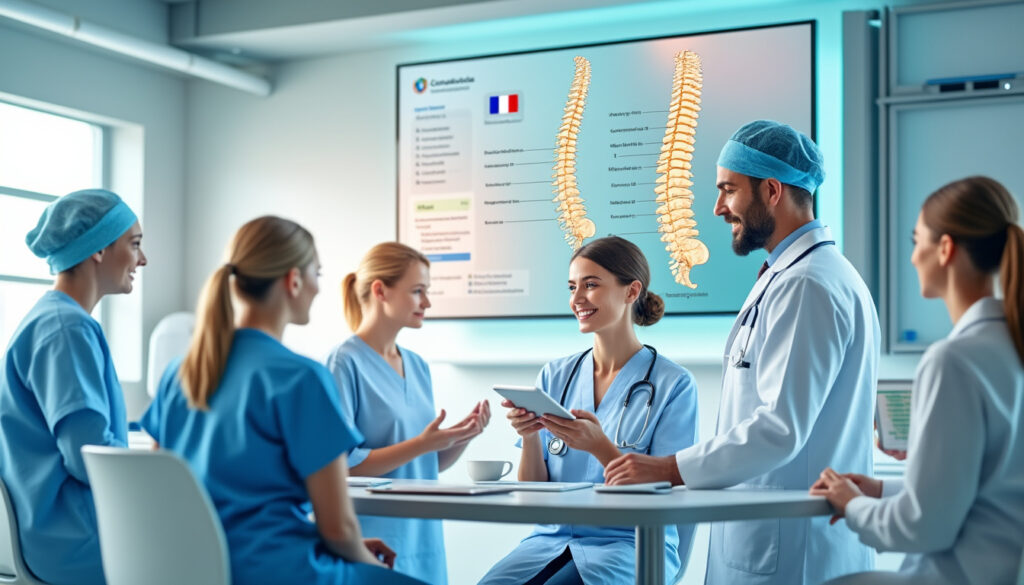
IntraSPINE® in Laval: Modern Solution for Lumbar Stabilization
In the evolving landscape of orthopedic treatments, the city of Laval has become a hub for innovations addressing chronic lower back pain. Among the groundbreaking solutions gaining attention is the IntraSPINE device—a modern spinal implant designed to offer dynamic lumbar…
How Technological Innovation Supports Safety and Precision in IntraSPINE Surgery
The integration of advanced surgical technologies from industry leaders like Medtronic and Zimmer Biomet optimizes the precision and safety of IntraSPINE implantation. Robotic assistance, particularly the Medtronic Mazor system, allows for highly accurate preoperative 3D planning and intraoperative navigation. This precision minimizes risks such as malpositioning, excessive bone removal, and soft tissue trauma.
Other complementary innovations include:
- Enhanced imaging modalities: High-resolution MRI and CT scans for tailored surgical planning.
- Custom instrumentation: Ergonomically designed tools that improve implant handling and reduce operative time.
- Material advancements: Use of biocompatible and flexible materials to augment implant lifespan and integration.
These technological advances play a pivotal role in ensuring patient safety and optimizing clinical outcomes, consolidating the role of dynamic stabilization in modern spinal surgery.
| Technology | Benefit in IntraSPINE Surgery |
|---|---|
| Robotic-assisted surgery (Mazor) | High implantation accuracy, reduced complications |
| 3D preoperative planning | Customized implant positioning matching anatomy |
| Flexible implant materials | Preservation of biomechanical motion, durability |
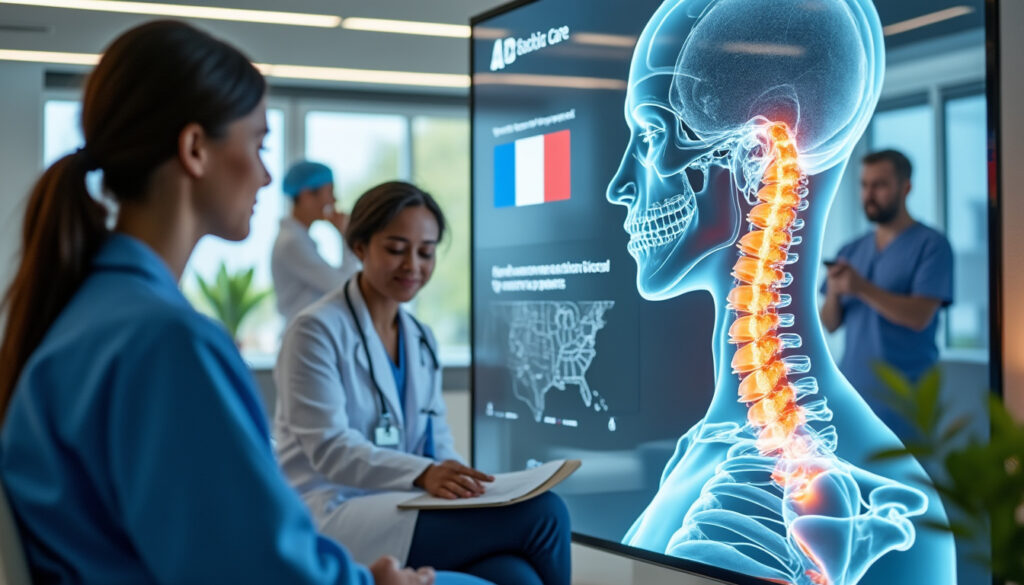
Neck Surgery in Montreal: Maintain Cervical Flexibility and Function
Neck conditions causing persistent pain or functional loss place a substantial burden on individuals and healthcare systems, especially in urban centers like Montreal. Surgical interventions targeting the cervical spine have evolved tremendously, aiming not only to relieve symptoms but to…
The Importance of Postoperative Care and Rehabilitation for IntraSPINE Patients
Successful long-term outcomes after IntraSPINE implantation require comprehensive postoperative care. In Quebec, patients benefit from coordinated rehabilitation programs designed to support healing, restore function, and enhance overall wellbeing. Neurothérapie Montréal provides multidisciplinary care integrating physical therapy, psychological support, and ongoing clinical monitoring, which collectively facilitate faster recovery and lower rates of complications.
Key components of postoperative protocols include:
- Progressive physiotherapy: Customized regimens targeting core strengthening and range of motion.
- Neuromodulation therapies: Emerging techniques such as repetitive transcranial magnetic stimulation (rTMS) to improve neuroplasticity and pain control.
- Patient education: Empowering patients to self-manage spine health and recognize early warning signs.
- Regular imaging follow-up: Ensures device stability and monitors adjacent segment integrity.
This multidisciplinary approach reflects the pioneering efforts of practitioners like Dr. Desforges, who advocate for continuity of care spanning international surgical interventions to local recovery.
| Postoperative Care Aspect | Benefit for Patients |
|---|---|
| Physical therapy | Restores strength and mobility |
| Neuromodulation (e.g., rTMS) | Enhances pain management and neural recovery |
| Patient education | Empowers informed self-care |
| Imaging surveillance | Early detection of potential complications |

Disc Prosthesis in Lévis: Quick and Long-Lasting Results
Chronic back pain caused by degenerative disc disease continues to profoundly impact the quality of life for many residents in Lévis and the broader Quebec area. For decades, traditional spinal fusion surgery has been the primary solution for alleviating severe…
Emerging Trends: The Future of Dynamic Spine Care for Quebec Patients
Looking forward, the evolution of dynamic spinal implants like IntraSPINE underscores a broader trend where preserving spinal function is paramount. Canadian and Quebecois patients increasingly embrace these solutions in response to limitations of conventional fusion and local healthcare system challenges. Advanced robotics, biomaterials, and surgical techniques will continue to enhance implant designs and patient outcomes.
International collaborations foster ongoing clinical research, training, and technology transfer, ensuring that innovations developed in centers of excellence such as those across France are accessible to patients worldwide. Dr. Desforges’s leadership exemplifies this vision, spearheading knowledge exchange and patient support mechanisms that empower individuals navigating complex treatment pathways.
- Continued innovation in implant materials for enhanced longevity
- Integration of artificial intelligence in surgical planning and postoperative monitoring
- Expansion of minimally invasive dynamic stabilization options for broader patient populations
- Enhanced transatlantic patient pathways supported by digital health platforms
- Personalized medicine approaches tailoring dynamic implants to individual biomechanics
These developments paint a promising picture for the future of spinal health, offering hope and renewed mobility for those affected by degenerative spinal diseases.
What makes IntraSPINE different from other interspinous devices?
IntraSPINE is uniquely positioned anteriorly between the laminae and features elastic deformation zones that better preserve natural spinal motion compared to traditional interspinous spacers, reducing facet loading and promoting biomechanical balance.
Is surgery with IntraSPINE recommended immediately after diagnosis?
No, surgery is only advised after 3 to 6 months of rigorous conservative treatment including neurovertebral decompression therapies to ensure surgery is necessary and to optimize outcomes.
Can Canadian patients access IntraSPINE surgery in France?
Yes, through coordinated programs like SOS Tourisme Médical, Canadian patients benefit from seamless transatlantic care pathways for dynamic spinal implant surgery, combining expert evaluation in Quebec and surgical expertise in France.
What postoperative care is essential for the best outcomes after IntraSPINE implantation?
A multidisciplinary rehabilitation approach including physiotherapy, neuromodulation, patient education, and regular imaging ensures optimal recovery and long-term implant success.
Are the implants like IntraSPINE FDA or CE certified?
Yes, prominent dynamic implants including IntraSPINE meet CE and FDA certification standards, ensuring compliance with rigorous safety and efficacy guidelines important for international patients.