TOPS™ in Gatineau: Reduce Pain and Improve Stability
October 26, 2025
IntraSPINE® in Sherbrooke: Preserve Spinal Biomechanics
October 26, 2025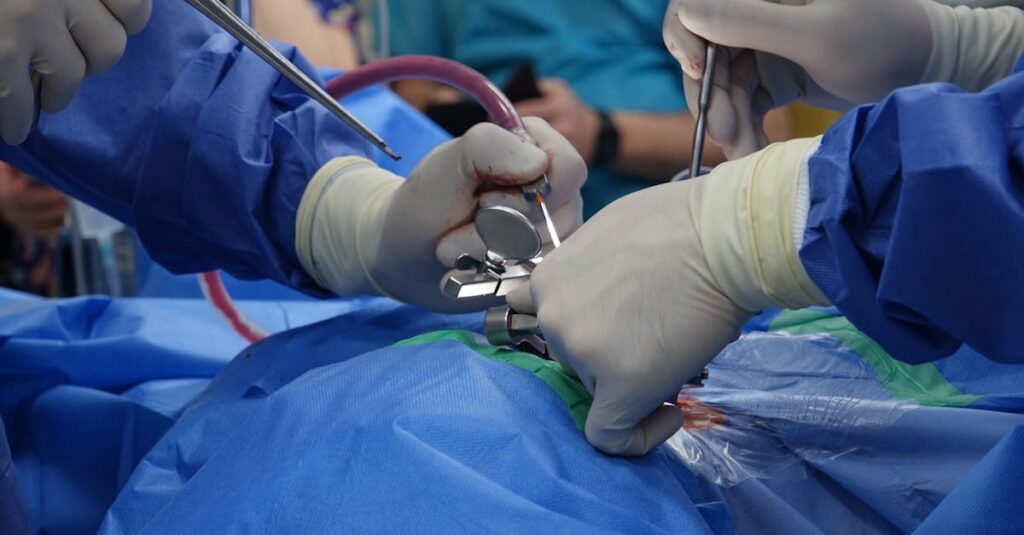
The field of spine surgery in Trois-Rivières has been evolving rapidly, driven by exceptional clinical expertise and innovative techniques. Patients seeking effective solutions for spinal conditions now have access to top-tier care through local specialists who combine advanced surgical methods with personalized treatment plans. This region has emerged as a hub of superior spine care, merging scientific rigor and compassionate patient support to achieve outstanding health outcomes.
The demand for quality spine surgery options in Trois-Rivières reflects an increasing awareness among patients about the importance of individualized care pathways and evidence-based practices. Conditions ranging from degenerative disc disease to complex spinal deformities are approached with precision and attention to biomechanical intricacies. The integration of cutting-edge technologies, such as minimally invasive procedures and motion-preserving implants, has transformed patient experiences—minimizing recovery time while maximizing functional benefits.
Comprehensive Overview of Surgical Techniques for Spine Care in Trois-Rivières
Knowing the types of spine surgery available is fundamental for patients to make informed decisions aligned with their health goals. In Trois-Rivières, the surgical landscape broadly covers three categories: simple decompression, spinal fusion, and motion-preserving surgery, each offering distinct advantages depending on individual pathology and patient lifestyle.
Simple Decompression Surgery: Relieving Nerve Pressure
Simple decompression surgeries are typically performed to alleviate nerve impingement caused by herniated discs or spinal stenosis. This procedure involves removing bone or soft tissue pressing on nerves, resulting in symptom relief without altering spinal stability. Techniques include laminotomy, foraminotomy, and microdiscectomy, favoring minimal invasiveness to reduce postoperative discomfort.
- Ideal for patients with nerve-root compression and persistent pain.
- Typically lower risk and faster recovery compared to fusion surgeries.
- Well-suited for cases without significant spinal instability.
For example, patients experiencing sciatica due to disc herniation often benefit significantly from microdiscectomy, regaining mobility within weeks.
Spinal Fusion Surgery: Stabilizing the Spine
Spinal fusion involves surgically joining two or more vertebrae to eliminate motion causing pain. This method is effective for patients with instability, severe degeneration, or deformities like scoliosis. Fusion may incorporate bone grafts, metal rods, and screws to maintain alignment during healing.
- Addresses conditions such as spondylolisthesis and advanced degenerative disc disease.
- Provides durable stabilization at the expense of reduced segmental mobility.
- Recovery periods vary; rehabilitation is crucial to optimize outcomes.
In Trois-Rivières, fusion surgeries are carefully planned to balance biomechanical needs and patient expectations, often involving surgeons like those recognized through Top Orthopedic Surgeons in Trois-Rivières, ensuring expertise in complex cases.
Motion-Preserving Surgery: Maintaining Natural Spine Function
Innovation has led to surgeries that sustain spinal motion, contrasting traditional fusion. Approaches include artificial disc replacement and dynamic stabilization, which maintain segmental mobility while alleviating symptoms. These options are increasingly sought after for their potential to prevent adjacent segment degeneration.
- Ideal for younger or active patients prioritizing motion preservation.
- Require specialized expertise and access to approved implants.
- Recent studies confirm their safety and efficacy in select cases.
For patients interested in these advanced techniques, resources such as motion surgery options in Québec provide valuable guidance.
| Surgery Type | Purpose | Typical Patients | Recovery Considerations |
|---|---|---|---|
| Simple Decompression | Relieve nerve pressure | Patients with nerve impingement | Shorter recovery, minimal stabilization needed |
| Spinal Fusion | Stabilize spine segments | Patients with instability or deformity | Longer rehabilitation, loss of movement at fusion site |
| Motion-Preserving | Maintain spine mobility | Active patients seeking non-fusion options | Specialized recovery protocols, implant monitoring |
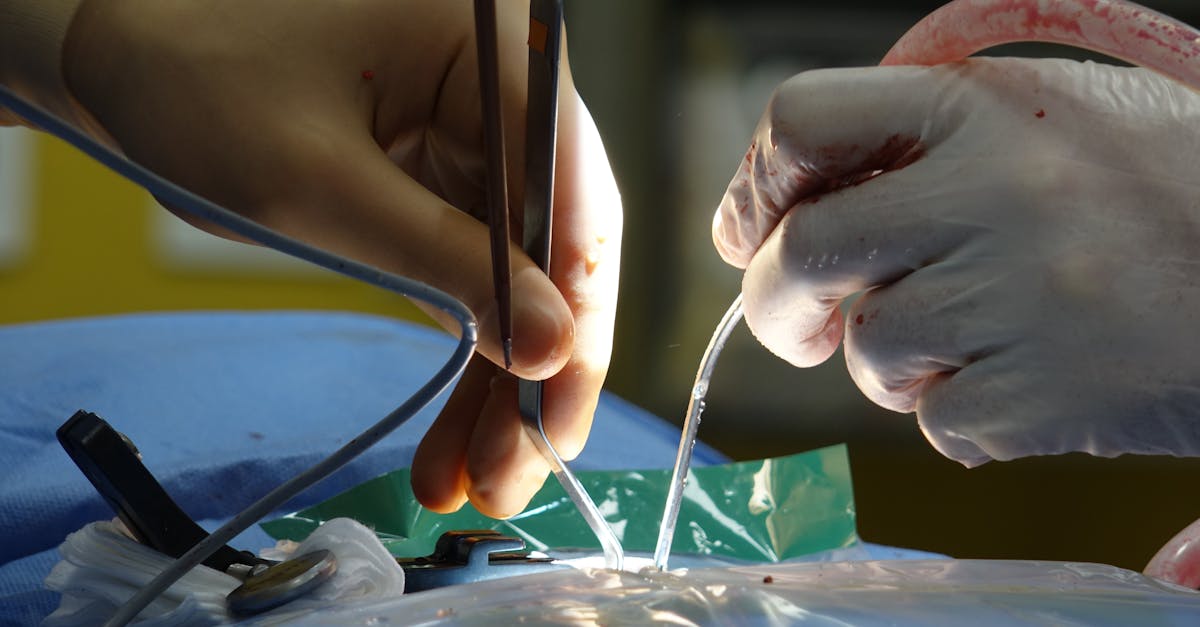
Cervical Disc Prosthesis in Quebec City: Restored and Long-Lasting Mobility
Chronic neck pain poses a significant challenge for many residents of Quebec City, intertwining with everyday activities and dramatically impacting quality of life. Traditionally, spinal surgeries such as cervical fusion have been the cornerstone for relieving nerve compression. While effective…
Key Stages of the Patient Journey Through Spine Surgery in Trois-Rivières
Patients navigating spine surgery face a multifaceted journey—from diagnosis to post-surgical rehabilitation. Understanding these stages equips them to engage in treatment with confidence, while healthcare providers can optimize outcome quality through streamlined coordination.
Initial Assessment and Expert Evaluation
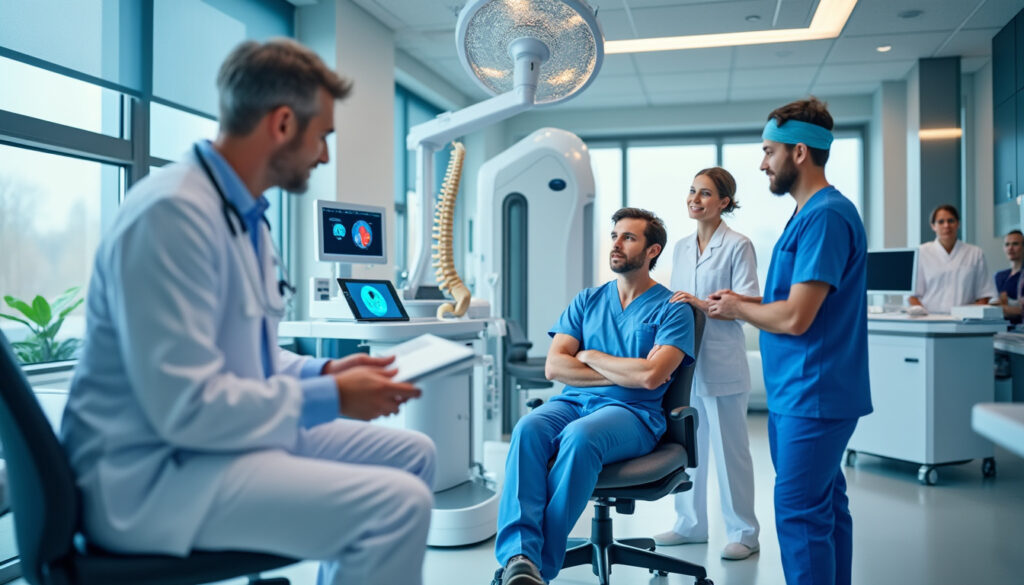
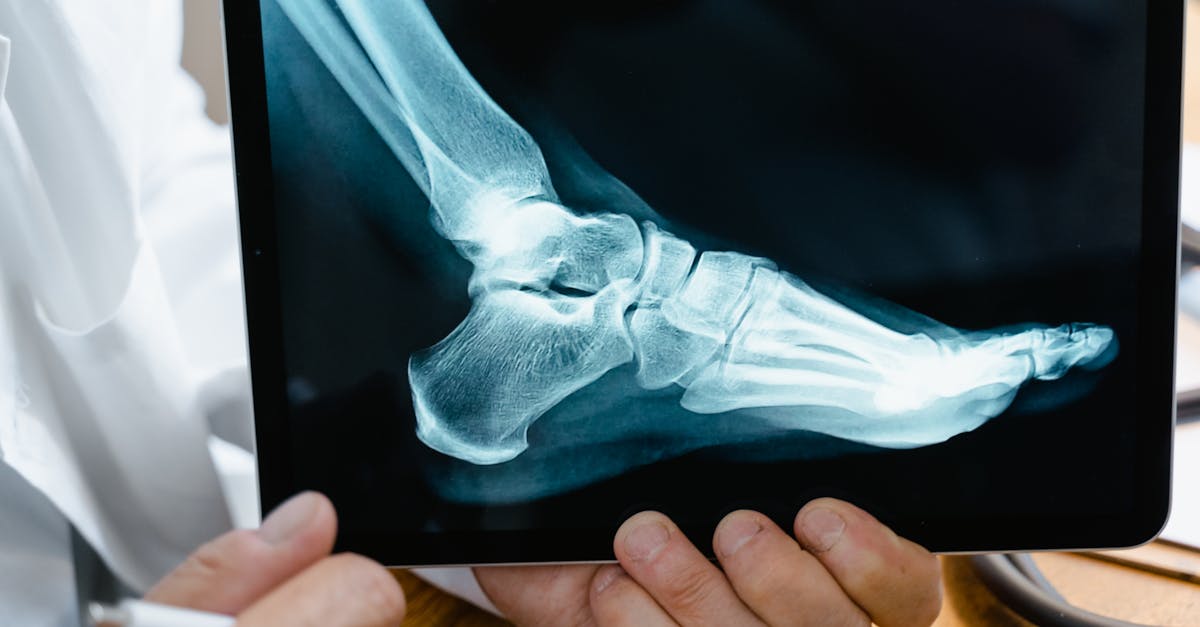
The patient journey begins with a thorough evaluation by expert practitioners who bring decades of experience in spinal pathology assessment. These assessments consider clinical history, physical examination, and advanced imaging to guide care pathways. In this phase, surgeons review conservative treatment history to determine surgical candidacy.
- Detailed review of symptoms and functional impact.
- Imaging such as MRI, CT scans for precise diagnosis.
- Consultations emphasizing patient education and shared decision-making.
In Trois-Rivières, specialized clinics such as Neurosurgery centers play a pivotal role in consolidating these assessments with a patient-centered approach.
Conservative Management Prior to Surgery
Robust conservative treatment, including physical therapy, medications, and neurovertebral decompression, forms the foundation before considering surgery. Evidence underscores that patients complete 3 to 6 months of optimized conservative care to maximize non-surgical outcomes.
- Neurovertebral decompression as delivered by Clinique TAGMED offers advanced non-invasive relief.
- Monitoring progress to decide on surgical intervention if symptoms persist or worsen.
- Clear communication on the indications, benefits, and limitations of each step.
Compliance with this protocol ensures surgery remains a well-considered option rather than a first resort.
Surgical Planning and Coordination
Once conservative pathways are deemed insufficient, surgical planning commences with multidisciplinary teams assessing medical history, imaging, and patient goals. This includes coordination between local Trois-Rivières surgeons and international partners, especially for cases involving advanced motion-preserving implants not widely available domestically.
- Customizing surgical approach to patient biomechanics and lifestyle.
- Synchronizing schedules to minimize wait times and enhance continuity of care.
- Ensuring compliance with Quebec and Canadian medical regulations.
The involvement of organizations like SOS Tourisme Médical facilitates this transatlantic coordination.
| Stage | Key Actions | Patient Role |
|---|---|---|
| Evaluation | Comprehensive clinical and imaging assessment | Provide accurate symptom history, engage in decision-making |
| Conservative Care | Implement physical therapy, neurovertebral decompression | Adhere to treatments, report progress |
| Surgical Planning | Multidisciplinary consultation and scheduling | Discuss preferences, consent to planned approach |
Postoperative Rehabilitation and Follow-up
The recovery phase emphasizes tailored rehabilitation to restore function while monitoring for complications. Existing clinical studies, including randomized controlled trials on prehabilitation for lumbar stenosis, indicate that structured exercise both before and after surgery can improve long-term outcomes.
- Gradual progression from assisted movement to strengthening exercises.
- Regular medical follow-ups with imaging as needed.
- Psychological support to optimize recovery mindset.
Precision in postoperative care at centers like ClinicalSpine Outcomes facilities ensures superior results sustained over time.
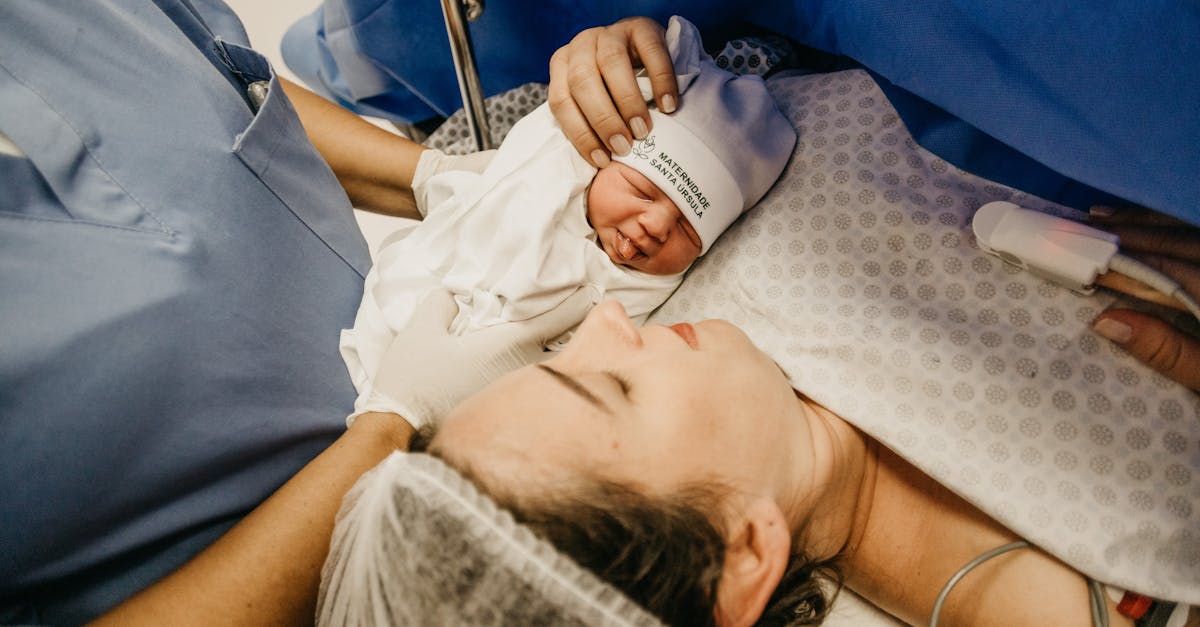
Minimally Invasive Surgery in Longueuil: Quick Recovery After Surgery
Minimally invasive surgery has revolutionized the field of spine treatment, particularly for patients in Longueuil seeking solutions that offer faster recovery, reduced pain, and minimal disruption to daily life. With advancements in surgical techniques such as laparoscopy and robotic-assisted procedures,…
Benefits of the Transatlantic Spine Surgery Pathway for Quebec Patients
The pathway linking Trois-Rivières and select European centers creates powerful advantages for patients facing spine surgery. By blending local evaluation and follow-up with access to international surgical innovations, this model offers enhanced clinical and economic benefits.
Biomechanical and Technological Advantages
The transatlantic collaboration provides access to state-of-the-art implants and minimally invasive techniques often pioneering in France but emerging only later in Canada. These include advanced dynamic stabilization systems and laser-assisted spine procedures with superior biomechanical outcomes.
- Preserving spine mobility through motion surgery significantly reduces adjacent segment stress.
- Use of novel laser decompression systems offers less tissue damage and faster recovery.
- Access to implants meeting the highest standards, ensuring longevity and patient comfort.
Canadian patients benefit from technologies that are meticulously vetted and integrated by experts like Dr. Sylvain Desforges, whose extensive experience bridges continents and disciplines, enriching treatment quality.
Economic and Access Benefits for Quebec Patients
Patients opting for this pathway often experience cost savings due to healthcare policies, shorter waiting periods compared to domestic surgical queues, and comprehensive care packages inclusive of travel support. This reduces overall treatment burden and uncertainty.
- Streamlined scheduling reduces delays by months or even over a year.
- Transparent cost structures often improve patients’ financial planning.
- Coordinated pre- and post-surgery care minimizes complications and additional costs.
Such systems enhance patient satisfaction and lessen the indirect costs of prolonged disability or ongoing pain.
Human-Centered, Personalized Care
This model embraces a holistic philosophy respecting patient uniqueness, with careful communication and tailored rehabilitation plans. Staff across both continents prioritize patient comfort, educational support, and emotional well-being throughout the process.
- Dedicated case managers coordinate appointments and travel logistics.
- Multidisciplinary teams including osteopaths, physiotherapists, and surgeons collaborate seamlessly.
- Clear explanations given to patients reduce anxiety and empower health choices.
Patients often note the difference in receiving this comprehensive, personalized approach compared to isolated institutional care.
| Benefit Category | Details | Patient Impact |
|---|---|---|
| Biomechanical Innovation | Access to motion-preserving implants and laser techniques | Improved mobility and reduced pain |
| Cost and Access | Reduced waiting times and transparent pricing | Faster treatment and financial predictability |
| Personalized Support | Full perioperative coordination and patient education | Greater satisfaction and emotional well-being |
IntraSPINE® in Laval: Approved Intervention for Chronic Low Back Pain
Chronic low back pain remains a pressing challenge, impacting countless individuals who strive to find lasting relief without resorting immediately to invasive surgery. In Laval, a city rapidly embracing advanced medical innovations, the IntraSPINE implant has emerged as a scientifically…
Importance of Exhaustive Conservative Care Prior to Surgery
Before surgery is considered, patients must undergo an exhaustive regimen of conservative treatments, highlighting the principle that surgery is an option of last resort. This approach aligns with guidelines from Quebec’s regulatory bodies and international best practices emphasizing patient safety and efficacy.
Recommended Conservative Treatments Overview
Conservative management includes but is not limited to:
- Physical therapy tailored to specific spine pathology
- Neurovertebral decompression as offered by the Clinique TAGMED
- Pharmacological pain management adjusted to patient response
- Activity modification and ergonomic counseling
Patients completing a 3 to 6-month course of these treatments often experience significant symptom improvement, occasionally avoiding surgery altogether. This pathway is rigorously overseen by experts such as Dr. Sylvain Desforges, an authority in spinal care assessments.
Significance of Neurovertébral Decompression Before Surgery
Neurovertebral decompression stands out as a highly innovative and effective treatment modality, employing advanced technology to relieve pressure on spinal nerves non-invasively. This method has been linked to improved outcomes and may decrease the need for surgery when integrated early in care.
- Practices at Clinique TAGMED highlight accessible neurodecompression interventions.
- Studies show reduced pain intensity and enhanced mobility following these treatments.
- Patients benefit from non-surgical options that respect spine biomechanics.
Avoiding premature surgery fosters better risk management and aligns with patient safety priorities.
| Conservative Treatment | Purpose | Typical Duration | Expected Outcome |
|---|---|---|---|
| Physical Therapy | Restore movement and reduce pain | 3-6 months | Improved flexibility and symptom control |
| Neurovertebral Decompression | Non-invasive nerve pressure relief | Variable based on condition | Decreased pain and functional improvement |
| Pain Medication | Manage discomfort during therapy | As needed | Symptom relief and greater participation in rehab |
Neck Surgery in Montreal: Modern Techniques for the Cervical Spine
The field of neck surgery in Montreal has witnessed remarkable advancements over recent years, integrating modern techniques that prioritize patient safety, functional preservation, and minimally invasive approaches. These developments are particularly significant for individuals facing cervical spine disorders, where traditional…
Local Expertise in Trois-Rivières: Orthopedic and Neurosurgical Leaders in Spine Surgery
Trois-Rivières benefits from a robust cadre of orthopedic surgeons and neurosurgeons specializing in spine surgery. Their clinical acumen ensures patients receive tailored, high-quality surgical care matching or exceeding provincial standards.
Orthopedic Surgeons Driving Excellence
Leading figures such as Dr. François Gagnon are recognized for their meticulous techniques in spinal fusion and scoliosis correction, supported by a reputation for patient-focused care. Their practice integrates advanced instrumentation and follows protocols that promote lasting clinical success.
- Expertise in complex spine conditions and minimally invasive approaches
- Active involvement in research to refine surgical methods
- Close collaboration with rehabilitation teams for comprehensive care
Many patients discover these surgeons through trusted local listings such as recognized orthopedic surgeon directories.
Neurosurgical Excellence at the Forefront
The neurosurgical community in Trois-Rivières, including specialists affiliated with Clinical Neurosurgery Centers, brings expertise in complex spine decompression and minimally invasive spinal procedures. Their approach emphasizes precision and patient safety supported by extensive clinical research.
- State-of-the-art minimally invasive surgical techniques
- Research contributions to spinal biomechanics and 3D imaging
- Consistent implementation of evidence-based protocols
Patients benefit from clinics like experienced neurosurgeons in the region committed to excellence and innovation.
| Professional | Specialization | Key Strengths | Resource |
|---|---|---|---|
| Dr. François Gagnon | Orthopedic Spine Surgery | Fusion, scoliosis correction, minimally invasive | Orthopaedic Surgeon Directory |
| Dr. Claude Édouard Chatillon | Neurosurgery | Complex spinal surgery, patient-centered care | HealthDoc Profile |

Disc Prosthesis in Lévis: Safe Alternative to Rigid Fusion
Back pain remains one of the most persistent health challenges affecting adults worldwide, often leading to reduced mobility and diminished quality of life. For residents of Lévis and the broader Quebec region, the evolving landscape of spine care brings exciting…
Innovative Techniques and Technologies Enhancing Spine Surgery Outcomes
The adoption of cutting-edge technologies in Trois-Rivières’ spine surgery programs exemplifies the commitment to superior clinical results. Innovations such as high-precision laser treatment, dynamic implants, and 3D imaging have redefined care standards.
Laser and Minimally Invasive Procedures
Laser-assisted spine surgery introduces a less invasive option for treating herniated discs and spinal stenosis. By targeting affected tissues precisely, laser technology reduces tissue trauma and accelerates healing. Local surgeons are increasingly integrating these methods, supported by facilities renowned for technology adoption.
- Decreased postoperative pain and blood loss.
- Shortened hospital stays and expedited recovery.
- Compatibility with patients requiring motion preservation.
Clinics such as those described in advanced minimally invasive spine surgery references illustrate this trend growing in Quebec.
Dynamic and Motion-Preserving Implants
Dynamic spinal implants allow patients to retain natural movement post-surgery, something traditional fusion does not permit. These devices adjust in real time to spinal forces, helping prevent adjacent segment disease and improve long-term outcomes.
- Designed with patient mobility as a priority.
- Utilized in specialized cases often requiring international collaboration.
- Backed by rigorous biomechanical and clinical research.
The role of experts such as Dr. Sylvain Desforges in selecting and evaluating these implants ensures patients receive the most suitable devices for their condition.
| Technology | Benefit | Impact on Patients |
|---|---|---|
| Laser-Assisted Surgery | Precision treatment, minimal invasiveness | Reduced pain, faster recovery |
| Dynamic Implants | Motion preservation, stress reduction | Improved mobility, long-term spine health |
| 3D Imaging | Enhanced surgical planning | Greater safety and accuracy |
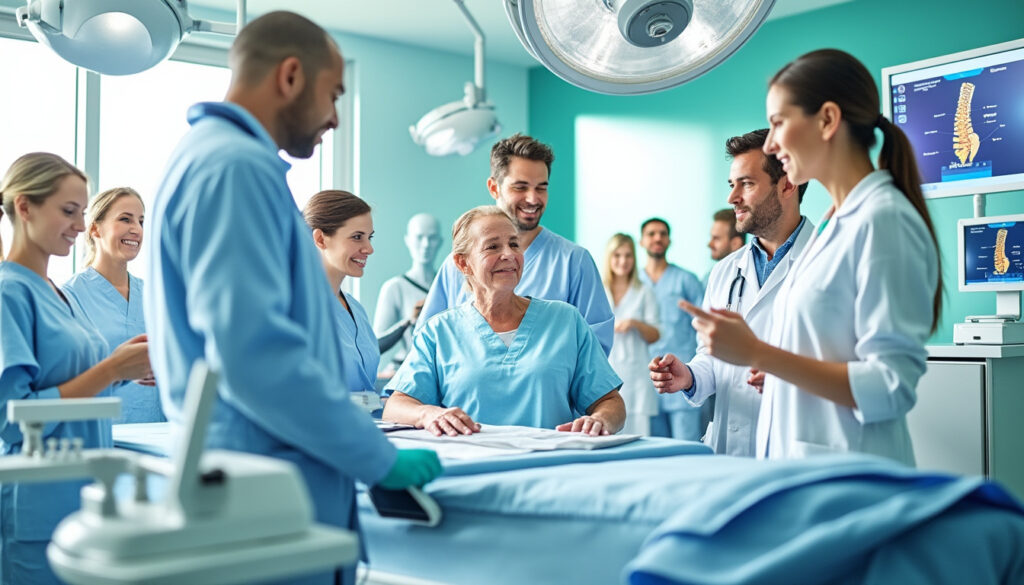
Motion Surgery in Terrebonne: Limit Complications and Preserve Mobility
Motion surgery in Terrebonne is at the forefront of spinal care innovation, offering groundbreaking solutions for patients burdened by chronic lumbar conditions who seek alternatives beyond the typical barriers of cost and wait times experienced in Quebec’s healthcare system. Motion-preserving…
Multidisciplinary Coordination and Transatlantic Patient Care Model
In Trois-Rivières, a patient-centric approach combining local expertise with international partners defines the current standard of care. This coordination ensures high-quality surgical interventions complemented by pre- and postoperative support at each stage of the treatment journey.
Cross-Disciplinary Collaboration
Teams including osteopaths, physiotherapists, neurologists, orthopedists, and neurosurgeons converge in patient care models designed for safety and efficacy. Coordinators facilitate seamless transitions between conservative and surgical phases.
- Sharing of diagnostic and treatment data for informed planning.
- Integration of innovative conservative care such as neurovertebral decompression.
- Continuous patient education to enable active participation.
Transatlantic Pathway Management
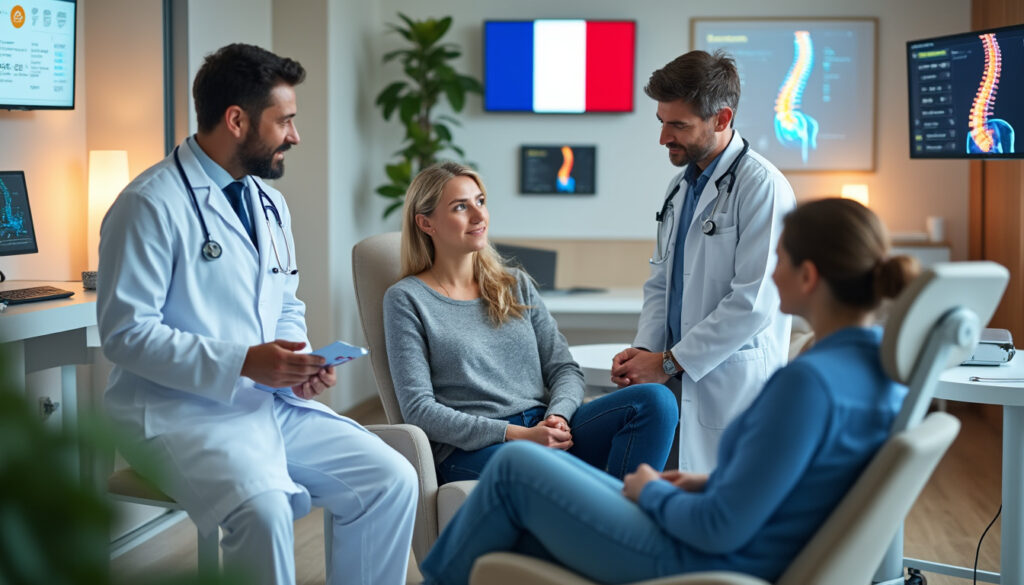
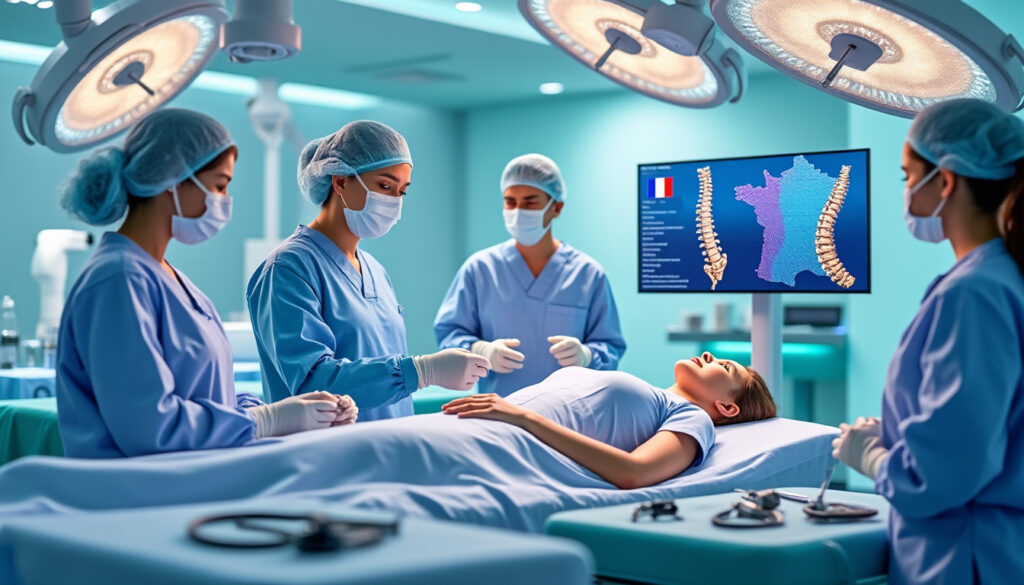
This innovative model connects patients in Quebec with proven surgical centers abroad, particularly in France, enabling access to advanced implants and techniques not yet widespread domestically. The pathway includes:
- Initial and follow-up assessments by Canadian spine experts.
- Logistical support for travel and hospital coordination in France.
- Swift scheduling that reduces wait times compared to local alternatives.
This model is supported by organizations like SOS Tourisme Médical, offering reassuring and transparent guidance throughout.
| Coordination Component | Function | Benefit |
|---|---|---|
| Local Evaluation | Comprehensive clinical assessment in Quebec | Personalized care plan |
| International Surgery | Advanced surgical techniques in France | Access to superior implants |
| Postoperative Care | Rehabilitation and follow-up in Quebec | Continuity and quality assurance |

Lumbar Disc Prosthesis in Saguenay: Immediate and Approved Relief
The city of Saguenay, Quebec, now stands at the forefront of spinal health innovation with the introduction of lumbar disc prosthesis as an approved and effective treatment for chronic back pain. As many adults here grapple with debilitating lumbar conditions,…
Patient Education and Empowerment in Spine Surgery Decisions
Understanding the nuances of spine surgery options empowers patients to take an active role in their care. The communication style favored by experts in Trois-Rivières emphasizes clarity, avoiding excessive jargon while thoroughly explaining indications, risks, and expected benefits.
Accessible Explanation of Complex Concepts
Patients are provided with:
- Clear descriptions of pathology and surgical goals.
- Stepwise walkthroughs of the surgical and rehabilitation process.
- Comparisons between surgical options tailored to patient priorities.
This method reduces anxiety and fosters a trusting patient-provider relationship.
Encouraging Questions and Personalized Consultation
Patients are encouraged to ask questions and discuss concerns openly. Personalized consultations allow for tailored advice considering individual health status and lifestyle, helping patients choose the most appropriate treatment plan.
- Availability of multidisciplinary teams for comprehensive answers.
- Use of visual aids and models during consultations.
- Access to resources such as educational content on surgical decision-making.
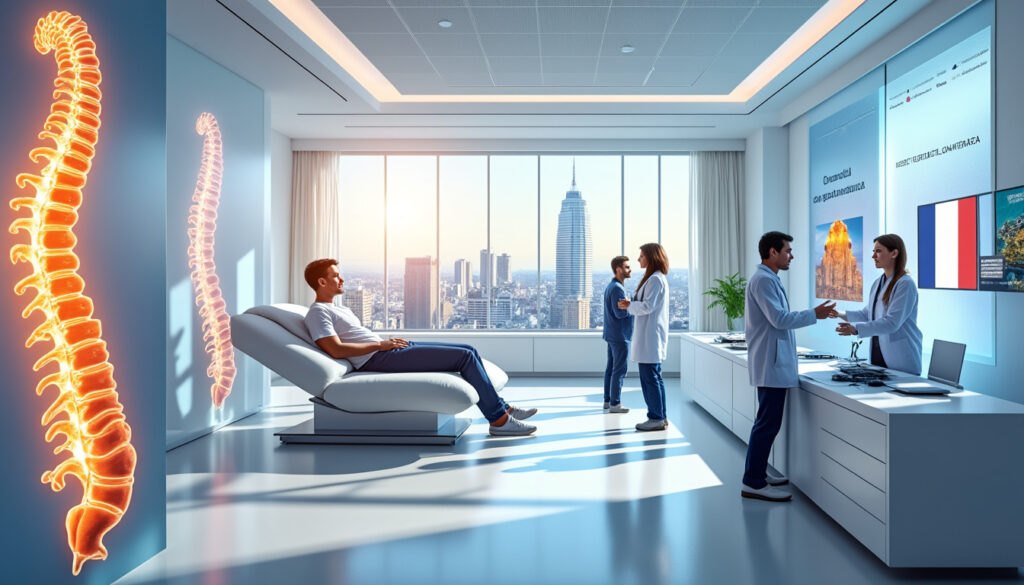
IntraSPINE® in Sherbrooke: Personalized Care for Active Patients
In Sherbrooke, the advent of the IntraSPINE device marks a significant milestone in spinal health care, particularly for active patients grappling with chronic lower back pain. Recognized as a pioneering development in orthopedic treatment, IntraSPINE is reshaping expectations around back…
Accessible Resources and Contact Points for Quebec Patients Considering Spine Surgery
For patients residing in Quebec and considering spine surgery, reliable access to resourceful, expert-guided care is crucial. Facilities such as TriRiv Spine Excellence and PrecisionSpine Clinic offer structured pathways designed around patient safety, quality, and innovation.
These centers collaborate closely with recognized surgeons and are integrated within a transatlantic network facilitating superior spine surgery results. Patients are supported throughout their treatment journey, from initial evaluation to long-term postoperative care, ensuring satisfaction and optimized clinical outcomes.
- Access to state-of-the-art diagnostics and therapeutic technologies.
- Personalized treatment plans developed by senior experts.
- Coordination with international hubs for expanded surgical options.
- Comprehensive pre- and post-operative support, including rehabilitation.
For more information or to discuss your case, please visit SOS Tourism Medical contact page to schedule an evaluation and receive personalized recommendations.
| Facility | Specialty Services | Unique Features | Contact Method |
|---|---|---|---|
| TriRiv Spine Excellence | Spine surgery and rehabilitation | Custom surgical approaches, expert care team | Website |
| PrecisionSpine Clinic | Motion-preserving implants and advanced surgery | International coordination, advanced technologies | Website |
What are the main types of spine surgery available in Trois-Rivières?
The primary spine surgeries include simple decompression to relieve nerve pressure, spinal fusion to stabilize vertebrae, and motion-preserving procedures like artificial disc replacement that maintain natural mobility.
Why is conservative treatment important before considering spine surgery?
Conservative treatment, including physical therapy and neurovertebral decompression, is typically recommended for 3 to 6 months to reduce symptoms and potentially avoid surgery. Surgery is reserved for cases where conservative measures fail to provide sufficient relief.
What advantages does the transatlantic surgery pathway offer to Quebec patients?
This pathway allows access to advanced surgical technologies and implants found abroad, reduces waiting times, offers cost benefits, and provides a comprehensive, personalized care model combining local evaluation with international expertise.
How do dynamic implants benefit patients compared to traditional fusion?
Dynamic implants maintain spinal mobility, reduce stress on adjacent segments, and can improve long-term functional outcomes compared to traditional spinal fusion, which sacrifices segmental movement.
Where can patients in Quebec access multidisciplinary spine surgery care?
Patients can access multidisciplinary care and expert evaluations at facilities such as TriRiv Spine Excellence and PrecisionSpine Clinic, which coordinate care locally and internationally for superior outcomes.