Pointe-Claire Residents Avoid Surgery for Herniated Discs
November 18, 2025
Comprehensive Insights into Simple Surgery, Fusion Techniques, and Motion Preservation
November 19, 2025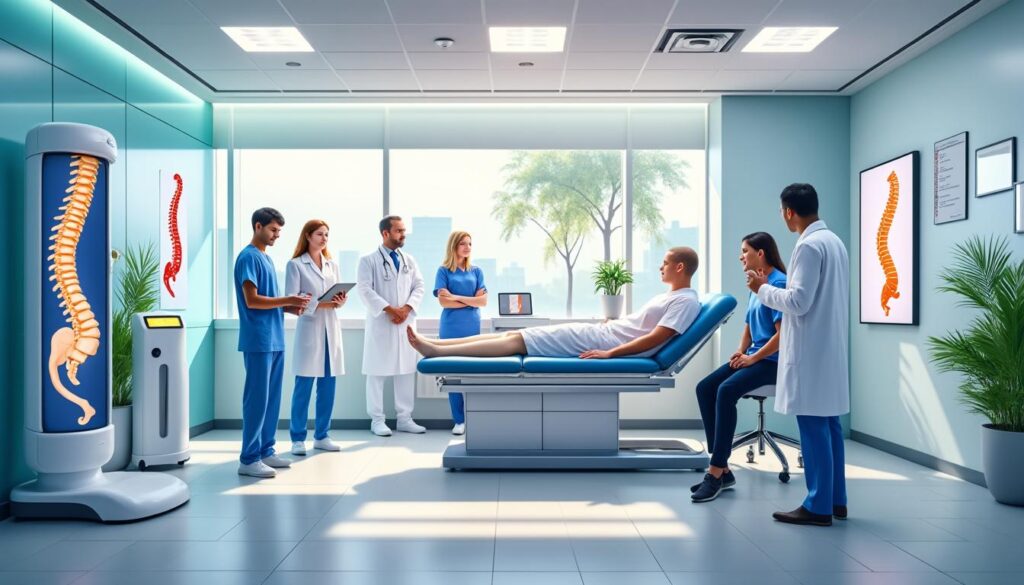
Lumbar disc herniation represents a significant health concern for many residents of Saint-Laurent, impacting mobility, work capacity, and overall quality of life. In this dynamic urban environment, prolonged sedentary lifestyles combined with occasional strenuous activities contribute to the high incidence of spinal disorders. With the rise of innovative treatments such as neurovertebral decompression therapy, patients now have access to effective, non-surgical solutions that target the root cause of nerve compression and pain. This approach aims not just to alleviate symptoms but to facilitate disc rehydration and spinal function restoration, providing lasting relief and improved spine health.
The evolving standard of care in Saint-Laurent includes the integration of advanced technologies, expert clinical evaluation, and personalized rehabilitation programs. Clinics like TAGMED, led by Dr. Sylvain Desforges—who brings over 30 years of expertise and a commitment to evidence-based, ethical practice—are at the forefront of delivering this comprehensive spinal care. Their multidisciplinary method ensures each treatment session combines precise mechanical spinal decompression with supportive therapies tailored to individual patient needs. Understanding the expectations and process of neurovertebral decompression therapy empowers patients as they embark on their path toward recovery.
Lumbar Disc Herniation in Saint-Laurent: Understanding Causes and Symptoms of Back Pain
Lumbar disc herniation is caused by the displacement or rupture of intervertebral disc material in the lower back, which can irritate or compress surrounding nerve roots. This condition manifests commonly in populations with lifestyle and occupational factors prevalent in Saint-Laurent, such as increased desk work, poor ergonomics, and repetitive physical stress.
Key causes of lumbar disc herniation in this community include:
- Sedentary Behavior: Long periods of sitting can weaken spinal muscles and increase pressure on discs.
- Repetitive Physical Strain: Manual labor or sports activities exerting regular spinal stress.
- Poor Posture: Especially during work hours or leisure, leading to uneven spinal load.
The symptom profile typically involves:
- Lower back pain aggravated by bending or twisting.
- Radiating leg pain caused by nerve compression (sciatica).
- Numbness or tingling sensations in lower extremities.
- Muscle weakness leading to difficulty walking or maintaining balance.
| Risk Factor | Incidence in Saint-Laurent | Impact on Daily Life |
|---|---|---|
| Sedentary Lifestyle | High | Chronic pain, fatigue, functional limits |
| Physical Overexertion | Moderate | Recurrence of symptoms, work incapacity |
| Poor Posture | Frequent | Increased pain and risk of worsening |
Early intervention and targeted therapies such as neurovertebral decompression therapy provide critical care in mitigating the often-progressive nature of lumbar disc herniation and its disabling sequelae.
IntraSPINE® in Sherbrooke: A Long-Lasting Solution for Chronic Lower Back Pain
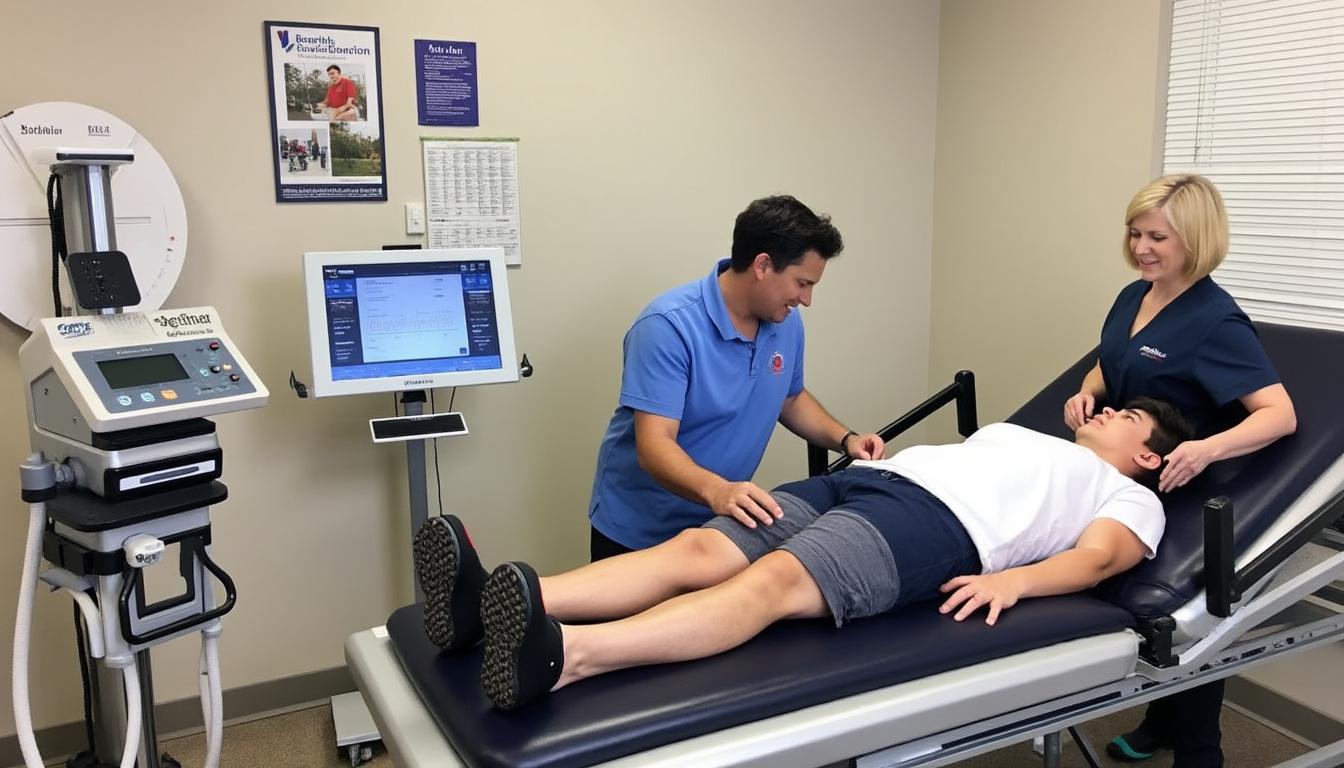
Chronic lower back pain remains one of the most pressing health concerns in Sherbrooke and beyond, impacting millions and often diminishing daily quality of life. Despite the prevalence of lumbar discomfort, many face limited access to cutting-edge treatments amidst lengthy…
What Happens During a Neurovertebral Decompression Therapy Session in Saint-Laurent?
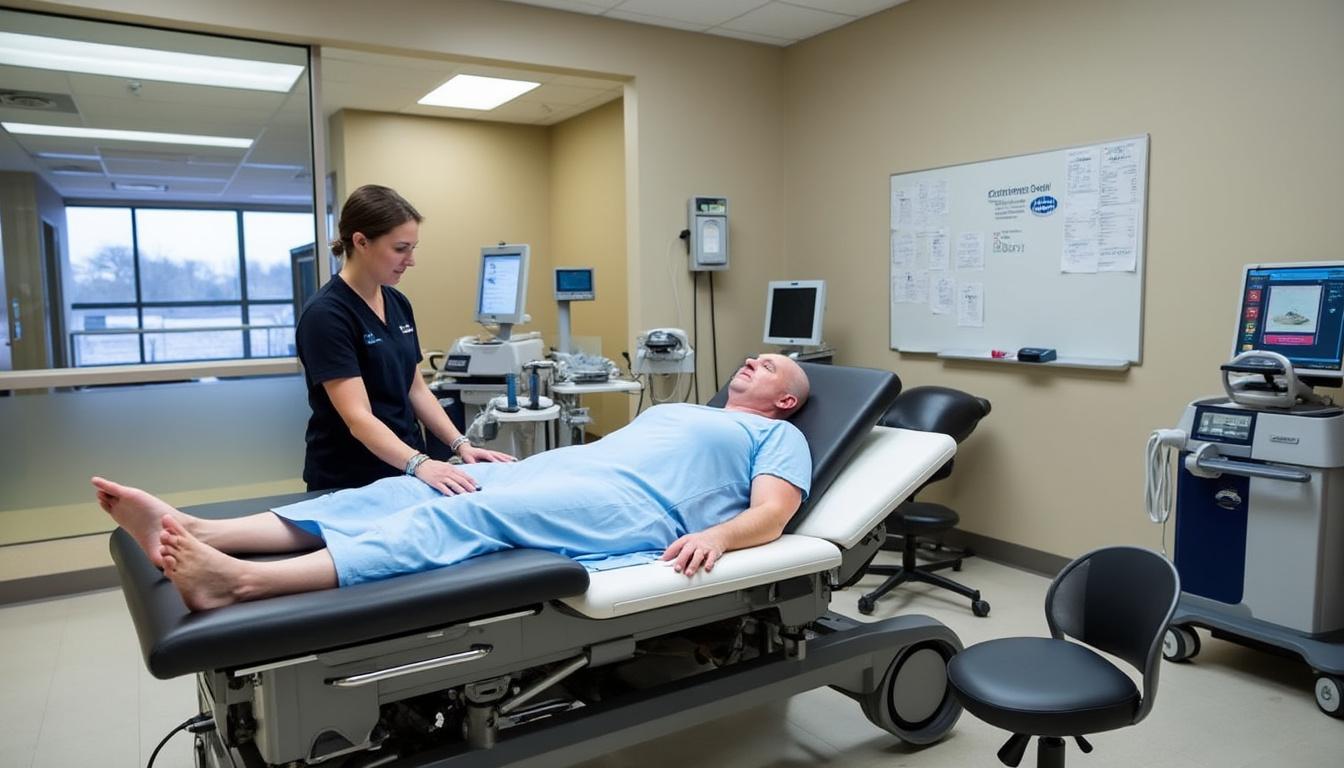
Neurovertebral decompression therapy is a precisely controlled, non-invasive treatment designed to reduce spinal disc pressure and relieve nerve root compression. At specialized facilities in Saint-Laurent, sessions follow a standardized yet personalized protocol overseen by experts including Dr. Sylvain Desforges.
The typical session flow includes:
- Patient Preparation: The patient lies comfortably on a specialized decompression table. Adjustable harnesses secure the pelvis and torso to allow controlled traction.
- Controlled Traction Application: Automated mechanical systems deliver gentle, sustained spinal traction. The force and angle are tailored to the patient’s anatomy and clinical condition.
- Duration: The traction typically lasts 20 to 30 minutes, during which the intervertebral space expands, reducing pressure on discs and nerves.
- Recovery and Relaxation: After the session, patients are given a brief rest period to adjust before resuming regular activities.
Sessions are usually scheduled two to three times per week over several weeks, depending on symptom severity and response. Early benefits often include reduced pain intensity, enhanced spinal mobility, and improved posture.
| Stage | Description | Expected Outcome |
|---|---|---|
| Initial Evaluation | Clinical assessment and diagnostic imaging review | Precise target identification |
| Setup and Harnessing | Comfortable patient positioning | Optimal traction delivery |
| Traction Phase | Gradual, controlled spinal stretching | Pressure relief and disc rehydration |
| Session Conclusion | Relaxation and readiness for activity | Safe transition back to daily life |
Additional integrative treatments such as physical therapy and osteopathy complement this approach, strengthening spinal stabilizers and reducing relapse risk.
Herniated Disc Care in Sainte-Julie: Why TAGMED’s Neurovertebral Decompression Therapy Stands Out
In the vibrant community of Sainte-Julie, back pain—particularly that stemming from herniated discs—has become a widespread concern affecting people from all walks of life. The relentless search for effective, non-invasive treatments has brought renewed attention to a pioneering therapy that…
Patient Perspective: Michel’s Journey to Herniated Disc Relief in Saint-Laurent
Michel, a 45-year-old resident, struggled with debilitating lumbar pain and leg numbness due to a herniated disc that affected his daily functioning and work productivity. Traditional medication approaches proved insufficient, prompting his exploration of neurovertebral decompression therapy at Clinique TAGMED under Dr. Sylvain Desforges’ guidance.
His treatment experience featured:
- A clear, personalized plan shaped by thorough diagnostics.
- Gentle, pain-free treatment sessions intertwined with physiotherapy.
- Encouragement and support from a multidisciplinary care team.
- Notable improvement from the third session onwards, enabling gradual return to activities.
Michel eloquently summarizes: “This therapy restored a balance to my spine that I had lost for years, allowing me to live pain-free and active again.”
| Treatment Phase | Intervention | Outcome |
|---|---|---|
| Acute Phase | Intensive decompression over 4 weeks | Significant pain reduction |
| Rehabilitation | Strengthening exercises guided by physical therapy | Improved posture and spinal stability |
| Continued Support | Periodic evaluations and therapy adaptations | Optimized and sustained recovery |
Michel’s case exemplifies the success of combining cutting-edge treatment methods with expert evaluation and comprehensive care coordination, hallmarks of the Saint-Laurent medical community.
Back Surgery in Trois-Rivières: Alleviating Pain While Preserving Mobility
In Trois-Rivières, Quebec, the persistence of back pain affects a substantial portion of the population seeking effective and personalized solutions. Back pain, often caused by spinal disorders or herniated discs, can drastically diminish quality of life, limiting mobility and causing…
Scientific Evidence Supporting Neurovertebral Decompression Therapy for Lumbar Disc Herniation
The effectiveness of neurovertebral decompression therapy is increasingly supported by a robust foundation of clinical research. Studies published recently highlight the therapy’s impact on pain relief, disc rehydration, and functional recovery.
Key findings include:
- Reduction in intradiscal pressure: promotes shrinking of herniated tissue and nerve decompression.
- Enhanced blood and lymph flow: accelerates tissue repair and reduces inflammation near affected nerves.
- Adjunctive muscle strengthening: physical therapy contributes to long-term spinal stability.
| Study | Journal | Results | Year |
|---|---|---|---|
| Guo et al. | Annals of Palliative Medicine | Intradic disc pressure decreased; improved perfusion | 2023 |
| Shah et al. | Cureus | Reduced chronic pain and improved mobility | 2022 |
| Wang et al. | BMC Musculoskeletal Disorders | Disc regression and better quality of life | 2020 |
These outcomes bolster confidence in neurovertebral decompression’s safety and efficacy as a first-line conservative treatment in Saint-Laurent’s clinical protocols.
Disc herniation remains a significant health concern in Pointe-Claire, impacting the lives of a diverse population ranging from labor-intensive workers to the aging community. The condition, characterized by the displacement or rupture of the intervertebral disc, often leads to debilitating…
Step-by-Step Progression of Neurovertebral Decompression Treatment in Saint-Laurent
Managing lumbar disc herniation with neurovertebral decompression proceeds through several critical stages. The protocol practiced by leading centers in Saint-Laurent exemplifies modern standards under expert leadership.
The sequence includes:
- Initial Consultation: Comprehensive clinical and imaging assessment confirms diagnosis and individualizes therapy.
- Decompression Sessions: Mechanical spinal stretching administered with precision and patient comfort.
- Therapeutic Rehabilitation: Targeted physical exercises to restore mobility and spinal strength.
- Follow-Up and Adjustment: Ongoing evaluation ensures optimal therapy modification and maintenance.
| Phase | Description | Goals |
|---|---|---|
| Consultation | Clinical exam and imaging (MRI, CT) | Accurate diagnosis and baseline |
| Decompression Therapy | Sessions of controlled spinal traction | Reduce disc pressure; ease nerve pain |
| Rehabilitation | Strengthening exercises by physiotherapists | Enhance spinal support and posture |
| Follow-Up | Regular clinical evaluations | Monitor progress and adjust plan |
Dr. Sylvain Desforges contributes invaluable expertise to these protocols, ensuring each step is evidence-based and patient-centered. This approach facilitates enduring benefits and reduces the likelihood of chronic impairment.
At Gouin Clinic, the landscape of herniated disc therapy has entered a transformative era marked by the integration of Personalized Treatment Plans and breakthrough Neurovertebral Decompression Therapy. This non-surgical approach is revolutionizing how spinal disorders are managed, offering patients an…
Advantages and Limitations of Neurovertebral Decompression Therapy for Herniated Discs
As a comparatively modern, non-invasive treatment, neurovertebral decompression offers important benefits for patients contending with lumbar disc herniation in Saint-Laurent:
- Non-surgical procedure: Eliminates risks associated with anesthesia and incisions.
- Effective symptom relief: Provides durable improvement in nerve compression pain.
- Expedited recovery: Allows quicker return to daily duties compared to surgery.
- Customized care: Therapy tailored to each patient’s unique presentation.
Conversely, it is critical to acknowledge intrinsic limitations:
- Financial considerations: Treatment costs can be prohibitive without insurance coverage.
- Contraindications: Patients with osteoporosis, fractures, infections, or tumors may not qualify.
- Resource availability: Requires specialized centers with trained personnel and equipment.
| Method | Effectiveness | Invasiveness | Recovery Time | Risks |
|---|---|---|---|---|
| Neurovertebral Decompression | High | Non-invasive | Short | Minimal |
| Surgical Discectomy | High | Invasive | Long | Moderate to High |
| Anti-inflammatory Medications | Moderate | Non-invasive | Variable | Possible side effects |
| Physical Therapy Alone | Moderate | Non-invasive | Variable | Minimal |
For optimal outcomes, neurovertebral decompression is most effective when complemented by structured rehabilitation protocols and lifestyle adjustments, as advocated by experts like Dr. Desforges.

Cervical Disc Prosthesis in Quebec: Preventing Post-Operative Stiffness
Neck pain is one of the most common musculoskeletal complaints in Quebec, affecting a significant portion of the population annually. Often rooted in degenerative cervical disc diseases or herniated discs, this persistent discomfort severely impacts daily life and mobility. Fortunately,…
Preparing for Your Neurovertebral Decompression Session at Saint-Laurent
Patient adherence to preparation guidelines enhances the safety and efficacy of spinal decompression treatment. Critical recommendations include:
- Complete medical evaluation: Ensuring accurate diagnosis and treatment suitability.
- Consistency in attending sessions: Maintaining therapeutic momentum for cumulative benefit.
- Avoid high-impact activities: Minimizing risk of aggravating spinal condition during treatment course.
- Active participation in rehabilitation: Committing to physical exercises and posture correction.
- Maintaining spinal hygiene: Ergonomic awareness to prevent recurrence.
| Preparation Step | Benefit |
|---|---|
| Comprehensive Diagnosis | Tailored, effective treatment plan |
| Regular Therapy Attendance | Optimized treatment results |
| Controlled Physical Activity | Reduces risk of worsening symptoms |
| Rehabilitation Exercises | Strengthens spinal support |
| Postural Awareness | Long-term symptom management |
Continual communication with healthcare providers, especially specialists guided by Dr. Sylvain Desforges’ leadership, supports informed decision-making and individualized care adjustments.
The prevalence of herniated disc conditions in Blainville has sparked considerable discussion and misconceptions about their causes, symptoms, and treatments. While the pain and disability associated with this spinal disorder are well documented, the emergence of non-surgical options such as…
Where to Access Expert Treatment for Lumbar Disc Herniation in Saint-Laurent
Saint-Laurent presents a highly qualified network of health professionals offering neurovertebral decompression therapy, with Clinique TAGMED standing as a benchmark facility. Under the direction of Dr. Sylvain Desforges, the clinic integrates:
- Advanced diagnostic imaging and assessment to accurately identify herniation specifics.
- Personalized decompression protocols employing state-of-the-art technologies.
- Multidisciplinary follow-up including physiotherapy and osteopathy.
- Patient-centered education to foster spine health and self-management.
The clinic’s established reputation reflects the value of expert-led, innovative care models aimed at delivering effective herniated disc relief without surgical intervention.
Residents seeking advanced non-surgical back pain treatment and sustainable improvements benefit from engaging with such expert services dedicated to optimizing functional outcomes and quality of life in Saint-Laurent.
What is lumbar disc herniation and what causes it?
Lumbar disc herniation is a condition where the soft inner core of a spinal disc pushes through its outer layer, often due to injury, degeneration, or repetitive stress, leading to nerve compression and pain.
How does neurovertebral decompression therapy relieve herniated disc symptoms?
This therapy gently stretches the spine to reduce pressure on the affected discs and nerves, promoting rehydration and healing of the damaged tissue, resulting in reduced pain and improved mobility.
Is spinal decompression therapy painful?
Most patients find spinal decompression comfortable and relaxing, as the traction forces are precisely controlled and gentle. There is typically no pain during treatment sessions.
How many sessions of decompression therapy are usually required?
Treatment typically involves 15 to 25 sessions over several weeks, with adjustments based on individual response and symptoms, ensuring personalized care.
Are there any risks or contraindications for this therapy?
Patients with severe osteoporosis, spinal infections, fractures, or tumors may not be suitable candidates. Screening and evaluation by experts ensure safety and appropriateness.
Minimally Invasive Surgery in Longueuil: Reducing Hospital Stays for Faster Recovery
In recent years, a transformative wave has swept through spinal healthcare in Longueuil, aiming to revolutionize treatment experiences for patients suffering from back disorders. This shift stems from a growing demand for procedures that minimize hospital stays without compromising efficacy.…