Boucherville Neck Pain Managed Without Hospitalization
July 27, 2026
Minimally Invasive Surgery in Longueuil: Accelerating Your Post-Operative Recovery
July 28, 2026
In the heart of Ville-Marie, a bustling district marked by urban vibrancy and professional activity, the challenge of lumbar disc herniation has taken a significant place in public health discussions. This spinal condition, often accompanied by intense back pain and compromised mobility, affects a growing number of residents, many of whom seek comprehensive and effective care. The pursuit of relief without resorting immediately to invasive surgery has directed attention towards innovative approaches such as neurovertebral decompression therapy. This advanced, non-surgical method offers hope by targeting the root causes of spinal discomfort with precision and care.
Yet, the promise of neurovertebral decompression must be approached with measured expectations. Ville-Marie’s diverse population brings a range of herniation severities and individual needs, requiring personalized assessment and treatment plans. Understanding the biomechanical and lifestyle factors contributing to herniated discs, along with a clear grasp of the realistic outcomes of decompression therapies, forms the foundation of an informed patient journey. As medical technology advances, clinicians like Dr. Sylvain Desforges leverage their decades of experience and multidisciplinary collaboration to integrate these therapies responsibly and effectively into patient care.
Understanding Lumbar Disc Herniation: Causes and Risk Factors in Ville-Marie
Lumbar disc herniation arises when the soft nucleus pulposus of an intervertebral disc protrudes through a tear in the surrounding annulus fibrosus, causing nerve irritation and pain. In Ville-Marie, several risk factors converge to elevate the prevalence of this condition within the urban lifestyle. Prolonged sitting, typical of office workers, increases intradiscal pressure and accelerates disc wear. When combined with repetitive physical strain, poor posture, and excess weight, the context becomes ripe for disc degeneration. The intricate balance of spinal biomechanics gradually deteriorates, making residents prone to disc herniation.
Genetics also plays a crucial role. Some individuals inherit a predisposition to weaker connective tissues or diminished collagen quality, which compromises disc integrity even in the absence of mechanical overload. These hereditary factors necessitate that each patient’s condition be evaluated extensively to tailor therapy accordingly. Aging further compounds the risk, as disc dehydration impairs shock absorption, while adjacent arthritic changes alter spinal dynamics. Environmental influences such as smoking exacerbate disc deterioration through reduced oxygenation and nutrient supply. Recognizing these multifactorial causes is pivotal for prevention and aligns with the holistic assessment championed by experts like Dr. Desforges.
Ville-Marie’s specific demographics, including its professional and sedentary workforce, present synergy between risk factors and the condition’s manifestation. Campaigns emphasizing ergonomic adjustments, targeted exercise, and stress management have shown promise in mitigating these risks. By addressing both individual susceptibility and lifestyle contributors, the local community aims to reduce the incidence and severity of lumbar disc herniation. Education about these causes builds a foundation for realistic expectations regarding treatment and recovery trajectories.
IntraSPINE® in Sherbrooke: A Long-Lasting Solution for Chronic Lower Back Pain
Chronic lower back pain remains one of the most pressing health concerns in Sherbrooke and beyond, impacting millions and often diminishing daily quality of life. Despite the prevalence of lumbar discomfort, many face limited access to cutting-edge treatments amidst lengthy…
Comprehensive Clinical Evaluation: The Role of Expert Assessment in Ville-Marie’s Spine Care
Before initiating any treatment modality for lumbar disc herniation, a thorough and precise evaluation is essential. Ville-Marie benefits from access to state-of-the-art diagnostic tools, including high-resolution MRI and CT imaging, enabling detailed visualization of disc morphology and nerve impingement. However, technology alone does not dictate the clinical path.
Dr. Sylvain Desforges, with over 35 years of experience and formal qualifications in osteopathy (D.O.), naturopathy (N.D.), and biomedical sciences (B.Sc.), leads a nuanced approach to diagnosis. He emphasizes the integration of patient history, symptom assessment, and physical examination complemented by imaging. For instance, differentiating between benign muscular back pain and serious neural compromise such as radiculopathy or cauda equina syndrome requires skilled clinical judgment. Neurological testing, including evaluation of motor function, sensation, and reflexes, guides the risk stratification and urgency of intervention.
Multidisciplinary collaboration forms a cornerstone of this comprehensive evaluation framework. Neurologists, osteopaths, physiotherapists, and rehabilitation physicians collectively contribute to a patient-specific diagnosis and care plan. Such integration ensures that all potential contributors to back pain are considered and treated holistically. This meticulous assessment also aligns with strict compliance to Quebec’s regulatory standards and guidelines from the Collège des médecins du Québec, underscoring a commitment to scientific rigor and patient safety.
Understanding the stage of herniation and patient-specific factors allows Dr. Desforges to recommend neurovertebral decompression thoughtfully, avoiding overapplication or false hopes. Patients are engaged through clear, jargon-free communication, empowering them to understand their condition and treatment options. This clarity aids in setting realistic expectations — an essential step in fostering adherence to therapeutic regimens and post-treatment care.
Herniated Disc Care in Sainte-Julie: Why TAGMED’s Neurovertebral Decompression Therapy Stands Out
In the vibrant community of Sainte-Julie, back pain—particularly that stemming from herniated discs—has become a widespread concern affecting people from all walks of life. The relentless search for effective, non-invasive treatments has brought renewed attention to a pioneering therapy that…
The Mechanism and Science Behind Neurovertebral Decompression Therapy
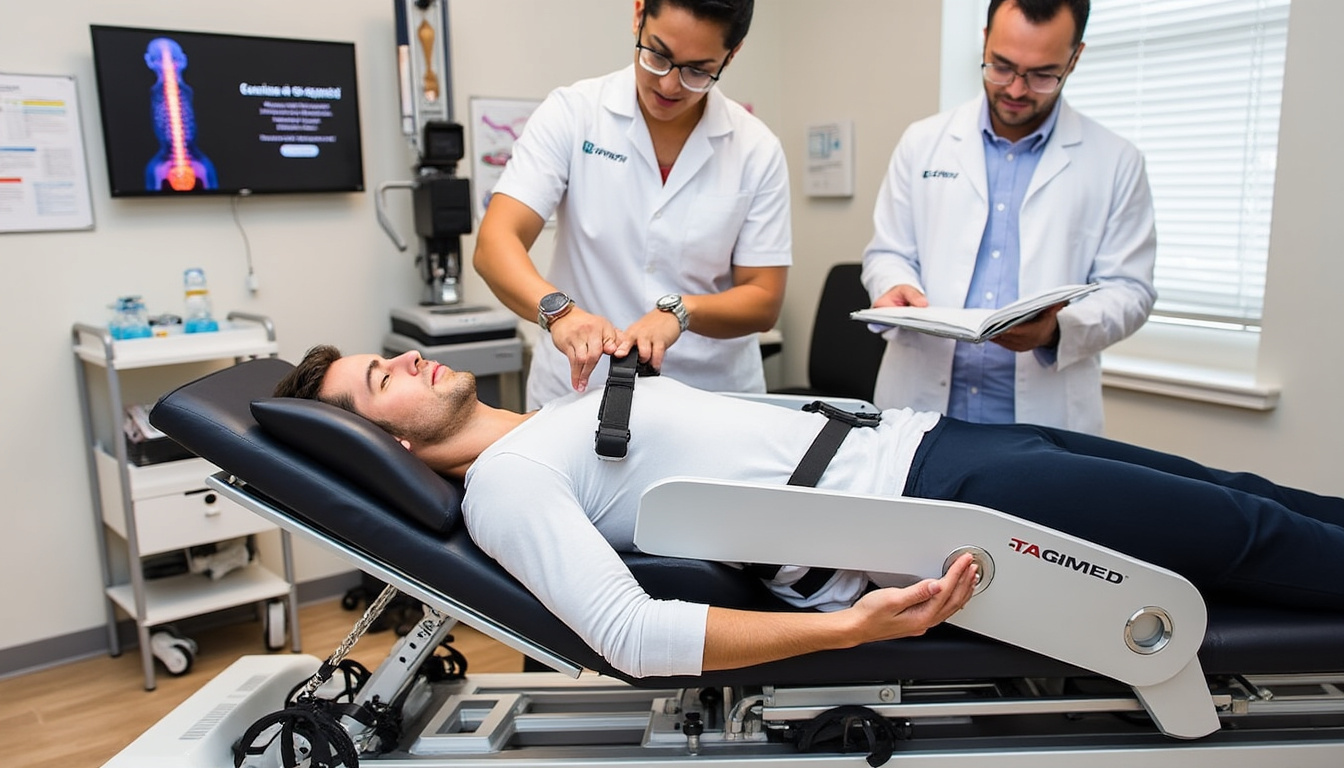
Neurovertebral decompression therapy represents a breakthrough in conservative spinal treatment, offering a non-invasive means to alleviate the mechanical stress associated with herniated discs. The procedure utilizes advanced traction devices that gently stretch the spinal column in a controlled manner, precisely adjusting force and angle to target affected lumbar segments.
This controlled decompression decreases intradiscal pressure, facilitating the retraction or resorption of herniated disc material away from nerve roots. Improved circulation and nutrient flow promote disc rehydration, an essential factor in tissue regeneration. Clinical studies have demonstrated that neurovertebral decompression not only reduces pain but also improves functional mobility and quality of life for a significant proportion of patients.
Evidence from systematic reviews highlights that approximately 63% of patients undergoing non-surgical lumbar disc treatments show regression of disc herniation and symptomatic relief. In Ville-Marie, protocols commonly involve 20 to 35 sessions over several weeks, calibrated carefully to individual response and tolerance. Additional modalities such as laser therapy or neuromuscular reeducation may complement decompression to enhance outcomes.
Importantly, Dr. Desforges advocates for neurovertebral decompression as part of an integrated treatment plan rather than a standalone solution. Patient education on lifestyle modifications, ergonomic adaptations, and physical fitness is interwoven with the therapy. This holistic model reflects his long-standing philosophy that technology and human expertise must converge to optimize spinal health sustainably.
Key benefits of neurovertebral decompression therapy include:
- Non-invasive approach: avoiding surgical risks and associated recovery downtime.
- Reduction in nerve root compression: easing sciatica and radicular pain.
- Disc rehydration and healing: enhancing tissue recovery potential.
- Improved mobility: enabling return to daily activities and work.
- Complementary integration: synergistic with physiotherapy and osteopathic care.
Despite its advantages, the therapy carries certain limitations and is not suitable for all patients. Those with spinal instability, recent vertebral fractures, infections, or cauda equina syndrome require alternative approaches. Here, Dr. Desforges’ expert evaluative process ensures precise patient selection and ethical care.
Back Surgery in Trois-Rivières: Alleviating Pain While Preserving Mobility
In Trois-Rivières, Quebec, the persistence of back pain affects a substantial portion of the population seeking effective and personalized solutions. Back pain, often caused by spinal disorders or herniated discs, can drastically diminish quality of life, limiting mobility and causing…
Protocol and Workflow of Neurovertebral Decompression at Clinique TAGMED
The success of neurovertebral decompression hinges on an individualized protocol beginning with an initial consultation. At Clinique TAGMED in Montréal and Terrebonne, Dr. Desforges oversees a structured treatment pathway tailored to each patient’s clinical and radiological profile.
The protocol generally unfolds in three phases:
- Initial Assessment and Planning: detailed clinical exam and imaging to confirm indication; informed consent and goal setting.
- Intensive Decompression Phase: 20 to 35 sessions conducted typically over 6 to 8 weeks, utilizing state-of-the-art decompression tables with real-time monitoring.
- Maintenance and Rehabilitation: phased reduction in session frequency complemented by physiotherapy, osteopathic interventions, and patient education on spinal care.
This approach is underpinned by continuous monitoring and communication. Adjustments in treatment intensity and frequency respond to patient feedback and clinical improvement. Emphasis is placed on integrating decompression results within a comprehensive lifestyle adaptation framework to prevent recurrence.
| Phase | Description | Expected Outcome | Duration |
|---|---|---|---|
| Initial Assessment | Clinical and radiological evaluation, patient education | Customized treatment plan, exclusion of contraindications | 1 session |
| Intensive Decompression | Regular sessions with controlled spinal traction | Reduction of disc pressure and nerve decompression | 6 to 8 weeks |
| Maintenance & Rehabilitation | Gradual tapering with physical therapy and lifestyle advice | Consolidation of gains, prevention of recurrence | Variable ongoing |
Such structured, evidence-based protocols reflect Dr. Desforges’ commitment to patient-centered care and align with current best practices highlighted in international spinal care literature.
Disc herniation remains a significant health concern in Pointe-Claire, impacting the lives of a diverse population ranging from labor-intensive workers to the aging community. The condition, characterized by the displacement or rupture of the intervertebral disc, often leads to debilitating…
Patient Outcomes and Long-Term Expectations in Ville-Marie
Clinical data from facilities like Clinique TAGMED indicate that more than 70% of patients undergoing neurovertebral decompression report meaningful improvement in pain levels and functional capacity. Patients frequently describe decreased sciatica, less burning or tingling sensations, and improved daily mobility after a standard treatment cycle.
It is crucial, however, to frame these outcomes within realistic boundaries. Recovery trajectories vary widely depending on the extent of disc injury, patient age, compliance with therapy, and concurrent health conditions. While neurovertebral decompression can significantly diminish symptoms and delay or avoid surgical intervention for many, it may not completely eliminate herniation or pain in all cases.
The integration of multidisciplinary follow-up care reinforces these gains. Post-treatment rehabilitation focuses on strengthening the lumbar musculature, optimizing posture, and promoting spinal stability to prevent relapse. Patients receive guidance on ergonomic modifications at work and home, alongside strategies for stress management and gradual return to physical activities.
Ville-Marie’s patients benefit from this personalized approach, which includes periodic monitoring and adjustments to maintenance therapy schedules. Such comprehensive care fosters confidence and empowers patients to actively participate in their recovery journey, echoing Dr. Desforges’ philosophy of patient education and empowerment.

TOPS™ in Gatineau: A High-Performance Solution for Lumbar Spine Care
In a region where chronic back pain increasingly affects quality of life, the quest for advanced and effective lumbar spine treatments is paramount. Lumbar spinal stenosis, a prevalent condition among Quebec’s aging population, often imposes persistent discomfort and mobility limitations.…
Integrating Advanced Technologies and International Collaboration in Spinal Care
Dr. Sylvain Desforges’ practice exemplifies the fusion of advanced technology and international medical expertise. Beyond local care, he coordinates transatlantic management pathways that connect patients in Quebec with renowned spine surgeons and clinics in France. This collaboration optimizes patient timelines, surgical planning, and postoperative care by leveraging shared knowledge and resources.
Innovative technologies complement this global approach. At Clinique TAGMED, tools such as dynamic spinal implants and laser therapies enhance outcomes, while strict ethical and scientific standards guide their application. This synergy between technology, experience, and patient-focused ethics sets a high standard in spine health management.
The alliance with platforms like SOS Tourisme Médical also facilitates personalized, bilingual support for patients navigating cross-border care. Through these initiatives, Ville-Marie residents access cutting-edge treatment options previously unavailable locally, such as precision surgery support and tailored decompression protocols informed by international clinical research.
This model reflects a future-oriented framework where patient welfare, technological innovation, and collaborative networks coalesce to improve quality of life for those suffering from lumbar disc herniation. Dr. Desforges’ leadership in this domain underscores the importance of evolving spine care solutions grounded in empathy and expertise.
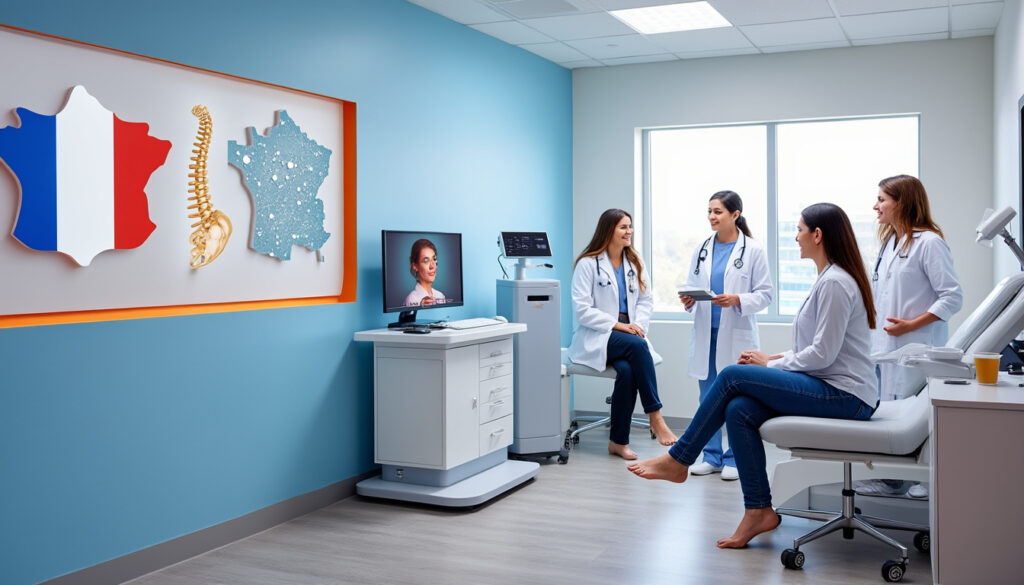
At Gouin Clinic, the landscape of herniated disc therapy has entered a transformative era marked by the integration of Personalized Treatment Plans and breakthrough Neurovertebral Decompression Therapy. This non-surgical approach is revolutionizing how spinal disorders are managed, offering patients an…
Safety Considerations, Contraindications, and Patient Suitability for Neurovertebral Decompression
While neurovertebral decompression therapy presents a safe alternative to surgery for many, patient safety remains paramount. Contraindications include recent vertebral fractures, active infections, spinal tumors, and severe neurological compromise such as cauda equina syndrome. Candidates with significant spinal instability or inflammatory conditions require strict screening to prevent adverse outcomes.
Throughout treatment, monitoring for symptom exacerbation or adverse effects allows clinicians to promptly modify protocols. Pressure levels during decompression are tailored to patient tolerance, reflecting Dr. Desforges’ commitment to a compassionate and patient-specific approach.
Further risk mitigation involves comprehensive patient education before therapy initiation. Individuals are informed of potential benefits and limitations, reinforcing realistic expectations and long-term engagement with spinal health maintenance. This transparency builds trust and aligns with Quebec’s medical regulatory frameworks that emphasize evidence-based and ethical care.

Cervical Disc Prosthesis in Quebec: Preventing Post-Operative Stiffness
Neck pain is one of the most common musculoskeletal complaints in Quebec, affecting a significant portion of the population annually. Often rooted in degenerative cervical disc diseases or herniated discs, this persistent discomfort severely impacts daily life and mobility. Fortunately,…
Supporting Recovery: The Role of Rehabilitation and Patient Education in Ville-Marie
The therapeutic journey following neurovertebral decompression extends beyond immediate intervention. Reinforcement via targeted rehabilitation is critical to optimize functional recovery and maintain spinal integrity. Physiotherapy programs focus on core strengthening, flexibility, and posture correction to support the decompressed spine.
Integrating osteopathic care helps alleviate muscular tension and restore biomechanical balance. Patients are coached on ergonomic habits and activity modifications, fostering self-management and preventing recurrence. Education efforts emphasize the uniqueness of each patient’s case, ensuring personalized guidance that resonates with their lifestyle and needs.
This comprehensive follow-up framework underlines that successful lumbar disc herniation management is holistic and ongoing. Ville-Marie’s population benefits from this integrated approach, combining technology, multidisciplinary expertise, and patient empowerment for sustainable spine health.
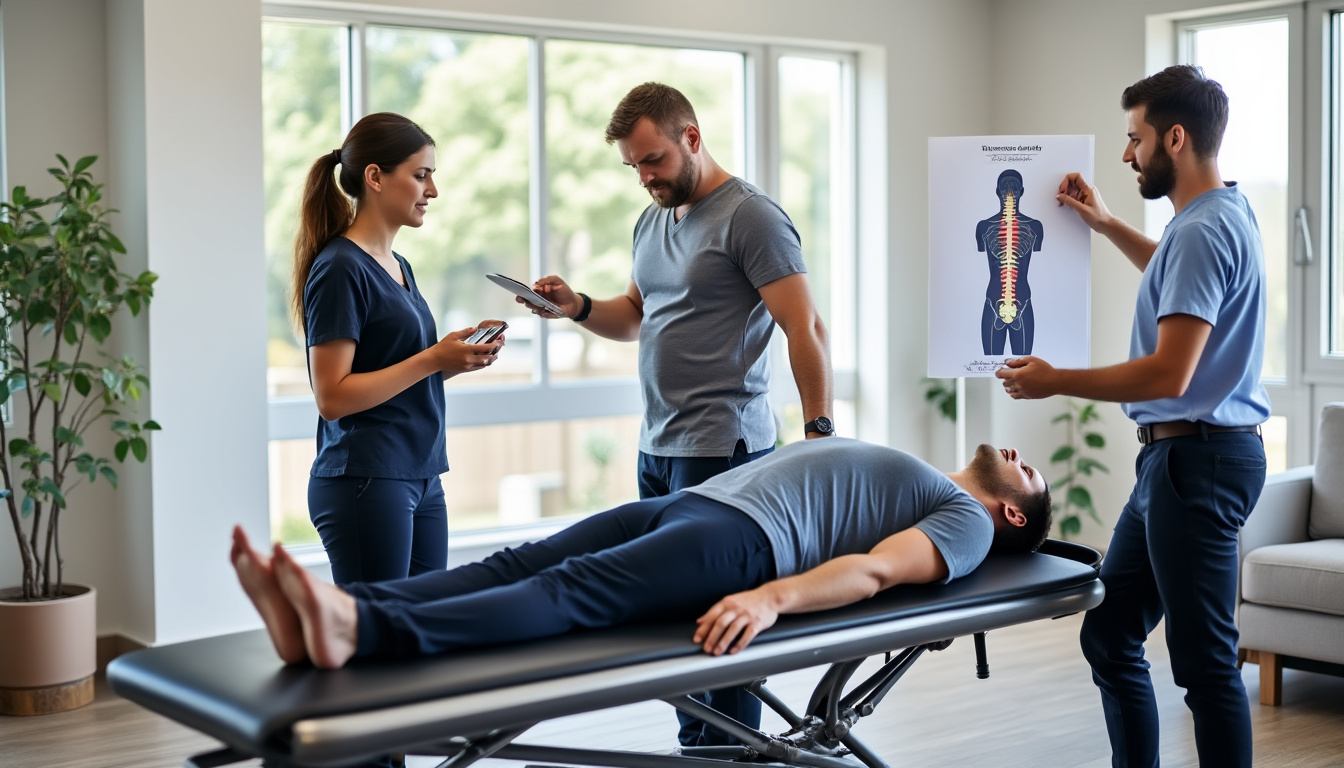

The prevalence of herniated disc conditions in Blainville has sparked considerable discussion and misconceptions about their causes, symptoms, and treatments. While the pain and disability associated with this spinal disorder are well documented, the emergence of non-surgical options such as…
Patient Perspectives: Real Experiences with Neurovertebral Decompression in Ville-Marie
Actual patient stories enrich the clinical landscape with tangible insights into the effects of neurovertebral decompression. For example, a mid-career professional in Ville-Marie shared how persistent sciatic pain hindered daily activities for months before seeking this treatment. After a structured protocol overseen by Dr. Desforges, the individual reported progressive pain relief and regained functional independence without surgery.
Similarly, another patient described relief from chronic lumbar stiffness and numbness following comprehensive decompression treatment coupled with physiotherapy. Such accounts highlight the therapy’s potential to improve quality of life, especially when combined with a personalized, multidisciplinary care plan.
Nonetheless, these experiences underscore the variability inherent in spine care. The responsiveness to treatment depends on numerous factors, motivating continuous research and adaptation of protocols. Dr. Desforges’ practice encourages an open dialogue with patients, offering reassurance and tailored advice to set achievable goals for recovery.
Exploring further insights and local treatment modalities, patients may find valuable guidance at resources detailing herniated disc symptoms and neurovertebral decompression therapies as well as nuanced discussions on costs and insurance coverage pertinent to Ville-Marie.
What are common symptoms of lumbar disc herniation in Ville-Marie?
Typical symptoms include lower back pain radiating to the legs, tingling sensations, muscle weakness, and worsened pain during prolonged sitting or specific movements.
How does neurovertebral decompression therapy work to relieve back pain?
The therapy gently stretches the spine to reduce pressure on the discs and nerves, promoting disc rehydration and alleviating nerve inflammation without invasive surgery.
Can neurovertebral decompression replace surgery altogether?
While effective for many, decompression does not replace surgery in all cases, especially where severe nerve damage or complications are present. Careful evaluation determines the best course.
How many sessions of decompression therapy are typically required?
Most treatment plans involve 20 to 35 sessions over 6 to 8 weeks, with improvement often noted after 10 sessions, but protocols vary based on individual needs.
Is neurovertebral decompression safe for elderly patients?
Yes, the therapy is generally safe and well tolerated by elderly patients with lumbar disc herniation, provided they undergo proper assessment and monitoring.