IntraSPINE® in Laval: Long-Term Relief for Low Back Pain
October 26, 2025
Cervical Disc Prosthesis in Quebec City: Preserve Neck Mobility
October 26, 2025
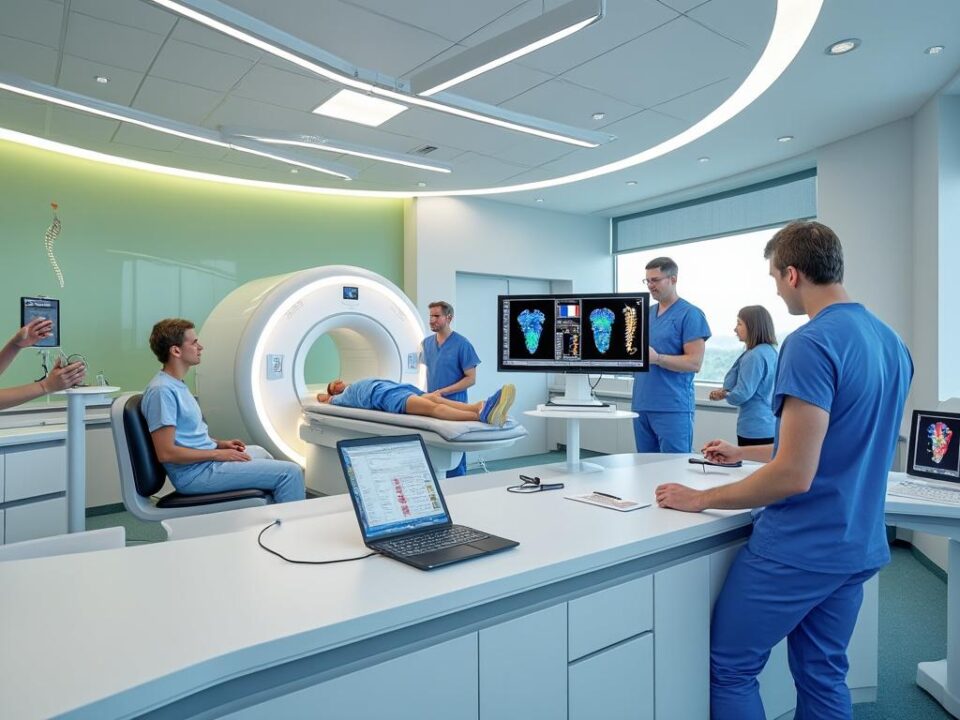
Spine care in Longueuil, Quebec, is evolving with innovative techniques that promise enhanced precision and a more compassionate patient experience. As healthcare systems face increasing demand and patients seek alternatives to lengthy wait times or costly treatments, advanced minimally invasive spine surgery offers a compelling solution. These cutting-edge procedures, grounded in scientific rigor and a thorough understanding of spinal biomechanics, allow patients to recover faster while minimizing the physical and emotional toll often associated with traditional spine surgeries.
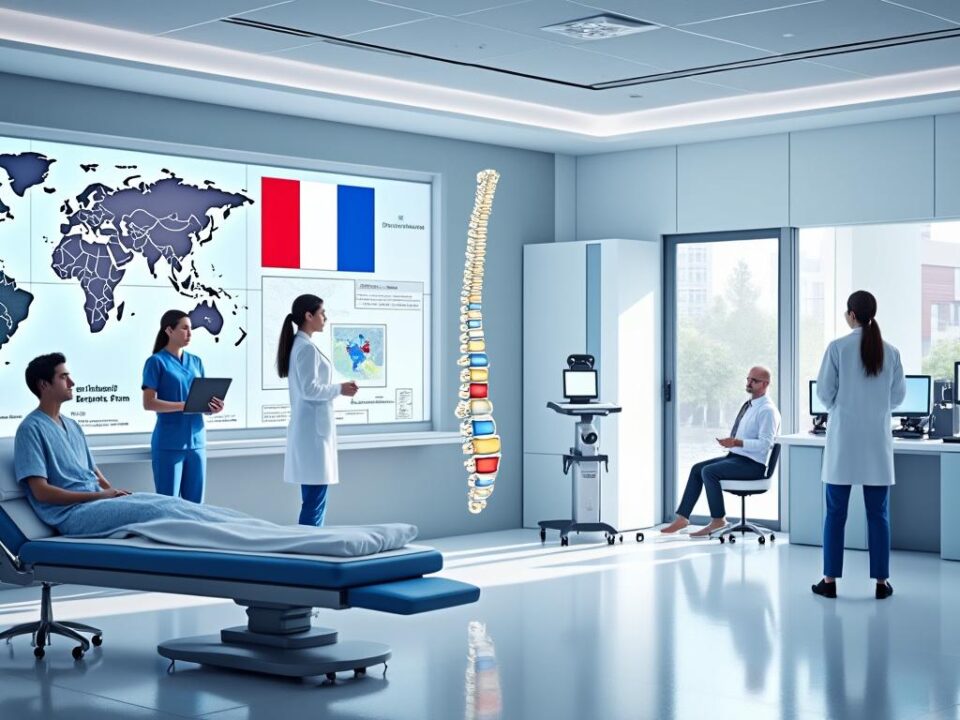
Dr. Sylvain Desforges, with over 30 years of experience as a pioneering expert in spinal evaluations and care, plays a crucial role in bridging expertise between Canada and France. His meticulous assessments guide patients through evidence-based, personalized pathways that combine the best of both continents’ medical innovations. By coordinating international treatment journeys, Dr. Desforges ensures that patients from Quebec can access leading-edge surgeries and technologies, such as dynamic implants and neurovertebral decompression, that might not be readily available locally.
Exploring the Spectrum: Types of Spine Surgeries Available in France
Patients considering spine surgery in France encounter various surgical techniques tailored to their specific spinal pathology and functional needs. Understanding these options is essential to making informed choices about treatment.
- Simple Decompression Surgeries: These procedures focus on relieving nerve compression without altering spinal stability. Techniques include microdiscectomy and foraminotomy, often performed using endoscopic approaches to minimize tissue trauma.
- Spinal Fusion Procedures: Fusion surgeries aim to stabilize segments of the spine affected by instability or deformity. Advanced minimally invasive fusion techniques use tubular retractors and percutaneous pedicle screws, reducing muscle damage and accelerating recovery compared to traditional open surgeries.
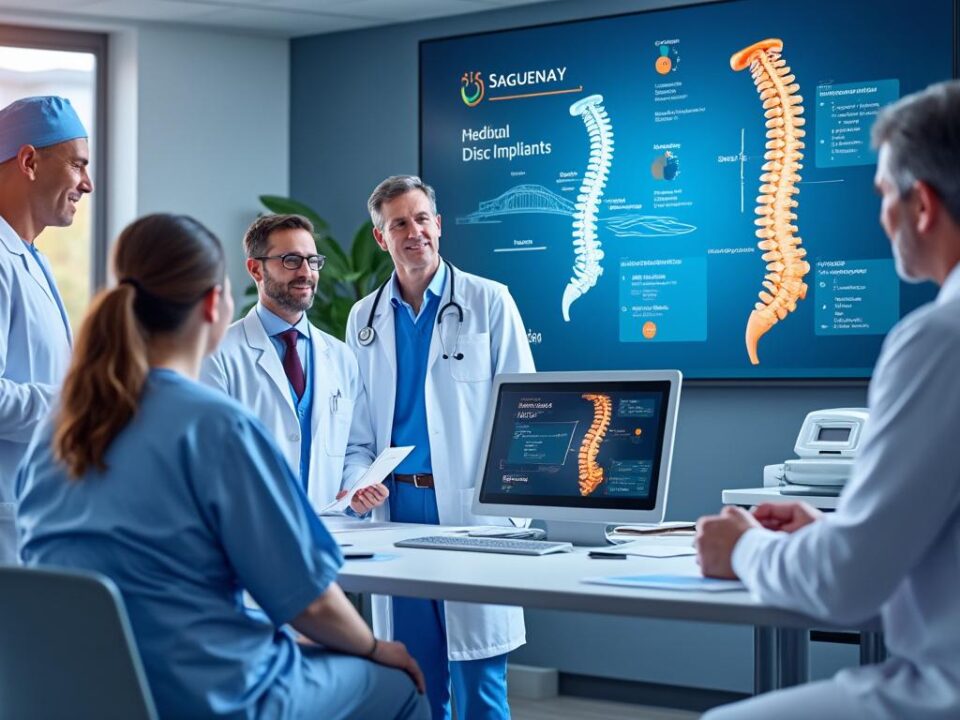
- Motion-Preserving Surgeries: Innovations such as artificial disc replacement and dynamic implants help maintain spinal mobility postoperatively, potentially reducing adjacent segment degeneration and improving long-term function.
These options, supported by leading medical device manufacturers like Medtronic, NuVasive, and Stryker, are integrated into personalized care plans. The choice of technique depends not only on radiological and clinical evaluations but also on functional objectives and patient preferences.
| Type of Surgery | Primary Objective | Advantages | Typical Indications |
|---|---|---|---|
| Simple Decompression | Alleviate nerve root pressure | Minimally invasive, fast recovery | Herniated discs, spinal stenosis |
| Spinal Fusion | Stabilize motion segments | Improved stability, reduced pain | Instability, spondylolisthesis |
| Motion Preservation | Maintain segmental mobility | Reduced adjacent segment disease | Degenerative disc disease |
Integrating these surgery options thoughtfully, with a strong emphasis on biomechanical principles, sets the foundation for successful outcomes and higher satisfaction.
Disc Prosthesis in Lévis: Maintain Natural Mobility
In the evolving landscape of spinal health, the pursuit of innovative solutions for chronic back pain and degenerative disc conditions has never been more critical. Residents of Lévis and surrounding regions seeking pathways beyond the limitations of traditional spinal fusion…
Navigating the Patient Journey: From Initial Evaluation to Postoperative Recovery
The pathway to spine surgery, particularly when crossing international borders, requires careful orchestration to ensure safety, efficacy, and patient comfort. Dr. Sylvain Desforges excels in providing nuanced evaluations that identify candidates truly suited for surgical intervention after exhausting conservative therapy.
Local patients in Quebec typically begin their journey with a comprehensive assessment including detailed clinical examination, imaging studies, and review of prior conservative management. This stage critically involves collaboration with the Clinique TAGMED, known for advanced non-surgical treatments such as neurovertebral decompression and laser therapy, ensuring patients have optimized conservative care before surgery is contemplated.
- Evaluation Phase: Expert assessment identifies the severity and nature of spinal pathology, incorporating 3D imaging and functional testing.
- Conservative Treatment Monitoring: A minimum 3 to 6-month period of conservative treatments is mandated, often including physiotherapy, osteopathy, and neuro-decompression.
- Preoperative Planning: Once surgery is indicated, detailed planning with French surgical teams involves selecting optimal techniques and implants adapted to individual anatomy and pathology.
- Transatlantic Coordination: Synchronized scheduling and logistics ensure timely surgical procedures with minimal wait, assisted by collaborations with French clinics and platforms like SOS Tourisme Médical.
- Postoperative Follow-up: Upon returning to Quebec, ongoing rehabilitation and monitoring are coordinated through local providers familiar with the surgical approach used, ensuring continued recovery and functional restoration.
| Stage | Key Activities | Locations | Duration |
|---|---|---|---|
| Initial Evaluation | Clinical exam, imaging review | Quebec (TAGMED & Dr. Desforges) | 1–2 weeks |
| Conservative Treatment | Physiotherapy, neurovertebral decompression | Clinique TAGMED, Quebec | 3–6 months |
| Surgical Consultation & Planning | Multidisciplinary discussion, implant selection | France (partner clinics) | 2–4 weeks |
| Intervention & Hospital Stay | Minimally invasive surgery, early mobilization | France | 2–5 days |
| Postoperative Rehabilitation | Follow-up care, physiotherapy | Quebec | 3–12 months |
Each step emphasizes patient safety, transparency, and evidence-based practice, with Dr. Desforges acting as a guide and advocate throughout this transformative experience.
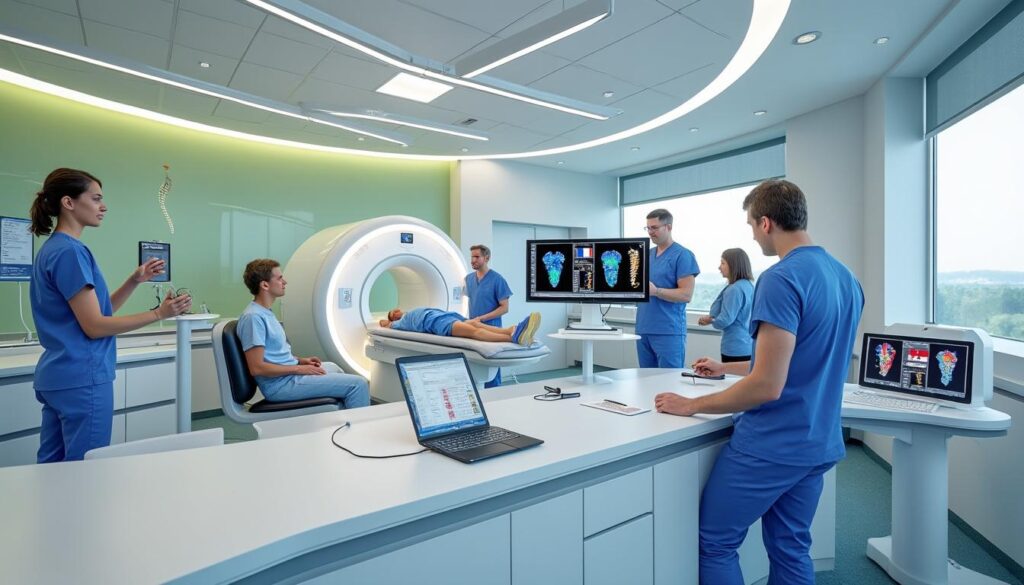
Motion Surgery in Terrebonne: Advanced Techniques Available in France
With over three decades of dedicated expertise in spine care, I have witnessed firsthand the evolution of surgical options aimed at improving quality of life for those living with spinal disorders. Among these advances, Motion Surgery stands out in Terrebonne…
Biomechanical Advantages of Advanced Minimally Invasive Techniques
Minimally invasive spine surgery (MISS) in Longueuil incorporates recent advancements that significantly reduce muscular trauma, blood loss, and scarring compared to traditional open procedures. Understanding the biomechanics behind these innovations clarifies why they promote better surgical outcomes and faster recoveries.
Key components underlying the biomechanical benefits include:
- Tissue Preservation: Using tubular retractors and endoscopic tools, surgeons can navigate between muscle planes rather than detaching muscles, preserving muscular support and limiting biomechanical disruption.
- Precise Implant Placement: Technologies including robotic-assisted systems and advanced navigation assist in accurate placement of pedicle screws and dynamic implants from brands such as Zimmer Biomet and DePuy Synthes.
- Enhanced Spinal Stability: Motion-preserving devices maintain segmental kinematics, reducing compensatory stress on adjacent segments and assisting in long-term spine health.
- Reduced Postoperative Inflammation: Minimal soft tissue injury decreases inflammatory responses, facilitating quicker rehabilitation and less pain.
| Biomechanical Aspect | Traditional Surgery | Minimally Invasive Surgery | Clinical Impact |
|---|---|---|---|
| Muscle Integrity | Muscle detachment and trauma | Muscle-sparing approach | Reduced pain and faster healing |
| Implant Positioning | Limited real-time guidance | Robotic-assisted precision | Improved stability and alignment |
| Spinal Mobility | Often reduced due to fusion | Maintained with dynamic implants | Better function and less adjacent segment stress |
| Inflammatory Response | Higher due to tissue trauma | Lower with less exposure | Faster recovery and less pain |
Longueuil patients who access these techniques benefit not only from physical healing advantages but also from the reassurance that their treatment aligns with international standards of surgical innovation and patient-centered care.
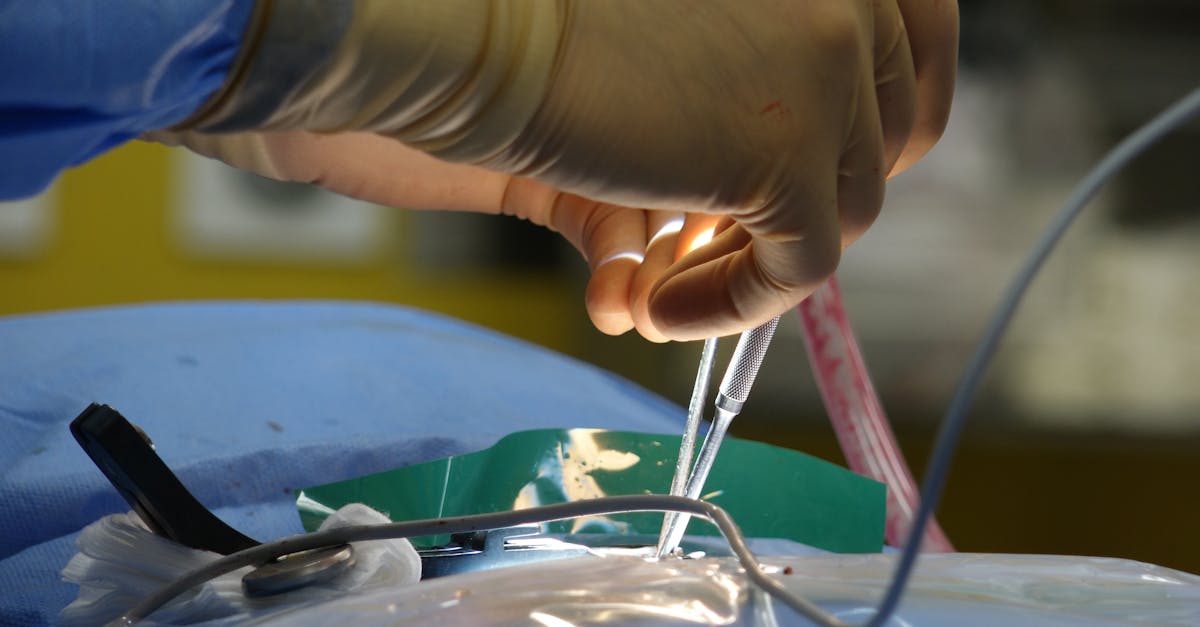
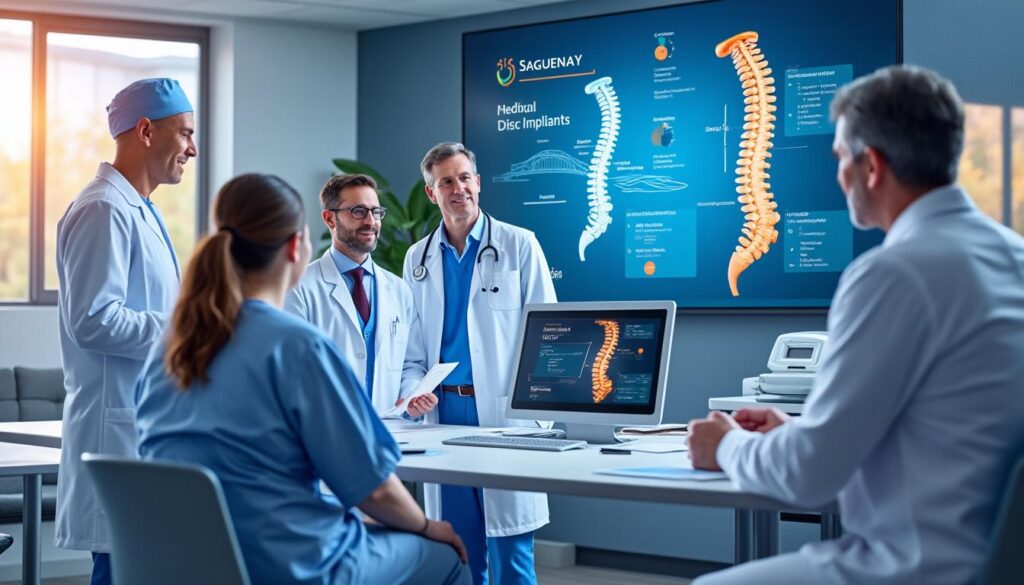
Lumbar Disc Prosthesis in Saguenay: Long-Lasting Relief After Surgery
Chronic back pain rooted in lumbar disc degeneration challenges many patients in Saguenay and beyond, urging exploration of innovative solutions to restore spine health and quality of life. Traditional spinal fusion surgeries, though effective for stabilizing painful segments, have notable…
The Role of Evidence-Based Practice and Ethical Standards in Spine Care
Dr. Sylvain Desforges’ commitment to evidence-based practice underpins each aspect of patient evaluation and care coordination. Adhering firmly to Quebec and Canadian regulatory norms, and collaboration with the Collège des médecins, ensures that every intervention respects ethical and safety guidelines.
- Rigorous Patient Selection: Only patients who meet strict anatomical and clinical criteria proceed to surgery, ensuring that risks are minimized and benefits maximized.
- Transparent Communication: Patients receive clear, accessible explanations of their condition, treatment options, and potential outcomes in order to make informed decisions.
- Innovative Yet Safe Technologies: Use of new devices and techniques, including those from manufacturers like Globus Medical and Smith & Nephew, is carefully evaluated for safety and efficacy before adoption.
- Patient Safety and Monitoring: Surgical procedures are performed by highly trained teams, with continuous monitoring to prevent complications and to address issues promptly if they arise.
- Ongoing Professional Development: Dr. Desforges actively participates in scientific forums, workshops, and leadership roles, such as founding president of the Canadian Osteopaths College, to maintain cutting-edge expertise.
| Practice Principle | Implementation | Patient Benefit |
|---|---|---|
| Scientific Rigor | Use of clinical guidelines and research data | Reliable, optimized care plans |
| Patient-Centered Ethics | Open dialogue and informed consent | Empowered patients with realistic expectations |
| Technological Innovation | Careful evaluation of emerging devices and methods | Access to latest, safest technologies |
This combination of ethical rigor and innovation yields outcomes that reflect both compassion and excellence.
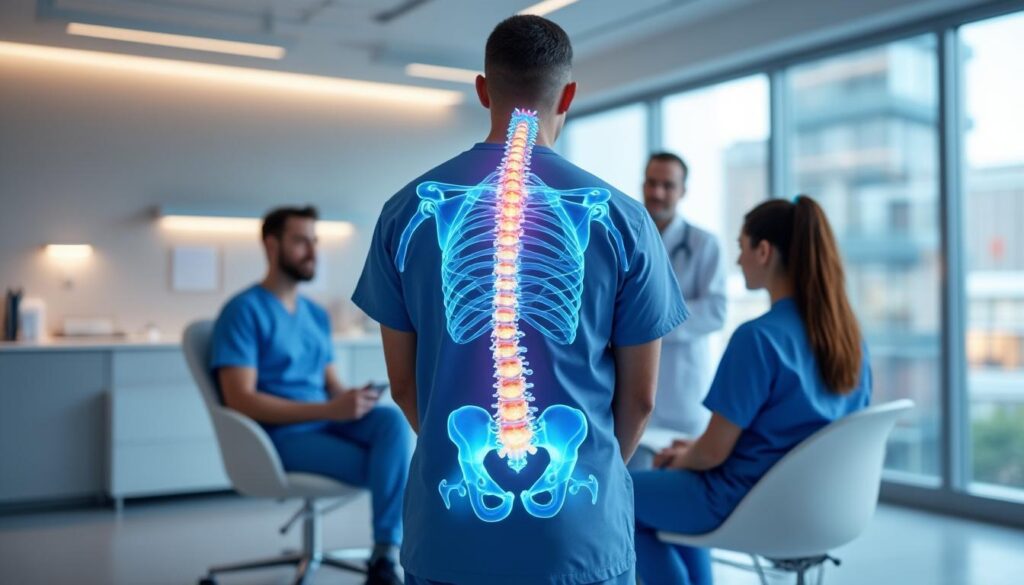
IntraSPINE® in Sherbrooke: Maintain Lumbar Function
In the modern management of lumbar spine conditions, patients in Sherbrooke and across Quebec are increasingly presented with innovative solutions that prioritize maintaining natural spinal function while alleviating debilitating pain. Among these advancements, the IntraSPINE device has emerged as a…
International Coordination: Enhancing Transatlantic Spine Surgery Experiences
Transatlantic coordination is a unique strength in offering Quebec patients access to France’s advanced spinal surgery options. Dr. Desforges acts as a liaison ensuring seamless integration between local preoperative preparation and postoperative care in Canada, and surgical excellence overseas.
- Personalized Scheduling: Minimizing waiting times by synchronizing consultations and operation bookings with French clinics and the SOS Tourisme Médical platform.
- Multidisciplinary Collaboration: Close communication between surgeons, osteopaths, physiotherapists, and patient coordinators provides holistic care before and after surgery.
- Administrative Support: Assistance with travel arrangements, insurance nuances, and legal compliance streamlines patient experience and reduces stress.
- Quality Assurance: Regular outcome tracking and patient feedback loops optimize care pathways and refine standards continuously.
| Coordination Aspect | Function | Patient Impact |
|---|---|---|
| Scheduling Efficiency | Align appointments, surgery, and follow-up | Reduced delays and anxiety |
| Collaborative Care Teams | Integrate providers across continents | Holistic, continuous treatment |
| Logistical Assistance | Provide support for travel and paperwork | Smoother patient journey |
| Continuous Quality Control | Monitor outcomes and adjust care | Enhanced safety and satisfaction |
This transdisciplinary coordination not only improves outcomes but also restores patient confidence when embarking on such life-altering procedures far from home.
Minimally Invasive Surgery in Longueuil: Reduce Post-Surgery Pain
Minimally invasive surgery in Longueuil is transforming the patient experience by significantly reducing post-surgery pain and accelerating recovery times. With advances in surgical techniques such as laparoscopic and robotic-assisted procedures, patients can benefit from smaller incisions, less tissue damage, and…
How Conservatively Managed Care Is Essential Before Surgery
Understanding that surgery is not always the first or only route to relief is fundamental. Dr. Sylvain Desforges emphasizes that a thorough trial of conservative treatments must precede any surgical decision. This approach respects both natural recovery potential and the principle of non-maleficence.
Patients are encouraged to complete at least three to six months of conservative care, which commonly involves:
- Advanced Osteopathy and Manual Therapy: Techniques that improve spinal alignment and reduce pain through manipulation and soft tissue release.
- Physiotherapy: Targeted exercises and modalities to strengthen supportive muscles and improve mobility.
- Neurovertebral Decompression: A state-of-the-art conservative treatment offered at Clinique TAGMED, utilizing specialized traction devices and laser therapy to reduce nerve root pressure without surgery.
- Pain Management: Pharmacological and non-pharmacological methods to control symptoms and enhance function during treatment.
| Conservative Treatment | Purpose | Expected Outcomes | When to Consider Surgery |
|---|---|---|---|
| Osteopathy & Physiotherapy | Restore mobility and alignment | Pain reduction, improved function | After 3-6 months of limited effect |
| Neurovertebral Decompression | Non-invasive nerve root relief | Reduced radiculopathy symptoms | If persistent deficits remain after therapy |
| Pain Management | Optimize comfort | Improved quality of life | Support throughout treatment |
When these non-surgical measures fail to provide significant relief, surgical options can then be explored with confidence, knowing that all conservative avenues have been rigorously pursued.
Neck Surgery in Montreal: Maintain Natural Cervical Flexibility
Neck surgery remains a crucial consideration for patients suffering from severe cervical spine disorders where conservative treatments have failed. In Montreal, access to specialized care offers patients the opportunity to explore advanced surgical solutions designed to maintain natural cervical flexibility—an…
The Economic and Human Value of Opting for a Transatlantic Surgical Pathway
Choosing to pursue advanced spine surgery in France presents compelling economic and human advantages for Quebec patients. Long waits for surgical intervention in Quebec’s public system can exacerbate pain, disability, and emotional distress. Accessing expertly coordinated, minimally invasive surgery abroad can change these trajectories.
- Shorter Wait Times: Reducing physical and psychological suffering by accelerating access to definitive care.
- Cost-Effectiveness: Many patients find international surgery combined with short hospital stays and rapid recovery lowers overall costs compared to prolonged conservative care or delayed surgery locally.
- Access to Innovative Techniques: Availability of implants and technologies such as those from SeaSpine and Aesculap not yet widely used in Canada enhances long-term outcomes.
- Comprehensive Support: Patients benefit from holistic care before, during, and after surgery, including psychological support and tailored rehabilitation.
- Empowerment through Education: Personalized explanations from trusted experts help demystify procedures, empowering patients to engage proactively in their recovery.
| Benefit | Domestic Surgery | Transatlantic Pathway | Impact |
|---|---|---|---|
| Wait Times | Months to years | Weeks | Faster symptom relief |
| Cost | High out-of-pocket expenses | Optimized total costs | Better financial planning |
| Technology Access | Limited | Wide array of advanced implants | Improved prognosis |
| Continuity of Care | Fragmented in some cases | Integrated multidisciplinary pathway | Improved recovery |
Patients report feeling more supported and respected in their journey, contributing significantly to overall satisfaction and long-term spine health.
Disc Prosthesis in Lévis: Fast and Lasting Results
In the realm of spinal care, patients battling chronic back pain and degenerative disc diseases continuously seek solutions that offer not just symptom relief but also the restoration of natural spinal function. Disc prosthesis, or artificial spinal disc replacement, has…
Understanding the Critical Role of the Expert Evaluation in Spine Care
Before embarking on the surgical journey, a thorough expert evaluation is essential. Dr. Sylvain Desforges’ role as a recognized authority in spinal assessments ensures that decisions are grounded in comprehensive knowledge and clinical acumen, not just imaging.
- Individualized Assessment: Detailed history-taking and physical examination identify subtle symptoms and biomechanical dysfunctions.
- Multifactorial Analysis: Integrating clinical findings with imaging and patient lifestyle factors leads to a tailored care plan.
- Evidence-Based Recommendations: Surgical considerations are balanced against conservative options, with a transparent explanation of risks and benefits.
- Patient Advocacy: Ensuring patients’ questions are addressed and that they understand the complexity and nuances of their condition.
| Evaluation Component | Purpose | Outcome for Patient |
|---|---|---|
| Clinical History | Identify symptom patterns | Accurate diagnosis guidance |
| Physical Examination | Assess function and pain triggers | Targeted treatment strategies |
| Imaging Review | Confirm anatomical issues | Appropriate surgical planning |
| Patient Interview | Understand goals and expectations | Personalized care pathway |
Such expert evaluation offers patients peace of mind and a clearer roadmap, essential when transitioning between international care systems.
Motion Surgery in Terrebonne: Reduce Postoperative Complications
In the evolving landscape of spine care, Motion Surgery in Terrebonne represents a groundbreaking approach that offers patients a significant advantage in reducing postoperative complications while preserving spinal mobility. Traditional spinal surgeries have long been associated with challenges, including stiffness,…
Leveraging Technology and Collaborative Innovation in Spine Surgery
Recent years have witnessed remarkable technological innovations that are being integrated into minimally invasive spine surgery in Longueuil and beyond. Dr. Desforges maintains a keen interest in incorporating devices and techniques that bolster safety and effectiveness.
- Robotic-Assisted Surgery: The precision offered by robotic systems from brands like Medtronic and Stryker facilitates optimal implant placement, refining surgical outcomes.
- Endoscopic Approaches: Increasingly popular for lumbar and cervical disorders, these techniques reduce incision size and allow direct visualization, showcased in clinical centers associated with Joimax.
- Dynamic Implants and Laser Integration: Use of devices that preserve motion and lasers that enhance decompression complement surgical precision with minimally invasive interventions.
- Advanced Imaging and Navigation: Integration of intraoperative CT and MRI enables real-time feedback, minimizing surgical errors.
| Technology | Purpose | Patient Benefit |
|---|---|---|
| Robotic Assistance | Precision implant placement | Reduced complications, better recovery |
| Endoscopic Surgery | Minimize incision & tissue damage | Faster healing, less pain |
| Dynamic Implants | Preserve spinal motion | Improved mobility, less adjacent segment disease |
| Intraoperative Imaging | Real-time surgical guidance | Safe, accurate procedures |
By embracing these technologies, Longueuil’s spine care specialists provide patients with surgery options that reflect the highest global standards of care.
What are the main benefits of minimally invasive spine surgery?
Minimally invasive spine surgery reduces tissue damage, blood loss, and postoperative pain, leading to quicker recovery times and shorter hospital stays.
How does Dr. Sylvain Desforges assist patients considering spine surgery abroad?
Dr. Desforges provides expert evaluations, coordinates transatlantic care pathways, ensures evidence-based and ethical approaches, and supports patients through pre and post-surgical phases.
Why is conservative treatment important before surgery?
Conservative treatment aims to relieve symptoms and improve function without surgery. Surgery is only considered if these treatments do not yield sufficient improvement after 3 to 6 months.
What technologies enhance the precision of modern spine surgeries?
Robotic-assisted systems, endoscopic tools, dynamic implants, and advanced intraoperative imaging such as CT and MRI are key technologies that improve surgical precision and outcomes.
What advantages does the transatlantic surgical pathway offer to Quebec patients?
It reduces surgical wait times, provides access to advanced technologies and techniques, offers cost-effective care, and ensures coordinated, multidisciplinary support before and after surgery.