Mascouche Lower Back Pain Relief from Herniated Disc
October 30, 2025
Laval’s Disc Prosthesis: Promising and Long-Lasting Outcomes
October 31, 2025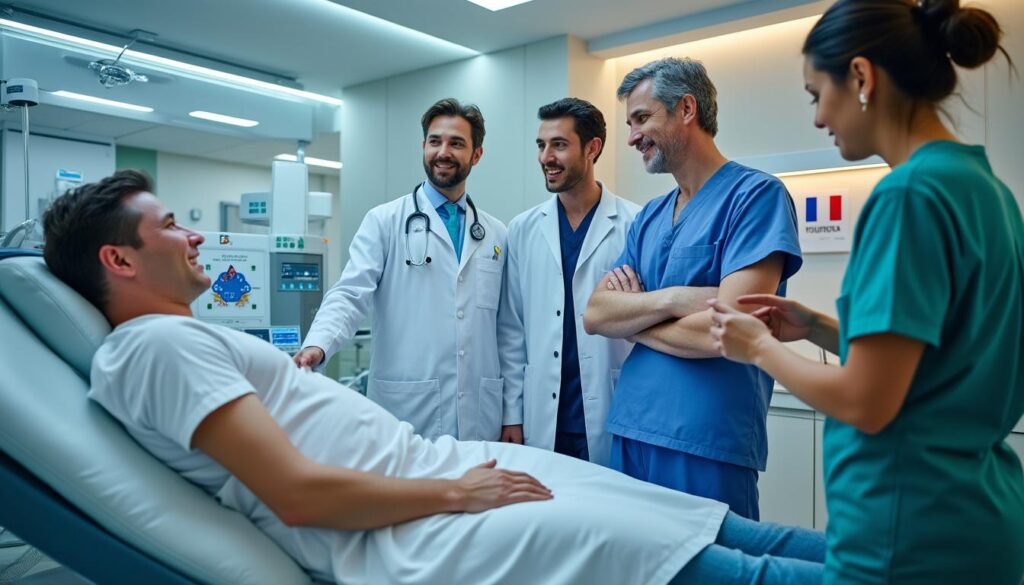
In the rapidly evolving medical landscape of Quebec, particularly in Longueuil, minimally invasive surgery (MIS) represents a transformative approach in treating spinal disorders. Focused on preserving post-operative functionality, this surgical method prioritizes smaller incisions, precise interventions, and accelerated recovery, offering patients a compelling alternative to traditional open surgeries. The city of Longueuil has emerged as a hub for advanced surgical care, where expert teams employ state-of-the-art technologies from world-renowned companies like Medtronic, Stryker, and Zimmer Biomet to optimize outcomes.
Patients facing spinal conditions, such as herniated discs or degenerative spine diseases, often seek solutions minimizing trauma and maximizing mobility. Minimally invasive techniques address these needs by reducing post-operative pain and preserving tissue integrity, critical to maintaining spinal function long after surgery. Specialists like Dr. Sylvain Desforges, leveraging over 30 years of combined osteopathic and spinal care expertise, guide patients through careful evaluations and innovative treatment pathways, ensuring safety and efficacy in every intervention.
Understanding the Benefits of Minimally Invasive Surgery in Longueuil
Minimally invasive surgery differs substantially from traditional open procedures by using small incisions and specialized instruments designed to reach affected areas with minimal disruption to surrounding tissues. This approach has several distinct advantages:
- Reduced Post-Operative Pain: Smaller incisions lead to significantly less tissue damage and therefore diminished pain after surgery.
- Accelerated Recovery: Many patients experience shorter hospital stays—often going home the same or next day—enabling rapid return to daily activities.
- Lower Risk of Complications: The precision and minimized exposure reduce infection risk and postoperative complications.
- Preserved Mobility: By protecting muscles and ligaments, MIS helps maintain natural spinal function and flexibility.
The preservation of function after spinal surgery is paramount. Studies continually affirm that methods utilizing minimal intervention promote superior outcomes in terms of mobility and pain management, particularly for complex conditions affecting the spine.
| Aspect | Minimally Invasive Surgery | Traditional Open Surgery |
|---|---|---|
| Incision Size | Small (typically under 3 cm) | Large (up to 10+ cm) |
| Post-Operative Pain | Minimal | Significant |
| Hospital Stay | Same or next day discharge | Multiple days |
| Recovery Time | Weeks | Months |
| Functional Preservation | High | Variable |
Healthcare professionals and patients in Longueuil recognize the direct impact of these benefits, making MIS a preferred option for spinal interventions where maintaining post-surgical function is critical.
Disc herniation remains a prevalent and challenging spinal disorder, significantly affecting individuals’ quality of life, particularly in communities like Sainte-Julie. Characterized by a rupture or protrusion of the disc nucleus through the fibrous ring, this condition compresses adjacent nerve roots,…
Key Techniques in Minimally Invasive Spine Surgery
The field of minimally invasive spine surgery offers various techniques tailored to individual patient needs and specific spinal pathologies. These include:
- Simple Decompression Surgery: Targeted removal of unhealthy tissue such as herniated discs or bone spurs to relieve nerve pressure without extensive bone removal.
- Spinal Fusion Procedures: Fusion of vertebrae to stabilize the spine, often using smaller incisions and specialized instrumentation for less trauma.
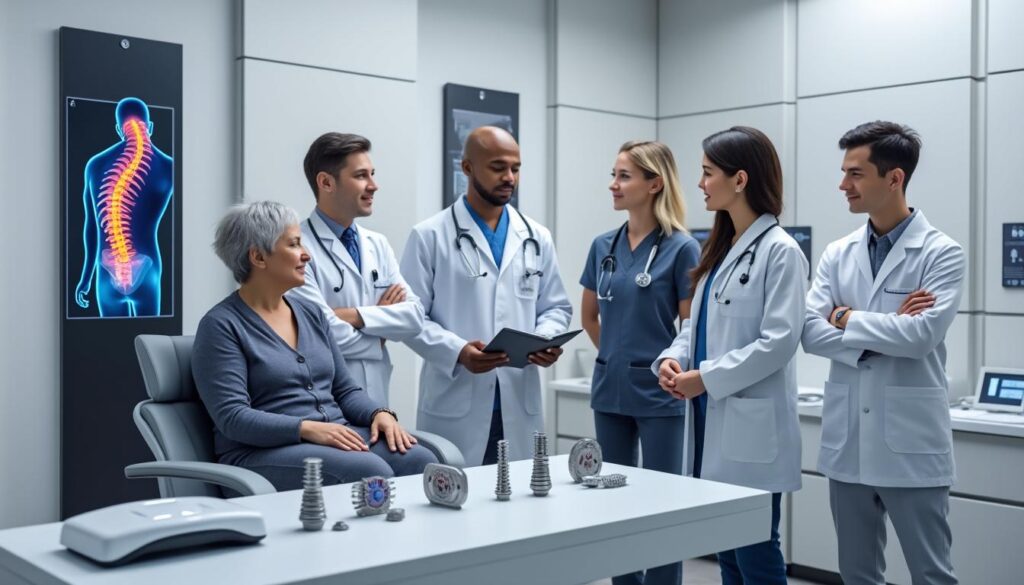
- Motion-Preserving Surgery: Employing dynamic implants designed to maintain mobility of adjacent spinal segments, minimizing degeneration.
Expertise in these procedures requires comprehensive knowledge combined with cutting-edge technology. Dr. Sylvain Desforges integrates decades of osteopathic principles with innovations such as neurovertebral decompression and laser therapeutic modalities to enhance healing and functionality after surgery.
| Technique | Primary Goal | Functional Impact | Typical Indication |
|---|---|---|---|
| Simple Decompression | Relieve nerve impingement | High preservation | Herniated disc, spinal stenosis |
| Spinal Fusion | Stabilize spine | Moderate mobility loss | Instability, spondylolisthesis |
| Motion-Preserving Surgery | Maintain segment mobility | High preservation | Degenerative disc disease |
Choosing the right technique involves a detailed patient assessment and customization of care strategies, ensuring optimal postoperative function and satisfaction.
IntraSPINE® in Sherbrooke: Protecting and Enhancing Lumbar Function
The prevalence of chronic low back pain has surged globally, profoundly impacting individuals’ quality of life and productivity. Sherbrooke, Quebec, exemplifies this widespread challenge, with numerous patients seeking effective and sustainable relief from lumbar discomfort. Addressing this urgent need, the…
Comprehensive Patient Journey: Evaluation to Recovery
A carefully structured patient journey is essential for achieving excellent outcomes with minimally invasive spinal surgery. This pathway typically begins with a thorough evaluation:
- Initial Consultation: A comprehensive discussion with an expert like Dr. Desforges to review symptoms, medical history, and previous treatments.
- Advanced Imaging: MRI or CT scans provide detailed views of spinal structures to accurately delineate pathology.
- Conservative Treatment Trial: Most patients undergo 3 to 6 months of non-surgical therapies such as physiotherapy, anti-inflammatory medications, and spinal decompression before considering surgery.
- Surgical Planning: If surgery is indicated, personalized plans including choice of technique and anesthesia are developed.
- Postoperative Care: Enhanced follow-up ensures early detection of complications and guides rehabilitation.
This coordinated approach emphasizes patient-centered care and aligns with strict Quebec and Canadian medical regulations maintained by leaders like Dr. Desforges, ensuring patient safety and compliance with guidelines such as those from the Collège des médecins du Québec.
| Stage | Key Activities | Patient Benefits |
|---|---|---|
| Evaluation | Consultation, imaging | Accurate diagnosis |
| Conservative Management | Physical therapy, medications, decompression | Potential symptom relief without surgery |
| Surgery | Minimally invasive intervention | Reduced trauma, faster recovery |
| Recovery | Follow-up care, rehabilitation | Optimal healing and function |
Such a pathway not only optimizes outcomes but also fosters patient confidence and active participation in their care journey.

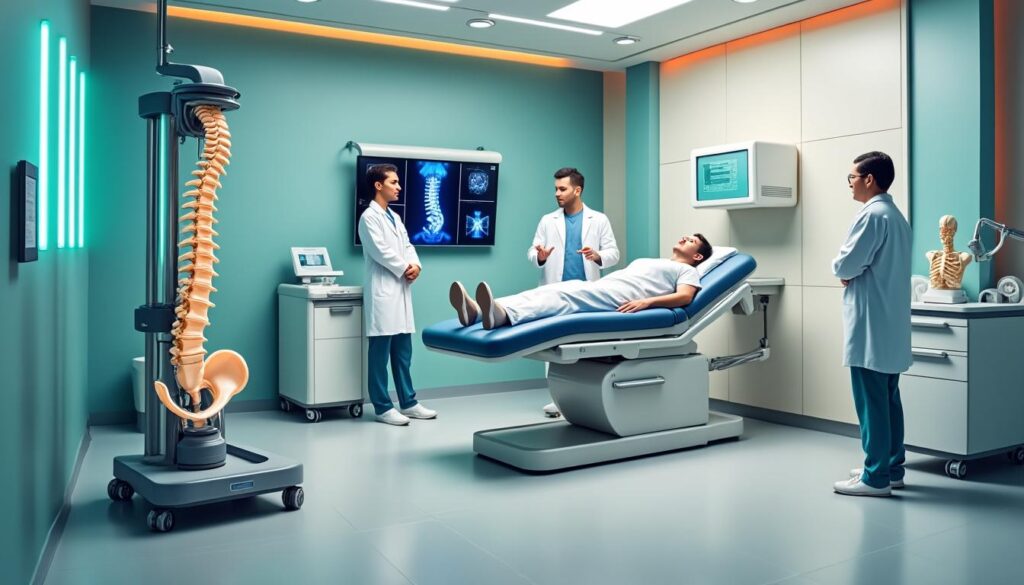
In Sainte-Thérèse, a community marked by active lifestyles and significant physical demands, lumbar disc herniation emerges as a critical health concern affecting many individuals. The intricate nature of lower back pain, often stemming from discopathy, requires a precise and empathetic…
Technological Innovations Enhancing Minimally Invasive Surgery in Longueuil
Modern minimally invasive surgery benefits immensely from the integration of advanced medical technologies. Leading companies such as Intuitive Surgical, Olympus, and Johnson & Johnson (Ethicon) provide cutting-edge equipment enhancing precision, safety, and recovery quality.
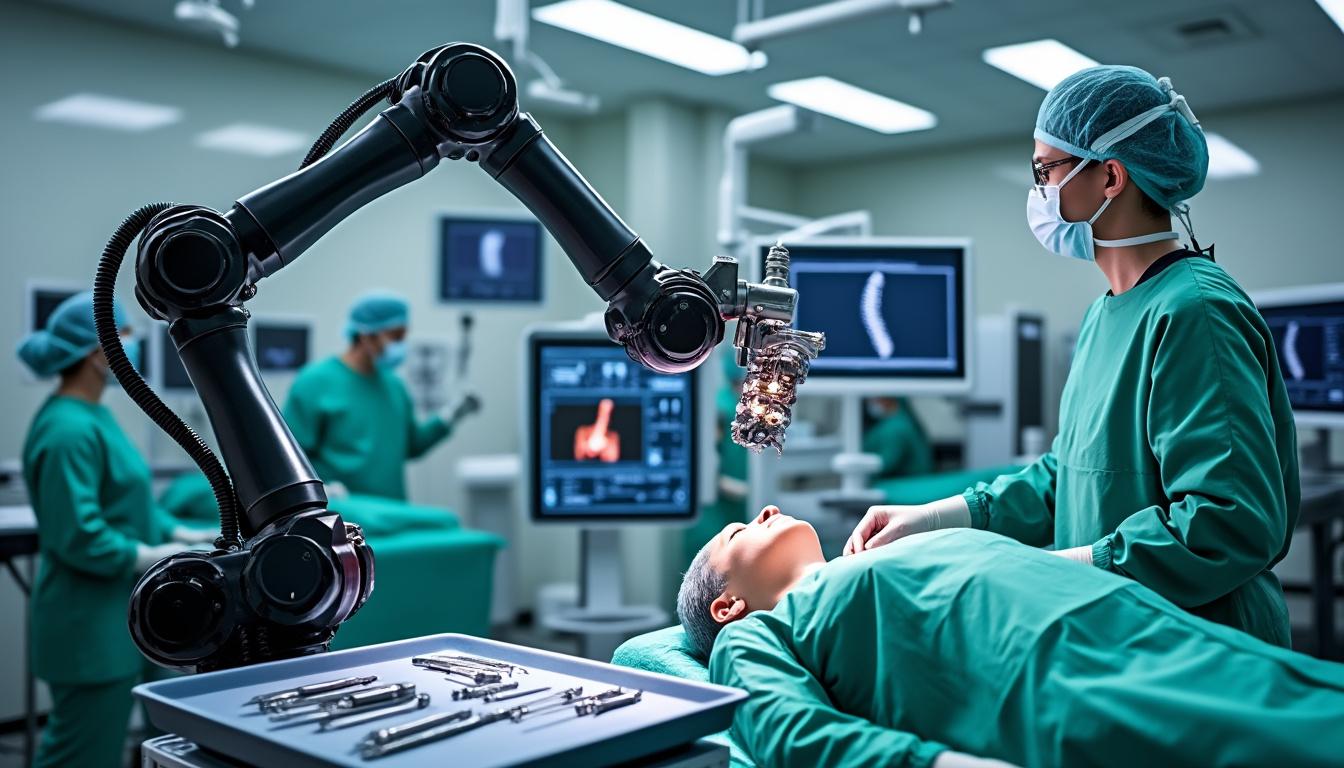
- Robotic Assistance: Robotic platforms allow surgeons to perform complex procedures with enhanced dexterity and reduced human error.
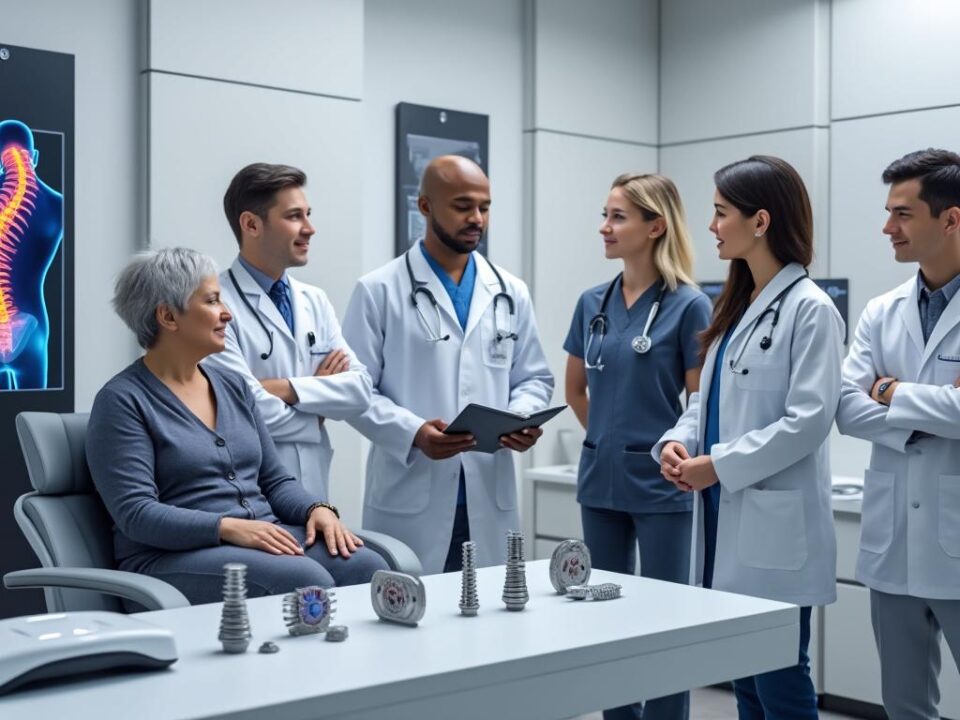
- Dynamic Spinal Implants: These implants maintain spinal motion, reducing adjacent segment degeneration post-fusion surgery.
- Laser Therapy: Used adjunctively for tissue repair and pain relief, promoting faster healing.
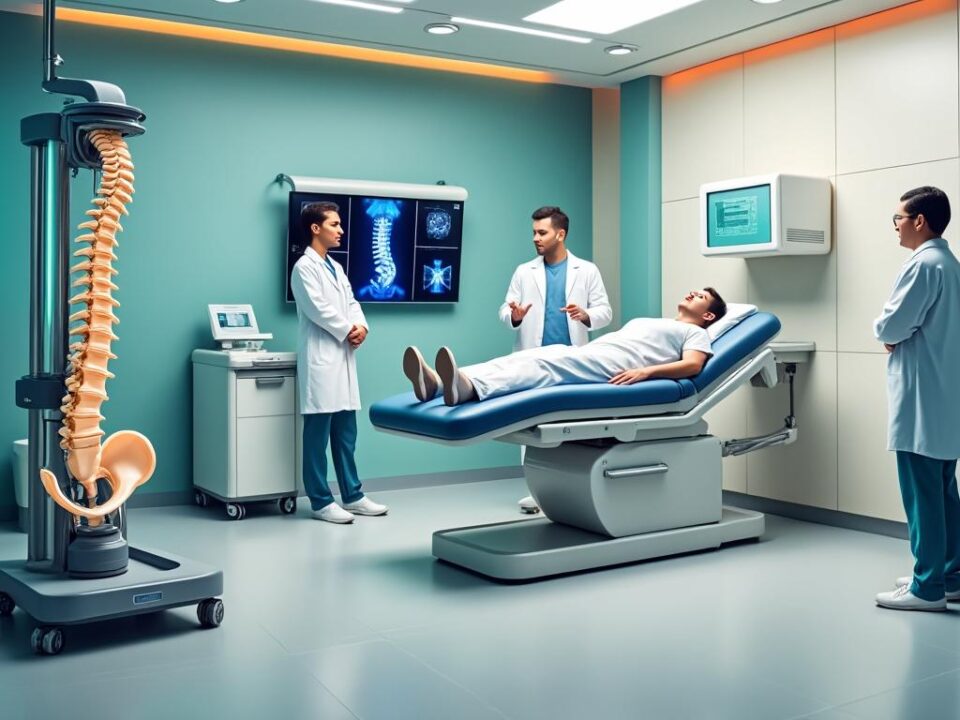
- Advanced Imaging: Intraoperative navigation and 3D visualization improve surgical accuracy.
These innovations contribute significantly to preserving post-operative functionality and minimizing patient discomfort. They also enable centers in Longueuil to offer treatments that may not be as readily accessible in other Quebec regions.
| Technology | Benefit | Clinical Application |
|---|---|---|
| Robotic Surgery Systems | Enhanced precision and control | Complex spinal procedures |
| Dynamic Implants | Preserves mobility | Motion-preserving spinal surgeries |
| Laser Therapy | Promotes healing, reduces pain | Postoperative care and pain management |
| Intraoperative Navigation | Improved accuracy | Minimally invasive interventions |
Medical professionals like Dr. Sylvain Desforges actively implement these technologies at Clinique TAGMED, reflecting a commitment to evidence-based, ethical care that prioritizes patient outcomes above all else.
Collaborative International Care: Transatlantic Patient Pathways
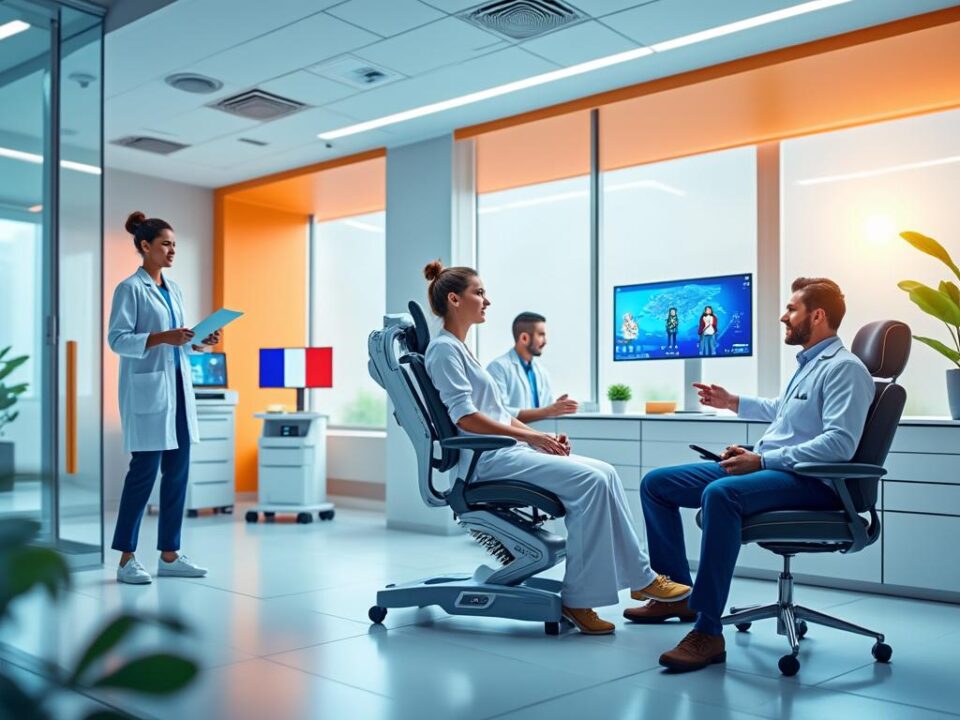
The coordination of care between Canadian and French medical facilities exemplifies a unique strength of contemporary minimally invasive spinal surgery programs. This international collaboration allows patients greater access to specialized expertise and cutting-edge technologies not always available locally.
- Access to Advanced Treatments: French clinics, supported by leaders such as Medtronic and Zimmer Biomet, provide state-of-the-art options.
- Tailored Patient Plans: Cross-border communication ensures therapies are customized to individual needs.
- Reduced Wait Times: Patients benefit from expedited scheduling compared to longer domestic queues.
Platforms like SOS Tourisme Médical facilitate these transatlantic connections, assuring smooth patient journeys from evaluation in Longueuil to advanced surgery abroad and back for rehabilitation, all managed within stringent safety and ethical frameworks.
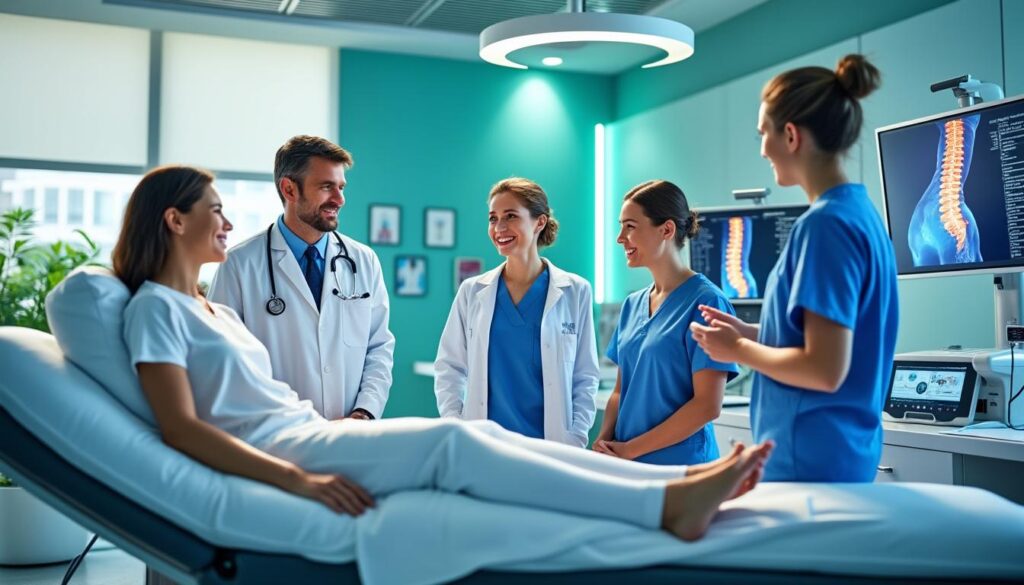
In the bustling community of Saint-Hubert, where everyday life blends a range of physical and sedentary activities, the impact of discal hernia on spinal health is profoundly felt. This condition, frequently manifesting at the L5-S1 spinal segment, can dramatically disrupt…
Focusing on Conservative Care Before Surgical Intervention
Before surgery is considered, modern spinal care experts emphasize thoroughly exploring conservative treatments. These non-surgical options are often highly effective in reducing symptoms and improving spinal health, frequently delaying or obviating the need for surgery.
- Neurovertebral Decompression Therapy: A cornerstone of care at Clinique TAGMED, this modality helps alleviate nerve compression through non-invasive mechanical decompression.
- Physiotherapy: Strengthening and posture correction improve spinal support and function.
- Anti-inflammatory Medications: Used judiciously to control pain and inflammation during treatment courses.
Evidence supports a 3 to 6 month conservative trial before surgery, ensuring that surgery remains a last-resort option. Dr. Desforges’ commitment to patient education ensures that care decisions are well-informed and collaborative.
| Treatment | Purpose | Outcome |
|---|---|---|
| Neurovertebral Decompression | Reduce nerve pressure | Pain relief, non-surgical |
| Physiotherapy | Improve strength and posture | Enhanced function |
| Medications | Manage pain/inflammation | Symptom control |
Such conservative approaches highlight the holistic philosophy embraced by experts like Dr. Desforges and underscore the importance of personalized treatment pathways.
The rising prevalence of Lumbar Disc Herniation in Saint-Léonard reflects the increasing demands of modern urban lifestyles. Persistent back pain has become a frequent yet often underestimated complaint, spurring many residents to seek effective and lasting solutions. Recognizing the complexity…
Risk Assessment and Safety Measures in Minimally Invasive Surgery
While minimally invasive techniques offer numerous benefits, every surgical procedure entails some risk. Patients must be comprehensively informed to make empowered decisions. Common risks include:
- Infections: Though less frequent than with open surgery, infections remain a concern mitigated by sterile protocols.
- Bleeding: Minimal but possible during interventions.
- Damage to Surrounding Tissue: Precision techniques reduce but do not eliminate the risk.
Optimal safety begins with a rigorous preoperative assessment ensuring patient readiness. Selecting highly qualified surgeons adept in MIS, such as those affiliated with Longueuil’s trusted orthopedic surgical teams or consulting general surgeons like Dr. Naji Wakil, further minimizes complications.
| Risk | Likelihood | Preventive Measures |
|---|---|---|
| Infection | Low | Sterile operating environment, antibiotics |
| Bleeding | Minimal | Careful surgical technique |
| Tissue Damage | Rare | Experienced surgeon, advanced tools |
Clear, empathetic communication is vital. Patients with a solid understanding of risks and benefits usually experience smoother recoveries and enhanced satisfaction with their care.
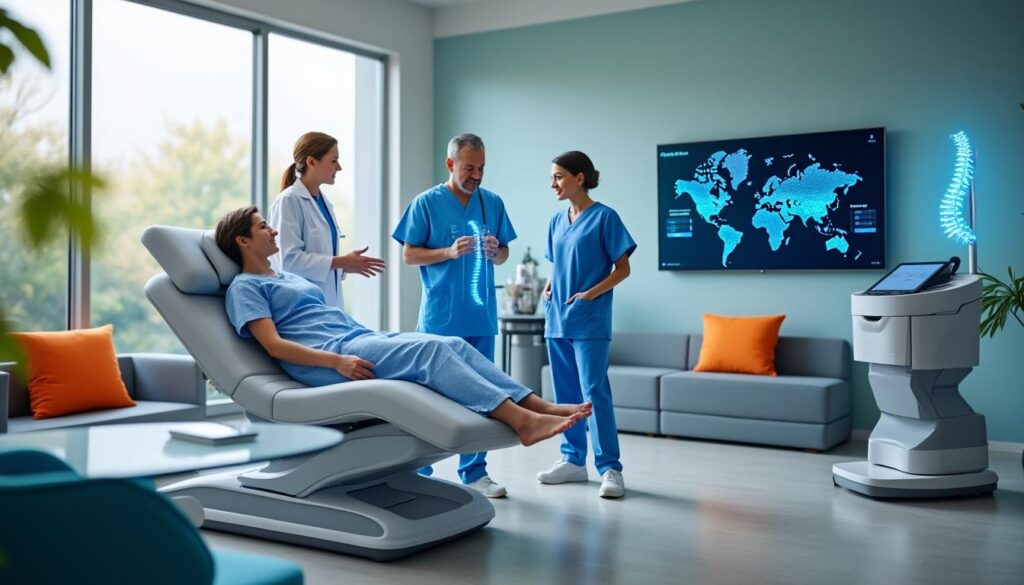
In the bustling Southwest district of Montreal, lumbar disc herniation presents a significant public health challenge, affecting a diverse population ranging from young adults to seniors. This condition, often linked to debilitating back pain and nerve-related symptoms such as sciatica,…
Ensuring Effective Post-Operative Functionality Through Advanced Rehabilitation
The goal of minimally invasive spinal surgery extends beyond the operation itself. Post-operative care and rehabilitation are crucial in sustaining and enhancing function.
- Early Mobilization: Patients are encouraged to begin gentle activity soon after surgery to promote circulation and maintain spinal flexibility.
- Physical Therapy: Customized programs target muscle strengthening, flexibility, and postural correction.
- Technological Aids: Use of devices such as dynamic implants supports natural spinal motion post-surgery.
Experts like Dr. Desforges personally oversee recovery phases, adjusting interventions based on individual progress. These strategies minimize recurrence risks and foster durable improvements in quality of life.
| Rehabilitation Stage | Focus | Expected Outcome |
|---|---|---|
| Immediate Post-Op | Pain management, gentle movement | Comfort, reduce stiffness |
| Mid-Term Rehab | Strengthening, mobility | Improved function, endurance |
| Long-Term Maintenance | Posture, lifestyle adaptation | Durable spinal health |
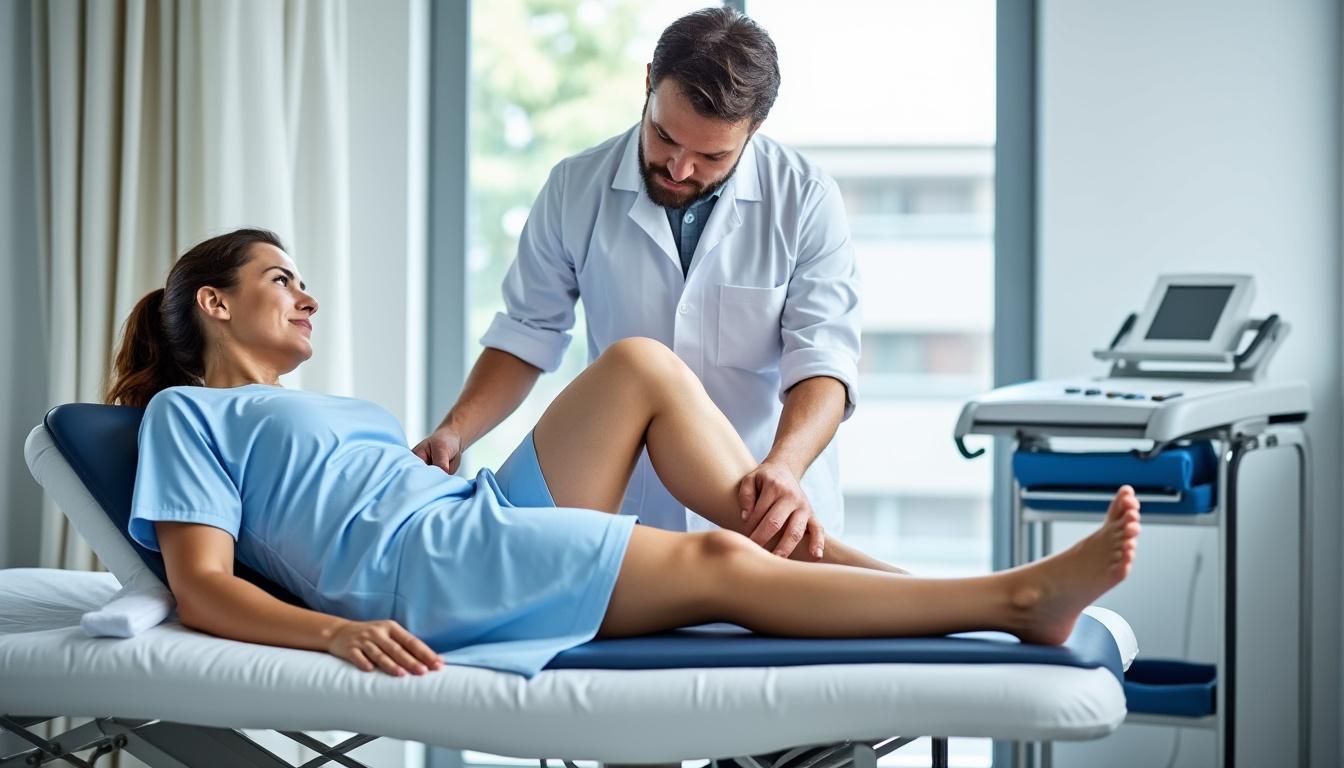
The dynamic neighborhood of Mercier–Hochelaga-Maisonneuve has seen a significant rise in cases of herniated disc-related back pain, with many residents facing chronic discomfort that interferes with work and daily activities. This ailment, which involves displacement or protrusion of spinal discs,…
Unique Value and Innovation in Longueuil’s Minimally Invasive Surgery Offerings
Longueuil stands apart as a center for spine care innovation, offering patients access to surgical solutions unavailable elsewhere in Canada combined with compassionate expertise. Dr. Sylvain Desforges exemplifies this ethos:
- Extensive Clinical Experience: Over 30 years evaluating and supporting patients through spinal disorders with a focus on minimizing surgical invasiveness.
- Leadership and Credentials: Founder of prominent institutions like ACMA and the Canadian College of Osteopaths.
- Integration of Cutting-Edge Technologies: Use of technologies from KARL STORZ, Smith & Nephew, and Boston Scientific to enhance surgical precision and recovery.
- International Care Coordination: Seamless collaboration between Quebec and French clinics through platforms facilitating patient navigation and personalized care.
- Comprehensive Support: Pre- and post-operative guidance tailored to each patient’s unique condition.
Such a multifaceted, ethical, and patient-centered approach assures individuals that their health and function are prioritized at every stage of their journey.
| Attribute | Description | Patient Benefit |
|---|---|---|
| Expertise | 30+ years clinical spinal care | Reliable and informed evaluations |
| Technological Access | Latest surgical devices and implants | Improved function, reduced recovery time |
| International Collaboration | Cross-border partnerships | Access to advanced treatments |
| Personalized Care | Individualized treatment plans | Better satisfaction and outcomes |
What are the key advantages of minimally invasive surgery over traditional surgery for spinal conditions?
Minimally invasive surgery offers smaller incisions, less pain, faster recovery, and improved preservation of spinal function compared to traditional open surgery.
How does Dr. Sylvain Desforges ensure patient safety during minimally invasive spine procedures?
Dr. Desforges adheres strictly to evidence-based practices, Quebec and Canadian medical regulations, and employs thorough preoperative evaluations along with advanced surgical technologies to secure patient safety.
What conservative treatments are recommended before considering minimally invasive surgery?
Neurovertebral decompression, physiotherapy, and anti-inflammatory medications are commonly used conservative treatments aimed at symptom relief before surgery is considered.
How does international coordination benefit patients undergoing minimally invasive spine surgery?
It provides access to specialized expertise, advanced technologies, shorter wait times, and personalized care plans developed through seamless collaboration between Canadian and French clinics.
What post-operative care practices help maintain functionality after spine surgery?
Early mobilization, tailored physical therapy, and the use of dynamic implants contribute to preserving spinal function and promoting long-term recovery.
Herniated discs are a frequent source of back pain and discomfort for residents of Ahuntsic-Cartierville, yet misconceptions and myths about this condition often complicate treatment and recovery. Many individuals suffer needlessly, uncertain of their options and hesitant about emerging therapies.…