Mirabel Chronic Neck Pain Solutions from TAGMED
May 16, 2026
La Prairie Lower Back Disc Injury Managed Without Surgery
May 16, 2026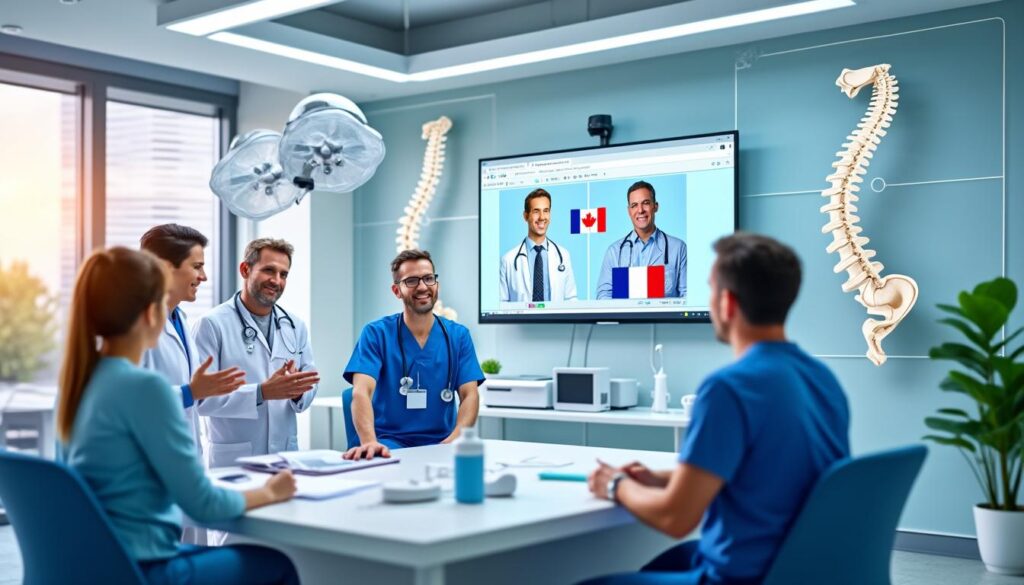
In the evolving landscape of orthopedic surgery, minimally invasive surgery (MIS) in Longueuil has emerged as a beacon of innovation aimed at preserving spinal biomechanics. This approach combines cutting-edge technology and refined surgical techniques to reduce trauma and foster quicker patient recovery. Patients facing spinal conditions that hinder mobility or cause chronic pain now have access to interventions that emphasize precision surgery, minimizing tissue damage while maintaining optimal function. The integration of advanced medical technology, such as dynamic implants and neurovertébral decompression, underscores a new era in patient-centered care where outcomes are enhanced without compromising the natural biomechanical environment of the spine.
Dr. Sylvain Desforges, with over 30 years of experience and recognized as a pioneer in spinal assessments and care coordination, positions these innovations as crucial for patients seeking alternatives to lengthy waits or costly private care in Quebec. His extensive qualifications—B.Sc., D.O., N.D.—and leadership roles as founder and president of the ACMA, the Collège des Ostéopathes Canadiens, and TAGMED reflect a commitment to rigor, ethics, and evidence-based treatments. The transatlantic collaboration between Canada and France further broadens access to sophisticated surgical options, ensuring personalized and expedited treatment plans. By focusing on minimally invasive surgical techniques in Longueuil, there is a growing promise of reduced hospital stays, lower risk of complications, and, importantly, the preservation of spinal mechanics essential for long-term mobility and quality of life.
Exploring Minimally Invasive Surgery in Longueuil: Techniques and Biomechanical Preservation
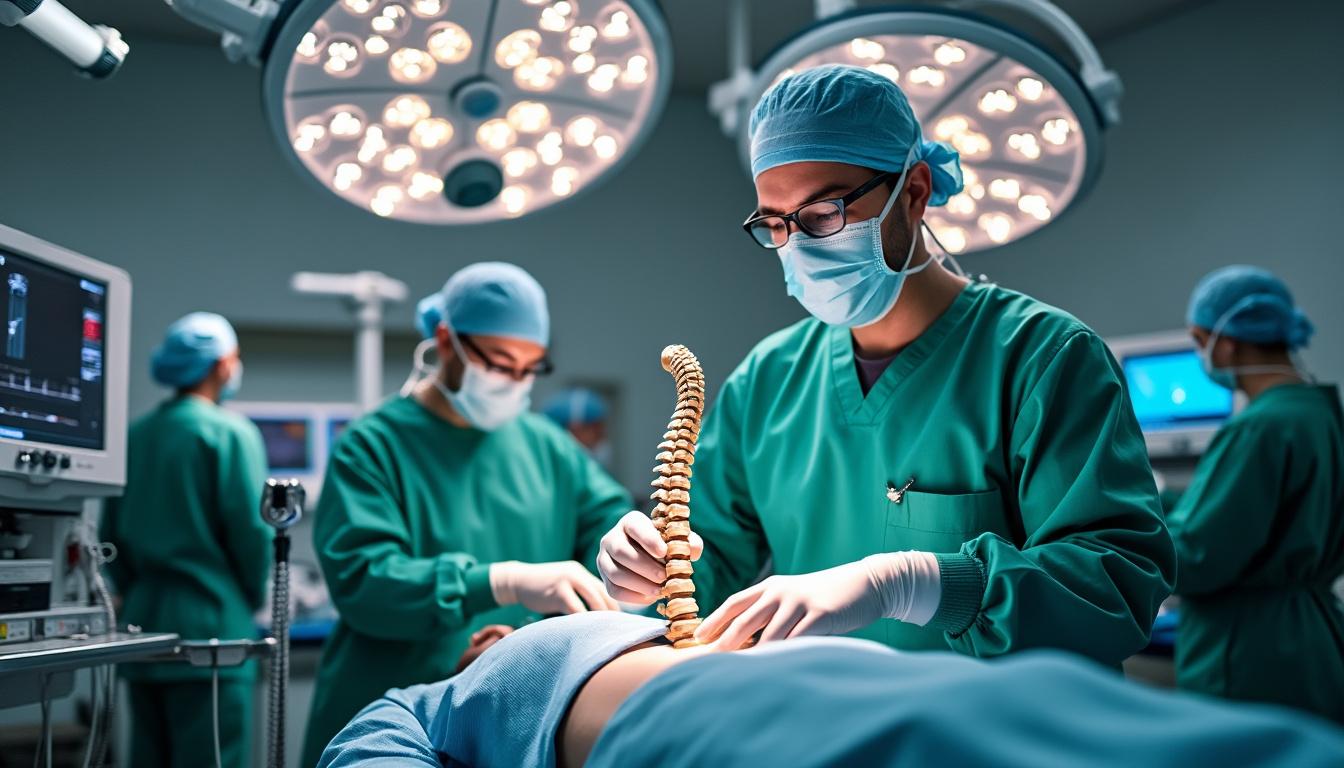
Minimally invasive surgery (MIS) in Longueuil represents a significant shift from traditional open back surgeries by focusing on reducing trauma through smaller incisions and precise, targeted interventions. This innovation in orthopedic surgery includes techniques such as tubular retractors, endoscopic visualization, and laser application, allowing surgeons to approach the spine with minimal disruption to surrounding muscles and ligaments. For patients, this translates into less postoperative pain, lower infection risk, and accelerated healing — all critical factors contributing to the preservation of natural spinal biomechanics.
The key to these advanced surgical techniques is the meticulous preservation of spinal motion segments, avoiding excessive rigidity that often results from fusion surgeries. For example, dynamic implants employed in these procedures are designed to maintain segmental mobility while providing stabilization where necessary. This approach counters the often debilitating stiffness seen in patients after traditional fusion surgery and promotes a more natural range of motion postoperatively.
The nuance of employing MIS techniques requires an expert hand, rigorous training, and an understanding of each patient’s unique spinal pathology. Dr. Desforges’ expertise in evaluating these conditions ensures that the surgical approach chosen aligns with the goal of maintaining biomechanical integrity. By incorporating real-time imaging and neurophysiological monitoring, precision surgery minimizes damage and respects the intricate anatomy of the spine, optimizing patient outcomes.
Maintaining Biomechanics Through Precision and Innovation
Precision plays a crucial role in retaining spinal biomechanics. By employing tools like intraoperative 3D imaging, surgeons visualize the vertebral structures and nervous tissue with unparalleled detail, facilitating the placement of implants and decompression without collateral damage. The patents of dynamic implants and laser-guided devices exemplify the strides taken to ensure that the spine’s natural curvature and flexibility remain unharmed.
Innovations extend to the neurovertébral decompression technologies offered by institutions such as the Clinique TAGMED. These techniques address nerve root entrapments and disc herniations by enlarging foraminal spaces without excising large portions of the vertebrae. Such calibrated decompression significantly lessens the biomechanical impact compared to conventional surgical methods.
These minimally invasive approaches are not only about immediate outcomes; they prioritize long-term spinal health, helping patients avoid further degenerative changes or adjacent segment disease—a common complication following rigid spinal fusions. In sum, the evolution toward minimally invasive surgery in Longueuil stands as a testament to the commitment to combining medical technology, precision surgery, and patient-centered innovation.
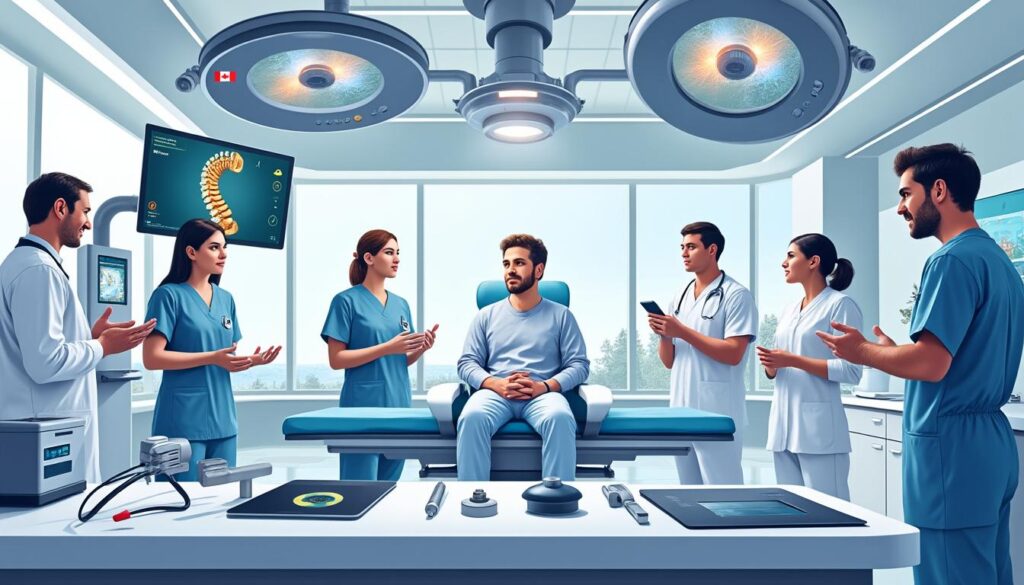
Motion Surgery in Terrebonne: Maintain Intervertebral Mobility
In recent years, the landscape of spine surgery has witnessed transformative advancements, with Motion Surgery emerging as a pivotal innovation, particularly in Terrebonne. Unlike traditional spine operations that often focus on immobilizing affected segments, Motion Surgery prioritizes preserving natural intervertebral…
Available Surgical Techniques in France: Simple, Fusion, and Motion Preservation
When considering surgical options for spinal conditions, understanding the diversity of procedures available is essential. In France, renowned for its integration of advanced orthopedic surgery standards, patients encounter a variety of surgical avenues tailored to their specific needs, including simple decompression, fusion, and motion preservation surgeries.
Simple decompression surgery involves alleviating pressure on nerve roots caused by herniated discs or stenosis without altering spinal stability or motion substantially. This surgery is typically recommended when symptoms are localized and when preserving spinal movement is paramount. For Quebec patients opting for surgical care in France, this option offers a less invasive route with shorter recovery times and minimal biomechanical compromise.
Spinal fusion surgery has traditionally been used for cases presenting significant instability or severe degenerative changes. This technique involves the permanent joining of two or more vertebrae using bone grafts and instrumentation, which may include rods or screws. While effective for pain relief and stabilizing the spine, fusion can alter biomechanics by limiting motion and placing increased stress on adjacent segments.
Motion preservation surgery utilizes state-of-the-art dynamic implants and devices to stabilize the spine while retaining movement. Examples include artificial disc replacements and interspinous spacers. These methods are gaining popularity in France due to their ability to maintain a patient’s natural spinal kinematics, thus reducing the risk of adjacent segment degeneration. They incorporate innovations that Dr. Desforges highlights as crucial for long-term mobility preservation and quality of life.
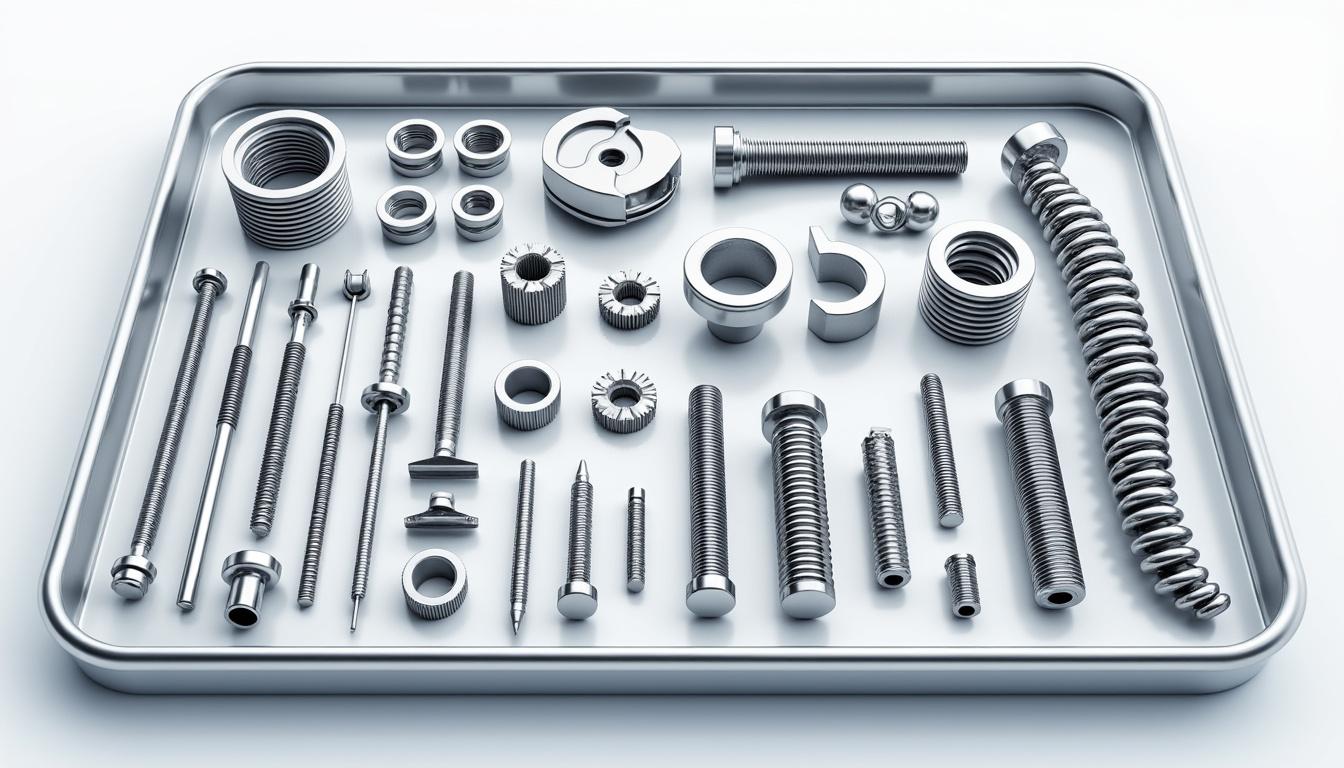
Comparative Table of Surgical Approaches in France
| Technique | Description | Biomechanical Impact | Recovery Time | Ideal Candidate |
|---|---|---|---|---|
| Simple Decompression | Relieves nerve pressure without fusion | Minimal disruption, preserves motion | 4-6 weeks | Mild to moderate nerve compression |
| Fusion Surgery | Fuses vertebrae to stabilize spine | Reduced motion, possible adjacent stress | 3-6 months | Severe instability or degeneration |
| Motion Preservation | Uses dynamic implants to maintain movement | Maintains biomechanics, reduces degeneration | 6-12 weeks | Active patients seeking mobility |

Lumbar Disc Prosthesis in Saguenay: Approved and Safe Solution
Chronic lower back pain has long been a pervasive health challenge in the Saguenay region, significantly impacting the daily lives of many residents. In recent years, advances in spinal care have introduced promising alternatives to traditional spinal fusion surgery, offering…
The Spinal Patient Journey: From Evaluation to Safe Return
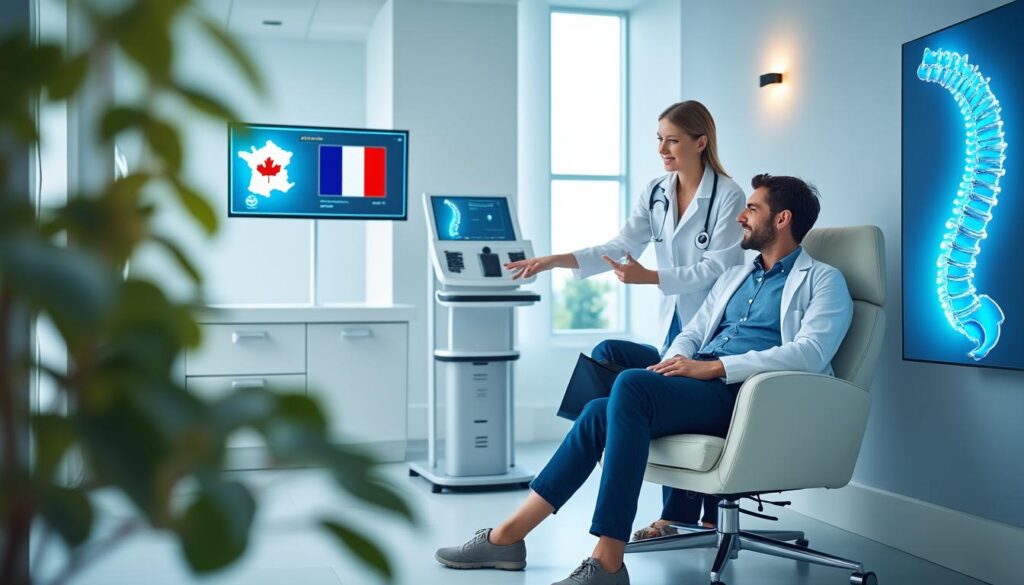
Embarking on a surgical journey, especially through international collaboration like the Canada-France link, requires coordinated care and thorough planning. Dr. Desforges emphasizes the importance of a rigorous and personalized evaluation to determine candidacy for surgical intervention. His role as an expert goes beyond diagnosis, providing comprehensive assessments of spinal pathologies and guiding patients throughout each step of their care path.
The journey begins with an in-depth clinical evaluation, including advanced imaging and functional assessments, possibly performed in Quebec or France. The precision of this evaluation is vital to tailor treatments suitable to an individual’s anatomy and pathology. Once a surgical plan is established, logistical coordination follows, encompassing travel arrangements, preoperative consultations, and multidisciplinary collaboration with French surgeons and clinics.
Throughout surgery at accredited institutions, medical technology ensures precision and patient safety. Postoperatively, the focus shifts toward recovery management, including pain control, physiotherapy, and gradual mobilization. Coordination continues with follow-up visits, often leveraging telemedicine tools, to monitor progress and provide support after the patient’s return to Quebec.
This carefully orchestrated approach ensures optimal timing and quality. Patients avoid common pitfalls such as extended wait times or fragmented care, instead benefiting from personalized, international protocols that align with Canadian and Quebec regulations, including those from the Collège des médecins.
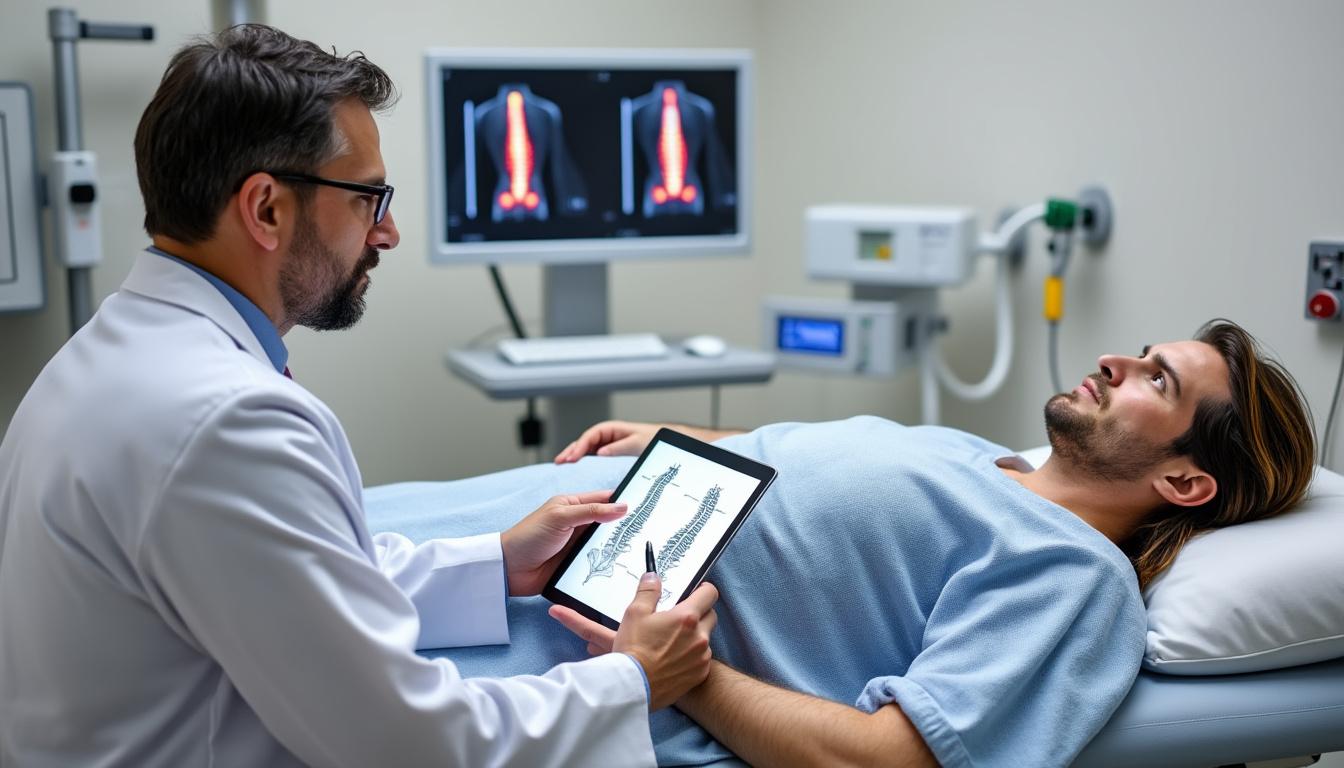
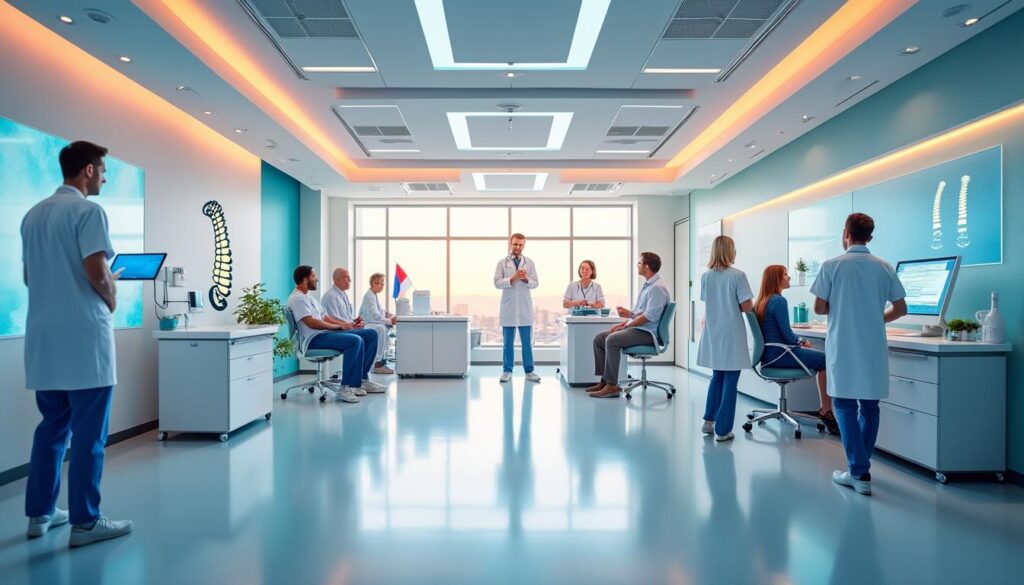
IntraSPINE® in Sherbrooke: Improve Posture and Reduce Pain
Chronic low back pain is a pervasive challenge that affects countless individuals in Sherbrooke and beyond, limiting daily activities and reducing overall quality of life. Amidst the growing demand for effective and durable solutions, the IntraSPINE implant has emerged as…
Emphasizing Conservative Management Before Surgery: The Essential Preliminary Step
A core principle firmly advocated by Dr. Desforges is that surgery should always be considered after a thorough trial of conservative management lasting 3 to 6 months. This evidence-based approach prioritizes less invasive treatments, helping many patients avoid surgery altogether or optimize their condition prior to intervention.
Conservative measures include physical therapy, osteopathic treatments, pain management, and, importantly, advanced modalities such as neurovertébral decompression. The latter is especially relevant when these techniques, as offered by the Clinique TAGMED, have not been part of the initial treatment. Such decompression dispels nerve root pressure without surgical trauma, often leading to significant symptom relief and improved function.
If conservative therapy fails to produce sufficient improvement, and imaging confirms persistent or worsening pathology, surgical consideration becomes appropriate. This protocol not only aligns with the highest standards of patient safety and ethics but also reflects Dr. Desforges’ commitment to rigor and innovation in care.
By carefully integrating conservative treatment and minimally invasive surgical options, patients experience a continuum of care that respects their biomechanics, reduces risk, and supports successful outcomes.
TOPS™ in Gatineau: Preserve Function and Reduce Lumbar Pain
In the evolving landscape of spine surgery, patients suffering from degenerative lumbar conditions are seeking solutions that not only alleviate pain but also preserve the natural function of the spine. The introduction of the TOPS (Total Posterior Spine) system in…
Benefits of the Transatlantic Surgical Pathway: Efficiency, Expertise, and Economy
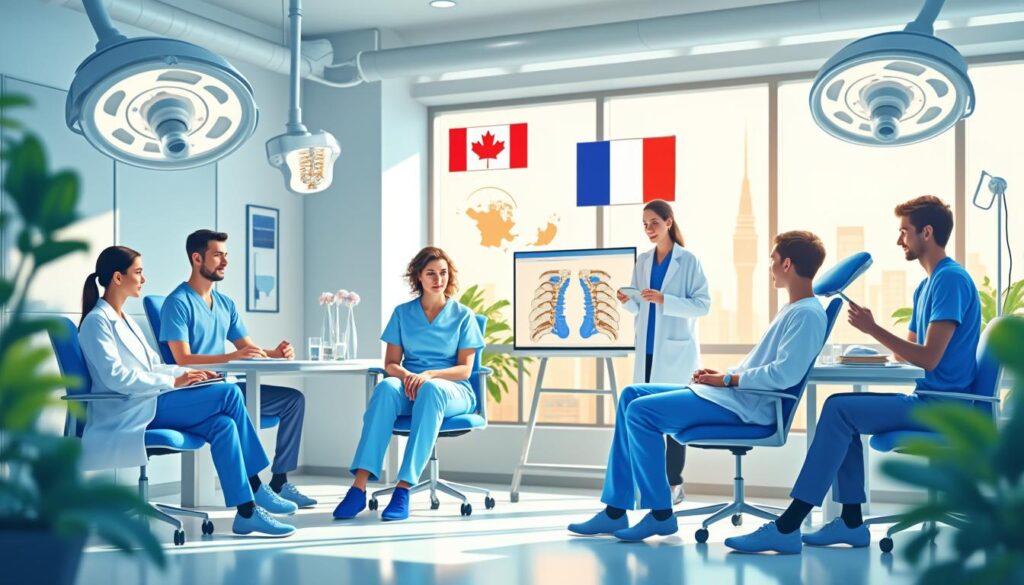
Under Dr. Desforges’ coordination, the transatlantic surgical pathway linking Quebec and France offers unique advantages that align with modern patient needs. Patients benefit from streamlined access to cutting-edge surgical techniques and expert teams skilled in preserving spinal biomechanics through minimally invasive approaches.
One notable advantage is the optimization of waiting times. Many patients in Quebec face extensive delays for specialized orthopedic surgeries within the public system. The collaboration with French clinics provides patients with quicker access, minimizing symptom progression and improving eventual recovery prospects.
From an economic perspective, the option to receive high-quality surgery abroad can present cost savings compared to private care in Quebec, making advanced orthopedic care accessible to a broader demographic. The inclusion of comprehensive pre- and postoperative care under expert oversight reduces likelihood of complications and readmissions, further enhancing value.
The quality of personalized care is supported by Dr. Desforges’ expert evaluations, ongoing communication with surgical teams, and tailored rehabilitation protocols upon the patient’s return. This human-centered coordination reassures patients navigating complex healthcare landscapes and fosters confidence throughout the journey.
Cervical Disc Prosthesis in Quebec City: Restored and Durable Mobility
The management of cervical spine disorders has evolved remarkably over recent decades, with a particular emphasis on preserving natural neck mobility and providing durable solutions to debilitating conditions. Quebec City patients facing cervical spine issues now have access to innovative…
Distinguishing Features of TAGMED’s Advanced Conservative and Surgical Care
The Clinique TAGMED stands at the forefront of combining advanced conservative care with integration of minimally invasive surgery. This center specializes in cutting-edge options such as neurovertébral decompression and laser therapies, often serving as a critical step before considering surgery. Patients receive multidisciplinary support ensuring that all non-surgical avenues are maximized for symptom relief.
The expertise of TAGMED’s team complements the international surgical pathways by preparing patients physically and psychologically for potential interventions and by leading progressive recovery strategies thereafter. The clinic’s unique role in offering technologies unavailable in Canada situates it as a pivotal partner for patients contemplating surgery abroad.
TAGMED’s approach exemplifies innovation, patient safety, and cohesive care harmonized through evidence-based practice. This comprehensive management enhances long-term spinal health outcomes and underscores the value of combining progressive conservative care with advanced surgical innovation.
IntraSPINE® in Laval: Personalized Treatment for Severe Low Back Pain
In the evolving landscape of spinal health care, patients suffering from chronic low back pain are increasingly seeking treatments that offer both efficacy and a rapid return to daily life activities. IntraSPINE technology, now available in Laval, represents a cutting-edge…
Advancements in Medical Technology Supporting Patient Recovery in Longueuil
The trajectory of patient recovery following spinal interventions is increasingly aided by refined medical technology designed to minimize hospital stay duration and quicken rehabilitation phases. Techniques like laser-assisted surgery and dynamic implants exemplify how biomedical innovation meets surgical precision to reduce trauma and preserve spinal function.
The reduced invasiveness of these procedures significantly limits soft tissue damage, resulting in decreased postoperative pain and lower reliance on analgesics. This facilitates earlier mobilization, which is crucial for preventing complications like muscle atrophy or circulatory issues. Moreover, enhanced imaging and navigation systems ensure implant placement accuracy, reducing revision rates and promoting long-term spinal stability.
Patient recovery in Longueuil also benefits from customized rehabilitation programs that incorporate new technologies such as neuromuscular stimulation and tailored osteopathic interventions. Together, these strategies augment the benefits of minimally invasive surgery, optimizing functional outcomes and supporting patients to regain independence more rapidly.
Key Technologies Accelerating Postoperative Recovery
- Laser-guided decompression and tissue preservation tools
- Dynamic spinal implants maintaining natural movement
- 3D imaging for intraoperative precision
- Neurovertébral decompression applied in conservative care
- Digital rehabilitation platforms enabling personalized therapy
Neck Surgery in Montreal: Avoid Post-Surgical Complications
Neck surgery represents a critical intervention for individuals suffering from persistent cervical spine issues, offering hope for pain relief and functional recovery. Yet, in Montreal and beyond, patients face both the benefits and inherent risks associated with such procedures. Advances…
Encouraging Informed Decision-Making Through Patient Education and Support
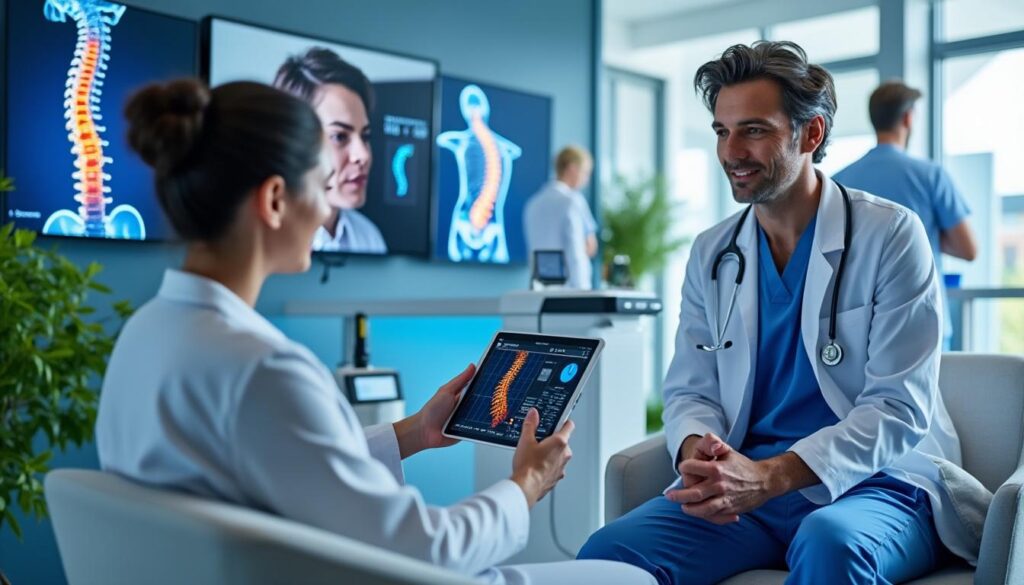
Understanding complex spinal surgical options and the nuances of different techniques can be daunting. That’s why Dr. Desforges prioritizes clear, accessible communication tailored to each patient. By demystifying terms and explaining the rationale behind procedures, patients gain confidence in their care choices and are empowered to ask pertinent questions and actively participate in their treatment planning.
Educational efforts include reviewing risks, benefits, treatment alternatives, and expected recovery timelines while considering each patient’s lifestyle and rehabilitation goals. Emphasizing the individual nature of spinal pathologies, Dr. Desforges ensures that every evaluation and recommendation are personalized and collaborative.
This approach is underpinned by an ethical and scientific rigor that respects patient autonomy and safety, in line with Quebec and Canadian regulations. By fostering transparent dialogue, the path to minimally invasive surgery in Longueuil becomes a shared journey marked by trust and motivation.
Seven Key Points for Patients to Consider Before Surgery
- Complete 3-6 months of conservative treatment, including neurovertébral decompression
- Understand the types of surgery and their biomechanical implications
- Evaluate the benefits of minimally invasive techniques
- Consider the advantages of coordinated international care
- Discuss expected recovery timelines and rehabilitation plans
- Clarify any potential risks and complication scenarios
- Engage with a multidisciplinary team for comprehensive support
For more information or to discuss your file, visit here and take the first step toward a personalized care journey rooted in innovation and safety.
What makes minimally invasive surgery different from traditional spine surgery?
Minimally invasive spine surgery utilizes smaller incisions and specialized instruments to reduce muscle and tissue damage. This leads to less postoperative pain, faster recovery, and preservation of spinal biomechanics compared to traditional open surgery.
Why is conservative treatment important before considering surgery?
Conservative treatment, including therapies offered at Clinique TAGMED like neurovertébral decompression, often alleviates symptoms without the need for surgery. It prioritizes patient safety and ensures surgery is only considered when absolutely necessary.
How does international coordination enhance the patient care experience?
Dr. Desforges’ coordination between Canadian patients and French surgical teams streamlines access to advanced minimally invasive procedures, reduces wait times, and ensures personalized postoperative support, improving overall outcomes.
What technological innovations support faster recovery after spinal surgery?
Technologies such as laser-assisted surgery, dynamic implants, and digital rehabilitation platforms reduce tissue trauma, improve surgical precision, and facilitate tailored recovery protocols, enabling patients to regain mobility more quickly.
Is fusion surgery still a common choice despite its biomechanical impact?
Fusion surgery remains appropriate for cases of severe spinal instability or degeneration where stabilization is critical. However, newer motion preservation techniques are increasingly favored to maintain spinal flexibility and reduce complications.

Disc Prosthesis in Lévis: Quick and Proven Results
Back pain remains one of the most pervasive health challenges in Canada, especially in Quebec, where system delays and high private care costs often leave patients searching for effective, timely alternatives. Degenerative disc disease, a frequent culprit behind chronic back…