Lumbar Disc Herniation in Le Sud-Ouest: Costs, Reimbursements, and Neurovertebral Decompression Treatment Options
July 3, 2026
IntraSPINE® in Sherbrooke: Improve Posture and Reduce Pain
July 4, 2026
In the evolving landscape of spine care, Motion Surgery in Terrebonne marks a significant breakthrough by focusing on preserving the natural biomechanics of the spine while addressing debilitating spinal conditions. Chronic back pain and neck discomfort affect millions, compelling many patients in Quebec and beyond to seek effective alternatives to the traditional fusion surgeries that often result in reduced joint movement and undesirable outcomes over time. Motion Surgery harnesses advanced orthopedic surgery techniques that maintain spinal flexibility and mobility, using dynamic implants designed to stabilize yet preserve essential joint movement. This approach not only targets symptom relief but also aims for comprehensive biomechanical preservation, reducing the risk of adjacent segment degeneration and improving long-term patient quality of life.
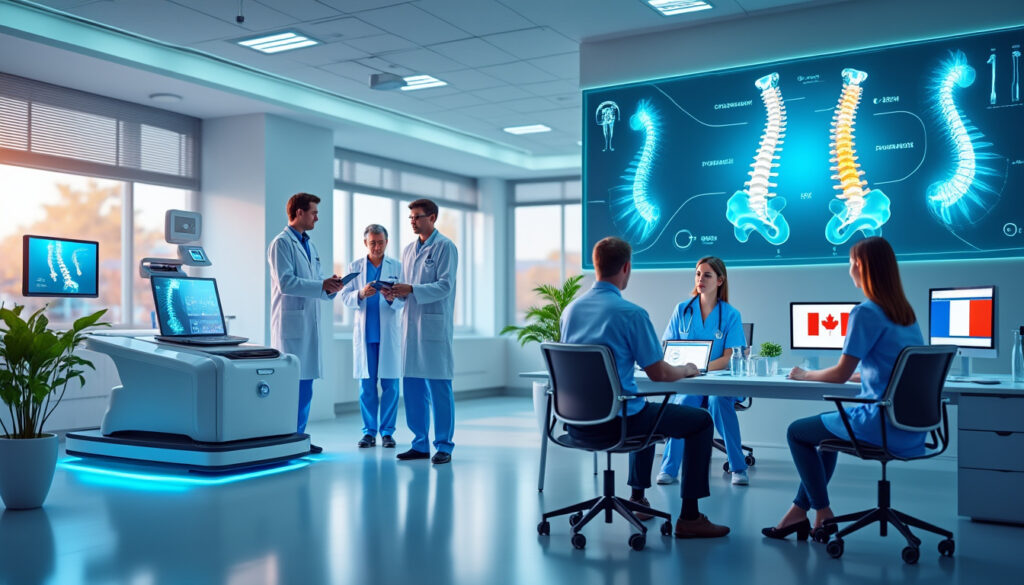
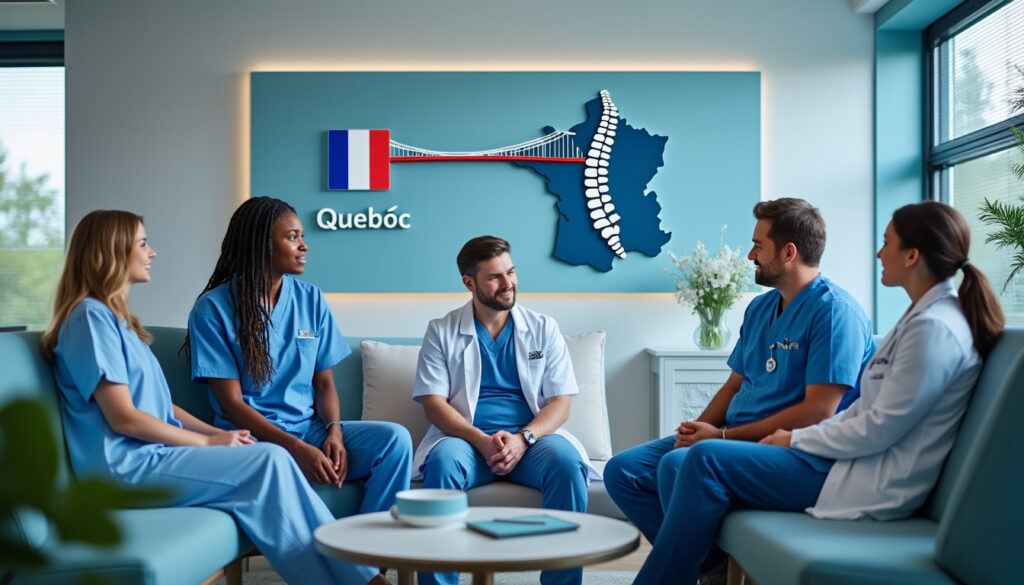
At the forefront of this innovative method is Dr. Sylvain Desforges, an internationally recognized expert with over 30 years of clinical experience in spinal care. Under his direction, Terrebonne’s specialized clinics implement minimally invasive procedures coupled with rehabilitation strategies that enhance surgical innovation outcomes. Additionally, the international coordination between Canadian and French medical teams provides an integrated pathway that optimizes access to cutting-edge treatments unavailable in Canada alone. Patients benefit from personalized support from initial evaluation through rehabilitation, exemplifying a patient-centric approach grounded in scientific rigor and ethical practice.
Understanding Motion Surgery: Revolutionizing Spine Care in Terrebonne
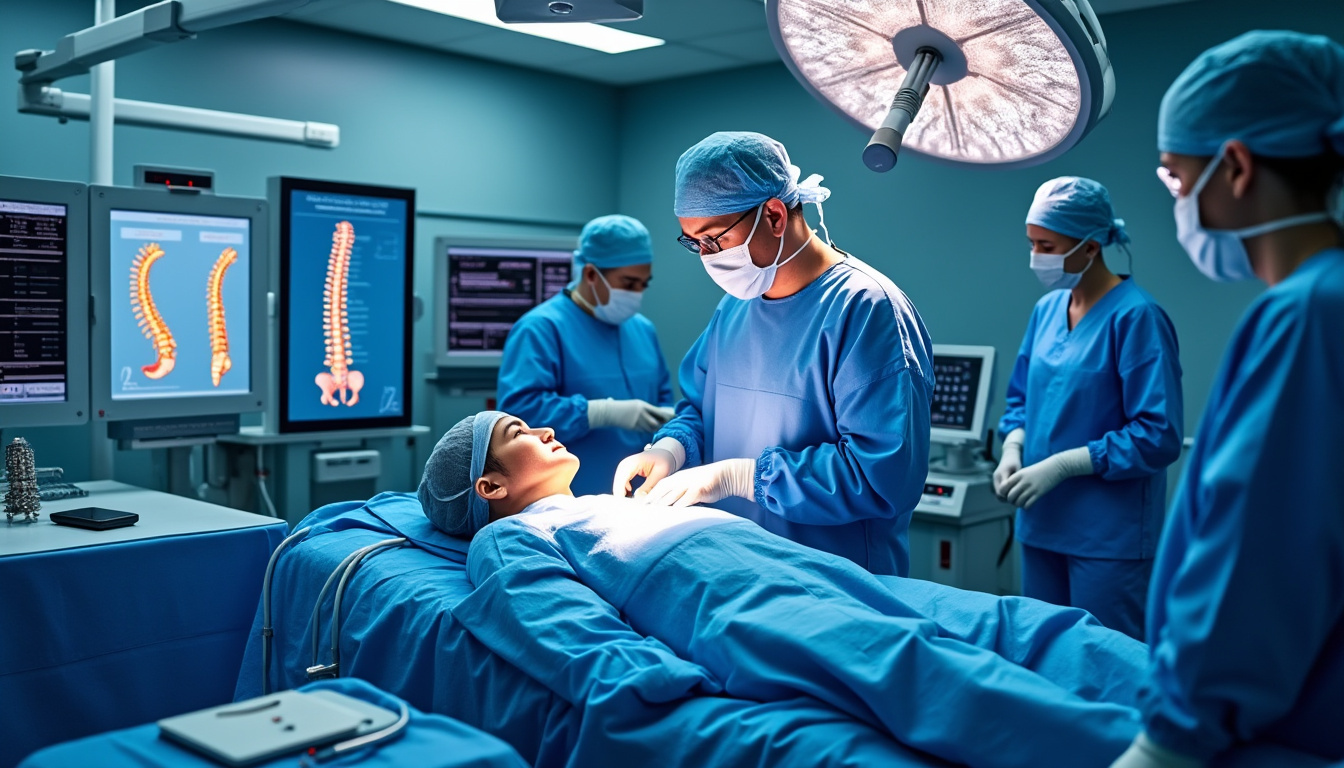
Motion Surgery represents a revolution in orthopedic surgery focused on spinal health by offering an alternative to spinal fusion. Traditional fusion surgery involves permanently immobilizing certain vertebral segments to alleviate pain or correct instability, but at the cost of natural joint movement and biomechanical balance. In contrast, Motion Surgery employs innovative dynamic implants that stabilize affected segments while preserving between 60% and 80% of natural motion. This preservation helps maintain the spine’s normal biomechanics, allowing for more physiological load distribution and minimizing stress on adjacent vertebral segments.
For patients in Terrebonne and throughout Quebec, this surgical innovation offers a transformative option particularly beneficial for those suffering from conditions such as spondylolisthesis, degenerative disc disease, and certain herniated disc presentations. By focusing on movement restoration, patients often experience faster functional recovery, less postoperative pain, and a significant reduction in related complications like adjacent segment arthritis.
How Motion Surgery Differs From Traditional Fusion
Where spinal fusion rigidly fixes a vertebral segment, Motion Surgery employs dynamic stabilization devices designed to allow controlled intervertebral motion. This distinction is crucial because immobilizing segments through fusion increases mechanical stress on the neighboring vertebrae, potentially accelerating their wear and leading to secondary interventions.
Dynamic implants can include flexible rods, artificial disc replacements, or specialized motion-preserving screws that permit physiological movement while ensuring spinal stability. Each of these devices is designed to integrate seamlessly with the patient’s anatomy, optimize biomechanics, and promote natural healing processes.
The outcome is a more durable solution with a lower risk of complications, particularly for active patients wanting to maintain mobility and return to their normal lifestyle quicker than traditional methods allow.
Discover how Motion Surgery in Terrebonne preserves spinal biomechanics for patients seeking advanced care options.
IntraSPINE® in Sherbrooke: A Long-Lasting Solution for Chronic Lower Back Pain
Chronic lower back pain remains one of the most pressing health concerns in Sherbrooke and beyond, impacting millions and often diminishing daily quality of life. Despite the prevalence of lumbar discomfort, many face limited access to cutting-edge treatments amidst lengthy…
Dr. Sylvain Desforges: Pioneering Expert in Advanced Spinal Biomechanics Preservation
With over three decades of clinical expertise, Dr. Sylvain Desforges stands out as a leading figure in the spine care community. Holding formal qualifications including B.Sc., D.O., and N.D., he has founded influential institutions such as the Alliance Canadienne de Médecine Alternative (ACMA) and the Canadian College of Osteopaths, reflecting his dedication to scientific rigor and ethical clinical practice.
Dr. Desforges’ unique expertise lies in comprehensive patient evaluations for spinal disorders. His attentive approach ensures accurate assessment, guiding patients through evidence-based treatment plans that emphasize conservative management before surgical consideration. By integrating biomechanical preservation techniques and minimally invasive surgical innovations in his practice at Clinique TAGMED, located in both Montréal and Terrebonne, he offers access to advanced therapeutic modalities like neurovertebral decompression, laser therapy, and dynamic spinal implants.
Importantly, Dr. Desforges coordinates transatlantic care pathways, linking Quebec patients with specialized clinics in France for access to innovative Motion Surgery techniques not broadly available in Canada. This collaboration reduces waiting times and enhances treatment quality. Patients receive personalized support throughout their journey, reinforcing the message that every case is unique and deserves tailored attention.
Learn more about Dr. Desforges’ innovative treatment approaches in Motion Surgery and biomechanical preservation techniques.

Herniated Disc Care in Sainte-Julie: Why TAGMED’s Neurovertebral Decompression Therapy Stands Out
In the vibrant community of Sainte-Julie, back pain—particularly that stemming from herniated discs—has become a widespread concern affecting people from all walks of life. The relentless search for effective, non-invasive treatments has brought renewed attention to a pioneering therapy that…
Types of Surgical Techniques Available for Spinal Care Beyond Fusion
The landscape of spinal surgery in France, and increasingly accessible for Quebec patients through transatlantic medical collaboration, encompasses several surgical approaches tailored to specific spinal pathologies and patient needs. Understanding these options helps patients make informed decisions under expert guidance like that of Dr. Sylvain Desforges.
Simple Decompression Surgery: Targeted Relief With Motion Preservation
This minimally invasive approach focuses on relieving nerve compression caused by herniated discs or spinal stenosis without restricting intervertebral movement. Surgical access is often achieved through microscopic or endoscopic methods, reducing trauma and enabling quicker recovery. Patients with radicular pain frequently benefit from this surgery to experience significant symptom relief while preserving spinal motion and function.
Spinal Fusion Surgery: Stability at a Cost
Designed for cases involving severe instability or deformity, spinal fusion rigidly joins two or more vertebral segments to eliminate abnormal movement. Although effective in pain reduction, fusion sacrifices natural joint mobility and may increase mechanical stress on adjacent segments, heightening the risk of degeneration and potential repeat surgeries. This trade-off often means a longer rehabilitation period and limitations in physical activities post-procedure.
Motion Surgery: Combining Stability and Movement Restoration
This innovative surgical solution uses dynamic implants to stabilize the spine while retaining substantial intervertebral mobility, typically preserving between 60-80% of natural movement. It aims to mimic physiological biomechanics, distributing loads efficiently and reducing the chance of postoperative complications including secondary arthritis. Conditions like spondylolisthesis particularly benefit from this approach, which supports accelerated rehabilitation and improved functional outcomes.
| Type of Surgery | Main Goals | Impact on Motion | Potential Risks |
|---|---|---|---|
| Simple Decompression | Relieve nerve compression | Preserves mobility | Minor complications possible |
| Spinal Fusion | Stabilize unstable segments | Reduces natural motion | Risk of adjacent segment degeneration |
| Motion Surgery | Stabilize while preserving motion | Maintains 60-80% mobility | Lower risk than fusion |
The choice of procedure is carefully tailored, with Dr. Desforges emphasizing thorough evaluation and patient education so that individuals understand the benefits and limitations of each intervention.
Back Surgery in Trois-Rivières: Alleviating Pain While Preserving Mobility
In Trois-Rivières, Quebec, the persistence of back pain affects a substantial portion of the population seeking effective and personalized solutions. Back pain, often caused by spinal disorders or herniated discs, can drastically diminish quality of life, limiting mobility and causing…
Optimizing Patient Journey: From Quebec Evaluation to French Surgical Expertise
Embarking on a Motion Surgery pathway requires a structured, patient-focused approach that begins with a thorough evaluation conducted by Dr. Sylvain Desforges in Quebec. This critical first step assesses individual symptoms, spinal condition, and candidacy for motion-preserving surgery.
Before surgery, patients typically undergo a period of conservative treatment — lasting between 3 to 6 months — which may include neurovertebral decompression therapy and other non-surgical interventions. This phase aims to optimize spinal health and ensure that surgery is considered only when absolutely necessary.
When surgery is recommended, coordination with French medical centers via the partner organization Franchir streamlines travel, accommodation, and appointment scheduling for patients. This international collaboration assures seamless care continuity and reduces administrative burden, allowing patients to focus entirely on their health.
Following the procedure, patients return to Quebec for personalized rehabilitation programs, often with groups such as Neurotherapie Montréal, which specialize in post-operative recovery and dynamic implant monitoring. The ongoing follow-up ensures effective healing, functional restoration, and long-term success of the Motion Surgery interventions.
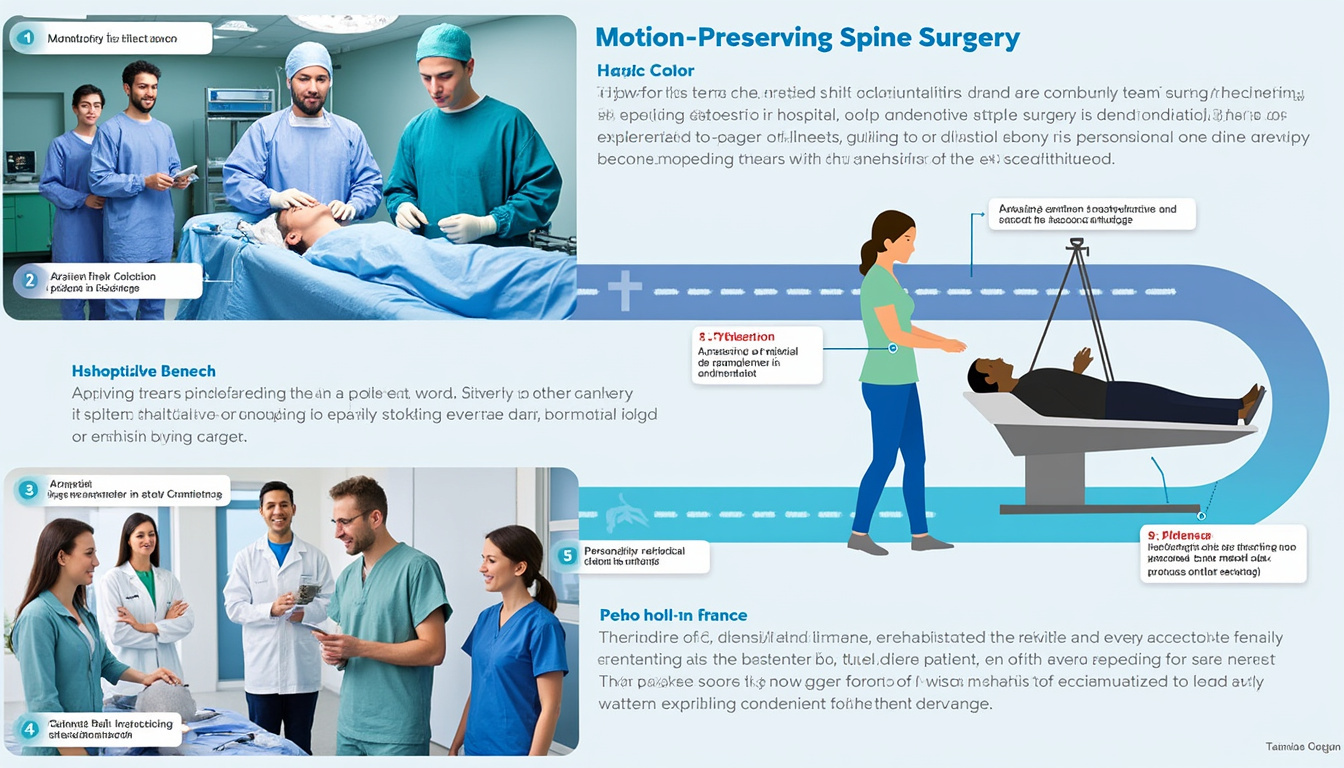
Disc herniation remains a significant health concern in Pointe-Claire, impacting the lives of a diverse population ranging from labor-intensive workers to the aging community. The condition, characterized by the displacement or rupture of the intervertebral disc, often leads to debilitating…
Biomechanical and Human Benefits of Transatlantic Motion Surgery Pathways
The collaboration between Quebec and French medical teams offers unique biomechanical advantages. Dynamic implants used in France are often more sophisticated, designed to closely replicate the spine’s natural joint movement, reducing the mechanical load on adjacent vertebral levels. This significantly limits the risk of postoperative arthritis and degenerative changes that may arise after traditional fusion.
Human-centric care remains a cornerstone throughout the patient journey. Understanding the emotional and psychological dimensions of spinal surgery, Dr. Desforges and his teams provide transparent communication, empathy, and support, helping patients feel secure and well-informed. Such an environment fosters trust and encourages patients to engage actively in their recovery.
Economically, the cost of advanced surgical procedures in France can offer more competitive pricing compared to private care in Quebec, even when travel and accommodation are factored in. This accessibility makes high-quality, movement-preserving spine surgery attainable for a broader range of patients.
At Gouin Clinic, the landscape of herniated disc therapy has entered a transformative era marked by the integration of Personalized Treatment Plans and breakthrough Neurovertebral Decompression Therapy. This non-surgical approach is revolutionizing how spinal disorders are managed, offering patients an…
Examples and Case Studies Illustrating Motion Surgery Benefits
Consider the case of André, a mid-50s active professional from Montreal suffering from spondylolisthesis. After years of pain and reduced mobility, he underwent a comprehensive evaluation with Dr. Desforges. Following a 4-month course of neurovertebral decompression and laser therapy, André was recommended for dynamic stabilization surgery in France. The procedure preserved 75% of his spinal motion, and within six weeks post-op, he resumed light physical activities with significantly reduced pain.
Similarly, Claire, a recreational athlete in her 40s, experienced herniated disc symptoms that impaired daily function. Opting for Motion Surgery allowed her to maintain her lumbar flexibility, avoiding fusion surgery which could have limited her athletic performance. Under Dr. Desforges’ guidance, Claire completed rehabilitation successfully in Quebec, regaining confidence and spinal health.
These cases underscore the importance of patient-specific evaluation and comprehensive care pathways in achieving superior and durable results through Motion Surgery.
Explore more remarkable patient outcomes from Motion Surgery in Terrebonne reflecting these success stories.

Cervical Disc Prosthesis in Quebec: Preventing Post-Operative Stiffness
Neck pain is one of the most common musculoskeletal complaints in Quebec, affecting a significant portion of the population annually. Often rooted in degenerative cervical disc diseases or herniated discs, this persistent discomfort severely impacts daily life and mobility. Fortunately,…
Key Advantages of Motion Surgery Over Traditional Techniques
- Preservation of Natural Biomechanics: Retains significant intervertebral movement, supporting physiological spinal function.
- Reduced Risk of Adjacent Segment Disease: Lower mechanical stress on neighboring segments reduces degeneration likelihood.
- Minimally Invasive Approach: Smaller incisions and refined techniques minimize recovery time and postoperative discomfort.
- Accelerated Rehabilitation: Patients often resume light activities within a month, aided by individualized physiotherapy.
- Improved Quality of Life: By maintaining joint mobility, patients enjoy sustained functional gains and pain relief.
The prevalence of herniated disc conditions in Blainville has sparked considerable discussion and misconceptions about their causes, symptoms, and treatments. While the pain and disability associated with this spinal disorder are well documented, the emergence of non-surgical options such as…
Scientific Rigor, Ethics, and Innovative Technologies Behind Motion Surgery
The foundation of Motion Surgery in Terrebonne is scientific rigor and adherence to strict ethical standards, led by Dr. Sylvain Desforges. His practice complies fully with Quebec and Canadian medical regulations, including guidance from the Collège des médecins du Québec.
Innovation is strongly emphasized, with ongoing integration of cutting-edge technologies such as neurovertebral decompression, laser therapy, and dynamic spinal implants. Careful patient selection and evidence-based protocols ensure safety and maximize therapeutic benefits.
Dr. Desforges’ commitment extends beyond surgery, encompassing patient education that demystifies complex spinal biomechanics and treatment options. This empowers patients to actively participate in their care and understand available therapeutic pathways clearly.
Delve into the modern technologies shaping Motion Surgery advancements and how they redefine spinal care innovation.
How do I know if Motion Surgery is suitable for my spinal condition?
An in-depth evaluation by experts like Dr. Sylvain Desforges is essential. During the consultation, your specific condition will be examined to determine if Motion Surgery is an appropriate intervention.
What are the steps before considering Motion Surgery?
It is crucial to undergo conservative treatments for 3 to 6 months, including neurovertebral decompression if not previously performed. A complete assessment is necessary to ensure the best treatment path.
How long does recovery take after Motion Surgery?
Most patients can resume light activities about one month after surgery, with appropriate follow-up and support to optimize healing.
Are the surgical procedures covered by insurance?
Coverage depends on your insurance plan. Some plans may reimburse part of the care received in France or elsewhere, but this should be verified in advance.
How can I contact the clinic for more information?
To discuss your case or ask questions, please visit the contact page to submit an inquiry online or call the clinic directly.
Minimally Invasive Surgery in Longueuil: Reducing Hospital Stays for Faster Recovery
In recent years, a transformative wave has swept through spinal healthcare in Longueuil, aiming to revolutionize treatment experiences for patients suffering from back disorders. This shift stems from a growing demand for procedures that minimize hospital stays without compromising efficacy.…