Disc Herniation in Mercier–Hochelaga-Maisonneuve: Costs, Reimbursements, and Neurovertebral Decompression Treatment Explained
June 6, 2026Boucherville Chronic Disc Pain Managed with TAGMED
June 6, 2026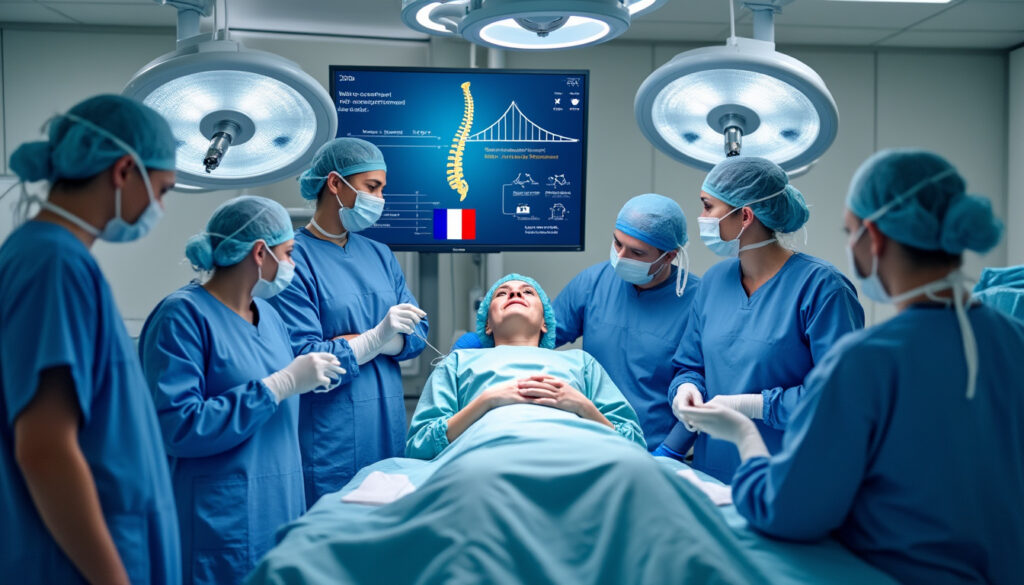
In the evolving landscape of spine care, Motion Surgery in Terrebonne represents a transformative approach that harmonizes surgical innovation with the natural biomechanics of the spine. As patients seek alternatives to traditional fusion surgeries, which often limit joint mobility and can lead to adjacent segment degeneration, this approach increasingly captivates attention for its ability to preserve movement while addressing degenerative and traumatic spinal conditions.
With over three decades of expertise, Dr. Sylvain Desforges stands as a pioneer in the evaluation and integration of motion-preserving techniques in spine care. His comprehensive understanding of spinal pathology and commitment to rigorous, ethical practice ensures that patients receive both advanced treatment options and compassionate guidance through their care journey. This article unpacks the nuances of motion surgery, the innovative technologies applied, and the advantages—biomechanical, economic, and human—that make the transatlantic corridor from Quebec to France a compelling avenue for those seeking relief with preserved spinal function.
Modern Motion Surgery Techniques in Terrebonne: Pioneering the Future of Orthopedic Surgery
The field of spine surgery has seen remarkable advancements in recent years, with motion-preserving techniques emerging as a leading focus. Unlike traditional spinal fusion, which immobilizes affected segments resulting in decreased joint mobility and potential strain on adjacent segments, motion surgery seeks to maintain natural spinal movement. Terrebonne, through collaborations with centers in France and under the supervision of experts like Dr. Desforges, offers access to minimally invasive procedures that harness state-of-the-art technology.
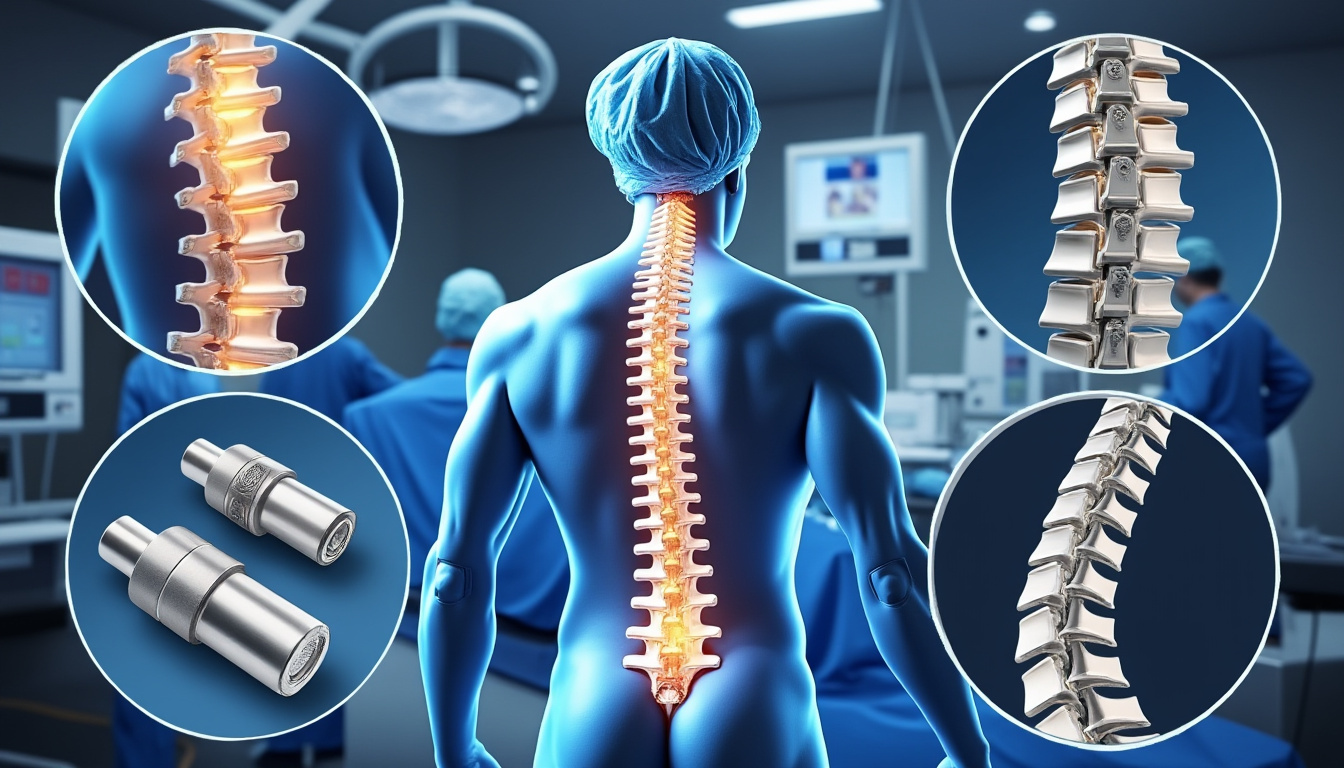
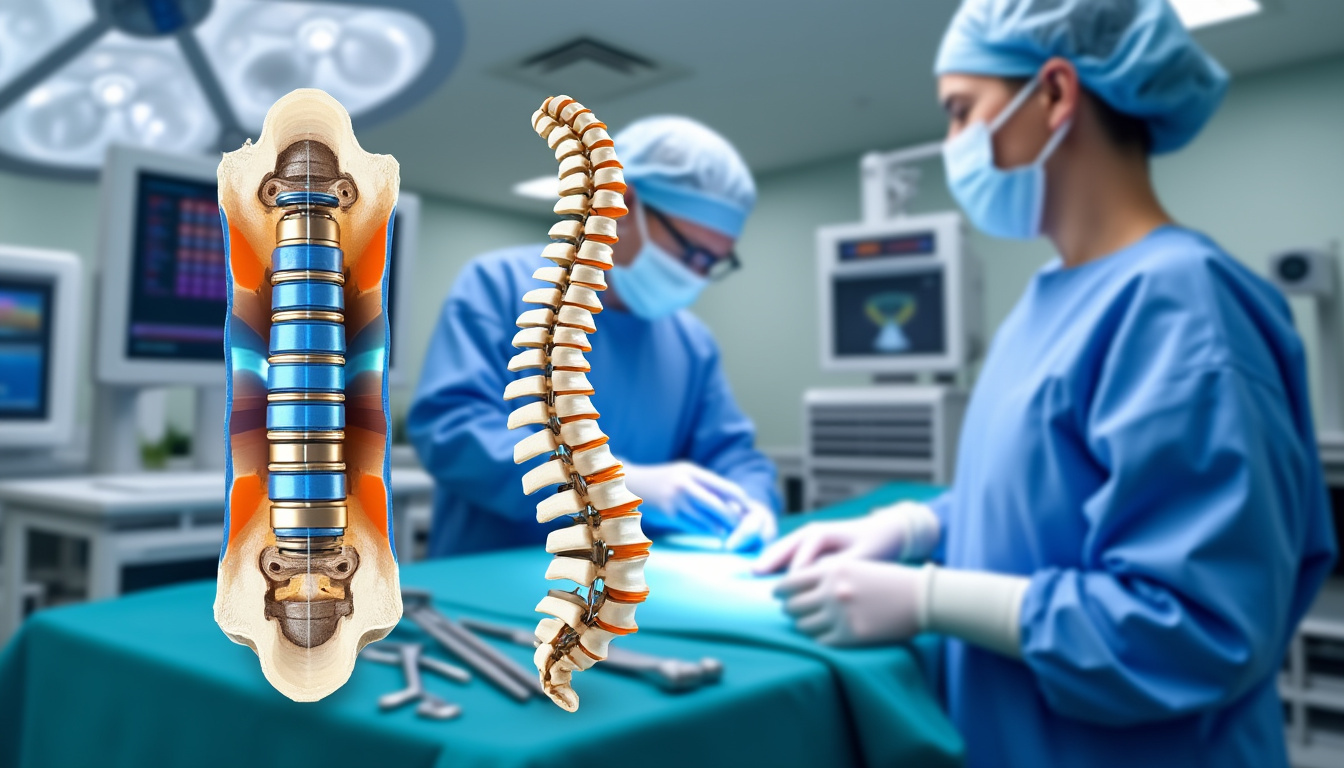
These modern procedures include artificial disc replacement, facet joint replacements, and advanced nucleus replacement technologies. Each method is thoughtfully designed to not only alleviate pain and neurological symptoms but also to preserve the intricate biomechanics of the spinal column. For instance, artificial discs replicate the natural glide and rotation of native discs with biocompatible materials engineered for durability and motion fidelity.
One such innovation is the use of devices like the TOPS System, which replaces degenerated facet joints with an articulating implant that mimics natural movement. Similarly, new devices such as MOTUS and PerQdisc aim to preserve or restore segment mobility after decompression surgeries, emphasizing a tailored approach to individual spinal pathologies. Through these approaches, patients benefit from reduced postoperative recovery times and improved rehabilitation outcomes, all while preserving joint mobility.
Discover how Terrebonne leads in motion surgery innovation to reduce pain and improve posture safely.

IntraSPINE® in Sherbrooke: Durable Solution for Chronic Low Back Pain
The management of chronic low back pain, a widespread condition affecting millions across Quebec and beyond, has reached a pivotal moment thanks to innovative medical technologies and coordinated care pathways. At the heart of this evolution lies the IntraSPINE implant,…
Understanding the Types of Spinal Surgery Available in France: Simple, Fusion, and Motion Preservation
When considering spine surgery, it is essential to understand the spectrum of options available. Traditional surgeries in France commonly include:
- Simple Surgery – Often minimally invasive decompressions targeting nerve root relief without implant placement; this addresses symptoms without altering spinal stability.
- Fusion Surgery – The long-standing technique where two or more vertebral segments are immobilized to stabilize the spine. While effective in pain control, it can limit spinal flexibility and increase pressure on neighboring segments, sometimes causing further degeneration.
- Motion Surgery – A newer class of surgeries designed to stabilize compromised spinal segments while preserving joint motion. These include disc replacements, facet joint arthroplasty, and nucleus replacement.
The benefits of motion preservation are profound. Patients typically experience more natural spine function postoperatively, reduced adjacent segment disease, and often shorter rehabilitation. The French healthcare system has adopted many of these techniques given their advantages and patient outcomes, making them an attractive destination for Quebec patients seeking cutting-edge care without the wait times that can be encountered locally.
One illustrative example is cervical disc replacement, which has become standard for certain neck conditions. This procedure enables patients to retain the full range of head and neck motion while addressing nerve compression and pain. Similarly, lumbar disc and facet joint interventions offer significant relief with functional preservation, exemplified by the FDA-approved TOPS facet replacement system now available in Europe.
Explore approved motion surgery techniques in France that combine safety and effective movement preservation.
Spine Surgery in Trois-Rivières: Reduce Pain and Preserve Mobility
In recent years, spine surgery in Trois-Rivières has evolved notably, combining advanced medical expertise with innovative technologies to deliver patient-centered care. This growing field addresses the increasing demand among Quebec residents seeking effective solutions for chronic back pain and mobility…
From Evaluation to Recovery: Detailed Stages of the Patient Journey in Motion Surgery
Embarking on motion surgery requires a structured, multidisciplinary pathway to ensure optimal outcomes and safety. Dr. Desforges applies his over 30 years of clinical and osteopathic expertise to provide comprehensive spinal evaluations, emphasizing evidence-based practices and patient education. This process includes:
- Comprehensive Assessment: Detailed clinical history, physical examination, and advanced imaging reviews to clarify the pathology and suitability for motion-preserving techniques.
- Conservative Care Completion: Before surgery, patients must complete 3 to 6 months of conservative treatments including physiotherapy, chiropractic care, and advanced non-invasive options like neurovertebral decompression available at the Clinique TAGMED in Terrebonne.
- Personalized Surgical Planning: Coordinating with surgical partners primarily based in France, care plans are customized, considering the patient’s unique biomechanical needs and surgery type.
- Preoperative Preparation and Education: Patients receive detailed explanations about their procedure, expected recovery, risks, and rehabilitation plans, ensuring informed consent and reassurance.
- Surgical Procedure in France: Access to innovative implants and technologies often not available in Canada, performed in leading centers with strict adherence to safety and ethical standards.
- Postoperative Rehabilitation and Follow-up: Rehabilitation focuses on restoring joint mobility and function, utilizing minimally invasive approaches that facilitate quicker recovery. Dr. Desforges coordinates longitudinal follow-up both in France and in Quebec to secure seamless aftercare.
- Return to Daily Life: Patients gradually resume activities with continued guidance tailored to their recovery progress and functional goals.
This finely tuned protocol highlights the value of international healthcare partnerships and the dedication to patient-centered care. Robust communication and strict compliance with Quebec and Canadian medical regulations assure patients of safety and quality throughout the entire transatlantic journey.
Learn about the detailed patient pathway from initial evaluation to return and understand how advanced motion surgery improves clinical results.

TOPS™ in Gatineau: High-Performance Option for the Lumbar Spine
The landscape of spinal surgery has witnessed profound evolution, particularly for patients grappling with lumbar spine disorders such as spinal stenosis and spondylolisthesis. These conditions, increasingly prevalent among Quebec’s population, impose substantial limitations on mobility and quality of life. The…
The Biomechanical and Clinical Advantages of Motion Surgery Over Traditional Fusion
Motion-preserving spine surgery offers distinct biomechanical benefits that directly impact patient recovery and long-term spinal health. Unlike fusion, which rigidly immobilizes a segment and shifts mechanical stress to adjacent spinal levels, motion surgery maintains physiological mobility and distributes forces more naturally.
Key advantages include:
- Preservation of Joint Mobility: Artificial disc and facet joint arthroplasty allow the spine to bend, rotate, and flex close to its original function.
- Reduction in Adjacent Segment Degeneration: Avoids the accelerated wear on joints above and below fused segments frequently reported in fusion patients.
- Improved Posture and Load Distribution: Restores and maintains spinal alignment, which is crucial for overall biomechanical balance and prevention of compensatory injuries.
- Faster Rehabilitation: Minimally invasive surgical approaches and preserved motion facilitate earlier mobilization and reduced pain.
- Enhanced Quality of Life: Retaining natural movement supports activities of daily living, sports, and occupational demands more effectively.
For example, a patient with degenerative lumbar spondylolisthesis may benefit significantly from the TOPS artificial facet joint system rather than traditional fusion since it stabilizes without sacrificing segmental flexibility, potentially preventing future complications.
| Feature | Traditional Fusion | Motion Surgery |
|---|---|---|
| Spinal Segment Mobility | Completely restricted | Preserved or restored |
| Adjacent Segment Stress | Increased risk of degeneration | Minimized through natural load distribution |
| Recovery Time | Generally longer and more painful | Often faster with less post-op pain |
| Long-Term Outcomes | Potential for secondary surgeries due to complications | Improved durability and patient satisfaction |
Cervical Disc Prosthesis in Quebec City: Avoid Post-Surgery Stiffness
Chronic neck pain remains a significant challenge for thousands of residents in Quebec City every year, often leading them to seek effective spinal surgery options that minimize downtime and maximize long-term mobility. Among the recent advancements revolutionizing cervical spine care,…
Ensuring Safety and Excellence: The Role of Rigorous Evaluation and Scientific Methodology
As an expert with more than 30 years of experience, Dr. Desforges emphasizes scientific rigor, ethical responsibility, and patient safety above all. Careful patient selection through thorough diagnostic evaluation is paramount to ensure that motion surgery is appropriate and likely to succeed.
The integration of evidence-based protocols harmonizes with Quebec and Canadian medical regulations, facilitating secure participation in international treatment pathways. This unwavering commitment to best practices guarantees that patients receive care aligned with the latest research while minimizing risks.
Furthermore, Dr. Desforges continuously monitors emerging technologies such as neurovertebral decompression, advanced laser therapies, and dynamic implant devices. Collaboration with multidisciplinary teams at leading institutions ensures that every case benefits from the most innovative, yet validated, surgical options available today.
For patients, this means transparent communication about the indications, limits, and expected outcomes of motion surgery, empowering them to make informed choices. Each case is unique; thorough evaluation protects from unnecessary or premature surgical intervention.
Discover the scientific approach guiding motion surgery in Terrebonne developed with ethical and evidence-based standards.
Minimally Invasive Surgery in Longueuil: Reduce Hospital Stay Duration
In recent years, advances in spinal care have dramatically reshaped the treatment landscape for patients suffering from debilitating spinal conditions. Particularly in Longueuil, the emergence of minimally invasive surgery (MIS) techniques offers a transformative alternative to conventional open surgeries. These…
The Essential Role of Conservative Treatments Before Considering Surgery
Critical to responsible spine care is the understanding that motion surgery should be contemplated only after exhaustive conservative therapy has been attempted. Dr. Desforges advocates for at least three to six months of non-surgical treatment modalities, including physiotherapy, osteopathy, and particularly neurovertebral decompression — a specialized, non-invasive technique performed at the Clinique TAGMED.
This conservative approach aims to reduce inflammation, improve joint mechanics, and promote healing without surgery. When patients have not received such advanced conservative care, proceeding directly to surgical intervention often overlooks potential for recovery through less invasive means.
The neurovertebral decompression offered at Clinique TAGMED is notable for its innovative protocols combining mechanical decompression with laser therapy and biofeedback-assisted rehabilitation. Many patients experience significant pain relief and functional restoration, avoiding or delaying the need for surgery altogether.
Only when these treatments do not yield sufficient improvement should motion-preserving surgeries be considered, ideally under the guidance of an expert such as Dr. Desforges who can assess candidacy meticulously and coordinate a tailored treatment plan that spans Quebec and France.
Understand the importance of conservative care before motion surgery consideration, including advanced decompression at Clinique TAGMED.
IntraSPINE® in Laval: Modern Solution for Lumbar Stabilization
In the evolving landscape of orthopedic treatments, the city of Laval has become a hub for innovations addressing chronic lower back pain. Among the groundbreaking solutions gaining attention is the IntraSPINE device—a modern spinal implant designed to offer dynamic lumbar…
Advantages of Transatlantic Coordination from Quebec to France for Motion Surgery
One of the defining assets of the motion surgery pathway championed by Dr. Desforges is its seamless transatlantic coordination. This unique integration harmonizes the best of Canadian and French medical expertise, optimizing waiting times, procedural quality, and personalization of care.
By partnering with select centers and surgeons in France, patients benefit from:
- Access to cutting-edge technology and implants often unavailable or uncommon in Canadian settings.
- Reduced waiting periods facilitating earlier intervention and symptom relief.
- Comprehensive pre- and postoperative evaluation coordinated by Dr. Desforges, ensuring safety and continuity of care.
- A multidisciplinary approach blending osteopathic, orthopedic, and rehabilitative expertise.
- Customized rehabilitation plans facilitated in both locations to maximize functional recovery and long-term success.
This international collaboration enhances patient confidence by providing access to treatments grounded in robust scientific research and superior surgical innovation. For many patients, this pathway offers a pragmatic and reassuring alternative to prolonged wait times and limited options faced at home.
For more information or to discuss your case, visit the consultation page to start your personalized journey with expert guidance.
Neck Surgery in Montreal: Maintain Cervical Flexibility and Function
Neck conditions causing persistent pain or functional loss place a substantial burden on individuals and healthcare systems, especially in urban centers like Montreal. Surgical interventions targeting the cervical spine have evolved tremendously, aiming not only to relieve symptoms but to…
Rehabilitation and Long-Term Care: Supporting Movement Preservation After Surgery
Successfully preserving spinal motion through surgery is only part of the journey. Long-term results depend on a meticulous postoperative rehabilitation plan tailored to each patient’s unique needs. Dr. Desforges and his multidisciplinary team emphasize early mobilization, joint stabilization, and functional training to maximize the benefits of motion surgery.
Rehabilitation strategies focus on:
- Restoring flexibility and strength of the spinal muscles while respecting the new biomechanics introduced by implants.
- Neuromuscular re-education to support coordinated movement and avoid compensatory patterns that could jeopardize surgical success.
- Pain management through non-pharmacological methods to encourage active recovery.
- Patient education to empower lifestyle modifications and ergonomic practices beneficial to spine health.
These efforts contribute to improved surgical outcomes, reduced risk of complications, and enhanced quality of life. Rehabilitation specialists collaborate closely with surgical teams in France and Quebec to ensure continuity of care and responsive adjustment to patient progress.
Ultimately, patients are encouraged to engage actively in their recovery with reassurance and accountability, fostering confidence in their restored joint mobility and overall wellness.
What is motion surgery and how does it differ from traditional fusion?
Motion surgery preserves the natural movement of the spine by replacing or supporting spinal segments with implants designed to maintain flexibility, unlike fusion which immobilizes the segment entirely.
Who is a candidate for motion-preserving surgery?
Candidates typically include patients with degenerative disc disease or certain spinal instabilities who have completed conservative treatments without sufficient relief.
Why is conservative treatment essential before considering motion surgery?
Conservative therapies, including neurovertebral decompression at Clinique TAGMED, can reduce symptoms and improve function, potentially avoiding the need for surgery.
What are the benefits of transatlantic coordination for patients from Quebec?
Patients access advanced surgical technologies and shorter wait times in France, with coordinated care ensuring safety and personalized treatment plans.
How important is rehabilitation post-motion surgery?
Rehabilitation is crucial for restoring joint mobility, strengthening muscles, and optimizing long-term surgical outcomes.

Disc Prosthesis in Lévis: Quick and Long-Lasting Results
Chronic back pain caused by degenerative disc disease continues to profoundly impact the quality of life for many residents in Lévis and the broader Quebec area. For decades, traditional spinal fusion surgery has been the primary solution for alleviating severe…