
International Comparison: Spotlight on Simple Surgery, Fusion Techniques, and Motion Technologies
November 1, 2025
How Comparing Spinal Care Practices Between France and Quebec Enhances Clinical Outcomes
November 1, 2025
Disc herniations represent one of the most common and challenging spinal conditions affecting residents in Saint-Léonard and the surrounding regions. As more patients seek effective and sustainable relief from debilitating pain, the field of spinal care has seen remarkable advancements in non-invasive treatments and recovery strategies. Among these, neurovertebral decompression therapy emerges in 2025 as a leading non-surgical option designed to alleviate pressure on damaged discs, promote healing, and restore mobility without the risks associated with invasive procedures.
Understanding the complex nature of disc herniations not only requires awareness of the underlying spinal anatomy and pathology but also a comprehensive grasp of modern therapeutic approaches, including their indications and limitations. In Saint-Léonard, where patient-centered care and technological innovation converge, treatment pathways have evolved to prioritize multidisciplinary strategies incorporating postural advice, targeted exercises, nutritional support, and specialized decompression sessions.
This article delivers an insightful exploration into navigating disc herniations, offering practical advice for enhanced recovery and a detailed examination of neurovertebral decompression therapy. With a commitment to evidence-based care led by experts like Dr. Sylvain Desforges, patients can unlock new possibilities for pain relief and functional improvement.
Recognizing Herniated Disc Symptoms in Saint-Léonard for Early Action
Effective management of disc herniations begins with early recognition of characteristic symptoms. In Saint-Léonard, many individuals seek consultation when experiencing localized or radiating pain, often linked to lumbar or cervical disc issues. Early detection is critical to accessing appropriate treatment and avoiding long-term complications.
Common symptoms of herniated discs in this population include:
- Localized back or neck pain: This pain can vary from a dull ache to sharp, intense sensations often aggravated by movement or prolonged posture.
- Radiculopathy (sciatica or cruralgia): Nerve irritation may lead to shooting pains extending into the legs or arms, accompanied by tingling or numbness.
- Muscle weakness: Affected nerves can result in diminished strength and motor control, jeopardizing functions like walking or grasping objects.
- Sensory disturbances: Patients often report pins-and-needles sensations or loss of feeling in areas reflecting the compressed nerve root’s distribution.
Medical professionals in Saint-Léonard, including those at SpineHealth centers and TAGMED Clinic, emphasize thorough clinical assessments paired with imaging modalities such as magnetic resonance imaging (MRI) to confirm diagnosis and determine severity. In some cases, electromyography is employed to evaluate nerve function and compression effects.
| Symptom | Description | Affected Area |
|---|---|---|
| Acute Pain | Persistent or intermittent sharp pain localized or radiating | Lower back or neck, radiating to limbs |
| Numbness | Loss of sensation or tingling feelings | Arms, hands, legs, or feet |
| Muscle Weakness | Reduced strength impeding movement | Upper or lower limbs |
| Functional Limitations | Restricted mobility and difficulty in daily activities | Spinal segments and nerve regions |
Disc herniation remains a prevalent and challenging spinal disorder, significantly affecting individuals’ quality of life, particularly in communities like Sainte-Julie. Characterized by a rupture or protrusion of the disc nucleus through the fibrous ring, this condition compresses adjacent nerve roots,…
Targeted Exercises for Herniated Disc Recovery: Recommendations for Saint-Léonard Patients
Exercise therapy plays an integral role in rehabilitating patients with disc herniations by strengthening the spinal support musculature and enhancing flexibility. Recognizing the uniqueness of each patient’s presentation, centers such as NeuroRecovery Solutions in Saint-Léonard tailor protocols to optimize recovery and minimize exacerbation risks.
Recommended exercises include:
- Gentle stretches: Focused on the lumbar or cervical spine to improve flexibility without increasing discomfort.
- Core stabilization routines: Isometric exercises like modified planks to fortify the trunk and prevent further disc stress.
- Joint mobilization movements: Light articulations to restore segmental motion and prevent stiffness.
- Postural training: Instruction on maintaining spinal neutrality during work and rest.
- Controlled aerobic activities: Low-impact exercises such as walking or swimming that enhance circulation and facilitate healing.
These exercises should be conducted under expert supervision, ensuring progression aligns with individual tolerance. For example, the “Superman modified” exercise strengthens paraspinal muscles gradually, while dorsal stretches encourage relaxation of tight musculature.
| Exercise | Purpose | Guidance |
|---|---|---|
| Modified Plank | Core muscle strengthening | Hold 20-30 seconds, 3 repeats |
| Dorsal Stretch Lying | Increase lumbar flexibility | Lift hips gently, hold 20 seconds |
| Superman Modified | Paravertebral strengthening | Raise limbs slowly, 10 reps |
| Back Extensions | Enhance spine mobility | Lift chest off floor with hips down, 10 reps |
Integrating these exercises into a comprehensive care plan has been shown to improve functional outcomes and reduce recurrence of symptoms, reinforcing the importance of specialized guidance from clinics like TAGMED versus traditional care.
IntraSPINE® in Sherbrooke: Protecting and Enhancing Lumbar Function
The prevalence of chronic low back pain has surged globally, profoundly impacting individuals’ quality of life and productivity. Sherbrooke, Quebec, exemplifies this widespread challenge, with numerous patients seeking effective and sustainable relief from lumbar discomfort. Addressing this urgent need, the…
Improving Posture and Everyday Habits to Minimize Herniated Disc Symptoms in Saint-Léonard
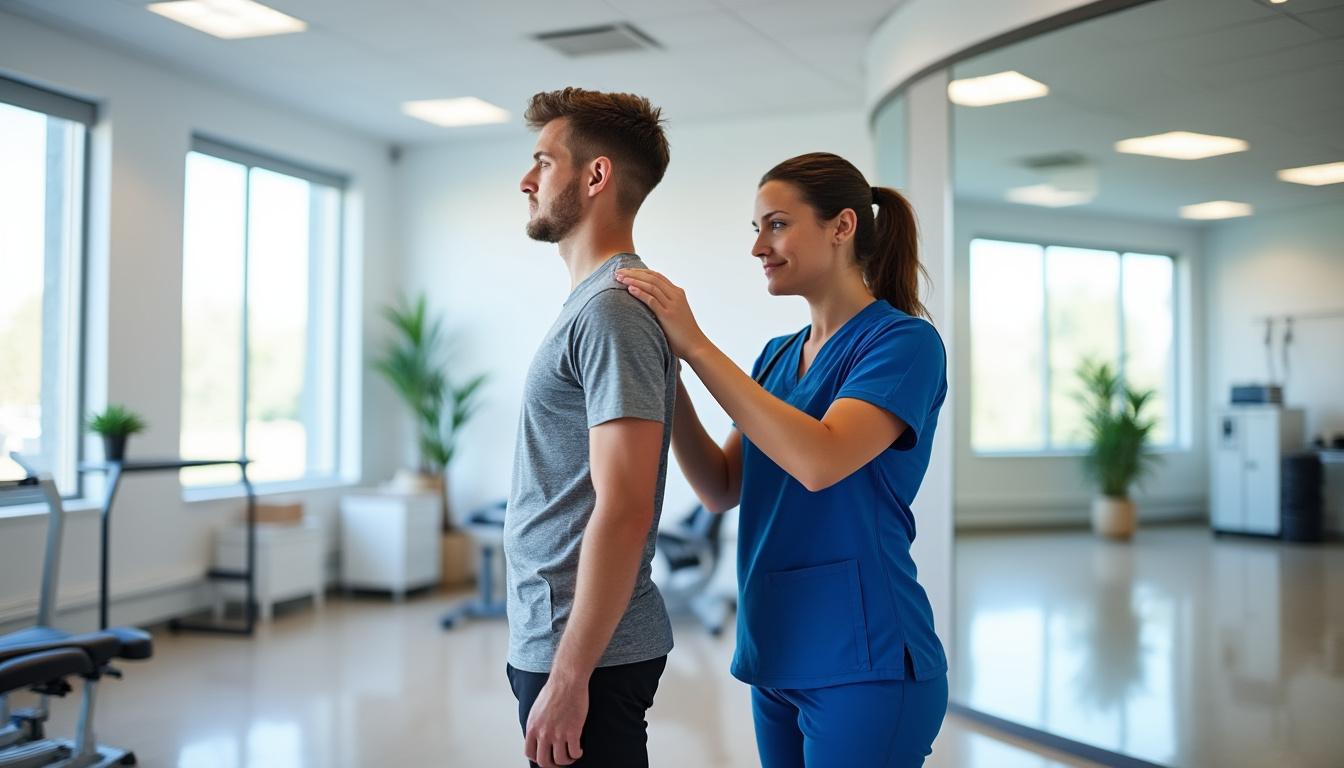
Postural habits are foundational in both prevention and management of disc herniations. Poor ergonomics, static sitting, and improper lifting techniques contribute substantially to disc strain and symptom aggravation.
Key postural strategies include:
- Maintaining neutral spine alignment: Avoid slouching or excessive forward/backward bends, especially during prolonged sitting.
- Using lumbar supports: Chairs or cushions that maintain the natural curve of the lower back during desk work or driving.
- Regular movement breaks: Changing positions and gentle stretches every hour to prevent sustained pressure on discs.
- Safe lifting techniques: Bending at knees rather than the waist and keeping objects close to the body.
- Optimized sleep position: Sleeping on the back with knees elevated or on the side with pillows between legs to reduce disc stress.
Saint-Léonard-based rehabilitation centers such as RecoveryPath Clinics provide coaching sessions aimed at instilling these habits, aiding in reducing disc compression and promoting a pain-free daily routine.
| Habit | Benefit | Example |
|---|---|---|
| Lumbar Support Sitting | Preserves spine curvature | Ergonomic cushion on office chair |
| Movement Breaks | Reduces sustained disc pressure | Walk for 5 minutes every hour |
| Safe Lifting | Protects spinal integrity | Bend knees, keep shoulders over hips |
In Sainte-Thérèse, a community marked by active lifestyles and significant physical demands, lumbar disc herniation emerges as a critical health concern affecting many individuals. The intricate nature of lower back pain, often stemming from discopathy, requires a precise and empathetic…
Neurovertebral Decompression Therapy: The Innovative Non-Surgical Treatment Available in Saint-Léonard
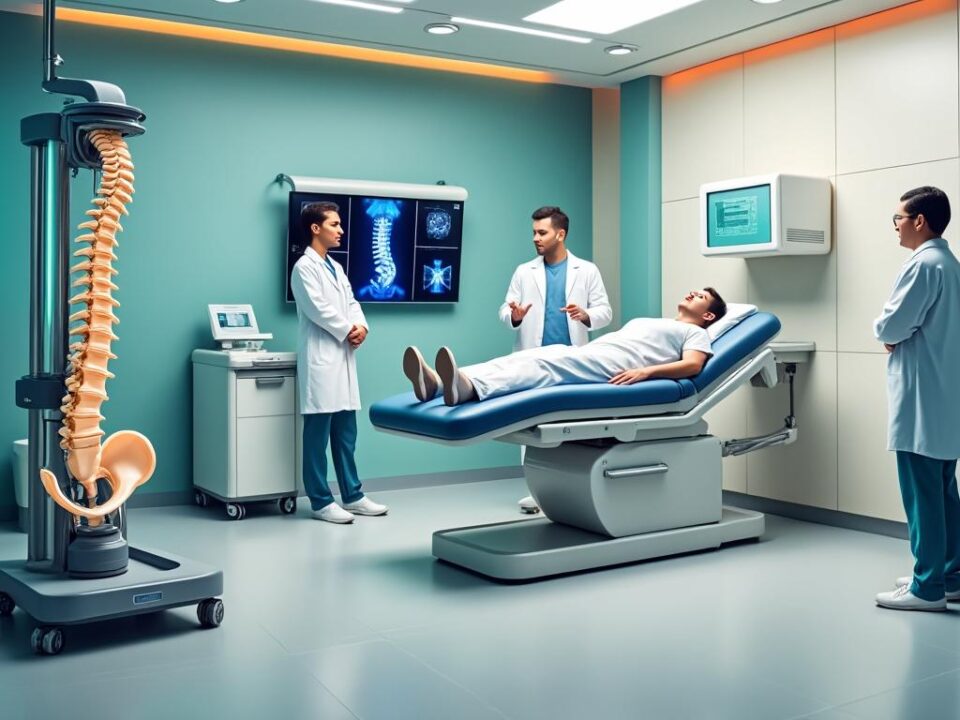
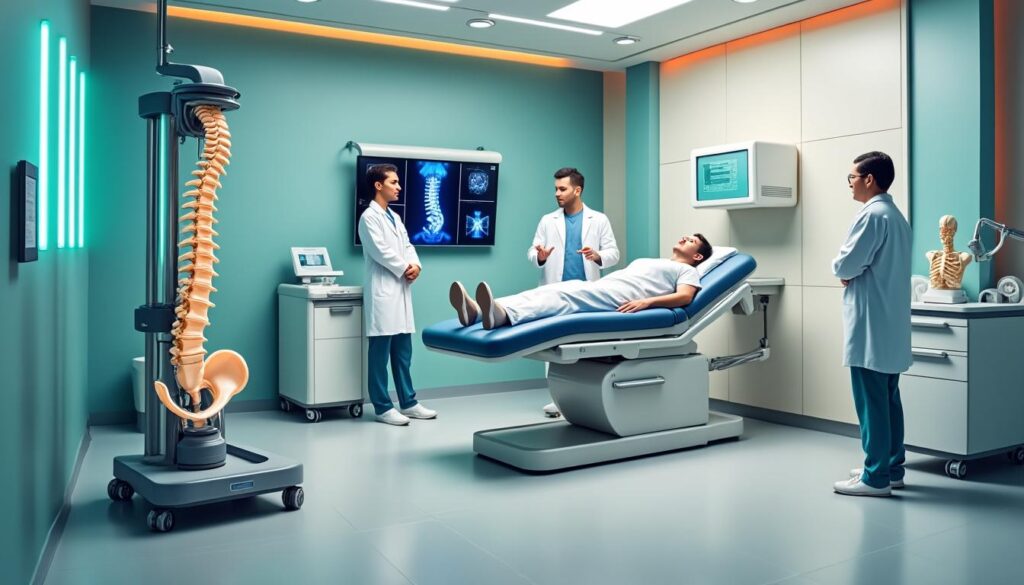
Neurovertebral decompression therapy, offered at leading local clinics including Evolve Spine Center, marks a pivotal innovation in treating herniated discs without surgery. Using state-of-the-art computerized traction systems, the therapy aims to gently separate vertebral segments, reducing disc pressure and enhancing nutrient flow for natural tissue repair.
Advantages of neurovertebral decompression include:
- Non-invasiveness and absence of sedation or incisions.
- Precise force application tailored to individual anatomy and pathology.
- Progressive reduction of nerve root compression leading to symptom relief.
- Improvement in spinal mobility and function over a series of sessions.
- Lower risk profile compared to surgical interventions.
Complementary therapies alongside decompression — such as laser treatments and osteopathic care administered by experts like Dr. Sylvain Desforges — further optimize outcomes, pairing innovation with compassionate, patient-centered support in conformity with Quebec’s stringent medical regulations.
| Therapy Type | Characteristics | Limitations |
|---|---|---|
| Neurovertebral Decompression | Computer-controlled traction tailored to patient | Requires consistent treatment sessions |
| Laser Therapy | Accelerates tissue healing and reduces inflammation | Best as adjunctive treatment |
| Osteopathic Techniques | Enhances structural balance and mobility | Dependent on therapist expertise |
For detailed patient journeys highlighting successful recovery, readers may explore accounts at Recovery Path patient experiences which emphasize the renewed hope delivered by such therapies.
In the bustling community of Saint-Hubert, where everyday life blends a range of physical and sedentary activities, the impact of discal hernia on spinal health is profoundly felt. This condition, frequently manifesting at the L5-S1 spinal segment, can dramatically disrupt…
Technological Advances Elevating Disc Herniation Treatments in Montreal’s Saint-Léonard Clinics
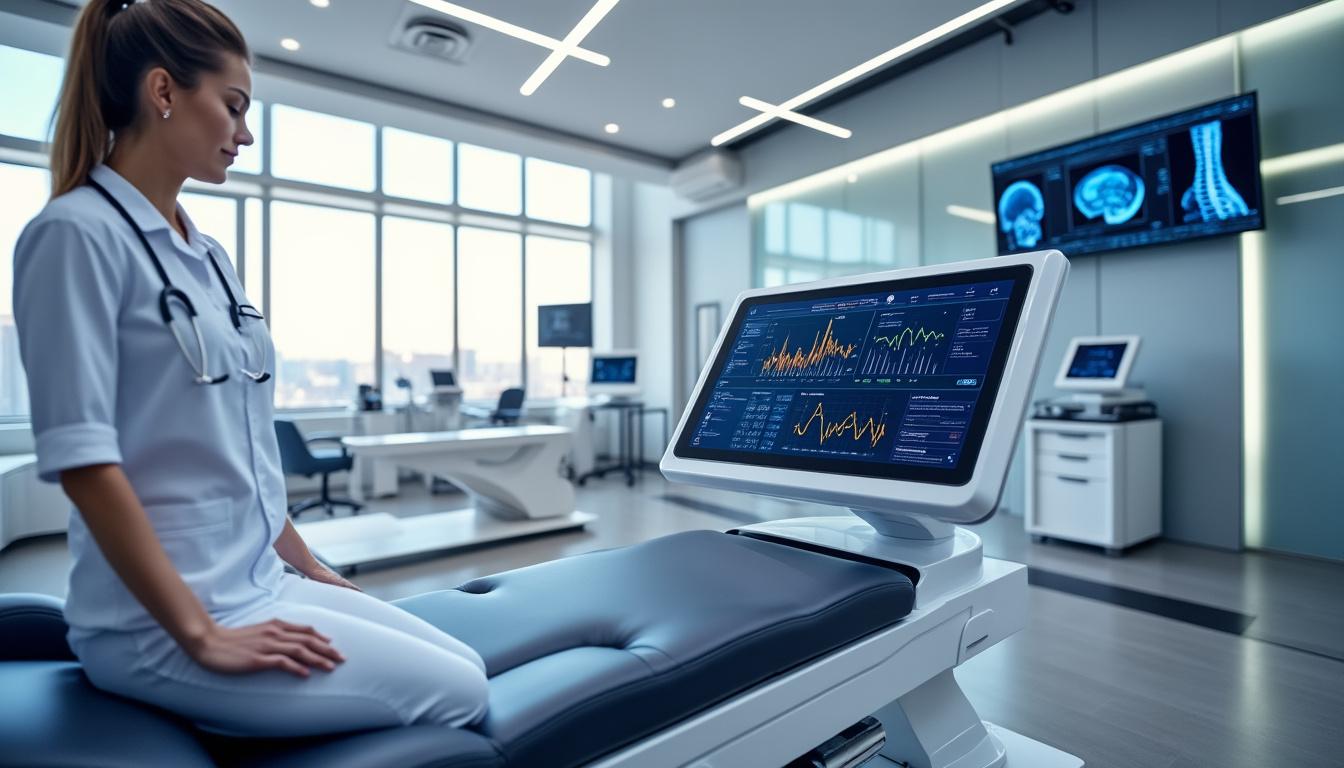
Saint-Léonard is well-positioned in 2025 as a hub of technological innovation in spinal care, with clinics equipped with the latest advancement in decompression therapy and supportive digital platforms from institutions like Vertebrae Wellness and NerveRelief Institute.
Modern devices and features include:
- Computerized traction with real-time adjustment to patient biomechanics.
- Pressure sensors allowing precise measurement and control of decompression forces.
- Integration of digital patient records to monitor progress and adapt treatment protocols smoothly.
- Multi-level targeting enabled in a single session to address complex disc pathologies.
- Ergonomic designs minimizing discomfort during procedures.
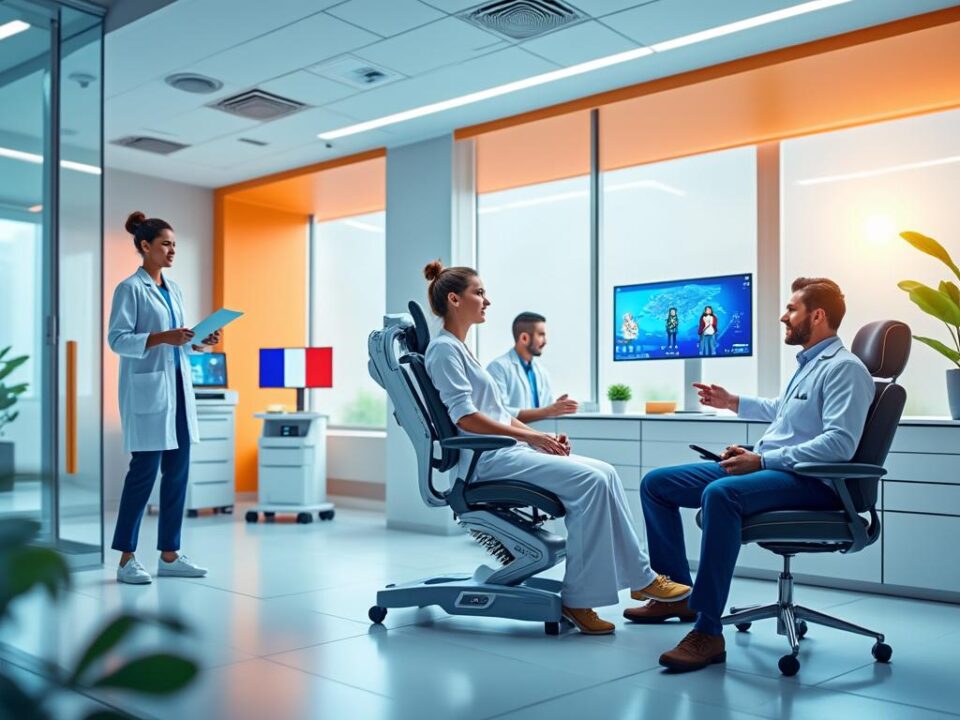
The clinical advantage is substantive—shorter recovery times, improved pain control, and greater patient satisfaction. This is further bolstered by international coordination between Canadian and French specialists to ensure the highest standards of care and innovation are accessible. Dr. Sylvain Desforges plays a key role in orchestrating these transatlantic collaborations, enhancing patient outcomes with tailored, state-of-the-art interventions.
| Technology | Features | Patient Benefit |
|---|---|---|
| Computerized Traction Systems | Adaptive force control for individualized treatment | Enhanced efficacy and patient comfort |
| Pressure Sensors | Continuous force monitoring | Safety and precise disc decompression |
| Digital Monitoring Platforms | Integrated patient data with dynamic adjustments | Optimized treatment pathways |
The rising prevalence of Lumbar Disc Herniation in Saint-Léonard reflects the increasing demands of modern urban lifestyles. Persistent back pain has become a frequent yet often underestimated complaint, spurring many residents to seek effective and lasting solutions. Recognizing the complexity…
Supporting Herniated Disc Healing with Proper Nutrition in Saint-Léonard’s Therapeutic Plans
Nutrition emerges as a vital yet often overlooked component supporting spinal tissue repair. Health professionals collaborating within CoreSpine Care advocate diets tailored to reduce inflammation and provide essential nutrients that aid disc recovery.
Key nutritional elements include:
- Omega-3 fatty acids: Found in fatty fish and seeds, known to limit inflammatory cascades.
- Antioxidants: Rich in berries and leafy greens; help combat oxidative stress in tissues.
- Vitamin C and collagen precursors: Sourced from citrus fruits and bone broth to strengthen connective tissues.
- Minerals such as calcium, magnesium, and zinc: Crucial for bone health and metabolic processes.
- Adequate hydration: Maintaining disc matrix composition and facilitating nutrient delivery.
Dietary modifications, combined with consultations at RecoveryPath Clinics’ nutritional counseling programs, enhance inflammation control and accelerate repair processes in herniated disc patients.
| Category | Sources | Benefits |
|---|---|---|
| Omega-3 | Salmon, flax seeds, chia seeds | Reduces disc inflammation |
| Antioxidants | Strawberries, spinach, broccoli | Protects cellular structures |
| Vitamin C & Collagen | Citrus fruits, bone broth | Strengthens ligaments and tendons |
| Minerals | Dairy, nuts, leafy greens | Supports bone density |
In the bustling Southwest district of Montreal, lumbar disc herniation presents a significant public health challenge, affecting a diverse population ranging from young adults to seniors. This condition, often linked to debilitating back pain and nerve-related symptoms such as sciatica,…
Comprehensive, Multidisciplinary Approaches Enhance Neurovertebral Decompression Outcomes
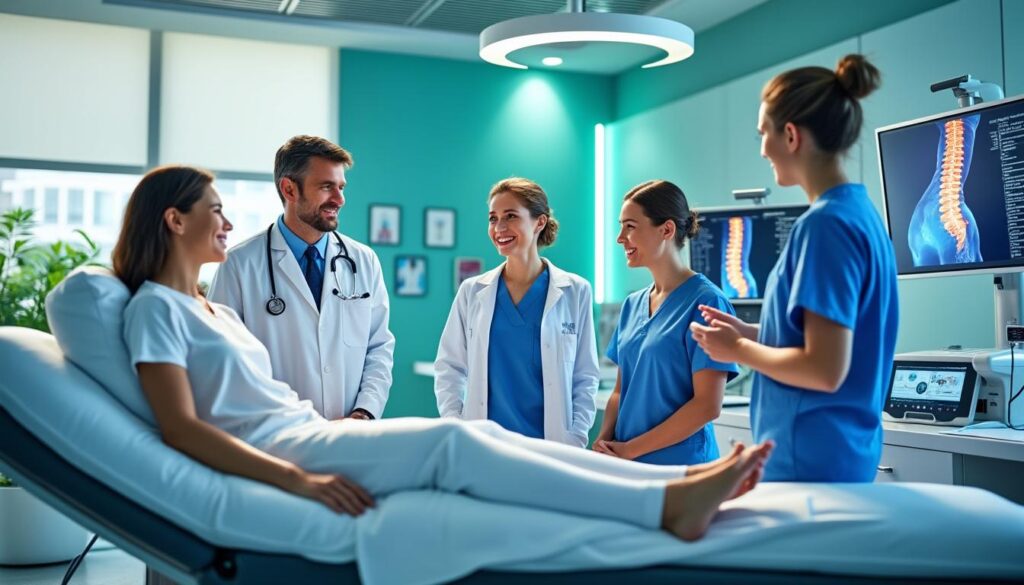
The complexity of disc herniations demands an integrative approach. Saint-Léonard’s healthcare community exemplifies this through collaboration among osteopaths, physical therapists, nutritionists, and neurosurgeons, ensuring therapies such as decompression are embedded within broader rehabilitation frameworks.
Core components of multidisciplinary care include:
- Scheduled decompression sessions with individualized force calibration.
- Concurrent physical therapy to rebuild muscle strength and correct biomechanical deficits.
- Tailored nutritional guidance sustaining tissue regeneration.
- Patient education emphasizing ergonomic practices and pain management techniques.
Such synergy is evident in clinics like Vertebrae Wellness and RecoveryPath Clinics where positive clinical evidence points to decreased pain, enhanced mobility, and improved quality of life.
| Component | Purpose | Benefit in Recovery |
|---|---|---|
| Neurovertebral Decompression | Alleviate disc pressure | Reduced pain and nerve inflammation |
| Physical Therapy | Muscle strengthening | Spinal stability, relapse prevention |
| Nutrition | Tissue repair support | Accelerated healing |
| Therapeutic Education | Ergonomics and self-care | Empowerment and sustained benefit |
The dynamic neighborhood of Mercier–Hochelaga-Maisonneuve has seen a significant rise in cases of herniated disc-related back pain, with many residents facing chronic discomfort that interferes with work and daily activities. This ailment, which involves displacement or protrusion of spinal discs,…
Tailoring Herniated Disc Care to Individual Profiles in Saint-Léonard
Diverse patient populations such as adolescents, athletes, and older adults require differently nuanced management plans for disc herniations.
Personalized treatment insights involve:
- Adolescents: Focused on monitoring spinal growth with gentle decompression protocols to prevent developmental disruption.
- Athletes: Combined intensive rehabilitation with decompression therapy to expedite return-to-play schedules.
- Seniors: Emphasis on pain control and functional improvement through softer, longer-duration interventions.
- Variations by hernia type: Protrusions, extrusions, and sequestrations managed with customized treatment intensities and durations.
Recognized centers such as NeuroRecovery Solutions and RecoveryPath Clinics highlight their commitment to personalized care by adapting protocols to each patient’s needs, ensuring maximum therapeutic benefit and satisfaction.
| Patient Profile | Primary Goal | Treatment Strategy |
|---|---|---|
| Adolescents | Spinal development & symptom control | Monitoring with customized decompression and exercises |
| Athletes | Rapid recovery & performance restoration | Intensive rehab and targeted decompression |
| Seniors | Pain relief & mobility enhancement | Gentle decompression and supportive therapies |
What are the main symptoms of a herniated disc?
Common symptoms include localized back or neck pain, radiating nerve pain such as sciatica, muscle weakness, and numbness or tingling in limbs.
Is neurovertebral decompression suitable for all herniated disc types?
Yes, it is effective for most types including protrusions and extrusions, though treatment plans are tailored individually.
Can neurovertebral decompression help avoid surgery?
In many cases, it provides significant relief and functional improvement, potentially delaying or eliminating the need for surgical intervention.
What key exercises aid recovery from disc herniation?
Controlled core strengthening, gentle spinal stretches, and postural exercises are vital and should be performed under professional supervision.
How does nutrition impact disc herniation recovery?
An anti-inflammatory and nutrient-rich diet supports tissue repair, reduces pain, and accelerates healing.
Herniated discs are a frequent source of back pain and discomfort for residents of Ahuntsic-Cartierville, yet misconceptions and myths about this condition often complicate treatment and recovery. Many individuals suffer needlessly, uncertain of their options and hesitant about emerging therapies.…