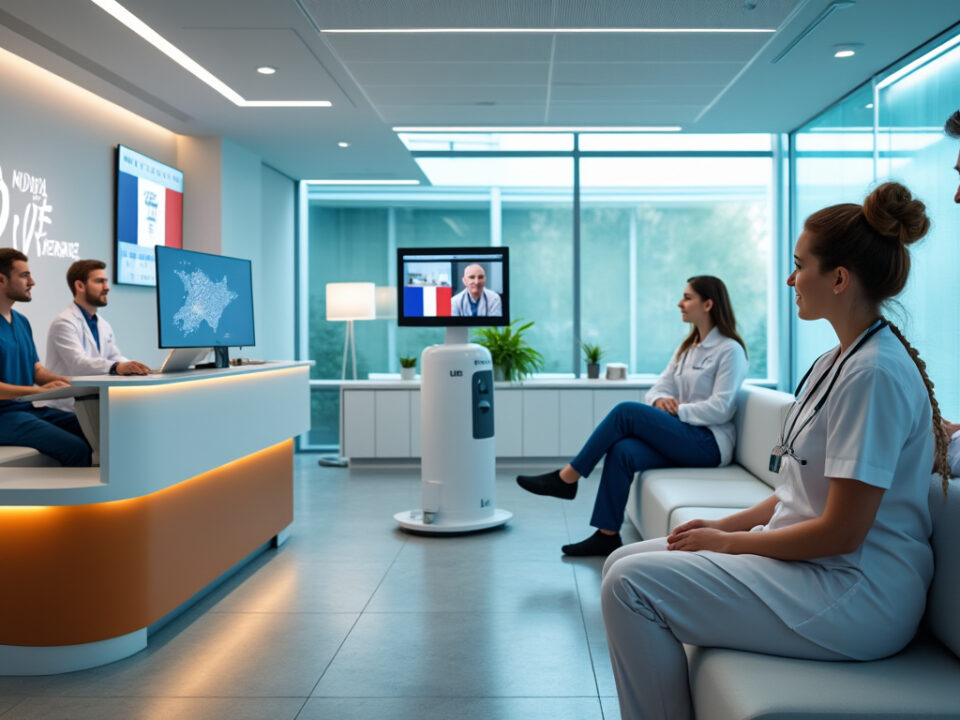
Minimally Invasive Surgery in Longueuil: Easing Post-Operative Pain for a Faster Recovery
June 8, 2026
Mascouche Lower Back Disc Recovery for Seniors
June 8, 2026
Neck surgery often presents a critical turning point for patients struggling with persistent cervical spine issues. In Montreal, the journey through such surgeries encompasses not only the procedure itself but also the complexities of recovery, challenges of post-surgical stiffness, and the importance of preserving neck mobility. With over 30 years of clinical experience, Dr. Sylvain Desforges provides expert evaluations and guidance to patients facing these decisions. His unique approach combines scientific rigor, ethical medical practice, and innovative treatment options, including advanced rehabilitation protocols and international care pathways that address the full spectrum of neck surgery recovery challenges.
The landscape of neck surgery has evolved significantly. Patients no longer face long wait times without support or information; instead, transatlantic collaborations with expert surgeons in France offer high-precision, minimally invasive procedures. These modern techniques significantly reduce complications, postoperative pain, and stiffness. Dr. Desforges’ role as an evaluator and coordinator ensures patients receive personalized care plans focused on mobility preservation, effective pain management, and comprehensive rehabilitation tailored to their unique spinal pathology.
In this comprehensive overview, we explore the surgical options available for cervical spine disorders in Montreal and France, illustrate the typical patient journey, and highlight how innovation and international cooperation create effective alternatives to traditional care. We also delve into the crucial role of conservative treatments before surgery and emphasize the importance of tailored rehabilitation to unlock the full potential of neck surgery recovery, ultimately aiming to avoid post-surgical stiffness and achieve optimal neck function.
Understanding Neck Surgery Options in Montreal and France: Simple, Fusion, and Motion-Preserving Procedures
Neck surgery encompasses a wide array of techniques, each tailored to address specific cervical spine pathologies, such as herniated discs, spinal stenosis, or spondylolisthesis. Patients in Montreal confronting these conditions often face system delays or limited access to cutting-edge technologies. Fortunately, collaborative care pathways with French surgical specialists broaden available options, ensuring access to advanced methods that focus on relieving nerve compression while preserving natural cervical mobility.
Among the surgical categories, three primary approaches stand out:
- Simple decompression surgery: This conservative method aims to alleviate nerve pressure caused by disc herniation or foraminal stenosis without fusing vertebral segments. By preserving segmental motion, it reduces the risk of adjacent segment degeneration. Endoscopic techniques utilizing 6-8 mm dual-channel instruments with 4K imagery allow for minimal invasiveness, reducing blood loss and hospital stay.
- Fusion surgery: When spinal instability or multi-level degeneration is significant, fusion permanently joins affected vertebrae using proven techniques such as anterior lumbar interbody fusion (ALIF), posterior lumbar interbody fusion (PLIF), transforaminal lumbar interbody fusion (TLIF), or lateral minimally invasive approaches like XLIF. Despite reducing motion at fused segments, fusion corrects alignment and offers relief in severe cases.
- Motion-preserving surgery: Innovation has brought dynamic stabilization systems such as the TOPS implant, IntraSPINE, and viscoelastic prostheses (CP-ESP, LP-ESP), which stabilize the spine post decompression while allowing natural movements. These implants are FDA and CE approved and have been used in thousands of cases worldwide, offering pain relief without the stiffness commonly linked to fusion.
For patients with chronic neck pain and neurological symptoms, selecting the appropriate surgical plan is critical. Dr. Desforges’ expert evaluations in Montreal focus on detailed spinal imaging and clinical assessment, integrating the latest evidence-based protocols to recommend treatments that optimize neck mobility and minimize surgical complications. This multidisciplinary approach ensures patients understand the potential benefits and limitations of each surgery type, facilitating informed decisions about their care.
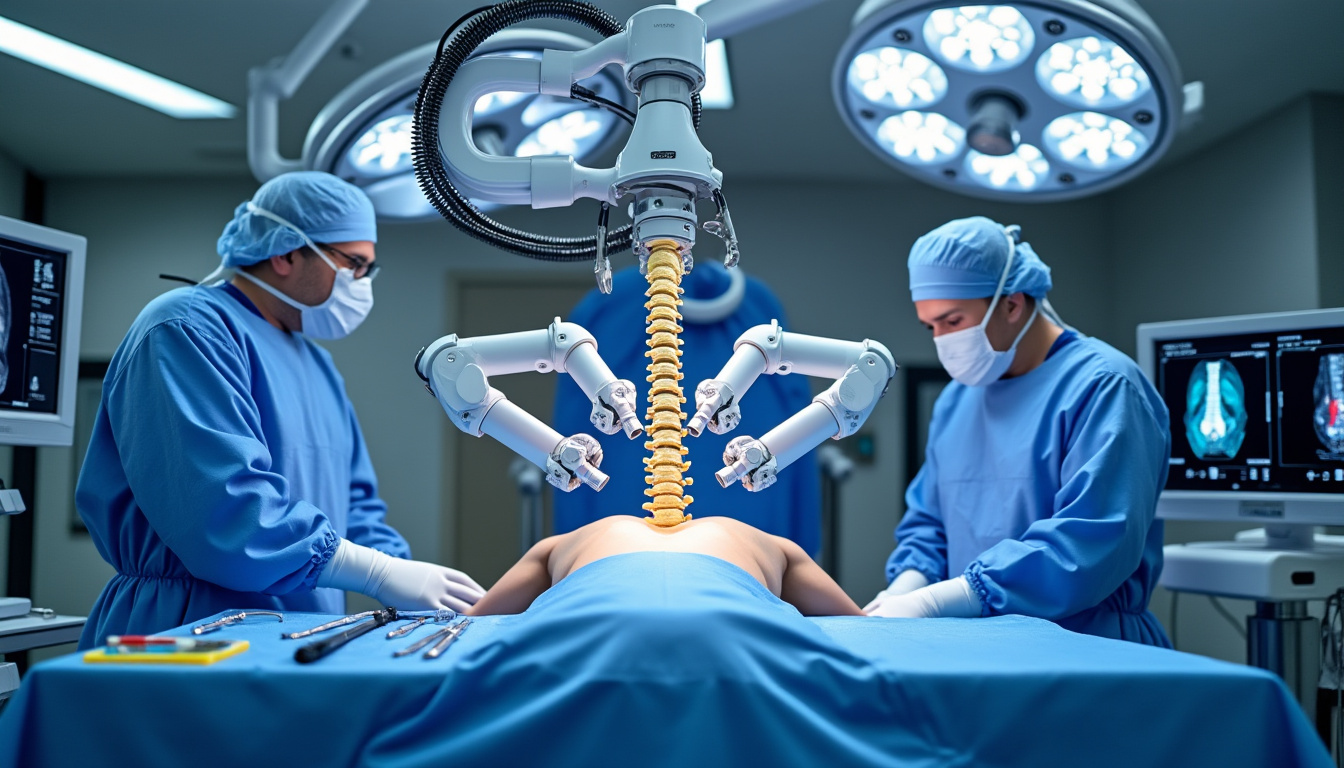
Exploring the advantages of minimally invasive endoscopic surgery versus traditional open surgery reveals reduced tissue disruption and faster recovery, a vital consideration in reducing post-surgical stiffness. Patients also gain access to state-of-the-art implants unavailable in Canada through transatlantic care coordination, which Dr. Desforges manages to streamline patient experience seamlessly.

IntraSPINE® in Sherbrooke: Durable Solution for Chronic Low Back Pain
The management of chronic low back pain, a widespread condition affecting millions across Quebec and beyond, has reached a pivotal moment thanks to innovative medical technologies and coordinated care pathways. At the heart of this evolution lies the IntraSPINE implant,…
Step-by-step Patient Pathway: From Evaluation in Montreal to Recovery Coordination
For those considering neck surgery, understanding the stepwise patient journey helps alleviate anxiety and promotes engagement in their care. Dr. Desforges emphasizes a comprehensive pathway combining rigorous evaluation, surgical planning, international collaboration, and robust rehabilitation.
1. Expert Evaluation and Diagnosis in Montreal
The first step begins locally, where Dr. Desforges applies over three decades of osteopathic expertise to assess spinal pathology through clinical examination, imaging review, and detailed consultation. His evaluation is grounded in scientific rigor and aligned with Canadian and Quebec regulatory standards, ensuring a thorough understanding of each case.
2. Pre-Surgical Conservative Management
Before surgery is considered, patients are strongly advised to complete a course of 3 to 6 months of advanced conservative therapy. Importantly, if they have not experienced decompression neurovertébrale treatment—such as that available at the Clinique TAGMED—it is essential to incorporate this modality first. This step, guided by Dr. Desforges’ ethical commitment to evidence-based care, aims to maximize non-surgical options for symptom relief and cervical function restoration.
3. Coordination of International Surgical Planning
When surgery is indicated, the next phase involves coordinating the patient’s medical trip to France. This includes personalized scheduling with leading surgeons skilled in dynamic implants and minimally invasive techniques, logistics for flights, accommodation, hospital admission, and translation services. Throughout, Dr. Desforges and his team ensure continuity of care and patient-centered support.
4. Advanced Surgery in French Centers
Patients receive treatment in hospitals equipped with advanced 3D navigation, robotic assistance, and endoscopic equipment, facilitating millimetric precision. These innovations translate into less operative trauma and lower risk of surgical complications, which are critical factors in reducing post-surgical stiffness and promoting faster recovery.
5. Post-Operative Rehabilitation and Follow-Up in Montreal
After returning home, patients enter a rehabilitation program coordinated by local specialists knowledgeable in surgical care nuances and neck surgery recovery protocols. This rehabilitation incorporates tailored physical therapy focused on pain management and the preservation of neck mobility, fostering a gradual return to daily activities. Dr. Desforges oversees this phase to ensure adherence to best practices and timely adjustments according to individual progress.
| Step | Description | Key Considerations |
|---|---|---|
| Evaluation | Detailed assessment in Montreal by Dr. Desforges | Evidence-based, personalized, regulatory compliant |
| Conservative Therapy | 3-6 months, including decompression neurovertébrale at Clinique TAGMED | Maximize non-surgical benefits, maintain mobility |
| Surgical Planning | Coordination with French hospitals and surgeons | Patient-centric logistics and communication |
| Surgery | Minimally invasive/motion-preserving or fusion | Advanced technology, reduced complications |
| Rehabilitation | Local, tailored physical therapy | Pain management, neck mobility preservation |

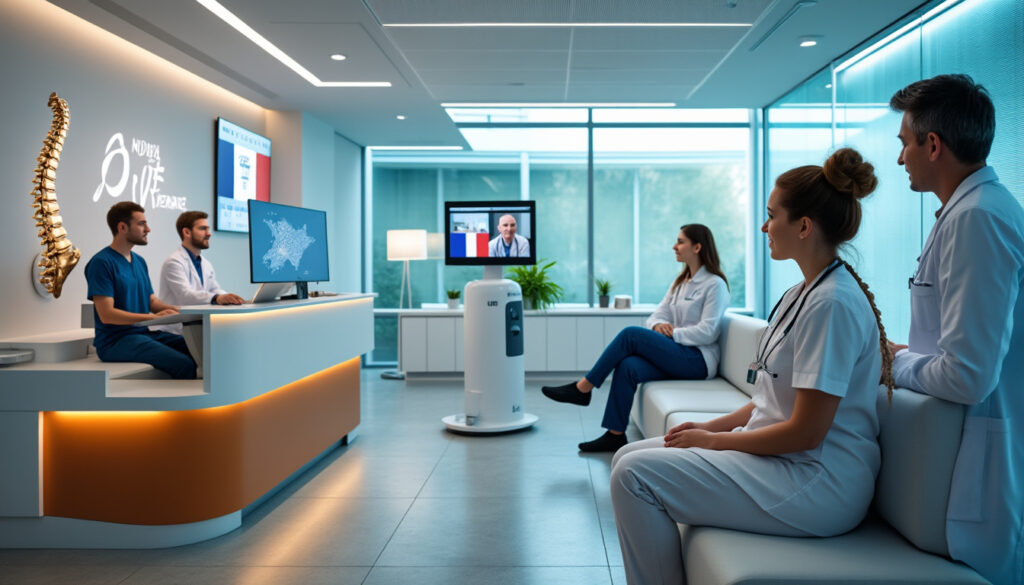
Spine Surgery in Trois-Rivières: Reduce Pain and Preserve Mobility
In recent years, spine surgery in Trois-Rivières has evolved notably, combining advanced medical expertise with innovative technologies to deliver patient-centered care. This growing field addresses the increasing demand among Quebec residents seeking effective solutions for chronic back pain and mobility…
Benefits of Transatlantic Care Coordination: Economic, Biomechanical, and Human Perspectives
Choosing an international care pathway for neck surgery may feel daunting, but it unveils numerous advantages unmatched by local alternatives alone. Dr. Desforges’ proven expertise in bridging healthcare systems brings both economic relief and advanced biomechanical outcomes with exceptional patient-centered support.
Economic benefits: Patients often face long wait times or prohibitive costs in Canadian private clinics, with prices soaring up to $60,000 USD or more. In contrast, operations in France managed through Neurotherapy Montreal start at around CAD $35,800, encompassing hospital and surgeon fees plus pre- and post-operative support. This comprehensive price is often less than half the cost of North American private options.
Biomechanical advantages: Access to innovative implants like TOPS, CP-ESP, or IntraSPINE supports the preservation of cervical motion segments. This dynamic stabilization prevents adjacent segment disease progression, a common downside of fusion surgery, directly influencing long-term neck function and reducing post-surgical stiffness.
Human and emotional support: The seamless coordination by Dr. Desforges and his Montreal-based team ensures patients are informed, heard, and supported through every step—from initial evaluation to final physical therapy sessions. This personalized approach minimizes anxiety, respects cultural nuances, and motivates patients toward recovery goals.


TOPS™ in Gatineau: High-Performance Option for the Lumbar Spine
The landscape of spinal surgery has witnessed profound evolution, particularly for patients grappling with lumbar spine disorders such as spinal stenosis and spondylolisthesis. These conditions, increasingly prevalent among Quebec’s population, impose substantial limitations on mobility and quality of life. The…
Why Surgery Must Follow Conservative Treatments: The Essential Role of Decompression Neurovertébrale
Neck surgery should be considered a last resort after a thorough trial of conservative treatments lasting between three to six months. Dr. Desforges firmly advocates this protocol as an ethically grounded, evidence-based standard, prioritizing patient safety and optimizing outcomes.
The revolutionary decompression neurovertébrale, available at the Clinique TAGMED, exemplifies conservative care that often reduces or resolves symptoms sufficiently to avoid or delay surgery. This non-invasive modality employs mechanical spinal decompression to relieve nerve root pressure, facilitate disc hydration, and enhance cervical mobility—all critical factors in lessening pain and neurological impairment.
Data and clinical experience consistently show that patients who complete this step have improved neck flexibility and a greater capacity for physical therapy, which translates into fewer surgical complications and better long-term results when surgery becomes necessary. Therefore, bypassing this essential phase could lead to suboptimal healing and increased risk of post-surgical stiffness.
This emphasis on staged care demonstrates Dr. Desforges’ commitment to patient-centric, scientifically sound pathways, respecting each individual’s journey and encouraging proactive involvement in their health decisions.

Cervical Disc Prosthesis in Quebec City: Avoid Post-Surgery Stiffness
Chronic neck pain remains a significant challenge for thousands of residents in Quebec City every year, often leading them to seek effective spinal surgery options that minimize downtime and maximize long-term mobility. Among the recent advancements revolutionizing cervical spine care,…
Advanced Rehabilitation: Strategies to Minimize Post-Surgical Stiffness and Enhance Neck Mobility
The period following neck surgery is critical in determining the final functional outcome. Post-surgical stiffness can significantly diminish quality of life, making targeted rehabilitation indispensable. Dr. Desforges collaborates with specialized physical therapists who focus on tailored interventions that emphasize pain management, restoration of cervical range of motion, and muscle strengthening.
Key rehabilitation strategies include:
- Early mobilization: Gentle, guided neck movements initiated soon after surgery to prevent adhesions and maintain flexibility.
- Pain control: Balancing analgesic therapies with physical therapy to optimize patient comfort without over-reliance on medications.
- Neuromuscular re-education: Exercises designed to restore proprioception and coordination in cervical musculature.
- Posture correction: Training in ergonomic positioning for both daily activities and sleeping to reduce undue cervical stress.
- Gradual activity progression: Structured plans to return patients safely to work, recreation, and social participation.
By integrating these elements into comprehensive neck surgery recovery programs in Montreal, patients benefit from sustained improvements and reduced complications. Dr. Desforges’ oversight ensures rehabilitation aligns with the latest clinical guidelines, fostering confidence and adherence.
Minimally Invasive Surgery in Longueuil: Reduce Hospital Stay Duration
In recent years, advances in spinal care have dramatically reshaped the treatment landscape for patients suffering from debilitating spinal conditions. Particularly in Longueuil, the emergence of minimally invasive surgery (MIS) techniques offers a transformative alternative to conventional open surgeries. These…
Common Surgical Complications and Their Impact on Neck Mobility and Post-Operative Care
Though neck surgery brings significant relief for many, understanding potential surgical complications is vital in setting realistic expectations and preparing for rigorous recovery. Dr. Desforges emphasizes open patient communication about this important aspect based on his extensive clinical observations.
Notable surgical complications include:
- Post-surgical stiffness: Scar tissue formation and prolonged immobility can restrict cervical motion, underlining the importance of early therapy.
- Nerve injury: Though rare with advanced techniques, it can cause transient or persistent neurological deficits, affecting rehabilitation.
- Infection: Prompt recognition and treatment prevent excess tissue damage and prolonged disability.
- Hardware failure: Loosening or displacement necessitates revision procedures, impacting neck function.
- Adjacent segment disease: Particularly relevant in fusion surgeries, this affects the vertebrae neighboring the fused level, sometimes requiring newly tailored treatments.
Dr. Desforges’ approach includes rigorous pre-surgical screening and coordination of follow-up care to mitigate these risks. Patients are engaged with educational resources, such as those available on neck surgery in Montreal and post-surgical stiffness, enabling them to identify complications early.
IntraSPINE® in Laval: Modern Solution for Lumbar Stabilization
In the evolving landscape of orthopedic treatments, the city of Laval has become a hub for innovations addressing chronic lower back pain. Among the groundbreaking solutions gaining attention is the IntraSPINE device—a modern spinal implant designed to offer dynamic lumbar…
Physical Therapy and Pain Management as Pillars of Neck Surgery Recovery
Beyond surgery, physical therapy and pain management form the cornerstone of successful outcomes. Rehabilitation programs designed with the expertise of Dr. Desforges provide patients not only with recovery but empowerment and hope.
Effective pain management strategies include multimodal approaches that reduce reliance on opioids by combining non-steroidal anti-inflammatory drugs, muscle relaxants, and alternative therapies such as laser treatments. This optimizes neuronal recovery and minimizes discomfort.
Physical therapy regimens incorporate:
- Range of motion exercises tailored to individual healing phases
- Strengthening routines emphasizing cervical and scapular stabilizers
- Postural re-education to counteract compensatory patterns developed pre-operatively
- Education on activity modification to prevent re-injury
This holistic approach ensures not only better clinical outcomes but also improved quality of life, allowing patients to gradually resume their professional and personal activities without excessive fear of pain or stiffness.
Neck Surgery in Montreal: Maintain Cervical Flexibility and Function
Neck conditions causing persistent pain or functional loss place a substantial burden on individuals and healthcare systems, especially in urban centers like Montreal. Surgical interventions targeting the cervical spine have evolved tremendously, aiming not only to relieve symptoms but to…
Technology and Innovation in Neck Surgery: High-Tech Solutions to Prevent Post-Surgical Stiffness
The rapid evolution of neck surgery reflects ongoing advancements in both surgical methods and biomaterials. Dr. Desforges, a pioneer in spinal care, consistently integrates novel technologies to advance patient outcomes, reduce complications, and preserve cervical motion.
Innovations include:
- 3D Navigation and Robotic Assistance: These tools enable real-time imaging assistance, enhancing surgical precision and minimizing tissue damage.
- Dynamic, Motion-Preserving Implants: Implants like TOPS and CP-ESP reduce stress on adjacent spinal levels, preventing stiffness and improving biomechanical function.
- Minimally Invasive Endoscopic Techniques: Small incisions and enhanced visualization lower infection risks and promote swift recovery.
- Laser Therapy and Advanced Pain Modulation: Adjunct treatments reducing inflammation and accelerating healing.
By coupling these technologies with expert coordination, patients in Montreal are no longer confined to prolonged disability post neck surgery but can experience enhanced neck mobility and a freer return to daily life activities.
Innovation rests not only in technology but also in the holistic, multidisciplinary care pathways championed by Dr. Desforges, combining international surgical expertise with local rehabilitation excellence.

Disc Prosthesis in Lévis: Quick and Long-Lasting Results
Chronic back pain caused by degenerative disc disease continues to profoundly impact the quality of life for many residents in Lévis and the broader Quebec area. For decades, traditional spinal fusion surgery has been the primary solution for alleviating severe…
Frequently Asked Questions about Neck Surgery in Montreal and Post-Surgical Stiffness
How soon after neck surgery can I start physical therapy?
Physical therapy usually begins within days to a week after surgery, focusing on gentle movements to reduce stiffness and promote healing while monitoring pain levels.
Can neck surgery completely eliminate stiffness?
While surgery can significantly reduce nerve pressure and pain, complete elimination of stiffness depends on factors like surgical technique, rehabilitation adherence, and individual healing capacity.
Are motion-preserving implants safe for long-term use?
Yes, devices like TOPS and CP-ESP have FDA and CE approvals and have been successfully used for years, preserving cervical mobility and reducing adjacent segment stress.
Is international surgery coordination safe and reliable?
With experienced coordination teams such as those led by Dr. Desforges, patients receive seamless care from evaluation through recovery, minimizing risks associated with logistics or communication gaps.
What conservative treatments should be completed before considering surgery?
A minimum of 3 to 6 months of treatments, including decompression neurovertébrale as provided by Clinique TAGMED, is recommended to optimize outcomes and potentially avoid surgery.
For more information or to discuss your case, please visit SOS Tourism Medical contact page.