Comprehensive Guide to Patient Recovery Stories: Insights and Inspirations
May 16, 2026
Montreal Sciatica Relief Without Steroids or Injections
May 16, 2026
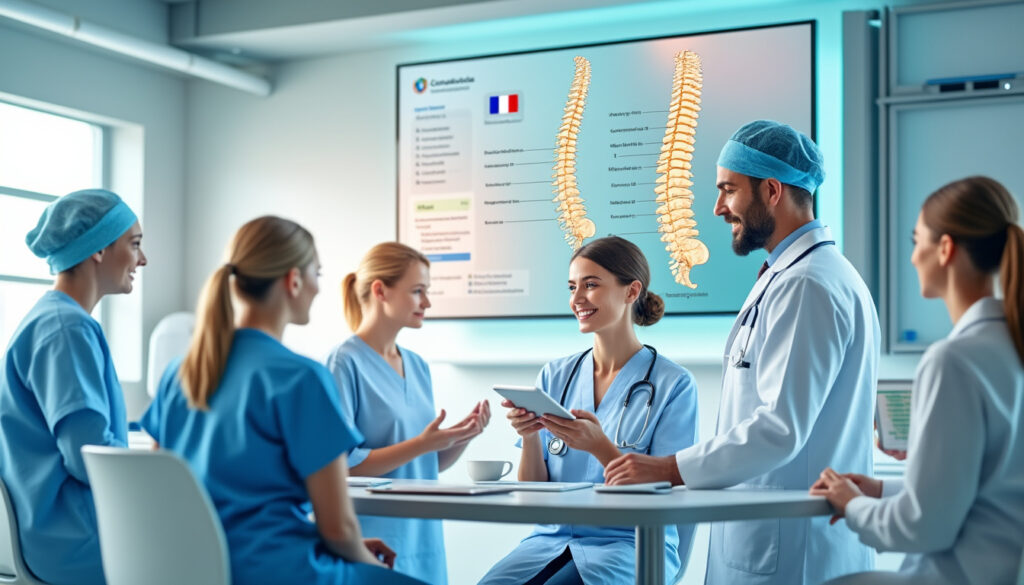
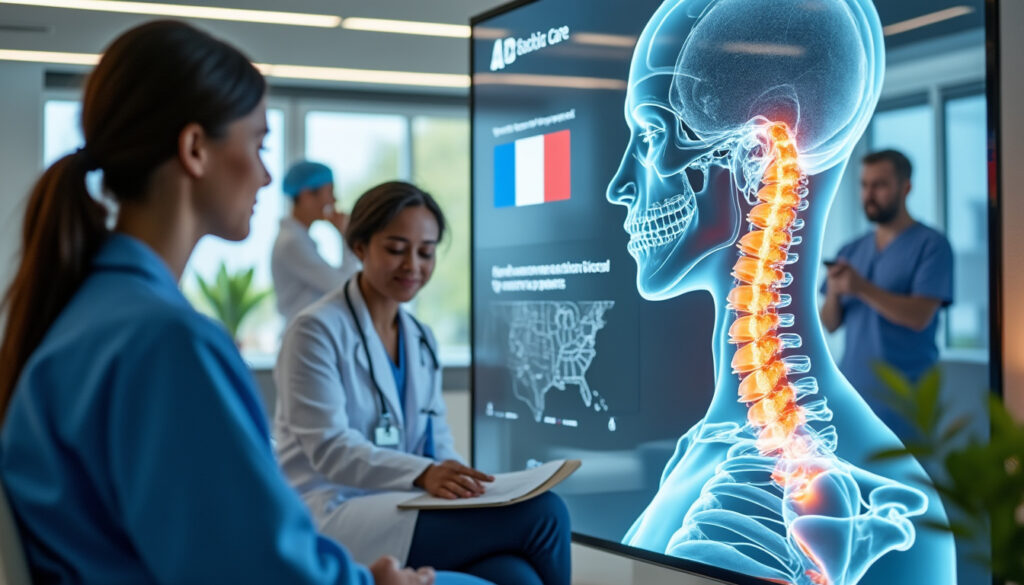
Neck pain is a common challenge for many individuals in Montreal, often stemming from a variety of spinal conditions such as herniated discs, stenosis, or degenerative changes. When conservative treatments have been exhausted, neck surgery can offer a pathway to significant relief and restored function. However, the journey through neck surgery, especially in Montreal, involves more than just the operation itself—it encompasses preoperative evaluations, innovative surgical techniques, and meticulous post-surgery recovery aimed at reducing stiffness and discomfort. This complex journey is increasingly enriched by transatlantic collaborations, combining expertise from Canada and France to offer patients advanced care options that prioritize preserving neck mobility and minimizing post-operative challenges.
In 2026, the landscape of neck surgery has evolved substantially, incorporating cutting-edge technologies such as dynamic implants, minimally invasive endoscopic procedures, and sophisticated motion-preserving systems. In Montreal, patients now have access to treatments that not only target the root causes of their neck pain but also strive to maintain the natural flexibility and biomechanical integrity of the cervical spine. This approach directly addresses common post-surgical issues such as stiffness, reduced range of motion, and discomfort, which can significantly affect a patient’s quality of life.
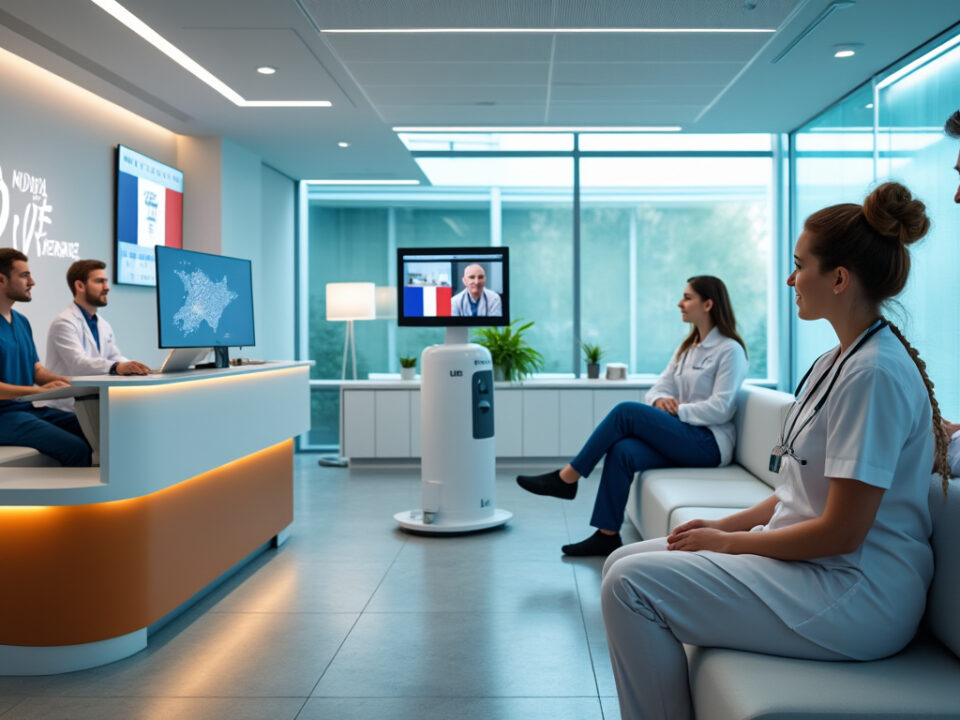
Moreover, the increasing cost and wait times for spine surgeries in Quebec’s public system have prompted many patients to explore international pathways. By leveraging the expertise of renowned surgeons in France, facilitated by organizations and clinics such as Neurotherapy Montreal and TAGMED, patients access world-class surgical care with the added benefits of modern technologies and comprehensive support before and after surgery. This transatlantic collaboration ensures a personalized and seamless experience while adhering to rigorous safety and ethical standards. Patients receive continuous guidance, helping them understand each phase of their treatment and feel confident in their recovery journey.
Understanding Types of Neck Surgery Available in Montreal and France
Neck surgery is not a one-size-fits-all solution; rather, it includes several distinct procedures tailored to address specific spinal pathologies. In Montreal and through affiliated surgical centers in France, three primary categories of neck surgery are prominent: simple decompression surgeries, fusion surgeries, and motion-preserving surgeries. Each type comes with unique techniques and objectives that influence post-surgery recovery outcomes.
Simple Decompression Surgery: Targeting Nerve Relief Without Stiffening
Simple decompression surgery is often the initial surgical option when nerve root compression causes significant pain or neurological symptoms but the spinal segment remains stable. Procedures like foraminotomy or discectomy alleviate pressure on nerves by removing herniated disc material or enlarging nerve passageways, without the need for spinal fusion or implants.
The advantage of simple decompression lies in maintaining the natural mobility of the cervical spine, which is crucial for reducing postoperative stiffness—one of the main concerns after neck surgery. In Montreal and surgical centers in France, advanced minimally invasive techniques are employed, such as endoscopic decompression using tiny incisions guided by high-definition 4K imaging. This approach minimizes tissue damage, blood loss, and hospital stays, facilitating faster and more comfortable recovery.
Spinal Fusion Surgery: Stabilizing Severe Instabilities
When the cervical vertebrae suffer from instability due to conditions like advanced spondylolisthesis or multi-level disc degeneration, spinal fusion becomes the preferred approach. The goal is to permanently join affected vertebrae using metal implants and bone grafts, effectively eliminating pathological mobility that causes pain or neurological issues.
Spinal fusion surgeries in France, such as ALIF (Anterior Lumbar Interbody Fusion) adapted to cervical levels or PLIF/TLIF techniques, offer robust solutions for complex cases. While fusion effectively stabilizes the spine, it inherently reduces segmental mobility around the fused area, possibly increasing stress on adjacent segments. This reality underscores the importance of thorough patient evaluations to balance surgical benefits and the potential for adjacent segment disease over time.
Motion-Preserving Surgery: Preserving Flexibility with Innovative Implants
Dynamic motion-preserving implants represent a significant advancement in cervical spine surgery. Instead of locking vertebrae rigidly together, these devices stabilize the affected segment while maintaining its natural range of motion. Options such as the TOPS System, CP-ESP, and IntraSPINE implant offer patients long-term pain relief without the stiffness associated with fusion.
In Montreal, patients interested in motion-preserving options benefit from surgical expertise connected to French innovation hubs where these implants are meticulously selected and implanted with minimally invasive techniques. The preservation of motion reduces dissatisfaction related to postoperative neck stiffness and maintains functional capacity for daily activities like driving and exercising.
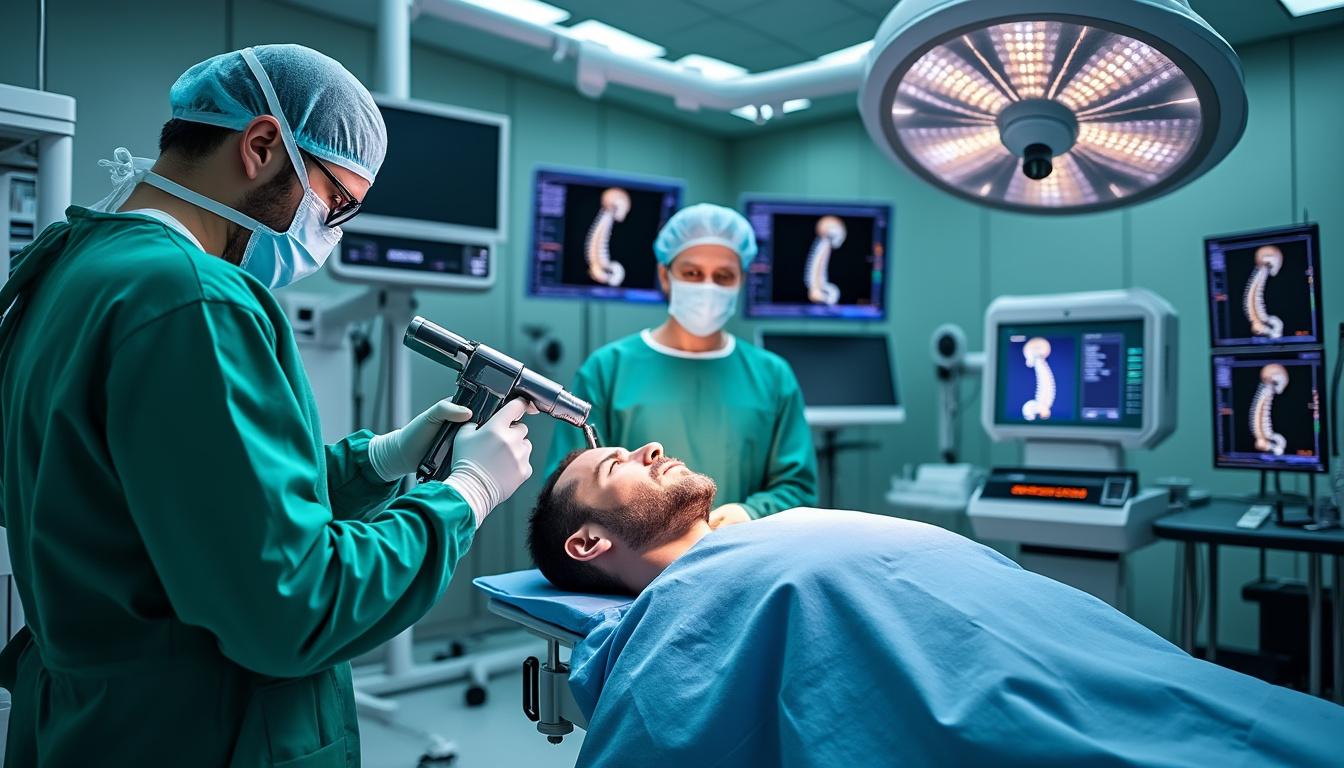

IntraSPINE® in Sherbrooke: Durable Solution for Chronic Low Back Pain
The management of chronic low back pain, a widespread condition affecting millions across Quebec and beyond, has reached a pivotal moment thanks to innovative medical technologies and coordinated care pathways. At the heart of this evolution lies the IntraSPINE implant,…
Comprehensive Patient Journey from Montreal to France and Back
Embarking on a neck surgery journey involves multiple stages that demand careful coordination for optimal outcomes. Dr. Sylvain Desforges, with over 30 years of experience and a distinguished role in both Canadian and French osteopathic associations, emphasizes thorough patient evaluation as the cornerstone of customized care. This process is especially critical for patients considering international surgical options due to delays or costs in the Quebec healthcare system.
Phase 1: Detailed Evaluation and Patient Education in Montreal
The initial phase begins locally with comprehensive assessment by expert teams adept at diagnosing the precise spinal pathology and evaluating surgical eligibility. This includes advanced imaging, clinical examination, and patient interviews. Dr. Desforges leverages his extensive expertise to ensure patients understand the indications, expected benefits, and potential risks of neck surgery without jargon, promoting informed decision-making.
Patients are also introduced to conservative treatments, highlighting the indispensable role of a minimum of 3 to 6 months of non-surgical therapies before considering surgery. This period often involves physical therapy, pain management strategies, and importantly, cutting-edge neurovertebral decompression available at the Clinique TAGMED. Such treatments may alleviate symptoms sufficiently to avoid or delay surgical intervention, underscoring a patient-centered, evidence-based approach.
Phase 2: Surgical Planning and Organization Between Continents
Once surgery is deemed necessary, meticulous planning occurs through coordination between Montreal-based teams and partner hospitals in France. This includes scheduling surgery to reduce wait times, arranging travel logistics, and accommodating patient preferences. The transatlantic coordination ensures that patients receive personalized care that maximizes safety and comfort while navigating international pathways efficiently.
Dr. Desforges’ leadership in organizations like the Collège des Ostéopathes Canadiens and TAGMED guarantees compliance with Canadian and Quebec regulations, ensuring ethical standards are upheld throughout.
Phase 3: Surgery Execution in State-of-the-Art French Facilities
French surgical centers offer advanced technologies such as 3D navigation, robotic assistance, and minimally invasive techniques, which support precision and reduce surgical trauma. These centers are staffed by internationally renowned surgeons specialized in procedures suited to individual patient needs, including fusion, endoscopic decompression, or motion-preserving surgery with high-tech implants not yet approved in Canada.
Phase 4: Postoperative Recovery and Rehabilitation in Montreal
After surgery, patients return to Montreal where integrated follow-up care includes physical therapy, pain management, and rehabilitation protocols aimed at minimizing stiffness and discomfort. Specialized surgical rehabilitation programs focus on restoring neck mobility through targeted exercises and education on posture and body mechanics. Local expert teams remain in communication with French surgical units, ensuring coherent care and rapid response to any complications.

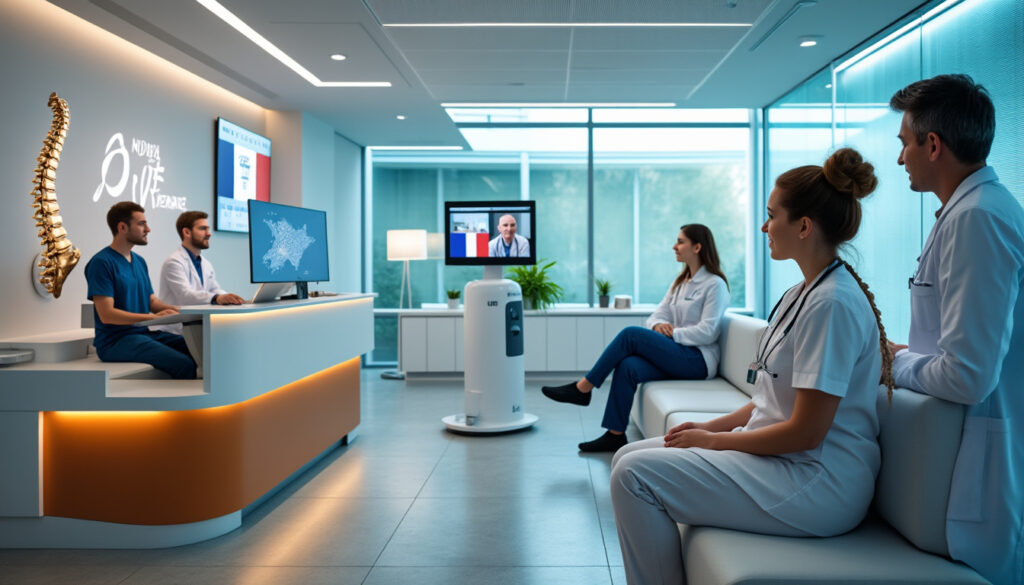
Spine Surgery in Trois-Rivières: Reduce Pain and Preserve Mobility
In recent years, spine surgery in Trois-Rivières has evolved notably, combining advanced medical expertise with innovative technologies to deliver patient-centered care. This growing field addresses the increasing demand among Quebec residents seeking effective solutions for chronic back pain and mobility…
Benefits of Choosing the Transatlantic Neck Surgery Pathway
The decision to pursue neck surgery abroad, especially via coordinated programs between Montreal and France, offers multiple advantages. These benefits resolve common challenges faced by patients reliant on the Quebec public health system or high-cost private services.
- Reduced Wait Times: The transatlantic pathway dramatically shortens waiting periods from years to mere months, preventing condition deterioration.
- Access to Advanced Techniques: Patients gain access to innovative minimally invasive surgeries and motion-preserving implants unavailable or limited in Canada.
- Lower Overall Costs: While surgery abroad involves travel expenses, it remains significantly less expensive than private North American options, easing financial burdens.
- Rigorous Quality and Safety: Surgical teams adhere to strict European and international standards, combined with local expert evaluation ensuring comprehensive patient safety.
- Continuity of Care: Seamless coordination between Canadian and French providers ensures tailored pre- and post-operative care, enhancing recovery and satisfaction.
A comparison of typical options for Canadian patients considering neck surgery illustrates these points clearly:
| Option | Average Wait Time | Estimated Cost | Key Benefits |
|---|---|---|---|
| Quebec Public Health System | 1–2+ years | Covered by Medicare | Comprehensive but long waits, limited surgeon choice |
| Private Surgery in Canada/US | Weeks to months | $40,000–$60,000+ | Faster access; high costs and limited availability |
| Transatlantic Surgery (Montreal-France) | 2–3 months | Starting at $35,800 CAD | Minimal wait, advanced techniques, full local support |

TOPS™ in Gatineau: High-Performance Option for the Lumbar Spine
The landscape of spinal surgery has witnessed profound evolution, particularly for patients grappling with lumbar spine disorders such as spinal stenosis and spondylolisthesis. These conditions, increasingly prevalent among Quebec’s population, impose substantial limitations on mobility and quality of life. The…
Managing Physical Effects and Reducing Neck Stiffness After Surgery
Postoperative discomfort and stiffness can significantly affect patients’ quality of life after neck surgery. Understanding these physical effects and learning how to manage them effectively is essential for a successful recovery.
Common Physical Symptoms and Their Management
Patients frequently experience pain, stiffness, swelling, and limited neck mobility after surgery. Some also face difficulties such as hoarseness, swallowing issues, or visible scarring. While these symptoms are common, their intensity and duration vary according to individual factors and surgical technique.
Comprehensive pain management strategies including medication, physical therapy, and holistic methods such as acupuncture or meditation contribute to easing discomfort and promoting healing. Specialists highlight that early intervention in pain management can prevent chronic issues and improve patient outcomes.
Advanced Physical Therapy and Surgical Rehabilitation
Physical therapy initiated soon after surgery plays a vital role in restoring neck mobility and reducing stiffness. Customized rehabilitation programs focus on gentle exercises that improve flexibility, strengthen neck muscles, and enhance coordination. Additionally, educating patients on maintaining correct posture and ergonomics helps prevent secondary complications.
Clinics such as Montreal chiropractic centers offer adjunctive therapies designed to support surgical recovery. These include manual therapy and spinal manipulation suited for post-surgery patients, emphasizing gentle techniques to avoid strain.
Technological Innovations to Minimize Post-Surgery Stiffness
Innovations in surgical motion preservation and minimally invasive methods significantly contribute to reducing neck stiffness and discomfort. Dynamic implants like the CP-ESP prosthesis emulate natural disc behavior, allowing patients to maintain cervical flexibility. Also, the use of advanced endoscopy limits tissue disruption during surgery, expediting recovery.
By combining these innovations with a dedicated rehabilitation plan, patients frequently report enhanced mobility and satisfaction. For more insights, exploring resources on postoperative flexibility preservation may offer valuable knowledge.
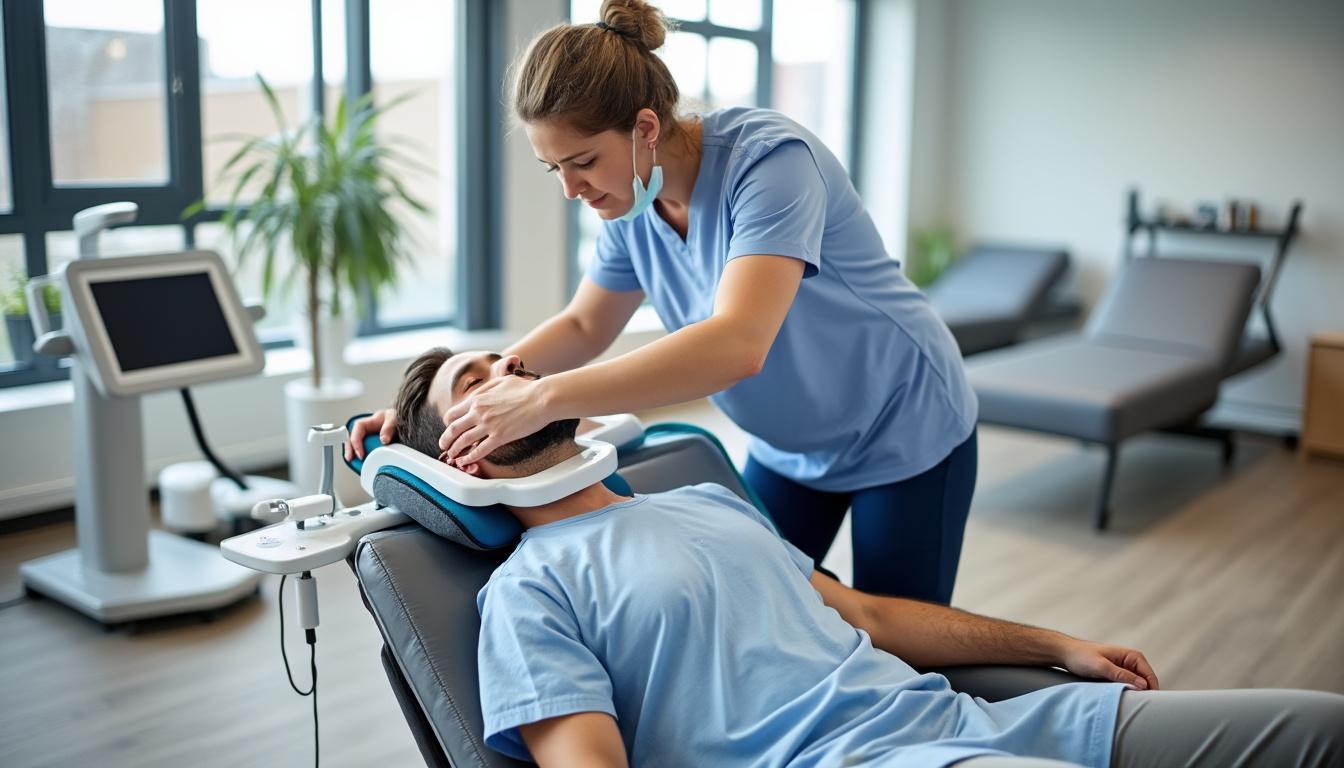

Cervical Disc Prosthesis in Quebec City: Avoid Post-Surgery Stiffness
Chronic neck pain remains a significant challenge for thousands of residents in Quebec City every year, often leading them to seek effective spinal surgery options that minimize downtime and maximize long-term mobility. Among the recent advancements revolutionizing cervical spine care,…
Psychological and Emotional Support During Recovery from Neck Surgery
Beyond the physical challenges, the psychological impact of neck surgery recovery deserves careful attention. Patients may encounter anxiety, depression, or stress due to changes in physical function, pain, or uncertainty about outcomes.
Emotional Resilience and Coping Strategies
Building emotional resilience is key to overcoming postoperative psychological hurdles. Techniques such as cognitive-behavioral therapy empower patients to manage stress and foster a positive outlook during recovery. Supportive counseling can also guide patients in adapting to temporary or permanent changes in neck function and appearance.
Role of Family and Social Support Systems
Strong social support networks, including family and friends, play a vital role in encouraging patients throughout their recovery journey. This support reduces feelings of isolation and helps maintain motivation during the often gradual process of regaining full neck mobility and comfort.

Minimally Invasive Surgery in Longueuil: Reduce Hospital Stay Duration
In recent years, advances in spinal care have dramatically reshaped the treatment landscape for patients suffering from debilitating spinal conditions. Particularly in Longueuil, the emergence of minimally invasive surgery (MIS) techniques offers a transformative alternative to conventional open surgeries. These…
Coordination and Benefits of Transatlantic Care
Dr. Sylvain Desforges stands out as a pioneer in coordinating seamless care pathways between Montreal and France, ensuring patients benefit from a cohesive treatment experience. His involvement guarantees a rigorous scientific approach combined with ethical standards and compassionate patient engagement throughout the process.
Patients appreciate the transparency with which Dr. Desforges explains each step, addressing concerns about safety, expectations, and rehabilitation. This approach alleviates anxiety and promotes trust in the transatlantic care model, enabling patients to make informed decisions about their neck surgery journey.
Integration of Advanced Technologies and International Expertise
The transatlantic collaboration enhances treatment by pooling expertise and technologies. French centers provide innovations like robotic-assisted surgery and cutting-edge implants, while Montreal specialists manage initial assessments and postoperative care. This synergy optimizes outcomes and patient satisfaction by leveraging the strengths of both healthcare systems.
Customized Care Tailored to Each Patient’s Needs
Every patient’s case is unique. Dr. Desforges’ approach involves detailed assessment and personalized recommendations that consider medical history, lifestyle, and expectations. This custom-tailored care ensures that patients receive the most appropriate surgical techniques and postoperative protocols for optimal relief and function restoration.
IntraSPINE® in Laval: Modern Solution for Lumbar Stabilization
In the evolving landscape of orthopedic treatments, the city of Laval has become a hub for innovations addressing chronic lower back pain. Among the groundbreaking solutions gaining attention is the IntraSPINE device—a modern spinal implant designed to offer dynamic lumbar…
Essential Guidance Before Considering Neck Surgery
It is critical that patients understand neck surgery is not a first-line treatment. Conservative care, including physical therapy, pain management, and especially neurovertebral decompression at Clinique TAGMED, should be thoroughly explored and applied for a period of 3 to 6 months or more. This approach often achieves significant improvements, sometimes avoiding the need for surgery altogether.
When surgery becomes necessary after conservative treatments, patients are better prepared psychologically and physically, having maximized their chances for successful outcomes. Dr. Desforges underscores the importance of patient education in this regard, fostering active participation and collaboration throughout care.
Neck Surgery in Montreal: Maintain Cervical Flexibility and Function
Neck conditions causing persistent pain or functional loss place a substantial burden on individuals and healthcare systems, especially in urban centers like Montreal. Surgical interventions targeting the cervical spine have evolved tremendously, aiming not only to relieve symptoms but to…
Patient Testimonials and Real-World Outcomes
Many patients who have navigated the transatlantic neck surgery pathway report transformative experiences. From overcoming prolonged wait times in Quebec to accessing state-of-the-art procedures abroad, their stories highlight restored function, reduced pain, and renewed hope.
Patient feedback frequently mentions the compassionate guidance received from Dr. Desforges and his team, the ease of coordination between Montreal and French health systems, and significant improvements in neck mobility and symptom relief during post-surgery recovery.
How soon after neck surgery can I expect to regain mobility?
Recovery varies based on the surgical procedure. Minimally invasive surgeries often allow most daily activities within 2 to 4 weeks, while fusion surgeries might require 2 to 3 months. Early physical therapy plays a crucial role in regaining movement.
Are motion-preserving implants better than fusion for neck surgery?
Motion-preserving implants offer the benefit of maintaining natural neck flexibility and reducing adjacent segment stress, making them preferable in certain cases. However, fusion remains necessary for severe spinal instabilities.
What should I do if I experience stiffness or discomfort after surgery?
Engage in prescribed physical therapy and consult your care team promptly. Pain management techniques and sometimes additional treatments can help reduce stiffness and improve comfort.
Is international neck surgery safe and ethically managed?
Yes, the pathway includes stringent adherence to European and Canadian standards, ensuring patient safety and ethical care coordination.
How can I start the evaluation process for neck surgery abroad?
Contact specialized centers like Neurotherapy Montreal or consult experts who perform thorough assessments, educating you on all options including non-surgical care and surgical possibilities.

Disc Prosthesis in Lévis: Quick and Long-Lasting Results
Chronic back pain caused by degenerative disc disease continues to profoundly impact the quality of life for many residents in Lévis and the broader Quebec area. For decades, traditional spinal fusion surgery has been the primary solution for alleviating severe…