Pointe-Claire Neck Herniation Case Studies from TAGMED
May 15, 2026
Saint-Eustache Sciatica Pain Relief in Older Adults
May 15, 2026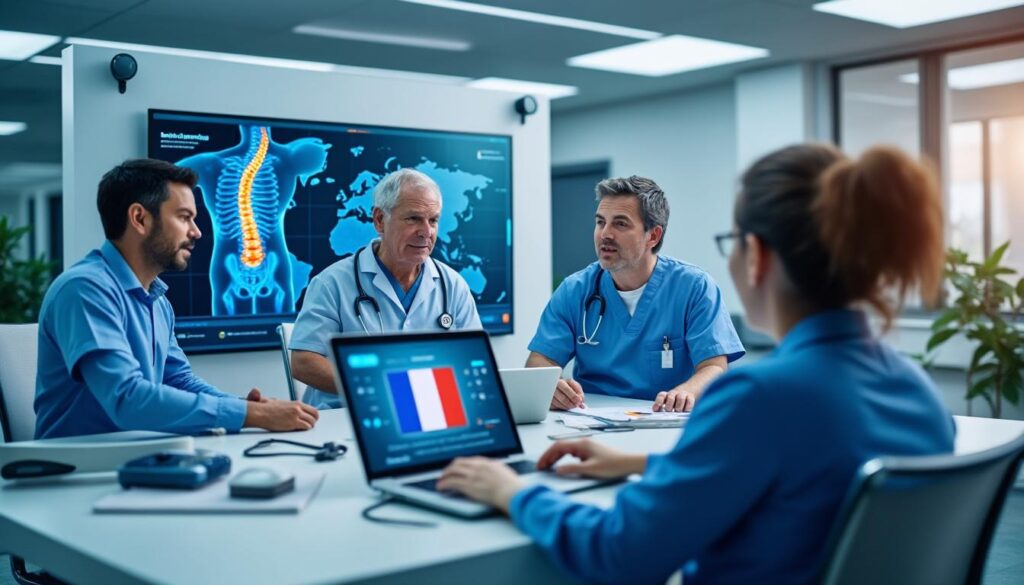
Neck surgery represents a critical step for individuals facing persistent cervical spine issues where conservative treatments have not provided relief. In Montreal, advances in motion technology are transforming the approach to spinal surgery by focusing on preserving natural neck movement and limiting postoperative stiffness. Patients wary of invasive procedures now find promising options that marry innovation with patient-centered care, notably through solutions that emphasize biomechanical integrity and swift recovery. With over 30 years of experience in spinal evaluation and care, Dr. Sylvain Desforges has been at the forefront of this transformative wave, guiding patients through evidence-based, ethical practices that culminate in improved quality of life.
The landscape of neck surgery has evolved significantly, especially with the introduction of technologies that prioritize motion preservation. Traditional fusion techniques, while effective for stability, may lead to stiffness and reduced range of motion, impacting daily activities and overall wellbeing. Motion technology implants and minimally invasive procedures now aim to alleviate these concerns by restoring flexibility without compromising structural support. For Montreal patients exploring such options, understanding the biomechanics, surgical pathways, and rehabilitative strategies is essential. Dr. Desforges’s unique transatlantic expertise enables patients to access cutting-edge therapies across Canada and France, offering tailored, timely intervention that optimizes outcomes.
Navigating neck surgery requires a clear understanding of the therapeutic journey, from detailed evaluation to postoperative care. Ensuring patients complete an adequate period of non-surgical treatment—including advanced decompression therapies as offered at the Clinique TAGMED—is crucial to minimize unnecessary surgical interventions. Once surgery is deemed appropriate, the integration of sophisticated motion-preserving technologies facilitates smoother recovery with less postoperative stiffness, enabling patients to regain function faster. This comprehensive, ethically driven approach underscores the importance of collaboration between multidisciplinary teams and the application of innovations that respect the natural biomechanics of the cervical spine.
Innovations in Neck Surgery in Montreal: Preserving Cervical Flexibility with Motion Technology
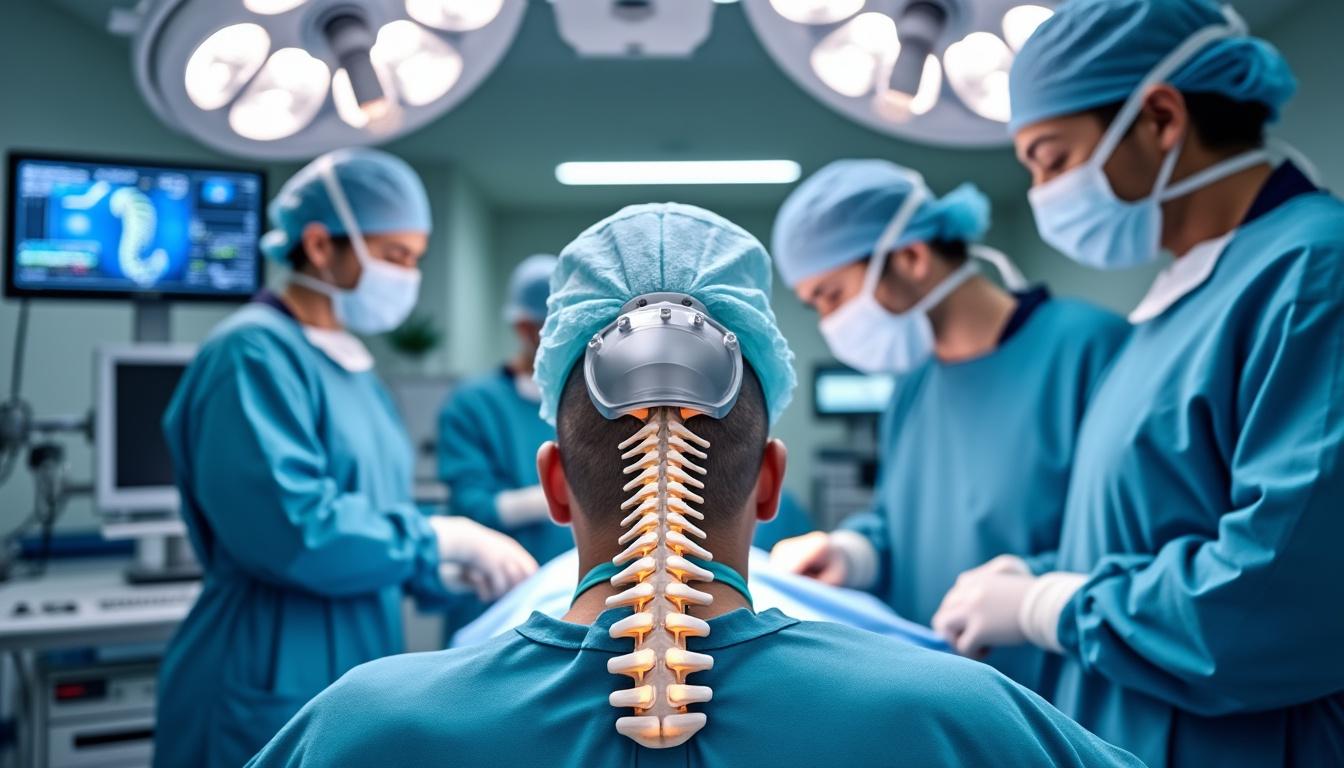
Montreal’s approach to neck surgery increasingly incorporates motion technology designed to reduce postoperative stiffness and maintain a healthy range of motion. Unlike traditional fusion surgeries that rigidly join vertebrae and limit mobility, motion-preserving implants such as dynamic discs and artificial cervical discs allow for more physiological movement. These innovations address the limitations of earlier techniques by supporting spinal biomechanics and preventing adjacent segment degeneration.
Patients considering neck surgery benefit greatly from understanding the different types of available procedures. For example, dynamic implants mimic the natural elasticity of spinal discs, promoting natural cervical flexibility, an outcome supported by recent clinical studies. Furthermore, minimally invasive approaches, often paired with these implants, minimize tissue trauma and reduce recovery times. Montreal’s orthopedic specialists increasingly adopt these techniques, reflecting a shift toward patient-centric care that prioritizes quality of life alongside surgical success.
Dr. Sylvain Desforges emphasizes the critical nature of patient education on options, risks, and expected postoperative outcomes. By breaking down complex anatomical and technological details into clear, accessible explanations, he empowers patients to engage actively in decision-making processes. Moreover, Montreal’s multidisciplinary teams integrate physical therapy and rehabilitation strategies designed specifically to complement motion technologies, maximizing restoration of function.
Moreover, adopting modern solutions for cervical disorders including motion technology reflects a paradigm shift, where stiffness limitation is a primary goal. Innovations in implant design and surgical technique represent the epitome of orthopedic innovation, enhancing both mechanical function and patient satisfaction.

IntraSPINE® in Sherbrooke: Durable Solution for Chronic Low Back Pain
The management of chronic low back pain, a widespread condition affecting millions across Quebec and beyond, has reached a pivotal moment thanks to innovative medical technologies and coordinated care pathways. At the heart of this evolution lies the IntraSPINE implant,…
Understanding the Different Surgical Options for Neck Disorders in Montreal
Neck surgery encompasses a range of techniques adapted to specific pathologies and patient needs. The three main categories are simple decompression, fusion, and motion-preserving surgeries, each with distinct advantages and indications.
Simple Decompression Surgery
This procedure focuses on relieving pressure on nerves by removing problematic disc material or bone spurs without fusing vertebrae. It typically involves less risk and shorter recovery than fusion. However, patients may experience ongoing instability or altered biomechanics if underlying spinal degeneration is advanced.
Spinal Fusion
Fusion surgery involves the permanent joining of two or more vertebrae to stabilize the neck. While fusion effectively reduces nerve irritation and pain, it can limit neck movement and increase stiffness. Over time, this rigidity may place extra stress on adjacent levels, possibly leading to further degeneration.
Motion-Preserving Surgery
This category includes innovative options like artificial cervical disc replacement and dynamic stabilization implants. These techniques aim to maintain or restore the natural motion of the cervical spine while addressing neurological compression. They are particularly beneficial for younger or more active patients who need to preserve neck flexibility and minimize stiffness after surgery.
| Surgical Type | Description | Advantages | Potential Downsides |
|---|---|---|---|
| Simple Decompression | Removal of soft tissue or bone compressing nerves | Less invasive, faster recovery | Possible spinal instability |
| Fusion | Permanent vertebral joint fusion | Strong stabilization, effective pain relief | Reduced range of motion, stiffness |
| Motion-Preserving | Artificial disc or dynamic stabilization | Maintains mobility, reduces adjacent degeneration | Higher technical complexity, cost |
Deciding on the surgical approach involves careful evaluation of the patient’s condition, lifestyle, and preferences. Dr. Desforges, through rigorous scientific assessment and clinical experience, ensures that patients receive personalized recommendations aligned with ethical standards and evidence-based practice.
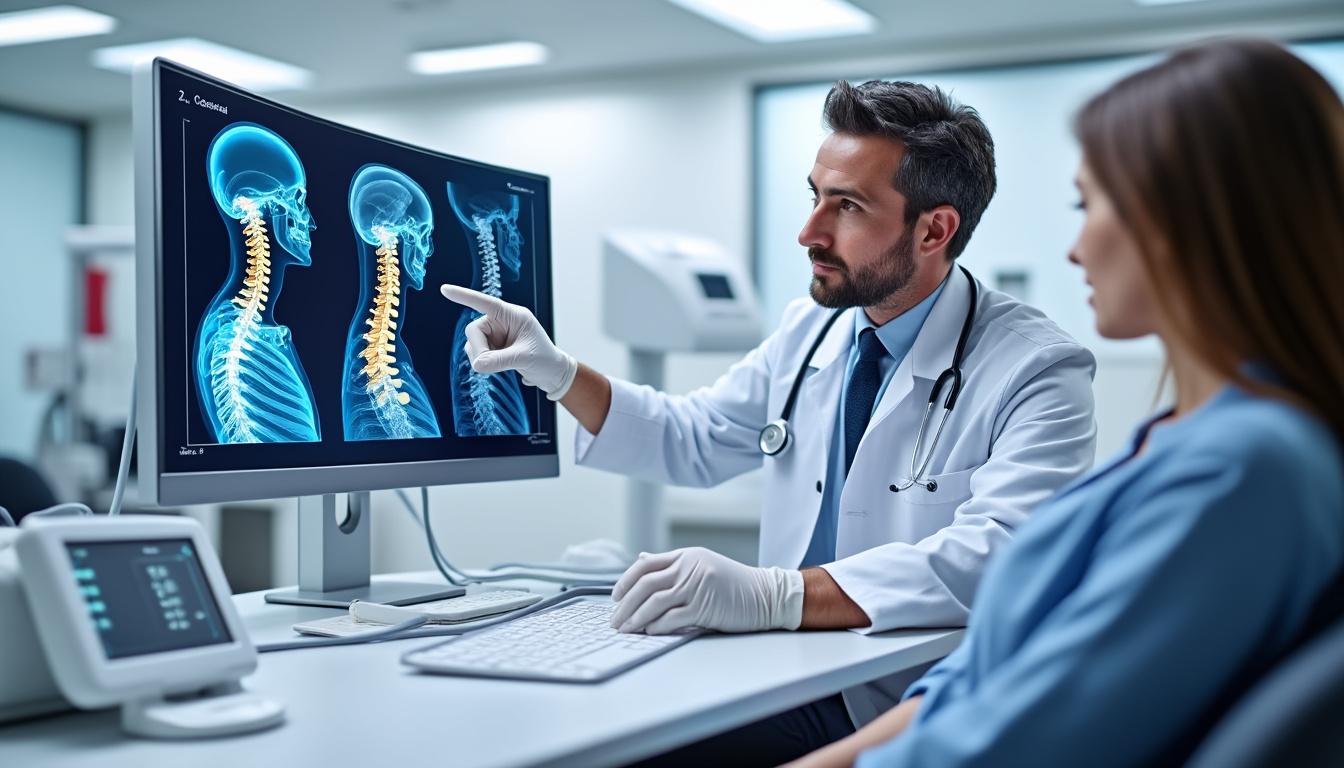
Spine Surgery in Trois-Rivières: Reduce Pain and Preserve Mobility
In recent years, spine surgery in Trois-Rivières has evolved notably, combining advanced medical expertise with innovative technologies to deliver patient-centered care. This growing field addresses the increasing demand among Quebec residents seeking effective solutions for chronic back pain and mobility…
Key Steps in the Transatlantic Neck Surgery Journey from Montreal to France
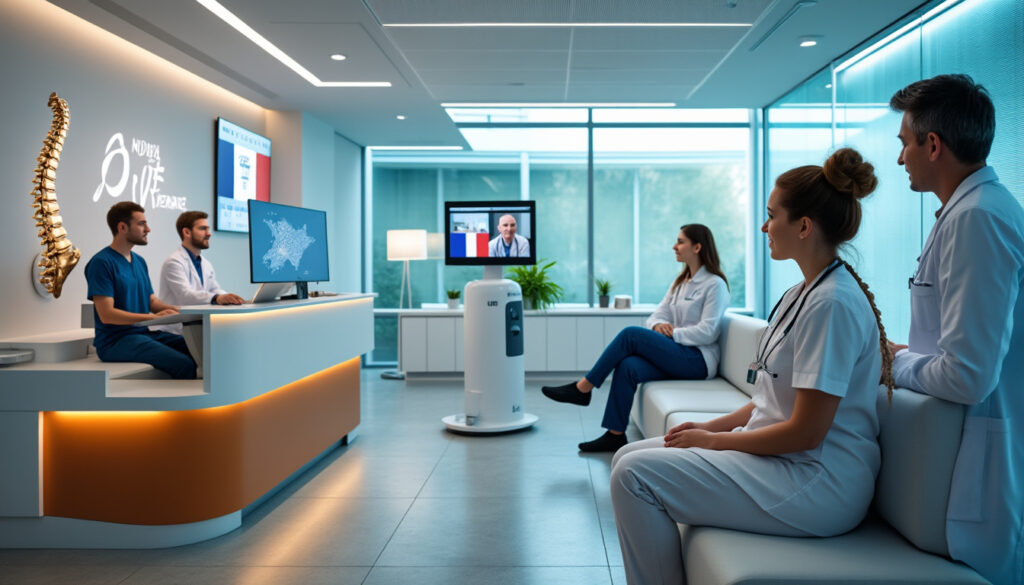
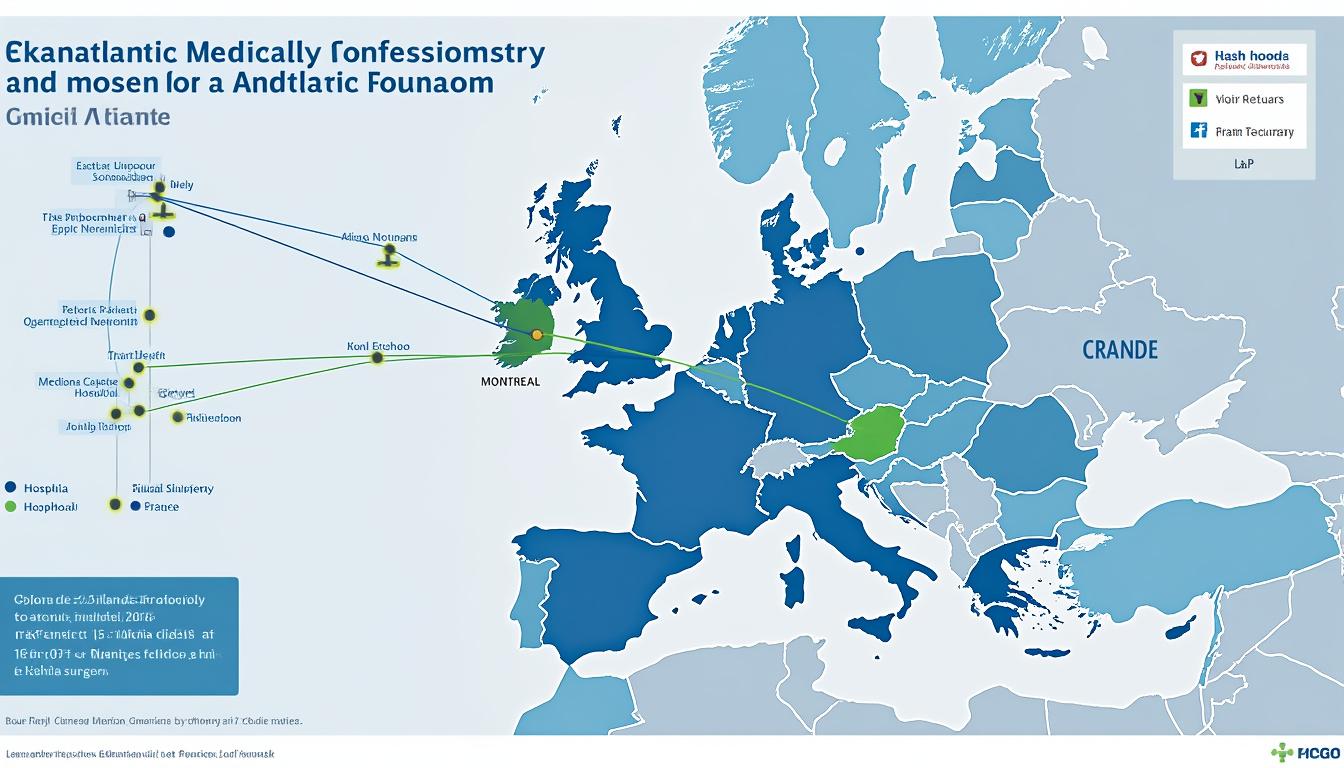
One of the distinctive aspects of advanced neck surgery today is the possibility of a transatlantic care pathway, optimized for both quality and accessibility. Under the expert guidance of Dr. Desforges, patients in Montreal can access leading surgical teams and technologies in France, reducing wait times and expanding procedural options unavailable locally.
The journey involves several meticulously coordinated stages:
- Comprehensive Evaluation: An expert assessment by Dr. Desforges in Montreal, including imaging review and clinical testing, confirms the suitability of surgical intervention and identifies the best approach.
- Preoperative Preparation: Inclusion of conservative treatments such as decompression therapy at Clinique TAGMED ensures patients have maximized non-surgical management before surgery.
- Logistical Planning: Coordination with French surgical centers, arranging appointments, travel plans, and accommodations to streamline the patient experience.
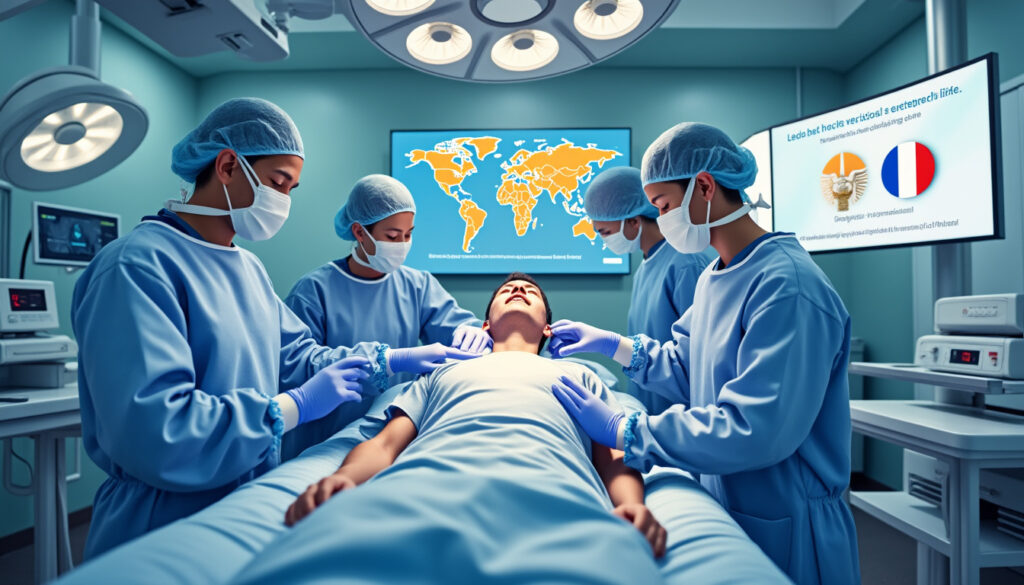
- Surgical Intervention: Performance of the selected surgery by expert French orthopedic surgeons employing the latest motion technology and minimally invasive techniques.
- Postoperative Care and Rehabilitation: Immediate post-op recovery in France followed by a return to Montreal with a tailored rehabilitation protocol overseen by Dr. Desforges and his multidisciplinary team.
- Long-term Follow-Up: Continuous monitoring and support ensure optimal healing and preservation of cervical function over time.
This care pathway exemplifies innovation in international healthcare collaboration, with the patient at the center of a seamless, highly personalized experience. The transatlantic model not only enhances surgical quality but also alleviates financial and scheduling constraints frequently encountered in Canadian healthcare systems.

TOPS™ in Gatineau: High-Performance Option for the Lumbar Spine
The landscape of spinal surgery has witnessed profound evolution, particularly for patients grappling with lumbar spine disorders such as spinal stenosis and spondylolisthesis. These conditions, increasingly prevalent among Quebec’s population, impose substantial limitations on mobility and quality of life. The…
Why Conservative Treatment Should Precede Neck Surgery: The Importance of Neurovertebral Decompression
Before considering neck surgery, it is essential to exhaust conservative treatments. Dr. Desforges advocates for a minimum of three to six months of such therapies, highlighting their proven capacity to relieve symptoms and sometimes obviate the need for surgery.
One hallmark of advanced conservative care is neurovertebral decompression, a non-invasive technique offered at Clinique TAGMED that targets nerve root pressure. This treatment promotes natural healing and pain reduction without surgical risks. Many patients experience significant improvement in mobility and discomfort following this approach.
Implementing decompression before surgery has multiple advantages:
- Reduces the extent of necessary surgery, sometimes avoiding it altogether.
- Prepares the cervical spine for better surgical outcomes if needed later.
- Minimizes postoperative complications, including stiffness and restricted motion.
- Provides the patient an active role in recovery, enhancing motivation and engagement.
When conservative methods fail to yield relief, surgery paired with motion-preserving technology becomes the next cautiously recommended step. This sequence follows rigorous scientific protocols and ethical standards, a hallmark of Dr. Desforges’s approach to patient care.
Cervical Disc Prosthesis in Quebec City: Avoid Post-Surgery Stiffness
Chronic neck pain remains a significant challenge for thousands of residents in Quebec City every year, often leading them to seek effective spinal surgery options that minimize downtime and maximize long-term mobility. Among the recent advancements revolutionizing cervical spine care,…
Biomechanical and Economic Benefits of Motion-Preserving Neck Surgery in Montreal
Motion-preserving techniques offer clear biomechanical advantages by maintaining cervical spine mobility, which supports everyday functional activities and reduces compensatory strain on adjacent spinal segments. This preservation helps to prevent additional degeneration and maintains a more natural movement pattern postoperatively.
From an economic perspective, opting for surgeries that limit stiffness can lower both short-term and long-term healthcare costs. Patients often experience faster recovery, shorter hospital stays, and reduced need for ongoing physical therapy or revision surgeries. These factors translate into less time off work and a faster return to productive life, important considerations for many Canadians.
Dr. Desforges highlights that such benefits demonstrate how innovation and personalized care converge to optimize value. The integration of motion technology, combined with expert evaluation and follow-up, supports sustainable health outcomes and patient satisfaction.
Some examples demonstrating biomechanical and economic impact include:
- Patients with artificial cervical discs reporting greater postoperative range of motion compared to fusion cases.
- Reduced incidence of adjacent segment disease in motion-preserving surgeries documented in longitudinal studies.
- Decreased rehabilitation duration and associated costs following minimally invasive procedures.
For those weighing the decision, the evidence encourages consideration of motion-maintaining options as a way to safeguard long-term neck health and economic well-being.
Minimally Invasive Surgery in Longueuil: Reduce Hospital Stay Duration
In recent years, advances in spinal care have dramatically reshaped the treatment landscape for patients suffering from debilitating spinal conditions. Particularly in Longueuil, the emergence of minimally invasive surgery (MIS) techniques offers a transformative alternative to conventional open surgeries. These…
Comprehensive Rehabilitation and Postoperative Recovery Following Neck Surgery
Postoperative recovery is as critical as the surgical intervention itself. Rehabilitation programs tailored to motion-preserving surgeries in Montreal focus on restoring range of motion, strengthening supporting musculature, and educating patients on neck care best practices.
Multidisciplinary teams including osteopaths, physiotherapists, and rehabilitation specialists work closely with patients during this phase. Dr. Desforges, with his extensive expertise, ensures the rehabilitation process aligns perfectly with the surgical method and patient-specific factors, optimizing recovery speed and functional outcomes.
Typical rehabilitation steps include:
- Initial gentle mobilization to prevent stiffness and promote circulation.
- Progressive strengthening and flexibility exercises.
- Ergonomic advice tailored to each patient’s lifestyle and occupational demands.
- Routine follow-ups assessing motion range and pain levels to adjust therapy accordingly.
Effective rehabilitation not only reduces the risk of complications but also supports the long-term success of the surgery, empowering patients to regain confidence in their daily activities.
IntraSPINE® in Laval: Modern Solution for Lumbar Stabilization
In the evolving landscape of orthopedic treatments, the city of Laval has become a hub for innovations addressing chronic lower back pain. Among the groundbreaking solutions gaining attention is the IntraSPINE device—a modern spinal implant designed to offer dynamic lumbar…
Key Differences Between Neck Surgery Procedures Using Motion Technology Versus Fusion Techniques
Understanding how motion technology differs from traditional fusion surgeries clarifies why many patients prefer less stiffening options. Fusion surgeries solidify vertebrae to prevent motion that causes pain, but at the cost of flexibility and possible increased stress on nearby spinal levels.
Motion technology implants preserve natural kinematics. Devices such as artificial discs replicate normal disc function, allowing movement similar to an intact spine. This distinction is marked by:
- Range of Motion: Maintained near physiological levels with motion technology, compared to significant reductions following fusion.
- Postoperative Stiffness: Considerably limited with motion-preserving implants.
- Recovery Time: Often shorter with less invasive techniques involved in motion-preserving surgeries.
- Long-Term Spine Health: Preservation of adjacent segment integrity reduces future degenerative risks.
Patients benefit from consultations that clearly explain these differences, such as those facilitated by Dr. Desforges, who champions transparency and patient empowerment in surgical decision-making.
For more technical insights, you can explore advanced neck surgery options in Montreal that harness motion technology for superior outcomes.
Neck Surgery in Montreal: Maintain Cervical Flexibility and Function
Neck conditions causing persistent pain or functional loss place a substantial burden on individuals and healthcare systems, especially in urban centers like Montreal. Surgical interventions targeting the cervical spine have evolved tremendously, aiming not only to relieve symptoms but to…
Personalized Patient Coordination Across Canada and France: A Unique Collaborative Experience
One of the remarkable aspects of contemporary neck care involves cross-border collaboration that offers Canadian patients access to the best of European surgical innovation while maintaining local expert oversight.
Dr. Desforges serves as a pivotal figure in coordinating this complex process, leveraging his leadership roles in the ACMA, the Collège des Ostéopathes Canadiens, and TAGMED. His extensive qualifications (B.Sc., D.O., N.D.) and deep understanding of spine pathology allow for scientifically rigorous evaluations and ethical guidance throughout the journey.
This multidisciplinary international collaboration includes:
- Joint preoperative planning across continents to tailor surgical strategies precisely.
- Streamlined patient navigation covering medical appointments, insurance, and travel logistics.
- Multistage follow-up combining telemedicine consultations from Montreal with in-person care.
- Integration of advanced conservative treatments pre- and post-surgery to optimize outcomes.
This comprehensive model ensures that each patient’s experience is seamless, coordinated, and focused on personalized recovery goals, reflecting a truly innovative approach to spinal healthcare.
For more information or to discuss your individual case with Dr. Sylvain Desforges, please visit https://www.sostourismemedical.com/contact.
What types of neck surgery preserve motion and reduce stiffness?
Motion-preserving neck surgeries include artificial cervical disc replacement and dynamic stabilization implants. These techniques maintain natural cervical spine movement, minimizing postoperative stiffness compared to traditional fusion surgeries.
Why is a period of conservative treatment essential before surgery?
Completing 3 to 6 months of conservative treatments, including neurovertebral decompression as offered at Clinique TAGMED, is crucial to reduce symptoms, avoid unnecessary surgery, and prepare the spine for potential future interventions.
How does motion technology improve postoperative recovery?
Motion technology limits stiffness by preserving spinal flexibility, leading to faster recovery, reduced pain, and better functional outcomes after neck surgery.
What benefits does coordinating care between Montreal and France offer patients?
This transatlantic coordination shortens wait times, provides access to innovative surgical techniques unavailable locally, and ensures personalized care through expert evaluation and follow-up in both countries.
How can patients contact Dr. Sylvain Desforges for an evaluation?
Patients can visit https://www.sostourismemedical.com/contact to request a personalized evaluation and discuss treatment options with Dr. Desforges and his team.

Disc Prosthesis in Lévis: Quick and Long-Lasting Results
Chronic back pain caused by degenerative disc disease continues to profoundly impact the quality of life for many residents in Lévis and the broader Quebec area. For decades, traditional spinal fusion surgery has been the primary solution for alleviating severe…