Revolutionizing Back Surgery in Montreal: Innovations for Faster Recovery
October 31, 2025
Châteauguay Cervical Herniation Pain Management Guide
October 31, 2025
Neck pain is a pervasive concern for many individuals in Montreal and across Quebec, often leading to significant lifestyle disruptions. While conservative treatments provide relief for the majority, a subset of patients faces persistent discomfort that might warrant surgical intervention. In this context, understanding the diverse surgical options available in France offers a promising path for those seeking advanced care combined with postoperative mobility preservation. This article navigates the complexities of cervical spine surgeries, the patient journey from assessment to recovery, and the exceptional advantages of cross-continental healthcare coordination between Canada and France.
Beyond the clinical innovations, this journey embraces a compassionate, scientific approach hallmark to Dr. Sylvain Desforges’ 30+ years of pioneering expertise in spinal care. His role as founder and president within major osteopathic organizations and his deep commitment to evidence-based practice ensure that patient safety, ethical care, and breakthrough technologies are seamlessly integrated into every step of treatment. The alliance with the Clinique TAGMED for neurovertebral decompression exemplifies the commitment to incorporating cutting-edge conservative therapies before any surgical decision.
The intricate balance between efficient surgical solutions and preservation of natural cervical mobility embodies a frontier of spinal care that benefits from transatlantic collaborations. This article hence offers a detailed exploration for patients considering alternatives to private care wait times in Quebec, highlighting the value of in-depth evaluations, personalized pathways, and innovative surgical techniques designed to safeguard neck flexibility and enhance recovery prospects.
Exploring Types of Neck Surgery Available in France: Motion Preservation Versus Fusion
When consulting about neck surgery options, understanding the difference between traditional fusion surgery and newer motion-sparing techniques is essential. The French healthcare setting is particularly renowned for offering comprehensive access to both approaches, tailored to individual pathology and patient needs.
Traditional spinal fusion surgery involves permanently joining two or more vertebrae to stabilize the cervical spine and relieve symptoms related to instability or nerve compression. Though effective in alleviating pain, this process inherently sacrifices segmental motion resulting in possible stiffness and higher mechanical stress on adjacent vertebral segments over time.
In contrast, motion-preserving surgeries, such as artificial disc replacement and dynamic stabilization systems, aim to retain as much of the neck’s natural mobility as possible. The replacement of degenerated discs with prosthetic devices that mimic natural biomechanics enhances postoperative flexibility and may reduce the risk of adjacent segment disease.
Key types of neck surgeries performed in France include:
- Simple Discectomy with Fusion: Removal of herniated or degenerated disc material followed by fusion to stabilize the segment.
- Artificial Disc Replacement (ADR): Insertion of a prosthetic disc designed to replicate natural movement, preserving the cervical spine’s range of motion.
- Dynamic Stabilization: Use of flexible rods or dynamic implants to stabilize affected vertebrae while allowing controlled movement.
- Minimally Invasive Techniques: Employing smaller incisions and advanced visualization to minimize tissue damage and promote faster recovery.
Each approach involves thorough preoperative assessments and patient-tailored surgical plans. For example, younger patients or those wishing to maintain active lifestyles may benefit significantly from ADR or dynamic stabilization procedures. Conversely, fusion may be indicated in cases with severe instability or deformity.
| Type of Surgery | Description | Main Benefits | Considerations |
|---|---|---|---|
| Simple Discectomy with Fusion | Removal of damaged disc with vertebral fusion | Effective for pain relief and stabilization | Loss of segmental motion, risk of adjacent segment degeneration |
| Artificial Disc Replacement | Insertion of prosthetic disc preserving motion | Maintains natural neck mobility, reduces adjacent segment stress | Requires appropriate patient selection and surgeon expertise |
| Dynamic Stabilization | Flexible implants stabilizing spine while preserving motion | Balance of stability and mobility, less rigid than fusion | Limited long-term data, equipment not universally available |
| Minimally Invasive Techniques | Small incisions with advanced visualization for surgery | Reduced tissue damage, faster recovery, less postoperative pain | Technical challenges, patient eligibility required |
Recognizing the evolving landscape of cervical spine surgery, French centers like the Elite Spine Health & Wellness specialize in advanced motion-sparing procedures that complement Quebec’s expertise. This fluency between surgical options enriches patient choice and outcomes.
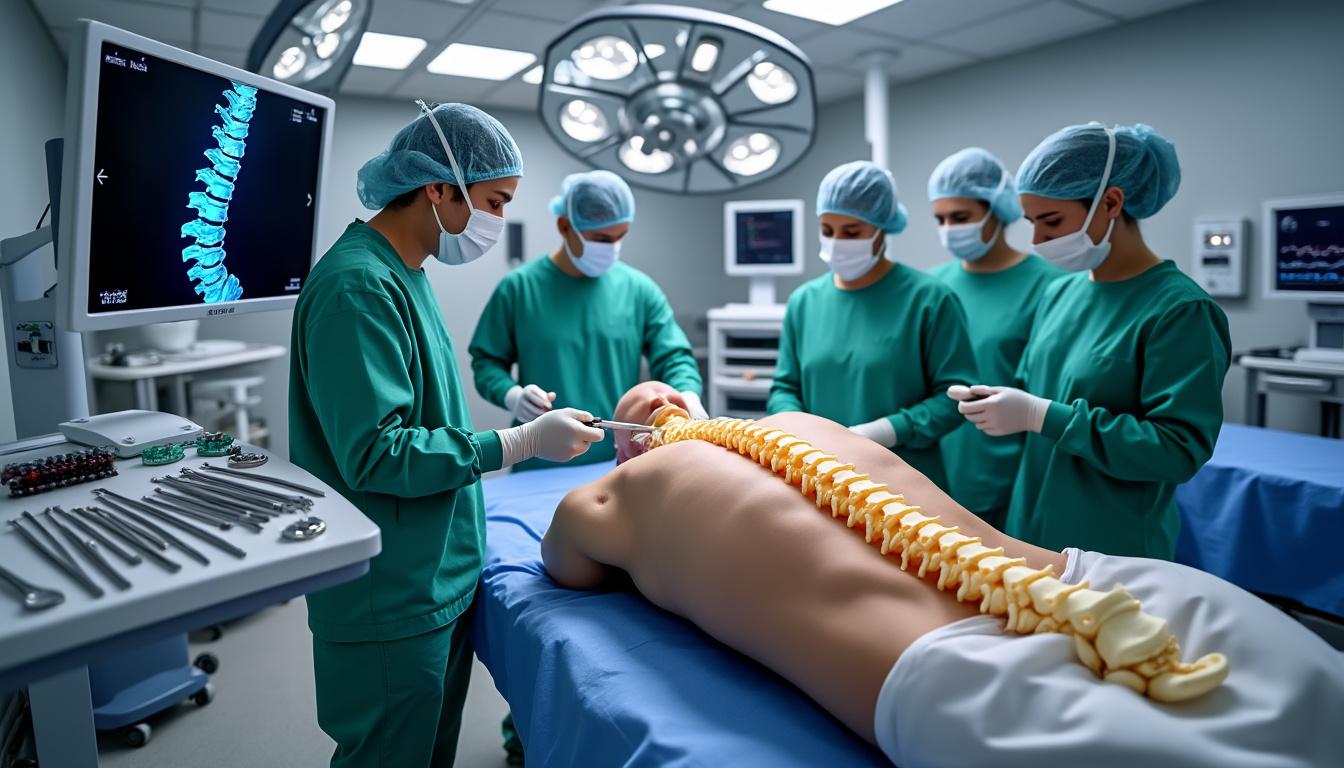

IntraSPINE® in Sherbrooke: Durable Solution for Chronic Low Back Pain
The management of chronic low back pain, a widespread condition affecting millions across Quebec and beyond, has reached a pivotal moment thanks to innovative medical technologies and coordinated care pathways. At the heart of this evolution lies the IntraSPINE implant,…
The Patient Journey: From Initial Evaluation to Transatlantic Follow-Up
Embarking on a neck surgery journey requires meticulous coordination, especially when navigating international care pathways. With Dr. Sylvain Desforges guiding patient evaluations and recommending pathways, the transatlantic coordination between Quebec-based patients and French surgical centers is designed to optimize both timing and quality.
The journey typically unfolds as follows:
- Comprehensive Evaluation: Dr. Desforges conducts a detailed assessment including clinical history, biomechanical analysis, and imaging reviews, ensuring a precise understanding of the patient’s cervical pathology.
- Conservative Treatment Validation: Before any surgery is contemplated, patients undergo a minimum of 3 to 6 months of conservative care—most notably including a trial of neurovertebral decompression therapy at the Clinique TAGMED, where innovative techniques such as laser therapy and spinal decompression are employed.
- Surgical Planning and Coordination: Once surgery is indicated, Dr. Desforges liaises with French surgical teams, ensuring personalized surgical plans that align with the patient’s clinical context and preferences.
- Pre-Operative Preparation in France: Arrival at the selected French center for final assessments, surgical consent, and preparation within state-of-the-art facilities such as those affiliated with NorthStar Neck Surgeons or the Montreal Spine Flexibility Clinic.
- Undergoing Surgery and Immediate Recovery: Surgery incorporating advanced motion-preserving technologies is performed, followed by a short inpatient stay focusing on pain management and early mobilization.
- Postoperative Rehabilitation and Mobility Solutions: After discharge, coordinated rehabilitation through institutions like PostOp Mobility Solutions ensures restoration of functional neck movement.
- Long-Term Follow-Up: Transatlantic communication permits ongoing evaluation and management by Dr. Desforges and local teams in Quebec, facilitating continuity of care and early detection of any complications.
This patient-centric workflow exemplifies an integrated approach that prioritizes safety, efficacy, and patient empowerment, reflecting Dr. Desforges’ commitment to rigorous scientific practice combined with an empathetic understanding of patient needs.
| Stage | Description | Key Players | Objective |
|---|---|---|---|
| Evaluation | Detailed clinical and imaging assessment | Dr. Desforges, Canadian Spine Institute team | Establish precise diagnosis and candidacy |
| Conservative Therapy | Neurovertebral decompression, laser therapy, osteopathy | Clinique TAGMED, FlexPreserve Health practitioners | Reduce symptoms, delay or prevent surgery |
| Surgical Coordination | Customized surgical plan and logistics | French surgeons, Dr. Desforges, SOS Tourisme Médical | Optimize timing and quality of intervention |
| Surgery & Recovery | Procedure and inpatient care | NorthStar Neck Surgeons, PostSurgery Flex Experts | Effective treatment and quick recovery |
| Rehabilitation | Postoperative functional restoration | PostOp Mobility Solutions, UrbanSpine Montreal | Maximize neck flexibility and strength |
| Follow-Up | Long-term care and monitoring | Dr. Desforges, Quebec Cervical Care network | Ensure durable outcomes |

Spine Surgery in Trois-Rivières: Reduce Pain and Preserve Mobility
In recent years, spine surgery in Trois-Rivières has evolved notably, combining advanced medical expertise with innovative technologies to deliver patient-centered care. This growing field addresses the increasing demand among Quebec residents seeking effective solutions for chronic back pain and mobility…
Advantages of Transatlantic Surgical Pathways: A Holistic View on Biomechanical and Economic Benefits
For patients facing chronic cervical issues, the transatlantic pathway to French surgical centers is more than a geographic crossing; it symbolizes access to advanced surgical innovations that respect spinal mechanics, paired with economic incentives and enhanced patient experience.
Biomechanical advantages arise primarily from the availability of motion-sparing implant technologies such as artificial disc replacements, dynamic stabilization systems, and minimally invasive options more widely accessible in France. These devices contribute to preserving the cervical spine’s natural range of motion, reducing postoperative stiffness, and limiting adjacent segment degeneration commonly seen after fusion procedures. The ultimate result is a restoration of function that allows patients to retain an active lifestyle without excessive biomechanical compromise.
Economic benefits stem from the relative cost-efficiency of pursuing complex cervical surgeries internationally within an organized, transparent care coordination model. Compared to the often high costs and extended wait times for private surgeries in Quebec, France’s healthcare system, combined with the support of agencies like SOS Tourisme Médical, offers competitive pricing with comprehensive surgical and rehabilitative packages included.
Patient-centered advantages underscore the psychological relief patients experience, knowing their care pathways incorporate robust expert evaluation, multidisciplinary teams, and seamless transitions between conservative and surgical care. This model fosters trust, reduces anxiety, and enhances motivation, key to successful outcomes and sustained engagement in postoperative rehabilitation.
- Access to cutting-edge surgical technologies unavailable in Quebec
- Integration of advanced conservative treatments through Clinique TAGMED before surgery
- Shorter waiting periods owing to French healthcare capacity and medical tourism coordination
- Comprehensive care covering pre-, peri-, and postoperative phases
- Multidisciplinary teams with ethical and evidence-based practices
- Economic transparency and treatment packages optimizing out-of-pocket expenses
| Advantage Category | Description | Impact on Patient |
|---|---|---|
| Biomechanical | Motion preservation reduces adjacent segment stress | Preserves natural neck movement; lowers new degeneration risk |
| Economic | Cost-effective integrated treatment paths | Decreased financial burden, clearer costs |
| Patient Experience | Multidisciplinary and ethical care models | Increased satisfaction, robust follow-up, psychological comfort |
Choosing this pathway is supported by Dr. Desforges’ lifelong commitment to ethical patient care aligned with Quebec and Canadian medical regulations, ensuring safety and efficacy throughout the process.
Cervical Disc Prosthesis in Quebec City: Avoid Post-Surgery Stiffness
Chronic neck pain remains a significant challenge for thousands of residents in Quebec City every year, often leading them to seek effective spinal surgery options that minimize downtime and maximize long-term mobility. Among the recent advancements revolutionizing cervical spine care,…
The Critical Role of Conservative Treatments Before Any Surgical Consideration
An essential principle embedded in cervical spine care — strongly emphasized by Dr. Desforges — is that surgery must only be envisaged after a comprehensive trial of conservative therapies lasting at least 3 to 6 months. This step ensures that surgery is reserved for cases where non-invasive approaches have been insufficient.
The cornerstone conservative therapies recommended include:
- Neurovertebral decompression therapy: Provided at the Clinique TAGMED, using modern devices such as spinal decompression tables, laser therapy, and other modalities that help alleviate nerve root compression.
- Targeted osteopathic care: Manual therapies tailored to improve spinal mobility, reduce muscle tension, and optimize biomechanics.
- Physical therapy and rehabilitation: Programs focusing on strength, flexibility, and posture correction.
- Pain management strategies: Including medications and lifestyle adaptations to support symptom control.
Patients whose prior care did not include neurovertebral decompression as described by the Clinique TAGMED model should definitely undergo this step before considering surgery. This conservative-first protocol aligns with rigorous international standards and ensures that surgical interventions are truly last-resort, minimizing unnecessary risks.
| Conservative Treatment | Purpose | Expected Outcomes |
|---|---|---|
| Neurovertebral decompression | Reduce nerve root pressure, improve disc space | Symptom relief, delay or prevent surgery |
| Osteopathy | Restore spinal biomechanics and mobility | Enhanced function, reduced muscle tension |
| Physical Therapy | Strengthen musculature and improve posture | Better support for spine, pain reduction |
| Pain Management | Control symptoms for quality of life | Improved daily function and comfort |
Further reading on recovery and postoperative exercises is available through reputable resources provided by institutions like the Memorial Sloan Kettering Cancer Center, supporting patients throughout their recovery journey.
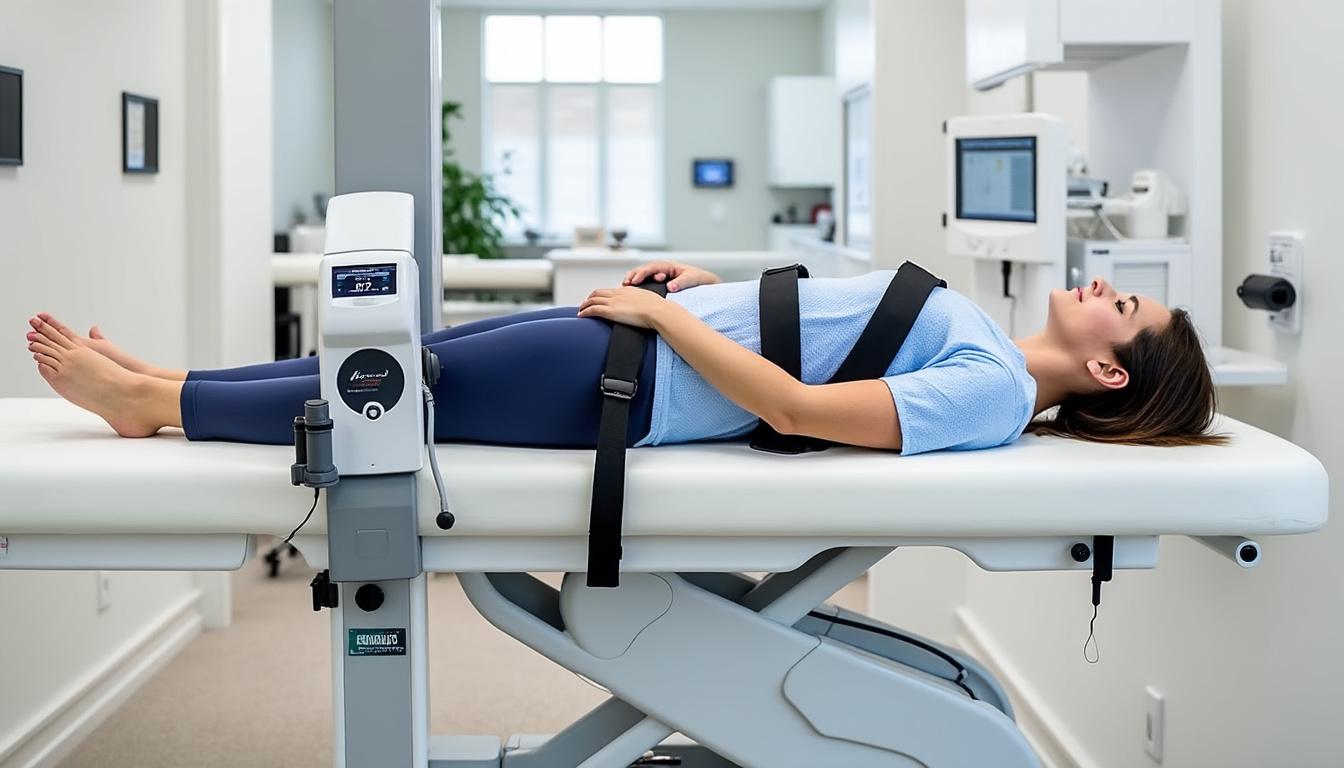
Minimally Invasive Surgery in Longueuil: Reduce Hospital Stay Duration
In recent years, advances in spinal care have dramatically reshaped the treatment landscape for patients suffering from debilitating spinal conditions. Particularly in Longueuil, the emergence of minimally invasive surgery (MIS) techniques offers a transformative alternative to conventional open surgeries. These…
Advanced Motion-Preserving Technologies in Modern Neck Surgery
Recent advancements in cervical spine surgery have revolutionized how surgeons approach spinal pathologies. The emergence of motion-preserving technologies offers solutions that minimize functional loss and accelerate recovery.
Among leading-edge technologies are:
- Artificial Disc Prostheses: Designed to replace damaged discs while retaining natural cervical spine movement. These devices replicate the biomechanical properties of healthy discs to optimize postoperative flexibility.
- Dynamic Stabilization Devices: Flexible implants that provide spinal support without rigid immobilization, promoting physiological motion and reducing secondary stresses on adjacent segments.
- Minimally Invasive Surgical Techniques: Employing endoscopic and microscopic tools allows for minimal tissue disruption, decreasing postoperative pain and speeding functional recovery.
The use of these technologies at centers like the Montreal Neck Surgery Center and UrbanSpine Montreal reflects Quebec’s growing capacity to incorporate innovative practices once primarily available overseas.
| Technology | Functionality | Key Benefits | Implementation Site |
|---|---|---|---|
| Artificial Disc Prosthesis | Disc replacement preserving motion | Maintains natural range of motion; less Adjacent Segment Disease | Montreal Spine Flexibility Clinic |
| Dynamic Stabilization | Spinal stabilization with flexible implants | Balance of motion and stability; reduced stiffness | NorthStar Neck Surgeons |
| Minimally Invasive Surgery | Reduced incision size and tissue trauma | Quicker recovery; less pain; lower infection risk | FlexiSpine Clinic |
IntraSPINE® in Laval: Modern Solution for Lumbar Stabilization
In the evolving landscape of orthopedic treatments, the city of Laval has become a hub for innovations addressing chronic lower back pain. Among the groundbreaking solutions gaining attention is the IntraSPINE device—a modern spinal implant designed to offer dynamic lumbar…
Postoperative Rehabilitation: Regaining Neck Mobility and Strength
Ensuring optimal recovery after neck surgery hinges on specialized rehabilitation regimens customized to maintain or restore cervical spine flexion, extension, and overall mobility. Collaboration between post-surgery centers like PostSurgery Flex Experts and local physical therapy providers ensures continuity of care.
Typical postoperative rehabilitation components include:
- Range of Motion Exercises: Gentle, progressive movements aimed at restoring mobility without compromising the surgical site.
- Strengthening Programs: Targeted muscle engagement to support spinal stability and reduce load on the operated segment.
- Pain Management: Techniques and therapies to manage inflammation and discomfort during recovery.
- Patient Education: Guidance on posture, ergonomics, and activity modification to prevent recurrence.
Postoperative protocols may differ depending on the surgical technique used; motion-sparing surgeries generally allow earlier initiation of movement exercises compared to fusion. The Goodman Campbell document on post-op exercises offers an excellent reference for patients and therapists aiming to optimize recovery outcomes.
| Rehabilitation Phase | Focus | Goals |
|---|---|---|
| Initial Recovery | Pain control and inflammation reduction | Safe healing environment; reduce swelling |
| Mobility Restoration | Gradual neck movement and flexibility | Prevent stiffness; regain range of motion |
| Strengthening | Muscle support around cervical spine | Long-term stability; reduce reinjury risk |
| Maintenance | Education and ongoing exercises | Preserve function and spinal health |
Neck Surgery in Montreal: Maintain Cervical Flexibility and Function
Neck conditions causing persistent pain or functional loss place a substantial burden on individuals and healthcare systems, especially in urban centers like Montreal. Surgical interventions targeting the cervical spine have evolved tremendously, aiming not only to relieve symptoms but to…
Ensuring Patient Empowerment and Understanding Through Education
One of Dr. Sylvain Desforges’ most dedicated commitments is fostering patient understanding of neck disorders and treatment options. Complex surgical concepts and biomechanical principles are communicated without jargon, promoting informed decision-making tailored to each individual’s unique case.
Patients receive thorough explanations regarding:
- The indications and limitations of each surgical option
- Expected postoperative outcomes and potential risks
- The importance of conservative care and adherence to rehabilitation plans
- The rationale for international surgery pathways and their logistical details
Such transparency nurtures trust and reduces apprehension, empowering patients to engage proactively with their care plan. This compassionate guidance is a pillar of care coordinated between Montreal-based experts and French surgical teams.

Disc Prosthesis in Lévis: Quick and Long-Lasting Results
Chronic back pain caused by degenerative disc disease continues to profoundly impact the quality of life for many residents in Lévis and the broader Quebec area. For decades, traditional spinal fusion surgery has been the primary solution for alleviating severe…
Innovative Technologies Enhancing Safety and Precision in Surgery
Safety and efficacy are at the core of modern neck surgery innovation, a philosophy deeply embedded in Dr. Desforges’ practice. The incorporation of new technologies such as robotic-assisted guidance, laser-enhanced decompression, and dynamic implant systems proves transformative in refining surgical precision and minimizing risks.
Institutions like the Canadian Spine Institute lead in adopting these innovations, offering patients access to:
- Robotic-Assisted Surgery: Providing superior precision through computer-guided implant placement.
- Laser Decompression: Targeted relief of nerve compression while reducing soft tissue trauma.
- Dynamic Implants: Devices designed specifically to preserve spinal biomechanics post-surgery.
- Enhanced Recovery Protocols: Incorporating multidisciplinary pain management and early mobilization strategies as exemplified by the new Enhanced Recovery After Surgery (ERAS) unit opening at Montreal General Hospital.
The synergy of these technologies not only benefits patient safety but accelerates functional recovery, an essential consideration in today’s demanding healthcare landscape.
| Technology | Purpose | Clinical Benefit |
|---|---|---|
| Robotic-Assisted Surgery | Precision implant placement | Reduced complications; optimized outcomes |
| Laser Decompression | Nerve root decompression with minimal tissue trauma | Faster recovery; less postoperative pain |
| Dynamic Implants | Preservation of spinal motion | Maintains mobility; reduces adjacent segment degeneration |
| Enhanced Recovery After Surgery (ERAS) | Multidisciplinary postoperative care protocols | Improved recovery speed; fewer complications |

Motion Surgery in Terrebonne: Maintain Intervertebral Mobility
Back pain remains a widespread concern for many in Quebec, with traditional treatment pathways often imposing lengthy waiting periods and financial constraints. Recently, Motion Surgery in Terrebonne has emerged as a transformative option, attracting patients seeking spinal solutions that prioritize…
Personalized International Coordination: Optimizing Timeliness and Outcomes
A hallmark of the international care pathway is the meticulous coordination led by Dr. Desforges, combining the best expertise from both sides of the Atlantic. This bespoke coordination enables expedited evaluation, surgery scheduling, and rehabilitation planning that respects the patient’s personal and logistical needs.
Coordination highlights include:
- Streamlined appointment scheduling minimizing delays in diagnosis and treatment.
- Close collaboration with French surgical teams and hospital administration optimizing quality and surgical innovation access.
- Continuous communication through digital platforms ensuring seamless information flow pre- and post-surgery.
- Postoperative support integration between Quebec rehabilitation centers and French clinicians ensuring continuity of care.
- Patient advocacy addressing concerns and preferences for a smooth healthcare journey.
These efforts significantly reduce typical waiting times experienced in Quebec’s private healthcare sector while maximizing clinical and patient-centered outcomes.
| Coordination Activity | Benefit | Responsible Entities |
|---|---|---|
| Scheduling Optimization | Quicker access to surgery | Dr. Desforges, SOS Tourisme Médical |
| Cross-disciplinary Collaboration | Enhanced surgical innovation use | French surgical teams, Montreal Neck Surgery Center |
| Digital Communication | Seamless treatment monitoring | FlexPreserve Health, Quebec Cervical Care |
| Rehabilitation Integration | Consistent postoperative support | PostOp Mobility Solutions, UrbanSpine Montreal |
| Patient Advocacy | Improved patient satisfaction | Dr. Desforges, Canadian Spine Institute |
Encouraging Patients to Take Active Steps Toward Informed Care Choices
Neck surgery is a major decision, and patients deserve not only expert evaluation but also a supportive environment where they can openly discuss concerns and queries. Dr. Desforges advocates for transparency and patient education, ensuring individuals understand every step—from conservative options to surgical interventions and postoperative pathways.
Patients looking for guidance are encouraged to:
- Seek a thorough evaluation by experienced experts to clarify candidacy and options.
- Explore advanced non-surgical treatments promptly before considering surgery.
- Understand the benefits and limitations of motion-preserving surgical technologies.
- Engage in multidisciplinary postoperative care and rehabilitation programs.
- Contact specialized clinics and organizations, including the Clinique TAGMED and the Canadian Spine Institute, for comprehensive assessments and support.
Patient empowerment through knowledge and coordinated care leads to the best possible recovery and satisfaction. To discuss your personal case or learn more about the transatlantic neck surgery options, it is recommended to contact our team for an evaluation tailored to your needs.
How long should conservative treatments be attempted before considering neck surgery?
Patients are advised to engage in conservative therapies like neurovertebral decompression and physical therapy for at least 3 to 6 months prior to surgery evaluation to maximize outcomes and reduce unnecessary procedures.
What are the advantages of motion-preserving neck surgeries compared to traditional fusion?
Motion-preserving surgeries maintain natural cervical spine mobility, reduce stress on adjacent vertebrae, and often enable quicker rehabilitation and better quality of life postoperatively.
Is the international coordination of care seamless and secure?
Yes, international care pathways are meticulously coordinated by experts like Dr. Desforges, leveraging digital platforms to ensure seamless, confidential, and continuous communication between Canadian and French teams.
Can surgery guarantee complete neck pain relief?
While surgery can significantly alleviate symptoms, outcomes depend on individual pathology and compliance with rehabilitation; thus, the goal is optimized pain control and functional improvement rather than guaranteed pain elimination.
What role does rehabilitation play after neck surgery?
Rehabilitation is crucial to restoring mobility, strength, and preventing stiffness. Tailored exercises and physical therapy post-surgery enhance recovery and long-term spinal health.