Saint-Jérôme Herniated Disc Recovery for Sports Injuries
May 15, 2026
Mascouche Neck Disc Bulge Solutions That Work
May 15, 2026
Neck surgery often evokes concerns among patients regarding postoperative stiffness and diminished mobility, which significantly affect quality of life. However, transformative advances in spinal surgery now allow patients in Montreal and beyond improved access to minimally invasive procedures that prioritize cervical flexibility and functional recovery. By embracing cutting-edge motion-preserving techniques, innovative implants, and comprehensive rehabilitation protocols, patients can expect outcomes that maintain natural neck movement, reduce pain, and enhance daily living activities. This evolving landscape opens new horizons particularly for Quebec residents looking to avoid prolonged waiting times or costly private care, with access to pioneering transatlantic care pathways linking expertise from Canada and France.
Guided by the expertise of Dr. Sylvain Desforges, a renowned authority in spinal evaluation and osteopathic care with over 30 years of experience, patients are accompanied throughout every stage—from thorough assessments to tailored treatment plans, advanced conservative therapies, and, if necessary, innovative neck surgeries utilizing dynamic implants and neurovertebral decompression. This approach not only champions scientific rigor and ethical patient-centered care but also fosters informed decisions by demystifying complex procedures and options. Montreal’s neck surgery options now integrate seamlessly with transatlantic collaborations, offering expedited access to specialized surgeons and state-of-the-art technology.
Modern Neck Surgery Options in Montreal and France Focused on Preserving Cervical Mobility
The field of neck surgery has dramatically evolved from traditional fusion techniques that often sacrificed range of motion to modern interventions prioritizing preservation of cervical flexibility. While spinal fusion remains an essential option for cases involving severe instability, a variety of alternative surgeries now exist. These include simple discectomies, artificial disc replacements, and hybrid procedures that combine fusion and motion-preserving implants on adjacent levels to optimize outcomes.
For instance, anterior cervical discectomy and fusion (ACDF) is a common operation that relieves nerve compression by removing damaged discs and fusing vertebrae for stability, though at the cost of limited neck movement. Conversely, cervical disc replacement involves substituting the affected disc with a prosthetic device designed to retain much of the natural neck motion, decreasing stress on neighboring segments and promoting faster recovery.
Hybrid surgeries, which mix fusion at one level and disc replacement at adjacent levels, offer a balanced solution for patients with multi-level cervical pathologies. These advances are well-supported by the latest instrumentation and minimally invasive techniques practiced in France, renowned for their emphasis on motion preservation. Montreal patients benefit from the ability to access such innovations through transatlantic care, circumventing long queues or unavailable technologies locally.
To understand in depth these options, here is a comparative table illustrating the main neck surgery procedures, their goals, impacts on mobility, and typical recovery timelines:
| Procedure | Purpose | Impact on Cervical Flexibility | Typical Recovery Time | Indications |
|---|---|---|---|---|
| Simple Discectomy | Remove herniated disc portion | Minimal impact | Few weeks | Localized nerve compression without instability |
| Spinal Fusion (ACDF) | Stabilize degeneration/instability | Loss of motion at fused segments | Several months | Severe degeneration, instability |
| Artificial Disc Replacement | Restore or maintain motion | Preserves natural movement | Weeks to months | Localized disc disease without instability |
| Hybrid Surgery | Combine fusion and disc replacement | Optimized motion preservation | Variable, often longer | Multi-level degeneration with customized approach |
Patients and healthcare providers interested in the latest surgical options can consult resources like advanced motion technology in neck surgery Montreal or institutions such as the Montreal Spine Institute offering tailored treatments.

IntraSPINE® in Sherbrooke: Durable Solution for Chronic Low Back Pain
The management of chronic low back pain, a widespread condition affecting millions across Quebec and beyond, has reached a pivotal moment thanks to innovative medical technologies and coordinated care pathways. At the heart of this evolution lies the IntraSPINE implant,…
The Patient Journey: Comprehensive Evaluation through to Post-Operative Care
Embarking on a path toward neck surgery requires a meticulous and personalized approach. Dr. Sylvain Desforges, leveraging his extensive knowledge and leadership roles in osteopathic and spinal care associations, guides patients through every phase, emphasizing thorough initial evaluation and a robust trial of conservative therapies before considering surgical intervention.
The patient journey typically unfolds as follows:
- Comprehensive Assessment: Detailed clinical interviews, biomechanical analyses, and advanced imaging (MRI, X-rays) provide clarity on pathology and suitability for surgery.
- Conservative Care Testing: A structured period of at least 3 to 6 months of conservative treatments including osteopathy, physiotherapy, targeted drug therapy, and specialized neurovertebral decompression therapy at centers like Clinique TAGMED. This phase ensures surgery is truly necessary and patients receive optimum natural healing opportunities.
- Pre-Surgical Coordination: Upon surgical candidacy confirmation, Dr. Desforges coordinates with French surgical teams to schedule procedures, exchange medical records, and plan travel logistics, optimizing timing and reducing bureaucratic delays.
- Minimally Invasive Surgery: Patients undergo state-of-the-art procedures focusing on preserving motion, reducing trauma, and accelerating recovery.
- Postoperative Rehabilitation: Tailored rehabilitation programs commence immediately after surgery emphasizing gentle mobilization, strengthening, and posture correction, with ongoing follow-up support in both France and upon return to Montreal.
This integrative, longitudinal care model ensures continuous monitoring and multidisciplinary collaboration, maximizing recovery outcomes and patient comfort. Patients acclimate to their surgical experience knowing they have access to expert knowledge, reassuring education, and innovative therapies along every step of their healing process.
Understanding detailed steps and proper recovery expectations is invaluable; detailed guides on cervical spine surgery care from respected institutions help patients anticipate challenges and actively participate in recovery.
Spine Surgery in Trois-Rivières: Reduce Pain and Preserve Mobility
In recent years, spine surgery in Trois-Rivières has evolved notably, combining advanced medical expertise with innovative technologies to deliver patient-centered care. This growing field addresses the increasing demand among Quebec residents seeking effective solutions for chronic back pain and mobility…
Why Conservative Treatments Are Crucial Prior to Neck Surgery
While surgical advancements provide effective solutions, surgery should be regarded as a last resort after a substantial period of conservative treatment under expert supervision. Scientific protocols and ethical care standards, championed by Dr. Desforges, endorse at least 3 to 6 months of non-invasive therapies designed to alleviate symptoms and improve function.
Notably, neurovertebral decompression therapy, available at specialized centers such as Clinique TAGMED, represents an advanced conservative option. This non-invasive method carefully unloads intervertebral discs and decompresses affected nerves, often resulting in significant symptom relief without surgery.
The rationale for this preparatory phase is multifold:
- Confirms Diagnosis: Observing symptom response over time minimizes the risk of unnecessary surgical intervention.
- Enhances Healing Potential: Natural recovery is optimized with proper osteopathic manipulations, physical therapy, and technological adjuncts like laser therapy.
- Improves Postoperative Outcomes: Patients entering surgery in better physical condition often experience smoother recoveries and improved long-term function.
This diligent and evidence-based approach establishes Dr. Desforges’ commitment to safety, patient welfare, and scientific integrity within spinal care.

TOPS™ in Gatineau: High-Performance Option for the Lumbar Spine
The landscape of spinal surgery has witnessed profound evolution, particularly for patients grappling with lumbar spine disorders such as spinal stenosis and spondylolisthesis. These conditions, increasingly prevalent among Quebec’s population, impose substantial limitations on mobility and quality of life. The…
Biomechanical and Economic Advantages of Motion-Preserving Neck Surgery
The evolution toward motion-preserving cervical surgeries brings profound biomechanical benefits. Unlike fusion, which limits movement at operated segments and may accelerate adjacent segment degeneration, artificial disc replacement and hybrid techniques better respect physiological spine mechanics.
Biomechanical advantages include:
- Maintenance of Natural Range of Motion: Preserving segmental mobility facilitates daily functions such as head turning, looking up or down, and complex tasks requiring neck flexibility.
- Reduced Adjacent Segment Disease (ASD): By avoiding overloading of neighboring vertebrae, patients maintain better long-term spinal health and reduce the need for future surgeries.
- Improved Spinal Alignment and Pain Reduction: Maintaining physiological curvature reduces compensatory muscle strain and supports balanced posture.
From an economic perspective, motion-preserving surgeries offer significant benefits for both individuals and healthcare systems:
- Lower Long-Term Healthcare Costs: Fewer revision surgeries and complications translate to cost savings for patients and payers.
- Accelerated Return to Productivity: Patients typically resume work and daily activities sooner, reducing disability-related economic impacts.
- Enhanced Patient Satisfaction and Quality of Life: Optimized recovery experiences encourage positive psychosocial outcomes.
Such advantages are clearly evidenced by clinical centers specializing in advanced cervical procedures, as detailed in the preservation of mobility post-surgery in Montreal.
Comparative Biomechanical Benefits of Cervical Surgery Types
| Procedure | Range of Motion Impact | Adjacent Segment Stress | Long-Term Spinal Health |
|---|---|---|---|
| Spinal Fusion | Significant loss at fused levels | Increased | Risk of accelerated degeneration |
| Artificial Disc Replacement | Maintained near-normal motion | Reduced | Better preservation |
| Hybrid Surgery | Optimized preservation | Moderate | Balanced protection |
Cervical Disc Prosthesis in Quebec City: Avoid Post-Surgery Stiffness
Chronic neck pain remains a significant challenge for thousands of residents in Quebec City every year, often leading them to seek effective spinal surgery options that minimize downtime and maximize long-term mobility. Among the recent advancements revolutionizing cervical spine care,…
Rehabilitation and Physical Therapy After Neck Surgery to Maximize Surgical Recovery
Postoperative care plays a pivotal role in restoring function following neck surgery. A tailored neck rehabilitation program focusing on gentle mobilization, strength building, and posture education is essential for maximizing cervical flexibility and minimizing stiffness. Dr. Desforges highlights that such rehabilitative processes must be individualized, progressive, and scientifically grounded.
Key components of rehabilitation include:
- Range of Motion Exercises: Controlled stretches like chin tucks and diagonal neck stretches improve soft tissue flexibility.
- Strengthening Exercises: Targeting neck and shoulder muscles to stabilize and protect the cervical spine.
- Postural Training: Educating patients on correct ergonomic positioning to maintain spinal alignment and reduce undue stress.
- Breathing Techniques and Relaxation: Supporting overall healing by reducing muscular tension and promoting comfort.
For example, exercises such as backward shoulder rolls and pectoral stretches are frequently incorporated to enhance circulation and prevent compensatory muscle tightness. Rehabilitation protocols supported by references like Memorial Sloan Kettering Cancer Center emphasize gradual progression to ensure safe recovery phases.
Patients returning to Montreal after surgery in specialized programs benefit from expert follow-up at centers offering integrated physical therapy and long-term post-surgical monitoring. This continuity is critical for sustaining gains achieved during surgery and optimizing quality of life.
Minimally Invasive Surgery in Longueuil: Reduce Hospital Stay Duration
In recent years, advances in spinal care have dramatically reshaped the treatment landscape for patients suffering from debilitating spinal conditions. Particularly in Longueuil, the emergence of minimally invasive surgery (MIS) techniques offers a transformative alternative to conventional open surgeries. These…
The Distinctive Value of a Transatlantic Neck Surgery Coordination Model
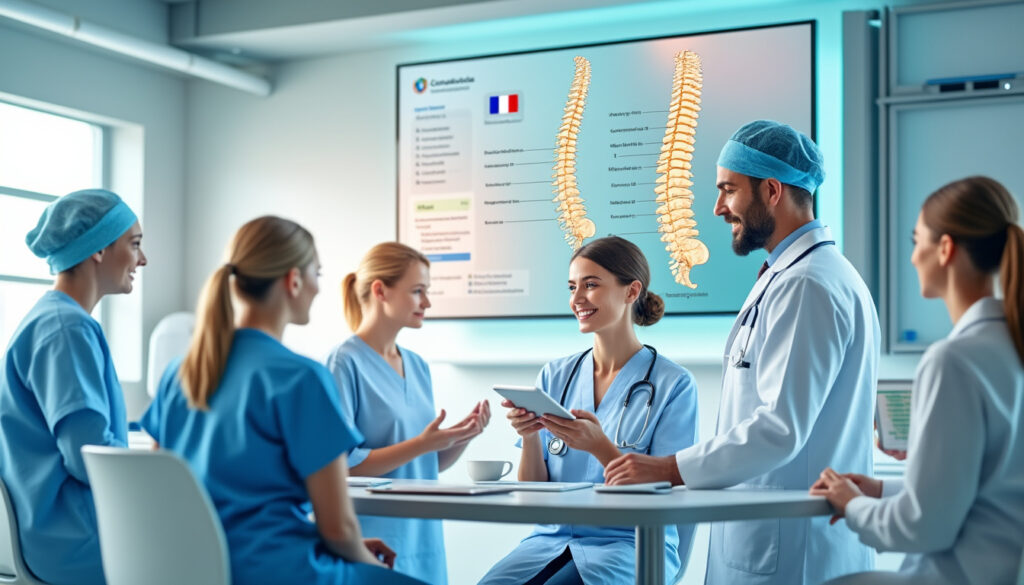
Quebec residents seeking efficient and advanced neck surgery options increasingly benefit from a transatlantic healthcare partnership expertly coordinated by Dr. Sylvain Desforges. This unique model bridges Canadian and French medical expertise, providing seamless patient navigation that encompasses evaluation, innovative surgical access, and postoperative care tailored to individual needs.
Distinctive features of this international pathway include:
- Reduced Waiting Times: Patients bypass lengthy Quebec system delays, accessing prompt surgical interventions.
- Access to Cutting-Edge Technologies: Availability of modern motion-preserving implants and minimally invasive techniques uncommon or unavailable locally.
- Multilingual, Culturally Sensitive Care: Patients receive tailored communication and education respecting Quebec’s linguistic and cultural context.
- Comprehensive Rehabilitation Across Borders: Coordinated postoperative programs spanning both France and Canada ensure continuity of care and optimized recovery.
By collaborating closely with French hospital teams, clinics like Clinique TAGMED, and international medical tourism platforms, Dr. Desforges offers Quebec patients an unrivaled journey that is medically rigorous, ethically sound, and personally supportive.
IntraSPINE® in Laval: Modern Solution for Lumbar Stabilization
In the evolving landscape of orthopedic treatments, the city of Laval has become a hub for innovations addressing chronic lower back pain. Among the groundbreaking solutions gaining attention is the IntraSPINE device—a modern spinal implant designed to offer dynamic lumbar…
Empowering Patients Through Clear Information and Supportive Care
A key pillar in Dr. Desforges’ approach is educational transparency that demystifies surgical procedures and care pathways for both patients and caregivers. By translating complex medical jargon into accessible language, patients develop confidence and agency in their healthcare decisions.
Education focuses on:
- Clarifying Surgical Options and Procedures: Explaining distinctions between fusion, disc replacement, and hybrid surgeries.
- Setting Realistic Expectations: Discussing potential outcomes, risks, and rehabilitation timelines candidly.
- Encouraging Questions and Dialogue: Creating a safe space for concerns and active participation in decision-making.
- Recognizing Individual Uniqueness: Tailoring recommendations based on each patient’s clinical profile and lifestyle goals.
This human-centered philosophy fosters trust, reduces anxiety, and supports sustained engagement, critical for optimal recovery and satisfaction. Patients are encouraged to visit trusted resources or schedule evaluations to start their informed neck health journey.
Neck Surgery in Montreal: Maintain Cervical Flexibility and Function
Neck conditions causing persistent pain or functional loss place a substantial burden on individuals and healthcare systems, especially in urban centers like Montreal. Surgical interventions targeting the cervical spine have evolved tremendously, aiming not only to relieve symptoms but to…
Distinguishing Specialized Clinics Offering Comprehensive Neck Care in Montreal
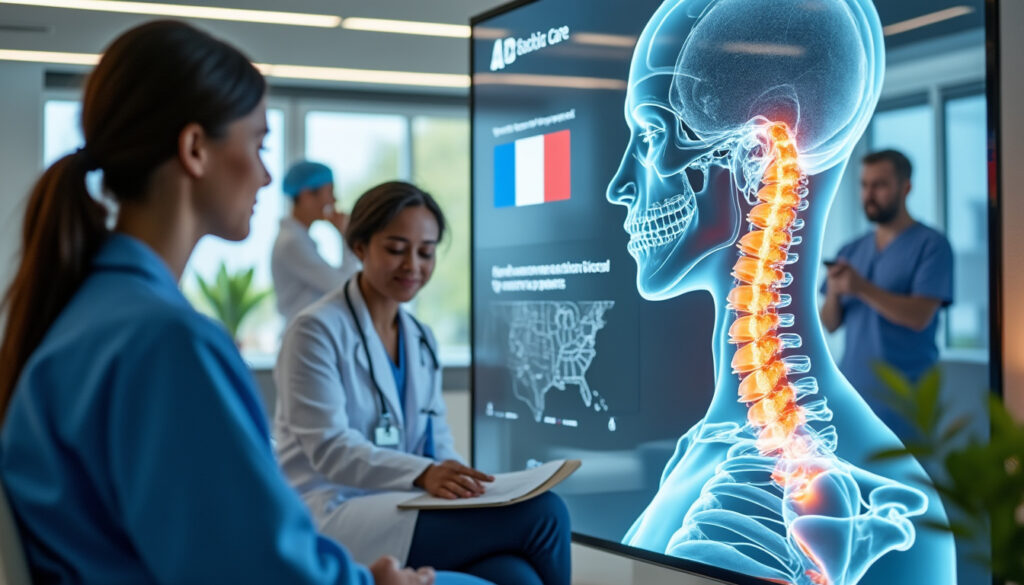
Montreal and Quebec benefit from specialized centers such as Clinique TAGMED, recognized for their pioneering role in advanced conservative spinal care, neurovertebral decompression, and pre/postoperative management. These settings provide patients with access to technologies and techniques not widely available in Canada, supported by the expert oversight of Dr. Desforges.
Moreover, private institutions like SpineGuard Montreal and the Montreal Spine Institute complement this ecosystem, offering surgical expertise with a strong focus on innovation and patient-specific treatment pathways. This network ensures continuous support, leveraging the latest scientific evidence and a multidisciplinary team ethos to optimize results.
Patients planning neck surgery can thus confidently navigate their options informed by highly specialized evaluations, comprehensive conservative care, and access to global surgical innovations delivered through transatlantic coordination.
Will neck surgery always reduce my cervical flexibility?
No, not all neck surgeries reduce cervical flexibility. Modern procedures like artificial disc replacement and hybrid surgeries are specifically designed to preserve or restore natural neck mobility, unlike traditional spinal fusion which limits movement. Your surgical approach will be selected based on your individual diagnosis.
How long does recovery take after neck surgery involving C5-C6-C7?
Recovery timelines vary depending on the exact surgical procedure but generally span from a few weeks for simple procedures to up to one year for multi-level fusion surgeries. Rehabilitation and adherence to postoperative care significantly influence recovery quality and speed.
Why must I try conservative treatments before considering surgery?
Scientific and ethical standards recommend at least 3 to 6 months of conservative management, including advanced therapies like neurovertebral decompression at specialized clinics such as Clinique TAGMED, to maximize healing and potentially avoid surgery altogether.
What are the benefits of a transatlantic neck surgery coordination program?
The transatlantic care model reduces waiting times, provides access to innovative surgical technologies, ensures culturally sensitive communication, and offers integrated postoperative rehabilitation in both France and Canada, leading to optimized patient outcomes.
Where can I find reliable resources and support for neck surgery in Montreal?
Reputable centers such as Clinique TAGMED and expert evaluators like Dr. Sylvain Desforges offer comprehensive neck care services. Online patient guides and institutional resources provide accessible information, helping patients make informed decisions about their treatment journey.

Disc Prosthesis in Lévis: Quick and Long-Lasting Results
Chronic back pain caused by degenerative disc disease continues to profoundly impact the quality of life for many residents in Lévis and the broader Quebec area. For decades, traditional spinal fusion surgery has been the primary solution for alleviating severe…