Disc Prosthesis in Lévis: Innovation and Restored Comfort
October 26, 2025
IntraSPINE® in Laval: Personalized Procedure for Active Patients
October 26, 2025
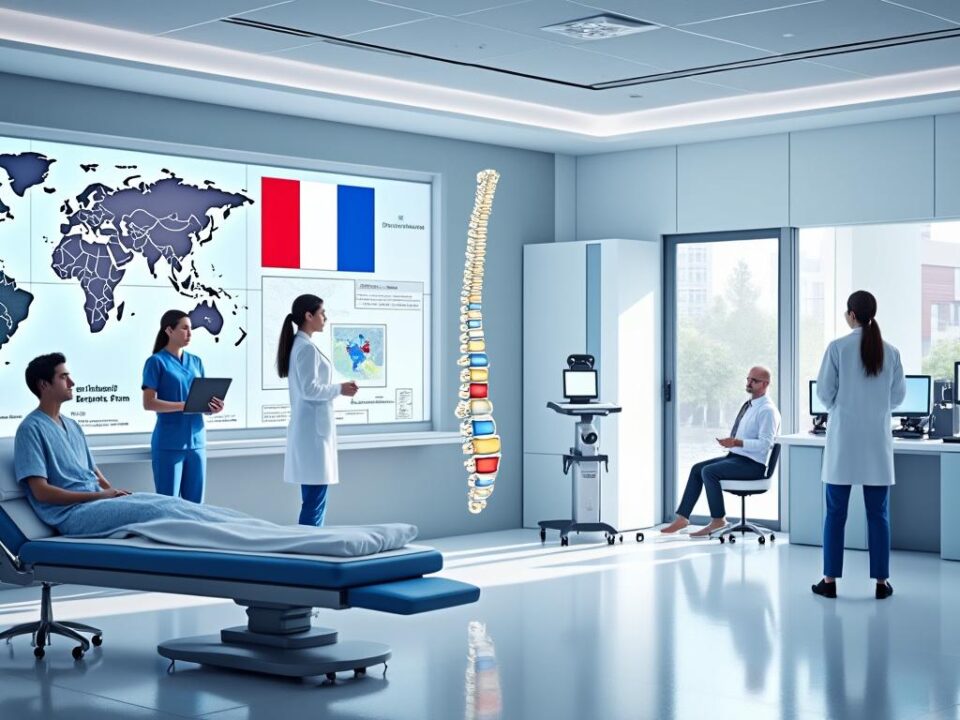
Neck surgery is often viewed with apprehension, particularly regarding the potential loss of mobility and quality of life following the procedure. This concern is natural, especially given the prevalence of outdated perceptions and myths rooted in older surgical techniques. However, advances in spinal care have transformed surgical interventions, focusing on preserving motion and minimizing disruptions to patients’ daily activities. The current opportunities for Quebec residents to access innovative neck surgery options, including a comprehensive transatlantic care pathway involving France, offer a promising option to bypass long wait times and high costs in local private care, all while benefiting from state-of-the-art technologies that prioritize mobility preservation.
Dr. Sylvain Desforges, an expert with over 30 years in spinal evaluation and osteopathic care, is at the forefront of guiding patients through these complex decisions. Leveraging rigorous scientific protocols, ethical standards, and cutting-edge innovations such as dynamic implants and neurovertebral decompression, Dr. Desforges emphasizes individualized care plans designed to meet each patient’s unique needs. Importantly, surgical intervention remains a last resort, following a thorough trial of conservative treatments – notably when advanced therapies like those offered at the Clinique TAGMED in Montreal have not provided sufficient relief.
This article delves deeply into the various types of neck surgery available in France, the detailed patient journey from initial assessment to post-operative recovery, and the multiple benefits of an international care coordination model. Alongside, it addresses rehabilitation strategies, economic and biomechanical advantages, and the crucial role of patient education. If you are a Quebec resident exploring alternatives for debilitating neck conditions, this comprehensive guide will equip you with the knowledge to engage confidently in your healthcare decisions.
Modern Neck Surgery Options in France: From Fusion to Motion Preservation
Historically, neck surgeries primarily involved spinal fusion, a technique that immobilizes affected vertebrae to relieve pain and stabilize the spine. Although effective, fusion inevitably restricts movement at the operated level, sometimes increasing stress on adjacent segments, which can accelerate degeneration over time. Today, however, surgical innovation offers a broader spectrum of options designed to preserve or restore mobility, leading to better functional outcomes and patient satisfaction.
Types of Neck Surgeries Offered
- Simple Discectomy: Removal of the herniated portion of a disc to relieve nerve compression while preserving much of the disc and spine’s flexibility.
- Spinal Fusion: Stabilizing the spine by permanently connecting two or more vertebrae, typically for severe degeneration or instability cases.
- Artificial Disc Replacement (ADR): Replacing the damaged cervical disc with a prosthesis designed to maintain natural motion, reducing adjacent segment stress.
- Hybrid Surgeries: Combining fusion and artificial disc replacement in multi-level neck pathologies to optimize pain relief and mobility preservation.
In France, advanced surgical centers utilize sophisticated instrumentation and minimally invasive techniques, significantly reducing tissue trauma and recovery time. For example, motion preservation surgeries such as cervical disc prosthesis enable patients to maintain most of their neck’s natural range of motion, challenging the outdated notion that neck surgery inevitably results in stiffness.
Evaluating Suitability and Indications
Candidates for artificial disc replacement generally have localized disc degeneration or herniation causing chronic neck or radicular arm pain without severe instability or deformity. Conversely, fusion remains the preferred method when instability, gross deformities, or advanced degeneration is present. Practitioners rely on comprehensive diagnostics, including MRI scans, X-rays, and clinical assessments, to tailor surgical plans.
Notably, some patients benefit from a hybrid approach, where one cervical level is fused while adjacent ones receive artificial disc replacements. This approach preserves mobility more holistically than multiple-level fusions while effectively resolving pain.
| Procedure | Purpose | Mobility Impact | Recovery Time | Usage Criteria |
|---|---|---|---|---|
| Simple Discectomy | Relieve nerve compression by removing herniated disc material | Minimal impact | Few weeks | Herniated disc with no instability |
| Spinal Fusion | Stabilize severe degeneration or instability | Loss of motion at fused segments | Several months | Severe degeneration, instability |
| Artificial Disc Replacement | Restore or preserve motion at the disc level | Preserves natural neck movement | Several weeks to months | Localized disc disease without instability |
| Hybrid Surgery | Combine fusion and ADR for multi-level pathologies | Optimized motion preservation | Variable, often longer than single-level procedures | Multi-level degeneration needing customized approach |
For patients interested in exploring these options, consulting experts affiliated with centers such as the SpineGuard Montreal or the Montreal Spine Institute ensures access to the latest expertise.
Minimally Invasive Surgery in Longueuil: Preserve Function and Speed Recovery
Minimally invasive surgery has transformed spine care by blending surgical innovation with patient-centered recovery goals. In Longueuil, Quebec, this approach is redefining how spinal conditions are treated, focusing on preserving function while significantly speeding up recovery time. With advances in…
Step-by-Step Patient Journey: From Evaluation to Transatlantic Post-Operative Care
Embarking on neck surgery, especially involving international coordination, requires a systematic and well-orchestrated patient pathway. Dr. Desforges’ role as an expert in spinal evaluation ensures that patients undergo thorough assessment and receive tailored advice that respects their personal and clinical nuances.
Initial Evaluation and Conservative Care
The journey begins with a comprehensive evaluation involving clinical interviews, advanced imaging, and biomechanical analysis to understand the patient’s condition fully. Dr. Desforges strongly advocates completing at least three to six months of conservative treatments prior to surgery consideration. These therapies may include physical therapy, osteopathic manipulations, targeted drug therapies, and notably, neurovertebral decompression therapy available at Clinique TAGMED. This advanced conservative approach has helped many avoid surgery altogether or better prepare for it.
Pre-Surgical Preparation and Transatlantic Coordination
For patients opting or advised to pursue surgical treatment, transatlantic collaboration between Canadian and French surgical teams facilitates streamlined care. This includes organizing medical records, coordinating diagnostic reevaluation, and planning surgical dates that minimize wait times characteristic of the Quebec healthcare system.
Advantages of this pathway include:
- Reduced waiting periods for surgery and care coordination.
- Access to innovative prosthetic devices and techniques unavailable or rarely used in Quebec.
- Multilingual support and culturally sensitive patient care.
- Post-operative rehabilitation planning bridging both countries.
Surgery and Immediate Post-Operative Management
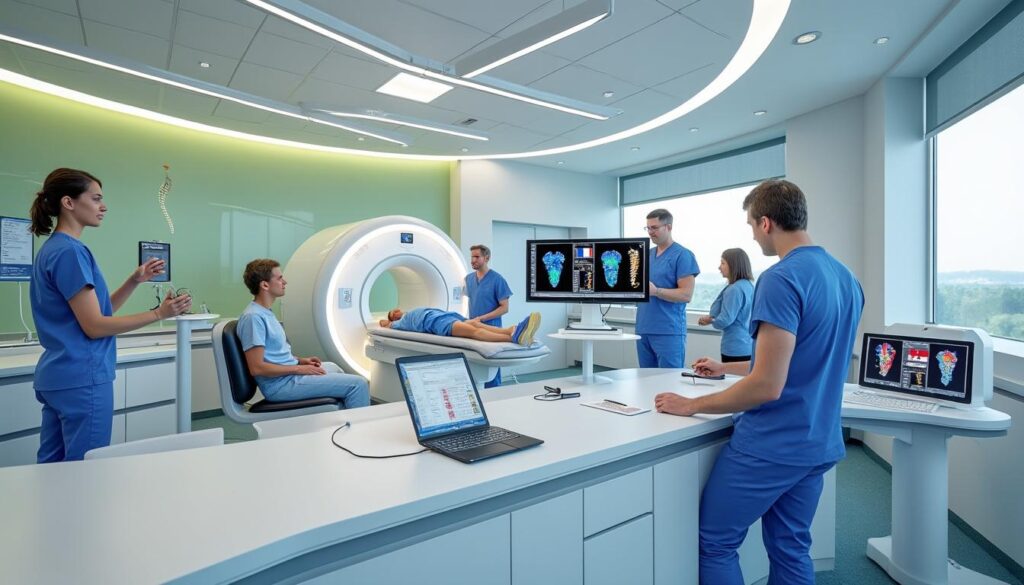
The surgical procedure in France is performed by experienced teams equipped with precision tools to minimize tissue trauma and promote faster recovery. Following surgery, patients enter specialized rehabilitation programs that focus on restoring strength, flexibility, and functional mobility essential for daily life and work.
Return to Quebec and Long-Term Rehabilitation
Upon returning to Montreal, patients benefit from integrated follow-up programs supported by expert rehabilitation centers such as NeckCare Specialists and Cervical Recovery Solutions. These include tailored exercise regimens, posture re-education, and psychosocial support that enhance surgical outcomes and reduce risks of complications.
| Stage | Description | Typical Duration | Key Considerations |
|---|---|---|---|
| Evaluation & Conservative Therapy | Thorough assessment and at least 3-6 months of therapies including decompression | 3-6 months | Ensures optimal timing and surgical necessity |
| Pre-Surgery Coordination | Transatlantic planning, diagnostics review | Weeks to months | Involves medical records exchange and patient counseling |
| Surgery & Initial Recovery | Minimally invasive neck surgery with mobility preservation focus | Days to weeks | Close monitoring, pain management, early physical therapy |
| Return & Long-Term Rehabilitation | Post-surgical therapy and functional restoration in Montreal | 3+ months | Customized programs that prevent secondary issues and optimize function |

Disc Prosthesis in Lévis: Maintain Natural Mobility
In the evolving landscape of spinal health, the pursuit of innovative solutions for chronic back pain and degenerative disc conditions has never been more critical. Residents of Lévis and surrounding regions seeking pathways beyond the limitations of traditional spinal fusion…
Biomechanical and Economic Advantages of Motion-Preserving Neck Surgeries
One of the significant breakthroughs in cervical spine surgery is the recognition that motion preservation substantially improves patient outcomes by maintaining natural spinal mechanics and reducing accelerated degeneration of adjacent discs.
Biomechanical Benefits
- Preservation of Natural Range of Motion: Artificial disc prostheses sustain neck flexibility, allowing patients to perform daily activities comfortably and without the limitations typical after fusion surgery.
- Reduced Adjacent Segment Disease (ASD): Motion-preserving technologies diminish the extra stress on unoperated segments, a common complication following fusion surgeries.
- Improved Postural Alignment: Maintaining natural spinal curvature reduces pain and limits secondary musculoskeletal compensations.
Economic and Human-Centered Outcomes
On a broader level, choosing advanced neck surgery techniques through a transatlantic pathway has several economic and societal advantages:
- Lower Long-Term Healthcare Costs: Faster recovery times, reduced revision surgeries, and fewer complications translate into healthcare savings.
- Minimized Loss of Productivity: Patients often return to work and routine activities more quickly, positively impacting families and the economy.
- Personalized Care and Support: Patients receive continuous guidance before, during, and after surgery with clear communication and support, reducing anxiety and improving satisfaction.
| Benefit Type | Description | Long-Term Impact |
|---|---|---|
| Biomechanical | Natural motion preservation and reduced adjacent segment disease | Decreased pain and longer spinal health |
| Economic | Lower healthcare expenses and fewer reoperations | Cost savings for patients and systems |
| Human-Centered | Enhanced recovery experience and faster return to daily life | Improved quality of life and mental well-being |
Clinics such as Motion Surgery Reduce Pain and Preserve Mobility have championed these approaches, providing patients across Quebec access to world-class care strategies designed for optimal spine function.
Motion Surgery in Terrebonne: Advanced Techniques Available in France
With over three decades of dedicated expertise in spine care, I have witnessed firsthand the evolution of surgical options aimed at improving quality of life for those living with spinal disorders. Among these advances, Motion Surgery stands out in Terrebonne…
Rehabilitation Strategies to Regain Neck Mobility Post-Surgery
Recovery after neck surgery is a gradual process requiring dedication to personalized rehabilitation programs. These programs have been clinically proven to facilitate muscle strengthening, reduce stiffness, and promote full functional mobility.
Essential Components of Post-Surgical Rehabilitation
- Gentle Range of Motion Exercises: Carefully performed stretches such as diagonal neck stretches and chin tucks help restore flexibility without overstraining healing tissues.
- Strengthening Regimens: Targeted exercises for neck and shoulder muscles improve stability and reduce pain recurrence risks.
- Postural Education: Awareness and correction of posture reduce undue spinal stress and prevent compensation injuries.
- Breathing Techniques: Diaphragmatic breathing as part of relaxation therapy supports overall healing and pain management.
Specific exercises endorsed by reputable institutions (including Memorial Sloan Kettering Cancer Center) emphasize slow, controlled movement and consistent performance to optimize results.
| Exercise | Description | Frequency | Benefits |
|---|---|---|---|
| Diagonal Neck Stretch (Up & Down) | Stretching lateral and cervical muscles | Twice daily, 5 repetitions each side | Enhances flexibility and reduces tightness |
| Chin Tuck | Neck strengthening and posture correction | Twice daily, 10 repetitions | Improves alignment and spinal support |
| Backward Shoulder Rolls | Shoulder mobility and tension relief | Twice daily, 10 repetitions | Reduces muscle stiffness and improves circulation |
| Pectoral Stretch Using Doorway | Chest and shoulder muscle relaxation | Twice daily, 5 repetitions | Prevents chest tightness and promotes balanced posture |

Lumbar Disc Prosthesis in Saguenay: Long-Lasting Relief After Surgery
Chronic back pain rooted in lumbar disc degeneration challenges many patients in Saguenay and beyond, urging exploration of innovative solutions to restore spine health and quality of life. Traditional spinal fusion surgeries, though effective for stabilizing painful segments, have notable…
Why Conservative Treatments are Crucial Before Considering Surgery
Despite the effectiveness of modern surgery, it is essential that any patient considered for surgical intervention has first undergone a sufficiently prolonged period of conservative management. Evidence-based practice and ethical care demand a structured trial of conservative therapies, particularly advanced neurovertebral decompression techniques provided by clinics like Clinique TAGMED.
Three to six months of non-surgical approaches ensure that:
- The diagnosis is confirmed and explored comprehensively, minimizing unnecessary surgeries.
- Patients maximize their potential for natural healing, often resulting in symptom resolution without invasive procedures.
- Surgeons can better predict operative outcomes, tailoring the most appropriate interventions if needed afterward.
Conservative management may encompass osteopathy, physiotherapy, targeted injections, and the innovative use of laser therapies or dynamic implants in select cases. Such rigor in decision-making reflects Dr. Desforges’ commitment to scientifically robust, ethical, and patient-forward care.
| Conservative Treatment | Purpose | Duration | Expected Outcome |
|---|---|---|---|
| Neurovertebral Decompression | Non-invasive disc unloading and nerve decompression | 6-12 weeks | Pain reduction and improved mobility |
| Osteopathic Manipulation | Restore joint and soft tissue function | 3-6 months | Enhanced spinal alignment and pain relief |
| Laser Therapy | Promote tissue healing and reduce inflammation | Varies per case | Symptom management and accelerated recovery |
IntraSPINE® in Sherbrooke: Maintain Lumbar Function
In the modern management of lumbar spine conditions, patients in Sherbrooke and across Quebec are increasingly presented with innovative solutions that prioritize maintaining natural spinal function while alleviating debilitating pain. Among these advancements, the IntraSPINE device has emerged as a…
The Unique Value of a Coordinated Transatlantic Care Pathway
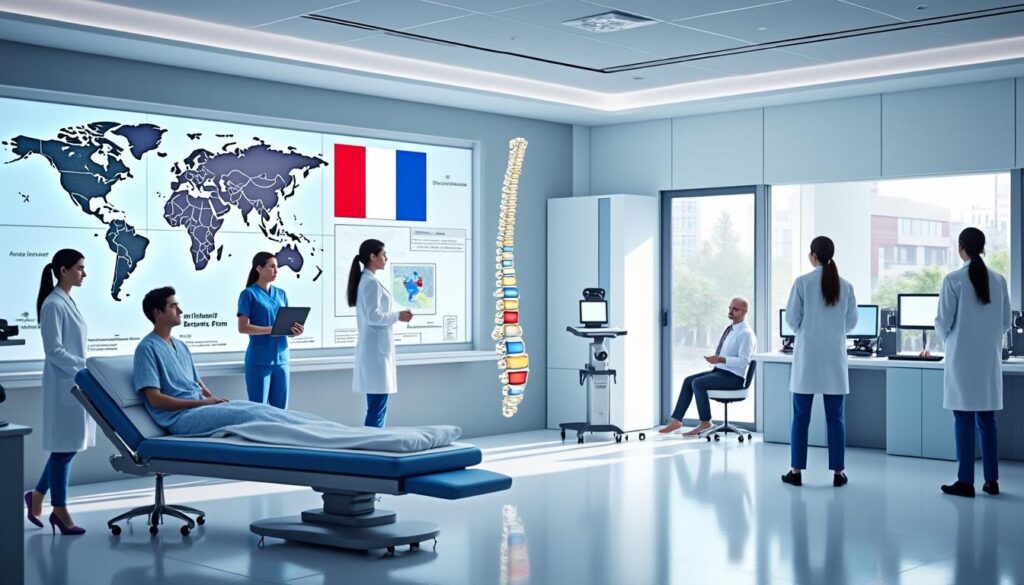
Belgium needs the Brussels multinational transcultural synergy, if I could speak in jest: Quebec patients now enjoy the possibility to undergo neck surgery in France under expert surgeons, coordinated by specialists like Dr. Desforges who expertly bridge Canadian and French healthcare cultures. This international collaboration maximizes access to novel surgical techniques and personalized care plans unavailable domestically.
Key Features of the International Coordination Model
- Seamless communication between Canadian evaluators and French surgeons ensures consistent, up-to-date clinical information flows.
- Patient-centric navigation guiding individuals through travel, surgical preparation, and rehabilitation logistics.
- Access to innovative devices and clinical trials enhancing outcomes with top-tier technology.
- Culturally sensitive care offering multilingual consultations and patient education materials tailored to Quebec populations.
This approach minimizes bureaucratic barriers and optimizes timing, a critical factor for progressive cervical spine conditions.
| Feature | Benefit | Example |
|---|---|---|
| Collaborative Medical Teams | Quality assurance and shared expertise | Dr. Desforges coordinating with French neurosurgeons |
| Transatlantic Patient Navigation | Simplified logistics and reduced patient anxiety | Scheduling flights and accommodation aligned with surgery dates |
| Technology Access | Availability of motion-preserving implants | Utilization of the latest cervical disc prostheses |
Minimally Invasive Surgery in Longueuil: Reduce Post-Surgery Pain
Minimally invasive surgery in Longueuil is transforming the patient experience by significantly reducing post-surgery pain and accelerating recovery times. With advances in surgical techniques such as laparoscopic and robotic-assisted procedures, patients can benefit from smaller incisions, less tissue damage, and…
Empowering Patients with Knowledge and Support Throughout Their Surgical Journey
At the heart of Dr. Desforges’ practice lies a dedication to clear, comprehensive communication and patient empowerment. Understanding the complexities of neck pathologies, surgical options, and rehabilitation pathways allows patients to make informed decisions and actively participate in their care.
Key Patient Education Components
- Plain-language explanations demystifying medical jargon and surgical procedures.
- Transparency about risks, benefits, and alternatives to encourage realistic expectations.
- Encouragement to ask questions and discuss concerns openly at every stage.
- Personalized assessments recognizing each patient’s unique circumstances and goals.
This human-centric approach nurtures trust, reduces anxiety, and fosters better clinical outcomes.
| Education Aspect | Purpose | Benefit |
|---|---|---|
| Clear Communication | Make complex concepts accessible | Empowers patient involvement |
| Risk-Benefit Transparency | Set accurate expectations | Aids informed consent |
| Open Dialogue | Address concerns | Reduces anxiety and confusion |
| Customization | Tailored care plans | Optimizes satisfaction and adherence |
Neck Surgery in Montreal: Maintain Natural Cervical Flexibility
Neck surgery remains a crucial consideration for patients suffering from severe cervical spine disorders where conservative treatments have failed. In Montreal, access to specialized care offers patients the opportunity to explore advanced surgical solutions designed to maintain natural cervical flexibility—an…
Specialized Services and Innovation at Clinique TAGMED and Affiliated Centers
Clinique TAGMED in Montreal stands as a beacon for advanced conservative spinal care, offering cutting-edge therapies such as neurovertebral decompression, dynamic implants, and laser technology that few clinics in Canada provide. Dr. Desforges’ affiliation ensures that patients receive a full spectrum of assessment and non-surgical treatment before considering surgery.
This holistic approach combines:
- Expert evaluation by Dr. Desforges, applying over three decades of osteopathic and scientific expertise.
- Integration of advanced technologies, including motion-preserving implants and minimally invasive surgical options.
- Comprehensive rehab programs bridging pre- and post-operative care with personalized follow-ups.
- International collaboration, connecting patients to global surgical innovations across France and Canada.
By leveraging these unique resources, patients access care pathways that are unmatched in Quebec.
Disc Prosthesis in Lévis: Fast and Lasting Results
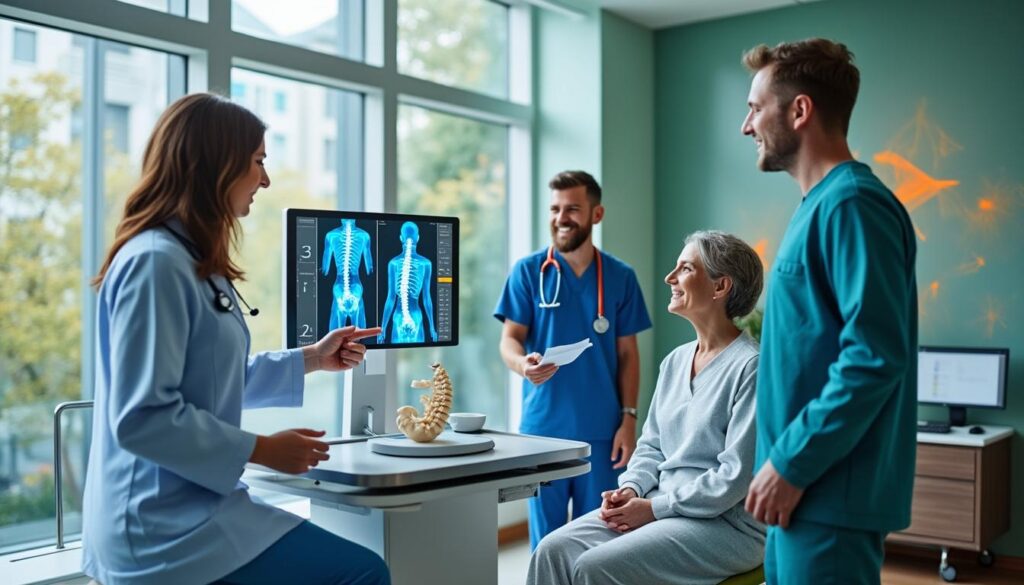
In the realm of spinal care, patients battling chronic back pain and degenerative disc diseases continuously seek solutions that offer not just symptom relief but also the restoration of natural spinal function. Disc prosthesis, or artificial spinal disc replacement, has…
Engaging Confidence: A Supportive Message for Quebec Patients Facing Neck Surgery
Choosing to undergo neck surgery is a significant decision filled with understandable concerns. Dr. Desforges emphasizes a compassionate and patient-first mindset, reassuring individuals that evaluation and surgical exploration are conducted with the utmost respect for their unique needs and wellbeing. Each case is carefully analyzed, and options are discussed transparently to ensure patients feel supported every step of the way.
He encourages patients to actively seek information, engage in discussions, and remember that modern surgery does not equate to loss of mobility. Instead, with expert evaluation and contemporary techniques, many patients successfully restore their function and reclaim their quality of life.
Access to specialized centers such as Fusion-Free Montreal and the Precision Cervical Clinic provides pathways tailored to diverse patient needs.
For personalized advice or to start an evaluation, please visit this page. Taking the first step toward mobile, pain-free living could be closer than you imagine.
Will I lose neck mobility after surgery?
Modern neck surgeries, particularly artificial disc replacements, are designed to preserve or restore neck mobility. Fusion surgeries reduce motion at the operated levels but are selected only when necessary. Your surgical team will tailor the approach based on your individual condition.
How long does recovery take after neck surgery?
Recovery varies by procedure but generally ranges from weeks for simple discectomy to several months for fusion or hybrid surgeries. Rehabilitation programs significantly impact recovery speed and quality.
What conservative treatments should I try before surgery?
A minimum of 3 to 6 months of conservative therapies including osteopathy, physical therapy, and neurovertebral decompression is recommended. Clinics like Clinique TAGMED specialize in advanced non-surgical care that can improve outcomes or sometimes eliminate the need for surgery.
How does the transatlantic care pathway benefit patients?
It reduces waiting times, allows access to innovative surgical techniques and devices, provides continuous multidisciplinary support, and facilitates seamless post-operative rehabilitation spread across both Canada and France.
Can I undergo neck surgery privately in Montreal?
Private care options exist in Montreal at centers like SpineGuard Montreal and Montreal Spine Institute. Discussing with experienced evaluators ensures you choose the best care pathway.