Comprehensive Insights into the Role of Franchir in Patient Care Management
November 20, 2025
Vaudreuil-Dorion Herniated Disc Success Stories from TAGMED
November 20, 2025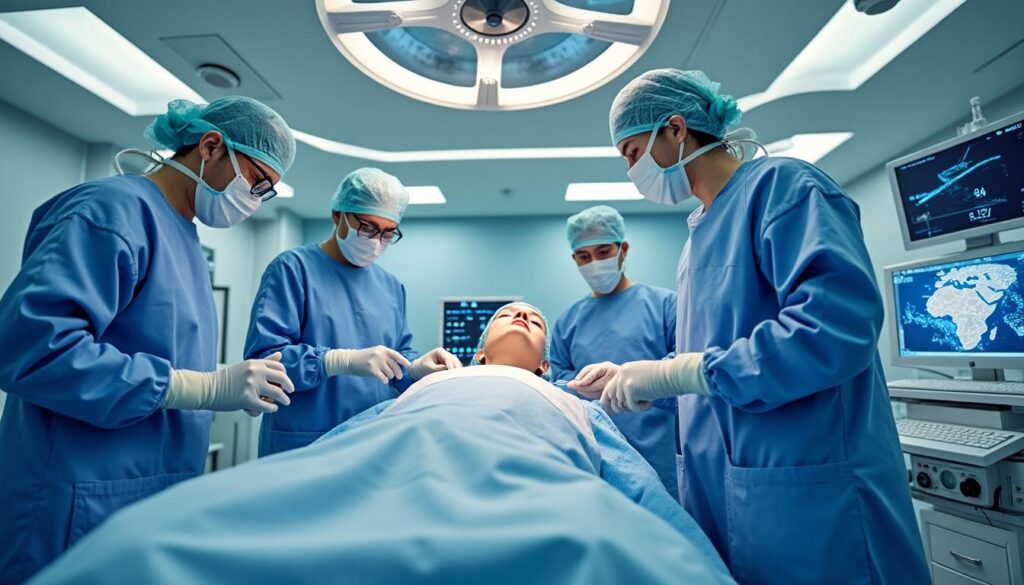
Neck pain affects countless individuals in Montreal, influencing their daily comfort and overall well-being. While many find relief through conservative treatments, some reach a point where surgical intervention becomes a necessary consideration. Among these patients, concerns about post-surgical stiffness and limited neck mobility often take center stage, shaping their decisions and expectations. Advances in precision neck surgery coupled with innovative postoperative care strategies are transforming the landscape, providing hope for improved outcomes with minimized postoperative stiffness. Notably, patients today have expanded access to cutting-edge surgical solutions through transatlantic collaborations, seamlessly linking Canadian expertise with pioneering centers in France.
Dr. Sylvain Desforges, with over 30 years of experience and a rich background including qualifications such as B.Sc., D.O., and N.D., stands as a leading figure in spinal evaluations and comprehensive patient care. As founder and president of esteemed organizations like the ACMA and the Collège des Ostéopathes Canadiens, he brings a unique combination of scientific rigor, ethical dedication, and innovative mindset to guiding patients facing neck surgery. By focusing on evidence-based practices and personalized education, Dr. Desforges ensures patients are well-informed and supported throughout their treatment journeys, including international care pathways that optimize surgical timing, technology access, and rehabilitation quality.
Comprehensive Understanding of Neck Surgery Options in Montreal and France
Choosing the right neck surgery is a critical step that hinges on detailed knowledge about the available procedures and their implications. Typically, neck surgeries fall into three primary categories:
- Simple decompression surgery: procedures such as anterior cervical discectomy aim to relieve nerve pressure by removing herniated or degenerated discs without destabilizing the spine.
- Fusion surgeries: these join vertebrae permanently, stabilizing the spine but often restricting neck movement and possibly contributing to stress on adjacent spinal segments.
- Motion-preserving surgeries: techniques like artificial disc replacement maintain cervical flexibility, allowing for natural spinal motion and reducing complications linked to fusion.
French surgical centers, renowned for their advanced technology and innovative implants, offer dynamic implant options and laser-assisted procedures that may not yet be common in Canada. This accessibility is a significant consideration for patients seeking optimal biomechanical outcomes and reduced postoperative stiffness.
| Type of Surgery | Main Goal | Advantages | Potential Limitations |
|---|---|---|---|
| Simple Decompression | Relieve nerve pressure | Minimally invasive; preserves motion | May not address spinal instability |
| Fusion Surgery | Stabilize vertebrae | Strong, lasting stabilization | Reduced mobility; risk of adjacent segment disease |
| Motion-Preserving Surgery | Maintain neck flexibility | Reduces adjacent segment stress; preserves function | Limited to select patients; variable availability |
Exploring surgery options via collaborative platforms such as SOS Tourisme Médical provides patients with access to these innovations, enhancing treatment personalization and surgical recovery prospects.

IntraSPINE® in Sherbrooke: Durable Solution for Chronic Low Back Pain
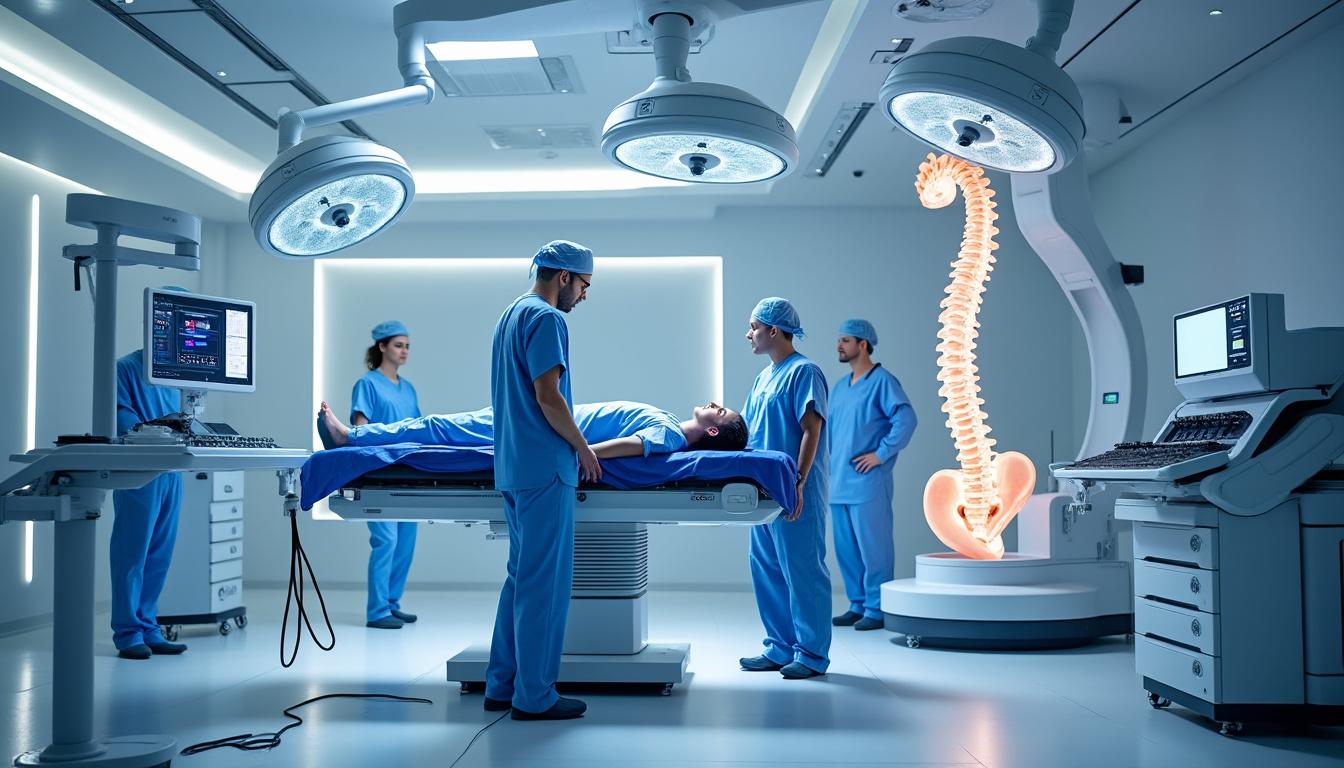
The management of chronic low back pain, a widespread condition affecting millions across Quebec and beyond, has reached a pivotal moment thanks to innovative medical technologies and coordinated care pathways. At the heart of this evolution lies the IntraSPINE implant,…
Spine Surgery in Trois-Rivières: Reduce Pain and Preserve Mobility
In recent years, spine surgery in Trois-Rivières has evolved notably, combining advanced medical expertise with innovative technologies to deliver patient-centered care. This growing field addresses the increasing demand among Quebec residents seeking effective solutions for chronic back pain and mobility…
Steps in the Patient Journey: From Evaluation to Postoperative Recovery
Embarking on neck surgery involves a carefully coordinated sequence of clinical evaluations, conservative treatments, surgical intervention, and postoperative rehabilitation. Dr. Desforges advocates a rigorous approach ensuring patient safety and optimal outcomes.
Initial Evaluation & Conservative Management in Montreal
The pathway starts with an exhaustive assessment including clinical examination and state-of-the-art imaging to analyze cervical spine conditions. It is crucial to exhaust a period of three to six months of conservative treatments before considering surgery. Treatment modalities include:
- Neurovertebral decompression techniques, especially those available at Clinique TAGMED, which utilize specialized equipment to alleviate nerve root pressure non-invasively.
- Manual therapies including osteopathic assessment and hands-on techniques targeting symptom relief.
- Physical therapy focusing on posture correction, muscle strengthening, and scar tissue management.
- Medication to manage pain and inflammation prudently.
This tiered approach aims to reduce symptoms significantly, potentially avoiding surgery or optimizing the patient’s condition if surgery becomes necessary.
Surgical Intervention in France with Customized Techniques
When surgery is indicated, patients benefit from access to renowned French centers specializing in minimally invasive and motion-preserving surgeries. The transatlantic collaboration facilitated by Dr. Desforges ensures seamless coordination from selection to operative care and communication with Canadian teams.
Postoperative Care and Neck Rehabilitation in Montreal
Following surgery, patients return to Montreal for comprehensive rehabilitation. This stage involves:
- Guided neck mobility exercises to progressively restore movement while avoiding excessive stress.
- Pain management strategies, including medication tapering and specialized manual therapy.
- Scar tissue care through tailored physiotherapy to minimize adhesions and promote flexibility.
- Education on activity modifications and ergonomic principles to support long-term spinal health.
Expert rehabilitation clinics like the Montreal Spine Clinic utilize evidence-based protocols adapted to each surgical technique, promoting an active recovery and minimizing post-surgical stiffness.
| Phase | Location | Key Activities | Expected Outcomes |
|---|---|---|---|
| Initial Evaluation & Conservative Care | Montreal | Clinical exam, imaging, conservative therapies | Symptom relief, informed surgical decision-making |
| Surgical Treatment | France | Precision surgery, advanced implants, anesthesia | Spinal decompression, preserved neck motion, reduced complications |
| Postoperative Rehabilitation | Montreal | Neck exercises, manual therapy, pain management | Minimized stiffness, restored function and quality of life |
Patients encouraged to learn more about this pathway may consult resources like this detailed overview detailing postoperative care strategies.

TOPS™ in Gatineau: High-Performance Option for the Lumbar Spine
The landscape of spinal surgery has witnessed profound evolution, particularly for patients grappling with lumbar spine disorders such as spinal stenosis and spondylolisthesis. These conditions, increasingly prevalent among Quebec’s population, impose substantial limitations on mobility and quality of life. The…

Cervical Disc Prosthesis in Quebec City: Avoid Post-Surgery Stiffness
Chronic neck pain remains a significant challenge for thousands of residents in Quebec City every year, often leading them to seek effective spinal surgery options that minimize downtime and maximize long-term mobility. Among the recent advancements revolutionizing cervical spine care,…
Motion-Preserving Surgery in Terrebonne: Sustaining Neck Mobility After Surgery
Among the evolving surgical options, motion-preserving procedures stand out for their ability to maintain cervical flexibility postoperatively. Instead of fusing vertebrae, these procedures use implants like artificial discs to allow natural movement.
The advantages of motion-preserving surgery include:
- Preservation of nearly normal neck flexibility, which supports both comfort and function in routine activities.
- Reduction in adjacent segment disease by mitigating stress on vertebral segments neighboring the surgical site.
- Shortened rehabilitation duration thanks to quicker recovery of motion.
- Lower rates of secondary surgeries compared to conventional fusion surgeries.
| Outcome | Motion-Preserving Surgery | Fusion Surgery |
|---|---|---|
| Range of Motion | Preserved | Restricted |
| Risk of Adjacent Segment Disease | Lower | Higher |
| Rehabilitation Time | Shorter | Longer |
| Long-Term Complications | Reduced | Increased |
For patients in Terrebonne or beyond seeking to preserve their neck motion, thorough evaluation by experts such as Dr. Desforges is vital to determine candidacy for such innovative techniques. More information about these tailored options is available through specialized resources.
Minimally Invasive Surgery in Longueuil: Reduce Hospital Stay Duration
In recent years, advances in spinal care have dramatically reshaped the treatment landscape for patients suffering from debilitating spinal conditions. Particularly in Longueuil, the emergence of minimally invasive surgery (MIS) techniques offers a transformative alternative to conventional open surgeries. These…
IntraSPINE® in Laval: Modern Solution for Lumbar Stabilization
In the evolving landscape of orthopedic treatments, the city of Laval has become a hub for innovations addressing chronic lower back pain. Among the groundbreaking solutions gaining attention is the IntraSPINE device—a modern spinal implant designed to offer dynamic lumbar…
Conservative Treatments First: Essential Before Considering Neck Surgery
One must emphasize that neck surgery should never be the initial approach but reserved only after a thorough trial of conservative therapies spanning three to six months. Failure to engage in such a phase risks unnecessary procedures and suboptimal results.
Crucially, if treatments during this phase have not included neurovertebral decompression as delivered by institutions like Clinique TAGMED, integration of this modality is highly recommended. This technique uses gentle traction and decompression to relieve nerve pressure, promoting symptom reduction without surgery.
- Manual osteopathic therapies to address muscular and joint dysfunction.
- Physical therapies including posture training and strengthening.
- Neurovertebral decompression targeting nerve root relief non-invasively.
- Patient education to empower lifestyle and ergonomic adaptations.
- Medication when necessary to manage inflammation and pain.
Patients uncertain about the breadth of their conservative care are encouraged to consult specialists. Dr. Desforges consistently advocates this measured, evidence-based approach to maximize patient safety and enhance results.
| Therapy Type | Focus | Expected Benefit |
|---|---|---|
| Manual Osteopathic Therapy | Muscle/joint function | Reduced pain and increased mobility |
| Physical Therapy | Strength, posture | Improved spinal stability |
| Neurovertebral Decompression | Nerve root relief | Symptom alleviation without surgery |
| Education & Lifestyle | Ergonomics, habits | Long-term spinal health |
| Medication | Pain, inflammation | Symptom control |
The Clinique TAGMED stands out as a reference in advanced conservative care, and patients may explore their comprehensive programs for symptom management and enhanced prognosis.
Neck Surgery in Montreal: Maintain Cervical Flexibility and Function
Neck conditions causing persistent pain or functional loss place a substantial burden on individuals and healthcare systems, especially in urban centers like Montreal. Surgical interventions targeting the cervical spine have evolved tremendously, aiming not only to relieve symptoms but to…

Disc Prosthesis in Lévis: Quick and Long-Lasting Results
Chronic back pain caused by degenerative disc disease continues to profoundly impact the quality of life for many residents in Lévis and the broader Quebec area. For decades, traditional spinal fusion surgery has been the primary solution for alleviating severe…
Addressing Post-Surgical Neck Stiffness: Proven Strategies in Montreal
Postoperative stiffness remains a common concern for patients after neck surgery, often affecting their quality of life. Specialized care plans in Montreal aim to tackle this challenge through a multipronged rehabilitation strategy.
- Rest and controlled activity during the first postoperative days prevent undue stress on healing tissues.
- Consistent use of neck braces protects the cervical region while encouraging safe mobilization.
- Meticulous wound care helps avoid infections that could complicate recovery.
- Balanced nutrition rich in protein, vitamin C, and calcium supports tissue regeneration.
- Early introduction of guided neck mobility exercises under professional supervision lessens stiffness and promotes functional restoration.
- Gradual medication tapering minimizes side effects and encourages active participation in rehabilitation.
| Postoperative Care Element | Description | Importance |
|---|---|---|
| Activity Limits | Restrict bending, lifting heavy objects initially | Protect healing structures |
| Neck Brace | Maintain cervical stability during movement | Prevent excessive strain |
| Wound Care | Maintain hygiene, dressings care | Reduce infection risk |
| Nutrition | Protein, vitamin C, calcium intake | Optimize repair processes |
| Rehabilitation | Supervised mobility exercises | Minimize stiffness, restore function |
| Medication | Taper narcotics to non-opioids | Enhance safety and rehab participation |
Centers with specialties in postoperative care and physical therapy, such as the Montreal Spine Clinic, offer tailored programs emphasizing these principles to ensure sustained improvements in neck mobility and pain management. For tips on managing post-surgical stiffness, resources like accessphysio.ca provide expert insights.
Economic and Human Advantages of Coordinated Transatlantic Surgical Pathways
Quebec patients face delays and cost challenges when accessing spine surgery within the provincial healthcare framework or private sector. The transatlantic surgical pathway, championed by Dr. Desforges, offers notable economic and humanitarian benefits.
- Reduced waiting times enable earlier intervention, preventing progressive disability and limiting quality of life decline.
- Access to advanced technology such as dynamic implants and laser-assisted techniques not widely available in Canada.
- Cost-effectiveness stemming from competitive pricing and expedited service lowers direct and indirect financial burdens.
- Personalized care coordination ensures seamless transitions between Canadian and French healthcare providers.
- Enhanced postoperative recovery with access to highly skilled multidisciplinary teams focused on preserving neck mobility and minimizing complications.
| Benefit | Impact on Patient Experience |
|---|---|
| Accelerated Access | Alleviates prolonged pain and disability |
| Advanced Tech Access | Optimizes outcomes and reduces complications |
| Cost Efficiency | Makes care more accessible |
| Integrated Care | Improves confidence and satisfaction |
| Optimized Rehab | Supports full functional recovery |
Patients are encouraged to discuss transatlantic pathways with recognized experts to explore tailored options. Insightful details on these benefits can be found at advanced neck surgery solutions.

Empowering Patients Through Education and Clear Communication
Informed decision-making is fundamental when facing neck surgery. Dr. Desforges engages patients with clear, jargon-free explanations that unravel complex clinical concepts to foster confidence and active participation.
- Detailed evaluation reports provide transparency about the specific spinal pathology.
- Balanced discussions encompass surgery indications, contraindications, and alternative treatments.
- Guidance on multidisciplinary approaches empowers patients to navigate healthcare options effectively.
- Encouragement to ask questions nurtures a collaborative atmosphere.
- Ongoing support throughout the entire transatlantic treatment journey minimizes anxiety and improves adherence.
This educational ethos cultivates patient autonomy and a partnership model crucial to positive outcomes. Visitors can learn more about how education enhances the neck surgery experience at advanced motion technology resources.
What types of neck surgeries are commonly used to treat cervical spine disorders?
The main surgeries include simple decompression, fusion procedures, and motion-preserving artificial disc replacements, each tailored to the patient’s pathology and goals.
How important is conservative treatment before considering neck surgery?
Conservative therapies lasting 3 to 6 months, including neurovertebral decompression and manual therapy, are essential to maximize non-surgical relief.
What are the advantages of artificial disc replacement over fusion surgery?
Artificial disc replacement maintains neck mobility, lowers risk of adjacent segment degeneration, shortens rehabilitation, and improves long-term outcomes where appropriate.
How does the transatlantic surgical pathway benefit Quebec patients?
It reduces wait times, grants access to cutting-edge technologies, offers cost advantages, and ensures coordinated personalized care for enhanced recovery.
What strategies help reduce post-surgical neck stiffness?
A combination of controlled activity, neck bracing, wound care, nutrition, guided exercises, and pain medication management promotes optimal recovery and mobility.