Lumbar Disc Prosthesis in Sherbrooke: Preserve Natural Movement
October 26, 2025
Chronic Low Back Pain and Herniated Discs: Solutions in Repentigny
October 26, 2025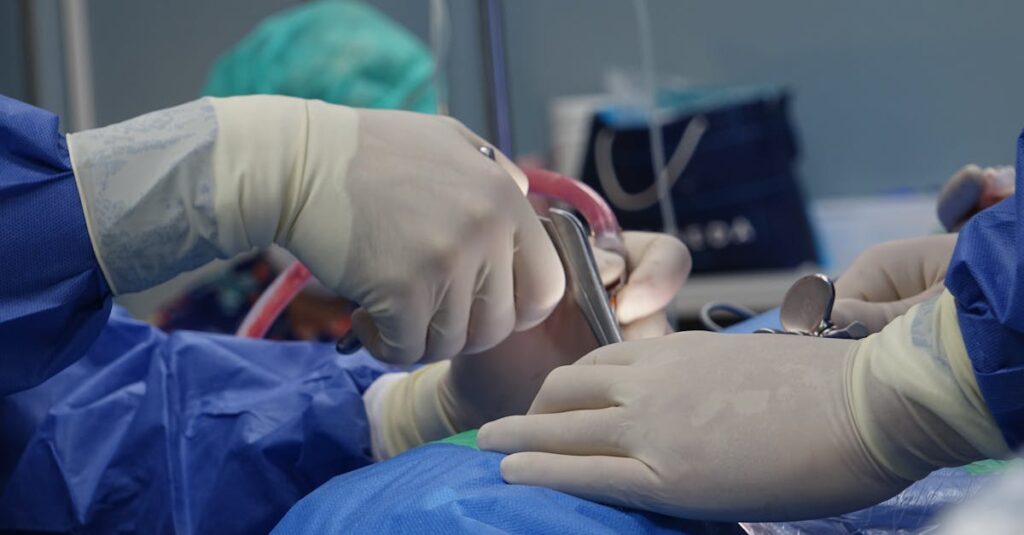
The field of spine surgery is rapidly evolving, shaped by groundbreaking technologies and refined surgical techniques that revolutionize patient care across continents. Montreal, recognized as a hub of medical innovation, is at the forefront of this transformation, offering access to cutting-edge surgical options that compete globally. These advancements not only promise enhanced precision and less invasive interventions but also deliver meaningful improvements in recovery times and overall patient wellbeing. For patients in Quebec facing lengthy wait times or costly private care, exploring spine surgery solutions that combine international expertise and technological excellence presents a compelling alternative.
From robotic-assisted procedures that boost surgical accuracy to motion-preserving implants that challenge traditional fusion approaches, the spine care landscape in Montreal benefits from integration with premier institutions and collaborative international networks. The coordination of surgical care across the Atlantic, particularly between Canada and France, has become a distinctive feature of advanced spinal treatment pathways. It ensures patients can leverage specialized technologies unavailable locally while benefiting from personalized follow-up and rehabilitation back home. This evolving dynamic reflects a commitment to science-driven, patient-centered care that balances innovation with safety and ethical responsibility.
Advanced Surgical Techniques: The Spectrum of Spine Surgery Available in Montreal and France
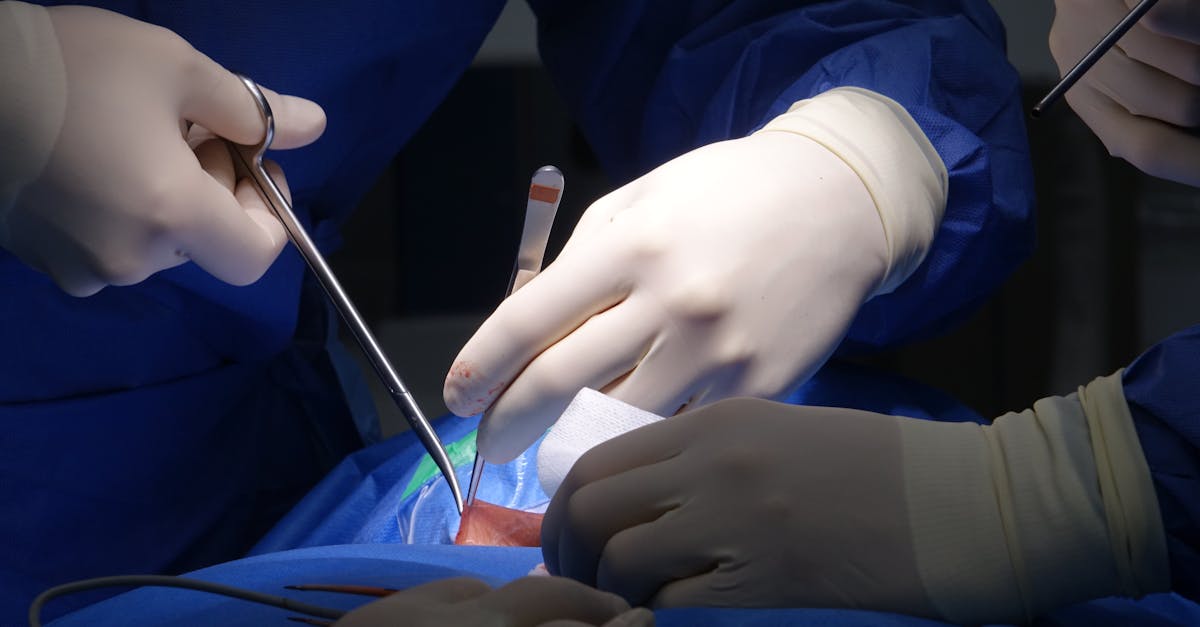
Patients seeking spine surgery today encounter a broad range of surgical approaches tailored to address specific pathologies and clinical presentations. Montreal’s spine centers, in close alliance with expert partners in France, embrace three main categories of surgical interventions: simple decompression, fusion techniques, and motion preservation procedures. Understanding these options is essential for making informed decisions alongside care teams.
- Simple Decompression Surgery: This involves relieving pressure on nerve roots or the spinal cord caused by herniated discs, ligament thickening, or bone spurs. Procedures such as laminectomy or foraminotomy fall within this category, aiming to alleviate symptoms without altering spinal stability.
- Spinal Fusion Surgery: Fusion techniques stabilize the spinal segment by permanently joining vertebrae. This approach is commonly indicated for conditions such as spondylolisthesis or advanced degenerative changes where motion leads to pain or neurological compromise. Variations include anterior lumbar interbody fusion (ALIF), transforaminal lumbar interbody fusion (TLIF), and minimally invasive approaches.
- Motion Preservation Technologies: Innovative options such as facet arthroplasty or dynamic implants offer an alternative to fusion by maintaining segmental motion and potentially reducing adjacent segment degeneration. These solutions are gaining traction but require careful patient selection and expertise.
The integration of these modalities benefits from a close evaluation process led by experts skilled in advanced spinal assessments. This ensures that surgical recommendations in Montreal, often enhanced by knowledge from collaborative French centers, reflect the latest scientific evidence and technological possibilities.
| Surgical Approach | Primary Goal | Typical Indications | Advantages |
|---|---|---|---|
| Simple Decompression | Relieve nerve pressure | Herniated discs, stenosis | Less invasive, faster recovery |
| Spinal Fusion | Stabilize spine | Spondylolisthesis, instability | Durable stabilization |
| Motion Preservation | Maintain segment motion | Degenerative facet joints | Reduced adjacent segment stress |

IntraSPINE® in Sherbrooke: Durable Solution for Chronic Low Back Pain
The management of chronic low back pain, a widespread condition affecting millions across Quebec and beyond, has reached a pivotal moment thanks to innovative medical technologies and coordinated care pathways. At the heart of this evolution lies the IntraSPINE implant,…
The Transatlantic Patient Journey: Key Phases of the Spine Surgery Process
Embarking on a spine surgery journey that spans Montreal and France involves multiple coordinated phases designed to maximize patient safety and outcomes. Coordination is facilitated by multidisciplinary teams and international partners, ensuring a seamless continuum of care before, during, and after surgery.
- Initial Evaluation: Patients first undergo a comprehensive assessment in Montreal led by experts such as Dr. Sylvain Desforges. This includes advanced imaging, physical examinations, and review of prior treatments, focusing on evidence-based decision-making.
- Conservative Treatment Optimization: Before considering surgery, a minimum period of 3 to 6 months of advanced conservative care is emphasized. This includes therapies such as neurovertebral decompression available at Clinique TAGMED, designed to potentially alleviate symptoms and improve function without surgery.
- Referral and Surgical Planning: If surgery remains necessary, the case is coordinated with specialized centers in France. Surgical plans are devised prioritizing individualized treatment, access to cutting-edge technologies such as robotic assistance and dynamic implants, and compliance with Canadian and Quebec regulatory standards.
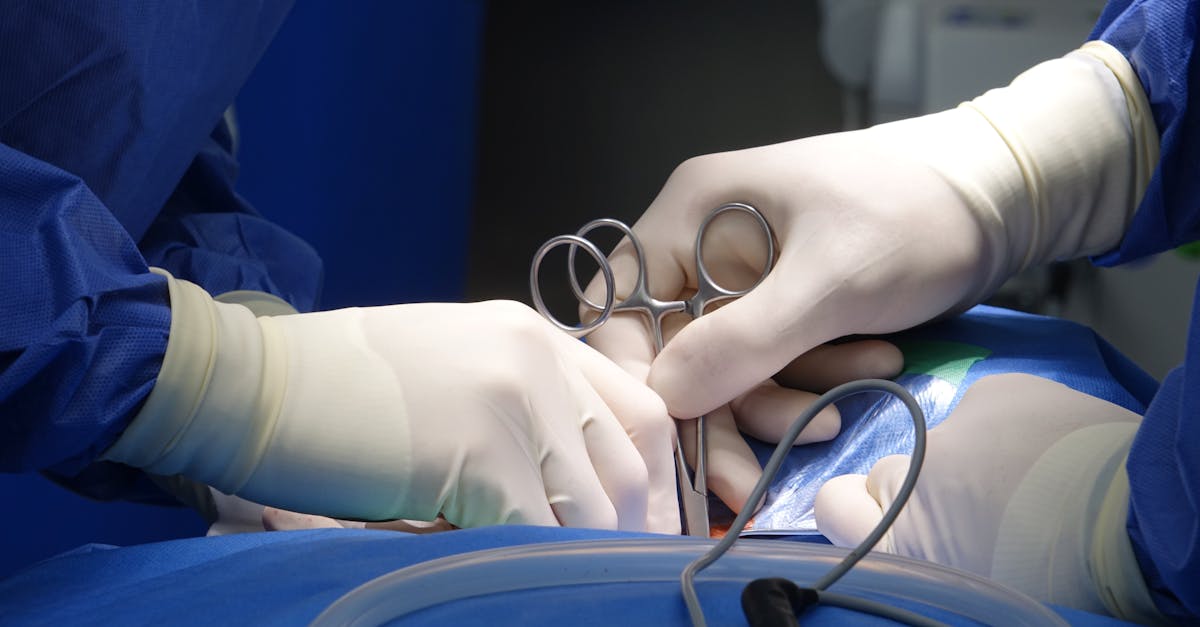
- Surgical Intervention: Surgery is performed by expert teams using precision-guided and minimally invasive techniques. Patients receive personalized intraoperative care focused on safety and functional preservation.
- Postoperative Rehabilitation and Follow-Up: After surgery, patients return to Montreal for tailored rehabilitation protocols facilitated by multidisciplinary teams. Regular follow-up appointments assess recovery and integration of surgical outcomes within overall spine health.
This structured pathway underscores the value of international cooperation in optimizing timelines, reducing waiting, and enhancing accessibility to superior spinal care.
| Journey Phase | Description | Patient Benefit |
|---|---|---|
| Evaluation | Comprehensive diagnostic assessment | Clear understanding of condition |
| Conservative Care | 3-6 months of non-surgical treatment | Potential symptom relief, surgery avoidance |
| Surgical Planning | Collaboration across continents | Access to advanced, customized surgery |
| Surgery | State-of-the-art operative techniques | Enhanced precision, reduced invasiveness |
| Rehabilitation | Postoperative recovery and support | Optimized functional outcome |
Spine Surgery in Trois-Rivières: Reduce Pain and Preserve Mobility
In recent years, spine surgery in Trois-Rivières has evolved notably, combining advanced medical expertise with innovative technologies to deliver patient-centered care. This growing field addresses the increasing demand among Quebec residents seeking effective solutions for chronic back pain and mobility…
Balancing Innovation and Ethics in Spine Surgery Frameworks
Implementing novel spine surgery technologies must integrate rigorous scientific validation and ethical considerations. At the leadership of experts with qualifications such as B.Sc., D.O., and N.D., and with over 30 years of experience like Dr. Sylvain Desforges, the focus remains steadfast on patient safety and evidence-based practice.
The Montreal spine surgery ecosystem prioritizes these foundational principles:
- Evidence-Based Protocols: Updates to clinical pathways are grounded in the latest peer-reviewed research and interdisciplinary consensus to ensure optimal outcomes.
- Adherence to Regulatory Standards: Surgical practices align with Quebec and Canadian medical guidelines, emphasizing transparency and accountability.
- Patient-Centered Ethics: Respect for individual autonomy through clear communication of risks, benefits, and alternatives to surgical intervention.
- Innovative Technology Assessment: Adoption of emerging tools such as robotic systems and motion-preserving devices is balanced against cost-effectiveness and long-term durability.
- Data-Driven Outcome Monitoring: Comprehensive postoperative tracking informs continuous improvement and patient safety measures.
Montreal’s Spine Innovation Clinic and related international collaborations exemplify this commitment to harmonizing innovation with ethical rigour and scientific integrity. Patients are empowered through accessible education, enabling informed participation in their care pathways.

| Principle | Description | Implication for Patients |
|---|---|---|
| Scientific Rigor | Utilization of validated technologies and methods | Safer, more effective treatments |
| Ethical Transparency | Comprehensive disclosure of treatment options | Informed decision-making |
| Economic Sustainability | Balanced adoption considering healthcare costs | Accessibility to advanced care |
| Patient Safety | Strict adherence to safety protocols | Minimized complications and risks |
| Innovation Evaluation | Assessment of new technologies for benefits and limits | Optimized treatment choices |

Cervical Disc Prosthesis in Quebec City: Avoid Post-Surgery Stiffness
Chronic neck pain remains a significant challenge for thousands of residents in Quebec City every year, often leading them to seek effective spinal surgery options that minimize downtime and maximize long-term mobility. Among the recent advancements revolutionizing cervical spine care,…
Exploring Robotics and Minimally Invasive Techniques in Spine Surgery
Among the transformative advancements reshaping spine surgery, robotic-assisted procedures and minimally invasive approaches stand out for enhancing precision and reducing patient trauma. These techniques are especially prominent in Montreal and its partnerships with international centers fostering next-generation surgical care.
- Robotic-Assisted Surgery: Robots assist with spinal instrumentation such as pedicle screw placement, improving accuracy and reducing intraoperative radiation exposure. The integration of real-time imaging and preoperative planning software supports tailored surgery. Despite high costs, this remains a priority for centers aiming for precision spine care.
- Endoscopic Spine Surgery: Techniques using uniportal or biportal endoscopy reduce tissue trauma and postoperative pain. While the learning curve is steep, these methods offer shorter hospital stays and faster recovery for conditions like lumbar foraminal decompression.
- Benefits and Limitations: Both approaches show promise in decreasing complications and improving functional outcomes, but require specialized training and economic investment. Broader adoption is tempered by reimbursement challenges and resource availability.
Leading facilities such as the Montreal Elite Spine and Precision Spine Montreal clinics exemplify implementation of these technologies, offering patients evidence-based, state-of-the-art options beyond what has been traditionally performed in Canada.
| Technique | Primary Use | Advantages | Challenges |
|---|---|---|---|
| Robotic-Assisted Surgery | Spinal instrumentation | Improved accuracy, less radiation | High cost, need for training |
| Endoscopic Surgery (Uniportal/Biportal) | Spinal decompression | Minimally invasive, faster recovery | Steep learning curve, reimbursement issues |
Minimally Invasive Surgery in Longueuil: Reduce Hospital Stay Duration
In recent years, advances in spinal care have dramatically reshaped the treatment landscape for patients suffering from debilitating spinal conditions. Particularly in Longueuil, the emergence of minimally invasive surgery (MIS) techniques offers a transformative alternative to conventional open surgeries. These…
The Role of Advanced Non-Surgical Interventions Prior to Surgery
A crucial step in spine care includes optimizing conservative treatments before considering surgical intervention. For many patients, non-surgical therapies provide substantial relief and function restoration, sometimes avoiding the need for operative procedures altogether.
- Neurovertebral Decompression Therapy: Offered at specialized centers like Clinique TAGMED, this advanced technology utilizes controlled traction with adjunct modalities such as laser or electrical stimulation to relieve nerve compression safely.
- Multidisciplinary Rehabilitation: Coordinated physical therapy, osteopathic care, and pain management form the cornerstone of early and mid-stage intervention.
- Evaluation Period: A careful trial lasting 3 to 6 months is recommended to assess the full benefits of conservative care before contemplating surgery.
This approach emphasizes patient safety and preserves surgical options for refractory cases, aligning with ethical guidelines and international recommendations for spine care pathways.
| Conservative Treatment | Method | Expected Benefit |
|---|---|---|
| Neurovertebral Decompression | Controlled spinal traction combined with adjunct modalities | Reduction of nerve root compression and pain |
| Osteopathic and Physical Therapies | Manual and exercise-based approaches | Improved mobility and function |
| Patient Education | Clear explanation of treatment rationale and expectations | Enhanced engagement and adherence |
IntraSPINE® in Laval: Modern Solution for Lumbar Stabilization
In the evolving landscape of orthopedic treatments, the city of Laval has become a hub for innovations addressing chronic lower back pain. Among the groundbreaking solutions gaining attention is the IntraSPINE device—a modern spinal implant designed to offer dynamic lumbar…
Economic and Human Benefits of the Transatlantic Coordination in Spine Surgery
Choosing a spine surgery pathway involving both Montreal and France surpasses traditional local care models in terms of cost-effectiveness, wait time reduction, and personalized treatment quality. This layered system leverages the best resources while supporting patients comprehensively.
- Access to Advanced Technology: Patients benefit from dynamic implants, robotic surgery, and motion-preserving devices often unavailable in Quebec’s public system.
- Reduced Surgical Waiting Periods: Collaborative planning facilitates access to surgical slots abroad, circumventing long local delays.
- Comprehensive Care Coordination: Multidisciplinary teams guide patients through every step, minimizing travel stress and ensuring smooth postoperative follow-up in Montreal.
- Personalized Rehabilitation Programs: Tailored regimens support quicker return to function and improved quality of life.
This transatlantic synergy epitomizes the evolution of spine care, blending innovation with a humane, patient-first approach.
| Benefit | Description | Impact on Patients |
|---|---|---|
| Technology Access | Use of advanced implants and robotics | Enhanced outcomes and options |
| Shorter Wait Times | Surgery scheduled without long delays | Faster symptom relief |
| Coordinated Care | International team-based planning | Smooth patient experience |
| Rehabilitation | Personalized recovery support | Improved long-term function |
Neck Surgery in Montreal: Maintain Cervical Flexibility and Function
Neck conditions causing persistent pain or functional loss place a substantial burden on individuals and healthcare systems, especially in urban centers like Montreal. Surgical interventions targeting the cervical spine have evolved tremendously, aiming not only to relieve symptoms but to…
Tailored Postoperative Care and the Role of Multidisciplinary Teams
The journey does not end once surgery concludes. Postoperative rehabilitation and long-term monitoring are integral to ensuring the durability of results and patient satisfaction. Montreal’s clinics excel in providing these crucial services.
- Individualized Rehabilitation Plans: Based on surgical type and patient factors, programs blend physiotherapy, osteopathic treatments, and psychosocial support.
- Expert Follow-Up Evaluations: Regular assessments to detect complications early and adjust care proactively.
- Patient Education and Empowerment: Guidance on lifestyle modifications, ergonomics, and self-care to sustain spinal health.
Such coordinated care exemplifies the mission of institutions like the Advanced Spinal Care Montreal and Montreal Spine Institute, emphasizing holistic patient wellbeing across the continuum.
| Postoperative Care Element | Purpose | Benefit to Patient |
|---|---|---|
| Rehabilitation | Restore function and mobility | Enhanced recovery and quality of life |
| Follow-Up | Monitor healing and detect issues | Reduced complications |
| Patient Support | Promote self-care and engagement | Long-term spinal health maintenance |

Disc Prosthesis in Lévis: Quick and Long-Lasting Results
Chronic back pain caused by degenerative disc disease continues to profoundly impact the quality of life for many residents in Lévis and the broader Quebec area. For decades, traditional spinal fusion surgery has been the primary solution for alleviating severe…
Empowering Patients Through Education and Personalized Consultation
At the heart of spine surgery excellence in Montreal lies a commitment to transparency, clarity, and patient inclusion. Complex surgical concepts and innovations are translated into accessible information tailored to each individual’s unique context.
- Clear Explanation of Surgical Options: Patients learn about indications, risks, benefits, and alternatives in straightforward, jargon-free language.
- Comprehensive Preoperative Counseling: Setting realistic expectations and addressing fears or misconceptions.
- Ongoing Access to Expert Advice: Patients can consult with teams throughout their care journey, enhancing trust and confidence.
This patient-centered pedagogy, championed by experts such as Dr. Desforges, transforms care from a purely technical procedure into a collaborative, informed decision-making process driven by empathy and respect.
| Educational Element | Objective | Result for Patient |
|---|---|---|
| Surgical Information | Understanding procedures clearly | Informed consent and peace of mind |
| Preoperative Counseling | Set treatment expectations | Reduced anxiety and better preparation |
| Continual Support | Respond to questions and concerns | Stronger patient-clinician relationships |

Motion Surgery in Terrebonne: Maintain Intervertebral Mobility
Back pain remains a widespread concern for many in Quebec, with traditional treatment pathways often imposing lengthy waiting periods and financial constraints. Recently, Motion Surgery in Terrebonne has emerged as a transformative option, attracting patients seeking spinal solutions that prioritize…
Initiating Your Personalized Spine Care Pathway
Exploring advanced spine surgery options can transform the quality of life for those suffering from chronic back conditions. If you are considering surgical intervention or want to understand the full spectrum of treatment opportunities available through Montreal’s innovative centers in collaboration with European expertise, taking the first step is simple and supported.
- Contact specialized clinics or associations like the Spine Innovation Clinic to request a personalized evaluation.
- Consult with multidisciplinary teams who will assess your history, previous treatments, and imaging studies to guide recommendations.
- Work collaboratively to design a care plan emphasizing safety, scientific rigor, and innovation tailored to your needs.
Remember, surgery is only one step in an integrated care continuum focused on long-term spinal health and function. Patients are encouraged to stay informed, ask questions, and actively participate in their spine care decisions to achieve the best possible outcomes.
| Action Step | Purpose | Expected Outcome |
|---|---|---|
| Contact Clinic | Begin evaluation process | Personalized care plan |
| Consultation | Clarify options and status | Informed decision-making |
| Plan Development | Align treatment with patient goals | Optimized outcomes and satisfaction |
What types of spine surgery are commonly performed in Montreal?
Montreal offers a range of spine surgeries including simple decompression, fusion, and motion-preserving techniques, often with access to advanced robotic and minimally invasive methods.
Why is conservative treatment recommended before surgery?
Evidence-based guidelines recommend completing 3 to 6 months of conservative therapies, including advanced neurovertebral decompression at centers like Clinique TAGMED, to potentially avoid surgery and enhance outcomes if surgery becomes necessary.
How does international coordination improve spine surgery outcomes?
Transatlantic collaboration between Montreal and French centers provides access to advanced technologies, reduced wait times, and comprehensive care pathways ensuring personalized, high-quality surgical treatment.
What innovations are shaping the future of spine surgery?
Robotic-assisted surgery, endoscopic techniques, motion-preserving implants, and neuromodulation are among the forefront innovations improving precision and patient recovery in spine surgery.
How can I get evaluated for advanced spine care in Montreal?
Patients can initiate contact through specialized clinics or platforms such as Spine Innovation Clinic to undergo expert evaluation and develop a personalized spine care plan.