TOPS™ in Gatineau: Preserve Natural Lumbar Biomechanics
June 4, 2026
Disc Herniation in Saint-Léonard: Exploring Neurovertebral Decompression and Other Treatment Options
June 4, 2026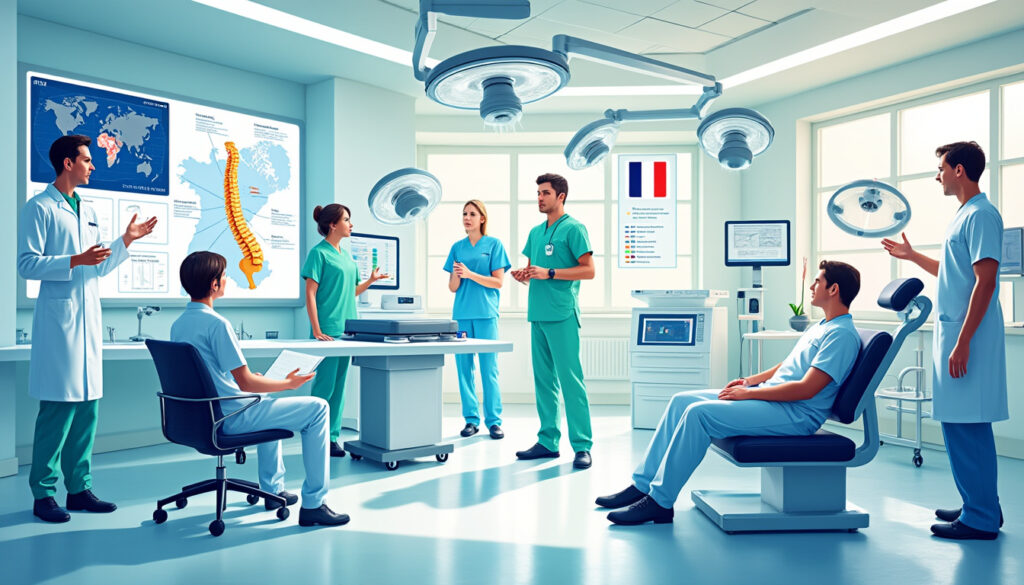
In Trois-Rivières, patients living with persistent back pain and spinal disorders find themselves at a crossroads where traditional surgical options blend with groundbreaking innovations that aim to preserve natural spinal function. As demand grows for treatments that offer relief without sacrificing mobility, new surgical techniques known as motion surgery are gaining prominence. These advanced procedures, frequently developed and refined in France, provide Quebec patients with alternatives that challenge the conventional spinal fusion paradigm. Dr. Sylvain Desforges, a pioneer with over three decades dedicated to spinal care, offers expert evaluations guiding patients through a complex healthcare landscape filled with both challenges and opportunities. The collaborative transatlantic approach linking Trois-Rivières and French medical centers affirms the importance of combining rigorous scientific assessment, advanced technology, and compassionate patient support to optimize outcomes.
The trajectory of spinal care in Quebec highlights growing wait times and soaring healthcare costs, compelling many to seek international options that offer expedited treatment access and advanced technologies unavailable domestically. Patients appreciate the holistic, personalized pathways shaped by multidisciplinary teams focused on minimizing complications while respecting each individual’s spinal mechanics and lifestyle demands. Innovations such as dynamic stabilization implants, laser-assisted procedures, and neurovertebral decompression therapy integrate seamlessly, ushering in a new era where surgical success is marked not only by pain reduction but also by the preservation of natural movement and improved quality of life.
Comprehensive Overview of Spine Surgery Options in Trois-Rivières: From Decompression to Motion-Preserving Techniques
The spectrum of spine surgery in Trois-Rivières encompasses a variety of interventions carefully tailored to the unique conditions and needs of each patient. Understanding these options helps demystify the treatments and empowers patients to participate actively in their care decisions. At the foundational level are simple decompression surgeries, including discectomy and laminectomy, which target nerve pressure caused by herniated discs or spinal stenosis. These procedures focus on relieving symptoms while maintaining almost complete spinal motion, minimizing structural alteration.
Simple decompression is particularly effective for patients experiencing radicular symptoms such as leg numbness or shooting pain, commonly due to nerve impingement. For example, a patient with lumbar spinal stenosis undergoing a laminectomy benefits from immediate nerve decompression, promoting symptom relief and often enabling a quick return to daily activities, without permanently affecting spine stability. However, these techniques do not address spinal instability when present, which may necessitate further treatment.
When spinal stability is compromised, fusion surgery traditionally provides strong support by permanently joining vertebrae. While effective at halting abnormal movement and preventing progression of deformity or pain, fusion simultaneously sacrifices mobility at treated segments. This reduction can cause compensatory stresses on adjacent spinal levels, increasing the risk of degeneration and chronic discomfort elsewhere over time. Patients undergoing lumbar fusion may need to adapt their lifestyles significantly, coping with decreased spinal flexibility and adopting strategies to protect their spine.
In contrast, the field of motion-preserving spine surgery champions maintaining or restoring natural spinal kinematics postoperatively. These procedures employ advanced devices such as artificial discs or dynamic stabilization implants like the IntraSPINE, which have been developed through extensive biomechanical research and international clinical collaboration. The approach allows spinal segments to retain flexibility, distributing physiological mechanical loads more evenly and potentially reducing the risks of adjacent segment disease.
Motion surgery’s benefits extend beyond biomechanical preservation. It fosters quicker recovery, reduced post-surgical stiffness, and improved patient satisfaction. For example, lumbar disc prostheses permit restoration of disc height and flexibility, vital for maintaining natural posture and movement patterns. Selecting the optimal surgical procedure demands precise evaluation by an expert such as Dr. Sylvain Desforges, whose osteopathic expertise and familiarity with advanced surgical options empower patients to make informed choices aligned with their pathology and lifestyle.
| Surgical Type | Main Goal | Impact on Spinal Mobility | Example Procedures |
|---|---|---|---|
| Simple Decompression | Relieve nerve pressure | Preserves almost natural motion | Discectomy, Laminectomy |
| Spinal Fusion | Stabilize unstable segments | Significantly reduces motion at treated levels | Posterior lumbar fusion, Anterior cervical fusion |
| Motion-Preserving Surgery | Maintain or restore natural spinal motion | Preserves intervertebral mobility | Disc prosthesis, IntraSPINE implant |
For patients interested in these cutting-edge techniques, specialty clinics in Trois-Rivières such as SpineFlex and VertebraMotion provide thorough assessments and complementary therapies. Dr. Desforges’ role transcends clinical evaluation, fostering collaborative treatment planning that ensures patient goals are central and that surgical options offered reflect the most recent scientific advancements and ethical considerations.

IntraSPINE® in Sherbrooke: Durable Solution for Chronic Low Back Pain
The management of chronic low back pain, a widespread condition affecting millions across Quebec and beyond, has reached a pivotal moment thanks to innovative medical technologies and coordinated care pathways. At the heart of this evolution lies the IntraSPINE implant,…
Spine Surgery in Trois-Rivières: Reduce Pain and Preserve Mobility
In recent years, spine surgery in Trois-Rivières has evolved notably, combining advanced medical expertise with innovative technologies to deliver patient-centered care. This growing field addresses the increasing demand among Quebec residents seeking effective solutions for chronic back pain and mobility…
Critical Phase of Conservative Treatment Before Considering Spine Surgery in Quebec
Before advancing to any spine surgery, a comprehensive conservative treatment phase is essential and highly recommended. This period, typically lasting three to six months, aims to optimize symptom relief and evaluate whether surgical intervention is truly necessary. Dr. Sylvain Desforges strongly advocates for evidence-based conservative care, which aligns with the ethical and regulatory standards upheld by Quebec’s healthcare authorities.
The cornerstone of conservative treatment comprises physical therapy focusing on strength, mobility, and posture correction. Patients participate actively in tailored exercise programs targeting spinal support muscles, enhancing flexibility, and promoting correct biomechanical function. Educating patients on self-management and lifestyle adjustments forms a crucial part of this phase, empowering them to sustain spinal health independently over time.
A noteworthy advancement within conservative care is neurovertebral decompression therapy, available at reputable centers such as the Clinique TAGMED in Trois-Rivières. This innovative, non-invasive treatment utilizes precise mechanical decompression to reduce intervertebral disc and nerve root pressure. Patients often experience significant symptom alleviation, improved function, and a decrease in the need for invasive interventions when treated with this modality.
Alongside physical therapies, supportive strategies including pharmacological pain management, injection treatments, and lifestyle modifications complement the recovery process. Dr. Desforges highlights that if neurovertebral decompression was not attempted during this period, it should be incorporated before considering surgery.
The benefits of a rigorous conservative phase include the potential to avoid surgery altogether or enhance surgical outcomes when surgery becomes necessary. This approach also reflects a deep commitment to patient safety, scientific rigor, and respect for the natural healing abilities of the spine.
- Physical therapy focusing on muscle strengthening, mobility, and posture
- Neurovertebral decompression therapy to relieve disc and nerve pressure
- Medication and injection management for symptom control
- Lifestyle modifications promoting spinal health
- Patient education and self-management strategies
By adhering to this conservative pathway, patients can achieve meaningful improvements in quality of life while ensuring appropriate timing and selection of surgical candidates.

TOPS™ in Gatineau: High-Performance Option for the Lumbar Spine
The landscape of spinal surgery has witnessed profound evolution, particularly for patients grappling with lumbar spine disorders such as spinal stenosis and spondylolisthesis. These conditions, increasingly prevalent among Quebec’s population, impose substantial limitations on mobility and quality of life. The…
Cervical Disc Prosthesis in Quebec City: Avoid Post-Surgery Stiffness
Chronic neck pain remains a significant challenge for thousands of residents in Quebec City every year, often leading them to seek effective spinal surgery options that minimize downtime and maximize long-term mobility. Among the recent advancements revolutionizing cervical spine care,…
Exploring the Benefits of Motion-Preserving Spine Surgery: Biomechanical and Patient-Centered Perspectives
Motion-preserving spine surgery has revolutionized the approach to treating spinal disorders by focusing on retaining the spine’s natural biomechanics. Unlike traditional fusion that eliminates movement at treated segments, these advanced procedures maintain intervertebral flexibility, paving the way for healthier adjacent structures and improved overall spinal longevity.
Biomechanically, preserving natural motion mitigates excessive mechanical stresses that often lead to degeneration of adjacent segments seen in post-fusion scenarios. Dynamic implants like the IntraSPINE device utilized in Trois-Rivières and affiliated French centers offer internal support while allowing vertebral bodies to move naturally during daily activities. This balance reduces postoperative complications notably caused by rigid immobilization.
From the patient’s viewpoint, motion surgery often results in less postoperative stiffness, reduced chronic pain, and faster functional recovery. Minimally invasive techniques employed in these interventions limit tissue disruption and promote quicker mobilization. Patients typically experience shorter hospital stays and earlier reintegration into personal and professional activities, translating into tangible improvements in quality of life.
Clinical evidence shows these surgeries reduce the need for long-term pain medications and lower the risk of revision surgeries related to adjacent segment degeneration. The preservation of spinal flexibility supports the continuation of active lifestyles with less limitation and greater independence.
| Key Benefits | Description |
|---|---|
| Preserves Spinal Mobility | Maintains natural spine movement and biomechanics |
| Reduces Adjacent Segment Stress | Limits excessive loading on neighboring vertebral levels |
| Enhances Recovery | Minimally invasive approach enabling quicker return to daily activities |
| Improves Quality of Life | Greater independence and less pain long term |
| Decreases Revision Surgery Risk | Lower chance of adjacent segment degeneration and reoperation |
In Trois-Rivières, these advantages are integrated into a patient-centered care model, emphasizing detailed evaluation, ethical practice, and collaborative treatment planning. This approach ensures that motion-preserving procedures are matched appropriately to patient-specific spinal conditions and therapeutic goals.
Minimally Invasive Surgery in Longueuil: Reduce Hospital Stay Duration
In recent years, advances in spinal care have dramatically reshaped the treatment landscape for patients suffering from debilitating spinal conditions. Particularly in Longueuil, the emergence of minimally invasive surgery (MIS) techniques offers a transformative alternative to conventional open surgeries. These…
IntraSPINE® in Laval: Modern Solution for Lumbar Stabilization
In the evolving landscape of orthopedic treatments, the city of Laval has become a hub for innovations addressing chronic lower back pain. Among the groundbreaking solutions gaining attention is the IntraSPINE device—a modern spinal implant designed to offer dynamic lumbar…
The Transatlantic Patient Journey: Coordinated Spine Care Between Trois-Rivières and France
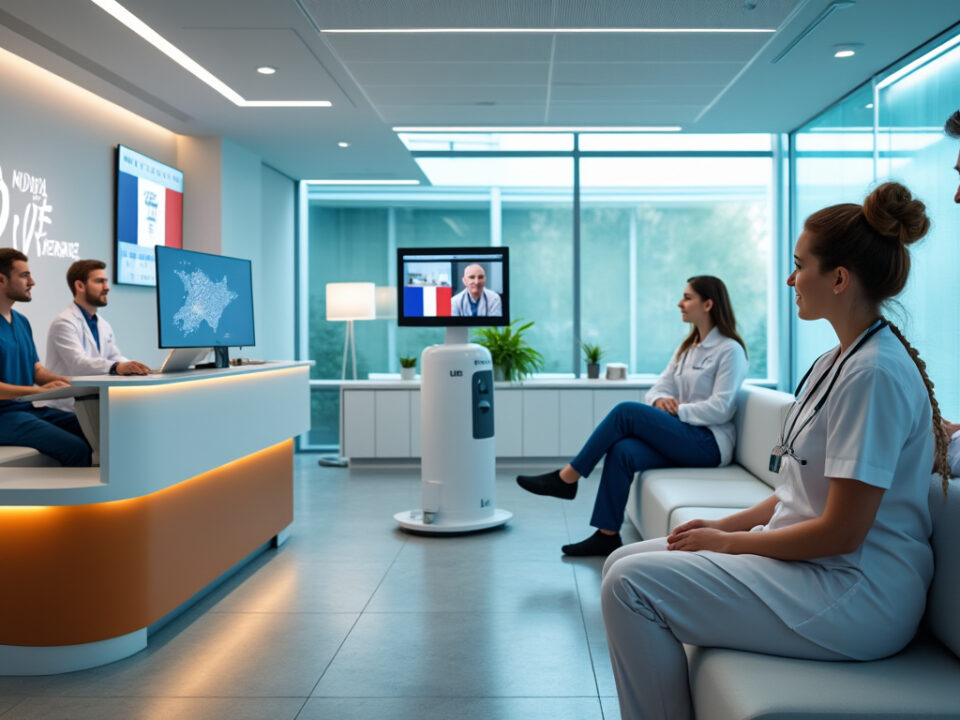
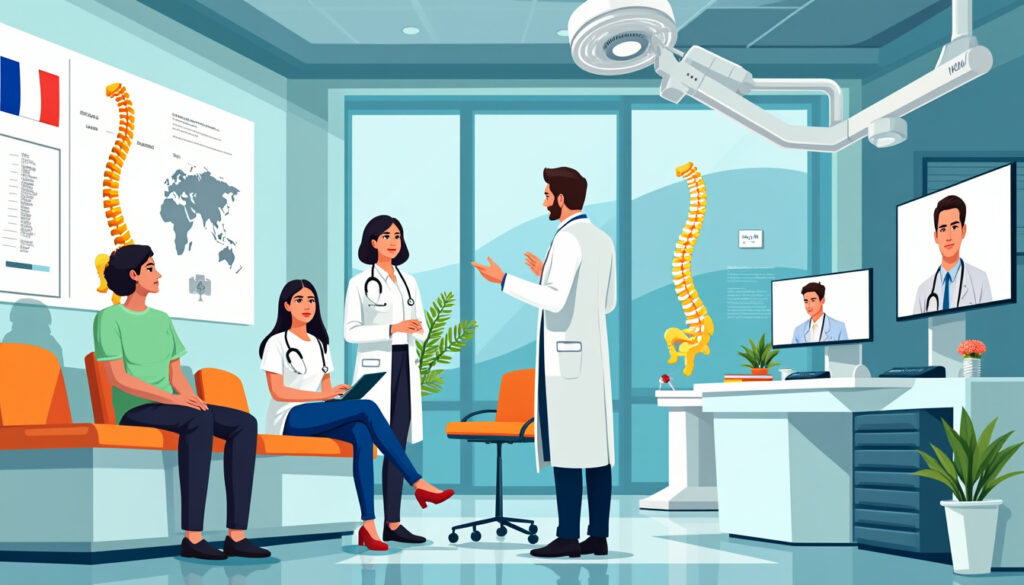
One of the most remarkable aspects of advanced spine surgery in Trois-Rivières is the seamless integration of healthcare resources across the Atlantic. Dr. Sylvain Desforges is instrumental in orchestrating this international partnership, ensuring Quebec patients have access to leading-edge surgical technologies and world-class surgeons in France while benefiting from continuity of care in Canada.
The patient journey typically begins with a thorough evaluation led by Dr. Desforges, whose extensive qualifications and leadership roles provide a solid foundation for expert assessment. This stage includes clinical examinations, imaging reviews, and discussions focused on prior conservative treatments completed or recommended.
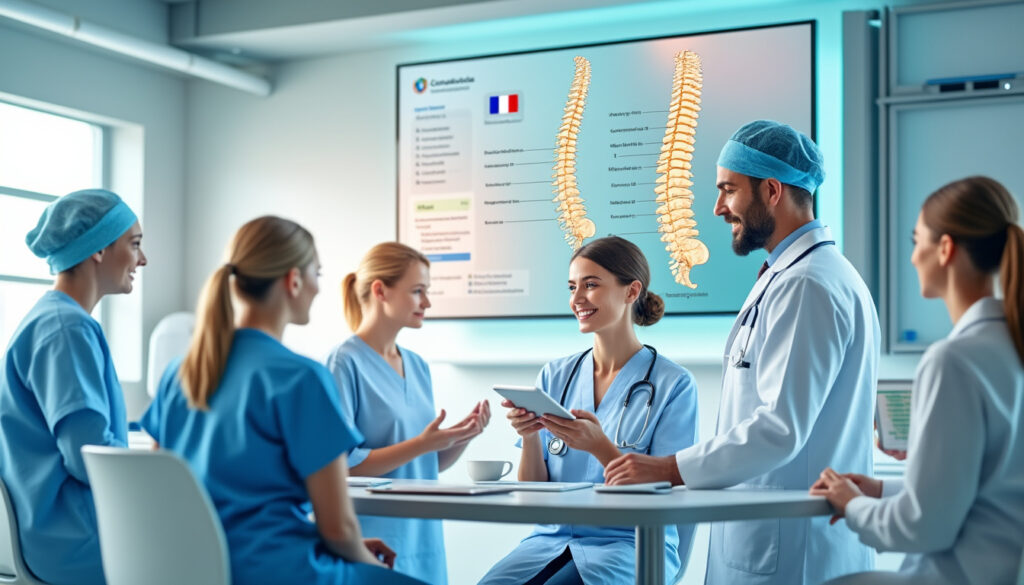
Subsequently, patients travel to specialized French centers equipped with state-of-the-art surgical tools, implants like IntraSPINE, and expertise in minimally invasive, motion-preserving surgical techniques. Surgical teams work in close cooperation with Dr. Desforges to tailor individualized interventions that properly address both biomechanical and symptomatic needs.
Postoperative care begins abroad and continues upon return to Quebec through specialized rehabilitation centers, ensuring sustained recovery support. This multidisciplinary framework combines osteopathic principles, orthopedic and neurosurgical expertise, physiotherapy, and patient education to enhance outcomes.
| Phase | Description | Typical Duration |
|---|---|---|
| Initial Evaluation | Comprehensive assessment and treatment planning by Dr. Desforges | 1-2 weeks |
| Conservative Treatment | Non-surgical management including neurovertebral decompression | 3-6 months |
| Surgical Planning | Collaborative decision-making on surgical technique and devices | 2-4 weeks |
| Surgery in France | Minimally invasive, motion-preserving procedure with advanced implants | Hospital stay approx. 3 days |
| Postoperative Rehabilitation | Functional recovery support abroad and in Quebec | 3-4 months |
| Follow-Up | Long-term monitoring and support to ensure spine health | Ongoing |
This integrative model epitomizes patient safety, innovation, and compassion, reducing typical healthcare system delays and ensuring robust surgical results. By blending the best of Quebec and French medical expertise, patients gain access to the most advanced spine surgery options currently available.

Neck Surgery in Montreal: Maintain Cervical Flexibility and Function
Neck conditions causing persistent pain or functional loss place a substantial burden on individuals and healthcare systems, especially in urban centers like Montreal. Surgical interventions targeting the cervical spine have evolved tremendously, aiming not only to relieve symptoms but to…

Disc Prosthesis in Lévis: Quick and Long-Lasting Results
Chronic back pain caused by degenerative disc disease continues to profoundly impact the quality of life for many residents in Lévis and the broader Quebec area. For decades, traditional spinal fusion surgery has been the primary solution for alleviating severe…
Innovative Implants and Technologies Highlighted in Trois-Rivières Motion Surgery
The cutting-edge nature of spine surgery in Trois-Rivières is evident in its adoption of innovative implants and technologies designed to preserve spine function and optimize recovery. Devices such as the IntraSPINE implant only available in selected centers represent a leap forward in dynamic stabilization, allowing controlled vertebral motion while relieving nerve pressure.
Another major advancement gaining attention is the MOTUS lumbar total joint replacement, which reconstructs not only the disc but also facet joint function. This innovative approach mimics natural spinal motion during activities like standing and sitting, offering patients relief while maintaining biomechanical balance. Though still undergoing trials and regulatory evaluation in various jurisdictions, the MOTUS system exemplifies the direction of modern spine surgery.
Laser-assisted surgery, minimally invasive endoscopic techniques, and biomechanically tailored implants from leading manufacturers such as Zimmer Biomet and Stryker further improve patient outcomes by reducing tissue trauma, blood loss, and postoperative pain. When combined with expert surgical teams and rigorous clinical protocols led by figures like Dr. Desforges, these technologies transform challenges into solutions that enhance patient confidence and satisfaction.
Access to these advanced options is a distinctive feature of the transatlantic care pathway, providing Quebec patients with alternatives beyond what is commonly available locally. This exclusivity, combined with personalized pre- and post-operative care, supports optimal healing and long-term spinal health.
For patients seeking detailed information about these innovative approaches, consulting resources such as expert insights on French surgical innovation and 3Spine’s latest developments in spine implants can provide an in-depth understanding of the evolving landscape.
Economic and Human Advantages of the Transatlantic Motion Surgery Pathway
Choosing the transatlantic pathway for spine surgery transcends clinical excellence to encompass significant economic and human benefits. Quebec’s public healthcare system faces growing challenges, including extended wait times for elective spine surgeries and rising private care costs. The partnership between Trois-Rivières and French surgical centers offers a pragmatic solution that can expedite treatment while maintaining stringent quality and safety standards.
Economically, earlier intervention through motion-preserving surgery reduces indirect costs related to disability, prolonged medical care, and loss of income. Transparent financial planning coordinated by Dr. Desforges and affiliated partners ensures patients understand costs and coverage, minimizing unexpected expenses or administrative burden.
Humanistically, the model emphasizes personalized care, acknowledging the psychological and social dimensions of chronic spinal conditions. Improved postoperative mobility and pain reduction help patients return to professional roles, family responsibilities, and social engagements more rapidly and confidently. Emotional support integrated into the care continuum addresses anxieties related to surgery and recovery, empowering patients throughout the journey.
The involvement of platforms like SOS Tourisme Médical enhances the efficiency of scheduling, logistics, and interprofessional communication, creating a seamless experience from evaluation to rehabilitation. This collaborative ecosystem not only improves surgical outcomes but also fosters patient satisfaction, trust, and long-term engagement in spine health maintenance.
Empowering Patients: Clear Communication and Personalized Support in Spine Surgery
Clear, compassionate communication is at the heart of Dr. Desforges’ approach. Patients are encouraged to learn about their spinal conditions, treatment rationale, and expected recovery trajectories in a jargon-free, accessible manner. This educational emphasis enables them to actively participate in decisions, understand risks and benefits, and set realistic expectations.
Every patient’s journey is unique, shaped by individual anatomy, lifestyle, and emotional needs. Dr. Desforges integrates these factors into care plans, cultivating a respectful and humanized environment where questions are welcomed and personal preferences acknowledged. This approach helps reduce anxiety, increases adherence to treatment protocols, and improves overall satisfaction.
Motivational support extends through conservative care phases and surgical recovery alike, promoting resilience and hope even when challenges arise. By prioritizing transparency and empathy alongside scientific rigor, patients gain confidence in pursuing advanced surgical options when appropriate.
For Quebec residents contemplating spine surgery, this personalized model fosters empowerment rather than passive acceptance, enhancing the potential for successful outcomes and sustained spinal health.
What distinguishes motion-preserving spine surgery from traditional fusion?
Motion-preserving surgery maintains natural flexibility and movement at the operated spinal segments, reducing stress on adjacent areas. Traditional fusion permanently immobilizes vertebrae, which can lead to increased degeneration of nearby segments.
How long should conservative treatments last before considering surgery?
A period of 3 to 6 months of comprehensive conservative care, including physical therapy and neurovertebral decompression, is recommended to optimize symptom management and spinal health before surgical options are evaluated.
What benefits does the transatlantic spine surgery pathway offer Quebec patients?
This pathway provides expedited access to innovative surgical techniques, expert international collaboration, and coordinated pre- and post-operative care, enhancing safety, effectiveness, and patient satisfaction throughout the journey.
Are advanced motion-preserving implants safe and approved?
Devices such as the IntraSPINE implant undergo rigorous biomechanical testing and regulatory evaluation in Canada and Quebec, ensuring they meet safety and efficacy standards when implanted by experienced surgical teams.
What does rehabilitation involve after motion-preserving surgery?
Rehabilitation focuses on restoring spinal flexibility, strengthening supporting musculature, and gradually returning to daily activities, coordinated between international and local rehabilitation centers to promote comprehensive recovery.