La Prairie Lumbar Disc Bulge Recovery Without Hospital Stay
May 16, 2026
Candiac Chronic Sciatica Relief from TAGMED’s Protocol
May 16, 2026
In Trois-Rivières, patients suffering from chronic back pain increasingly seek effective solutions that not only alleviate their discomfort but also preserve mobility and enhance quality of life. While spine surgery offers a promising path, understanding all available options and the full continuum of care is vital. Amid evolving medical technologies and international collaboration, new approaches originating from France provide innovative alternatives to traditional spinal fusion, emphasizing minimally invasive procedures that respect spinal biomechanics. Patients are no longer confined to long wait times or high costs typical of local private care, thanks to coordinated transatlantic care pathways that bring together surgical expertise, advanced technologies, and personalized rehabilitation.
As spine health remains a cornerstone of overall well-being, access to expert evaluation and evidence-based treatment plans is essential. This reality calls for an integrative understanding of advanced spine surgery, conservative therapies, and the patient’s active involvement throughout the journey. By exploring cutting-edge surgical innovations available in France, paired with the rigorous evaluations led by experts such as Dr. Sylvain Desforges, individuals in Trois-Rivières gain unprecedented opportunities to reduce pain, regain function, and maintain natural spinal mobility with greater confidence.
Exploring Surgical Options for Spine Disorders in Trois-Rivières
When considering spine surgery, patients face a variety of techniques designed to address specific spinal issues. These surgeries generally fall into three main categories: simple decompressive procedures, spinal fusion, and motion-preserving surgeries. Each type plays a unique role depending on the patient’s condition, severity of nerve compression, and desired functional outcomes.
Simple decompressive surgeries, such as microdiscectomy or laminectomy, aim primarily to relieve nerve pressure caused by herniated discs or spinal stenosis. These are often minimally invasive, allowing for quicker recovery and effective pain reduction. For example, a patient suffering from radiculopathy due to a herniated lumbar disc might undergo a microdiscectomy, where the surgical goal is to remove the offending disc fragment compressing the nerve root with minimal disruption to surrounding tissue.
In contrast, spinal fusion surgeries are intended to stabilize segments of the spine that are unstable or have degenerative issues that cause chronic pain and mobility limitations. By joining two or more vertebrae together with implants such as screws, rods, or cages, fusion reduces painful motion at affected levels. However, fusion sacrifices segmental mobility, which can sometimes lead to adjacent segment degeneration over time.
Emerging as a revolutionary alternative, motion-preserving or dynamic surgeries seek to reduce pain while maintaining or restoring natural spinal movement. These include implantable devices that mimic the flexibility of a healthy joint or advanced intervertebral disc replacements. Modern biomechanics underpinning these surgeries help maintain overall spinal health by distributing mechanical forces and preventing the stresses commonly seen in fusion patients. For instance, in Trois-Rivières, orthopedic surgeons are increasingly collaborating with French counterparts who specialize in these innovative implants, bringing patients a broader spectrum of therapy options. This synergy exemplifies how patients can benefit from international expertise to optimize their care.
Understanding these surgical options allows patients to engage in informed conversations with healthcare providers, weighing the risks, benefits, and recovery expectations associated with each approach to spine surgery in Trois-Rivières.
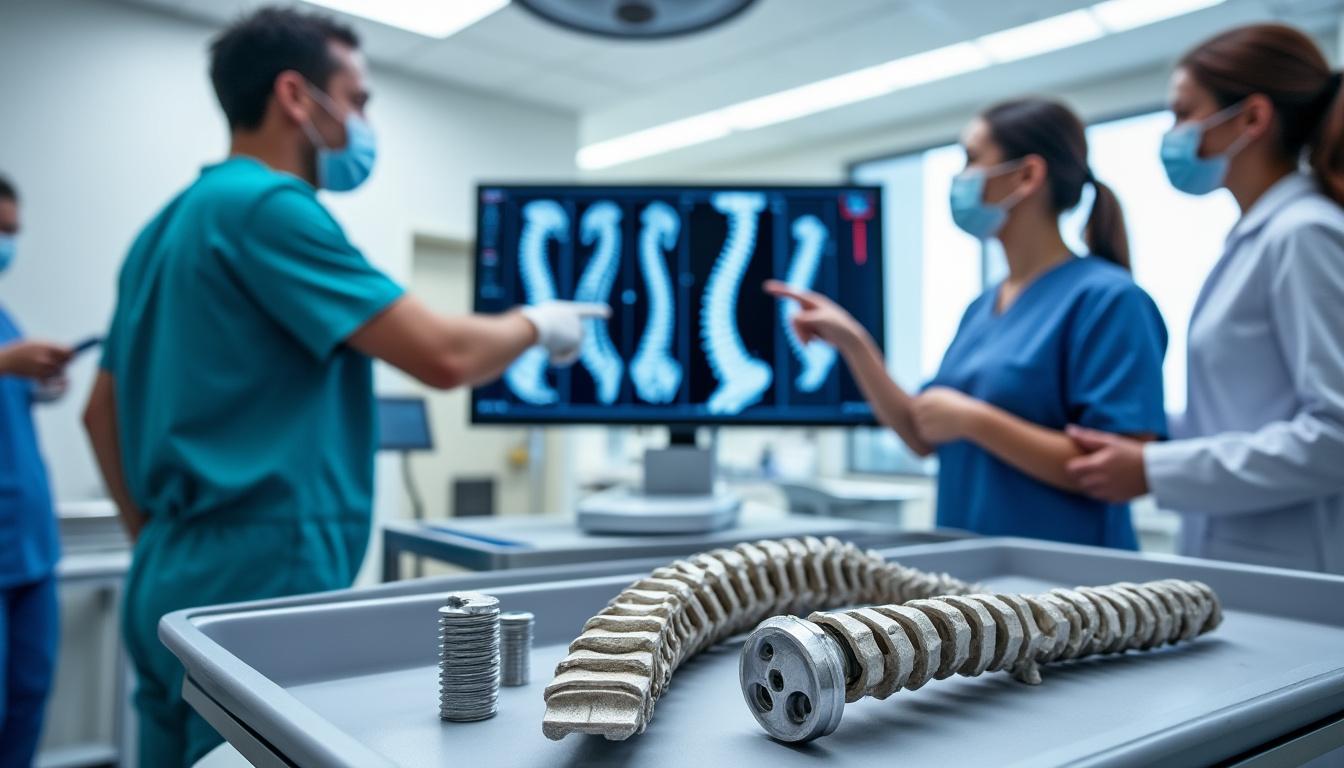

IntraSPINE® in Sherbrooke: Durable Solution for Chronic Low Back Pain
The management of chronic low back pain, a widespread condition affecting millions across Quebec and beyond, has reached a pivotal moment thanks to innovative medical technologies and coordinated care pathways. At the heart of this evolution lies the IntraSPINE implant,…
Step-by-Step Patient Journey from Evaluation to Post-Surgery Rehabilitation
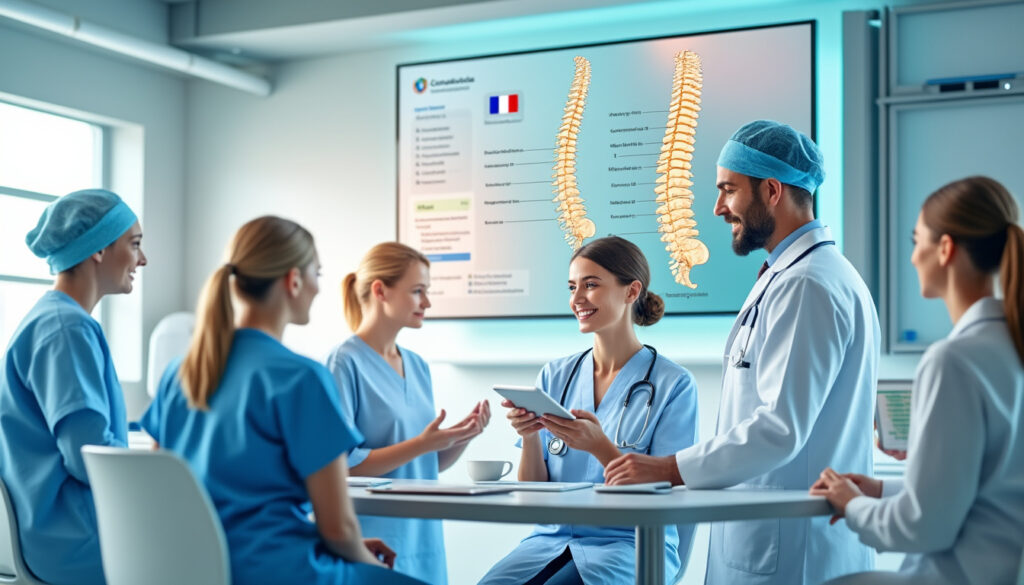
Embarking on a spine surgery pathway requires a comprehensive and coordinated approach to ensure the best outcome. Dr. Sylvain Desforges, with over 30 years of experience in spine health assessments, plays a pivotal role in accurately evaluating patients’ spinal pathologies and tailoring individualized plans grounded in scientific rigor and ethical care.
The journey begins with an initial detailed evaluation involving clinical assessment, imaging review, and a thorough understanding of the patient’s symptoms and lifestyle impact. This early stage prioritizes confirming that conservative treatments have been fully exhausted before considering surgical options. For patients who have not yet undergone treatments such as neurovertebral decompression — an advanced non-invasive method offered at TAGMED Clinic — it is critical to pursue these modalities to maximize the chances of improvement without surgery.
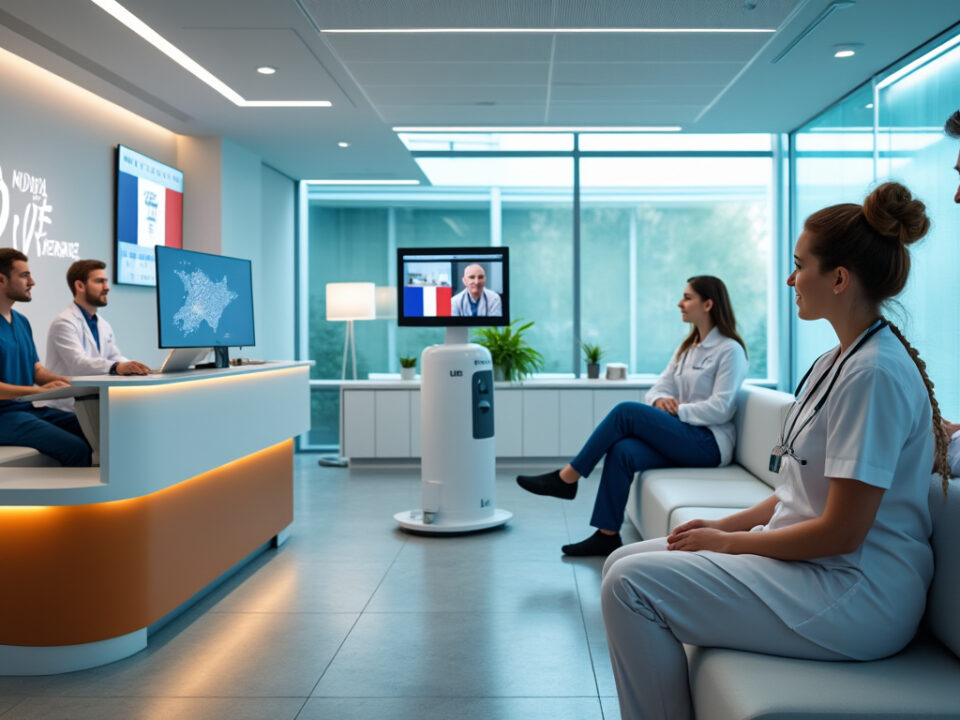
Once surgery becomes a necessary option, Dr. Desforges coordinates with trusted surgical centers in France and Trois-Rivières, managing logistics and ensuring that each patient’s care plan aligns with Canadian and Quebec medical regulations. This transatlantic collaboration significantly shortens wait times and increases access to innovative techniques that may not be readily available in Canada. The emphasis remains on personalized care, patient education, and continuous monitoring.
Postoperative rehabilitation is another cornerstone, focusing on restoring spinal function, reducing pain, and preventing future complications. Rehabilitation protocols typically include physical therapy, spinal stabilization exercises, and gradual return to normal activities. The integration of multidisciplinary teams including chiropractors, orthopedic specialists, and rehabilitation therapists ensures a comprehensive approach to patient recovery.
This holistic pathway supports patients fully from initial spine health assessment to the restoration of mobility, reinforcing the importance of evidence-based practices and close follow-up in achieving successful outcomes.
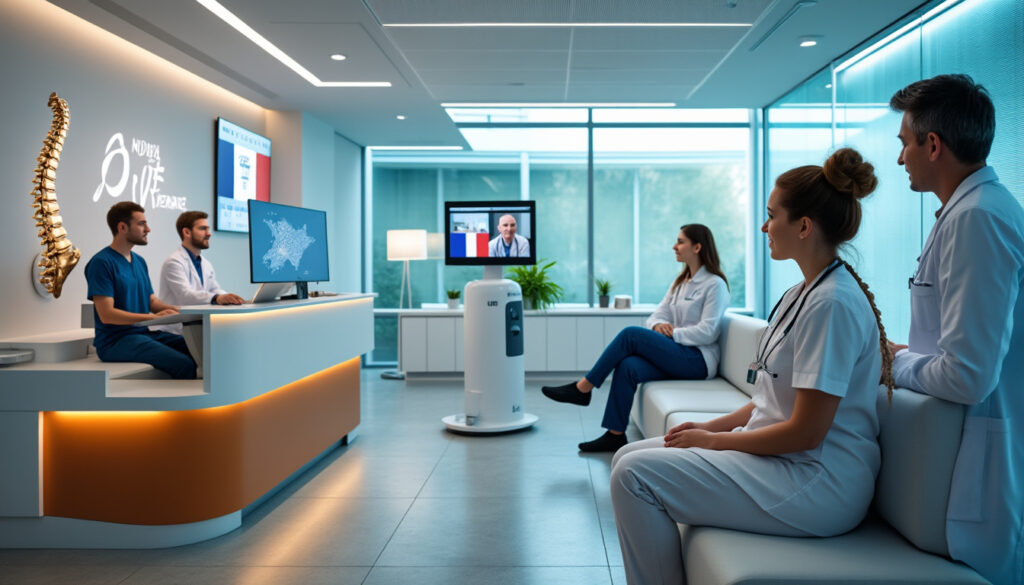
Spine Surgery in Trois-Rivières: Reduce Pain and Preserve Mobility
In recent years, spine surgery in Trois-Rivières has evolved notably, combining advanced medical expertise with innovative technologies to deliver patient-centered care. This growing field addresses the increasing demand among Quebec residents seeking effective solutions for chronic back pain and mobility…
Benefits of the Transatlantic Spine Surgery Approach
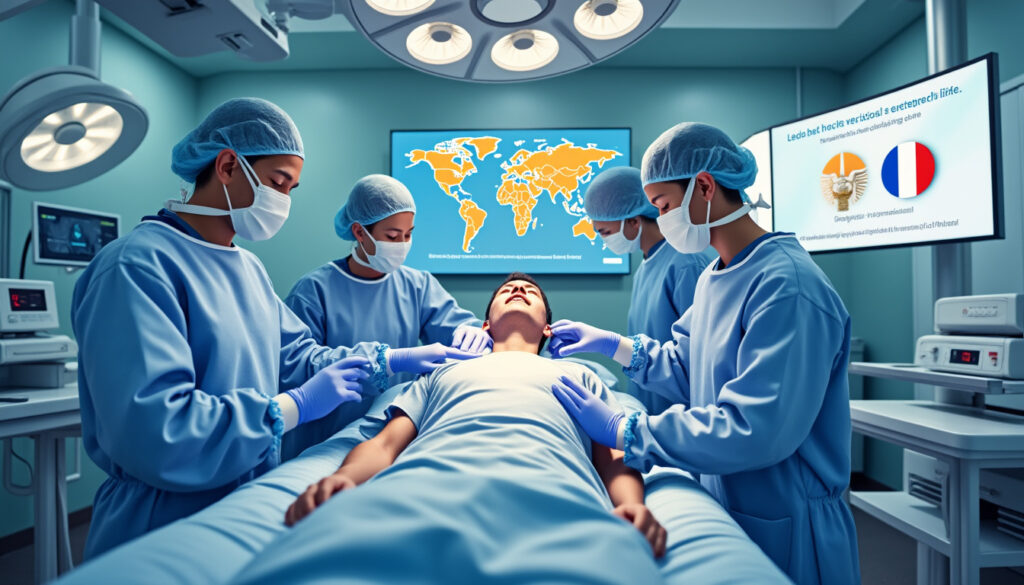
The pathway combining care in Trois-Rivières with specialized spine surgery in France offers numerous advantages that extend beyond the operating room. Fundamentally, this transatlantic collaboration pools the expertise of leading spine evaluators and surgeons, fostering innovation and tailored patient experiences.
Biomechanical Advantages: French surgical centers have pioneered advanced techniques and implants designed to preserve natural spinal motion and reduce biomechanical stress. By accessing these technologies, patients undergoing surgery benefit from a better functional outcome and enhanced long-term spinal health compared to some traditional approaches commonly used in North America.
Economic Considerations: Surgery abroad through partnered programs can help mitigate typical Canadian wait times and the associated indirect costs due to delayed treatments. Furthermore, coordinated care pathways reduce duplication of assessments and offer streamlined logistics that are financially more accessible for many patients. This economic efficiency allows patients to regain productivity and quality of life sooner.
Human-Centered Care: The personalized nature of the transatlantic model emphasizes clear communication and patient education. Patients are encouraged to ask questions and become active participants in their care plan. This empowerment reduces anxiety and builds trust in the treatment process while respecting each person’s unique spinal health needs.
The partnership with platforms like SOS Medical Tourism enhances patient navigation through complex medical systems, ensuring safety, compliance, and transparency throughout the treatment journey.
Key features of this approach include:
- Access to cutting-edge surgical techniques and devices unavailable locally
- Direct communication between Quebec-based evaluators and French surgeons
- Reduced wait times for elective spine surgery
- Comprehensive pre- and post-surgery care coordination
- Patient-centered education and continuous support
Cervical Disc Prosthesis in Quebec City: Avoid Post-Surgery Stiffness
Chronic neck pain remains a significant challenge for thousands of residents in Quebec City every year, often leading them to seek effective spinal surgery options that minimize downtime and maximize long-term mobility. Among the recent advancements revolutionizing cervical spine care,…
Conservative Treatments: The Essential First Step Before Considering Surgery
It is critical to understand that spine surgery should only be contemplated after a dedicated period of conservative treatment, typically lasting between three to six months. This principle aligns with best practice recommendations and reflects an ethical commitment to patient safety and optimal outcomes.
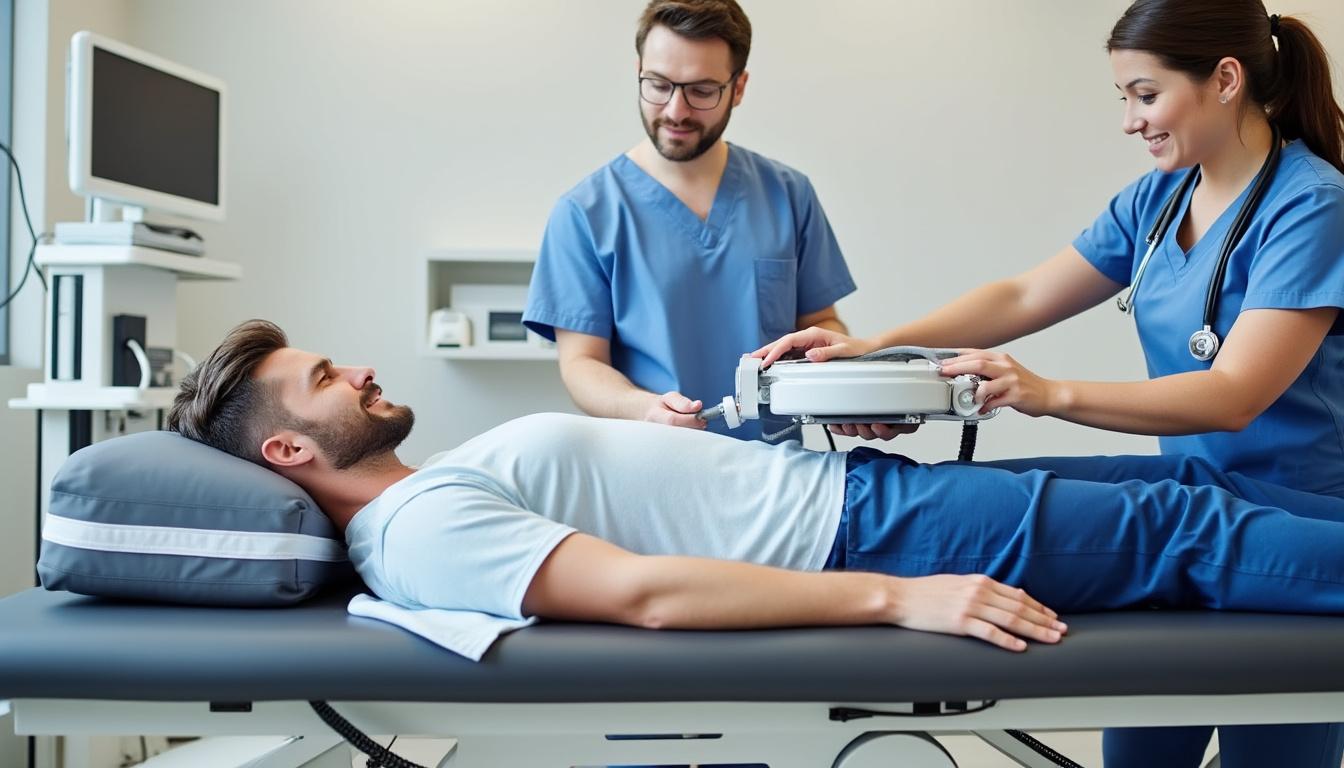
Before progressing to invasive interventions, patients should undergo various non-surgical therapies aimed at pain management and functional restoration. These include physical therapy, chiropractic care, targeted exercises, and importantly, advanced techniques such as neurovertebral decompression offered by specialized centers like TAGMED Clinic.
Neurovertebral decompression is an innovative, gentle method that relieves nerve root pressure, reduces inflammation, and promotes healing without tissue removal. This treatment is particularly beneficial for patients with disc herniations or spinal stenosis who seek to avoid or delay surgery.
Successful conservative care not only potentially eliminates the need for surgery but also prepares the spine by improving tissue quality and mobility if surgery becomes unavoidable later. Such a strategy embodies a responsible approach, emphasizing patient education on realistic expectations and active participation in recovery.
Patients in Trois-Rivières can access multidisciplinary conservative care through local clinics including Argo Clinique Chiroconfort and the Groupe Chiropratique, both recognized for integrating scientific knowledge with comprehensive patient management.
Minimally Invasive Surgery in Longueuil: Reduce Hospital Stay Duration
In recent years, advances in spinal care have dramatically reshaped the treatment landscape for patients suffering from debilitating spinal conditions. Particularly in Longueuil, the emergence of minimally invasive surgery (MIS) techniques offers a transformative alternative to conventional open surgeries. These…
Understanding Minimally Invasive Spine Surgery Techniques
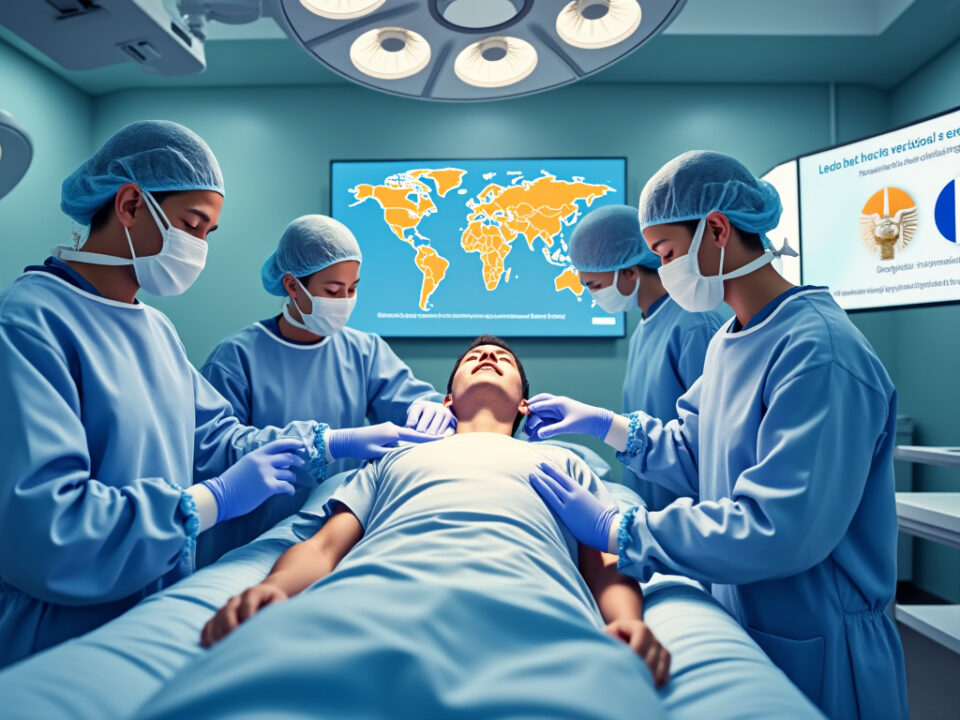
Minimally invasive surgery (MIS) represents a significant evolution in spinal procedures, offering reduced tissue trauma, less blood loss, and quicker recovery times compared to traditional open surgeries. In Trois-Rivières and partner centers in France, MIS has become the standard for many procedures including microdiscectomies and certain types of fusion and motion-preserving surgeries.
The hallmark of MIS is the use of specialized surgical instruments and intraoperative imaging to operate through small incisions. This approach preserves soft tissue integrity and spinal structures, which is essential for maintaining mobility and expediting rehabilitation.
For example, during a MIS spinal fusion, screws are precisely placed percutaneously with the aid of navigation technology, minimizing muscle dissection. Similarly, motion-preserving surgeries utilize implantable devices inserted with minimal disruption, designed to replicate the biomechanical properties of natural discs or facet joints.
The combination of surgical expertise from Trois-Rivières-based clinicians and innovative surgical centers in France ensures that patients receive world-class care utilizing the latest advances. This collaboration is well documented at facilities such as Canadian Spine Institute, which emphasize patient safety and long-term well-being through such techniques.
Below is a comparative overview of traditional versus minimally invasive spine surgeries:
| Aspect | Traditional Surgery | Minimally Invasive Surgery |
|---|---|---|
| Incision Size | Large | Small |
| Tissue Damage | Significant | Minimal |
| Hospital Stay | Several Days | Often Outpatient or 1 Day |
| Recovery Time | Weeks to Months | Days to Weeks |
| Risk of Infection | Higher | Lower |
| Preservation of Mobility | Lower | Higher |
IntraSPINE® in Laval: Modern Solution for Lumbar Stabilization
In the evolving landscape of orthopedic treatments, the city of Laval has become a hub for innovations addressing chronic lower back pain. Among the groundbreaking solutions gaining attention is the IntraSPINE device—a modern spinal implant designed to offer dynamic lumbar…
Integrating Rehabilitation and Long-Term Spinal Health Strategies
Postoperative rehabilitation is essential to maximize the benefits of spine surgery and support sustained spinal health. The goal is to promote pain reduction while restoring natural mobility and function through targeted physical therapy and patient education.
Customized rehabilitation programs often begin with gentle exercises to improve spinal stability and gradually progress to active strengthening and flexibility routines. This measured approach reflects Dr. Sylvain Desforges’ emphasis on evidence-based practices and personalized care pathways.
In Trois-Rivières, facilities offer multidisciplinary spinal rehabilitation services that coordinate closely with surgical teams, ensuring continuity of care. The inclusion of chiropractic interventions, ergonomic training, and lifestyle advice creates a comprehensive care environment that addresses both immediate and long-term needs.
Moreover, engaging patients in their recovery encourages self-management techniques that ultimately reduce recurrence of back pain and improve quality of life. This holistic perspective reinforces that spine health is not a single event but an ongoing commitment to wellness.
Neck Surgery in Montreal: Maintain Cervical Flexibility and Function
Neck conditions causing persistent pain or functional loss place a substantial burden on individuals and healthcare systems, especially in urban centers like Montreal. Surgical interventions targeting the cervical spine have evolved tremendously, aiming not only to relieve symptoms but to…
French Surgical Innovation and Its Impact on Quebec Patients
France has become a global leader in spine surgery innovation, developing dynamic implants and cutting-edge surgical techniques that prioritize mobility preservation and nerve relief. Quebec patients benefit immensely from these advances through transatlantic partnerships that facilitate access to expert evaluations and surgical interventions not commonly available domestically.
Programs facilitated by the Canadian Osteopaths College and organizations like ACMA, led by Dr. Desforges, ensure that Canadian patients receive assessments that align surgical indications with the latest evidence-based practices. This rigorous selection ensures patient safety and efficient resource use.
These French innovations include the deployment of implantable devices that mimic natural disc function and spinal biomechanics. Such technologies reduce the risk of adjacent segment degeneration and support more natural movement patterns, which is a significant breakthrough for back pain treatment.
Through collaboration with institutions like the TAGMED Clinic, dedicated to advanced conservative care, the surgical options offered in France are integrated into a continuum that emphasizes surgery only when medically indicated, optimizing outcomes for patients across Quebec and Trois-Rivières.

Disc Prosthesis in Lévis: Quick and Long-Lasting Results
Chronic back pain caused by degenerative disc disease continues to profoundly impact the quality of life for many residents in Lévis and the broader Quebec area. For decades, traditional spinal fusion surgery has been the primary solution for alleviating severe…
Connecting with Experts for Personalized Spine Care in Trois-Rivières
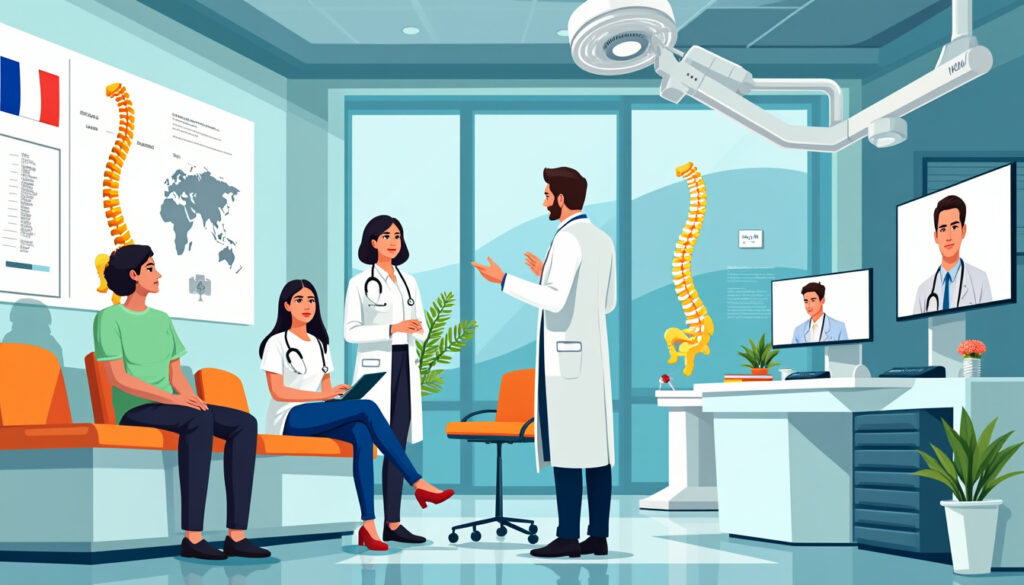
Patients are encouraged to seek expert evaluations that consider their unique medical background, lifestyle, and treatment preferences. Dr. Sylvain Desforges and his team emphasize transparent communication and patient education as foundational aspects of their approach.
Recognizing that every case is distinct, their evaluations guide patients through realistic treatment expectations and stepwise decision-making about conservative and surgical options.
By bridging Quebec and France, the care network facilitates seamless access to top-tier orthopedic surgery and spinal rehabilitation that honors the complex nature of spinal health.
If you or a loved one are struggling with persistent back pain that impacts daily living and have exhausted conservative treatments, exploring advanced surgical options or second opinions with internationally recognized experts can offer renewed hope and tangible relief.
For more information or to discuss your case specifically, visit SOS Medical Tourism contact page to begin a personalized evaluation process.
What types of spine surgery are typically available in Trois-Rivières?
Patients in Trois-Rivières can access simple decompressive surgeries like microdiscectomy, spinal fusion procedures, and increasingly, motion-preserving surgical implants that aim to reduce pain while maintaining spinal mobility.
Why is conservative treatment necessary before considering spine surgery?
Conservative treatments such as physical therapy and neurovertebral decompression are crucial first steps that can relieve pain without surgery. Surgery is considered only after these treatments have been tried for 3 to 6 months without sufficient relief.
How does transatlantic spine care benefit patients?
The transatlantic approach combines Canadian assessment expertise with French surgical innovation, offering patients access to advanced implants, reduced wait times, personalized care, and multidisciplinary support that enhances recovery and long-term spinal health.
What role does post-surgery rehabilitation play in spinal health?
Rehabilitation after spine surgery restores mobility, strengthens supporting muscles, and educates patients on lifestyle modifications, which together reduce recurrence risk and improve quality of life.
How can I start the evaluation process with experts like Dr. Desforges?
You can begin by contacting evaluation centers through platforms such as SOS Medical Tourism to schedule a personalized assessment that considers your specific spinal health needs.

Motion Surgery in Terrebonne: Maintain Intervertebral Mobility
Back pain remains a widespread concern for many in Quebec, with traditional treatment pathways often imposing lengthy waiting periods and financial constraints. Recently, Motion Surgery in Terrebonne has emerged as a transformative option, attracting patients seeking spinal solutions that prioritize…