

Low back pain (LBP) remains one of the most prevalent and challenging health issues globally, affecting millions and severely impacting daily functioning and quality of life. Characterized by discomfort between the lower ribs and the buttocks, this condition manifests in diverse ways, ranging from dull aches to sharp, debilitating sensations that can substantially diminish mobility. Despite its common occurrence, low back pain’s multifaceted nature – encompassing acute, sub-acute, and chronic forms – demands a nuanced understanding of its symptoms, causes, and potential interventions.
With an estimated 619 million individuals worldwide grappling with low back pain, its influence extends beyond personal health to the economic fabric of societies through lost productivity and healthcare costs. Dr. Sylvain Desforges, an eminent expert in spinal care, emphasizes the importance of comprehensive evaluation and patient-tailored strategies. His approach, grounded in scientific rigor and innovative techniques such as neurovertebral decompression therapy, has substantially advanced conservative management options that prioritize safety and efficacy over invasive procedures.
Understanding the spectrum of symptoms and their underlying connections is paramount for effective management. Patients often encounter a mix of pain types, mobility restrictions, and psychological impacts, underscoring the need for holistic care paradigms. By shedding light on the key signs and risk factors, this article charts a path toward informed decisions and proactive measures, empowering individuals to reclaim their spinal health with clarity and confidence.
Recognizing Key Symptoms and Their Variations in Low Back Pain
Low back pain can present itself in varied patterns and intensities, greatly affecting an individual’s lifestyle and functionality. Symptoms may develop suddenly, often after a specific incident such as bending awkwardly or lifting a heavy object, or they can emerge gradually over time with no apparent trigger. The nature of pain varies widely – some experience a persistently dull ache, while others report sharp, stabbing sensations or burning discomfort. Importantly, symptoms can fluctuate, presenting intermittently or as continuous, unrelenting pain.
An essential symptom often associated with low back pain is sciatica or radicular pain, characterized by pain radiating down the buttocks and the back of the legs. This radiated pain is typically linked to irritation or compression of spinal nerve roots, manifesting not only as pain but also as numbness, tingling, or muscle weakness in the affected areas. Such nerve involvement can complicate the clinical picture, requiring precise assessment and targeted care planning.
In addition to pain, low back pain commonly causes stiffness, which may restrict range of motion. Patients often report difficulty in standing up straight, sensing a “crooked” posture or a flattening of the natural spinal curve. Muscle spasms in the lumbar region are another frequent manifestation, sometimes severe enough to immobilize the patient temporarily. These spasms result from the muscles’ involuntary contractions as a protective mechanism against injury but can be distressing and painful.
- Sudden or gradual onset of pain
- Dull aches to sharp, stabbing pain
- Radiation of pain (sciatica)
- Numbness, tingling, or weakness in the legs
- Restricted movement and spinal stiffness
- Muscle spasms causing intense pain
- Postural changes such as difficulty standing upright
Acknowledging these symptoms within the right context is critical in guiding the appropriate therapeutic approach. Understanding that acute pain may resolve naturally while chronic conditions require specialized attention aids in setting realistic expectations. For patients, identifying early signs and seeking timely comprehensive evaluation – as advocated by Dr. Sylvain Desforges – can mean a substantial difference in recovery trajectories.
| Symptom | Description | Impact on Function |
|---|---|---|
| Dull Ache | Continuous, mild to moderate ache in lower back | May limit prolonged standing or sitting |
| Sharp/Stabbing Pain | Sudden, intense pain often triggered by movement | Restricts bending, lifting, and walking |
| Radiated Sciatic Pain | Pain shooting down the leg, sometimes with numbness | Impairs leg mobility and sensation |
| Muscle Spasms | Involuntary muscle contractions causing sharp discomfort | Significantly reduces flexibility and movement |
| Postural Changes | Difficulty maintaining upright posture or spinal alignment | Leads to compensatory movement patterns and fatigue |
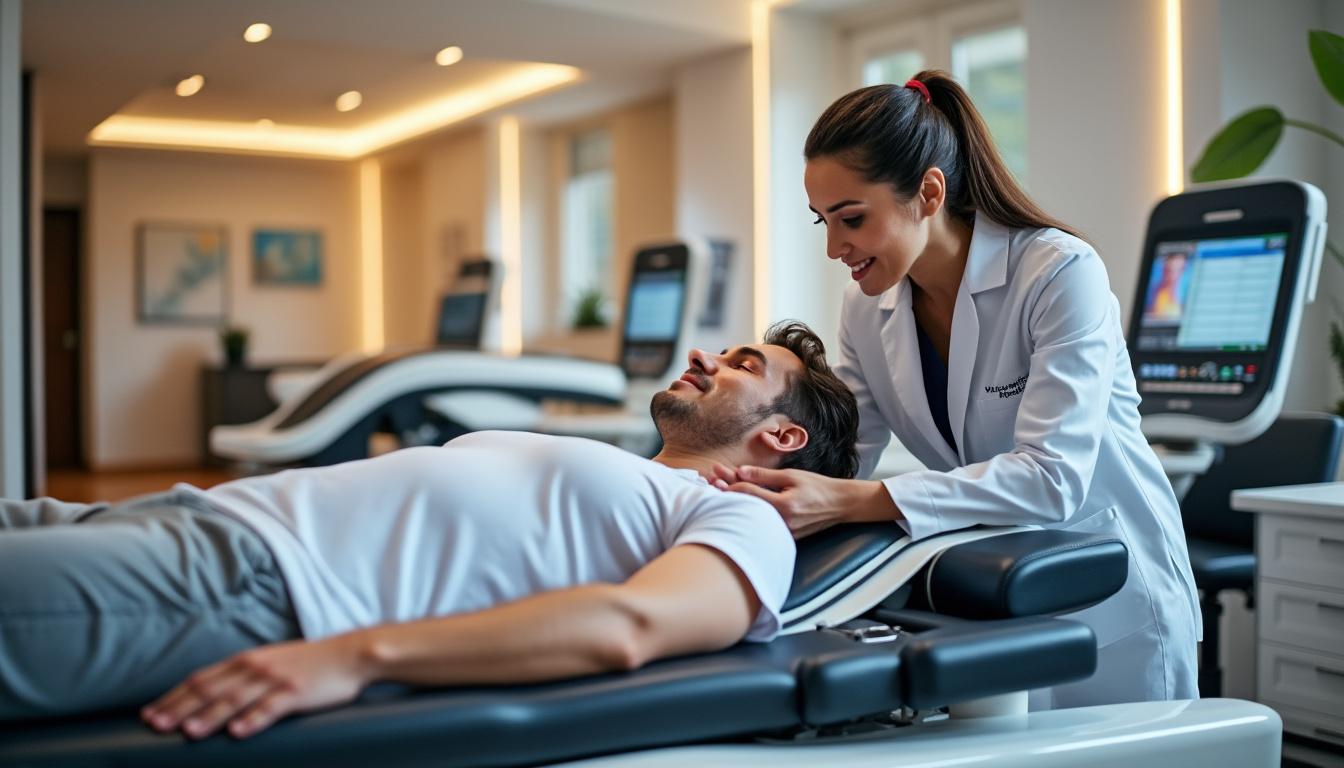
Common Causes and Risk Factors Contributing to Low Back Pain
The multifactorial nature of low back pain complicates pinpointing a definitive cause in many cases. Approximately 90% of instances fall under non-specific low back pain, where no clear structural or pathological diagnosis is evident despite thorough clinical evaluation. However, identifying risk factors can provide valuable guidance in prevention and management.
Specific low back pain stems from identifiable causes such as fractures, spinal infections, tumors, or inflammatory diseases. Among the more prevalent causes are degenerative disc disease, herniated discs, spinal stenosis, and osteoarthritis. Each has characteristic clinical presentations and may require distinct treatment strategies.
Risk factors influencing the development and persistence of low back pain include lifestyle and occupational elements. Low physical activity, obesity, smoking, and repetitive high physical stress related to work can exacerbate vulnerability. Additionally, poor core muscle strength compromises spinal stability, leading to increased strain on vertebral structures. Psychological factors such as depression and anxiety also have documented associations with exacerbated pain perception and chronicity, highlighting the importance of a biopsychosocial approach to care.
- Non-specific low back pain constitutes about 90% of cases
- Specific causes include spinal fractures, infections, tumors, and arthritis
- Occupational hazards with repetitive heavy lifting or awkward posture
- Lifestyle contributors: smoking, obesity, sedentary behavior
- Poor core strength increases spinal strain
- Mental health status impacts pain tolerance and chronicity
Dr. Sylvain Desforges stresses comprehensive evaluation to discern individual risk profiles and causal factors, facilitating personalized care pathways. Incorporating advanced diagnostic tools as detailed on diagnostic protocols helps exclude serious underlying conditions while enabling targeted rehabilitation planning.
| Cause/Risk Factor | Description | Prevalence/Impact |
|---|---|---|
| Herniated Disc | Displacement of spinal disc material pressing on nerves | Common, often causing radicular pain |
| Degenerative Disc Disease | Wear and tear of discs reducing cushioning | Increases with age, leads to chronic pain |
| Osteoarthritis | Joint inflammation causing stiffness and pain | Especially in older adults |
| Occupational Strain | Repeated heavy lifting or poor ergonomics | Elevates risk of acute injury |
| Obesity | Excess weight increases pressure on spine | Contributes to pain persistence |
| Smoking | Affects spinal health and healing | Enhances risk of chronic conditions |
Understanding the Role of Structural and Non-Structural Factors in LBP
The distinction between structural and non-structural causes of low back pain is pivotal in directing treatment. Structural causes relate to visible anatomical changes or damages identifiable via imaging or clinical signs. Non-structural or non-specific pain often involves complex interactions between muscular, neurological, and psychosocial elements without clear anatomical findings.
For instance, spinal stenosis involves narrowing of the spinal canal, which compresses nerves and elicits neurological symptoms. Contrastingly, nonspecific pain may arise from muscle strain or ligament sprain caused by overuse or poor posture, which might not show remarkable imaging results but is equally significant for patient well-being.
Identifying these nuances allows targeted intervention. Patients at Dr. Desforges’ clinics benefit from a multifaceted assessment that addresses not only the anatomical lesions but also movements, behaviors, and mental health aspects that influence pain experience and recovery.
Advanced Diagnostic Evaluations for Precise Low Back Pain Assessment
An accurate diagnosis is critical for successful management of low back pain. This process starts with a detailed medical history and physical examination, emphasizing pain patterns, neurological signs, and functional limitations. Stratifying patients into acute, sub-acute, or chronic categories further refines care decisions.
When a specific cause is suspected, imaging studies such as MRI, CT scans, or X-rays provide visualization of spinal structures. Electrodiagnostic tests may be utilized to assess nerve function in radicular syndromes. Evaluation guidelines stress the importance of correlating imaging results with clinical findings, given that incidental abnormalities often exist without symptoms.
- Comprehensive physical and psychosocial assessment
- Utilization of MRI and CT to identify disc and bone pathology
- Electrodiagnostic tests for nerve conduction studies
- Identification of red flags indicating urgent pathology
- Stratification into pain duration categories
- Emphasis on evidence-based diagnostic frameworks
Dr. Sylvain Desforges advocates integrating advanced diagnostics as a cornerstone for personalized treatment plans. The clinic follows protocols outlined on recommended diagnosis tests, ensuring thorough evaluation while avoiding unnecessary interventions.
| Diagnostic Tool | Purpose | Optimal Use Case |
|---|---|---|
| MRI Scan | Detail soft tissues, discs, and nerve roots | Suspected disc herniation or nerve compression |
| X-Ray | Visualize bone structure and alignment | Fractures, degenerative changes |
| CT Scan | Cross-sectional images of bone and soft tissue | Complex bony abnormalities |
| Electromyography (EMG) | Assess nerve and muscle function | Radiculopathy and neuropathies |
| Physical Examination | Evaluate range of motion and neurological signs | Initial screening |
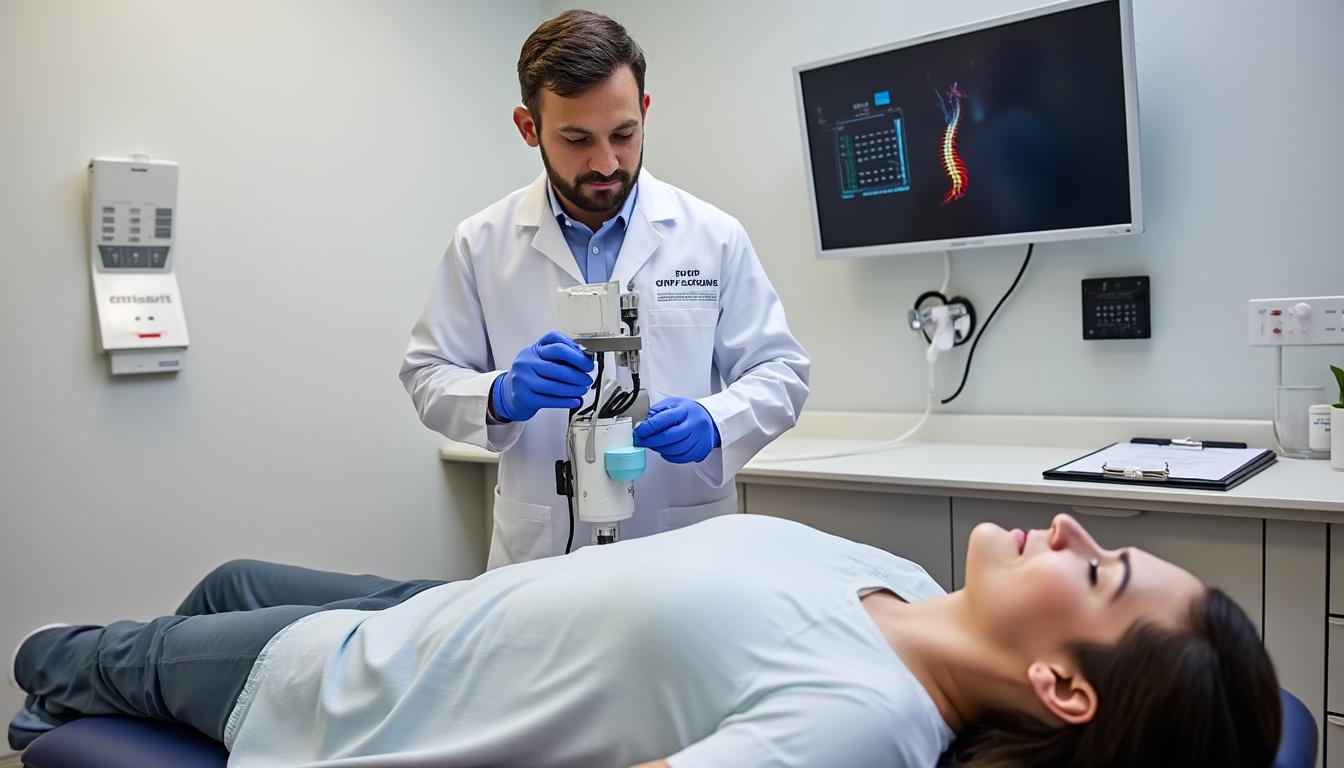
Effective Non-Surgical Treatment Options for Low Back Pain Management
Conservative treatment remains the mainstay for managing the majority of low back pain cases, particularly non-specific LBP. Dr. Sylvain Desforges champions therapies grounded in scientific evidence and safety, emphasizing the least invasive approaches that can restore function and relieve symptoms without surgery.
Key treatment modalities include therapeutic exercise programs tailored to improve muscle strength, flexibility, and functional capacity. Physical therapies, such as manual osteopathic techniques, support pain relief and structural alignment. Additionally, advanced technologies like spinal decompression therapy offer targeted relief by reducing nerve pressure, improving circulation, and promoting tissue healing.
Pharmacologic agents can assist symptom management but should be combined with physical and behavioral interventions. Over-the-counter medications such as Advil, Aleve, Tylenol, and topical analgesics like Bengay, Salonpas, and Biofreeze provide temporary comfort while patients engage in active recovery. Usage protocols emphasize moderation, especially in elderly individuals or those with comorbidities.
- Customized physical therapy exercises
- Manual osteopathic manipulation techniques
- Non-surgical spinal decompression therapies
- Use of analgesics and anti-inflammatory medications
- Topical pain relief applications such as Voltaren, Icy Hot, and Tiger Balm
- Patient education and psychosocial support
Patient adherence and education are vital. Understanding the limitations and benefits of each modality enables individuals to actively participate in their recovery, reducing reliance on medications and enhancing long-term spinal health. More details on comprehensive care and therapeutic options are available through expert resources like specialized treatment management guides.
| Treatment | Description | Indications | Limitations |
|---|---|---|---|
| Physical Therapy | Exercise and functional training to strengthen muscles | Non-specific LBP, post-injury recovery | Requires patient commitment |
| Osteopathic Manipulation | Manual techniques to restore alignment and relieve tension | Muscle spasms, mobility restrictions | Not suitable for severe structural damage |
| Spinal Decompression | Non-invasive technique to reduce nerve compression | Herniated disc, nerve root irritation | Requires multiple sessions for effect |
| Pharmacologic Therapies | NSAIDs, analgesics for symptom control | Acute symptom relief | Potential side effects and dependency risks |
| Topical Analgesics | Creams and patches providing localized pain relief | Mild to moderate pain adjunctive therapy | Temporary effect, skin sensitivity possible |
Exploring Advanced Technologies and Innovations Enhancing Low Back Pain Care
Innovation remains a pillar in Dr. Desforges’ clinical practice. Utilization of emerging technologies such as laser therapy, dynamic spinal implants, and neurovertebral decompression devices mark significant progress in conservative management strategies. These advancements allow nuanced targeting of pathological structures with reduced patient discomfort and downtime.
For instance, laser therapy modulates inflammation and stimulates tissue repair, accelerating pain relief. Dynamic spinal implants support structural integrity while allowing natural movement, thus addressing mechanical contributors to chronic pain. Neurovertebral decompression operates by gently stretching the spine, facilitating the repositioning of bulging discs away from nerve roots without the risks associated with surgery.
Such pioneering methods complement traditional care and are offered within comprehensive rehabilitation programs at TAGMED Clinics. Dr. Desforges’ leadership in integrating these modalities ensures patients benefit from cutting-edge spinal care underpinned by ethical and evidence-based frameworks. Further insight into these innovations can be found in clinical studies such as the prospective randomized controlled study on spinal decompression.
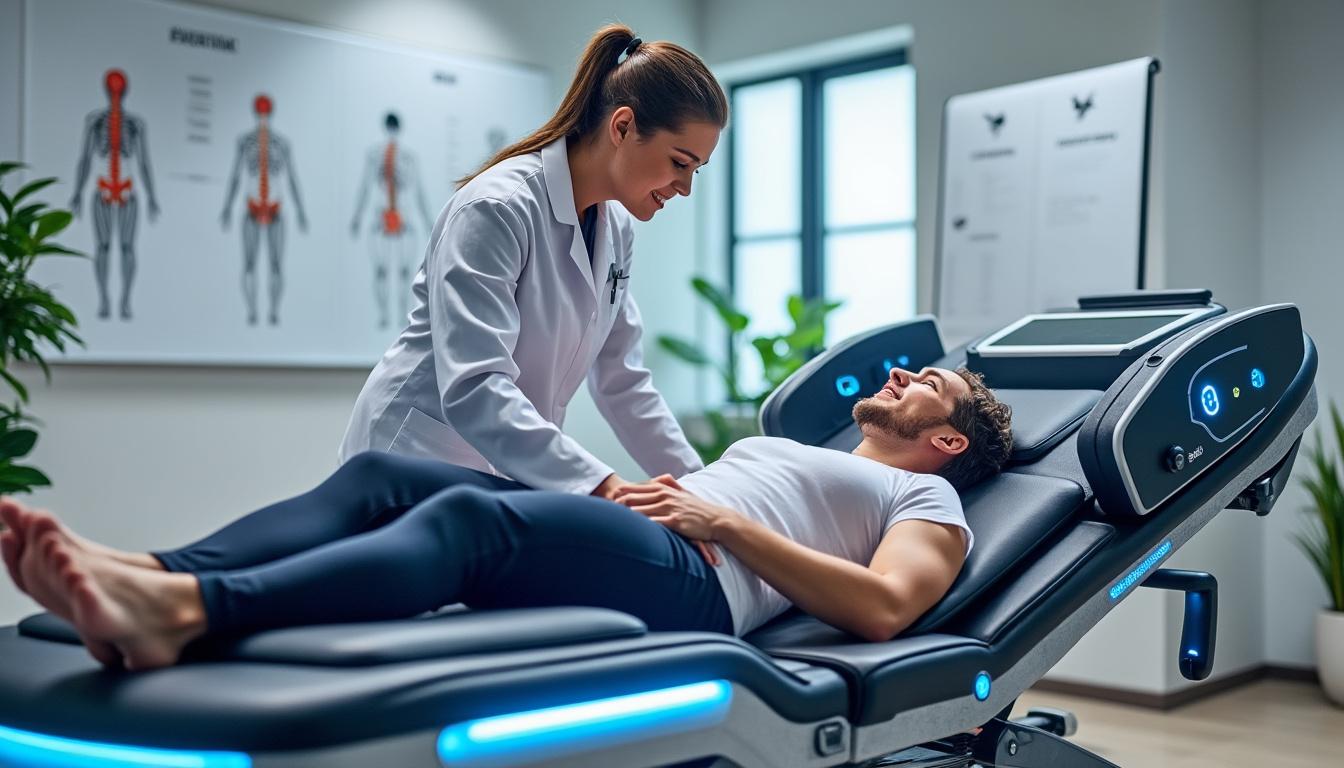
Strategies for Self-Care and Lifestyle Adjustments to Prevent and Manage LBP
Empowering patients through education and self-care remains crucial in extending the benefits of clinical interventions. Simple yet effective lifestyle adjustments can reduce the frequency and severity of low back pain episodes.
Adopting physical activity routines that focus on core strengthening and flexibility is fundamental. Balanced nutrition supporting healthy body weight, cessation of smoking, and optimizing sleep quality contribute significantly to spinal health. Ergonomic improvements at work and home, such as adjustable chairs and mindful lifting techniques, mitigate undue spinal strain.
- Routine low-impact aerobic exercise (e.g., walking, swimming)
- Strengthening core and back muscles
- Healthy weight management
- Smoking cessation
- Proper sleep posture and environment
- Ergonomic workplace adjustments
- Stress management and mental health support
Dr. Desforges also underscores tailored education to help patients make informed choices about their health and identify early warning signs. Resources detailing preventative approaches and comprehensive care advice are accessible for individuals seeking to deepen their understanding at prevention techniques for low back pain.
| Self-Care Strategy | Benefit | Implementation Tips |
|---|---|---|
| Regular Exercise | Improves muscle support and flexibility | Start gradually, focus on lower-impact activities |
| Weight Control | Reduces load on spinal structures | Incorporate balanced diet and physical activity |
| Ergonomic Adjustments | Prevents occupational strain | Use ergonomic chairs, correct posture |
| Smoking Cessation | Promotes better tissue health and healing | Access support programs and counseling |
| Stress Management | Mitigates chronic pain exacerbation | Practice mindfulness and relaxation techniques |
Psychological Impact and Importance of Holistic Rehabilitation in Low Back Pain
Chronic low back pain extends beyond physical discomfort, often leading to decreased mental well-being and social isolation. Symptoms such as sleep disturbances, anxiety, and depressive moods are common and can intensify pain perception, creating a cyclic effect of suffering.
Dr. Sylvain Desforges integrates a biopsychosocial approach in patient care, recognizing the importance of psychological and social factors. Rehabilitation focuses not only on physical recovery but also on fostering mental resilience and social participation, supporting patients’ return to meaningful and productive lives.
Strategies include cognitive behavioral therapy, patient education, and support groups. Tailored therapeutic programs encourage coping skills development, pain management techniques, and gradual resumption of social and recreational activities.
- Sleep quality improvement to reduce pain amplification
- Cognitive behavioral interventions for coping strategies
- Social engagement to mitigate isolation
- Stress reduction techniques
- Patient empowerment through education and counseling
This holistic framework has been shown to improve treatment outcomes and overall quality of life. Comprehensive care programs at institutions such as TAGMED incorporate psychological support as a central component, aligning with recommendations from global health authorities for treating chronic LBP.
| Psychosocial Intervention | Description | Benefit |
|---|---|---|
| Cognitive Behavioral Therapy (CBT) | Therapies to reframe pain perceptions and improve coping | Reduces disability and psychological distress |
| Patient Education | Information about pain mechanisms and self-management | Enhances treatment adherence and confidence |
| Group Support | Forums for sharing experiences and encouragement | Improves social connectedness and motivation |
| Mindfulness and Relaxation | Techniques to manage stress and reduce muscle tension | Alleviates pain perception and psychological impact |
When to Seek Professional Evaluation for Low Back Pain Symptoms
Although many cases of low back pain resolve with self-care and conservative management, timely professional evaluation is crucial when symptoms persist or worsen. Warning signs include severe, progressive pain, neurological deficits like weakness or bladder dysfunction, and any history of trauma or systemic illness.
Dr. Sylvain Desforges emphasizes the importance of individualized assessment to rule out serious conditions and tailor treatment plans accordingly. Early intervention often mitigates chronicity and improves prognosis. Patients experiencing persistent symptoms despite rest, or those with recurrent episodes affecting daily activities, are encouraged to consult healthcare professionals without delay.
- Pain lasting more than six weeks without improvement
- Leg weakness, numbness, or tingling
- Loss of bladder or bowel control
- Severe pain following trauma
- Unexplained weight loss or fever
- Difficulty standing or walking
Accessible patient education on symptom monitoring and pathways to care reduces anxiety and empowers informed decision-making. Clinical services such as those provided by IntraSpine in Laval offer specialized minimally invasive treatments for patients with advanced conditions, exemplifying the continuum of spinal care options.
| Symptom Red Flags | Recommended Action |
|---|---|
| Neurological deficits (weakness, numbness) | Immediate medical evaluation |
| Loss of bladder or bowel control | Urgent intervention required |
| Severe trauma preceded pain | Emergency imaging and assessment |
| Unexplained systemic symptoms | Comprehensive diagnostic testing |
| Persistent pain beyond 6 weeks | Referral to spine care expert |
What are the most common symptoms of low back pain?
Common symptoms include dull aches, sharp or stabbing pain, stiffness, muscle spasms, and pain radiating down the legs often referred to as sciatica.
How does Dr. Sylvain Desforges approach evaluation and treatment of low back pain?
Dr. Desforges conducts comprehensive clinical evaluations focusing on identifying spinal and biomechanical factors, advocating conservative, evidence-based treatments centered on patient safety and personalized care plans.
What lifestyle changes can help prevent low back pain?
Regular exercise, weight management, ergonomic adjustments at work, quitting smoking, stress management, and maintaining good sleep habits are key preventive strategies.
When should I seek immediate medical attention for low back pain?
Seek prompt care if you experience neurological deficits like leg weakness, loss of bladder or bowel control, severe trauma-related pain, or systemic symptoms such as fever and unexplained weight loss.
Are there effective non-surgical treatments for herniated discs causing low back pain?
Yes, therapies including spinal decompression, osteopathic manual therapy, physical rehabilitation, and pain management medications can effectively alleviate symptoms without surgery.