Why Experts Advocate for Conservative Treatments Over Surgery
November 4, 2025
Living with a Herniated Disc in Sainte-Julie: How Neurovertebral Decompression Improves Quality of Life
November 4, 2025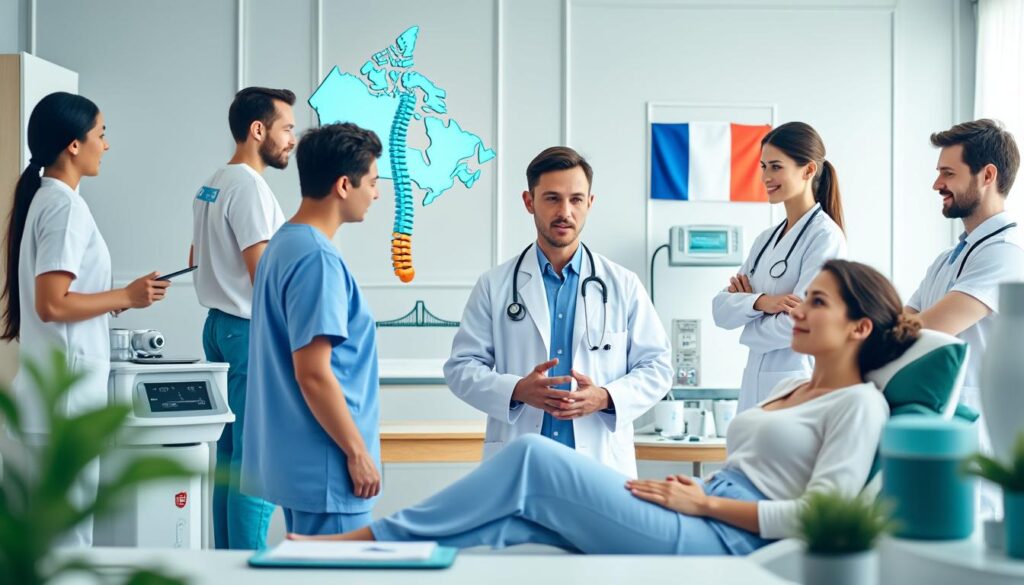
Advances in spinal care now provide new paths for patients facing debilitating lumbar spine conditions. In Gatineau, the introduction of the TOPS System marks an innovative milestone offering hope and functional recovery for those suffering from lumbar spinal stenosis and degenerative spondylolisthesis. This cutting-edge spinal implant is reshaping how patients conceive their treatment options, especially for individuals wary of traditional spinal fusion surgery’s limitations and outcomes.
Embedded in a landscape seeking less invasive, motion-preserving techniques, the TOPS treatment encapsulates both biomechanical sophistication and patient-centered progress. Patients in Quebec, often confronted with lengthy surgical waitlists or prohibitive costs in private care, can now consider this game-changing solution facilitated by international coordination, science-driven practices, and compassionate patient care.
Understanding the Importance of the TOPS System in Gatineau’s Spine Care Landscape
The TOPS System represents a critical leap from conventional spinal fusion techniques, which have been the mainstay for lumbar spinal stenosis treatment over recent decades. This system was developed to address the need for stabilizing the spine without sacrificing natural movement, providing an alternative for patients who require decompression surgery with enhanced recovery promises.
Developed by Premia Spine, the TOPS implant is characterized by a dual titanium endplate structure attached to pedicle screws, allowing controlled multi-directional movement including axial rotation, lateral bending, flexion, and extension. This contrasts sharply with spinal fusion’s rigid fixation, which may lead to accelerated degeneration at adjacent spinal segments.
Patients with moderate to severe lumbar spinal stenosis and Grade I degenerative spondylolisthesis from levels L3 to L5 are prime candidates for this implant, which is designed to relieve nerve compression and restore mobility. Key benefits include preservation of spinal flexibility, faster postoperative recovery, and potential reductions in long-term complications associated with fusion surgery.
- Preservation of natural lumbar segment movement
- Reduction in adjacent segment degeneration
- Significant pain relief through targeted decompression
- Accelerated functional recovery and return to activity
- Applicable to patients aged 35 to 80 with specific lumbar conditions
| Feature | TOPS System | Traditional Spinal Fusion |
|---|---|---|
| Motion Preservation | Maintains multi-directional lumbar motion | Eliminates movement at fused segment |
| Postoperative Recovery | Generally faster with less pain | Longer and more painful recovery |
| Adjacent Segment Health | Reduced risk of degeneration | Higher risk due to biomechanical stress |
| Age Suitability | 35 to 80 years | Varies, often younger patients preferred |
Such progress underscores why the TOPS System has recently gained approval from regulatory authorities including the FDA, attesting to its safety and effectiveness in the clinical context. To explore deeper how this innovation compares to other advanced surgical options like robotic spine fusion, see detailed analyses at Apex Brain & Spine.
Disc Prosthesis in Lévis: Maintain Natural Mobility
In the evolving landscape of spinal health, the pursuit of innovative solutions for chronic back pain and degenerative disc conditions has never been more critical. Residents of Lévis and surrounding regions seeking pathways beyond the limitations of traditional spinal fusion…
Types of Spine Surgery Available in France: An Overview for Quebec Patients Considering a Transatlantic Journey
Careful evaluation by an expert in spine pathology like Dr. Sylvain Desforges is essential to determine appropriate treatment. Surgical options offered in France for lumbar spine conditions can be broadly categorized into three types: simple decompression, spinal fusion, and motion-preserving procedures such as the TOPS implant.
Simple Decompression Surgery
This procedure removes the offending tissue such as hypertrophic ligaments or bone spurs compressing the spinal nerves. It is less invasive as it does not involve implant placement or fusion, focusing on symptomatic relief and restoration of nerve function. Suitable for patients without spinal instability or significant vertebral slippage.
Spinal Fusion Techniques
Traditional spinal fusion techniques involve joining two or more vertebrae to eliminate motion and stabilize the spine after decompression. While effective at reducing pain caused by instability, fusion can result in loss of segmental motion and predispose adjacent levels to accelerated wear and pathology.
Motion-Preserving Surgeries
Immersed in innovation, motion-preserving surgeries utilize implants like the TOPS System that stabilize while maintaining physiological spinal motion, which is fundamental for balanced biomechanics and reducing secondary complications. These solutions are becoming increasingly accessible in French spine centers, offering international patients a significant advantage over exclusively fusion-oriented approaches found elsewhere.
- Simple decompression: nerve relief without fusion or implant
- Fusion: rigid spinal stabilization through bone grafting
- Motion-preserving implant: maintaining flexibility with stability
| Surgical Type | Indications | Advantages | Limitations |
|---|---|---|---|
| Simple Decompression | Spinal stenosis without instability | Less invasive, quicker recovery | Does not address instability or vertebral slippage |
| Spinal Fusion | Instability, degenerative spondylolisthesis | Strong stabilization, pain reduction | Loss of motion, adjacent segment degeneration |
| Motion-Preserving (e.g., TOPS) | Moderate instability, Grade I spondylolisthesis | Preserves motion, lowers secondary degeneration | Requires precise patient selection |
For patients considering surgical care in France, understanding the type of surgical intervention and its biomechanical relevance is crucial. Dr. Desforges, with his qualifications and thorough expertise, guides patients through discerning the best approach personalized to their condition and goals, integrating evidence-based standards recognized by orders like the FDA and Canadian regulations.
Motion Surgery in Terrebonne: Advanced Techniques Available in France
With over three decades of dedicated expertise in spine care, I have witnessed firsthand the evolution of surgical options aimed at improving quality of life for those living with spinal disorders. Among these advances, Motion Surgery stands out in Terrebonne…
The Patient Journey in Transatlantic Spine Care: From Quebec to France and Back
Embarking on a healthcare journey across the Atlantic involves careful planning, coordination, and expert guidance to ensure optimal clinical outcomes and smooth logistical transitions. Dr. Sylvain Desforges plays a pivotal role in the seamless navigation of this pathway, including initial evaluations, collaboration with French surgical teams, and follow-up care.
Step 1: Comprehensive Assessment and Conservative Management
Before surgery, an expert assessment including clinical evaluation, imaging, and possibly neurovertébral decompression therapy is essential. Dr. Desforges advocates a minimum of three to six months of conservative treatment, emphasizing approaches delivered at specialized facilities like the Clinique TAGMED in Gatineau. If neurovertébral decompression hasn’t been attempted, it should be pursued to maximize non-surgical outcomes.
Step 2: Surgical Planning and Intervention in France
Once conservative options are exhausted or deemed insufficient, the surgery in France can be booked and prepared with clarity on implant choice and surgeon expertise, ensuring advanced options such as the TOPS procedure are accessible. Coordination is enhanced by partnerships like those with SOS Tourisme Médical facilitating timely scheduling and personalized care.
Step 3: Postoperative Recovery and Rehabilitation
Post-surgery, patients receive tailored rehabilitation programs harmonizing local care with guidance from their transatlantic medical team. This ensures continuous monitoring, functional restoration, and readiness for safe repatriation to Quebec.
- Initial assessment emphasizing evidence-based approaches
- Conservative therapies including neurovertébral decompression at TAGMED
- Selection and scheduling of advanced surgical procedures in France
- Customized postoperative rehabilitation bridging two healthcare systems
- Ongoing transatlantic follow-up and patient support
| Stage | Description | Key Considerations |
|---|---|---|
| Evaluation | Comprehensive assessment and conservative treatment | Emphasis on neurovertébral decompression and evidence-based care |
| Surgical Planning | Choosing advanced options like TOPS in France | Ensuring experienced surgical teams and access to innovative implants |
| Recovery | Rehabilitation integrating care protocols from France and Quebec | Focus on mobility preservation and patient’s personalized needs |
This multiphase coordination reflects the commitment to patient-centered, scientifically grounded health journeys unparalleled in Quebec’s local options.
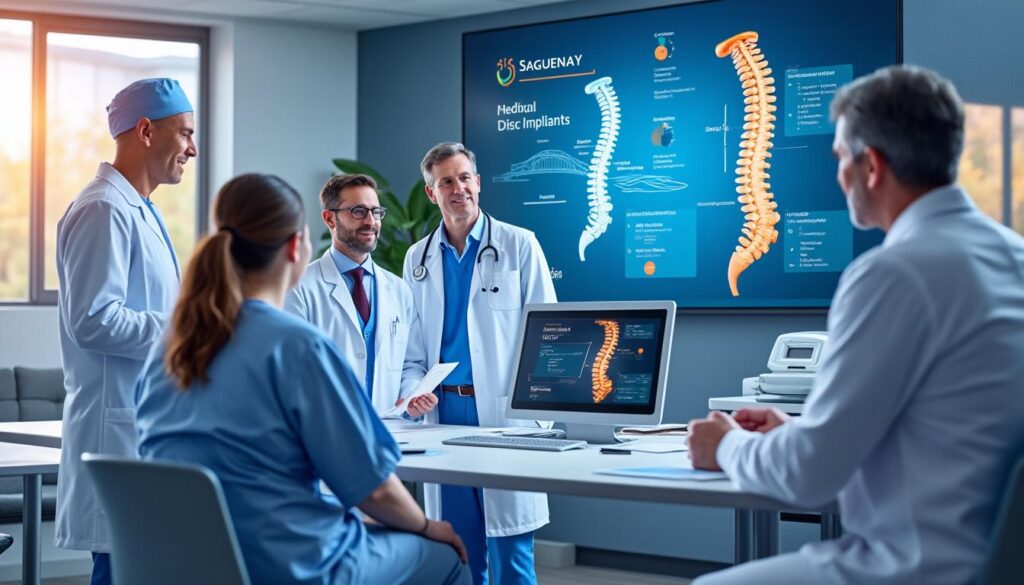
Lumbar Disc Prosthesis in Saguenay: Long-Lasting Relief After Surgery
Chronic back pain rooted in lumbar disc degeneration challenges many patients in Saguenay and beyond, urging exploration of innovative solutions to restore spine health and quality of life. Traditional spinal fusion surgeries, though effective for stabilizing painful segments, have notable…
Biochemical and Functional Advantages of Motion-Preserving Implants like TOPS
The mechanics of human spinal movement are complex, involving subtle but essential flexion, extension, lateral bending, axial rotation, and translation. Traditional fusion surgery interrupts these natural dynamics, leading often to compensatory stresses and subsequent degeneration in mobile neighboring segments.
In contrast, the TOPS System replicates near-normal lumbar segment motion, a factor crucial for long-term spinal health and pain control. By mechanically stabilizing yet allowing controlled movement, it prevents abnormal loading patterns that contribute to adjacent segment disease.
- Maintains range of motion similar to a healthy lumbar segment
- Prevents acceleration of degeneration in adjacent vertebrae
- Distributes biomechanical stresses evenly
- Facilitates return to functional daily activities and sports
- Potentially lowers the need for reoperation compared to fusion
| Biomechanical Aspect | Benefit of TOPS | Resulting Clinical Outcome |
|---|---|---|
| Motion Preservation | Allows complex spinal movements | Enhanced patient mobility, reduced stiffness |
| Load Distribution | Balances mechanical stresses across spine levels | Reduced adjacent segment overload and pain |
| Stabilization | Prevents abnormal vertebral sliding | Stable spine protecting neural elements |
For more on implant innovations, refer to leading manufacturers like Premia Spine’s TOPS system and comparative reviews featuring Orthovative’s products, giving insight into how these technologies optimize outcomes beyond traditional methods.
IntraSPINE® in Sherbrooke: Maintain Lumbar Function
In the modern management of lumbar spine conditions, patients in Sherbrooke and across Quebec are increasingly presented with innovative solutions that prioritize maintaining natural spinal function while alleviating debilitating pain. Among these advancements, the IntraSPINE device has emerged as a…
The Economic and Human Benefits of a Coordinated Transatlantic Spine Surgery Protocol
Choosing to pursue spine care across borders, particularly between Quebec and France, offers distinct economic and humanistic advantages shaping the patient experience today.
Economic Considerations
Quebec patients often face costly private care or long waits in the public system. The transatlantic option, supported by expert coordination, often provides:
- Access to advanced surgical technology not yet widespread locally
- Competitive pricing structures potentially leading to lower out-of-pocket expenses
- Reduced waiting times, allowing earlier intervention and faster restoration
- Comprehensive packages including pre-op and post-op care coordination
Humanistic Factors
Beyond budgets, the emotional and psychological comfort of being closely supported by a team including Dr. Desforges, who combines medical expertise with patient education and reassurance, plays a profound role in outcomes. The journey’s design emphasizes:
- Clear, jargon-free explanations to enhance patient understanding and confidence
- Continuous access to multidisciplinary teams fluent in French and familiar with Quebec healthcare context
- Customized care plans preserving individual patient goals and life activities
- Warm clinical environments promoting healing beyond physical treatment
| Benefit Type | Description | Example |
|---|---|---|
| Cost Efficiency | Lower overall healthcare spending through coordinated care | Shorter waitlists reduce need for prolonged diagnostics and interim care |
| Enhanced Patient Experience | Empathetic support and detailed communication | Patient education seminars and continuous updates |
| Access to Innovation | Exclusive access to advanced implants like TOPS before wide local adoption | Early FDA approval facilitates faster availability |
The coordinated program showcases the pioneering role played by organizations led by Dr. Desforges, who as founder of the Collège des Ostéopathes Canadiens and the ACMA, merges technical mastery with ethical innovation.
Minimally Invasive Surgery in Longueuil: Reduce Post-Surgery Pain
Minimally invasive surgery in Longueuil is transforming the patient experience by significantly reducing post-surgery pain and accelerating recovery times. With advances in surgical techniques such as laparoscopic and robotic-assisted procedures, patients can benefit from smaller incisions, less tissue damage, and…
Criteria for Considering Surgery: Why Conservative Treatments Must Precede Intervention
It is fundamental to recognize that surgery should not be the starting point for lumbar spinal issues. Based on rigorous clinical guidelines and the expertise of thought leaders like Dr. Sylvain Desforges, a minimum of three to six months of conservative management must be completed before surgery is contemplated.
Conservative approaches to lumbar spine pathologies include:
- Physical therapy tailored to improve core strength and spinal flexibility
- Medication regimes to manage inflammation and nerve pain
- Advanced techniques such as neurovertébral decompression available at Clinique TAGMED
- Patient education to promote lifestyle adaptations and ergonomic improvements
When such treatments have been sufficiently trialed and symptoms persist or progress, surgical options can then be thoughtfully evaluated with specialized assessment. This ensures patients do not undergo unnecessary procedures and that surgery, if required, is optimally indicated for lasting benefit.
| Conservative Treatment | Purpose | Examples |
|---|---|---|
| Physical Therapy | Enhance muscle support and mobility | Strength training, stretching exercises |
| Medication | Reduce pain and inflammation | NSAIDs, nerve pain modulators |
| Neurovertébral Decompression | Relieve nerve compression non-invasively | Traction therapies at TAGMED |
| Patient Education | Support informed choices and adherence | Consultations, ergonomic advice |
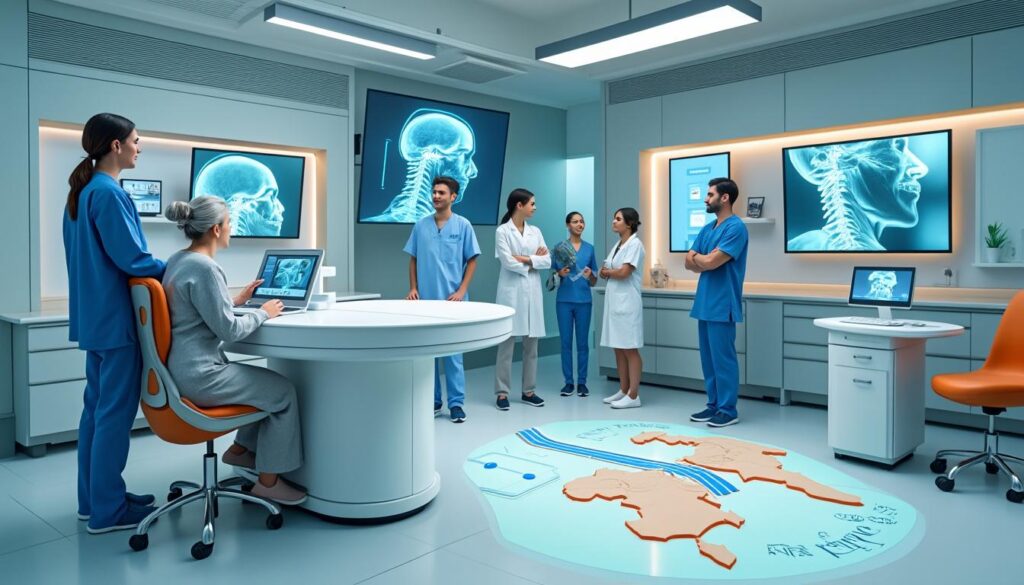
Neck Surgery in Montreal: Maintain Natural Cervical Flexibility
Neck surgery remains a crucial consideration for patients suffering from severe cervical spine disorders where conservative treatments have failed. In Montreal, access to specialized care offers patients the opportunity to explore advanced surgical solutions designed to maintain natural cervical flexibility—an…
Advanced Technologies and Leading Manufacturers Shaping Spine Surgery Options in 2025
The field of spine surgery has recently been transformed by technological advancements embodied by pioneers such as TOPS, Spineology, NuVasive, Medtronic, Zimmer Biomet, Stryker, Globus Medical, DePuy Synthes, Alphatec Spine, and Orthofix. These companies develop innovative implants, devices, and surgical systems that prioritize patient safety, evidence-based outcomes, and motion preservation.
Many implants now integrate materials such as titanium and polycarbonate urethane, providing strength and flexibility. Surgical techniques leverage robotics, navigation, and minimally invasive approaches to enhance accuracy and minimize tissue trauma.
- Implant innovation preserving mobility and reducing adjacent degeneration
- Use of biocompatible materials improving integration and longevity
- Minimally invasive surgical systems reducing recovery times
- Advanced intraoperative imaging and navigation for precision
- Postoperative monitoring technologies optimizing rehabilitation
| Manufacturer | Innovation Focus | Contribution to Spine Surgery |
|---|---|---|
| Premia Spine (TOPS) | Motion-preserving lumbar implants | Development of TOPS System |
| NuVasive | Minimally invasive techniques | Advanced surgical systems and instrumentation |
| Medtronic | Robotic assistance and implant technology | Integration of robotic spine surgery |
| Zimmer Biomet | Orthopedic implants and biologics | Innovative fusion and non-fusion implants |
| Stryker | Comprehensive spine care products | New implant materials and surgical tools |
| Globus Medical | Patient-specific solutions | Customized implants and navigation systems |
| DePuy Synthes | Spine and trauma products | Wide-range spinal instrumentation |
| Alphatec Spine | Fusion and motion preservation | Hybrid surgical approaches |
| Orthofix | Spinal fixation devices | Dynamic stabilization systems |
Exploring the options provided by these leaders can guide patients and clinicians in selecting the most suitable and innovative treatment course, which is especially relevant for those considering international care pathways involving TOPS or alternative systems. For deeper insights, consult perspectives compiled by Spine Practice and the Better Than Spinal Fusion platform.
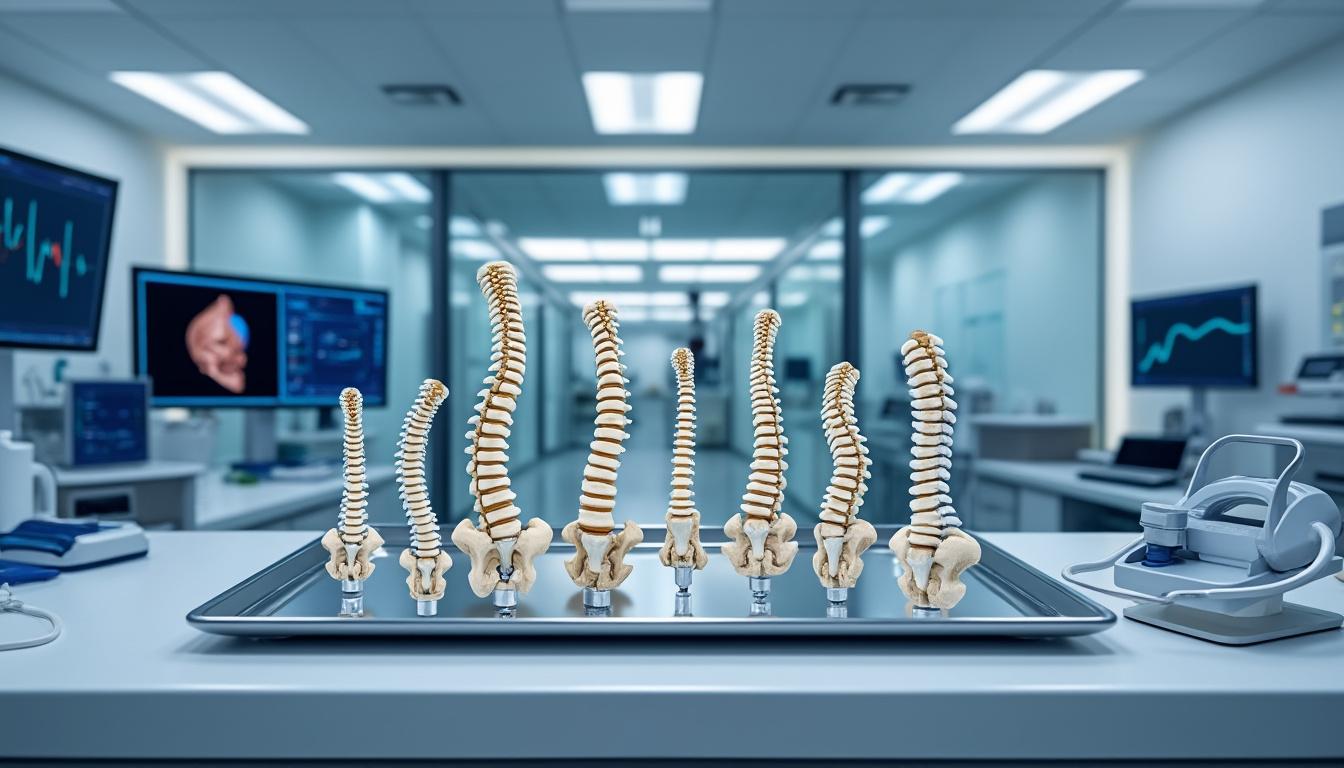
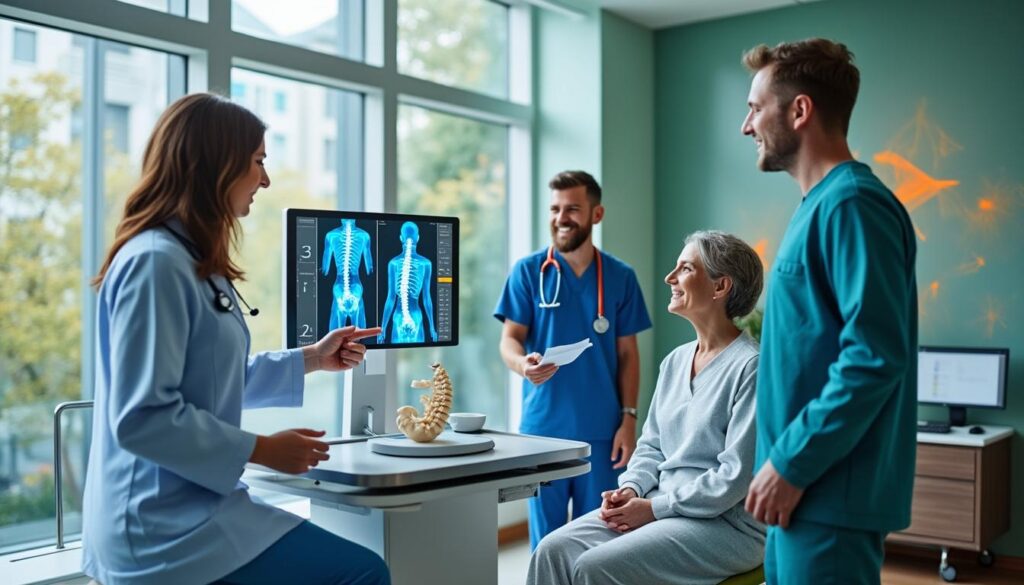
Disc Prosthesis in Lévis: Fast and Lasting Results
In the realm of spinal care, patients battling chronic back pain and degenerative disc diseases continuously seek solutions that offer not just symptom relief but also the restoration of natural spinal function. Disc prosthesis, or artificial spinal disc replacement, has…
Encouraging Informed Patient Decision-Making Through Clear and Compassionate Guidance
Dr. Sylvain Desforges champions a model of patient education that prioritizes accessibility and clarity, avoiding unnecessary jargon while explaining the advantages, limitations, and necessary steps involved in each care pathway. This approach ensures that every patient gains a clear understanding of their condition and treatment options.
Patients are empowered to ask questions, understand treatment timelines, and appreciate the importance of completing conservative treatments before considering surgery. This patient-centered dialogue helps build trust and promotes adherence, contributing to successful outcomes.
- Accessible explanations of complex biomechanical concepts
- Detailed discussion on advantages and potential risks
- Personalized treatment timelines and expectations
- Encouragement of patient involvement and question-asking
- Support throughout preoperative and postoperative phases
| Communication Aspect | Purpose | Outcome |
|---|---|---|
| Clear Explanation | Simplify medical jargon for patient comprehension | Improved understanding and confidence |
| Empathetic Dialogue | Encourage patient questions and address concerns | Enhanced trust and cooperation |
| Personalized Guidance | Provide tailored plans aligned with patient goals | Better adherence and outcomes |
Such a supportive model can alleviate patient anxiety and foster a collaborative environment, making the recovery journey more manageable and hopeful.
Motion Surgery in Terrebonne: Reduce Postoperative Complications
In the evolving landscape of spine care, Motion Surgery in Terrebonne represents a groundbreaking approach that offers patients a significant advantage in reducing postoperative complications while preserving spinal mobility. Traditional spinal surgeries have long been associated with challenges, including stiffness,…
Specific Value-Added Services at Clinique TAGMED and the Role of Dr. Desforges in International Care Coordination
Clinique TAGMED is at the forefront of conservative spine care in Quebec, offering advanced options like neurovertébral decompression, laser therapies, and personalized rehabilitation programs. Patients benefit from cutting-edge technologies combined with a comprehensive team approach.
Dr. Sylvain Desforges, with over 30 years of experience and his roles founding the ACMA, the Collège des Ostéopathes Canadiens, and TAGMED, exemplifies excellence in bridging clinical expertise, ethical scientific practice, and compassionate patient guidance. His unique skillset in spine pathology evaluation facilitates patient selection for international surgery, assuring that only appropriate cases are advanced for interventions like TOPS in France.
- Advanced conservative therapies aiming to optimize surgical candidacy
- Selection and preparation for innovative implant surgery abroad
- Close follow-up pre- and post-surgery with multidisciplinary input
- Coordination with surgical teams in France and logistical support
- Patient empowerment through education and personalized care plans
| Service | Description | Benefit |
|---|---|---|
| Neurovertébral Decompression | Non-invasive nerve decompression therapy | Potentially avoids or delays surgery |
| Comprehensive Evaluation | Detailed spine pathology assessment by expert | Patient-specific treatment recommendations |
| International Coordination | Facilitating access to French surgical innovations | Optimized treatment timelines and quality |
| Postoperative Management | Rehabilitation and monitoring post-surgery | Maximized recovery and function preservation |
See more on TAGMED’s approach at Clinique TAGMED and explore patient pathways enabled through SOS Tourisme Médical.
What conditions qualify a patient for the TOPS System in Gatineau?
Patients typically eligible have moderate to severe lumbar spinal stenosis and Grade I degenerative spondylolisthesis between L3 and L5, with symptoms that have not sufficiently improved after conservative treatments.
How does the TOPS System differ from traditional spinal fusion surgery?
Unlike spinal fusion, the TOPS System maintains spinal motion while stabilizing the affected segment, reducing the risk of adjacent segment degeneration and promoting faster recovery.
What is the role of neurovertébral decompression before considering surgery?
Neurovertébral decompression is a non-invasive conservative therapy that can alleviate nerve compression symptoms, potentially avoiding the need for surgery or improving surgical outcomes if surgery is required.
How does Dr. Sylvain Desforges support patients seeking spine surgery abroad?
Dr. Desforges provides expert spine pathology evaluations, patient education, coordination with international surgical teams, and personalized care plans ensuring a seamless transatlantic treatment journey.
Where can patients find more information about advanced spine care options in Quebec and France?
Organizations like Clinique TAGMED and platforms such as SOS Tourisme Médical provide detailed resources and support for patients exploring both conservative and surgical spine care options internationally.