Laval Lumbar Disc Injury Rehabilitation Without Surgery
May 15, 2026
Terrebonne Neck Pain Solutions That Avoid Surgery Risks
May 15, 2026
The burden of lumbar spinal disorders such as spinal stenosis and degenerative spondylolisthesis continues to grow within aging populations, confronting patients and healthcare providers with complex treatment decisions. In Quebec, patients often face lengthy wait times and prohibitive private care costs, limiting access to the latest surgical innovations. However, advances in dynamic spinal implants like the TOPS System, now available in Gatineau, Canada, are revolutionizing postoperative outcomes by reducing complications after decompression surgery while preserving natural spinal motion.
With over three decades of experience evaluating spinal pathologies, Dr. Sylvain Desforges stands at the forefront of this evolving field. His extensive qualifications (B.Sc., D.O., N.D.), leadership as founder and president of the Canadian College of Osteopaths and the Association of Canadian Medical Assessors, and commitment to ethical, science-based approaches uniquely position him to guide patients considering this complex surgery.
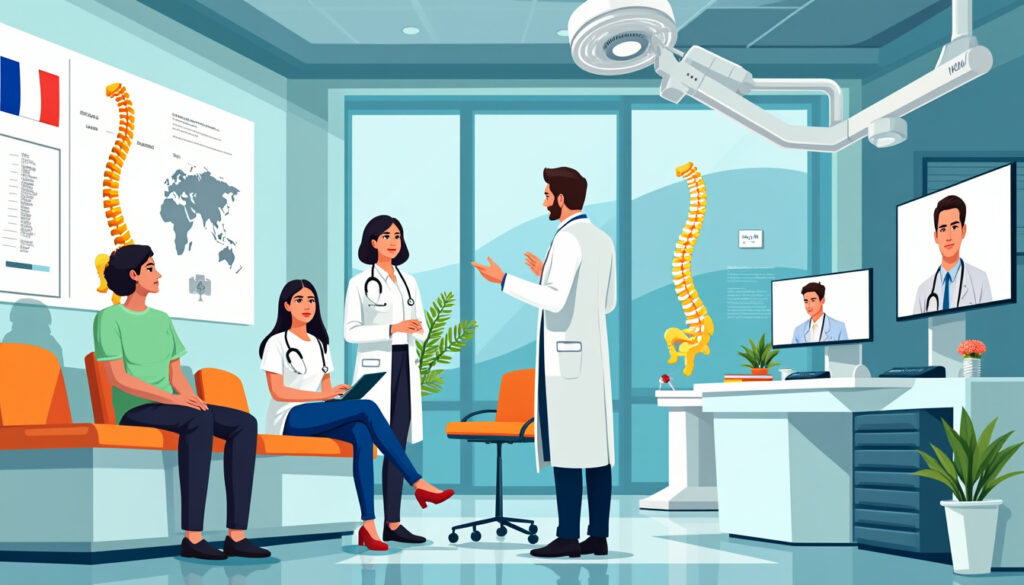
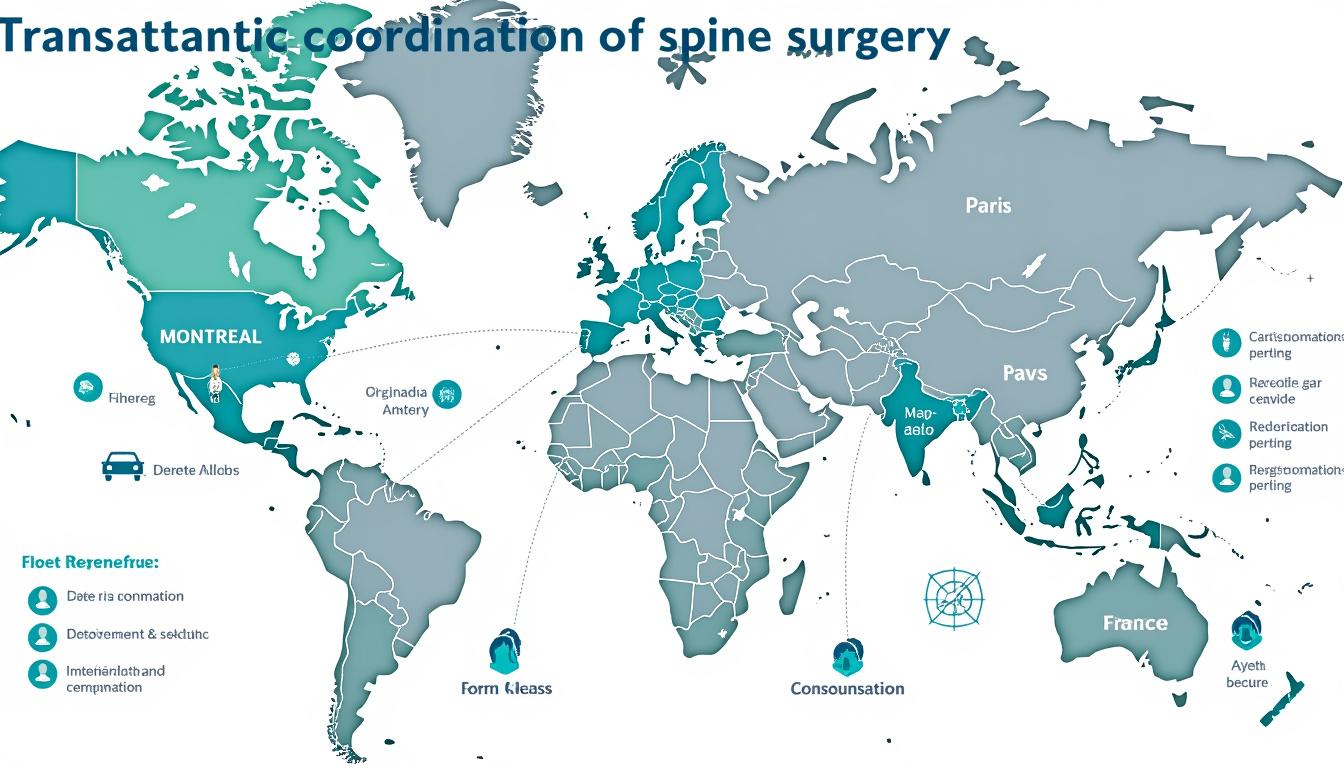
By coordinating personalized, transatlantic care pathways linking Quebec and advanced surgical centers in France, Dr. Desforges ensures that patients benefit from timely access to state-of-the-art interventions like the TOPS System alongside comprehensive preoperative and postoperative support. This article explores the biomechanics, surgical application, patient journey, and broader benefits of the TOPS implant, presenting an empowering resource for Quebecois seeking dynamic, motion-preserving solutions after spinal decompression.
Understanding the TOPS System: Innovative Motion-Preserving Technology in Gatineau
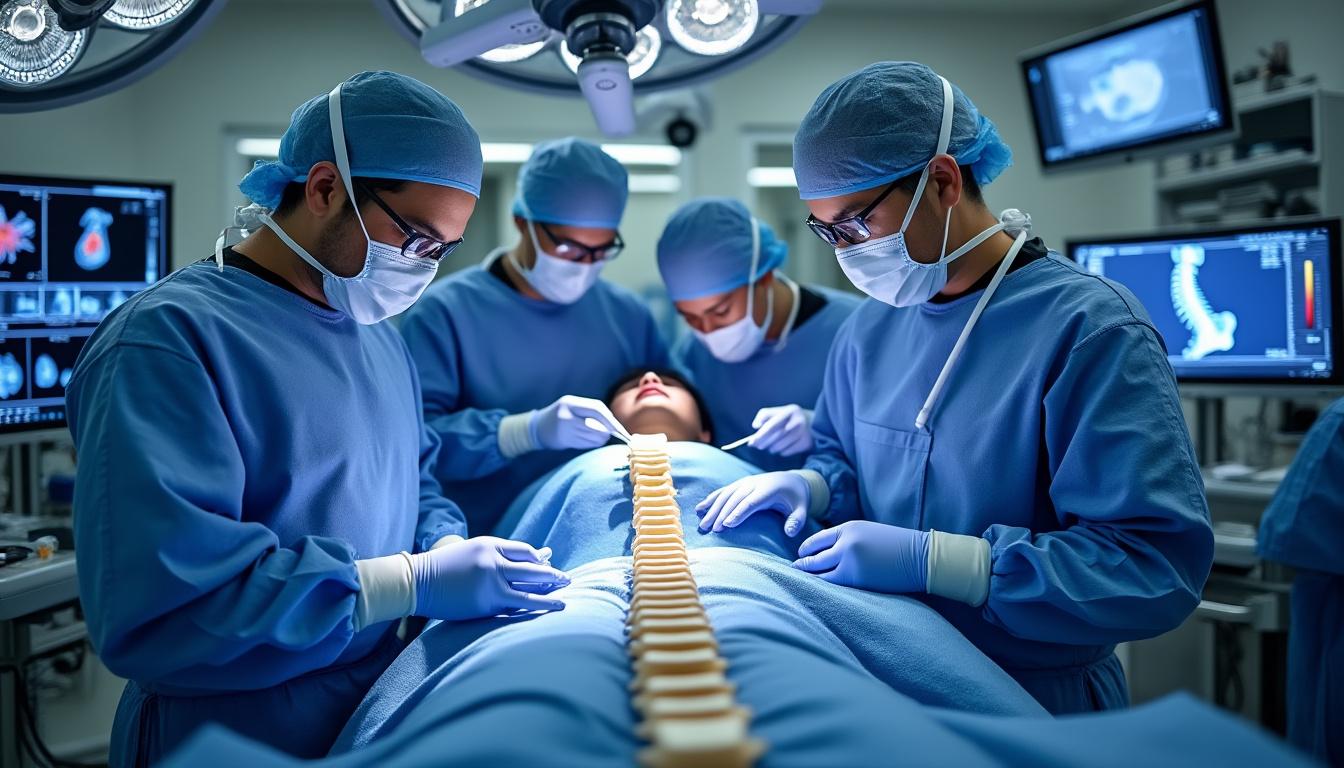
The TOPS System (Total Posterior Spine System) is a breakthrough in spinal surgery technology designed to address some of the key limitations of traditional spinal fusion. Typically indicated for conditions such as lumbar spinal stenosis and grade I degenerative spondylolisthesis, this FDA-approved dynamic implant maintains near-normal spinal motion after decompression surgery while stabilizing the affected lumbar segment.
Unlike fusion surgery, which rigidly immobilizes vertebrae and thereby leads to increased mechanical stress and degeneration of adjacent spinal segments, the TOPS System replaces the resected facet joints and supporting bony structures with a device that permits controlled multiaxial movements. This dynamic stability includes axial rotation, lateral bending, flexion, and extension, allowing the treated spinal segment to behave more physiologically postoperatively.
The implant consists of two titanium endplates connected by a biocompatible polycarbonate urethane boot, fixed to the vertebrae with four pedicle screws typically spanning lumbar levels L2 to L5. By replicating the natural biomechanics of the lumbar spine, TOPS reduces compensatory overload on neighboring segments, which is a frequent cause of recurrent symptoms and need for further surgery after fusion.
Key benefits of the TOPS System include:
- Preservation of segmental motion, including rotation and bending.
- Enhanced neural decompression through radical bilateral facetectomy and foraminal opening.
- Reduction in risk of adjacent segment disease compared to fusion.
- Immediate mechanical stability post-surgery without sacrificing flexibility.
Clinical outcomes from multiple studies document significant postoperative neurological improvements and pain relief, with over 80% of normal flexion-extension range preserved. This combination of dynamic stabilization and decompression substantially improves quality of life for patients who are candidates for this advanced surgical technology. Additional biomechanical data and surgical technique details can be found in the TOPS System Surgical Technique Guide.
IntraSPINE® in Sherbrooke: Durable Solution for Chronic Low Back Pain
The management of chronic low back pain, a widespread condition affecting millions across Quebec and beyond, has reached a pivotal moment thanks to innovative medical technologies and coordinated care pathways. At the heart of this evolution lies the IntraSPINE implant,…
Types of Lumbar Spinal Surgeries: From Decompression to Motion-Preserving Solutions
Choosing the appropriate surgical treatment for lumbar degenerative conditions requires careful evaluation of the patient’s symptoms, spinal stability, and previous treatments. Generally, lumbar spine surgeries can be categorized into three types:
- Simple Decompression Surgery: Includes procedures such as laminectomy or facetectomy that remove bone or ligament compressing nerve roots without inserting implants. While this relieves neurological symptoms, it does not stabilize the spine and may not be sufficient when segmental instability exists.
- Spinal Fusion Surgery: This technique fuses two or more vertebral segments to provide rigid stability after decompression. Although effective in preventing motion at the pathological level, it eliminates natural spinal movement and predisposes adjacent segments to accelerated degeneration.
- Motion-Preserving Surgery (e.g., TOPS System): Combines thorough decompression with a dynamic implant that stabilizes the spine while allowing near-normal segmental motion, reducing long-term biomechanical complications.
Below is a comparison table highlighting these surgical approaches and their main characteristics:
| Type of Surgery | Primary Goal | Motion Preservation | Typical Indications |
|---|---|---|---|
| Simple Decompression | Relieve nerve compression | No | Lumbar spinal stenosis without instability |
| Spinal Fusion | Stabilize unstable segments | No | Spondylolisthesis, severe instability, multi-level degeneration |
| Motion-Preserving (TOPS) | Stabilize and preserve spinal motion | Yes | Degenerative spondylolisthesis, lumbar stenosis with instability |
Given the complex biomechanical demands of spinal segments, motion-preserving surgery like the TOPS system offers a sophisticated alternative, especially for patients wishing to maintain functional movement while effectively alleviating nerve compression symptoms. For a detailed comparison of techniques relevant to spinal fusion and newer dynamic procedures, patients and clinicians can consult resources such as this analysis of the TOPS procedure versus minimally invasive robotic spine fusion.
Spine Surgery in Trois-Rivières: Reduce Pain and Preserve Mobility
In recent years, spine surgery in Trois-Rivières has evolved notably, combining advanced medical expertise with innovative technologies to deliver patient-centered care. This growing field addresses the increasing demand among Quebec residents seeking effective solutions for chronic back pain and mobility…
The Patient Journey: Coordinating Evaluation, Surgery, and Recovery Across Continents
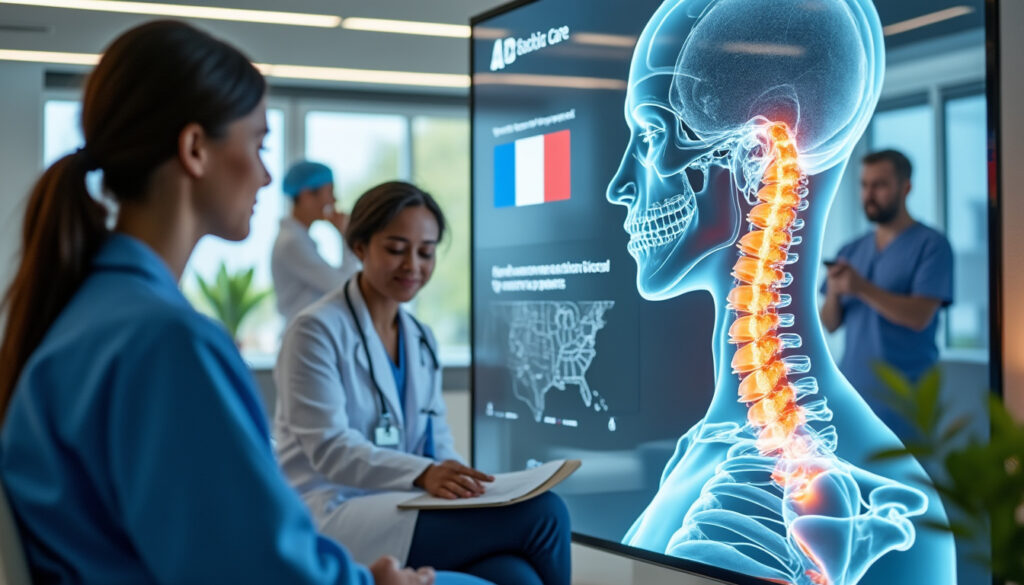
Embarking on spinal surgery with the TOPS System, especially through the transatlantic care model connecting Quebec and France, involves a meticulously coordinated journey supported by Dr. Sylvain Desforges’ multidisciplinary team. His expert evaluations merge clinical insight with advanced imaging to assess patient candidacy thoroughly, emphasizing safety and evidence-based criteria.
The pathway begins with a detailed assessment involving MRI, CT, and functional X-rays to examine spinal stability, facet joint condition, and neural compression severity. This process, grounded in scientific rigor and ethical practice, ensures that only patients who stand to benefit from surgery proceed and that those who could recover with advanced conservative care do not undergo premature intervention.
Comprehensive elements of this patient-centered pathway include:
- Rigorous evaluation of symptom history, previous treatments, and functional impact.
- Recommendation to complete or initiate a course of 3 to 6 months of conservative therapies, notably neurovertebral decompression offered by the TAGMED Clinic, before considering surgery.
- Coordination of logistics including travel arrangements and surgical scheduling at specialized French centers with experienced spine surgeons.
- Patient education in clear, accessible language about surgical expectations, postoperative care, and rehabilitation planning.
- Postoperative follow-up managed by Dr. Desforges’ team to optimize recovery and reduce complication risks.
This coordinated care model ensures patient safety, continuity, and quality outcomes, engendering confidence even in complex transatlantic surgical journeys. For further details on these coordinated pathways, explore dedicated guidance available through platforms such as SOS Tourisme Médical.
TOPS™ in Gatineau: High-Performance Option for the Lumbar Spine
The landscape of spinal surgery has witnessed profound evolution, particularly for patients grappling with lumbar spine disorders such as spinal stenosis and spondylolisthesis. These conditions, increasingly prevalent among Quebec’s population, impose substantial limitations on mobility and quality of life. The…
The Crucial Role of Conservative Treatment Before Considering Surgical Decompression
Before contemplating surgical treatment such as the implantation of the TOPS System, it is essential to exhaust high-quality conservative management for a minimum of three to six months. This careful approach aligns with the principles of ethical care and optimal clinical outcomes advocated by Dr. Sylvain Desforges.
Conservative treatments may significantly improve symptoms, sometimes averting the need for surgery entirely. They include:
- Physiotherapy: Tailored programs enhancing lumbar flexibility and strength, which can stabilize the spinal segment functionally.
- Pharmacological Management: Using anti-inflammatories and analgesics to reduce pain and inflammation.
- Advanced Non-Surgical Interventions: Such as neurovertebral decompression therapy at TAGMED, which uses innovative technology to relieve nerve compression without surgery.
- Patient Education: Empowering lifestyle adjustments, ergonomics, and self-management strategies for long-term spinal health.
- Injection Therapies: When appropriate, corticosteroid or other spinal injections to control inflammation.
This comprehensive conservative treatment phase is pivotal for patient safety and effectiveness, preventing unnecessary surgical risk. Patients who have not yet explored neurovertebral decompression therapies are particularly encouraged to trial these specialized interventions prior to surgical evaluation. More information on the role of advanced conservative care in Quebec’s context can be found at spinal decompression near Longueuil.
Cervical Disc Prosthesis in Quebec City: Avoid Post-Surgery Stiffness
Chronic neck pain remains a significant challenge for thousands of residents in Quebec City every year, often leading them to seek effective spinal surgery options that minimize downtime and maximize long-term mobility. Among the recent advancements revolutionizing cervical spine care,…
Biomechanical Advantages of the TOPS Implant: Protecting Adjacent Spinal Segments
One of the major clinical benefits of the TOPS System lies in its biomechanical ability to stabilize the lumbar segment while preserving near-natural ranges of motion, which is seldom possible with conventional fusion. This facet joint replacement device mimics physiologic multidirectional movement, effectively maintaining spinal kinematics and reducing mechanical stress on adjacent levels.
The device allows axial rotation, lateral bending, and flexion-extension with controlled stability to prevent pathological movement. This dynamic function significantly diminishes the incidence of adjacent segment disease (ASD), a common long-term complication after fusion surgery where the segments above or below the fused level degenerate prematurely.
Quantitative biomechanical comparisons show that the TOPS implant preserves approximately 85% of side bending and axial rotation and over 80% of flexion-extension relative to normal spine physiology:
| Biomechanical Parameter | Traditional Fusion | TOPS System | Normal Physiology |
|---|---|---|---|
| Axial Rotation Preservation | Minimal | ~85% | 100% |
| Lateral Bending Mobility | Limited | Near physiological | 100% |
| Flexion/Extension Range | Significantly reduced | >80% | 100% |
| Adjacent Segment Stress | Increased | Decreased | Normal |
Such dynamic preservation results in improved patient recovery profiles, lower postoperative pain, and enhanced long-term functionality. The interplay between advanced engineering and biological preservation exemplified by the TOPS System hence offers a superior biomechanical solution for lumbar spine stabilization post-decompression.
Minimally Invasive Surgery in Longueuil: Reduce Hospital Stay Duration
In recent years, advances in spinal care have dramatically reshaped the treatment landscape for patients suffering from debilitating spinal conditions. Particularly in Longueuil, the emergence of minimally invasive surgery (MIS) techniques offers a transformative alternative to conventional open surgeries. These…
Minimally Invasive Techniques and Postoperative Care: Enhancing Patient Recovery in Gatineau
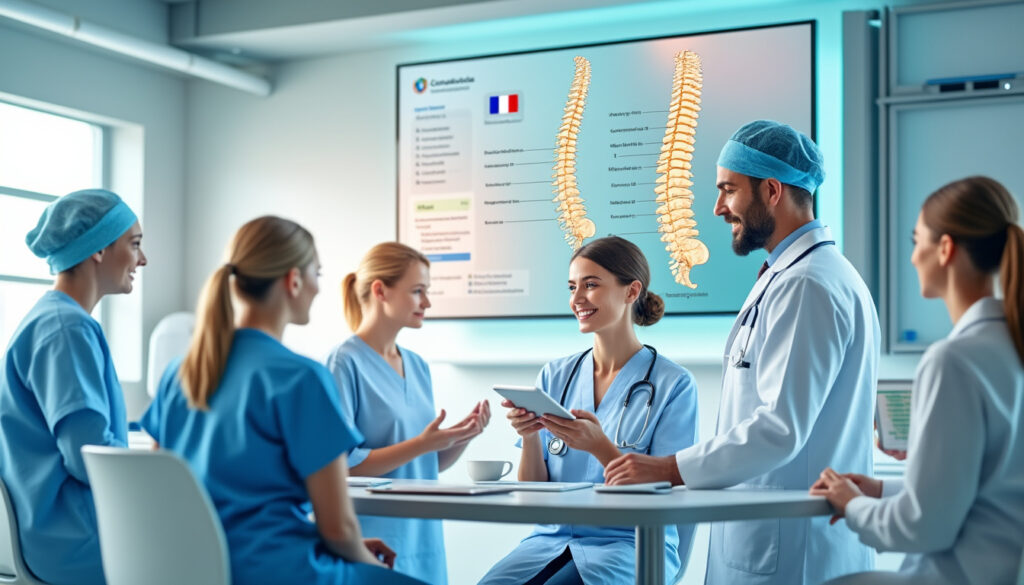
Minimally invasive spine surgery continues to transform patient outcomes by reducing tissue trauma, postoperative pain, and hospital stays. In Gatineau, the introduction of the TOPS implant coincides with advances in these surgical techniques to optimize recovery and minimize complication rates after decompression.
These surgical approaches involve smaller incisions, muscle-sparing dissection, and precise implant placement, all of which contribute to earlier mobilization and reduced scarring. Postoperative care protocols emphasize multimodal pain management, including non-opioid analgesics and guided physical activity, to facilitate neurologic improvement and functional restoration.
Dr. Desforges’ methodology integrates a tailored postoperative rehabilitation program, leveraging knowledge from evidence-based rehabilitation modalities. Early ambulation is encouraged, balanced with gradual reintroduction to daily activities respecting the dynamic stabilization provided by the TOPS implant.
This integrated approach not only reduces immediate postoperative complications but also supports long-term spine stabilization and motion preservation, reflecting a holistic view of patient recovery. For additional information on local conservative treatments supporting surgical outcomes, interested individuals may visit spinal decompression near Laval.
IntraSPINE® in Laval: Modern Solution for Lumbar Stabilization
In the evolving landscape of orthopedic treatments, the city of Laval has become a hub for innovations addressing chronic lower back pain. Among the groundbreaking solutions gaining attention is the IntraSPINE device—a modern spinal implant designed to offer dynamic lumbar…
The Human and Economic Impact of Transatlantic Spine Surgery Coordination
The transatlantic patient care model pioneered by Dr. Sylvain Desforges exemplifies how international cooperation can address critical access issues for Quebecois requiring advanced spine surgery. Faced with extended wait times and high private healthcare costs in Quebec, patients benefit from more rapid and cost-effective treatment pathways accessing France’s cutting-edge surgical expertise and technologies.
This model offers several profound human and economic advantages, including:
- Reduced wait times: Expediting surgical intervention prevents prolonged disability and deterioration.
- Cost-effectiveness: Inclusive care packages may reduce total expense compared to isolated private care.
- Access to innovative implants: Facilities offering the TOPS System and other dynamic stabilization devices otherwise unavailable locally.
- Seamless continuity of care: Dr. Desforges’ personal involvement ensures consistent medical oversight.
- Patient empowerment: Clear communication and educational support foster informed decisions.
This international collaboration thus enhances the overall patient experience, integrating advanced surgical innovation with personalized monitoring from initial assessment through full recovery. Embracing such models represents a forward-looking approach to reducing spine surgery complications and improving quality of care for Quebec populations.
Neck Surgery in Montreal: Maintain Cervical Flexibility and Function
Neck conditions causing persistent pain or functional loss place a substantial burden on individuals and healthcare systems, especially in urban centers like Montreal. Surgical interventions targeting the cervical spine have evolved tremendously, aiming not only to relieve symptoms but to…
Additional Innovative Spine Implants Complementing the TOPS System in Advanced Care
While the TOPS System represents a significant advancement in motion-preserving posterior lumbar stabilization, it functions within a wider ecosystem of spinal implants designed to address various pathologies and surgical needs.
Key complementary options include:
- Dynamic Lumbar Disc Prostheses: Replacing degenerative intervertebral discs to preserve disc height and facilitate natural spinal motion.
- Interspinous Spacers: Small devices inserted between spinous processes to indirectly decompress nerves in mild to moderate spinal stenosis.
- Minimally Invasive Fusion Devices: When rigid stabilization is unavoidable, these implants reduce surgical trauma and support early recovery.
Choosing the optimal implant strategy requires nuanced assessment by an expert familiar with the full repertoire of surgical options, such as Dr. Desforges, whose expertise integrates biomechanics, clinical outcomes, and patient-centered ethics. For comprehensive implant comparisons and indications, referring to studies published on advanced spinal stabilization technologies is advisable.
What conditions are most suitable for the TOPS System?
The TOPS System is primarily indicated for lumbar spinal stenosis, grade I degenerative spondylolisthesis, and facet joint arthrosis that require both decompression and stabilization while preserving spinal motion.
Is spinal surgery with the TOPS System available in Quebec?
While the system has FDA and European approval, it is currently accessible to Quebec patients mainly through a transatlantic care model involving expert evaluation and surgical procedures in specialized French centers.
Why is conservative care essential before surgical consideration?
Conservative treatment, including physiotherapy and neurovertebral decompression as offered at TAGMED, aims to reduce symptoms non-surgically and optimize spinal health, limiting surgery to cases unresponsive after 3 to 6 months.
How does the TOPS System differ biomechanically from fusion?
Unlike fusion which immobilizes segments, TOPS maintains controlled multiaxial motion, preserving natural spinal mechanics and reducing adjacent segment degeneration risks.
What advantages does the transatlantic care model provide?
This model offers Quebec patients reduced wait times, cost-effective access to advanced implants like TOPS, seamless care continuity, and expert guidance across the surgical journey.

Disc Prosthesis in Lévis: Quick and Long-Lasting Results
Chronic back pain caused by degenerative disc disease continues to profoundly impact the quality of life for many residents in Lévis and the broader Quebec area. For decades, traditional spinal fusion surgery has been the primary solution for alleviating severe…