Châteauguay Cervical Disc Pain Resolved with TAGMED
May 16, 2026
Pointe-Claire Lumbar Disc Rehabilitation for Office Workers
May 16, 2026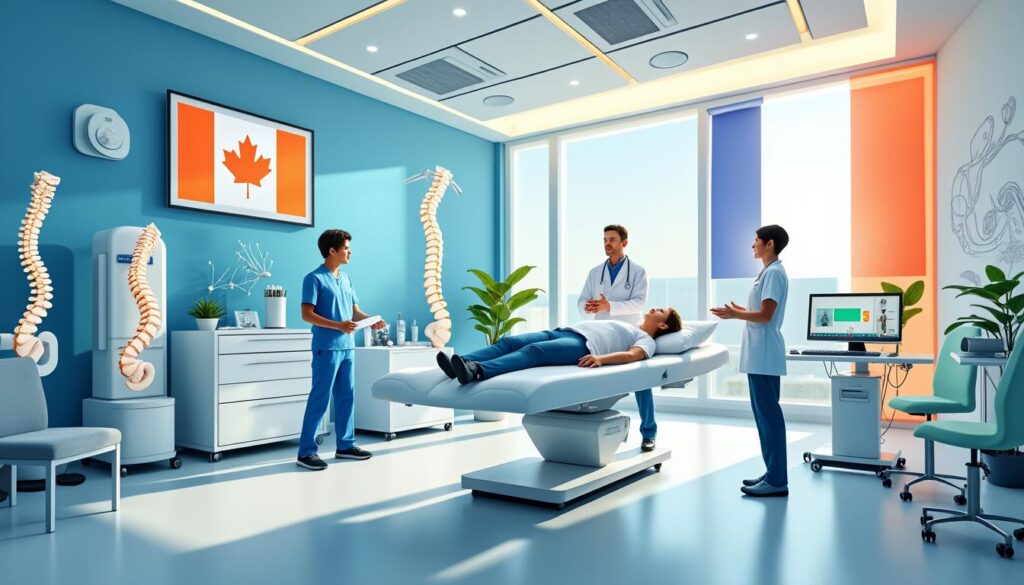
The landscape of spinal care continuously evolves, driven by advancements aimed at alleviating chronic pain and enhancing patient mobility. In Gatineau, an innovative breakthrough known as the TOPS system—Total Posterior Solution—has emerged as a transformative option for sufferers of lumbar conditions like degenerative spondylolisthesis and spinal stenosis. Unlike traditional spinal fusion surgeries that limit motion and can lead to subsequent adjacent segment problems, TOPS offers a dynamic stabilization that preserves natural spinal flexibility while improving stability.
Back pain relief and posture correction are essential for sustained wellbeing, and TOPS therapy integrates these objectives effectively. With over 30 years of clinical expertise, Dr. Sylvain Desforges, a leading expert in spine assessment and conservative care, has championed a patient-centered approach combining rigorous evaluation and cutting-edge solutions. His leadership in organizations like the Canadian Academy of Manipulative Arts and the Collège des Ostéopathes Canadiens underscores a commitment to scientific rigor and innovation, ensuring patient safety and effective outcomes.
This article explores the nuances of the TOPS procedure in Gatineau, highlighting its unique biomechanical advantages, the detailed steps within the patient journey, and the cross-Atlantic collaboration facilitating access to highly specialized surgical care in France. By emphasizing the importance of conservative treatments prior to considering surgery and showcasing the surrounding support network, patients gain clarity and confidence in navigating their spinal care options.
Understanding the TOPS Spine Surgery: A Motion-Preserving Alternative to Traditional Fusion
Traditional lumbar fusion surgery has long been considered a go-to solution for spinal instability and neurogenic pain caused by degenerative conditions. However, fusion immobilizes affected vertebral segments, often resulting in reduced spinal motion and increased strain on adjacent segments, potentially leading to further degeneration.
The TOPS system, by contrast, represents a significant leap forward. It is a dynamic facet replacement implant designed to stabilize the lumbar spine while preserving the segment’s natural movements—flexion, extension, lateral bending, and rotation. This innovative approach targets conditions such as grade I degenerative spondylolisthesis and lumbar spinal stenosis with instability.
Clinical studies conducted under FDA oversight have demonstrated that patients receiving TOPS implants experience significantly reduced back and leg pain in the immediate post-operative period that continues through long-term follow-up. They often report improvements in physical function and quality of life superior to those observed after fusion surgery.
From a biomechanical perspective, TOPS mimics the natural articulation of the facet joints via an advanced, free-moving mechanism, which supports stability without rigidity. This preservation of motion lessens stress on adjacent spinal levels, effectively minimizing the risk of accelerated degeneration and related symptoms.
Patients opting for TOPS can thus anticipate a quicker return to daily activities and often a more active lifestyle post-recovery compared to traditional fusion methods. The system’s design also promotes sustained muscle support by maintaining more physiological spinal mechanics, supporting long-term spine health.
For detailed information on the surgical procedure and its clinical evidence, relevant resources include the comprehensive white paper by Premia Spine and evaluations from leading spinal care authorities.
Neck Surgery in Montreal: Preserve Cervical Mobility After Surgery
The management of cervical spine disorders presents unique challenges that often require innovative surgical techniques aimed not only at alleviating pain but also at preserving the natural mobility of the neck. In Montreal, patients seeking relief from cervical spine issues…
A Comprehensive Patient Journey: From Initial Evaluation to Post-Operative Rehabilitation
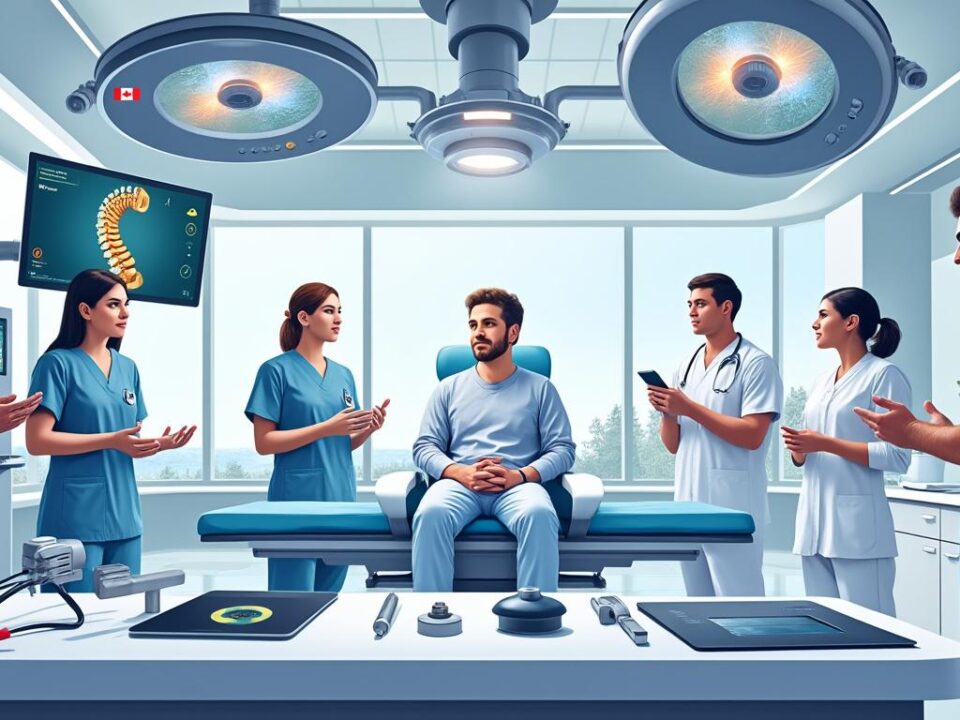
Every successful treatment pathway begins with an in-depth assessment conducted by a trusted expert. Dr. Sylvain Desforges, with his extensive qualifications and expertise, leads the evaluative phase for patients considering advanced spinal interventions like TOPS therapy.
This first stage involves meticulous review of the patient’s medical history, imaging studies, and an objective clinical examination focused on spinal stability and neurological function. Importantly, Dr. Desforges does not provide medical diagnoses but rather offers a thorough evaluation to guide the multidisciplinary team and support informed decision-making.
Following the assessment, patients generally undergo a structured period of conservative management, often lasting between three to six months. At the Clinique TAGMED, recognized for its advanced neurovertebral decompression and physical therapy programs, patients receive tailored care aimed at reducing pain, improving muscle support, and restoring posture through non-invasive means.
Only if conservative options, including modern decompression protocols available at TAGMED, fail to achieve symptom relief and functional improvement, is surgery such as the TOPS implant considered.
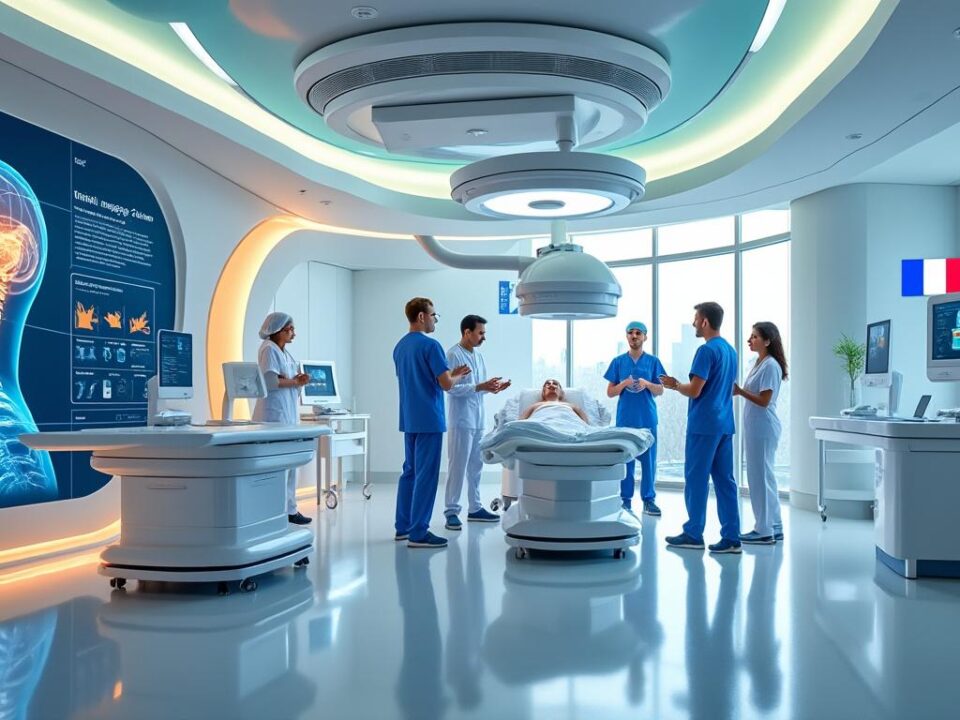
Once surgery is deemed appropriate, coordination is managed seamlessly via partnerships like Franchir, which organize the transatlantic surgical journey. This includes selecting expert surgeons and centers in France, arranging travel and lodging, and ensuring continuity of care throughout the process.
Post-operative follow-up is equally crucial, with Neurothérapie Montréal providing specialized rehabilitation programs focused on muscle strengthening, flexibility, and individualized exercises to optimize functional recovery and prevent recurrence of instability.
Through this collaborative and patient-centered approach, individuals benefit from a continuum of care that emphasizes safety, transparency, and best practice standards.
Disc Prosthesis in Lévis: Approved Surgical Innovation
In the evolving landscape of spine health, the advent of the Disc Prosthesis in Lévis marks a significant stride in surgical innovation. This breakthrough approved medical device offers patients an advanced option for conditions previously limited to traditional fusion surgery.…
The Advantages of Transatlantic Coordination in Spine Surgery: Optimizing Care and Access
One of the remarkable elements of the current spinal care landscape is the ability to navigate and integrate expertise from multiple countries. For Quebec patients, the symbiotic collaboration between Canadian conservative care providers like Dr. Desforges and French surgical specialists offers unparalleled benefits.
Faced with long wait times and elevated costs in the private sector in Quebec, patients can access advanced surgical technologies, such as the TOPS system, with reduced delays and comprehensive support by leveraging this international network.
Coordination through entities like SOS Tourisme Médical ensures a smooth patient experience, from initial contact and evaluation to post-surgical rehabilitation. This network also delivers personalized solutions, addressing the unique clinical and social needs of each patient.
Enhanced access to French surgical centers offers patients exposure to some of the most experienced surgeons specializing in motion-preserving spinal implants. The wider choice of implant technology and surgical techniques allows for truly individualized treatment plans tuned to each patient’s biomechanical and functional requirements.
Importantly, this model of care respects all ethical and medical standards outlined by Quebec and Canadian regulatory bodies, ensuring safety and efficacy remain paramount throughout the journey.
The transatlantic alliance exemplifies innovation not only in treatment, but also in health system connectivity, potentially setting a precedent for future collaborations in specialized medical fields.
Motion Surgery in Terrebonne: Maintain Intervertebral Mobility
In recent years, the landscape of spine surgery has witnessed transformative advancements, with Motion Surgery emerging as a pivotal innovation, particularly in Terrebonne. Unlike traditional spine operations that often focus on immobilizing affected segments, Motion Surgery prioritizes preserving natural intervertebral…
Comparing Surgical Options in France: Motion Preservation, Fusion, and Disc Replacement
France’s specialized surgical centers offer a broad spectrum of interventions for lumbar spine disorders, ranging from minimally invasive endoscopic procedures to complex motion-preserving implants. Understanding the nuances of each aids patients in making informed choices.
Traditional fusion surgery achieves spinal stability by permanently immobilizing the affected vertebral segment. While effective for many, its downside is the consequent loss of segmental motion, leading to increased wear and degeneration at adjacent levels over time.
Motion-preserving technologies like TOPS or the IntraSPINE implant have gained traction by stabilizing the spine without sacrificing mobility. These dynamic implants often result in faster recovery, less chronic pain, and improved overall spine mechanics, reducing the risk of further degeneration.
Disc replacement is another surgical avenue, especially for active patients with specific disc pathology. It involves substituting the damaged intervertebral disc with an artificial one, maintaining natural movement patterns and supporting quick functional return.
The selection among these techniques depends on many variables including the patient’s age, degree of spinal instability, facet joint condition, and personal activity goals.
France’s access to diverse implant options and experienced surgeons, facilitated by collaborative networks including those coordinated by Dr. Desforges and Franchir, ensures that patients have access to the most appropriate surgical modality.
| Surgical Technique | Mobility Impact | Recovery Time | Ideal Candidate | Risk of Adjacent Segment Disease |
|---|---|---|---|---|
| Traditional Fusion | Immobilizes segment | Longer (months) | Severe instability, multiple level disease | High |
| TOPS Dynamic Implant | Preserves natural motion | Shorter (weeks to months) | Grade I spondylolisthesis, instability | Low |
| Disc Replacement | Restores movement at disc level | Moderate | Active patients with isolated disc disease | Low to moderate |
Choosing the right surgical approach is a nuanced process requiring expert evaluation and a personalized plan. Dr. Desforges’ advanced assessments ensure that patients are ideally matched to the surgical option most likely to improve stability and pain relief without compromising spinal biomechanics.
Lumbar Disc Prosthesis in Saguenay: Approved and Safe Solution
Chronic lower back pain has long been a pervasive health challenge in the Saguenay region, significantly impacting the daily lives of many residents. In recent years, advances in spinal care have introduced promising alternatives to traditional spinal fusion surgery, offering…
Why Conservative Treatments Must Precede Surgical Interventions
One of the foundational principles guiding spinal care under the supervision of Dr. Sylvain Desforges is the prioritization of conservative management before considering surgical options like TOPS implantation.
Scientific evidence and clinical guidelines underscore that a 3 to 6-month trial of therapies such as physical therapy, spinal decompression, targeted muscle support, and posture correction is essential. These treatments aim to alleviate pain and improve function without the inherent risks of surgery.
The Clinique TAGMED in Gatineau exemplifies excellence in this regard. Its advanced neurovertebral decompression technology, complemented by personalized rehabilitation programs, offers patients a viable non-invasive pathway toward symptom relief and improved spinal mechanics.
This conservative period not only optimizes spine health but also helps identify which patients may genuinely require surgical intervention, thus avoiding premature or unnecessary surgery.
For example, patients experiencing persistent neurogenic pain despite these treatments, verified through comprehensive professional evaluation, may be ideal candidates for the TOPS implant.
By enforcing this rigorous stepwise approach, Dr. Desforges emphasizes patient safety, evidence-based practice, and ethical care.
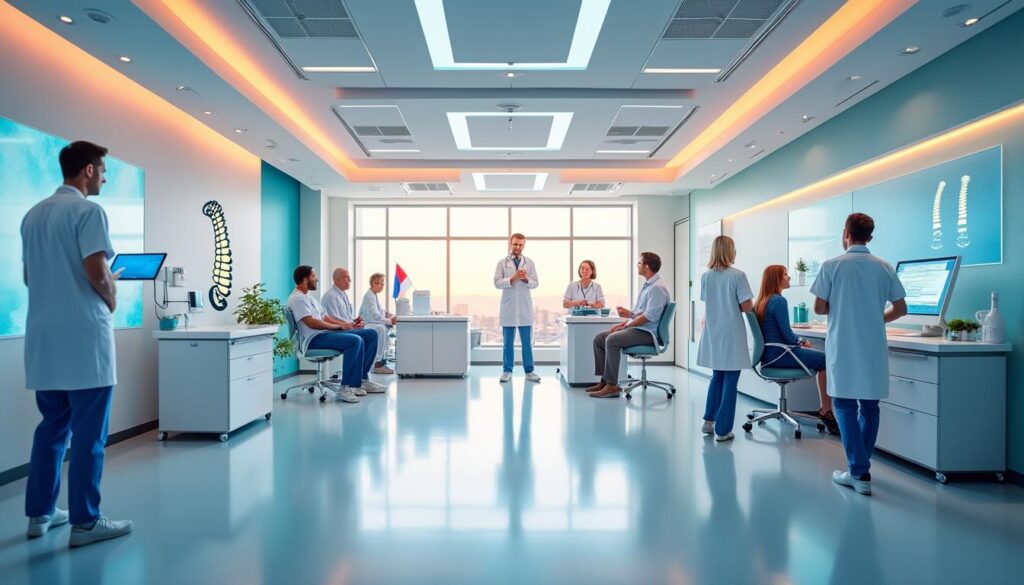
IntraSPINE® in Sherbrooke: Improve Posture and Reduce Pain
Chronic low back pain is a pervasive challenge that affects countless individuals in Sherbrooke and beyond, limiting daily activities and reducing overall quality of life. Amidst the growing demand for effective and durable solutions, the IntraSPINE implant has emerged as…
Biometrics and Economic Benefits of the TOPS Dynamic Implant in Gatineau Health
The TOPS implant’s unique design allows for exceptional biomimicry of natural spinal movements. Its dynamic articulation preserves segmental range of motion, which is crucial not only for pain relief but also for preventing degenerative changes in adjacent spinal segments.
Maintaining mobility after surgery supports improved muscle function and posture correction, leading to better rehabilitation outcomes and reduced long-term complications. This results in enhanced quality of life and greater patient satisfaction.
From an economic standpoint, TOPS therapy reduces indirect costs associated with protracted recovery times and potential reoperations. Faster rehabilitation means patients return sooner to work and daily activities, decreasing the overall burden on healthcare systems and families.
The implant utilizes biocompatible, durable materials designed for longevity, minimizing the likelihood of revision surgeries. When considering both direct and indirect costs, TOPS often represents a cost-effective alternative in modern spinal care.
In summary, its combination of pain relief, stability improvement, and motion preservation distinctly positions TOPS as a valuable innovation in Gatineau health services.
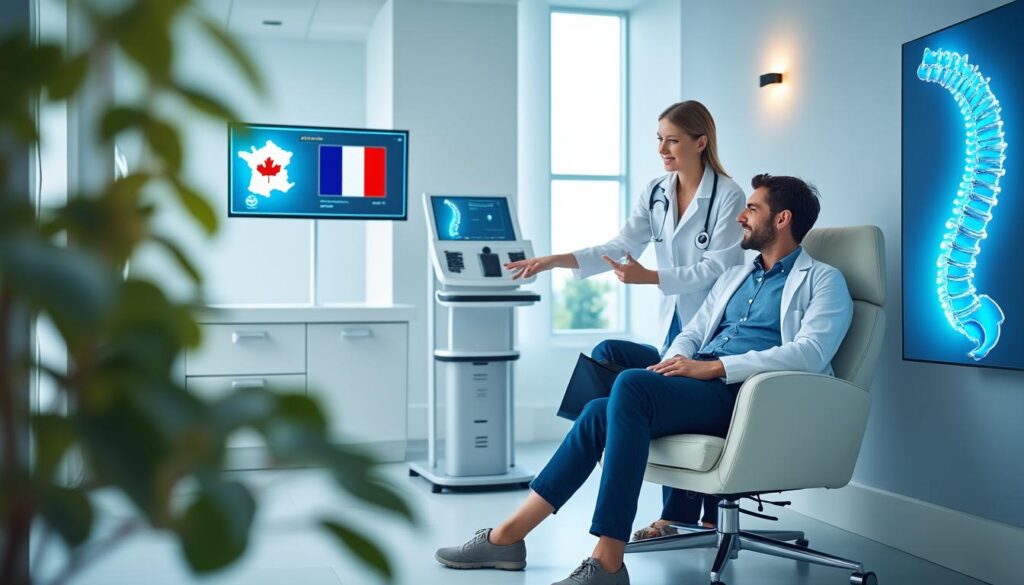
TOPS™ in Gatineau: Preserve Function and Reduce Lumbar Pain
In the evolving landscape of spine surgery, patients suffering from degenerative lumbar conditions are seeking solutions that not only alleviate pain but also preserve the natural function of the spine. The introduction of the TOPS (Total Posterior Spine) system in…
Post-Operative Rehabilitation and Long-Term Care: Ensuring Sustained Success
The journey does not end with surgery. Effective rehabilitation following TOPS implantation is fundamental to realizing the full benefits of the procedure.
Neurothérapie Montréal specializes in tailored post-operative programs that focus on gradually strengthening the lumbar musculature, improving posture and spinal flexibility, and reinforcing muscle support around the operated segment. This personalized approach accounts for individual patient progress and encourages active participation in recovery.
Patients are educated on safe movement patterns to avoid compensatory postural habits that could undermine long-term outcomes. Physical therapy is combined with ongoing evaluation by Dr. Desforges’ interdisciplinary team to ensure alignment with best practice standards.
This comprehensive follow-up reinforces confidence and motivation, supporting patients to fully regain physical function and reduce the risk of chronic pain recurrence.
By fostering an environment of human-centered care and scientific diligence, the rehabilitation phase solidifies the promise of innovative surgical solutions for sustainable spinal health.
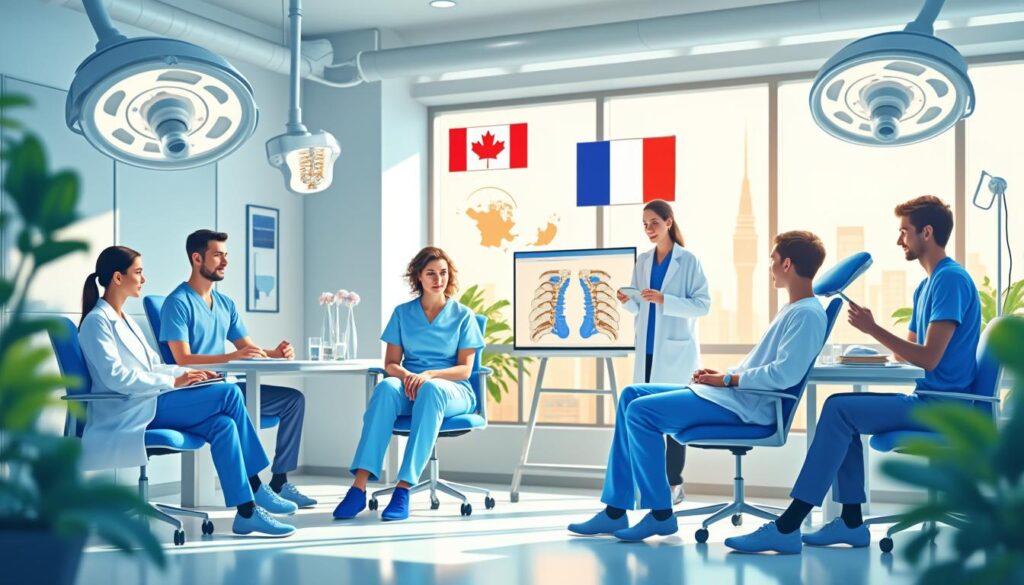
Cervical Disc Prosthesis in Quebec City: Restored and Durable Mobility
The management of cervical spine disorders has evolved remarkably over recent decades, with a particular emphasis on preserving natural neck mobility and providing durable solutions to debilitating conditions. Quebec City patients facing cervical spine issues now have access to innovative…
Dr. Sylvain Desforges: Pioneer in Spinal Care and Cross-Border Coordination
Dr. Sylvain Desforges embodies over three decades of dedication to advancing spinal health through rigorous scientific evaluation, ethical practice, and innovative techniques. His multiple degrees including B.Sc., D.O., and N.D., provide a multidimensional perspective on patient care.
As the founder and president of esteemed organizations such as the Canadian Academy of Manipulative Arts and the Collège des Ostéopathes Canadiens, Dr. Desforges has been a driving force behind integrating manual therapies with cutting-edge technologies.
His leadership in the establishment of the Clinique TAGMED reflects a commitment to delivering specialized conservative care, while his role in the network facilitating access to advanced surgical interventions abroad highlights his unique capability in coordinating complex patient journeys.
With a focus on clear communication and patient education, Dr. Desforges ensures patients understand the implications, limitations, and benefits associated with each intervention, fostering informed choices.
This ethical and patient-centered approach, combined with collaboration across Canadian and French healthcare partners, demonstrates a model of excellence in global spinal care coordination.
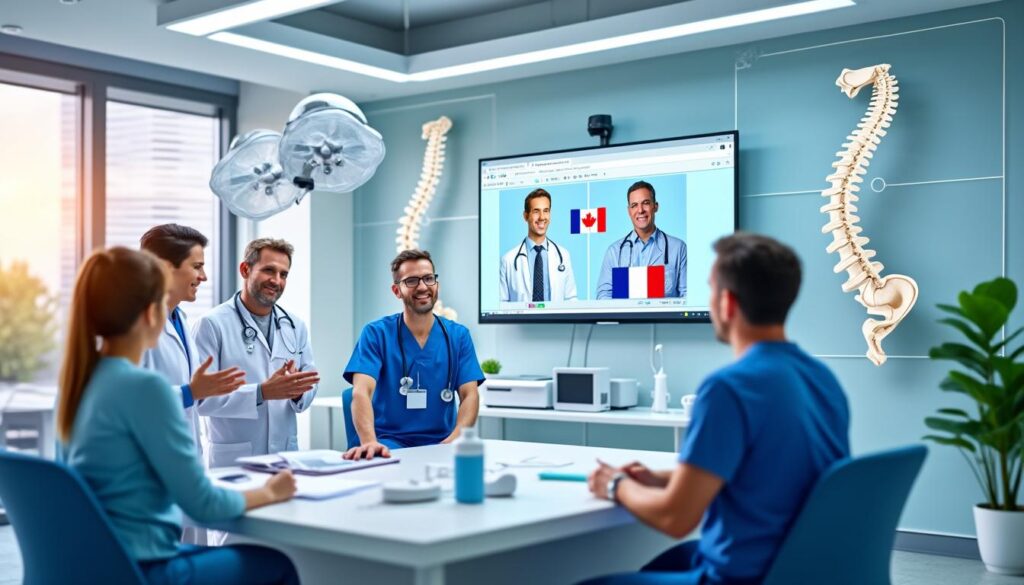
Minimally Invasive Surgery in Longueuil: Innovation to Preserve Biomechanics
In the evolving landscape of orthopedic surgery, minimally invasive surgery (MIS) in Longueuil has emerged as a beacon of innovation aimed at preserving spinal biomechanics. This approach combines cutting-edge technology and refined surgical techniques to reduce trauma and foster quicker…
Essential Checklist for Patients Considering the TOPS Procedure
- Complete a comprehensive evaluation with an expert experienced in spinal disorders.
- Undergo an extended period (3-6 months) of conservative treatment including neurovertebral decompression and physical therapy.
- Ensure personalized treatment plans emphasizing pain relief, posture correction, and muscle support are in place.
- Consult with program coordinators to understand options for surgery abroad and logistical support.
- Commit to a structured post-operative rehabilitation program for optimal recovery.
- Maintain open communication with healthcare providers for continuous monitoring and care adjustments.
Who is an ideal candidate for the TOPS implant?
Patients with grade I degenerative spondylolisthesis accompanied by segmental instability, who have completed 3 to 6 months of conservative therapy without sufficient symptom relief, may be considered candidates.
What is the typical recovery timeline after TOPS surgery?
Recovery usually progresses faster than traditional fusion, often allowing patients to resume many daily activities within weeks, enabled by preservation of natural spinal motion.
What role does Dr. Sylvain Desforges play in the surgical pathway?
Dr. Desforges provides comprehensive evaluations and supervises conservative management, ensuring patients receive personalized guidance without directly performing surgery.
What are the biomechanical benefits of the TOPS system?
Its dynamic implant maintains physiological movement of the spine segment, reducing stress and degeneration on adjacent segments while improving function and pain relief.
How can patients obtain more information or start an evaluation?
Patients are encouraged to contact the network through platforms like SOS Tourisme Médical to access coordinated services and expert advice tailored to individual cases.