
Unveiling the Hidden Benefits of Partnering with Hospitals and Surgeons
May 23, 2026
Conservative Treatments Versus Surgery: Understanding Their Impact on Surgical Decision-Making
May 24, 2026
The growing prevalence of chronic back pain and lumbar spinal disorders in regions like Saguenay has led to a surge in interest around innovative orthopedic surgeries designed to preserve spinal function and patient mobility. Among these advancements, the lumbar disc prosthesis emerges as a promising solution that challenges traditional fusion techniques. While spinal fusion has been a long-standing “gold standard” to address degenerative disc disease, it often compromises segmental motion and imposes biomechanical stress on adjacent vertebrae, leading to new issues over time. The lumbar disc prosthesis, by contrast, aims to restore natural disc function, sustain physiological movement, and offer patients a more active, pain-reduced lifestyle.
In Saguenay, where healthcare access and wait times can be limiting factors, the coordination of care—linking patients to expert evaluations in Quebec and advanced surgical options available in France—plays a crucial role in optimizing outcomes. Spine care expert Dr. Sylvain Desforges, with over 30 years of clinical experience, spearheads this transatlantic pathway. His rigorous patient evaluations, emphasis on evidence-based practices, and commitment to personalized rehabilitation exemplify the patient-centered innovation that modern spinal health care demands. This article explores the multifaceted aspects of lumbar disc prosthesis surgery, from biomechanical advantages to patient journey management, offering an insightful perspective for those confronting disc degeneration and back pain.
Understanding Lumbar Disc Prosthesis: Principles and Technological Innovations in Orthopedic Spine Surgery
The lumbar disc prosthesis, often described as lumbar total disc replacement or arthroplasty, represents a significant leap in spinal surgery techniques aiming to maintain or restore lumbar spine mobility. Unlike spinal fusion, which fuses two vertebrae eliminating motion at the treated segment, disc replacement preserves segmental mobility while alleviating pain caused by degenerated discs. This represents a biomechanical advantage because retaining movement helps prevent degeneration in adjacent spinal levels—a frequent complication seen after fusion surgery.
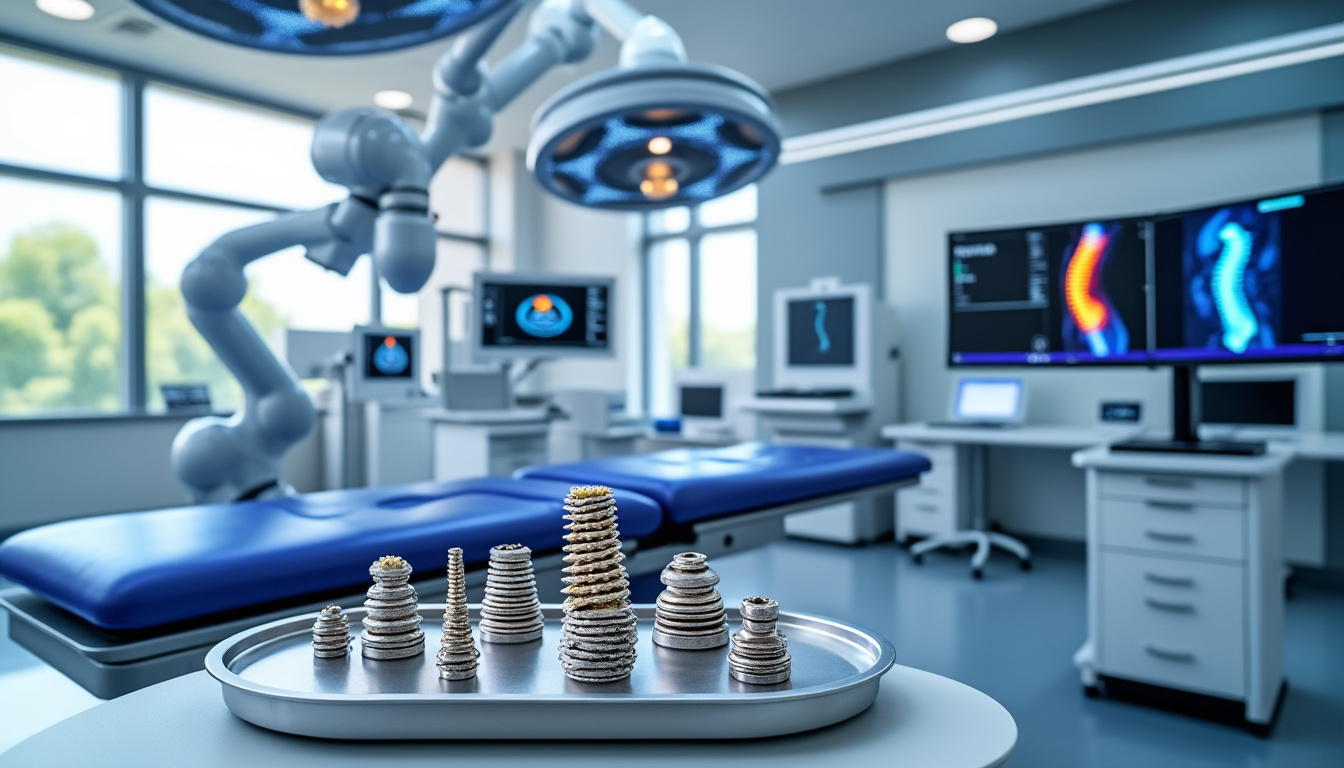
Technologically, the lumbar disc prosthesis incorporates sophisticated biomaterials that mimic the shock-absorbing and load-bearing functions of a healthy intervertebral disc. These implants are designed to reproduce natural kinematics, including flexion, extension, lateral bending, and axial rotation. For instance, the LP-ESP disc prosthesis utilizes an elastomeric core that adapts dynamically to physiological loads while maintaining segment stability. This innovation, detailed in specialized literature, highlights the evolution from rigid implants to devices that better replicate natural spinal behavior.
One of the most important surgical innovations linked to lumbar disc prosthesis implantation is the adoption of the retroperitoneal approach. This technique accesses the lumbar discs via an anatomical corridor that minimizes manipulation of nerve roots and vascular structures, reducing the risk of complications during surgery. Dr. Sylvain Desforges emphasizes how such an approach is pivotal to patient safety and postoperative mobility retention, especially for active individuals living in Saguenay and beyond.
The commitment to excellence in this field demands continuous research and integration of emerging technologies, including neurovertebral decompression, laser therapy adjuncts, and dynamic implant materials, further enhancing surgical outcomes and patient satisfaction. As the field progresses, these advances contribute to less invasive, more biomechanically respectful interventions that align with modern patient expectations for spine surgery.
IntraSPINE® in Sherbrooke: Enhancing Posture and Stability for Better Health
Chronic back pain remains a prevalent concern for individuals across Canada, and Sherbrooke is no exception. Daily challenges posed by lumbar discomfort and instability often limit personal and professional activities, diminishing quality of life. Fortunately, advances in spinal care have…
Identifying Candidates: Indications and Contraindications for Lumbar Disc Prosthesis in Saguenay
Selecting appropriate candidates for lumbar disc prosthesis is crucial to its success—and Dr. Sylvain Desforges’ clinical acumen plays an essential role in this careful evaluation. Candidates typically present with discogenic back pain lasting longer than 3 to 6 months that has not responded to conservative treatments such as physical therapy, analgesics, or neurovertebral decompression therapy at clinics like TAGMED in Montreal.
To determine candidacy, a comprehensive assessment includes detailed medical history, physical examination, and advanced imaging like MRI scans to evaluate disc condition and vertebral stability. Lumbar disc prosthesis primarily targets patients with single or two-level lumbar disc degeneration causing disabling pain but with no major spinal instability, severe facet joint arthritis, or osteoporosis.
Contraindications include:
- Major vertebral instability: Patients with severe spondylolisthesis or excessive segmental motion are usually excluded as it may lead to implant failure.
- Severe osteoporosis: Reduced bone quality increases the risk of implant loosening.
- Advanced facet joint degeneration: This can contribute to pain not relieved by disc replacement alone.
- Active infection or systemic illness: These conditions significantly elevate surgical risks.
Patient education remains a cornerstone of Dr. Desforges’ approach. Each candidate receives clear, accessible explanations of the benefits, risks, and realistic expectations associated with disc replacement. This ethical and compassionate dialogue ensures patients actively participate in decisions affecting their spine health.
In some cases, patients with failed prior fusions or ongoing adjacent segment disease may be evaluated for revision disc prosthesis surgery, showing promising outcomes as presented in clinical reports available at specialized patient resources.
The occurrence of a herniated disc in Brossard constitutes a significant health concern for many residents faced with debilitating back pain that disrupts daily activities and overall quality of life. This condition, often misunderstood or underestimated, poses not only physical…
Coordinating the Transatlantic Patient Journey: Evaluation, Surgery, and Rehabilitation
The patient journey regarding lumbar disc prosthesis in Saguenay is unique due to the cross-border collaboration between Canadian and French medical teams. Dr. Desforges conducts a detailed initial evaluation in Quebec, utilizing his extensive clinical expertise for thorough assessment. This in-depth evaluation is essential to identify lumbar spine pathology accurately and ensure candidacy for surgery meets stringent criteria.
Once the surgical plan is confirmed, patients travel to specialized clinics in France where advanced implant technologies and surgical expertise are available. This international cooperation allows access to the latest dynamic implants, such as the Mobidisc L lumbar disc prosthesis recognized for its unique VerteBRIDGE anchoring technology, which prioritizes restoring physiological spinal mobility.
Beyond technical excellence, the multidisciplinary care model ensures patients receive continuous support before and after surgery. In France, experienced orthopedic teams coordinate surgical and rehabilitation protocols tailored for rapid return to daily functions. Meanwhile, Dr. Desforges remains closely involved, overseeing postoperative care once patients return to Saguenay.
This well-orchestrated approach optimizes treatment timelines, minimizes wait times endemic in many healthcare systems, and fosters individualized patient care. It represents a holistic model of spine surgery management that combines technical sophistication with personalized support.
Back Surgery in Trois-Rivières: Safeguarding Intervertebral Mobility for a Healthier Spine
In Trois-Rivières, the challenge of chronic back pain and spinal disorders affects countless individuals striving for a return to everyday comfort and mobility. Amid the complexities of the Quebec healthcare system, where prolonged wait times often delay necessary interventions, many…
Postoperative Rehabilitation and Care: Maximizing Recovery after Lumbar Disc Prosthesis
Successful lumbar disc prosthesis outcomes depend significantly on postoperative rehabilitation and continued patient engagement. Immediately following surgery, most patients begin mobilization within 24 to 48 hours, emphasizing early ambulation to enhance circulation and promote healing. Supported by a multidisciplinary team, individualized physical therapy plans focus on restoring core stability, spinal flexibility, and gradual strengthening.
The rehabilitation phase may include:
- Guided exercises addressing lumbar muscle endurance and postural control
- Neurovertebral decompression to complement implant function and reduce residual nerve irritation
- Laser and shockwave therapy to optimize tissue repair and pain modulation
- Education on movement ergonomics to prevent reinjury during daily activities
Dr. Sylvain Desforges stresses continuous follow-up and personalized care during rehabilitation to detect and manage potential complications early. This constant patient dialogue builds confidence and motivates adherence to recommended therapeutic regimens. Rehabilitation progress ultimately contributes to expedited return to work and normalized mobility, improving quality of life.
The partnership between innovative surgical technology and tailored rehabilitation showcases the modern standard of care, underscoring the importance of function maintenance and spinal health preservation throughout the patient’s journey.
Herniated discs represent a significant health challenge for many individuals in Repentigny, often leading to persistent back pain and diminished mobility. With advancements in medical technology and a patient-centered approach, neurovertebral decompression therapy emerges as a noteworthy, non-invasive treatment. This…
Surgical Options in France: Simple Surgery, Fusion, and Motion Preservation Alternatives
France offers an extensive range of surgical approaches to lumbar spine disorders, including conventional decompression surgery, fusion (arthrodesis), and motion-preserving techniques such as lumbar disc prosthesis implantation. Each surgical option has specific indications based on clinical findings and patient lifestyle goals.
Simple surgical decompression often focuses on rapid symptom relief by removing impinging structures on nerve roots but may not address underlying disc degeneration or instability thoroughly.
Spinal fusion stabilizes spinal segments effectively but at the cost of segmental motion loss. This loss can transfer abnormal stress to adjacent segments, accelerating degeneration. Despite this, fusion remains a proven technique for certain conditions.
Motion preservation surgery, including lumbar disc replacement, emerges as an innovative alternative that balances pain relief with maintenance of physiological motion. Dr. Desforges advocates for this option when carefully selected, offering patients from Saguenay a durable and functional solution that exceeds traditional techniques in lifestyle compatibility.
Below is a comparative table highlighting advantages and limitations of each surgical approach:
| Type of Surgery | Advantages | Limitations |
|---|---|---|
| Simple Decompression | Rapid symptom relief, less invasive | May not address long-term stability or disc degeneration |
| Spinal Fusion | Effective spinal stability | Loss of mobility, risk of adjacent segment degeneration |
| Lumbar Disc Prosthesis (Motion Preservation) | Preserves natural spinal motion, reduces stress on adjacent segments | Strict patient selection required, technical complexity |
In the hands of experienced teams like those involved with Dr. Desforges, this spectrum of choices ensures patients receive tailored interventions that best suit their spinal health needs and personal recovery goals. For further insights on the types and outcomes of these procedures, readers can visit expert sources in the field.
TOPS™ in Gatineau: FDA-Approved Treatment Now Available
As lumbar spinal stenosis remains an increasing concern for many patients in Quebec, the search for innovative and effective treatments that preserve mobility while alleviating pain has never been more critical. Patients often face the dilemma between enduring chronic discomfort…
The Importance of Conservative Treatments Before Considering Surgery
While lumbar disc prosthesis offers remarkable benefits, Dr. Sylvain Desforges emphasizes that surgery should be considered only after exhaustive conservative treatments. The backbone of initial management includes physical therapy, pharmacological pain control, lifestyle modifications, and cutting-edge non-invasive interventions such as neurovertebral decompression.
Neurovertebral decompression therapy, provided at clinics like TAGMED under Dr. Desforges’ direction, uses advanced spinal decompression tables to gently relieve pressure on herniated or degenerated discs, fostering healing and symptom reduction without surgery. This approach can bridge gaps between medication and surgery or even eliminate the need for operative intervention in select patients.
Engaging in such conservative therapies for a period of 3 to 6 months aligns with medical guidelines and supports the ethical treatment pathway through which Dr. Desforges advocates care. Patients often express significant improvements, which can delay or avoid surgery altogether. This approach respects patient individuality and prioritizes safety and efficacy.
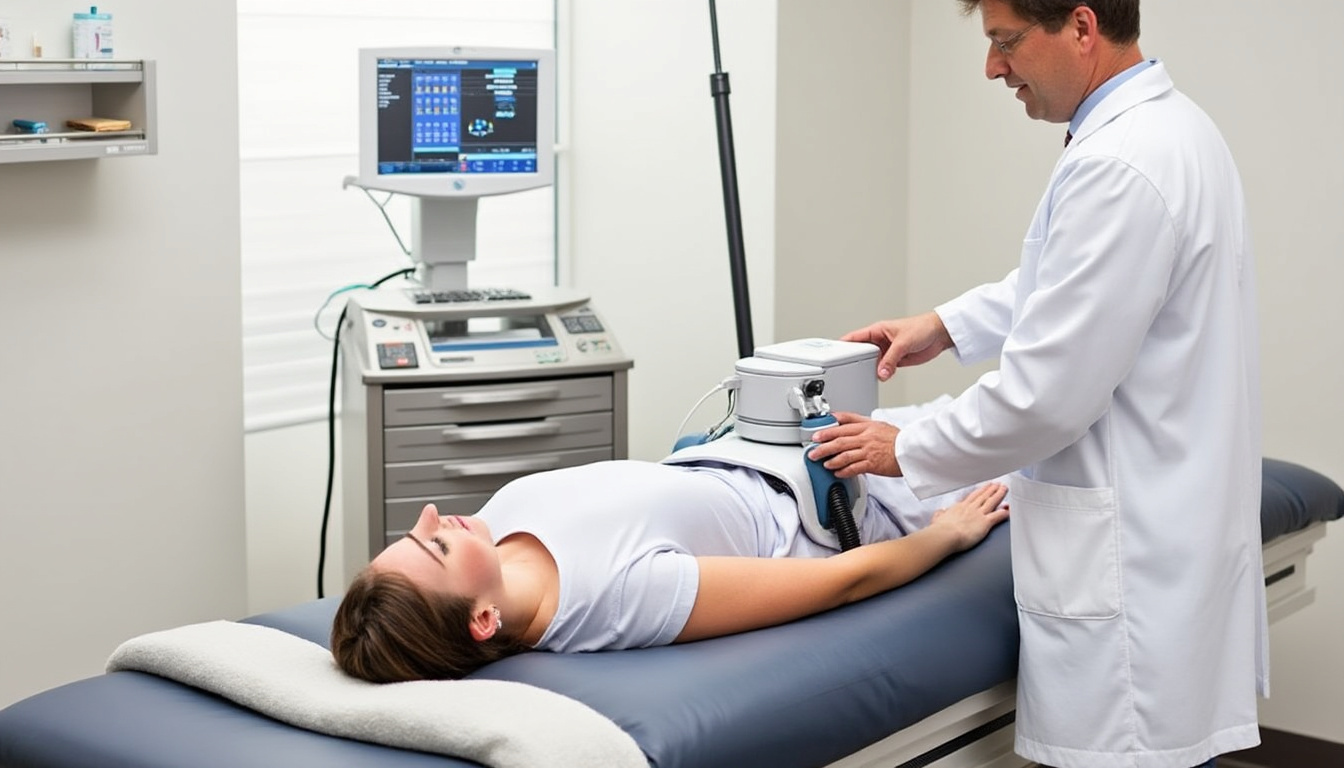
Herniated Disc in Terrebonne: Safety, Contraindications, and Neurovertebral Decompression Treatment
In the vibrant community of Terrebonne, where health and well-being remain paramount, advancements in the management of herniated discs have marked a significant evolution in 2026. Patients suffering from chronic back or neck pain often face a difficult journey through…
Exploring the Biomechanical, Human, and Economic Benefits of Transatlantic Lumbar Surgery Coordination
The transatlantic coordination of lumbar disc prosthesis surgery exemplifies a multifaceted model delivering biomechanical, human-centered, and economic gains for patients from Saguenay. Biomechanically, preserving the natural motion of lumbar segments reduces the incidence of adjacent segment degeneration, a frequent complication seen after fusion. This preservation enables better spinal health durability and supports patients’ long-term functional capacity.
From a human perspective, this journey is anchored in empathy and personalized care. Dr. Desforges’ comprehensive evaluations and clear patient communication foster trust, reduce anxiety, and empower patients to actively engage in their treatment decisions. The close follow-up and multidisciplinary rehabilitation plans further underline the compassionate approach integral to this model.
Economically, this pathway mitigates the impact of prolonged wait times within the Canadian healthcare system by offering timely access to advanced surgical options in Europe. Early intervention and effective motion-preserving surgery frequently translate into faster return to work, decreased reliance on pain medications, and overall reduced societal costs associated with chronic disability.
Such benefits underscore why many patients from regions like Saguenay increasingly consider this coordinated care plan. More information about this innovative approach and patient experiences can be found at dedicated information portals.
Cervical Disc Prosthesis in Quebec: Restoring Neck Mobility and Function
Chronic neck pain increasingly affects a growing number of patients across Quebec, profoundly impacting their quality of life and professional capabilities. As the quest for surgical solutions that not only alleviate discomfort but also preserve natural neck mobility intensifies, cervical…
Comprehensive FAQ on Lumbar Disc Prosthesis in Saguenay
What are the main risks associated with lumbar disc prosthesis surgery?
Primary risks include infection, implant failure, and persistent pain after surgery. Each patient’s case is unique, mandating a thorough risk assessment by Dr. Sylvain Desforges to personalize safety precautions and surgical planning.
How long is the typical recovery time following lumbar disc prosthesis implantation?
Most patients can return to sedentary activities such as office work within 2 to 4 weeks. For physically demanding professions, gradual reintegration occurs over 6 to 12 weeks supported by rehabilitation protocols.
Is lumbar disc prosthesis suitable for everyone with back pain?
No. This procedure is chiefly indicated for individuals with strictly discogenic pain confirmed by imaging and clinical evaluation. Patients with spinal instability or contraindications are usually excluded from receiving disc replacement surgery.
What role does neurovertebral decompression play in back pain treatment?
Neurovertebral decompression is a non-invasive technique designed to relieve nerve root pressure. It can be an adjunct or alternative to surgery, often improving symptoms when applied appropriately.
What are the financial considerations for lumbar disc prosthesis surgery?
Costs vary depending on the clinic and specific surgical protocols. Patients are advised to discuss insurance coverages and payment plans proactively with their healthcare provider.
Disc Herniation in Longueuil: Target Patients and Neurovertebral Decompression Treatment Explained
Disc herniation remains a widespread challenge in Longueuil, notably impacting a diverse patient population. The region’s active workforce, coupled with sedentary habits and occupational risks, has amplified the prevalence of nerve compression symptoms and chronic back pain. Addressing this escalating…