
Why Experts Advocate for the Crucial Role of Franchir in Effective Care Management
June 16, 2026
Montreal Lumbar Disc Pain Solutions That Last
June 16, 2026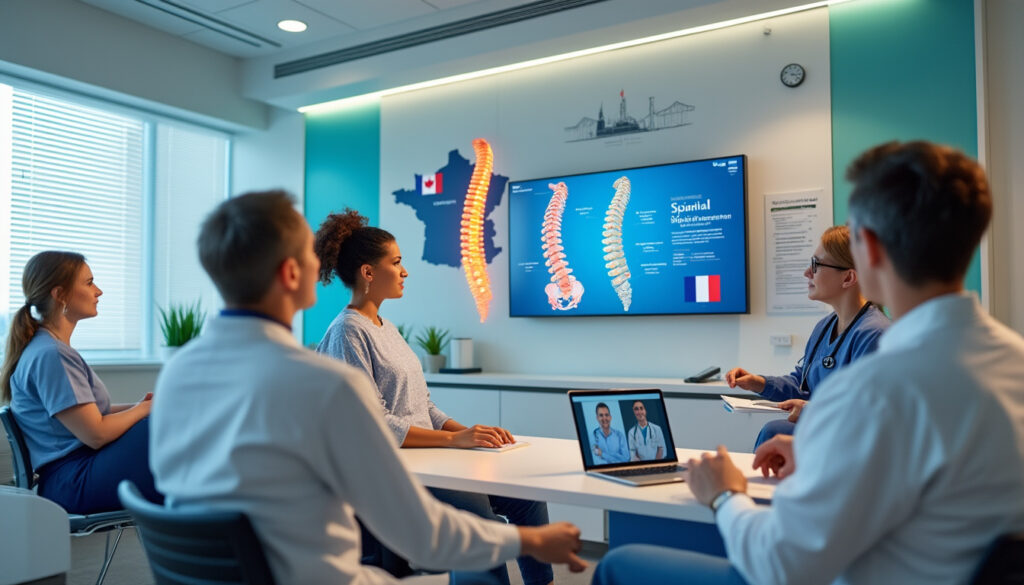
Back pain is more than an inconvenience; it’s a challenge affecting thousands of Quebecers who face prolonged waiting times and costly private care. Motion Surgery in Terrebonne emerges as a beacon of hope, offering advanced surgical alternatives that preserve spinal biomechanics rather than sacrificing mobility through fusion. This innovative approach combines rigorous scientific evaluation, cutting-edge technology, and a carefully coordinated transatlantic care pathway between Canada and France. For patients seeking to restore their quality of life without the limitations imposed by traditional spinal fusion, new doors are opening. Through personalized assessment and the expertise of Dr. Sylvain Desforges, a pioneer in spinal care, this pathway stands out as a uniquely human and technologically sophisticated solution.
At the heart of this movement lies a commitment to preserve the natural function and mobility of the spine, which is crucial for activities ranging from everyday movements to athletic performance. The strategy focuses on deploying dynamic implants, minimally invasive techniques, and neurovertébral decompression before even considering surgery. By emphasizing conservative care and innovation, patients not only avoid long wait times but gain access to treatments previously unavailable locally. The collaboration between Quebec and French medical centers broadens options, tightening timelines and improving outcomes. This article explores the innovative surgical techniques available, the stepwise patient journey, and the biomechanical and human benefits of embracing motion-preserving spine surgery in Terrebonne.
Understanding Motion Surgery: A New Era in Spinal Biomechanics
Motion Surgery represents a paradigm shift in spinal health, especially relevant for patients in Terrebonne and across Quebec who suffer from chronic back or neck pain. Unlike traditional spinal fusion—which permanently immobilizes problematic vertebral segments—motion-preserving techniques seek to maintain or restore natural spinal mobility. This goal addresses a critical problem called Adjacent Segment Disease (ASD), where fused segments transfer stress to neighboring vertebrae, accelerating degeneration. Maintaining spinal motion preserves biomechanical harmony and prevents this common complication.
Dr. Sylvain Desforges, with his 30+ years of experience and roles as founder and president of key Canadian osteopathy associations, champions this innovative field. His expert evaluations carefully determine whether a patient’s pathology is suitable for motion surgery, respecting stringent ethical and scientific standards. His work highlights the importance of collaboration between osteopathic care, advanced imaging, and surgical innovation to align biomechanical preservation with safer patient outcomes.
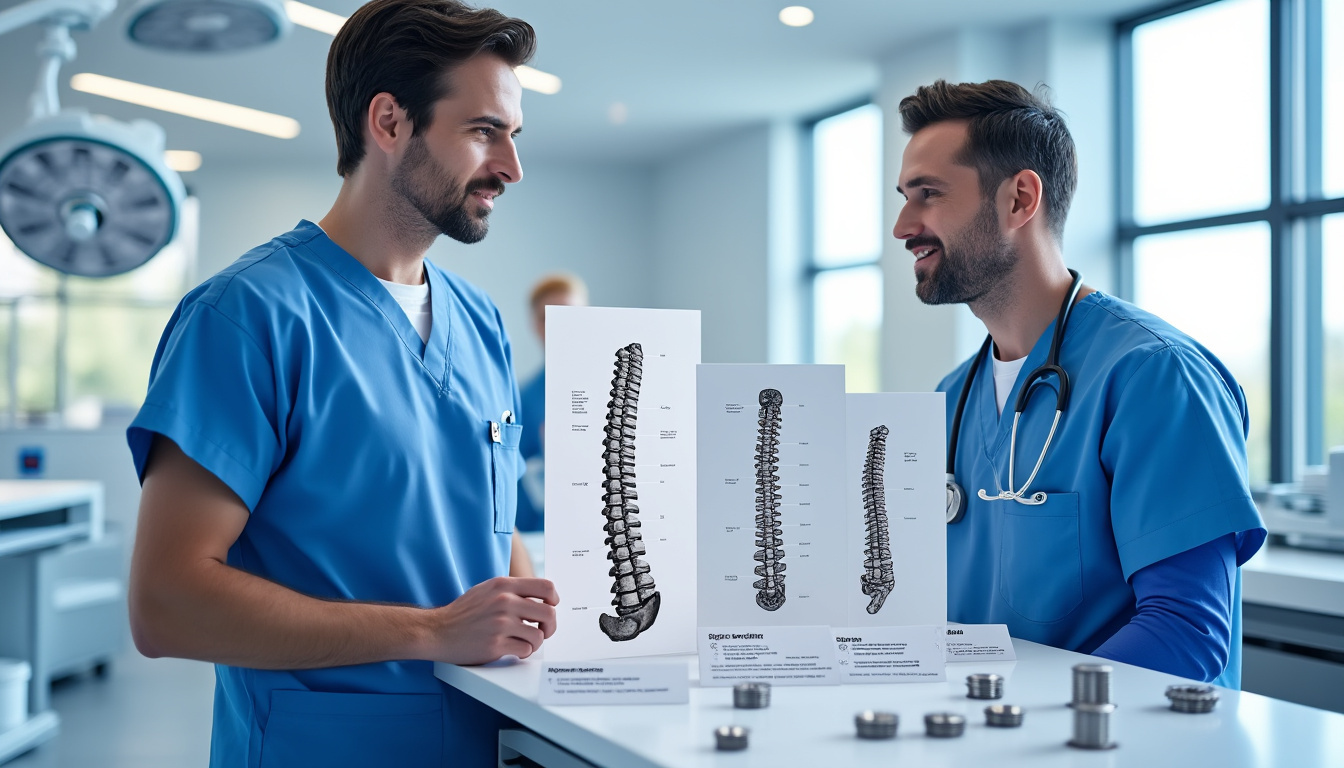
Motion Surgery encompasses several techniques, including dynamic implants like the TOPS system or Intraspine, artificial disc replacements, and endoscopic minimally invasive surgeries. Each method is designed to replicate natural motions such as flexion, extension, and rotation without compromising stability. This careful balance reduces inflammation and mechanical overload, promoting quicker recovery and sustained spinal health. Such advancements align with the philosophy demonstrated at centers like TAGMED in Terrebonne, where conservative treatment integrates cutting-edge technologies prior to surgical consideration, ensuring that surgery is only pursued after 3 to 6 months of professional care.
The future of spinal care increasingly hinges on both biomechanics and biology, aiming to maintain function while arresting disease progression. Motion Surgery in Terrebonne exemplifies this strategy, melding biomechanical science with patient-centered innovation.

IntraSPINE® in Sherbrooke: Durable Solution for Chronic Low Back Pain
The management of chronic low back pain, a widespread condition affecting millions across Quebec and beyond, has reached a pivotal moment thanks to innovative medical technologies and coordinated care pathways. At the heart of this evolution lies the IntraSPINE implant,…
Exploring Types of Motion-Preserving Surgeries in Terrebonne and France
Patients interested in Motion Surgery in Terrebonne have access to a variety of surgical options, many of which are enhanced through the transatlantic partnership with renowned French centers offering cutting-edge spine preservation technologies. These techniques fall broadly into three categories: simple motion-preserving implants, artificial disc replacements, and fusion alternatives with dynamic motion segments.
Dynamic Implants: The TOPS and Intraspine Systems
Dynamic implant systems such as TOPS (Total Posterior Solution) and Intraspine stabilize the spine while allowing controlled vertebral movement. Unlike rigid fusion, these implants absorb and distribute mechanical stress, thereby reducing postoperative pain and minimizing adjacent segment wear. Commonly used in cases of lumbar spinal stenosis or mild instability, dynamic implants foster functional recovery typically within 4 to 6 weeks postoperatively, an impressive reduction compared to traditional fusion.
Artificial Disc Replacement (ADR)
ADR replaces the degenerated intervertebral disc with a prosthetic designed to mimic the natural anatomy and motion of spinal segments. This approach is especially beneficial for younger, active patients with isolated disc degeneration. The prostheses made from ultra-durable materials such as titanium or cobalt-chrome enable flexion, extension, and rotation, preserving flexibility and reducing the risks associated with extensive hardware fusion. Postoperative rehabilitation is faster, and patients often experience less chronic pain and a substantial regain in function.
Minimally Invasive Endoscopic Procedures
Minimally invasive endoscopic spine surgery targets nerve decompression with minimal tissue disruption using pencil-thin instruments and high-definition visualization. This approach reduces the need for fusion by preserving the integrity of bone and ligaments, thereby maintaining natural spinal motion. Often performed on an outpatient basis, these procedures offer minimized scarring and pain, allowing patients to return rapidly to everyday activities.
The availability of these diverse techniques is possible due to the close collaboration between Terrebonne clinics like TAGMED and specialized French surgical centers. The technique selection is patient-specific, tailored to structural pathology while maximizing the preservation of spinal biomechanics. This spectrum of care broadens treatment horizons beyond what is commonly accessible in Quebec alone.
Spine Surgery in Trois-Rivières: Reduce Pain and Preserve Mobility
In recent years, spine surgery in Trois-Rivières has evolved notably, combining advanced medical expertise with innovative technologies to deliver patient-centered care. This growing field addresses the increasing demand among Quebec residents seeking effective solutions for chronic back pain and mobility…
Stepwise Patient Journey: From Evaluation in Quebec to Surgery in France and Back
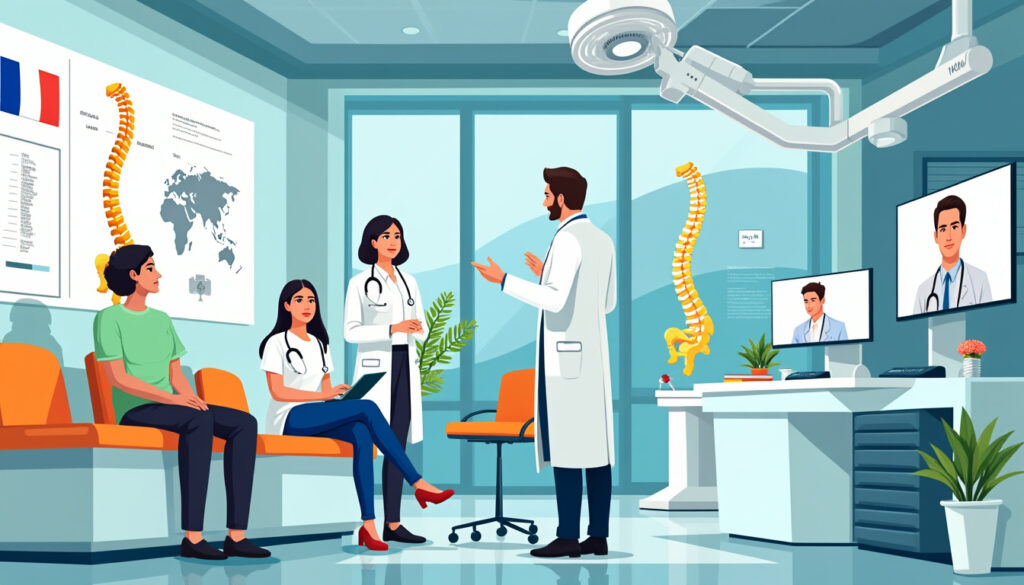
The journey toward Motion Surgery is as important as the procedure itself. Patients in Quebec begin with comprehensive, expert assessments led by Dr. Sylvain Desforges and his team at TAGMED clinics in Terrebonne or Montréal. This rigorous evaluation utilizes advanced imaging and biomechanical analysis to form a precise understanding of the patient’s spinal condition.
Before considering surgery, Dr. Desforges insists on a minimum of three to six months of conservative care, including neurovertébral decompression and osteopathic interventions. These treatments aim to alleviate symptoms and possibly avoid surgery altogether. Importantly, if such conservatory measures have not been exhaustively explored, motion surgery is deferred.
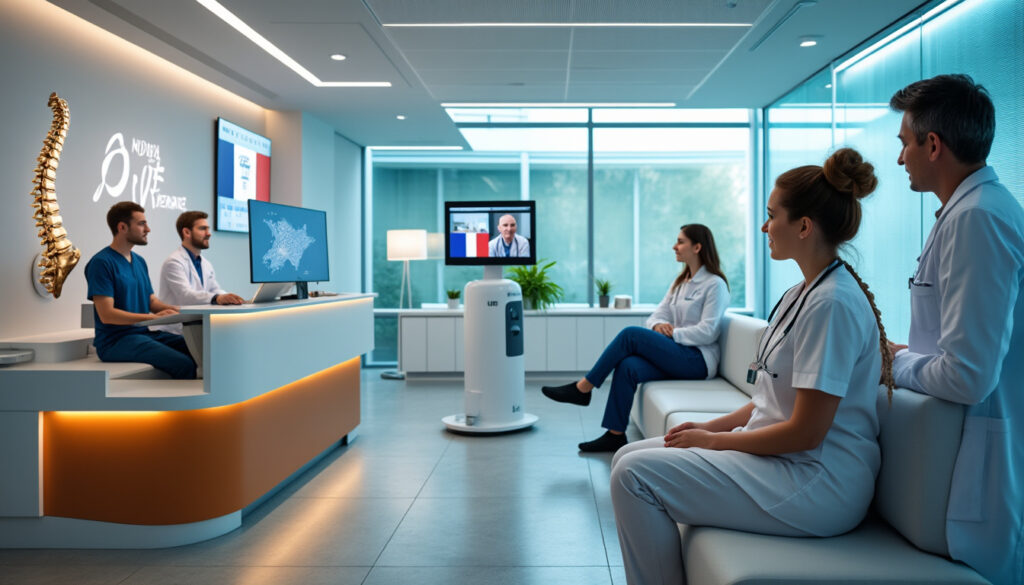
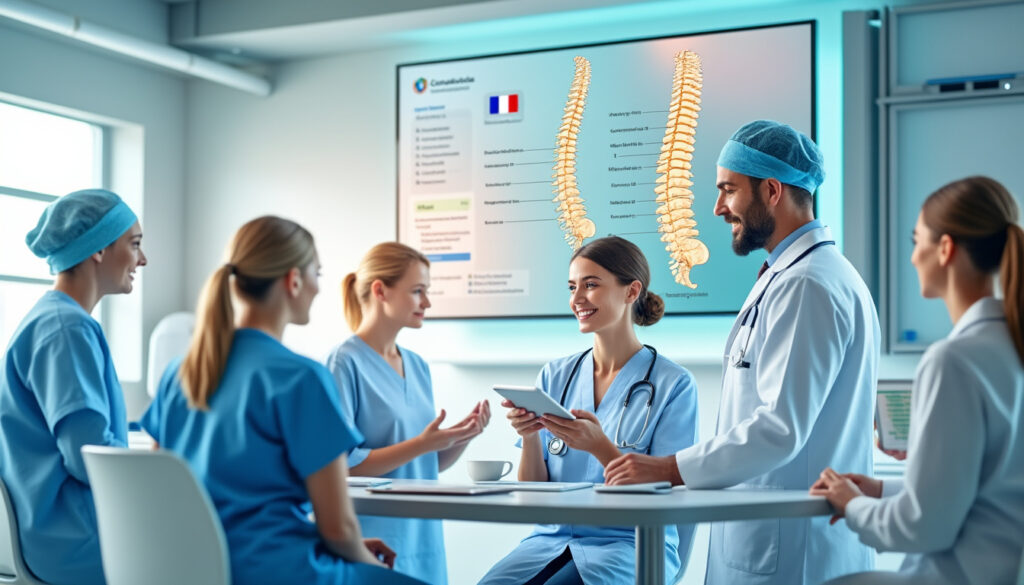
When surgery becomes appropriate, a carefully coordinated transatlantic referral process directs patients to leading French centers equipped with advanced motion-preserving surgical options unavailable locally. This partnership, managed with close communication among Quebec and French medical teams, ensures seamless logistics, from travel arrangements to hospital admissions, supported by experienced patient navigators such as those at SOS Tourisme Médical and Franchir.
Following surgery, patients benefit from structured post-operative rehabilitation supervised by Neurothérapie Montréal, focused on restoring function and comfort during their recovery phase. This holistic, patient-centered continuum exemplifies meticulous care coordination that decreases anxiety and fosters trust, empowering patients to regain spinal mobility safely.
This structured workflow sets Terrebonne’s Motion Surgery initiative apart, delivering a uniquely integrated transatlantic healthcare experience underpinned by scientific rigor and compassionate care.
Cervical Disc Prosthesis in Quebec City: Avoid Post-Surgery Stiffness
Chronic neck pain remains a significant challenge for thousands of residents in Quebec City every year, often leading them to seek effective spinal surgery options that minimize downtime and maximize long-term mobility. Among the recent advancements revolutionizing cervical spine care,…
Essential Role of Conservative Care Before Motion Surgery
Motion Surgery is not presented as a first-line treatment. The foundation for success in any spinal care journey lies in thorough non-surgical management. This principle is strongly emphasized by Dr. Desforges and embedded as an ethical standard in the practice.
Conservative care mainly consists of neurovertébral decompression provided via computer-assisted and robotic techniques, plus specific osteopathy tailored to individual needs. Unlike general physiotherapy, these methods focus on biomechanical integrity and symptom-specific relief through targeted mechanical unloading and soft tissue mobilization.
Such treatments give the spine a chance to heal or at least improve functional capacity by reducing nerve compression, inflammation, and pain. The use of advanced technological aids like controlled traction tables and laser devices enhances treatment precision and effectiveness. This is a defining feature of the Clinique TAGMED, a reference point in Quebec for advanced conservative spinal care.
Only after this thorough conservative management, if symptoms persist with significant functional impairment, does the pathway to Motion Surgery become appropriate. This staged approach respects the spine’s complexity and ensures surgical indications align with best evidence and personalized patient circumstances.
Minimally Invasive Surgery in Longueuil: Reduce Hospital Stay Duration
In recent years, advances in spinal care have dramatically reshaped the treatment landscape for patients suffering from debilitating spinal conditions. Particularly in Longueuil, the emergence of minimally invasive surgery (MIS) techniques offers a transformative alternative to conventional open surgeries. These…
Biomechanical and Human Benefits of Motion-Preserving Surgery
The preservation of spinal mobility yields several critical advantages that transcend mere symptom relief. Dr. Desforges’s approach highlights not only biomechanical but also human aspects of care in Motion Surgery.
- Maintaining Natural Spinal Mobility: Dynamic implants and prosthetics maintain the motion between vertebrae, supporting fluid, pain-free movement and reducing patients’ fear of stiffness.
- Mitigation of Adjacent Segment Wear: By avoiding immobilization, these techniques reduce the risk of degeneration on spinal levels adjacent to the operated site, a frequent complication of traditional fusion surgeries.
- Accelerated Recovery and Enhanced Quality of Life: Less muscle disruption and less pain post-surgery allow patients to resume physical and professional activities faster.
- Psychological Reassurance: Understanding that the spine’s natural function is preserved promotes confidence and motivation during rehabilitation.
- Minimizing Long-Term Complications: By addressing biomechanics carefully, the risk of requiring future surgeries due to secondary degeneration is lowered.
This holistic benefit package distinguishes motion-preserving surgery as a forward-thinking alternative, especially within a framework of Canadian and French expert cooperation.
IntraSPINE® in Laval: Modern Solution for Lumbar Stabilization
In the evolving landscape of orthopedic treatments, the city of Laval has become a hub for innovations addressing chronic lower back pain. Among the groundbreaking solutions gaining attention is the IntraSPINE device—a modern spinal implant designed to offer dynamic lumbar…
Innovative Technologies Supporting Motion Surgery Success
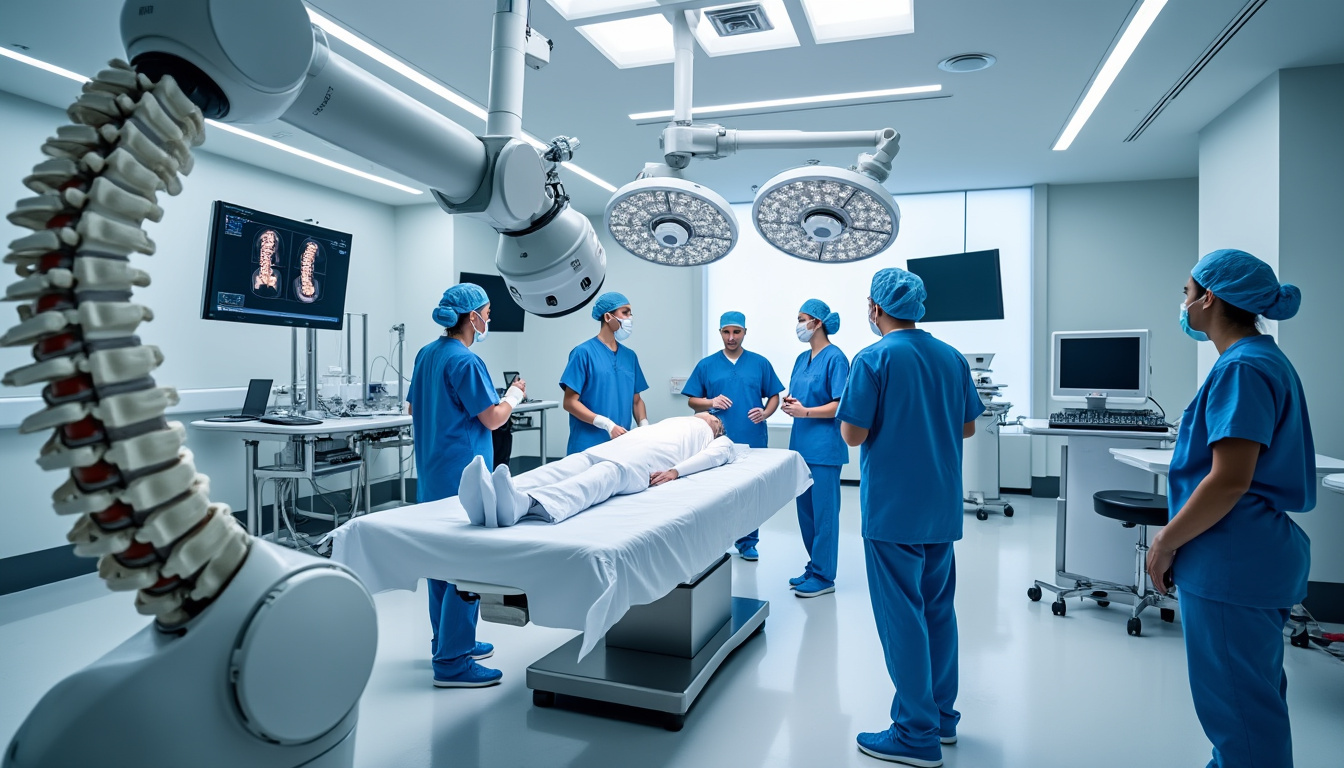
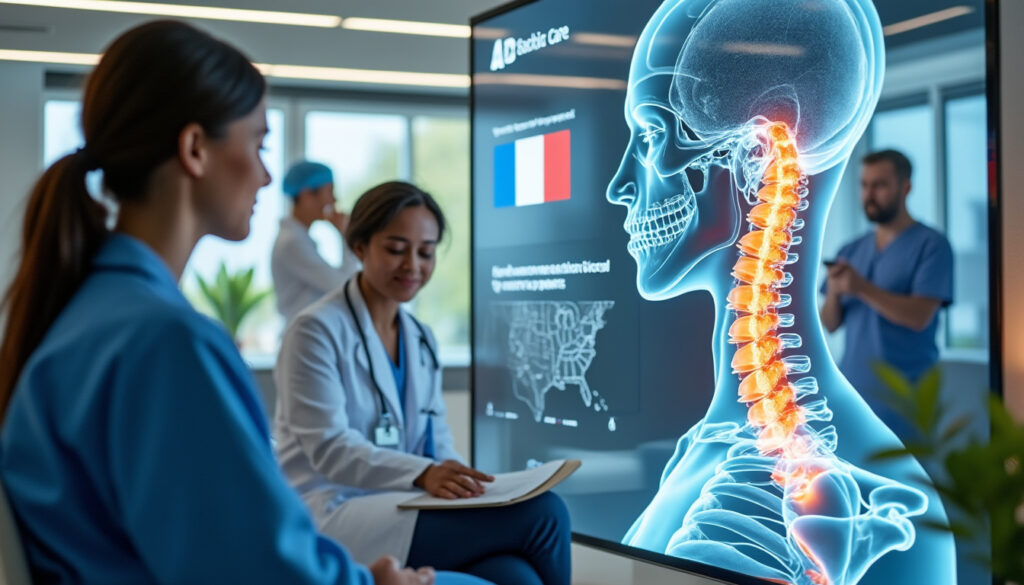
Recent technological leaps underpin the success of Motion Surgery techniques employed both locally in Terrebonne and in partner centers across France. Robotic navigation systems enable precision implant placement, reducing surgical trauma and improving outcomes. Augmented reality tools offer real-time 3D visualization, enhancing surgeon confidence while preserving critical anatomical structures.
Dynamic implants like the TOPS system are biomechanically designed to replicate the spine’s natural articulations. Prosthetic discs composed of medical-grade titanium or cobalt-chrome alloys withstand daily spinal loads while permitting physiological movements. Endoscopic surgery techniques minimize incision sizes and tissue damage dramatically, contributing to reduced post-operative pain and faster mobilization.
Moreover, these innovations integrate with a rigorous evaluation protocol established by experts including Dr. Desforges, ensuring that every surgical intervention is tailored appropriately to the patient’s anatomy and functional goals. As a result, fewer complications, higher satisfaction rates, and sustainable spinal health become achievable targets.
Neck Surgery in Montreal: Maintain Cervical Flexibility and Function
Neck conditions causing persistent pain or functional loss place a substantial burden on individuals and healthcare systems, especially in urban centers like Montreal. Surgical interventions targeting the cervical spine have evolved tremendously, aiming not only to relieve symptoms but to…
Advantages of the Franco-Québécois Transatlantic Surgical Pathway
The uniquely coordinated collaboration between Quebec’s expert teams and France’s centers of excellence offers Quebec patients access to advanced Motion Surgery options beyond the current local scope. This transatlantic partnership embodies innovation, quality, and comprehensive patient support, harmonizing care protocols across borders.
Key benefits of this pathway include:
- Reduced Waiting Times: By bypassing local surgical bottlenecks, patients access timely interventions.
- Access to Next-Generation Implants and Surgical Techniques: French centers reliably introduce dynamic implants and minimally invasive methods at the forefront of spinal care innovation.
- Comprehensive Logistical and Administrative Support: Organizations like SOS Tourisme Médical expertly manage travel, accommodation, and local orientation.
- Personalized Follow-Up: Post-operative care in Quebec is provided by Neurothérapie Montréal, ensuring smooth recovery in a familiar setting.
- Cost-Effective Solutions without Compromising Quality: Strategic international coordination helps lower procedural expenses compared to private Canadian clinics.
This transatlantic journey provides unprecedented options for Quebecers determined to reclaim their back health with scientifically sound, ethically guided approaches in Motion Surgery.

Disc Prosthesis in Lévis: Quick and Long-Lasting Results
Chronic back pain caused by degenerative disc disease continues to profoundly impact the quality of life for many residents in Lévis and the broader Quebec area. For decades, traditional spinal fusion surgery has been the primary solution for alleviating severe…
Comparison Table of Motion Surgery Techniques Available in Terrebonne
| Technique | Description | Key Advantages | Recovery Time |
|---|---|---|---|
| TOPS Dynamic Implant | Implant stabilizes lumbar vertebrae while preserving movement | Reduced pain, preserves mobility, limits adjacent segment degeneration | 4-6 weeks |
| Intraspine Implant | Dynamic implant targeted at degenerative disc disease | Maintains spinal movement, fast recovery | 4-6 weeks |
| Artificial Disc Replacement | Prosthetic disc replacing degenerated intervertebral disc | Preserves natural motion, less invasive than fusion | Approximately 6 weeks |
| Endoscopic Spine Surgery | Minimally invasive decompression with high-definition visualization | Less tissue damage, outpatient procedure, faster return to daily activities | 2-4 weeks |
This comparative overview highlights the value and diversity of surgical options in a Motion Surgery program designed around preserving spinal biomechanics and optimizing patient well-being in Terrebonne.

Motion Surgery in Terrebonne: Maintain Intervertebral Mobility
Back pain remains a widespread concern for many in Quebec, with traditional treatment pathways often imposing lengthy waiting periods and financial constraints. Recently, Motion Surgery in Terrebonne has emerged as a transformative option, attracting patients seeking spinal solutions that prioritize…
A Patient-Focused Perspective: Empowering Your Spinal Health Decisions
The path toward Motion Surgery is not just medical; it’s profoundly human. Dr. Desforges emphasizes transparency, ongoing education, and empathetic patient communication throughout the care continuum. Understanding the nature of your spinal condition, the pros and cons of each treatment option, and the expected recovery journey empowers you to make informed decisions.
Patients are encouraged to ask their care teams crucial questions such as:
- “Is motion-preserving surgery suitable for my specific spine condition?”
- “What risks are associated with fusion versus motion preservation in my case?”
- “What technologies will be used to minimize surgery risks and optimize recovery?”
- “How soon can I safely return to work or sports post-operation?”
Engaging proactively ensures realistic expectations and fosters a partnership with your medical team. With the support available through coordinated Franco-Québécois programs and state-of-the-art facilities like Clinique TAGMED, Quebec patients now have promising options to preserve their spinal mobility and reduce pain with confidence.
What conditions qualify for Motion Surgery in Terrebonne?
Typically, patients with degenerative disc disease, mild lumbar spinal stenosis, or segmental instability where conservative treatments have failed are considered candidates for motion-preserving surgery.
How long is the recovery after motion-preserving surgery compared to spinal fusion?
Recovery time is notably shorter; patients usually resume normal activities in 4 to 6 weeks versus several months after fusion, depending on the specific technique used.
Why is conservative care necessary before considering surgery?
Conservative treatments can improve symptoms and function without surgery. Surgery is only considered if these fail to provide significant relief after 3 to 6 months, ensuring that the least invasive approach is chosen.
How does international coordination improve patient care in Motion Surgery?
Collaboration between Quebec and French centers provides access to advanced surgical technologies, reduces wait times, and supports seamless logistical and post-operative care integration.
Is Motion Surgery covered by Canadian insurance plans?
Coverage varies depending on the plan and procedure. Patients are advised to consult their providers and benefit from assistance available through specialized clinics to navigate insurance processes.